Find a Trusted Siberian Cat Breeder Near You

Deciding to bring a Siamese kitten home is one thing. Finding a breeder who actually earns your trust is another. If you've started searching for "siberian cat breeders" and felt your head spin from the sheer volume of cattery websites, you're not alone.
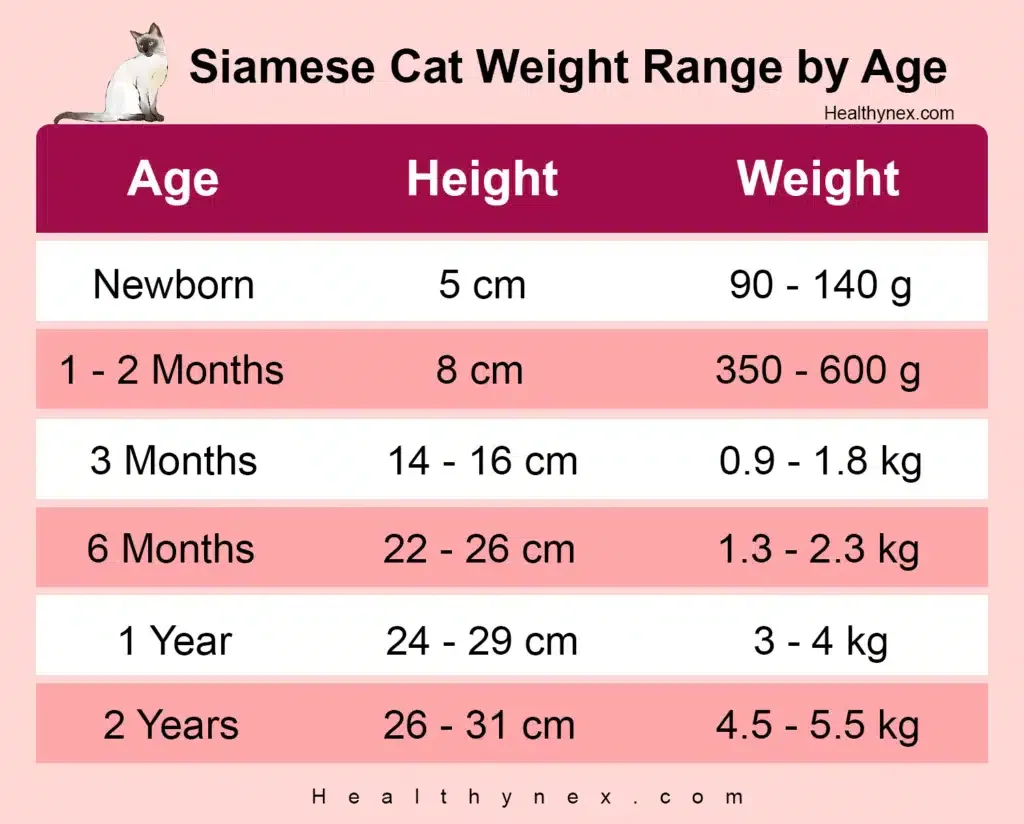
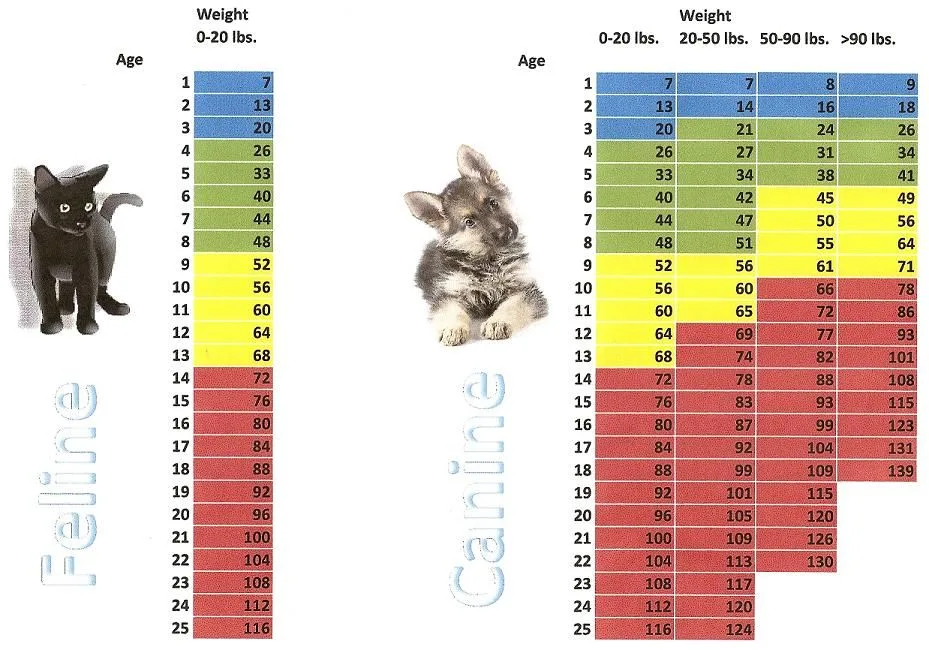
The truth is, a responsible breeder does more than just sell kittens. They screen for genetic diseases, socialize litters from day one, and they will interview you just as hard as you interview them. Understanding the growth stages of a Siamese cat helps you ask better questions, but only a vetted, ethical breeder can give you the health history and temperament guarantees that actually matter.
Let's break down exactly what to look for, what to avoid, and how to spot the real deal from a kitten mill in disguise.
Quick Answer
Finding a responsible Siamese cat breeder starts with breed club referrals and health testing. A quality breeder screens for HCM and PRA. They keep kittens until 12 to 16 weeks old.
They provide registration papers and a written health contract. Warning signs include no health records, multiple litters available, or no waitlist. Ethical breeders prioritize health and temperament over volume or profit.
Genetic Health Screening: The First Non-Negotiable
If a breeder can't produce recent health certificates, walk away. Plain and simple. The most devastating issues in the breed are hypertrophic cardiomyopathy (HCM) and progressive retinal atrophy (PRA).
HCM thickens the heart muscle and can be fatal. PRA causes blindness. Both are genetically linked.
Responsible breeders screen their breeding cats before every litter. Ask for proof, not promises. Look for an echocardiogram from a veterinary cardiologist, not a general vet’s quick listen.
A stethoscope can’t reliably detect HCM because the heart can sound normal even when the disease is brewing.
Our research shows that a DNA test for PRA is a simple cheek swab. Any breeder can do it. If they haven't, that's a red flag the size of a billboard.
Also ask about feline immunodeficiency virus and feline leukemia virus testing, even though indoor cats rarely contract these, a clean panel shows the breeder is thorough.
A breeder should openly discuss what they test for and why. If you get a blank stare or they say "we don't need to test because we don't have problems," treat that as a glaring admission of negligence. The Cat Fanciers' Association and other governing bodies require tests for their registered catteries.
Ask for those credentials.
On-Site Visits: What You See and What You Should Question
Photos and video calls are fine for a first round, but nothing replaces a real visit. A legitimate breeder will insist you see the cattery environment in person. If they make excuses about not allowing visitors, consider it a dealbreaker.
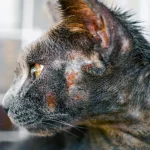
When you visit, look at the cats up close. Their eyes should be clear and bright with no discharge. Their coats should be clean and free of bald patches or dander.
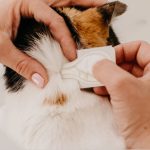
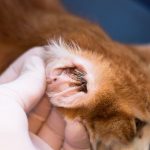
Their ears should be pink and neat. Watch the kittens play. They should have energy, curiosity, and absolutely no fear of humans.
Watch how the kitten interacts with their mother. The queen should be relaxed and healthy. A kitten who is scared, lethargic, or has a bloated belly (a sign of worms) means the cattery has hygiene or health gaps.
Also, smell the room. It should not stink. A clean cattery smells mild, and the litter boxes are not overflowing.
Your breeder will likely ask you to sanitize your hands and wear shoe covers. That’s a good sign. It shows they care about biosecurity and preventing disease transmission.
If the space feels squalid or the cats look stressed, leave. You don’t owe them an explanation, they owe you a safe, healthy kitten.
Sieving Out the Red Flags: Scams and Kitten Mills
Scammers know that Siamese kittens are in high demand. Online listings full of stock photos, prepayment requests, and sob stories about a sick relative who needs a home are common fraud. A genuine breeder will never pressure you with a deadline or demand a deposit through wire transfer or a gift card.
Kitten mills disguise themselves well. They might have hundreds of reviews and a slick website. But ask to see litter history.
A mill will have multiple litters weaned from multiple queens at the same time, which means your kitten likely got a lot less early socialization. A good breeder rarely has more than two litters a season.
Watch for signs of “convenience breeding.” If every litter comes out exactly the same color or pattern, they may be inbreeding for traits that serve a specific look over health. A rare show-quality line comes with a long waitlist, and prices that reflect the breeding costs. A kitten advertised for $200 with a "buy it now" button is a major red flag.
Finally, trust your gut. If something feels off, it probably is. Genuine breeders usually have a waiting list, a questionnaire, and a line on their contract about taking the cat back for any reason during its life.
The rescue, rehomed, or returned clause says so much more than a sales pitch ever will.
Preparing for Kittenhood: The First 16 Weeks at Home
You've picked your baby and paid the adoption fee. Now the real work begins. A healthy Siamese kitten is a tiny tornado of energy.
It climbs curtains, hunts toes at 3 a.m., and demands attention with a yowl that sounds both adorable and urgent. Preparation makes a huge difference.
Bring home supplies. That's a litter box (one per cat plus one extra), a scratching post, a snug cave bed, and food and water bowls made of stainless steel or ceramic. Plastic bowls harbor bacteria in micro-scratches and can lead to feline acne.
You also need a safe room for the first week.
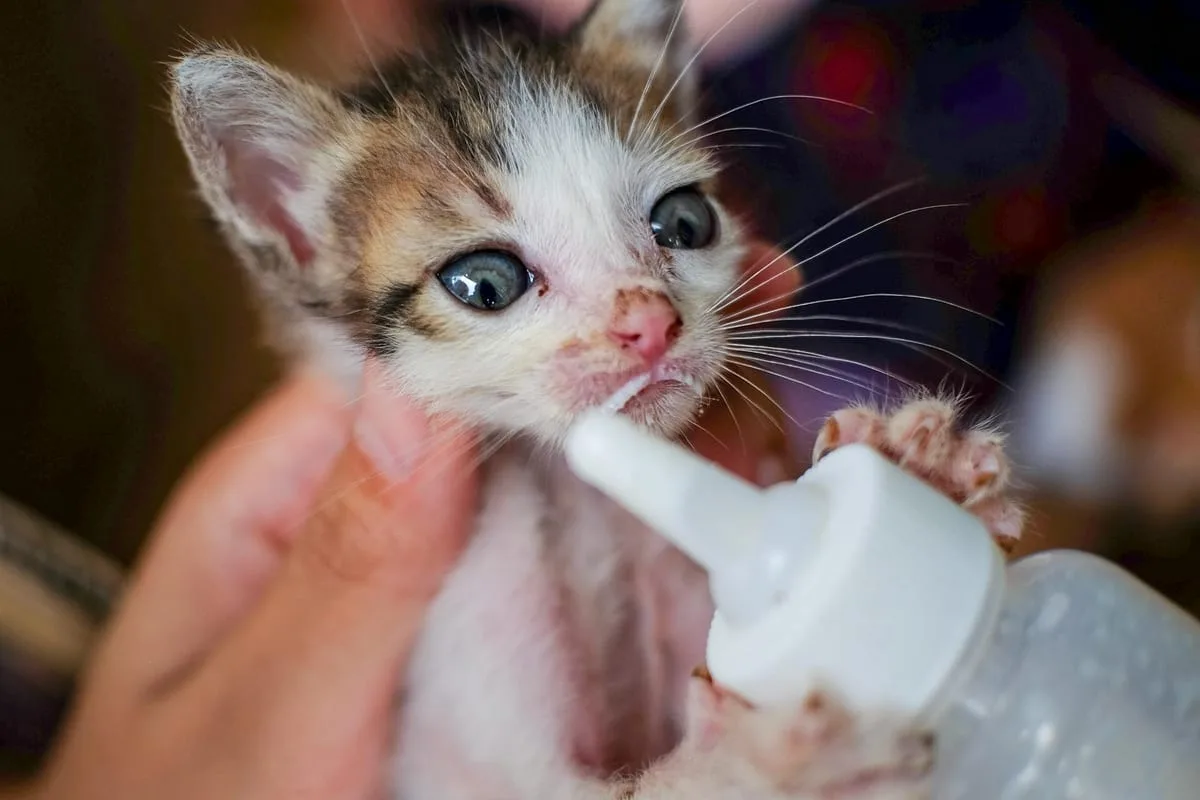
Timeline goes like this. First 24 hours, let the kitten settle in a quiet space with their own litter, food, and a soft blanket that smells like their mom and litter mates. They might hide.
That's normal. Give them space, no loud noises, and definitely don't force interaction.
By weeks 2 to 4, your kitten will start exploring. This is prime time for litter training reinforcement and gentle handling. Introduce toys that simulate prey, like wands with feathers, to satisfy their hunting instinct.
Siamese cats are dog-like. They bond hard. They want to be with you, in the same room, always.
Around weeks 6 to 8, food drive kicks in. Start mixing in high-quality wet food. The kitten’s digestive system is young, so pick a grain-free formula with named protein like chicken or fish.
Slow meal transitions are key. Abrupt switches cause diarrhea, and a dehydrated kitten needs a vet visit.
Weeks 10 to 16 are when your kitten hits their “teen” phase. They have the confidence of a lion and the coordination of a drunken toddler. This is the right time to start clicker training, introduce a cat tree, and make sure they start teething on wet food, because dry kibble at this age can be too hard on a sore mouth.
Watch out, kittens at this stage will chew baseboards and cords. Bitter spray isn't a punishment; it's a deterrent for things you need to keep safe.
Always have a vet check-up within 48 hours of bringing them home. The vet will check for common issues like ear mites, fleas, and a heart murmur. Get that initial vaccination schedule set.
A Siamese kitten that’s properly cared for in these early stages grows into a lean, muscular, and exceptionally social adult.
The Adult Siamese: Growth Charts and Lifelong Care
IMAGE PLACEHPER H2: siberian cat breeders
By month 12, your kitten is no longer a kitten. A standard adult Siamese weighs between 8 and 12 pounds, with males on the heavier end. Females are usually daintier.
However, the weight only matters when paired with a solid build. They're not dachshunds, so you want a body that feels dense and muscular, not bony.
A properly grown Siamese has at least a year for their skeletal frame to mature. Their bones are longer and more elegant than a typical house cat. They look athletic and sleek.
They also have a longer face with an especially chatty mouth. They will use it.
Feeding shifts from kitten formula to adult maintenance diet around month 12 for most, but it depends on their energy level and frame. Our research shows a high-protein, low-grain diet suits their delicate stomachs. Monitor portions in the beginning.
Indoor Siamese are prone to weight gain once the choosy teenager eating habits settle down.
Microchipping is not just for shelter pets. Indoor cats get out, and Siamese cats are escape artists who follow their nose out the door to explore. Get them microchipped and make sure the registration is updated.
The vet will do it; just set the reminder in your phone to renew their tags.
Hydration is another ongoing job. Siamese cats are commonly prone to kidney issues and urinary crystals. A water fountain encourages them to drink more.
Wet food also adds moisture. Dry kibble only meals set them up for chronic dehydration. Encourage water play and multiple water stations throughout your home.
Preventive care is simple. Annual vaccinations, yearly blood work after age seven, and quarterly parasite control. Their life expectancy is 15 to 20 years.
That's a long time to be a companion, but the daily joy they give you is literally endless. They follow you room to room, they talk to you while you work, and they curl into your chest at night as if you were always theirs.
Frequently Asked Questions
How much does a Siberian cat cost from a breeder?
A healthy purebred kitten from a registered Siberian cat breeder typically ranges from $1,200 to $2,500. This price includes initial vaccinations, deworming, microchipping, and registration papers. Breeders in high-demand urban areas or with champion bloodlines often charge more.
Paying more doesn't guarantee better health, but suspiciously low prices usually mean a backyard breeding operation.
How do I verify that a breeder is reputable?
Check their affiliation with the Cat Fanciers' Association or TICA. Ask for a tour of their facility to inspect living conditions. Speak directly with a vet who has seen their cats.
Read independent reviews online and ask for references from previous kitten buyers. A reputable breeder will have a 5 to 10 year history, a waitlist, and no hidden fees.
What is a Siberian cat good for in a family?
Siberian cats are incredibly affectionate, dog-like, and highly social. They get along with children and other pets because of their patient temperament. They are known for being loyal to the point of following you from room to room.
However, they are not lap cats in the same way someone would describe a Ragdoll. They prefer to be near you, not necessarily on you.
Do Siberian cats intermate well with other cat breeds?
Yes, they generally do. Their calm and confident personality means they rarely feel threatened by other animals. They will usually initiate play and sniffing, establishing a natural hierarchy.
This breed also enjoys having feline company, which can help curb morning zoomies. Just give slow introductions, keeping them separate for the first 3 to 5 days.
Why do Siberian cats have a shorter lifespan?
They actually have a longer lifespan than many other breeds, averaging 15 to 20 years. Heart disease, specifically hypertrophic cardiomyopathy (HCM), is their most common health concern. This is exactly why genetic testing is so important.
A breeder who screens for HCM drastically reduces the risk of passing it on. This plus a balanced diet and routine vet care, gives you a very high chance at longevity.
Do Siberian cats mind being left alone?
Siberians are independent enough to entertain themselves for a workday, but they are not aloof. They form such strong bonds that they experience separation anxiety when left for long periods. Their intelligence demands puzzle feeders and climb towers to keep busy.
If you are at the office all day, consider adopting a second cat who can keep them company. Otherwise, hire a pet sitter for the days you are gone over 10 hours.

Similar Posts