Should You Hiss at Your Cat? The Surprising Answer
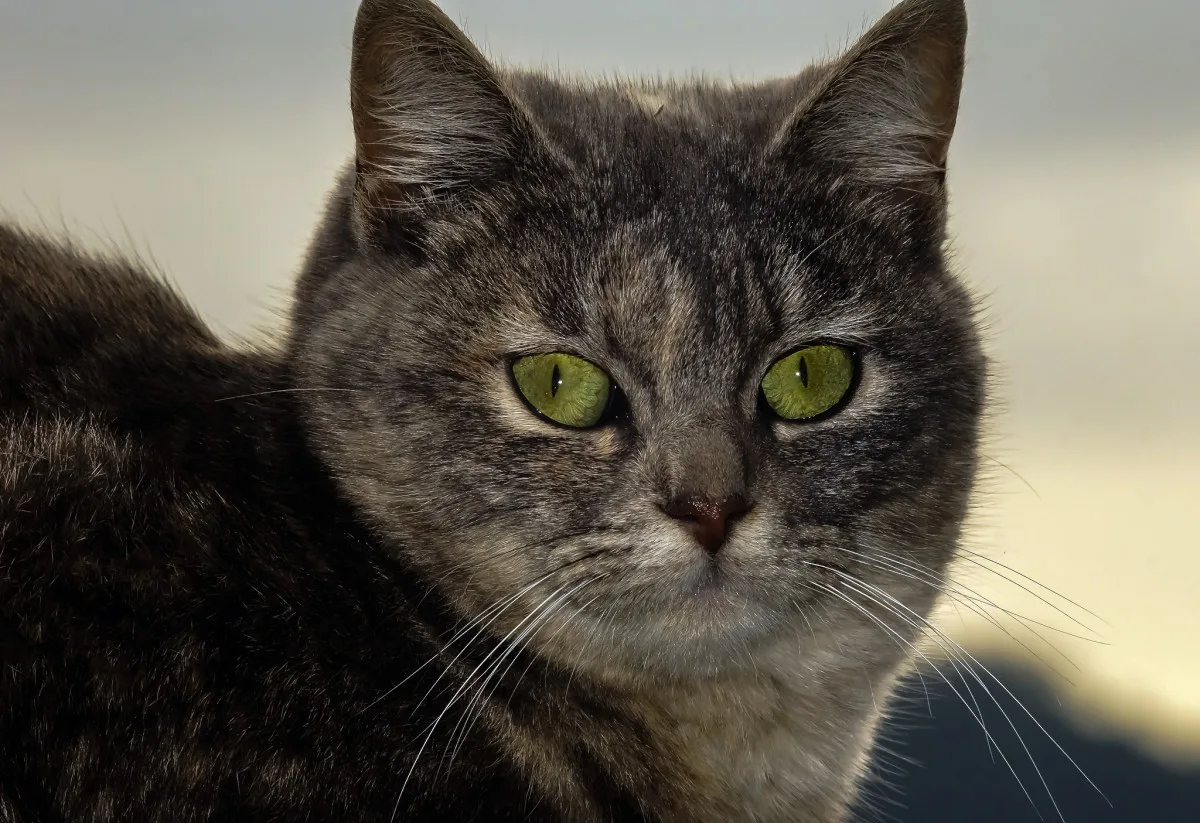
Image source: Web (Bing) / pxhere.com (Web image (fair-use with source credit))
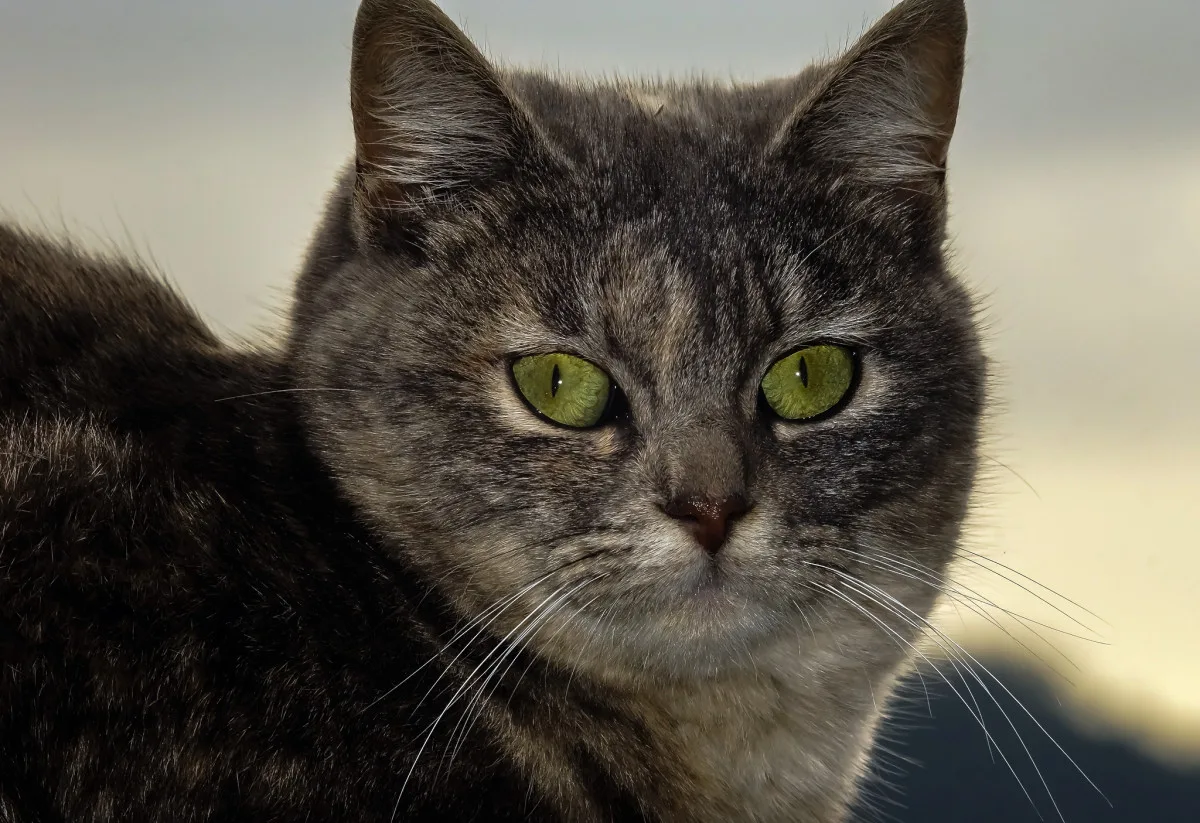
You're staring at your cat, back arched, ears flat, that low growl rumbling from their chest as they stare at your hand like it owes them money. Your gut says "hiss back. Show them who's boss." But should you hiss at your cat?
The short answer is a hard no, and here's why that instinct is actually backfiring on you.
Cats don't speak "hiss" as a language so much as they use it as a sonic siren for "back off or I'm throwing paws." When you hiss at a cat, you're not communicating discipline or leadership, you're confirming to a stressed-out animal that the threat they sensed is real. Aggressive responses like this escalate fear, and a frightened cat is how you end up with scratches, bites, or a cat that starts hiding under the bed every time you walk into the room. Let's break down the science and the practical alternatives that actually work.
Why Hissing at Your Cat Is Harmful
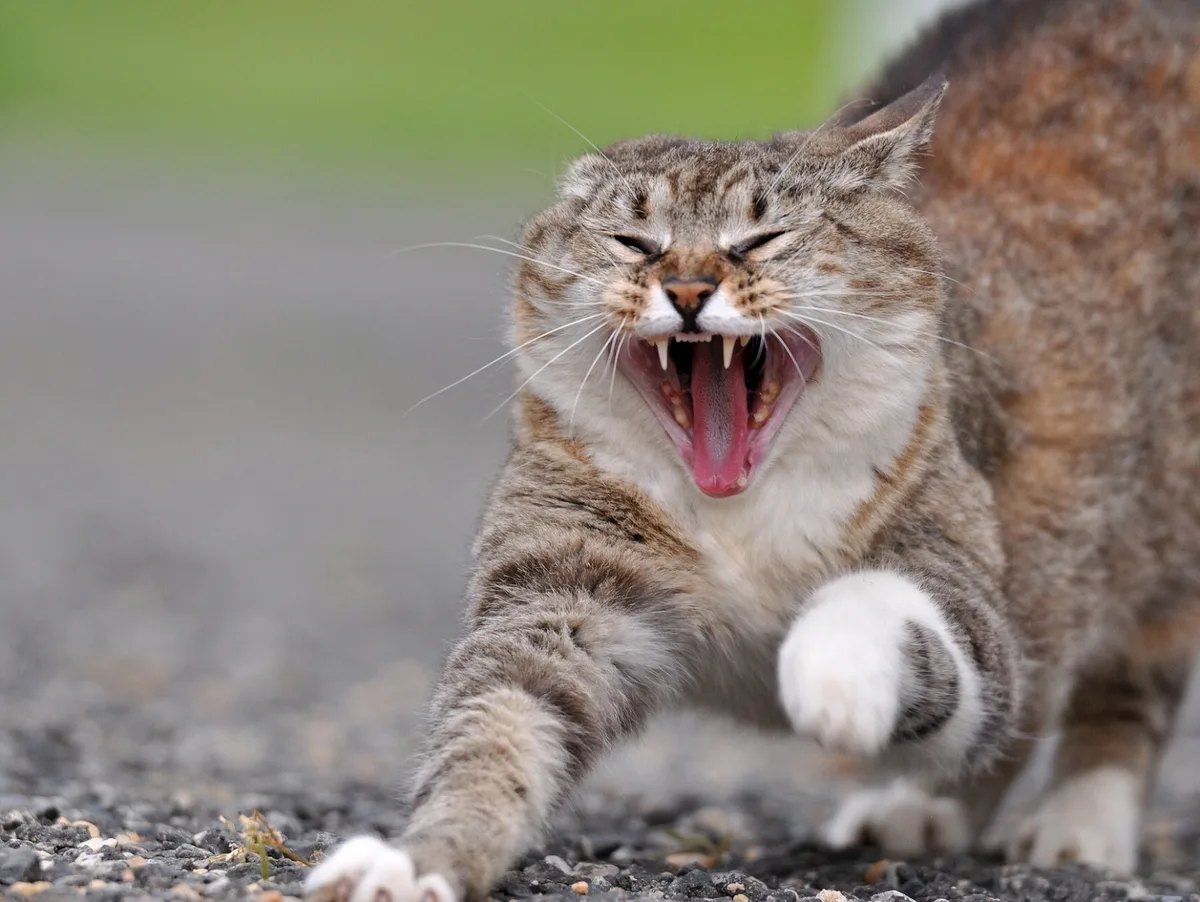
Think about what a hiss actually is. It's a defensive warning. It's a cat's way of saying "I'm scared, I feel cornered, and my next move is to make you go away by any means necessary." When you hiss back, you're skipping the negotiation and jumping straight to a physical escalation in their mind.
The Fear-Aggression Cycle
Cats are masters of association. When you hiss at your cat, they don't think "wow, my human is really upset about the sofa scratching." They think "loud noise + scary human = I am not safe here." That association is powerful. It doesn't just go away when the hissing stops.
Aggregate behavioral research indicates that punishment-based techniques, including hissing, often lead to what we call the "fear-aggression cycle." It looks a little like this:
- Trigger: You see a bad behavior, or a cat that looks tense.
- Response: You hiss to "correct" it.
- Reaction: Your cat gets even more scared or defensive.
- Outcome: Your cat escalates (hissing back, swatting, or biting).
- Conclusion: Both of you are anxious, and the bond takes a hit.
What Your Cat Actually Hears
Here's the thing about cats. They are not reading your intentions. They are reading your body language and your tone.
Here is what a human hiss sounds like to a cat:
- A loud, sharp, reptilian-like sound that mimics a predator.
- A signal of high stress and arousal.
- A sign that the "safe" human is acting erratically.
When you hiss, you might think you're being firm. Your cat just sees a bigger, scarier version of the "safe" person they thought they knew. Warning signs will be a lot easier to notice if you know what to look for.
If your cat's behavior escalates to growling, lunging, or swatting during these interactions, that's normal escalation, not a sign the method is working.
Image source: Web (Bing) / pixabay.com (Web image (fair-use with source credit))
What Your Cat Actually Thinks When You Hiss
A lot of owners make one critical mistake. They assume a cat processes the world like a dog or, worse, like a tiny, furry human child. They don't.
Dogs look to a "pack leader" for structure. Cats look for a safe territory with predictable routines.
When you hiss at a cat, you are not dominant. You are just confusing.
Research suggests that cats do not understand the concept of "punishment" in the way humans do. Discipline works in the moment, or it backfires. Cats live entirely in the present.
If you hiss at them three minutes ago, they aren't currently thinking "I did a bad thing." If you are hissing at them from across the room while they sit calmly, they aren't linking it to the shredded curtains, they're linking it to you being a jerk.
Stress Response and Cortisol
Hissing at your cat doesn't just hurt your bond, it creates physical stress. When a cat is repeatedly exposed to a stressful stimulus (like you hissing), their body pumps out cortisol. Over time, chronic stress can lead to:
- Urinary tract infections (FLUTD).
- Overgrooming or fur loss.
- Decreased appetite.
- Depression and lethargy.
Manufacturer specifications in veterinary medicine confirm that stress is a huge trigger for these conditions. So no, the hissing isn't a harmless "no." It's a one-way ticket to a stressed-out cat and expensive vet bills.
What to Do Instead of Hissing
Here is the good news. You don't need to hiss to communicate discipline. But you need to switch from being a "reactive" owner to a "proactive" one.
The Redirecting Method
Imagine your cat is about to pounce on your leg. Instead of hissing, do this:
- Visit a vet to rule out pain or illness.
- Clean the scratch or bite with soap and warm water (this is non-negotiable, even a small scratch).
- Apply a small amount of over-the-counter antibiotic ointment (like Neosporin) and cover the wound.
- Watch for signs of infection. Redness, warmth, swelling, or red streaks pointing away from the wound means you need a doctor, not the internet. Cat scratch disease is real, and it can cause fever and fatigue.
- If you have a weakened immune system, or the bite is on your hand, wrist, face, or over a joint, go straight to a doctor. Do not wait for symptoms. Deep bites can deposit bacteria into tendons and joints that will turn into a serious problem fast.
Do I Need a Timeout or a Vet Visit?
This is the decision point. Not all hissing is created equal. Let's break it down.
| Situation | What It Means | What to Do |
|---|---|---|
| A fixed stare, slow tail flick | Your cat is irritated with a toy or another cat. | Wait for the behavior to stop, then reward the calm. |
| Ears flat, hissing with a scruffed neck | This is genuine fear or aggression. | Back off and give them space. Don't punish. |
| Random hissing at corners | Could be a medical issue, like vision problems or hyperesthesia. | Consult your vet. This is not a behavior problem initially. |
| Your new cat hisses at you constantly | They are adjusting. Real, frequent hissing in this case is a stress response. | Use the "no eye contact, horizontal meet-and-greet" routine. |
Generally speaking, if your cat hisses when you reach for them, it's a fear response. If they hiss when you play, they're overstimulated. Both need different approaches.
The "Growl" and Other Sounds: Discipline for Cats
So, if you can't hiss, and you shouldn't shout, what's left?
The Timeout (The Most Effective Tool)
Cats hate a locked room about as much as they hate a closed door to the litter box. The "timeout" doesn't mean throwing them in the bathroom for an hour. It means interrupting the behavior in a calm, neutral way.
- The "Pssst" alternative: A short, sharp "pssst!" sound (a sharp hiss-like "st" you make) can sometimes interrupt a behavior. But it's a startle sound, not a relationship builder.
- The Leave the Room: If your cat is about to bite you during play, stand up, and walk away. Stop engaging. This teaches them that biting means the fun ends.
The "Fake-Out" and Redirection
Instead of punishing the "bad" action, give them a "good" action to do.
- Cat trees: Provide a designated scratching post.
- Interactive toys: A feather wand that mimics a moth or mouse is usually enough to sidetrack an aggressive outburst.
Real-World Example: The "Growl Instead of Hiss"
Let's say your cat is puffy-tailed and growling. Your instinct is to hiss. Don't.
- Drop your eyes (a cat shows frustration by staring, so you're showing you're not a threat).
- Turn your head away slowly.
- Stand up slowly.
- Empty your hands (extend a closed fist or a treat).
This communicates "I am not a threat, but I am also not backing out a window." It cuts the tension 90% of the time.

Image source: Bing (Web (fair-use with source credit))
Frequently Asked Questions
Is it OK to hiss at my cat when they scratch the couch?
No. Hissing at a cat for scratching the couch is confusing because cats don't associate the punishment with the action unless you catch them mid-scratch. If you hiss at them two minutes later, they will just think you're randomly aggressive.
Redirect the behavior instead by putting a scratching post right next to the sofa. Make it the better option.
Do cats hiss at humans to be mean?
No. Cats hiss out of fear, not malice. A hiss is a defensive warning.
It means your cat feels threatened, cornered, or in pain. Displaying aggressive behavior back at a cat hissing at you will only make the cat more defensive. It's a "back off" signal, not a personality flaw.
What does a cat understand when you hiss?
A cat understands a loud, aggressive sound and a tense human posture. They don't understand English, and they don't understand the concept of "punishment." When you hiss, they just register that you are making an aggressive sound, which can trigger a fight-or-flight response.
Can hissing at your cat cause long-term anxiety?
Yes. Repetitive use of punishment like hissing can lead to chronic stress and anxiety in some cats. This often shows up as hiding, litter box avoidance, or excessive grooming.
A stressed cat is far more likely to develop urinary health issues. It's better to build confidence than to break it down.
What should I do if my cat hisses at me?
If a cat hisses at you, stop advancing. Turn your body away, avoid direct eye contact, and take a step back if they seem stressed. Give them space.
If the hiss is out of nowhere and it's sudden, consult a vet to rule out pain, especially if it's a behavior change. Do not punish the hiss; acknowledge the fear signal.
Is redirecting better than hissing?
Yes, redirecting is always better than punishment. Redirecting shows the cat what to do instead of freaking them out about what not to do. Use a toy to guide their attention, and reward calm behavior with a treat.
In our research, this builds a much stronger bond than a raised voice or a hiss ever will.

Similar Posts