Why Your Cat Keeps Changing Sleeping Spots

Your cat used to curl up on your chest every night. Now she sleeps under the bed, on the cold bathroom tile, or in a corner of the closet you forgot existed. If you've noticed a sudden change in her sleeping spots, you're probably wondering if something's wrong.
The short answer is: it depends.
A cat change sleeping spots is common, but it's also a signal worth reading. According to the American Veterinary Medical Association, behavior changes like altered sleeping locations are among the top reasons pet owners seek veterinary advice. Cats are creatures of habit, so when they shift where they sleep, it's either a minor preference or a red flag.
In this guide, we'll walk through the exact steps to figure out which one you're dealing with.
Quick Answer
If your cat changed sleeping spots suddenly, watch for other signs. Cats hide pain instinctively, so a new sleeping spot can signal discomfort. Check for limping, reduced appetite, or changes in grooming.
If those are absent, look at environmental changes. New furniture, a new pet, or even a change in your schedule can trigger the shift. Most cases resolve within a week.
If the behavior lasts longer or accompanies other symptoms, call your vet.
Is a Sudden Sleeping Spot Change an Emergency?
Here's the thing: most of the time, it's not an emergency. Cats swap sleeping spots for totally benign reasons. They find a warmer patch of sun.
They discover the laundry pile is softer. They decide the top of the bookshelf offers a better view. That's not a crisis, that's just a cat being a cat.
But you need to know the difference between "new preference" and "pain response."
In our research, a sudden shift to unusual spots often pairs with other subtle clues. Cats in pain frequently choose hard surfaces over soft ones. A cat sleeping on the tile floor instead of the plush bed might be trying to cool an inflamed joint.
Likewise, a cat that suddenly hides in a closet or under a bed could be feeling vulnerable. That's an instinctive move to avoid showing weakness.
If she's still eating, drinking, using the litter box, and greeting you normally, you can probably monitor her for a few days. But don't ignore the shift if it's accompanied by other changes. Decreased appetite, hiding more than usual, or not wanting to be touched are all flags.
Those warrant a veterinary visit sooner rather than later.
The takeaway: a sleeping spot change alone is rarely a 911 call. But pair it with a behavior change, and you need a professional opinion.
Step 1: Rule Out Medical Issues First (The Non-Negotiable Step)
Before you rearrange the furniture or buy a new cat bed, rule out health problems. Cats are masters at hiding pain. You won't get a limp or a whimper from most of them.
You'll get a subtle behavior shift instead.
Cats in pain often choose sleeping spots that relieve pressure. Arthritis is common in older cats, and they'll often avoid jumping up to high beds. A cat with a urinary tract infection might sleep near the litter box.
A cat with an injury might sleep in a spot that keeps weight off a specific limb.
If you notice the change alongside other symptoms, call your vet. Symptoms to watch for include:
- Reduced appetite or drinking less
- Weight loss or a dull coat
- Limping, stiffness, or reluctance to jump
- Increased vocalization (especially at night)
- Litter box accidents or straining to urinate
- Aggression when touched in a specific area
Image 2: veterinary diagnostic process — a vet examining a cat during a routine checkup
Image source: Web (Bing) / stockcake.com (Web image (fair-use with source credit))
The American Veterinary Medical Association advises that any sudden change in behavior persisting for more than 48 hours deserves a checkup. It might cost you a hundred bucks and a stressed cat carrier. It's cheaper than ignoring a condition like kidney disease or hyperthyroidism.
Those are common in senior cats, and both affect where they sleep.
If your cat is under five and otherwise healthy, you can be slightly less paranoid. But if she's a senior, the risk of an underlying issue increases. Our research shows that cats over ten years old develop osteoarthritis at rates above 80 percent.
If your senior cat recently started sleeping on the floor instead of the couch, that's a red flag worth investigating.
Step 2: Evaluate the Environment — What Changed at Home?
If your vet gives a clean bill of health, it's time to play detective with your home. Cats are territorial creatures. They respond to changes in their environment with surprising sensitivity.
Ask yourself what changed recently. Did you move furniture? Bring in a new pet?
Start working different hours? Even a change in the type of laundry detergent can throw some cats off.
Here are the most common environmental triggers:
- New pets or new people in the household
- Changes in your work schedule or sleep routine
- Rearranged furniture or new furniture
- Scent changes from candles, cleaners, or a new houseplant
- Outdoor cats coming near the windows
- Construction noise or loud appliances
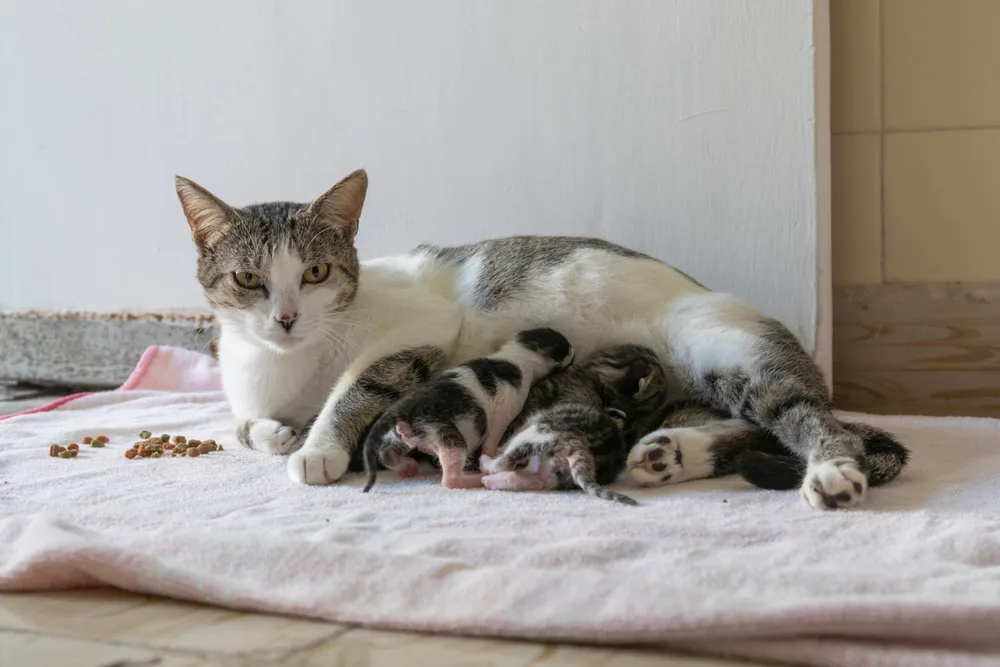
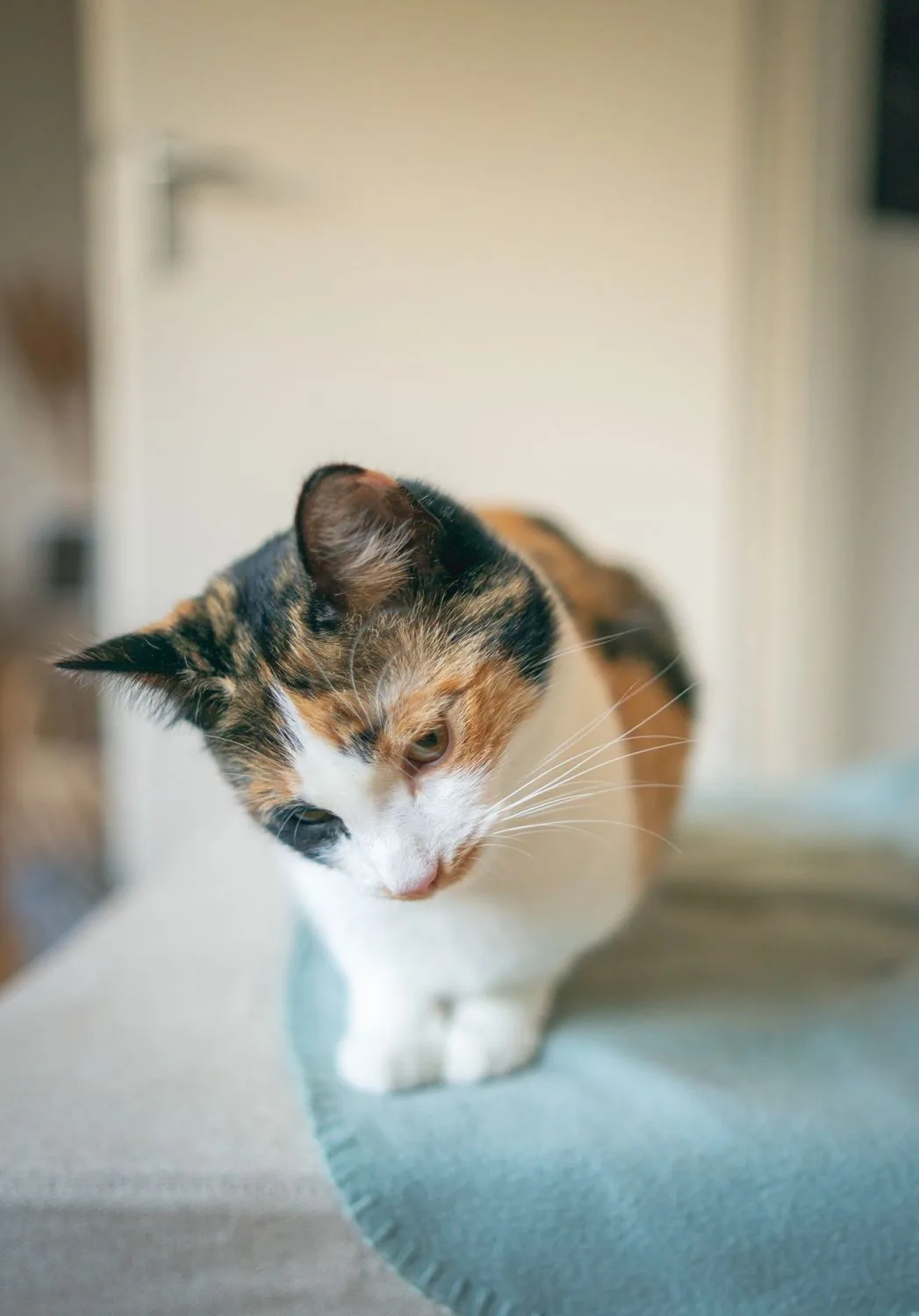
Image 1: cat change sleeping spots — a spotted tabby cat resting in the middle of the floor
Image source: Web (Bing) / storage.googleapis.com (Web image (fair-use with source credit))
The solution is usually simple: restore things to normal or give your cat time to adjust.
If you brought home a new pet, keep them separated for a few days and let your cat reestablish her territory. If you changed your laundry detergent, switch back for a week to see if her behavior changes. If you moved furniture, try putting her favorite bed back where it was.
Cats are creatures of routine, and most adjustment periods last about one to four weeks.
One thing we see often in our research: cats who start sleeping in new places after a change in the household are usually buffering. They're not distressed, just processing. Give them space, keep their food and water in the same spot, and they'll typically settle back into their old patterns.
Step 3: Age-Specific Branch — Kitten, Adult, or Senior
Now we're getting into the decision-tree part of things. Age matters a lot when it comes to interpreting a change in sleeping spots.
Kittens (under 1 year): This is the least concerning age group. Kittens are still exploring. They'll rotate through every surface in your home as they figure out what's comfortable.
They also develop sleep patterns tied to play and growth spurts. A kitten that suddenly sleeps in a cardboard box instead of her bed is normally just being a kitten. Let her explore.
Adult cats (1 to 7 years): Adults are creatures of habit. If an adult cat suddenly changes her sleeping spot, something specific triggered it. Revisit the environmental checklist.
If nothing changed, watch for other behavior shifts. Adult cats with anxiety or early-stage illness also seek new rest spots. Give it a week before you stress about it.
Senior cats (8+ years): This is where you need to pay attention. Senior cats have a high incidence of age-related conditions that directly affect where and how they sleep.
Image 3: cognitive dysfunction syndrome (CDS) — a senior cat showing early signs of confusion
Image source: Web (Bing) / canna-pet.com (Web image (fair-use with source credit))
Cognitive dysfunction syndrome (CDS) is a major one. The American Association of Feline Practitioners recognizes CDS as a legitimate age-related condition in cats. It's essentially feline dementia.
Cats with CDS often forget their usual sleeping spots. They might sleep in odd places, get lost in familiar rooms, or cry at night.
If your senior cat is sleeping in new spots and has shown other "senior moments," ask your vet about CDS. It's a diagnosis that changes how you manage her care.
Also watch for thyroid issues and kidney disease. Both are common in seniors, and both change sleep patterns. Cats with hyperthyroidism often seem more restless.
Cats with kidney disease might seek cooler surfaces or sleep near water sources.
In short: a kitten changing spots is normal. An adult changing spots is worth monitoring. A senior changing spots is worth investigating now.

Similar Posts