Is My Cat Sick Or Stressed? Uncover the Signs Now
You love your cat and want the best for them. But when they start acting differently, it’s natural to worry.
Is your cat sick or just stressed? It’s not always easy to tell. Cats are experts at hiding their emotions and physical discomfort. This can leave you feeling puzzled and concerned about their well-being. Understanding the signs can help you ensure your furry friend stays happy and healthy.
By the end of this article, you’ll have the knowledge to recognize whether your cat needs a vet visit or just a little extra TLC. Let’s dive in and uncover what your cat might be trying to tell you.
:strip_icc()/signs-your-cat-is-sick-4165142_color-52a34ab4c5cd4e89aa285e7f291ecf04.jpg)
Credit: www.thesprucepets.com
Signs Of Illness In Cats
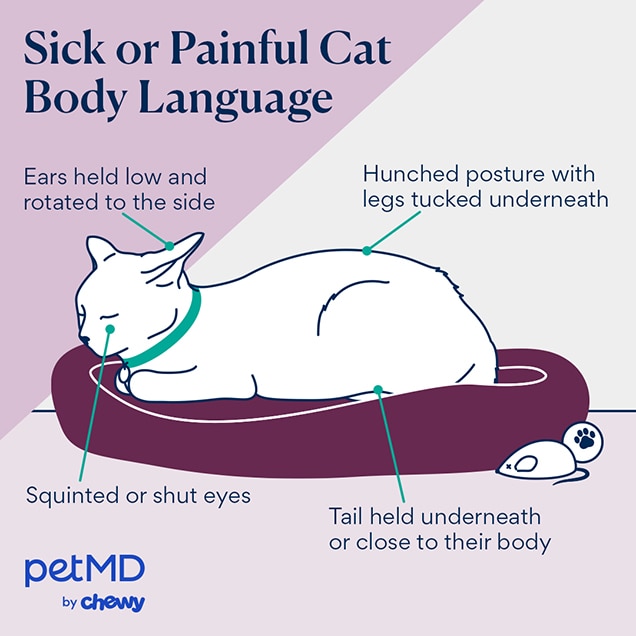
Recognizing signs of illness in cats is crucial for their well-being. Cats often hide their discomfort. Observing behavioral changes can help in early detection. This can lead to timely treatment. Below are some common signs to watch for.
Changes In Appetite
Noticeable changes in your cat’s eating habits? It could indicate health issues. A sudden loss of appetite might mean they’re unwell. Or, if your cat is eating more than usual, it could be a sign too. Monitor their food intake closely. Changes might be a clue something’s wrong.
Unusual Lethargy
Cats love to sleep, but excessive sleeping isn’t normal. If your cat seems unusually tired, it might be a sign of illness. A healthy cat should have periods of play and activity. Lethargy might mean they’re not feeling well.
Vomiting And Diarrhea
Occasional vomiting or diarrhea is common. Persistent symptoms are not. They can lead to dehydration and other health problems. If your cat experiences these frequently, consult a vet. It’s important to address these issues promptly.
Respiratory Issues
Watch for signs of breathing difficulties. Wheezing, coughing, or nasal discharge are red flags. Your cat might be struggling with a respiratory problem. Early detection can prevent more serious complications. Ensure you seek veterinary advice.
Skin And Coat Changes
A healthy cat has a shiny, smooth coat. Dull fur or skin irritation can indicate health problems. Keep an eye on their grooming habits. Excessive scratching or biting might be a sign. Changes in the skin or coat should not be ignored.
Signs Of Stress In Cats
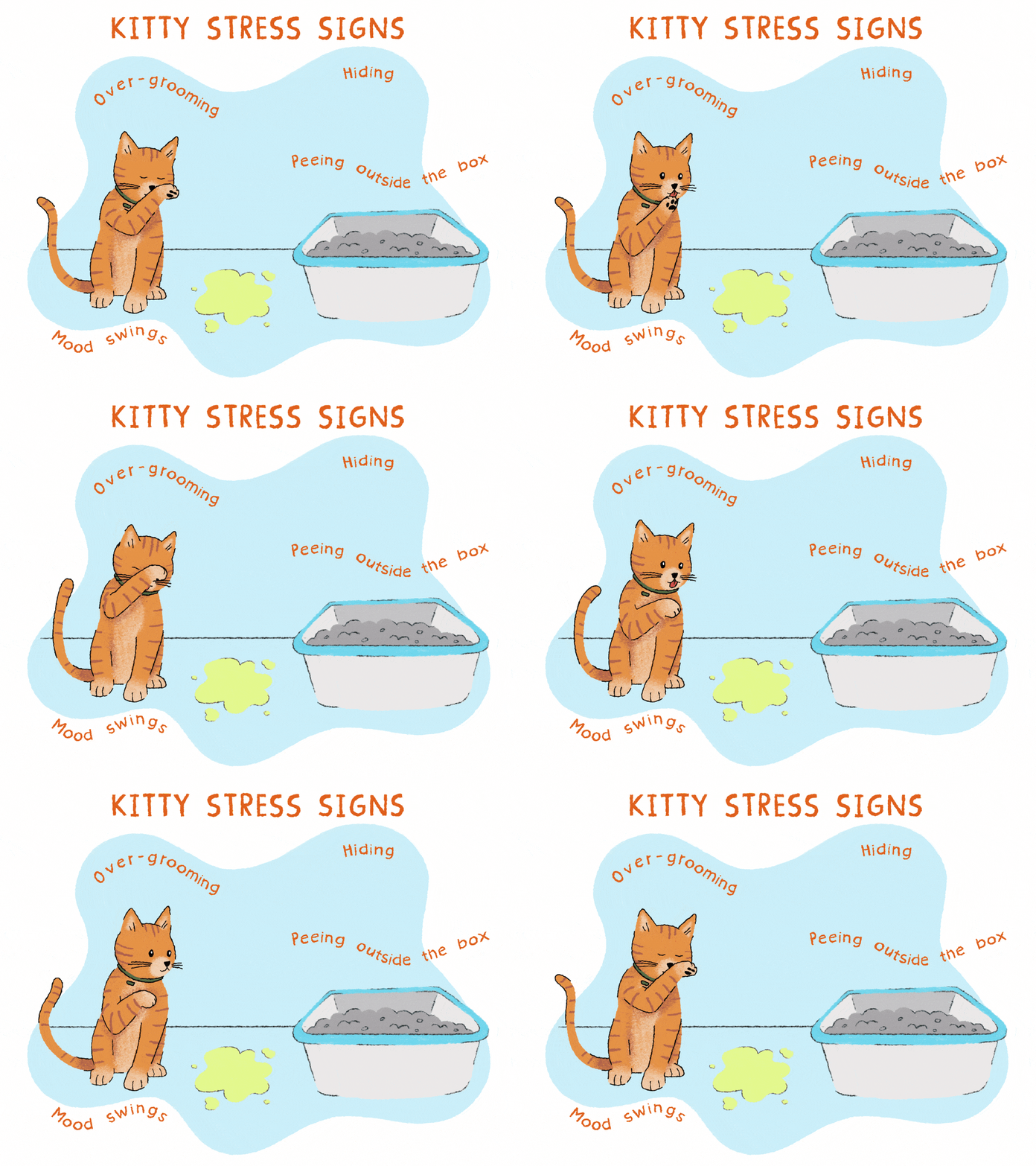
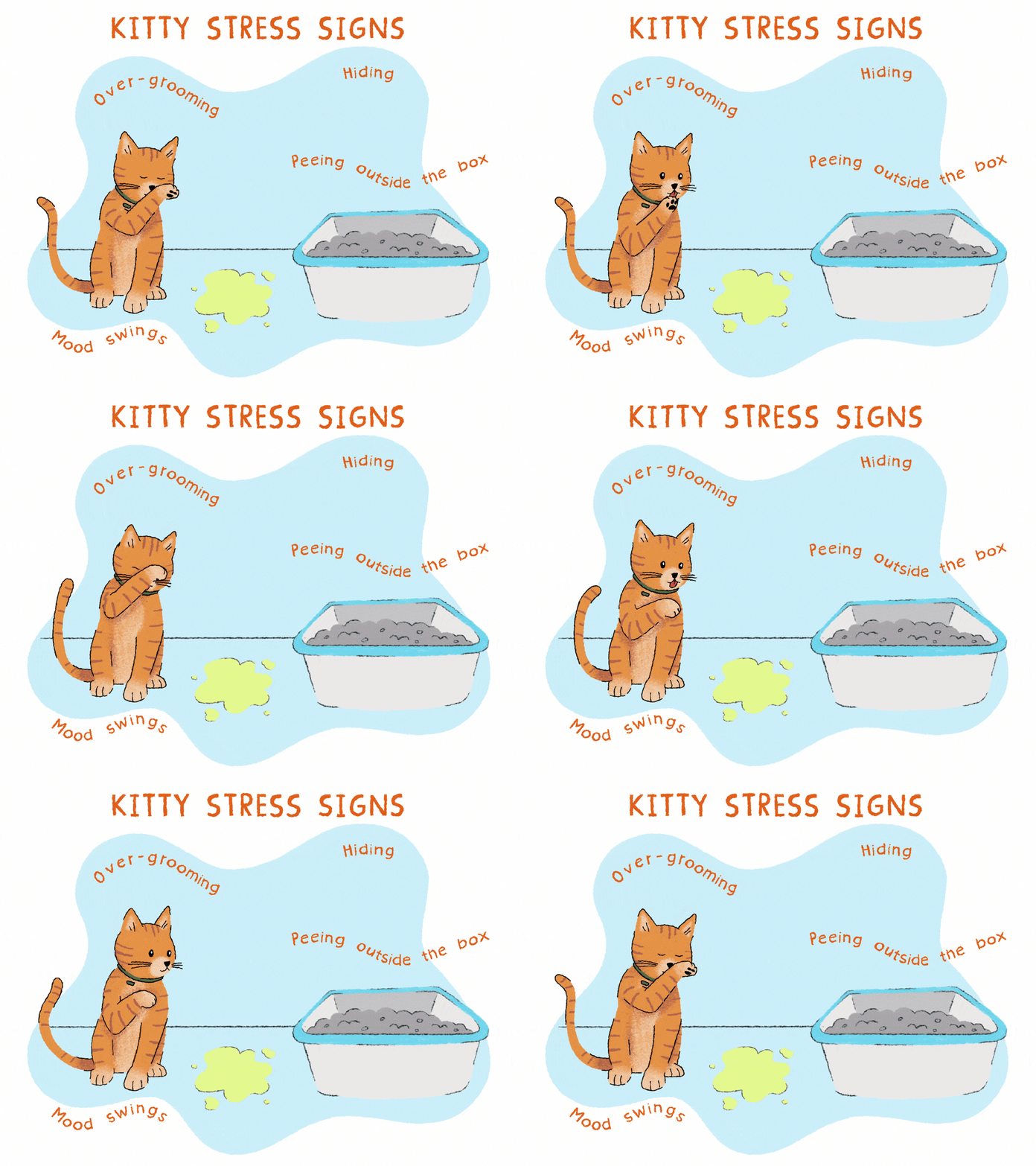
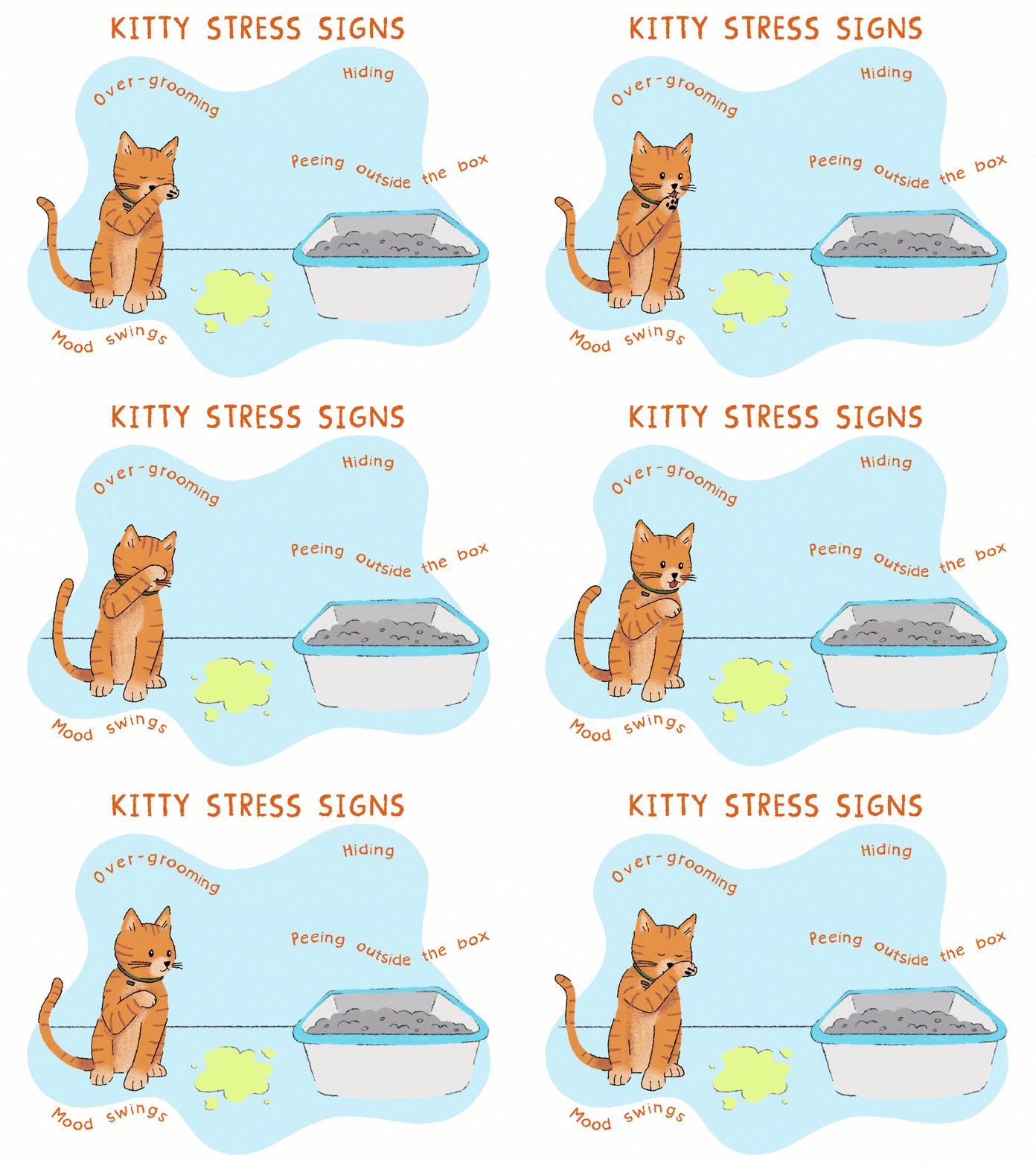
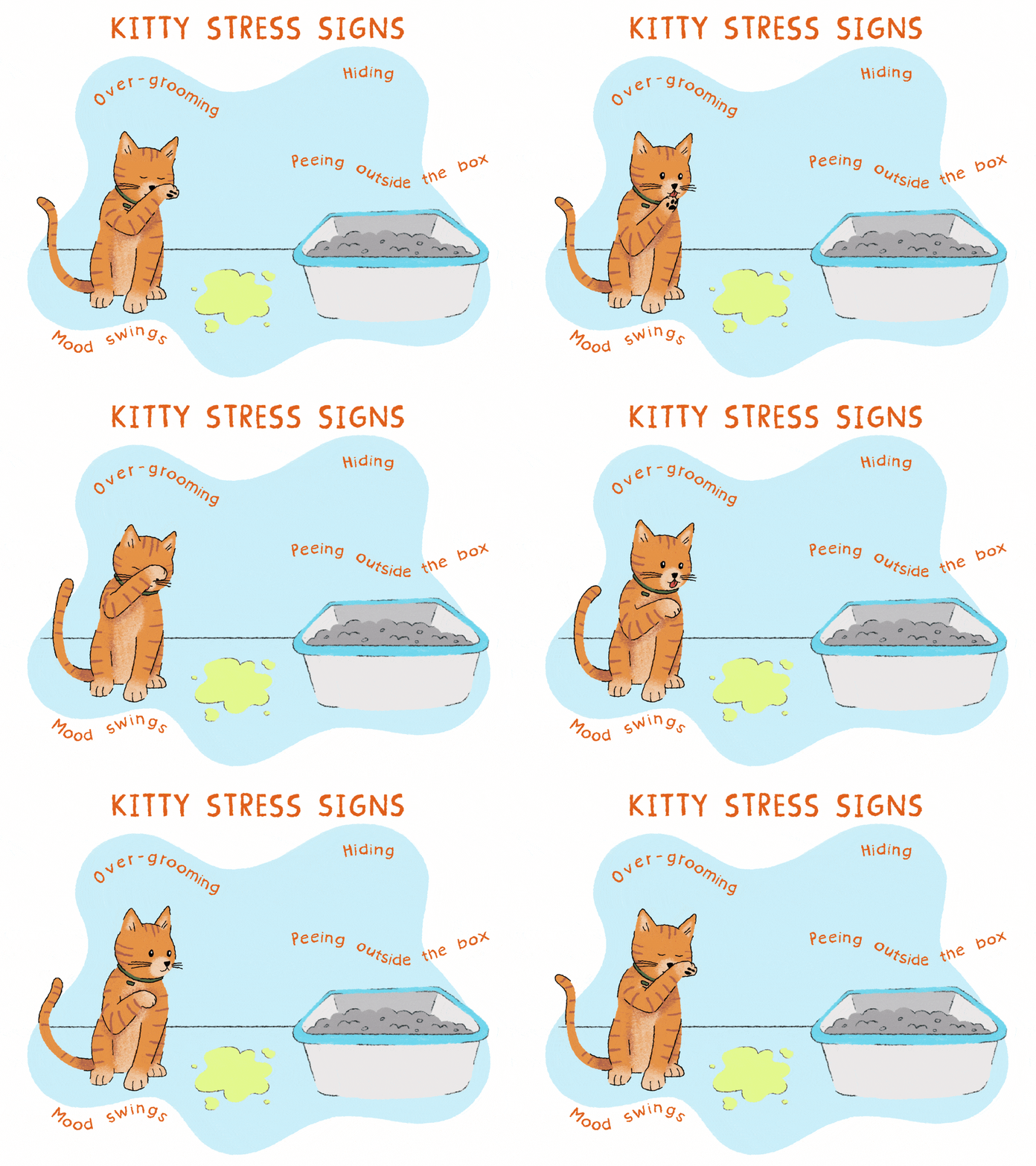
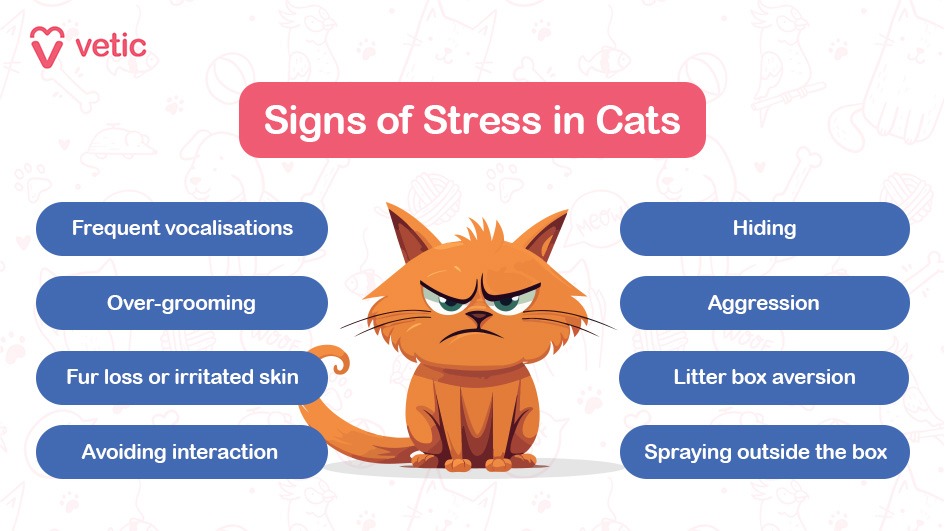
Cats show stress through various behaviors. Sudden changes in eating habits or excessive grooming indicate distress. Hiding or aggression also signal that your cat might be feeling unwell or stressed.
Understanding the signs of stress in your cat can be key to ensuring their well-being. Just like humans, cats can experience stress, which can affect their behavior and health. It’s crucial to recognize these signs early to address any issues your cat may be facing. Let’s dive into some common signs of stress in cats that you should be aware of.Behavioral Changes
Have you noticed your cat acting differently lately? Changes in behavior are often the first clue. A once sociable cat might become withdrawn or lose interest in activities they once loved. Pay attention to any sudden or gradual shifts in their usual routines.Excessive Grooming
Is your cat grooming more than usual? While cats are known for being clean animals, excessive grooming can be a sign of stress. You might see bald patches or irritated skin where they’ve been grooming too much. This is a common way cats try to soothe themselves.Hiding Or Aggression
Have you found your cat hiding more often, or perhaps acting aggressively without reason? Both hiding and aggression can indicate stress. A stressed cat might retreat to a quiet spot or lash out when approached. Consider what might be causing them discomfort or fear in their environment.Litter Box Problems
Is your cat suddenly refusing to use their litter box? This can be a frustrating problem, but it’s often linked to stress. Changes in their environment, such as moving house or a new pet, can trigger this behavior. Ensuring the litter box is clean and in a quiet place can help.Vocalization Changes
Have you noticed your cat meowing more or less than usual? Changes in vocalization are another sign of stress. Some cats might become more vocal to express their discomfort, while others might become unusually silent. Listen to the changes in their vocal patterns as they can tell you a lot about their emotional state. Recognizing these signs can help you take the necessary steps to alleviate your cat’s stress. Are there changes in your home environment that might be affecting them? Consider how you can make their space more comfortable and secure. Your cat depends on you to notice and respond to their needs, so keep an eye out for these signs and act promptly.Common Causes Of Illness
Understanding the common causes of illness in cats is vital for owners. Recognizing the signs can help ensure your feline friend stays healthy. Cats often hide their symptoms. This makes it tricky to determine if they are sick or just stressed. Let’s explore some frequent causes of feline illness.
Infections And Viruses
Cats can catch various infections and viruses. These include upper respiratory infections and feline immunodeficiency virus. Symptoms like sneezing, coughing, or fever are common. Keeping your cat’s vaccinations up-to-date is crucial. This helps prevent serious illnesses. Regular check-ups with the vet can detect early signs of infection.
Chronic Conditions
Chronic conditions in cats might develop over time. Diabetes, arthritis, and kidney disease are prevalent. These conditions need ongoing management. Symptoms vary but can include weight loss or increased thirst. Regular vet visits and monitoring can help manage these conditions. Early detection improves the quality of life for your cat.
Dietary Issues
Diet plays a significant role in a cat’s health. A poor diet can lead to obesity or malnutrition. Watch for signs like vomiting or diarrhea. These may indicate food intolerance or allergies. Providing a balanced diet is essential. Consult a vet for dietary advice tailored to your cat’s needs.
Environmental Factors
Environmental factors can stress or sicken cats. Changes in the home or new pets can cause stress. This stress might lead to illness. Cats thrive in stable, calm environments. Ensure they have a quiet space to retreat. Keep the living area clean and free from harmful substances. Regular play and affection help reduce stress levels.
Common Causes Of Stress
Pets often exhibit signs of stress when their routine changes. Loud noises and unfamiliar environments can also cause anxiety. Look for altered eating habits, excessive grooming, or hiding, which might indicate your cat is stressed or sick.
Cats are sensitive creatures, and stress can have a significant impact on their health and behavior. Understanding the common causes of stress in cats can help you identify issues early and provide the right support. Stress isn’t just about changes in your cat’s life; it can also stem from how they perceive their surroundings and relationships. Let’s explore some common causes of stress in cats and how you can address them effectively.Changes In Environment
A sudden shift in your cat’s surroundings can be unsettling. Have you ever moved to a new home and noticed your cat behaving differently? Such changes can disrupt their sense of security. Even something as simple as rearranging furniture can cause stress. Cats thrive on routine, so maintaining familiar elements can help ease their transition.Introduction Of New Pets
Introducing a new pet to your home can be thrilling for you but stressful for your cat. Picture the scene: a new puppy bounding around, eager to play, while your cat watches from a distance, unsure of this unfamiliar creature. It’s crucial to manage introductions slowly. Ensure your cat has a safe space to retreat to, away from the newcomer. Gradual exposure can help them adjust without anxiety.Lack Of Stimulation
A bored cat can be a stressed cat. Without enough mental and physical stimulation, your cat might resort to destructive behaviors. Consider if your cat spends most of the day alone, with nothing to do. Enrich their environment with toys, puzzles, and interactive play sessions. Regular engagement can fend off stress and keep them happy.Separation Anxiety
Cats can experience separation anxiety just like dogs. Is your cat overly attached to you, following you room to room? If they become distressed when you’re not around, they might be experiencing separation anxiety. Creating a comforting space with familiar scents can ease their worry. Try leaving a piece of clothing with your scent to reassure them during your absence. Recognizing these stress triggers in your cat’s life is the first step to creating a nurturing environment. What changes have you noticed in your cat’s behavior recently? Reflect on these causes and consider adjustments that might relieve their stress. Your proactive approach can make all the difference in your furry friend’s well-being.How To Help A Sick Cat
Is your cat acting differently? It could be sick or stressed. Knowing how to help is important. Cats need care to feel better. You can help by understanding their needs. Show them love and attention. This guide will help you support your sick cat.
Consulting A Veterinarian
A vet can give expert advice. They can check your cat’s health. Vets have tools to find out what’s wrong. They can suggest treatments. Visit a vet if you’re worried about your cat. It’s the best way to know what’s happening.
Monitoring Symptoms
Watch for changes in behavior. Is your cat eating less? Is it hiding more? These can be signs of illness. Keep track of any symptoms. Write them down to share with your vet. Early detection can make treatment easier.
Providing Comfort And Care
Make your cat comfortable. Create a quiet space for them. Offer soft bedding to rest on. Spend time with your cat. Pet them gently to show love. Comfort helps cats feel safe. It can ease their stress or pain.
How To Help A Stressed Cat
Recognizing whether your cat is sick or stressed can be challenging. Observe changes in behavior, appetite, or grooming habits. A sudden withdrawal or aggression might suggest stress. Consulting a vet ensures peace of mind and well-being for your feline friend.
Understanding these signs helps provide the right support.
If your feline friend seems off, it can be distressing. Is your cat just feeling stressed or is it something more serious? Understanding how to help a stressed cat can make a world of difference. Cats, much like humans, can experience stress for various reasons. Whether it’s a change in their environment or an unfamiliar guest at home, stress can manifest in different ways. But don’t worry, you can take steps to alleviate your cat’s stress. Let’s dive into some practical strategies.Creating A Safe Space
Your cat needs a haven to retreat to when things get overwhelming. Choose a quiet corner of your home where they can relax undisturbed. Ensure this space has a cozy bed, a few toys, and perhaps a scratching post. Think about the last time you felt stressed. Didn’t having a quiet room to yourself help? The same goes for your cat. A safe space can provide them with the security they crave.Enhancing Environmental Enrichment
Cats are natural hunters and explorers. Consider adding puzzle toys or interactive feeders to stimulate their minds. These can keep them engaged and distract them from stressors. A friend of mine once mentioned how his cat transformed after he introduced a window perch. Watching birds for hours became a favorite pastime, reducing his cat’s anxiety levels. Could your cat benefit from a similar change?Establishing Routine
Cats thrive on routine. Regular feeding times, play sessions, and even bedtime can create a sense of predictability. This routine can significantly reduce stress. Have you ever noticed how your cat seems to anticipate meal times? Establishing a routine isn’t just about feeding. It’s about creating a rhythm your cat can depend on, minimizing the unknowns that might cause anxiety. By taking these steps, you can help your stressed cat feel more at ease. Remember, small changes can make a big impact on your pet’s well-being. What will you try first to help your cat feel more relaxed?When To Seek Professional Help
Cats may show signs of illness or stress through changes in behavior or eating habits. A visit to the vet is crucial if you notice persistent symptoms like vomiting or lethargy. Early intervention can help address underlying issues and ensure your cat’s well-being.
When your cat seems off, it can be tough to know if it’s just a fleeting mood or a sign of something more serious. Cats are masters at hiding discomfort, which can make it challenging to decide when it’s time to visit the vet. Understanding when to seek professional help is crucial for your cat’s well-being and your peace of mind.Recognizing Severe Symptoms
Certain symptoms should never be ignored. If your cat is experiencing persistent vomiting, diarrhea, or has stopped eating for more than 24 hours, it’s time to consult a vet. Lethargy, difficulty breathing, or any noticeable changes in their eyes or mouth warrant immediate attention. Have you noticed your cat avoiding the litter box or excessively vocalizing? These behaviors can signal distress or illness. Keep an eye out for these red flags and trust your instincts.Frequency Of Stress Indicators
Stress in cats can manifest in various ways, like hiding, aggression, or changes in grooming habits. If these behaviors occur frequently, it might indicate a deeper issue. Consider how often you see these stress indicators. A one-time event might not be alarming, but if your cat is constantly stressed, it’s a sign that something needs addressing. Have you been moving furniture or introducing new pets? These can be stress triggers that might need professional advice to manage.Long-term Health Impact
Ignoring signs of illness or stress can lead to long-term health problems. Chronic stress can weaken your cat’s immune system, making them more susceptible to infections. Health issues like kidney disease or diabetes might develop if symptoms are left unchecked. Think about your cat’s future. Would you rather address a small issue now or deal with a serious health problem later? Regular check-ups and timely intervention can save your cat from unnecessary pain and you from costly treatments. In my experience, I once overlooked my cat’s subtle signs of stress during a home renovation. It wasn’t until he developed a urinary tract infection that I realized the impact of stress on his health. This taught me the importance of vigilance and seeking professional help when needed. Remember, it’s always better to err on the side of caution when it comes to your furry friend’s health. Wouldn’t you want the same care if roles were reversed?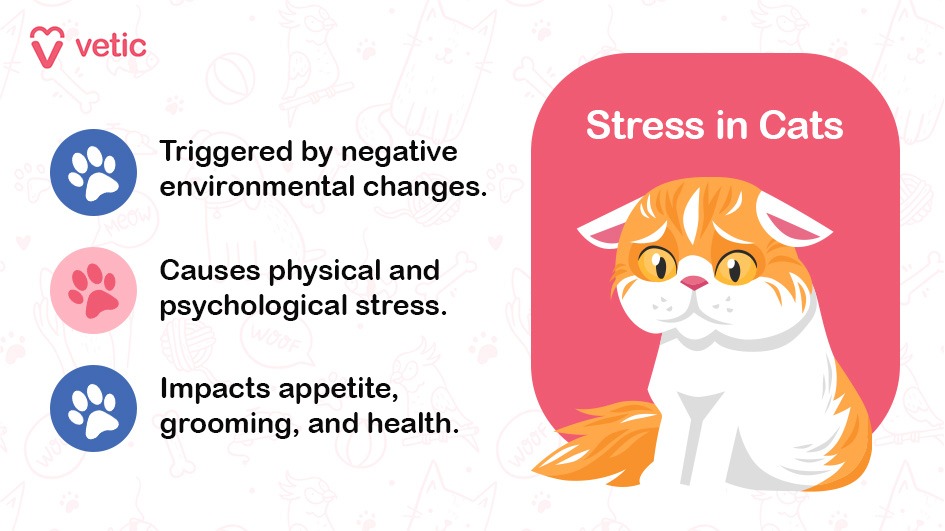
Credit: vetic.in
Credit: www.petmd.com
Frequently Asked Questions
How Long Can A Cat Be Stressed For?
Cats can be stressed for days or weeks. Stress duration depends on the cause and individual temperament. Common stressors include changes in environment, routine, or health issues. Monitor their behavior, provide comfort, and consult a vet for prolonged stress. Early intervention can help reduce stress in cats effectively.
What To Do When Your Cat Is Stressed Out?
Create a calm environment with soft music and dim lights. Offer interactive toys and spend quality time playing. Provide a cozy hiding spot for your cat. Maintain a consistent routine and ensure access to fresh water and food. Consult a vet if stress persists.
What Is The 3-3-3 Rule For Cats?
The 3-3-3 rule for cats helps new adopters. It outlines three stages: three days to acclimate, three weeks to adjust to the new environment, and three months to fully settle into their new home. This timeline guides owners on what to expect as their cat becomes comfortable.
What Are The Signs Of Stress In A Cat?
Cats show stress through excessive grooming, hiding, aggression, or changes in eating habits. Increased vocalization or litter box avoidance may occur. Watch for trembling, dilated pupils, or a decrease in playfulness. These behaviors indicate stress and require attention for your cat’s well-being.
Conclusion
Understanding your cat’s behavior is crucial. Watch for changes in eating habits. Notice any unusual aggression or hiding. These might indicate stress or illness. Regular vet visits help catch issues early. Provide a calm environment. This supports your cat’s well-being.
Engage in gentle play to reduce stress. Always offer love and attention. Your bond with your cat matters. It ensures they feel safe and happy. Trust your instincts. You know your cat best. Prioritize their health and happiness daily. This benefits both of you.
Remember, a healthy cat is a happy cat.

Similar Posts