Do Cats Make Biscuits When Stressed?: Unravel the Mystery
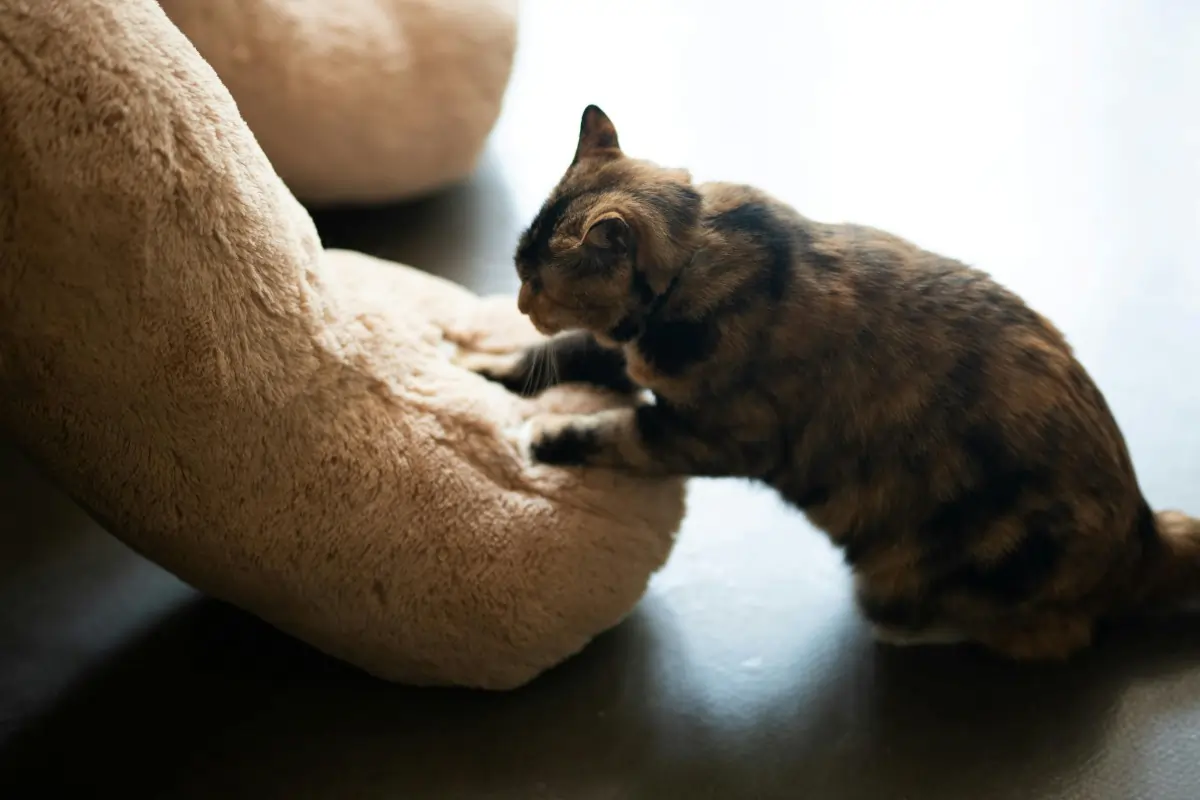
Have you ever noticed your cat kneading with their paws as if they’re making biscuits? This adorable behavior often leaves you wondering about its true meaning.
But what if your feline friend is doing this when they’re stressed? Understanding your cat’s emotions can be like solving a mystery. Yet, this particular behavior might hold the key to unlocking your cat’s mind. Imagine knowing exactly how to comfort your stressed-out kitty and improve their wellbeing.
You’ll be surprised to learn how this seemingly cute habit might be a sign of anxiety. Dive into this article to discover the fascinating reasons behind why cats make biscuits, especially when stressed. Your bond with your furry friend might deepen as you learn to interpret their actions more effectively.
Cat Behavior Basics
Understanding your cat’s behavior can be a window into their world. Cats, unlike dogs, often communicate through subtle gestures and actions. One quirky yet common habit is “making biscuits,” where they knead their paws on soft surfaces. But is this just a cute trick or a sign of stress?
Understanding Feline Habits
Cats are creatures of habit. From the way they eat to their play routines, predictability is comforting. Kneading is an instinctive behavior that starts in kittenhood as they massage their mother’s belly to stimulate milk flow. As they grow, this action often becomes associated with comfort and relaxation.
However, not all kneading is created equal. Some cats knead more when they’re stressed. Is your cat making biscuits on your favorite sweater? It might be seeking solace in your scent. Observing when and where your cat kneads can offer clues to their emotional state.
Common Stress Responses
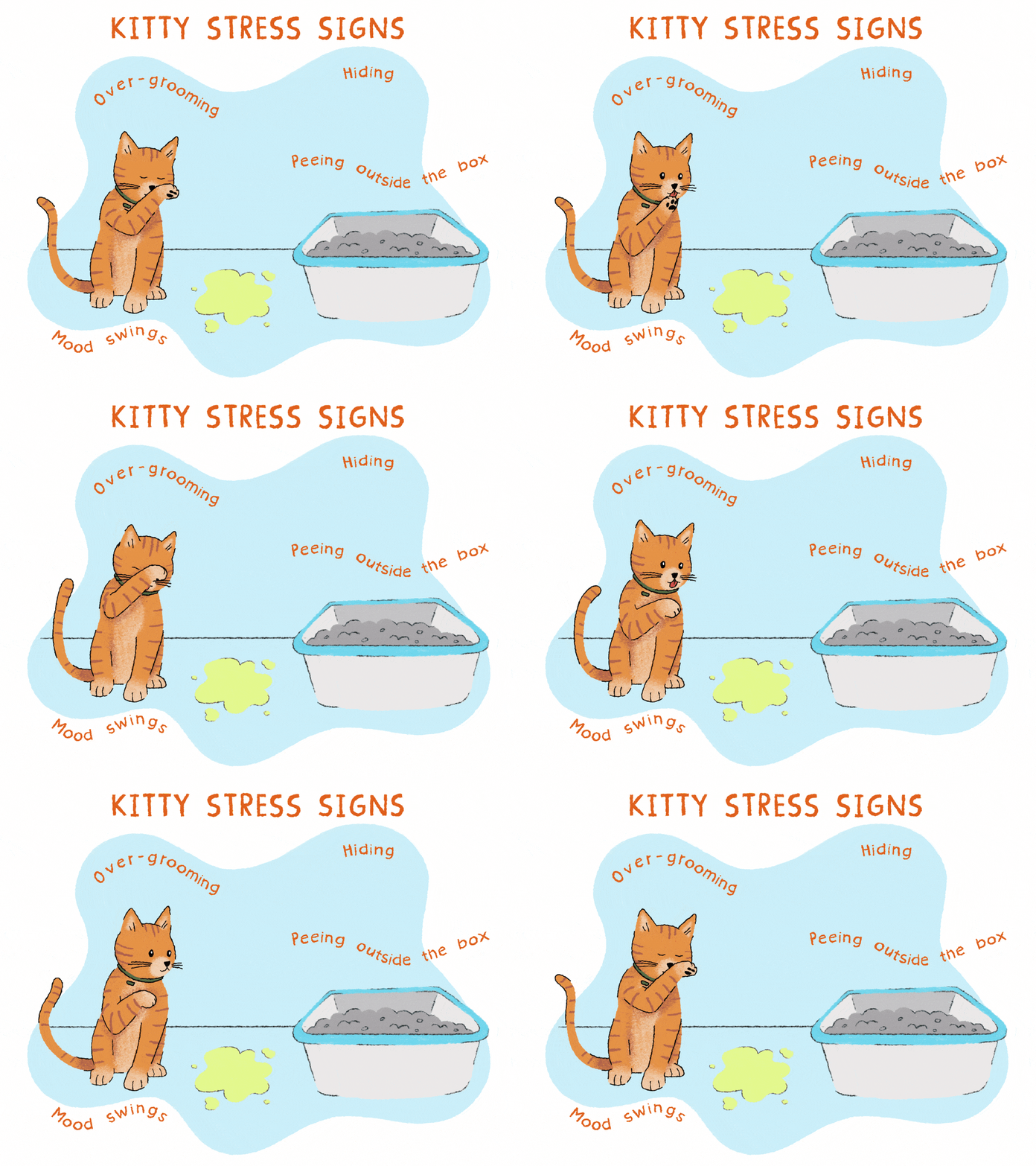
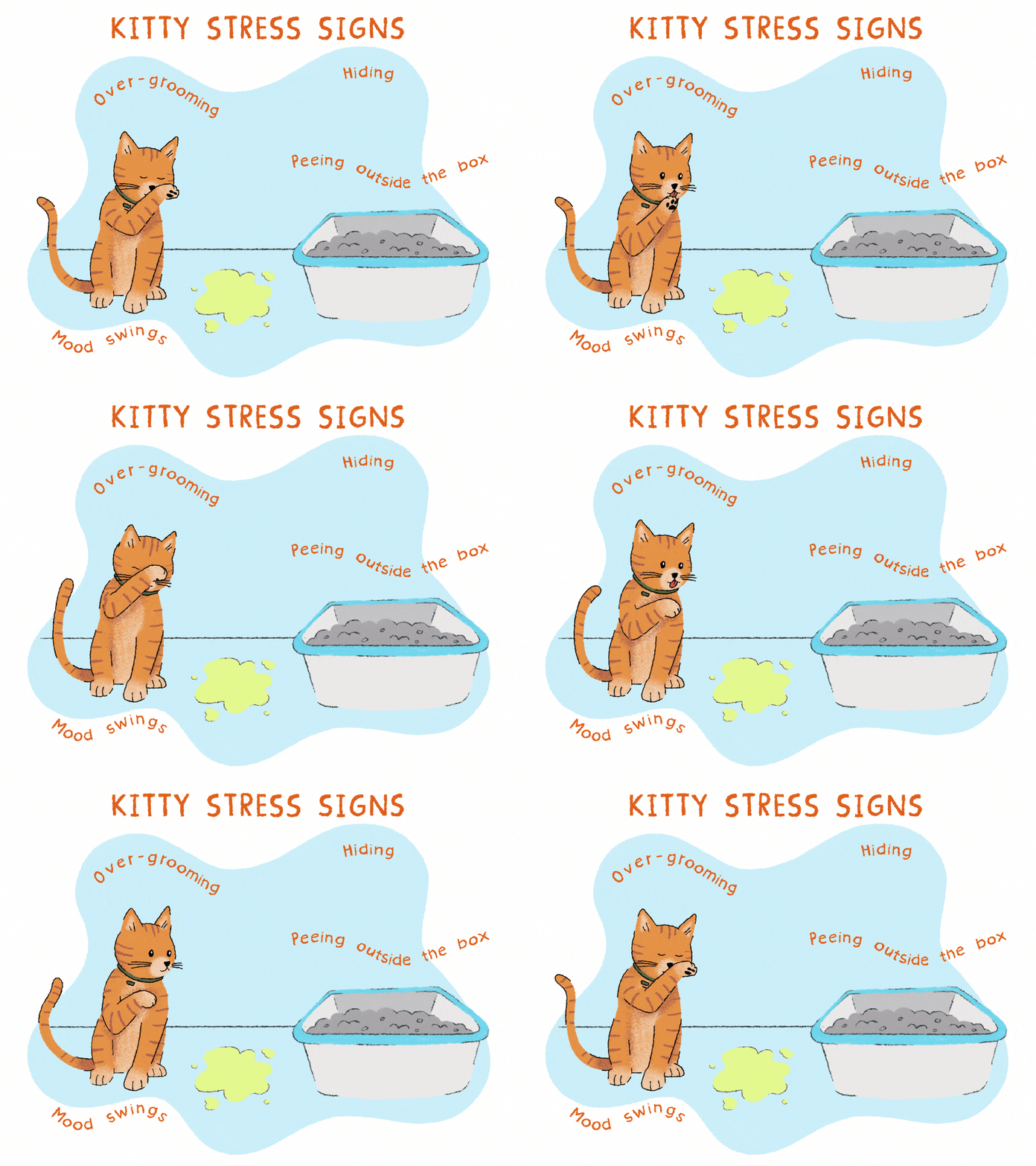
Stress in cats can manifest in various ways. Kneading is one sign, but there’s more to watch for. Increased grooming, hiding, or aggressive behavior can signal stress. Have you noticed your cat licking its paws excessively or retreating under the bed?
Changes in environment, like moving to a new house or introducing a new pet, can trigger these stress responses. It’s essential to create a safe and comforting space for your cat. Try adding more hiding spots or interactive toys to help soothe your furry friend.
Does your cat seem more anxious lately? Maybe it’s time to assess any recent changes in your home. Engage with your cat through play or gentle petting to reinforce a sense of security.
Understanding the nuances of your cat’s behavior can deepen your bond. How does your cat express itself when stressed? Observing and responding to these signals can make all the difference.
What Is Biscuit Making?
Have you ever noticed your cat pressing its paws rhythmically against a soft surface? This charming behavior is called biscuit making or kneading. Cats often engage in this activity on blankets, pillows, and even their human companions. The term “biscuit making” paints a delightful image of a cat kneading dough with its tiny paws.
Origins Of The Term
The term “biscuit making” comes from the visual similarity to baking. Cats push their paws in and out, like kneading dough. This action is both calming and rhythmic. It’s a behavior ingrained from their kittenhood.
Why Cats Knead
Cats knead for various reasons. As kittens, they knead their mother’s belly to stimulate milk flow. This behavior often carries into adulthood. Kneading can also mark territory. Cats have scent glands in their paws. By pressing their paws, they leave a scent mark. It’s a way to claim ownership.
Kneading can also signal contentment. Cats often purr while kneading, showing relaxation. But, they may knead when stressed. This action can provide comfort and reassurance. Understanding why cats knead helps foster a stronger bond with them.
Signs Of Stress In Cats
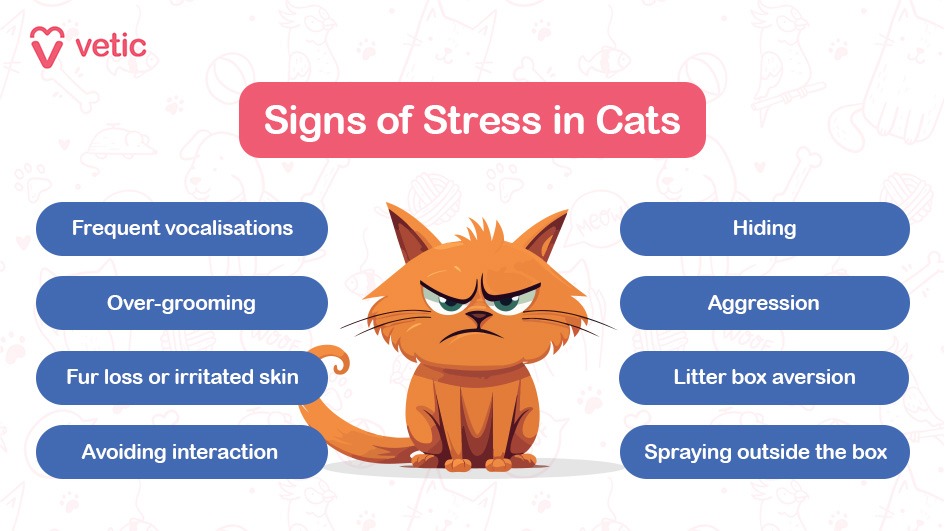
Cats express stress through various signs. Observing these signals helps in understanding their emotional state. Recognizing stress symptoms in cats is crucial for their well-being.
Behavioral Changes
Cats may hide more often when stressed. They avoid interaction and seek solitude. Increased aggression is another sign. They might hiss or swipe unexpectedly. Some cats become clingy, seeking constant attention.
Litter box habits can change. They may stop using it properly. Scratching furniture excessively is a common behavior. Vocalization increases, with more frequent meowing.
Physical Indicators
Stress affects a cat’s physical health. Appetite changes are noticeable. Some cats eat less or not at all. Others eat more than usual. Excessive grooming is a sign of stress. This behavior leads to bald patches.
Weight fluctuations occur due to stress. Cats may gain or lose weight rapidly. Their fur loses its shine and looks dull. Stress causes digestive issues like diarrhea or constipation. Frequent vomiting is another indicator.
Observing these signs promptly helps in managing stress. Addressing stress early ensures better health and happiness.
Credit: firehousecedarpark.com
Stress-related Kneading
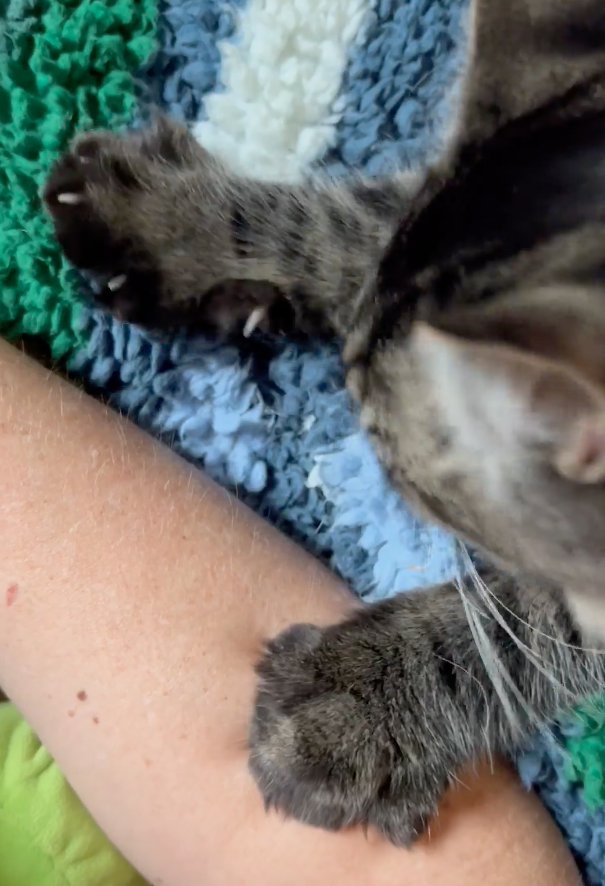
Cats often knead, a behavior known as “making biscuits,” when they’re stressed. This rhythmic paw motion can be soothing for them. It resembles the comforting act of nursing kittens. Understanding stress-related kneading helps cat owners recognize signs of feline anxiety.
Link Between Kneading And Stress
Kneading can signal stress in cats. This behavior might increase during changes at home. Cats may knead more if they sense tension or feel insecure. Observing kneading patterns helps identify stress triggers.
Scientific Insights
Research shows kneading releases endorphins in cats. These chemicals help reduce anxiety. Kneading mimics kittenhood comfort, providing a sense of security. Studies suggest kneading is linked to lower stress levels.
Experts believe kneading helps cats cope with stress. It may serve as a self-soothing mechanism. Monitoring a cat’s kneading behavior can provide clues about their emotional state.
Managing Cat Stress
Cats sometimes knead, or “make biscuits,” when feeling stressed. This behavior can be soothing for them. It mimics comforting actions from their kitten days.
Managing cat stress is crucial for their well-being. Cats often knead, or “make biscuits,” when stressed. Understanding this behavior helps in providing a calm environment. It ensures your cat feels safe and secure. Let’s explore ways to manage cat stress effectively.Creating A Safe Environment
Cats need a safe place to relax. A quiet room helps them feel secure. Provide cozy beds and hiding spots. Ensure the area is free from loud noises. Keep unfamiliar people away when your cat is stressed. Familiar surroundings comfort them. Soft lighting can soothe anxious cats. A warm, quiet space supports their peace.Stress-reducing Techniques
Interactive play reduces stress in cats. Use toys they enjoy. Wand toys and laser pointers are effective. Playtime distracts them from stress. Offering treats during playtime can help. Regular grooming sessions also calm cats. Gentle brushing comforts them. Consider pheromone diffusers for stress relief. These mimic natural scents that relax cats.
Credit: michu.com.au
When To Seek Help
Cats kneading, often called making biscuits, can indicate stress. Watch for excessive kneading or other stress signs. Seek help if your cat’s behavior changes, showing anxiety or discomfort.
Cats kneading, often referred to as “making biscuits,” can be a comforting behavior. However, if your feline friend is kneading excessively, it might be a sign of stress. Knowing when to seek help is crucial to ensure your cat’s well-being. Here’s how you can determine if your cat’s behavior requires professional assistance.Recognizing Severe Stress
Cats, like humans, can experience stress. But how do you know when it’s severe? Watch for behavioral changes. If your cat suddenly becomes more withdrawn or aggressive, it might be stressed. Excessive kneading can be one of the signs. Consider their environment. Have there been recent changes, like moving homes or introducing a new pet? These can contribute to your cat’s stress levels. Look for physical symptoms. Stress can manifest physically. You might notice your cat is eating less, grooming excessively, or even having digestive issues.Professional Assistance
If you’re concerned, reaching out to a professional can make a difference. Consult your vet. They can rule out any underlying health issues that might be causing stress. A vet can also recommend stress-relief solutions tailored to your cat’s needs. Consider a pet behaviorist. These professionals specialize in animal behavior and can offer strategies to help your cat cope. They can provide insights into why your cat might be stressed and how to address it. Don’t wait too long. If your cat’s behavior changes suddenly or if they seem constantly stressed, seeking help sooner rather than later is wise. Early intervention can prevent further stress-related issues. Remember, as a pet owner, you’re your cat’s advocate. Trust your instincts. If something seems off, it probably is. Wouldn’t you want someone to help you if you were in distress? Your cat relies on you to keep them safe and healthy.
Credit: www.aaha.org
Frequently Asked Questions
Why Is My Cat Making Biscuits For No Reason?
Cats make biscuits as a sign of comfort and contentment. They knead instinctively, reminiscent of kittenhood. This behavior releases endorphins, making them feel relaxed. It’s also a way to mark territory using scent glands in their paws. Enjoy your cat’s affectionate display!
Is A Kneading Cat A Happy Cat?
Yes, kneading is usually a sign of a happy cat. It indicates comfort and contentment, similar to behaviors from kittenhood. Cats often knead when they are relaxed or showing affection. This natural behavior reflects their content state.
Should I Pet My Cat While Kneading?
Yes, you can pet your cat while kneading if they seem relaxed and comfortable. Pay attention to their body language. If your cat enjoys it, continue gently. If they show signs of discomfort, give them space. Always respect their preferences to maintain trust and comfort.
What Does It Mean When A Cat Is Constantly Kneading?
A cat kneading often signifies comfort and contentment. It mimics the motion kittens use to stimulate milk flow. Adult cats knead on soft surfaces to express relaxation or affection. Some believe it’s a way to mark territory using scent glands in their paws.
Conclusion
Cats make biscuits for comfort and stress relief. This kneading action is common. It shows your cat’s need for security. Cats often knead soft surfaces. Your lap or a cozy blanket. Understanding this behavior helps strengthen your bond. It shows your cat trusts you.
If your cat kneads more than usual, consider their environment. They might feel anxious or stressed. Provide a calm space for them. A safe haven to relax. Cats bring joy and companionship. Understanding their actions is key. It deepens the connection you share.

Similar Posts