Is Wet Cat Food Bad for Cats: Unveiling the Truth

Is wet cat food bad for cats? If you’re a cat owner, you’ve probably asked yourself this question at some point.
You want the best for your feline friend, but with so much conflicting information out there, it can be hard to know what’s right. Imagine feeding your cat something that seems healthy but is actually causing harm. It’s a distressing thought, isn’t it?
You might feel uncertain, even worried, about the choices you’re making. Don’t worry—you’re not alone. Many cat owners are in the same boat, searching for answers and clarity. This article will help you navigate the complexities of wet cat food and its impact on your cat’s health. You’ll discover the truth behind the myths and get the facts that matter most. Stick around to find out how you can make informed decisions that ensure your cat’s well-being. Your peace of mind—and your cat’s health—could depend on it.
Nutritional Benefits
Wet cat food often provides essential nutrients that support hydration and overall health. It includes proteins and fats crucial for energy and vitality. Some cats may prefer its taste and texture, making it a suitable dietary choice.
Wet cat food often raises questions about its nutritional benefits. Many cat owners want the best for their feline friends. Understanding the advantages of wet cat food can help make informed choices. It offers unique benefits that contribute to a cat’s overall health. Let’s explore these benefits in detail.Hydration Advantages
Wet cat food contains a high moisture content. Cats need proper hydration for optimal health. Many cats don’t drink enough water. Wet food helps increase their water intake naturally. This supports kidney health and prevents urinary issues. It’s a simple way to keep cats hydrated.Protein Content
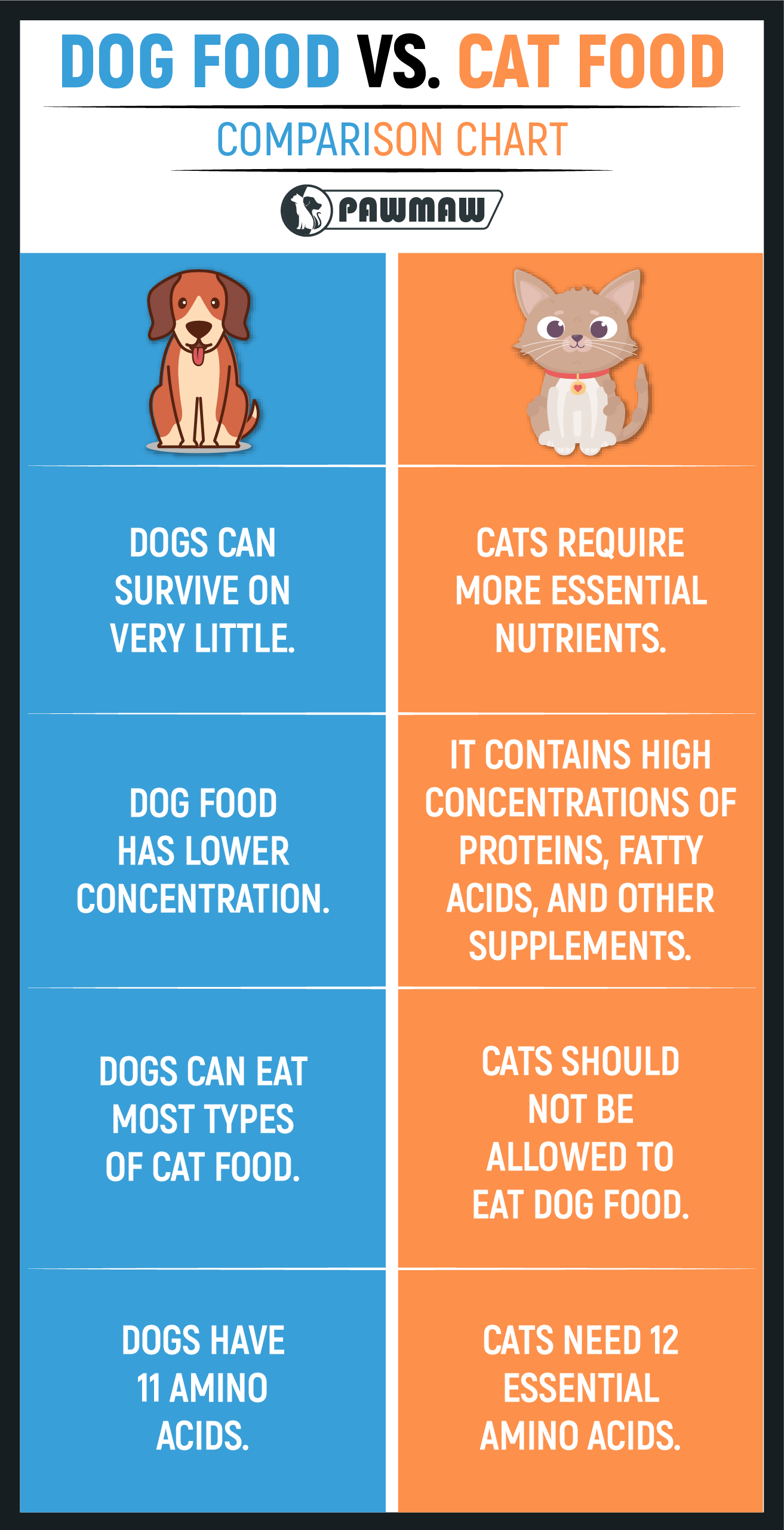
Cats are obligate carnivores. They need a high protein diet to thrive. Wet cat food is rich in animal proteins. This supports muscle health and energy levels. It provides essential amino acids for a cat’s body functions. Protein is crucial for growth and repair. Wet food ensures they get enough nutrients.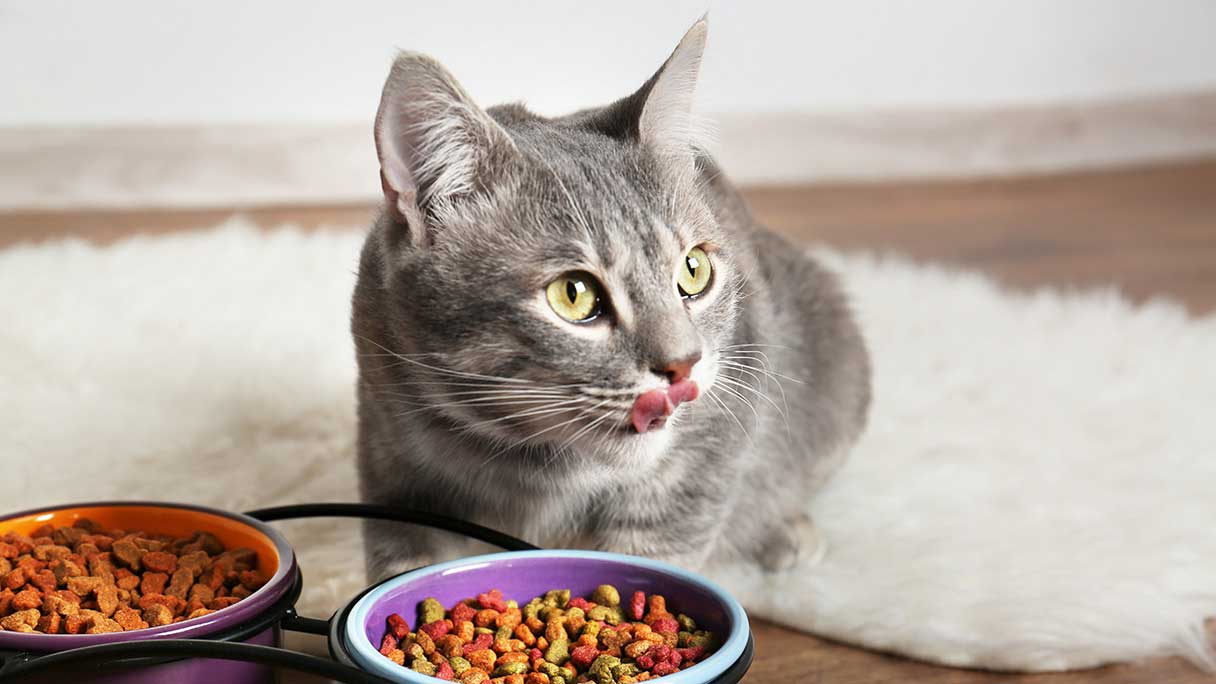
Credit: www.carecredit.com
Ingredients To Watch
Some wet cat foods may contain high sodium and artificial additives. These can affect a cat’s health negatively. Monitoring ingredients is crucial for maintaining your cat’s well-being.
When choosing wet cat food, it’s crucial to know what’s inside. Cats rely on you to provide meals that nourish without harm. Many cat foods contain ingredients that sound complex and mysterious. But understanding these components can help you make better choices for your feline friend. Some ingredients deserve special attention as they can impact your cat’s health.Artificial Additives
Artificial additives in cat food might look harmless, but they can be problematic. These additives are often used to enhance flavor or color, making the food more appealing to cats and their owners. Yet, they offer little to no nutritional value. Some cats may even develop allergies or sensitivities to these substances, leading to digestive issues or skin irritations. Have you ever noticed your cat scratching more than usual? It could be a reaction to something artificial in their diet. Checking the ingredient list for additives like artificial flavors and colors can be a simple yet effective way to protect your cat’s health.Preservatives Concerns
Preservatives help keep wet cat food fresh, but not all are created equal. Some preservatives, like BHA and BHT, have raised concerns among pet owners due to their potential health risks. These chemicals are used to prevent spoilage but can cause adverse effects over time. You might wonder if your cat’s food is safe. Look for natural preservatives like vitamin E (often listed as mixed tocopherols) or vitamin C. These are safer alternatives that maintain freshness without the associated risks. It’s not just about avoiding harmful ingredients. It’s about ensuring your cat gets the best possible nutrition. Next time you’re shopping for cat food, take a closer look at the labels. Your cat’s well-being is worth the extra effort.Dental Health Implications
Wet cat food might affect dental health due to its softer texture. Cats need crunchy food to help clean their teeth naturally. Without this, plaque can build up, leading to dental issues.
Understanding the dental health implications of wet cat food is crucial for your furry friend’s overall well-being. While wet cat food can be beneficial in many ways, it also raises questions about its impact on your cat’s dental health. If you’re wondering how your cat’s diet affects their teeth and gums, you’re not alone. Many pet owners share the same concern.Impact On Teeth
Wet cat food, unlike dry kibble, doesn’t require much chewing. This means it lacks the abrasive action that helps clean teeth. As a result, plaque can build up more easily. A friend of mine noticed her cat’s teeth turning yellow despite feeding it the best wet food available. This raised the question: Is it time to add something crunchy to the diet? While wet food alone may not be the best for teeth, mixing it with some dry food could help. The crunchiness of dry kibble can act like a toothbrush, scraping away at the plaque. Consider alternating between wet and dry food to balance taste and dental care.Gum Health
Gum health is another important aspect to consider. Wet food tends to stick to your cat’s teeth and gums, which can lead to gum disease if not managed properly. You might notice bad breath or swollen gums in your cat, which are signs of potential issues. Cleaning your cat’s teeth regularly can help mitigate these problems. If brushing seems impossible, dental treats or toys designed to enhance oral health can be a great alternative. Regular vet check-ups are also essential to keep an eye on their gum health. Have you ever noticed your cat having difficulty chewing or showing disinterest in food? It might be linked to their dental health. Keeping a close watch on their eating habits can provide insights into their oral well-being. So, what’s your take? Are you ready to adapt your cat’s diet for better dental health?Digestive Health
Digestive health plays a crucial role in a cat’s overall well-being. Cats can be picky eaters with sensitive stomachs, so understanding what they consume is vital. Wet cat food is often preferred due to its moisture content, which aids digestion. But is it really beneficial for their digestive systems? Let’s explore.
Stomach Sensitivity
Cats have unique digestive systems. Some cats have sensitive stomachs that react to changes in diet. Wet cat food can be easier for these cats to digest. The moisture in wet food helps to soften the food, making it gentler on the stomach. This can reduce the chance of vomiting or diarrhea.
Digestive Enzymes
Digestive enzymes break down food in a cat’s stomach. Wet cat food often contains these enzymes naturally. This can aid in the digestion process, ensuring nutrients are absorbed effectively. Proper enzyme activity helps maintain a healthy gut and prevents digestive issues. For cats with enzyme deficiencies, wet food can be a practical choice.
Weight Management
Managing your cat’s weight is crucial to ensuring their health and longevity. Wet cat food often raises questions about its impact on weight. Can it lead to weight gain or help maintain a healthy weight? Let’s explore some insights into wet cat food and weight management.
Caloric Content
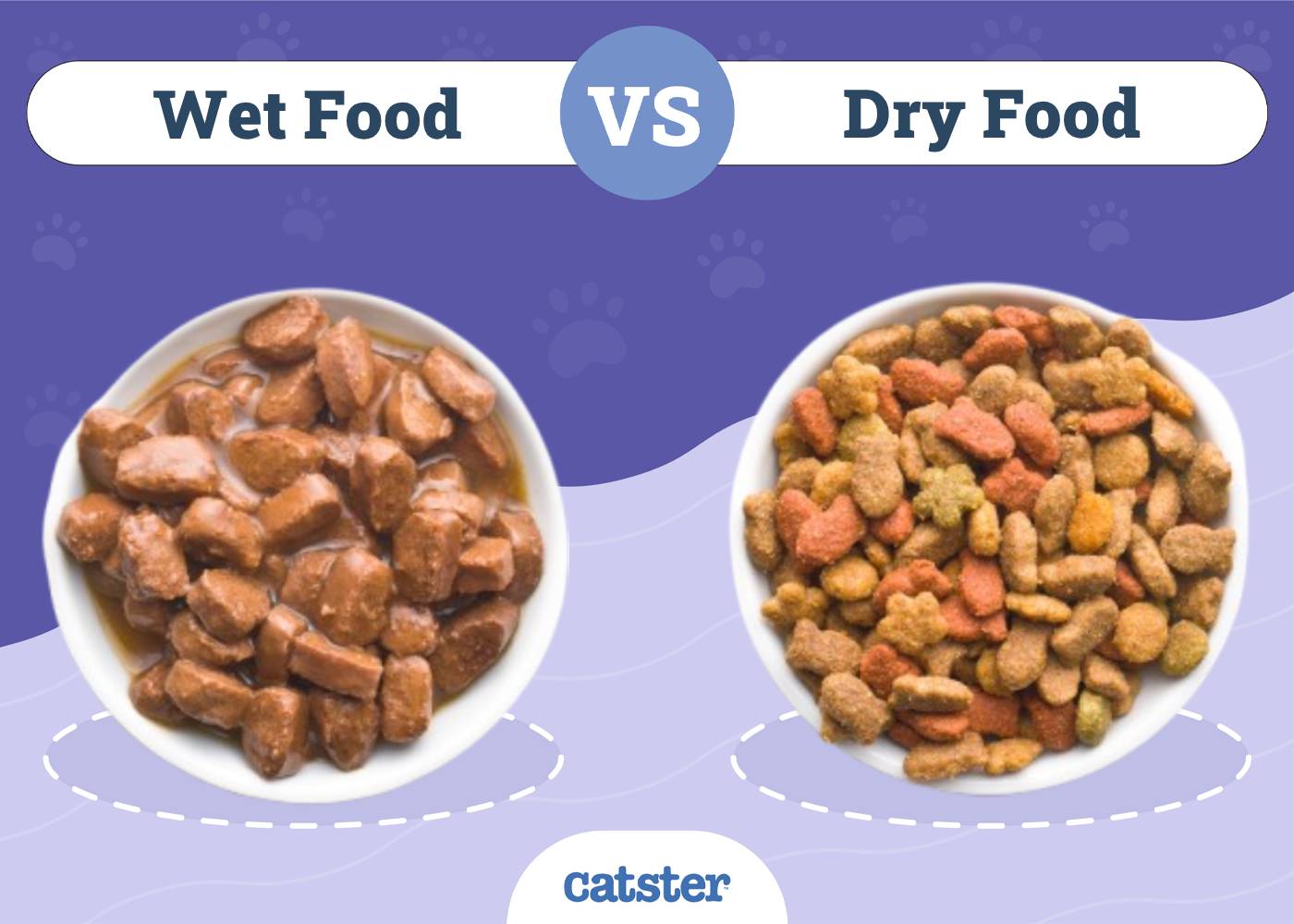
Wet cat food typically contains fewer calories than dry food. This can be beneficial if you’re trying to manage your cat’s weight. Just like humans, cats need to burn off the calories they consume.
For example, a can of wet food might have fewer calories than a cup of dry kibble. This means your cat can enjoy a satisfying portion without consuming too many calories. If your cat is a little on the chunky side, switching to wet food might be a helpful strategy.
However, it’s important to check the label. Not all wet foods are created equal. Some are packed with fillers that can spike the caloric content. So, while shopping, pay attention to the labels and choose wisely.
Portion Control
Portion control is key in managing your cat’s weight. Wet food allows for precise measurement of portions, helping you avoid overfeeding. Have you ever noticed how easy it is to fill up a bowl with dry kibble until it overflows?
With wet food, you can scoop out the exact amount your cat needs. This helps in maintaining a consistent diet and prevents your feline friend from gobbling up excess calories. Plus, wet food typically comes in pre-measured cans or pouches, making portion control a breeze.
It’s also worth noting that cats often feel more satisfied with wet food due to its moisture content. This means less begging for snacks between meals. Do you sometimes wonder if your cat is genuinely hungry or just asking for extra treats?
When it comes to weight management, wet cat food can be a helpful tool. By understanding its caloric content and practicing portion control, you can ensure your cat stays healthy. So, next time you’re feeding your furry friend, ask yourself: are you giving the right amount for their needs?
Credit: www.catster.com
Choosing Quality Brands
Choosing the right wet cat food can feel overwhelming. Many options flood the market. The key is finding quality brands that suit your cat’s needs. Quality brands ensure your cat gets proper nutrition. They prioritize health over profit. This section will guide you in selecting the best options.
Ingredient Transparency
Quality brands prioritize ingredient transparency. They list all ingredients clearly on the label. This helps you know exactly what your cat eats. Avoid brands with vague terms like “meat by-products.” Look for whole, named ingredients like “chicken” or “salmon.” Natural preservatives are also a good sign.
Reputation And Reviews
Reputation speaks volumes about a brand’s quality. Research the brand’s history and customer feedback. Brands with a strong reputation often have loyal customers. Positive reviews highlight consistent quality and trust. Read both professional and customer reviews. They provide insight into real-life experiences.
Alternatives To Wet Food
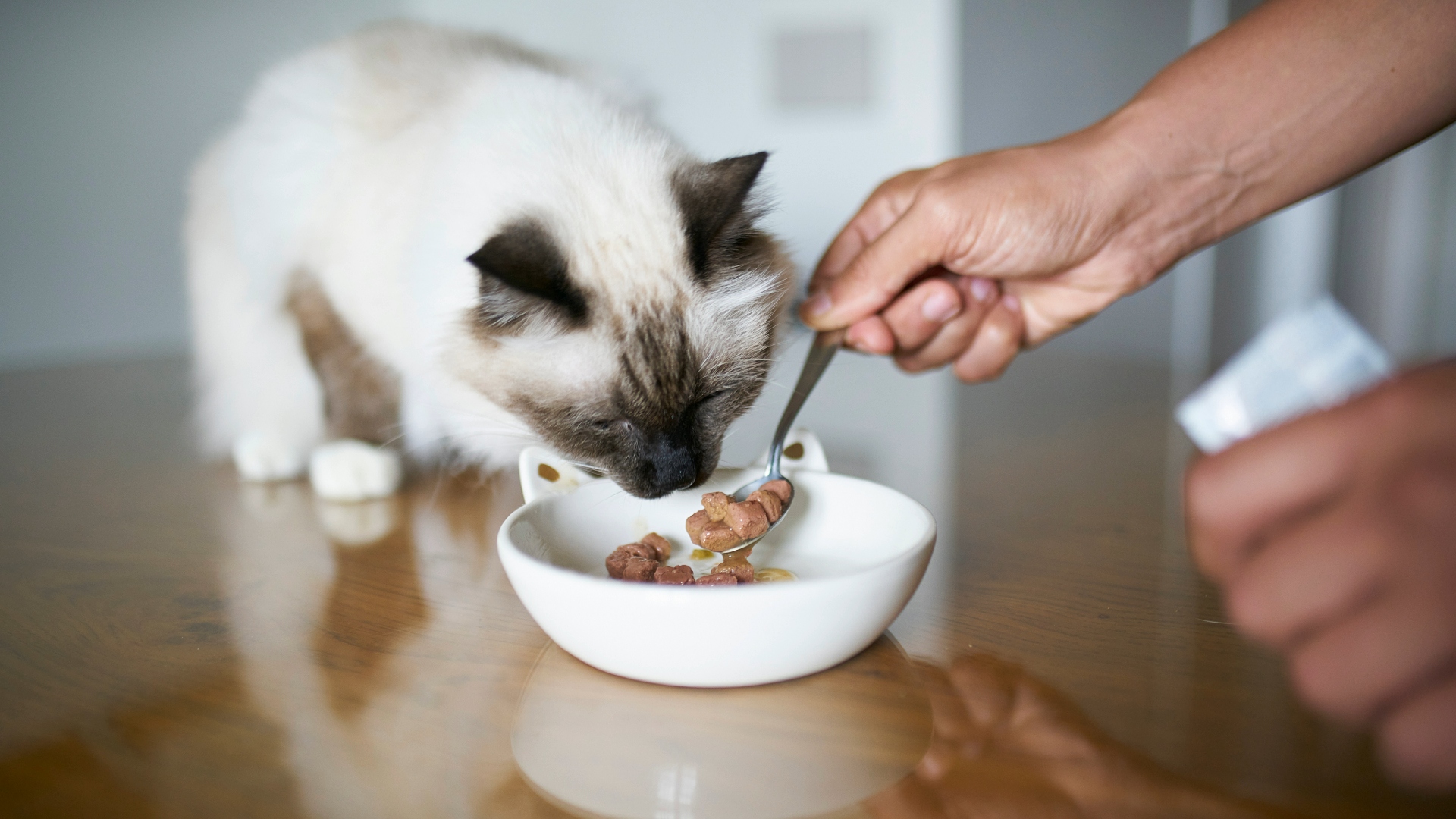
Wet cat food is often preferred by pet owners. But not all cats enjoy it. Some may have dietary restrictions. For those reasons, finding alternatives is important. These alternatives provide variety and nutrition. They cater to different preferences and health needs. Here are some popular options to consider.
Dry Food Options
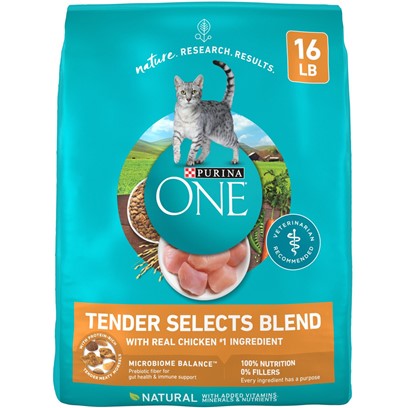
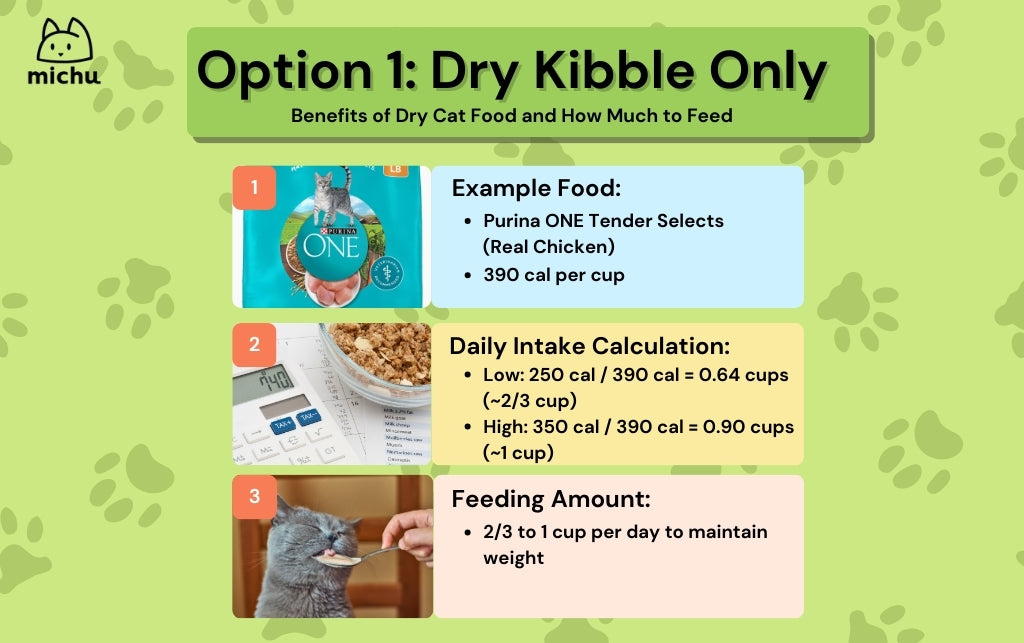
Dry cat food, or kibble, is a common choice. It is convenient and easy to store. Many brands offer balanced nutrition in dry form. Cats enjoy the crunchy texture. It also helps clean their teeth. Look for high-quality ingredients. Ensure the protein content is sufficient. Avoid fillers like corn and soy. These can lead to health issues.
Homemade Diets
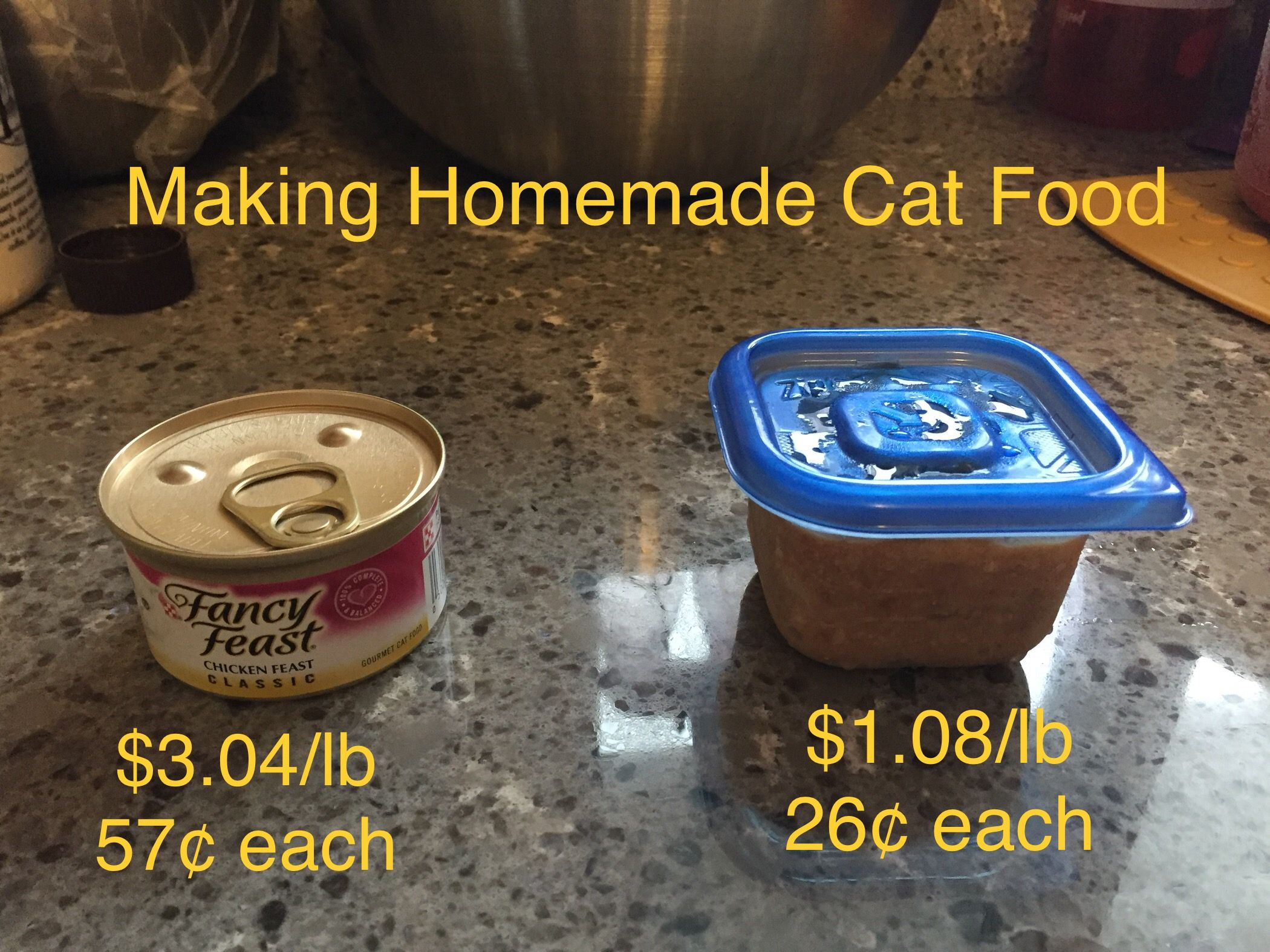
Some pet owners prefer homemade diets. This gives control over ingredients. You can tailor meals to your cat’s needs. Fresh meats, vegetables, and grains are common. A balanced meal is crucial. Consult a vet for guidance. They can recommend supplements if needed. Preparing meals takes time. But it can be rewarding and satisfying.
Credit: www.petsradar.com
Frequently Asked Questions
Is It Okay To Give Cats Wet Food Every Day?
Yes, feeding cats wet food daily is okay. It provides hydration and essential nutrients. Ensure it’s high-quality and balanced. Consult your veterinarian for specific dietary needs. Wet food can support a cat’s overall health and well-being.
Is It Better To Feed Cats Dry Or Wet Food?
Wet food offers higher moisture, aiding hydration and kidney health. Dry food is convenient and supports dental care. Balance both for optimal nutrition. Consider your cat’s age, health, and preferences when choosing. Consult a vet for personalized advice.
Do Vets Recommend Wet Cat Food?
Yes, vets often recommend wet cat food. It provides essential hydration and nutrients for cats. Wet food can be beneficial for urinary and kidney health. Always consult your vet for personalized advice on your cat’s diet. Choose high-quality brands for the best nutritional value.
Is Feline Wet Food Good For Cats?
Yes, wet food is good for cats. It provides hydration and essential nutrients. Cats often find it more palatable. Ensure it meets your cat’s dietary needs. Always consult your veterinarian for personalized advice. Regularly check the ingredients for high-quality protein sources.
Conclusion
Wet cat food isn’t bad for cats. It can offer various benefits. Hydration, taste, and nutrients. Choose quality brands for balanced nutrition. Monitor your cat’s reactions. Every cat is unique. Consult a vet if unsure. Wet food suits many feline diets.
It complements dry food well. Moderation and variety are key. Your cat’s health matters most. Keep an eye on their preferences. Adjust their diet as needed. Happy, healthy cats thrive best.

Similar Posts