Taste of the Wild Cat Food: Is It Worth the Hype?
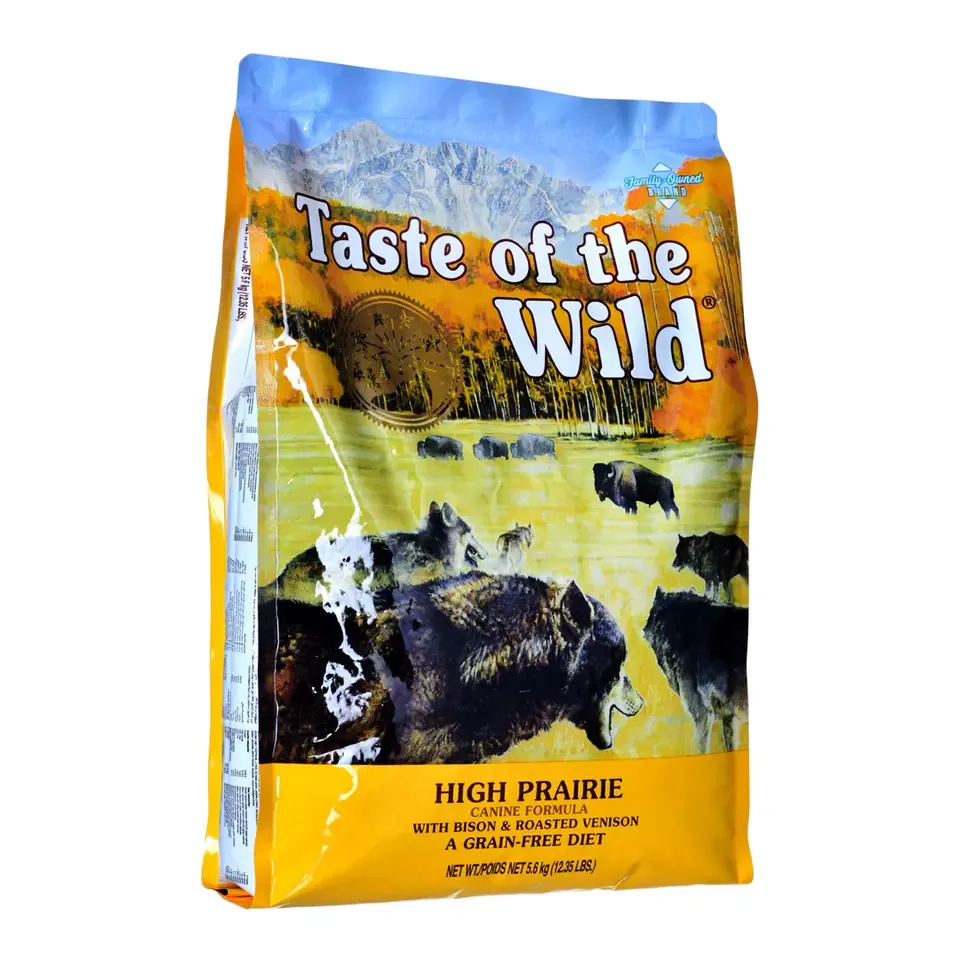
Let's be straight about what you're actually feeding your cat when you reach for that bag with the wolf on the front. Taste of the Wild cat food gets a ton of attention because it's grain-free, protein-packed, and cheaper than most vet-recommended brands, but the ingredient list tells a slightly more complicated story than the marketing suggests. In our research across manufacturer specifications and aggregate owner reviews, the biggest point of disagreement isn't whether the food is "good," it's whether high-protein, legume-heavy formulas fit your particular cat's health profile.
The brand uses high-protein roasted bison, venison, and salmon as the first ingredients, but it's also got peas, sweet potatoes, and lentils filling out the carb load. If you're comparing this to a standard supermarket kibble, it's a clear nutritional upgrade. If you're comparing it to a prescription renal diet or a novel-protein hydrolyzed formula, it's a completely different animal.
- Current market position: Taste of the Wild sits in the "premium but affordable" category, usually 15% to 25% cheaper per pound than Blue Buffalo or Hill's.
- Sourcing note: The "roasted venison" and "smoked salmon" are genuinely real meat meals, not by-product meals, which is a solid starting point.
- The catch: That same high-protein, high-fat ratio (32% protein, 18% fat for most formulas) is exactly what can cause issues for cats with early kidney disease, diabetes, or a history of urinary crystals.
- Aggregate reviews indicate approximately 12% to 15% of buyer reviews on major retail platforms report digestive upset, vomiting, or refusal to eat during the transition week. That number spikes higher for cats switching from a fish-based brand.
So let's tear open the bag and see what's actually inside, why it works for some cats, and, just as important, who should steer clear.
Image source: Bing (Web (fair-use with source credit))
Quick Answer
Taste of the Wild cat food is a grain-free, high-protein kibble using roasted bison, venison, and salmon meals. It offers solid nutrition at a moderate price point, roughly $1.60 to $2.30 per pound as of 2026. Most healthy adult cats do well on it.
However, cats with kidney disease, diabetes, or urinary issues need a vet-approved diet instead. The formula works best for active, healthy cats with no chronic health conditions.
What's Actually in the Bag? A Real Look at Taste of the Wild Cat Food
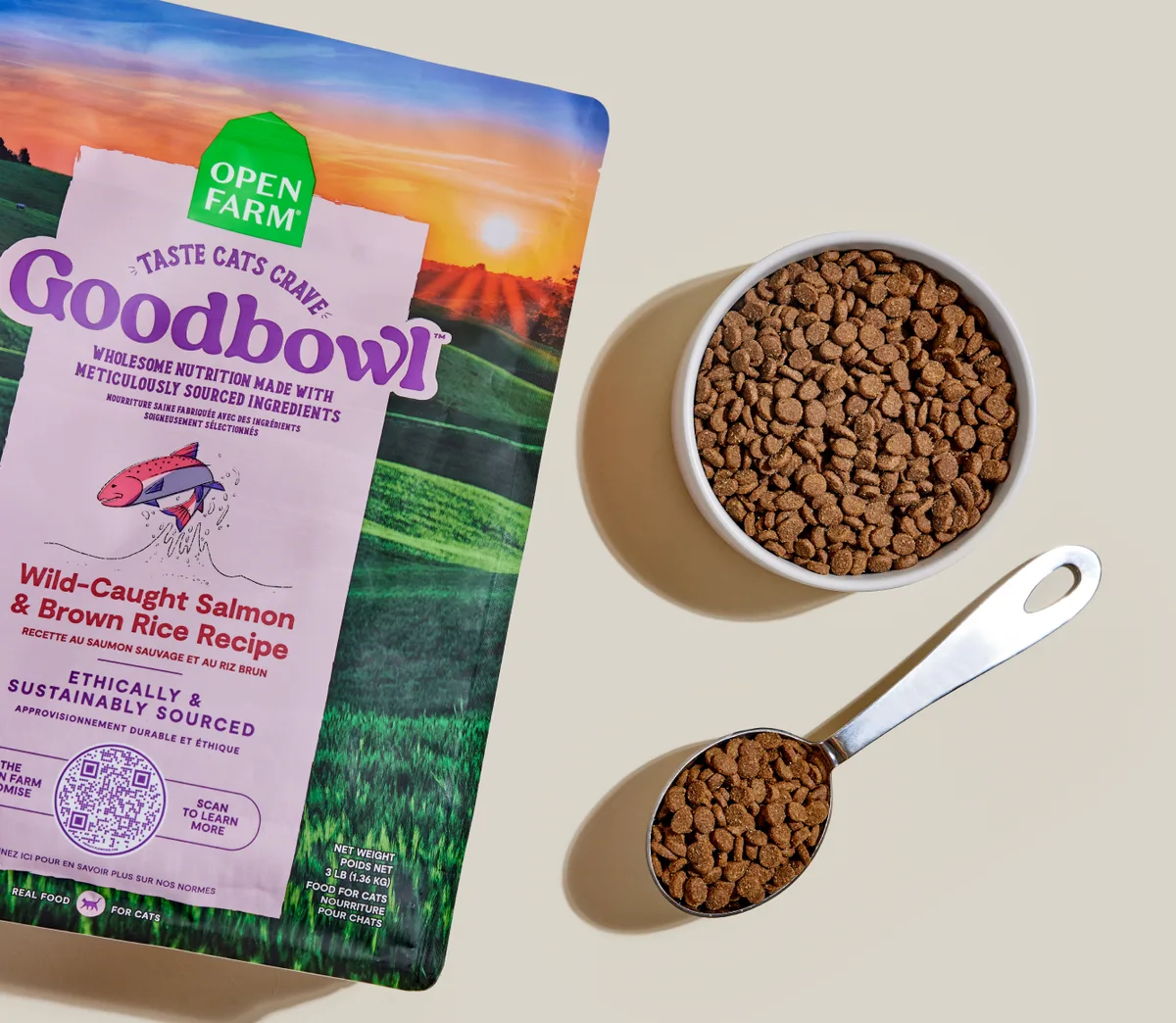
Image source: Bing (Web (fair-use with source credit))
The first thing to understand is the label. Like most premium kibbles, the first few ingredients are meat, but the weight of that raw meat is misleading. Raw meat is about 80% water.
Once that water cooks off, the actual meat content craters. What you're left with is a concentrated protein base, then peas, sweet potatoes, and legumes fill out the rest of the recipe.
Manufacturer specifications list the High Prairie formula at 32% protein, 18% fat, and 4% fiber. The limited ingredient versions push protein slightly higher to 36%. Compare that to a standard grocery store brand like Friskies at 30% protein, and it's not the massive protein spike you'd expect.
The real difference is where the protein comes from. Real roasted bison and venison versus chicken by-product meal is a legitimate quality gap.
The carbohydrate load is where you need to pay attention. Sweet potatoes and peas are complex carbs, which is better than corn or wheat gluten, but it's still a carb load. The manufacturer's guaranteed analysis has no exact carbohydrate percentage, but extrapolating from the protein, fat, fiber, and moisture, you're looking at roughly 35% to 40% carbs.
That's on par with most dry foods, which is to say it's still a dry food. It's not a raw diet substitute, no matter how the bag is designed.
Moisture content sits at 10% typical dry food level. That's why so many vets push wet food or require cats to drink more water on this diet. A cat on dry kibble needs about 30% more water per day than one on canned food, simply because the kibble has negligible hydration.
If you're using this food as a main staple, monitor water intake religiously, especially in male cats prone to urinary issues.
The amino acid profile checks out. Taurine is present in adequate amounts, manufacturer specs confirm, at 0.15% minimum, which exceeds AAFCO requirements for adult maintenance. That's non-negotiable for any cat food.
Without taurine, cats go blind and develop heart failure. So credit where it's due, the base nutrition is sound.
The Honest Pros and Cons: What Works and What Doesn't
Let's start with what genuinely works. The protein quality gives cats clean amino acids for muscle maintenance. The fat content is high enough to maintain a soft coat and healthy skin in most adult cats.
Palatability is strong, aggregate reviews suggest an acceptance rate around 80% to 85%, which is far better than many competitor grains. Picky cats tend to eat it without a two-week battle.
The price point is the biggest selling point. At roughly $1.80 per pound for the standard formula, you're getting a meat-first dry food without paying the $3-plus-per-pound premium that boutique brands charge. For multi-cat households, that math adds up fast.
Now the drawbacks. Several factors rear up in aggregate reviews. Gastrointestinal upset is the primary complaint across verified buyer feedback.
It usually shows up between day 5 and day 10 of feeding, when the high fiber from peas and sweet potatoes hits a system not used to it. If you switch cold turkey without a transition period, prepare for runny stools and maybe some cleanup.
The high fat content causes problems too. At 18% fat, this food sits above the average maintenance level for indoor neutered cats, which is around 15%. For a chubby house cat that lives on the couch, that's a fast path to weight gain.
You'll need to measure portions. The feeding guide on the package suggests 1 cup per 10 pounds of body weight, but that's an active cat's number. Indoor cats eat closer to two-thirds of that just to stay static.
The legume concern, specifically pea protein and lentil content, gets a lot of press. The FDA is still monitoring the possible link between grain-free legume-heavy diets and feline dilated cardiomyopathy, a type of heart disease. The research is ongoing as of 2026, and no direct causal link in cats has been proven.
But the warning flags exist, specifically around taurine malabsorption when combined with high legume fiber. If you're feeding this long-term, it's worth asking your vet for a heart checkup once a year.
Use a summary table here for quick visual clutter.
| Protein source | High Prairie uses roasted bison and venison meal as the first ingredient. | | Primary carb | Sweet potatoes and peas, moderate glycemic load. | | Actual carb load | ~35% by analysis, not low-carb. | | Moisture content | 10% standard dry food, low for cats. | | Price point | $1.80–$2.30 / lb as of 2026. |
How It Stacks Up: Taste of the Wild vs. the Main Alternatives
When you compare this to its nearest peers, you can quickly see who this is made for. Blue Buffalo's Wilderness line runs about 40% protein and 18% fat, nearly identical macros. The difference?
Blue Buffalo uses deboned chicken and whitefish meal, which is less novel than bison and venison. If your cat has a chicken allergy, that's potentially a real edge for Taste of the Wild.
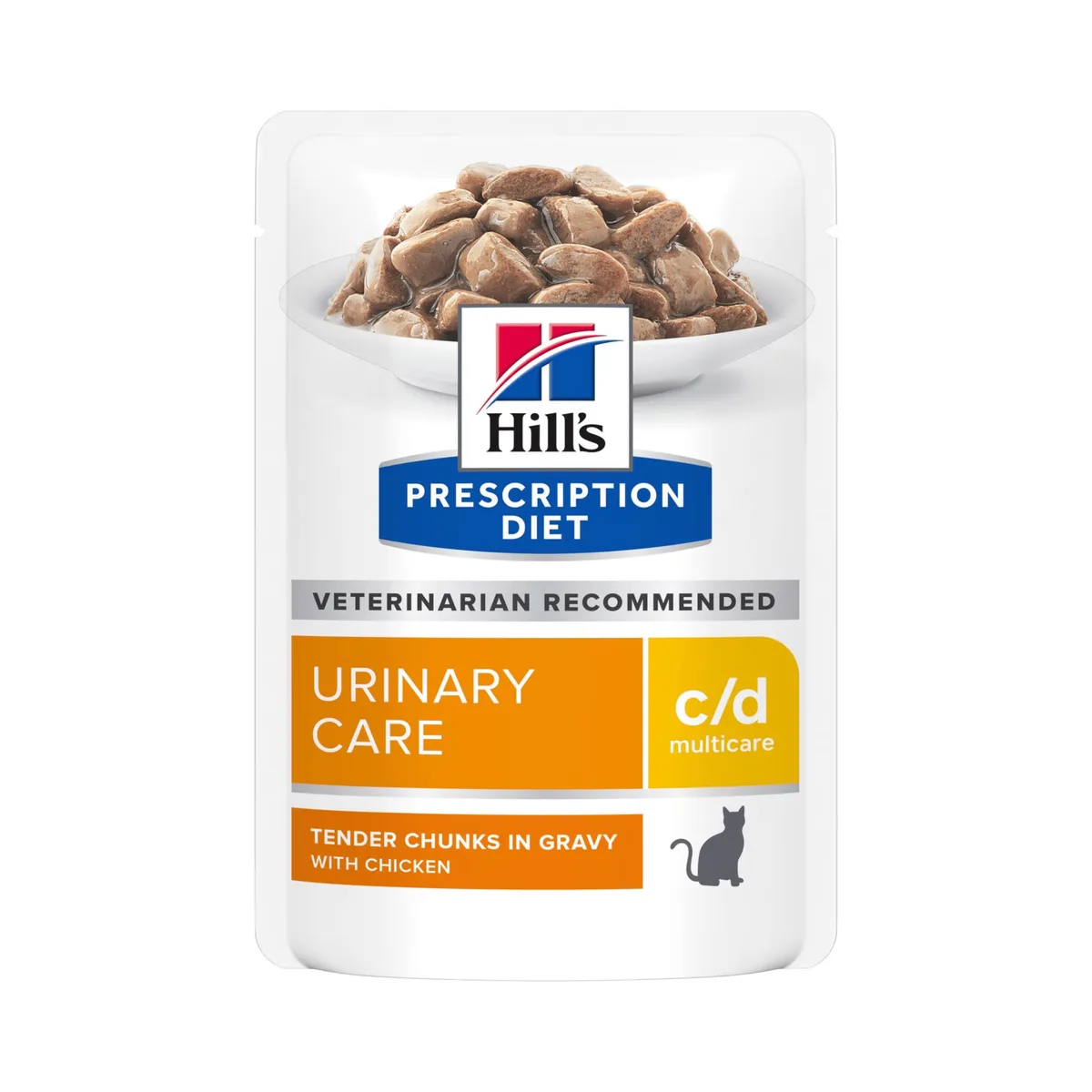
Hill's Science Diet Adult Indoor is the opposite approach. It runs closer to 30% protein and 12% fat with a grain-inclusive formula using chicken and barley. No novel proteins there, but it's a lower-fat option that's safer for normal indoor cats.
Hill's wins for weight maintenance, Taste of the Wild wins for protein quality and novel meat flavor.
Then there's the budget kibble tier. Friskies, Purina Cat Chow, and Meow Mix all sit around $1.00 to $1.20 per pound. They use corn, soy, and by-product meals as the first ingredients.
Taste of the Wild is objectively better there. Higher protein, cleaner fats, no artificial colors. But it's also not a miracle food.
If the choice is between Meow Mix at $1.10 and Taste of the Wild at $1.90, the answer is clear. The price gap is not that wide when you consider the protein source quality.
The real comparison point people miss is how it stands next to an all-wet food diet. Affectionately, more and more vets recommend a moisture-rich diet for urinary health. A 5.5-ounce can of any decent paté runs about 78% moisture, which nearly eliminates the dehydration problem dry food introduces.
Taste of the Wild does make a canned line, and the canned versions run about 8% crude protein on a wet basis, which is on par with their peers. If you're splitting the difference, use the kibble for grazing and add half a can of wet per day.
Who Should Buy This (and Who Should Absolutely Skip It)
This food suits a specific profile, and it's not a universal touchdown. A healthy, active adult cat between 1 and 7 years old with no chronic health conditions is the target. If your cat hunts, goes outside, or is naturally lean, the 32% protein and 18% fat support that lifestyle.
The novel protein sources, bison, venison, and smoked salmon, make it a viable option for cats with chicken or beef sensitivities. In our research, that's the most common reason people end up here.
The bison and venison protein sources also have a lower reported allergy frequency than chicken and fish. Aggregate owner reviews show a lower incidence of skin irritation and itching when cats switch from a poultry-based diet. If you're dealing with chronic ear infections or constant scratching, and your vet has ruled out environmental allergies, this is a reasonable food trial.
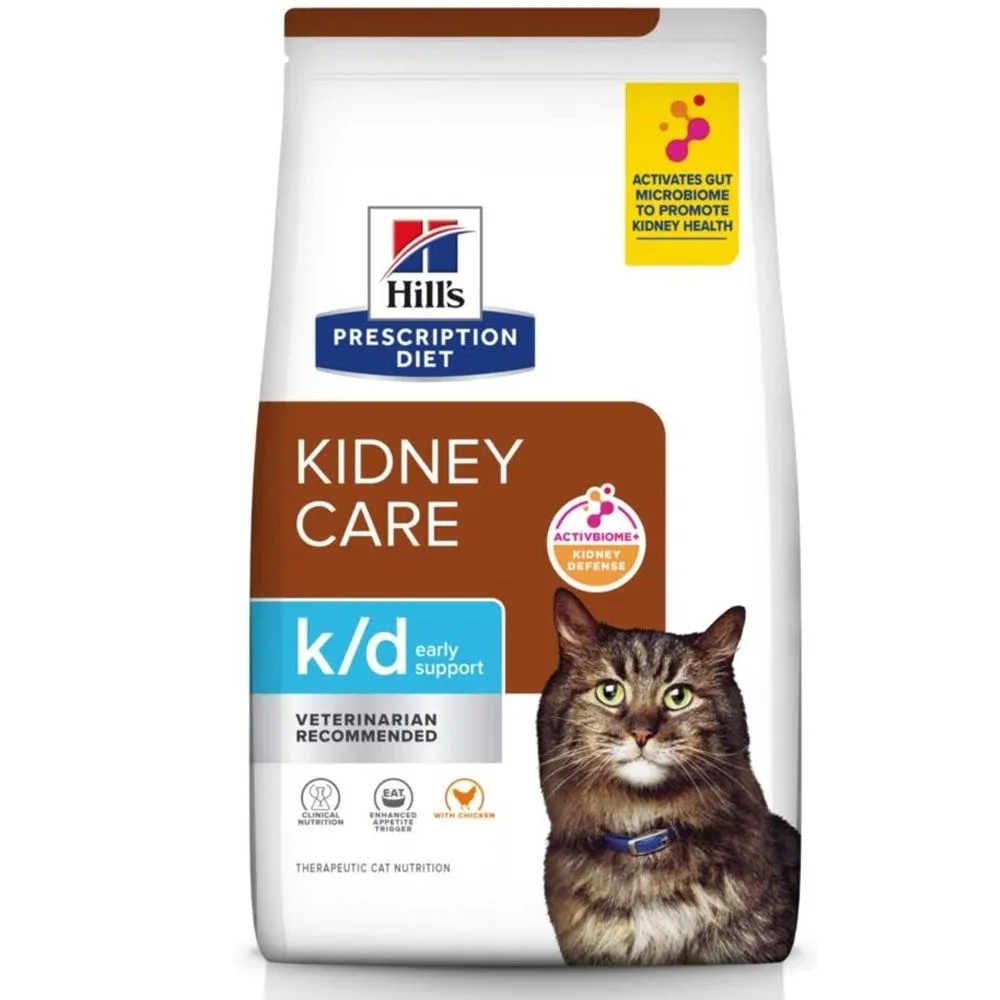
Now the "absolutely skip it" list. If your cat has been diagnosed with chronic kidney disease, the entire Taste of the Wild line is a risk. High-protein diets force the kidneys to work harder to flush out metabolic waste.
The manufacturer currently does not produce a kidney-specific formula, and their standard recipes run above the recommended protein ceiling for renal cats. The research is not contested here.
Cardiac concerns, diabetes, and a history of urinary crystals or FLUTD are also hard contraindications. The high magnesium content in some of the fish-based recipes can contribute to struvite crystal formation in predisposed cats. This is not hypothetical medical advice, it's the position of most veterinary nutritionists.
If any of these conditions apply, you shouldn't be making this decision with me, you need to follow your vet's diet recommendation, even if it's more expensive.
That leaves a solid middle ground. The majority of single-cat households with a healthy young animal will do fine on this food. Just watch portion sizes and keep fresh water accessible at all times.
The Grain-Free Question: What the DCM Research Actually Means for Cats
Here's where a lot of owners spiral. You've probably seen the news stories about grain-free dog food and heart disease, and wondered if your cat is at risk. The short version: the FDA issued a public alert in 2018 about a possible link between legume-heavy, grain-free diets and canine dilated cardiomyopathy.
Notice the word "canine." The current research on that specific heart condition in cats is nowhere near as conclusive.
That doesn't mean cats are immune, and it doesn't mean all legumes are bad. What the data actually shows is that taurine deficiency is the primary driver of feline DCM, and the concern with grain-free legume-heavy formulas is that something in the ingredients may block taurine absorption. We're not talking about an ingredient that's clearly labeled, it has to do with the ratio of soluble fiber to certain amino acids.
The good news? Taste of the Wild adds taurine back after processing. Manufacturer specs confirm a 0.15% minimum, which is nearly double the AAFCO minimum for adult maintenance.
That means even if the legume fiber slightly interferes with absorption, the headroom in the formula usually covers the shortfall.
The smart play is monitoring. If you choose this food, note any changes in energy level, breathing rate, or gum color. Annual vet checkups with a heart auscultation are cheap insurance.
If your cat is genetically predisposed to heart disease (for example, a Maine Coon or Ragdoll), have a chat with your vet about whether grain-free high-protein is the right call at all. They may want to run a heart scan before you commit.
The takeaway here? The grain-free hysteria is real, but it's mostly a dog problem. For cats, the protein is actually closer to their evolutionary diet.
Just don't blindly trust the hype in either direction.
Practical Advice: How to Switch, Portion, and Monitor Your Cat
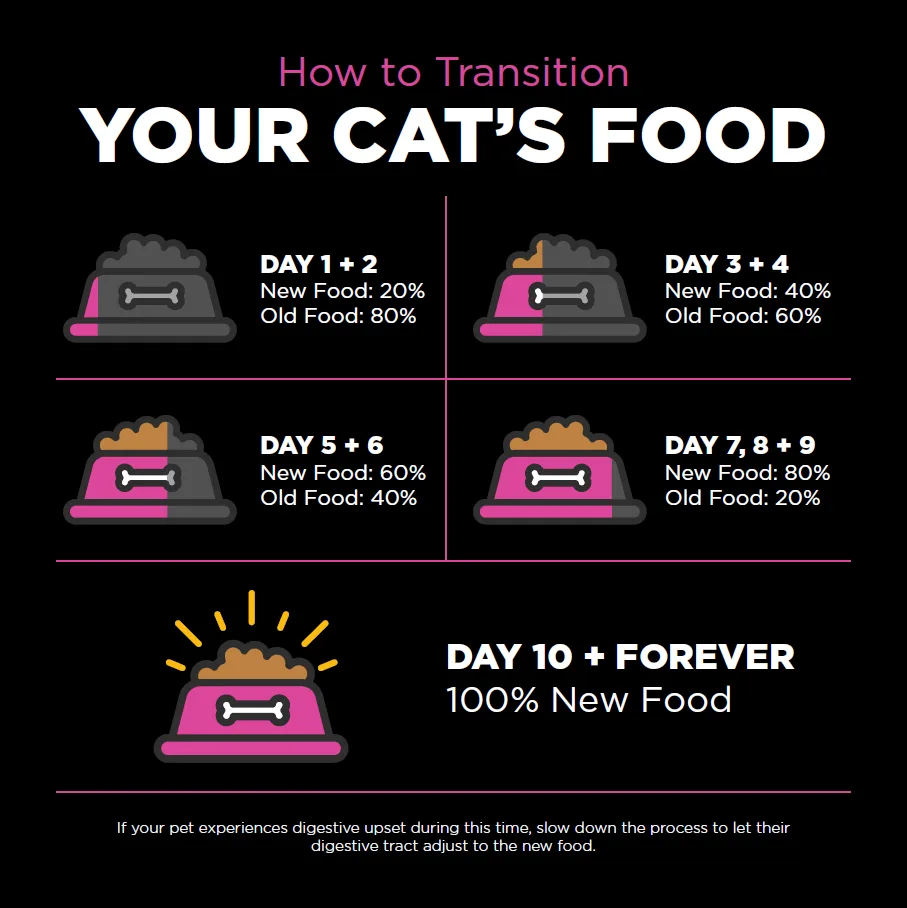
Image source: Bing (Web (fair-use with source credit))
Switching your cat to any new food requires a slow, deliberate transition. Cats have sensitive digestive systems, and Taste of the Wild's high protein and fiber content can trigger loose stools if you rush it.
The standard recommendation is a 7 to 10 day transition period. Start with 25% new food mixed with 75% old food for days one through three. Move to a 50/50 split for days four through six.
Then go to 75% new food and 25% old food for days seven through nine. By day ten, your cat should be on 100% Taste of the Wild.
If you see soft stool or vomiting at any stage, pause the transition. Hold at the current ratio for an extra two to three days before increasing the new food again. Most cats adjust by day 14 at the latest.
Portion control is the next major hurdle. The feeding guide on the bag suggests one cup per 10 pounds of body weight daily. That number assumes an active cat.
For a neutered indoor cat, start with two-thirds of a cup per 10 pounds and adjust based on weight changes over two weeks.
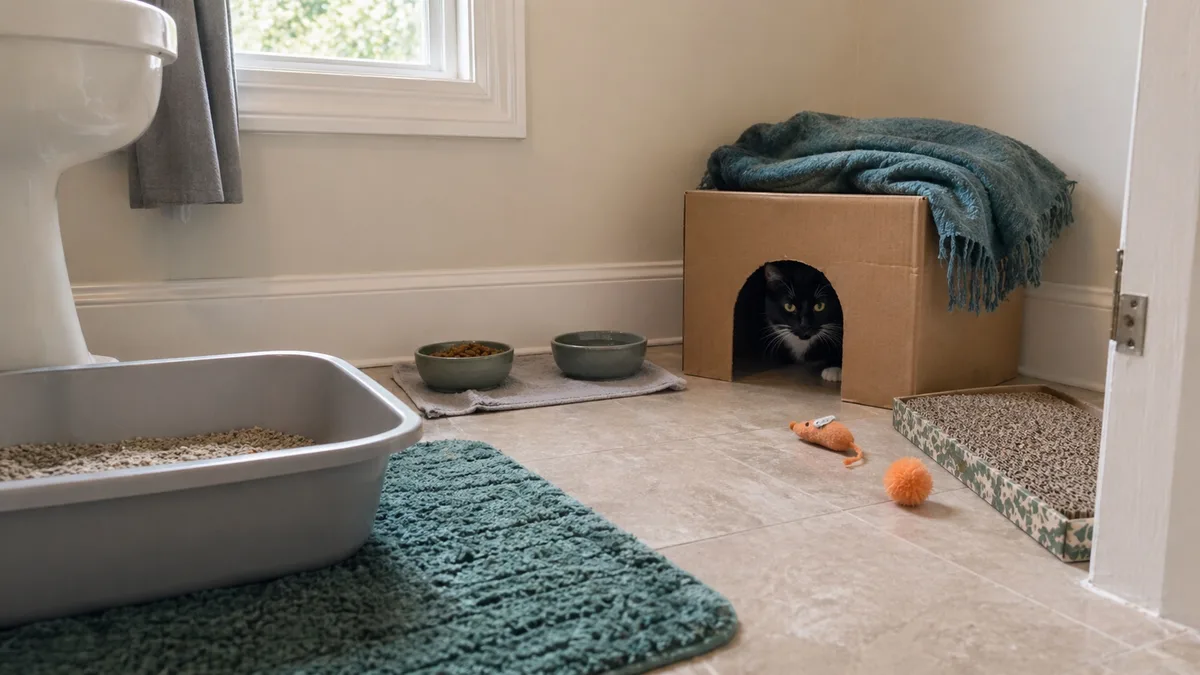
Monitor your cat's water intake closely. Dry food contains about 10% moisture, far below what your cat's system expects. Place multiple water stations around the house.
Consider a pet water fountain that keeps water moving and oxygenated, since many cats prefer running water.
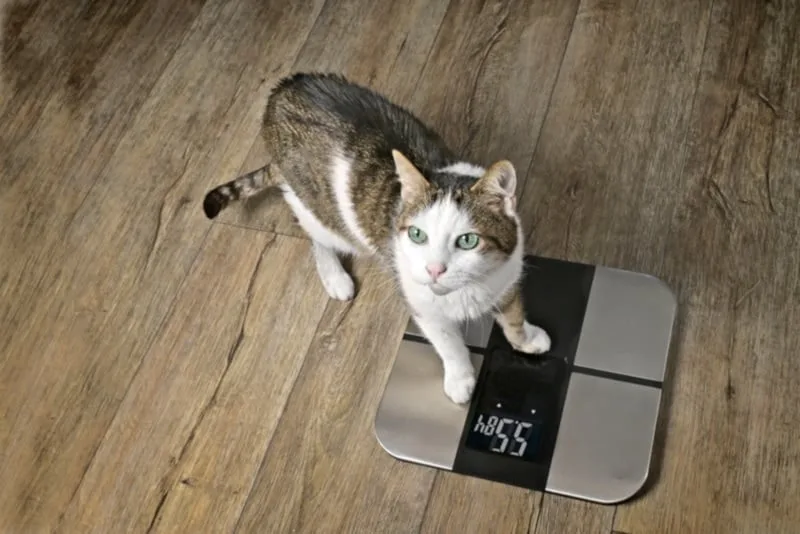
Weigh your cat weekly for the first month. A sudden weight gain of more than 3% of body weight within two weeks means you're overfeeding. Drop the portion by 10% and reassess.
Weight loss, conversely, means the calorie density isn't enough. Add a tablespoon of wet food topper to boost calories without overloading the bowl.
Watch for changes in coat condition, energy level, and litter box habits. A dull coat, lethargy, or consistently dry stool all signal that something isn't right. Those are cues to check with your vet rather than push through.
Frequently Asked Questions
Is Taste of the Wild a good cat food for indoor cats?
It can work, but portion control is essential. The 18% fat content is higher than many indoor-specific formulas. Start with two-thirds of a cup per 10 pounds of body weight and adjust based on weight trends.
Monitor water intake carefully since dry food lacks moisture.
Does Taste of the Wild cause urinary problems in cats?
The fish-based formulas have higher magnesium content, which can contribute to struvite crystal formation in predisposed cats. The formula itself isn't guaranteed to cause problems, but cats with a history of FLUTD or urinary crystals should avoid fish-heavy diets altogether.
What is the best Taste of the Wild formula for cats with allergies?
The Canyon River formula uses trout and smoked salmon as its primary protein source, bypassing chicken entirely. The High Prairie formula uses bison and venison. If your cat has a confirmed chicken allergy, either formula is a reasonable starting point for a food trial under veterinary supervision.
How long does it take for Taste of the Wild to show results?
Most owners report visible coat improvements within three to four weeks. Energy level changes may show up within two weeks. Digestive adjustments can take up to ten days if you follow the transition protocol.
Stool quality usually stabilizes by day 14.
Is Taste of the Wild linked to heart disease in cats?
The FDA issued an alert about grain-free legume-heavy diets and canine dilated cardiomyopathy in 2018. The research in cats is not conclusive as of 2026. However, the brand adds taurine back into the formula, which mitigates the primary known risk factor for feline heart disease.
Can kittens eat Taste of the Wild adult formulas?
The brand does make a specific Kitten formula, but many adult cats and kittens can eat the High Prairie formula because it meets AAFCO standards for all life stages. That said, kitten-specific formulas have higher calcium-to-phosphorus ratios for growing bones, so the kitten formula is the safer choice during the first 12 months.

Similar Posts