Is Tapioca Starch Safe For Cats?
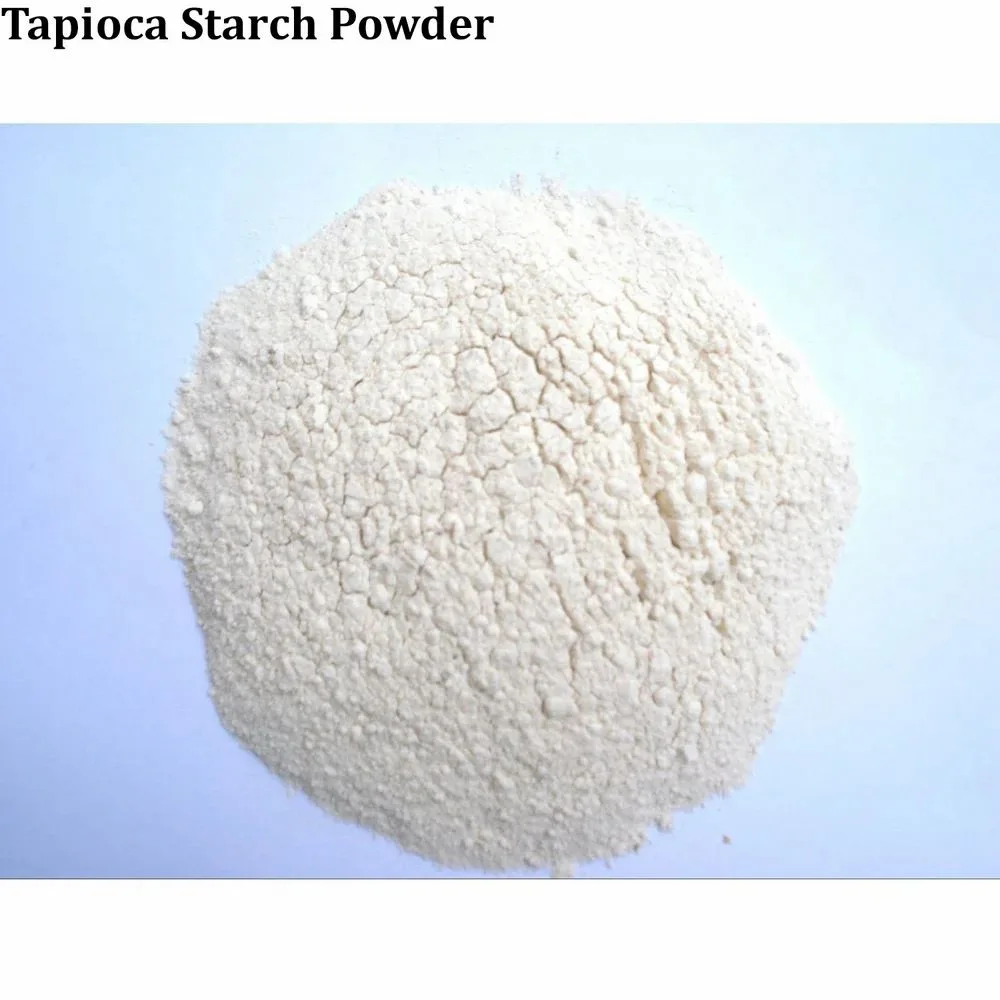
If you've ever flipped over a bag of cat food and spotted tapioca starch on the ingredient list, you probably wondered what it's doing there. Understanding tapioca starch in cat food isn't as simple as a yes-or-no answer. It depends heavily on your cat's health, activity level, and dietary needs.
According to AAFCO's ingredient definitions, tapioca starch is a cooked starch used as a binder in dry kibble. It's the same fine powder you'd find in gluten-free baking mixes. For cats, the story gets more complicated because their bodies handle carbohydrates very differently from ours.
Let's break it down step by step.
Quick Answer
Tapioca starch is a carbohydrate binder. It has a high glycemic index. It's safe for most cats.
But it can spike blood sugar. Diabetic cats should avoid it.
Image source: Bing (Web (fair-use with source credit))
What Tapioca Starch Actually Is (and Why It's in Your Cat's Food)
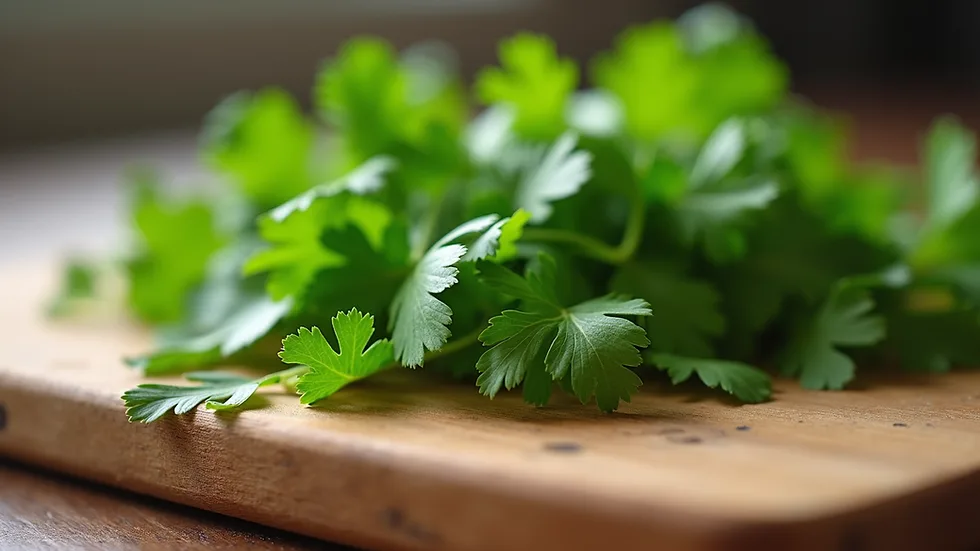
Tapioca starch comes from the cassava root, a starchy tuber grown primarily in Southeast Asia and Africa. The root gets dried and ground into a fine white powder that's almost pure starch. Manufacturers use it because it's cheap, neutral-tasting, and excellent at binding ingredients together during the extrusion process that creates kibble.
In dry cat food, tapioca acts like a glue. It helps the kibble hold its shape and keeps moisture even throughout the batch. Without some kind of binder, the kibble would crumble into dust.
Tapioca is especially common in grain-free formulas because it fills the structural role that grains like corn or wheat used to play.
Here's the nutritional reality: tapioca contains less than one percent protein and essentially no fat, fiber, vitamins, or minerals. It's a pure carbohydrate source. For an obligate carnivore, that's a meaningful trade-off.
Cats are designed to get energy from animal protein and fat, not from starch.
That said, context matters enormously. In a limited-ingredient diet for a cat with confirmed grain allergies, tapioca's simplicity is actually an advantage. It's not a common allergen.
For cats with inflammatory bowel disease or a sensitive digestive system, a bland carbohydrate source like tapioca may be easier to tolerate than more complex options.
The inclusion rate varies widely between brands. Some premium limited-ingredient diets use tapioca as the sole carbohydrate source. Budget brands may use it as a cheap filler to keep manufacturing costs down.
The difference shows up in the protein-to-starch ratio, which is the metric that really matters.
The Core Facts: Glycemic Index, Digestion, and Feline Biology
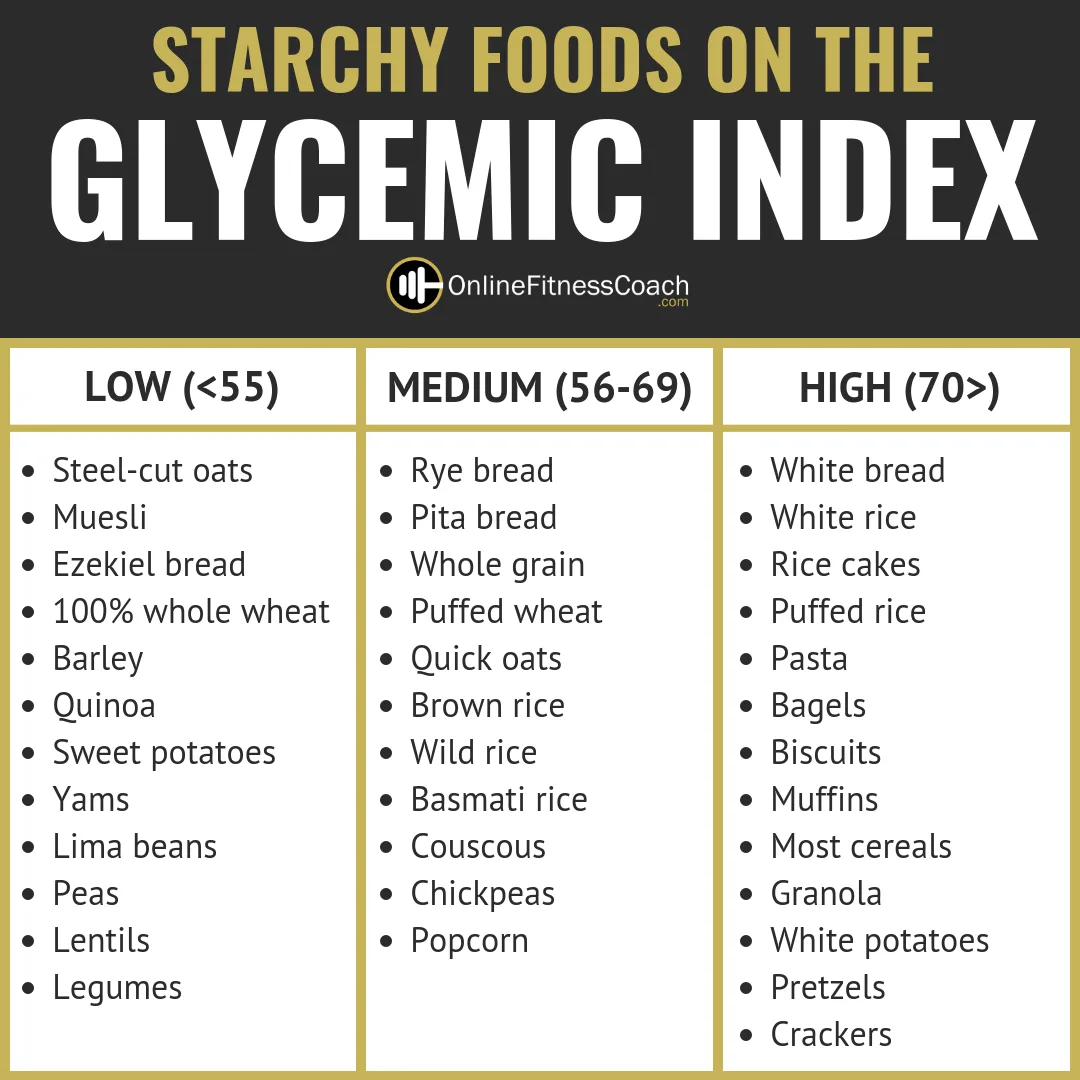
Image source: Bing (Web (fair-use with source credit))
This is where tapioca starch becomes a genuine concern. Tapioca has a glycemic index of roughly 70 to 85, which puts it in the high range. Glycemic index measures how quickly a food raises blood sugar levels.
A high GI means a rapid spike followed by a sharp drop.
For a cat with healthy blood sugar regulation, occasional exposure isn't a major issue. But cats are naturally adapted to a low-carbohydrate diet. Their pancreas produces less amylase, the enzyme needed to break down starch, compared to dogs or humans.
Starch digestion starts later and proceeds more slowly.
When a cat eats a meal high in rapidly digestible starch like tapioca, blood glucose rises quickly. The pancreas releases insulin to bring it back down. Over time, repeated spikes can contribute to insulin resistance, obesity, and diabetes.
This is especially concerning for indoor cats who get less exercise and are already at higher risk for metabolic issues.
Veterinary nutrition researchers suggest that an ideal feline diet contains less than 10 to 15 percent carbohydrates on a dry matter basis. Many dry foods with tapioca starch as a primary carbohydrate source contain 30 percent or more. That's a significant gap from what feline biology requires.
The takeaway is not that tapioca is toxic. It's not. But it's a starch that behaves differently in a cat's body compared to lower-GI alternatives like chickpeas or lentils.
Understanding that difference helps you evaluate ingredient lists with more clarity.
The Good, the Bad, and the Grain-Free Elephant in the Room
Let's start with what tapioca does well. It's gluten-free, which matters for the small number of cats with confirmed grain allergies. It's highly digestible, so it puts minimal stress on the digestive system.
And it's very rare for a cat to have an allergic reaction to tapioca itself. That makes it a useful tool in hypoallergenic diet formulations.
Now the downsides. Tapioca provides empty calories. It contributes to a high carbohydrate load that many indoor cats don't need.
When combined with a sedentary lifestyle, that's a recipe for weight gain. Aggregate veterinary reports note that feline obesity affects over 60 percent of domestic cats, and high-carb diets are a contributing factor.
Then there's the grain-free elephant. The FDA has investigated a possible connection between grain-free diets and dilated cardiomyopathy in dogs, as reported on the FDA Center for Veterinary Medicine page. Tapioca is often a main starch in these diets.
While the evidence in cats is less clear, the concern about dietary balance remains.
The issue is broader than tapioca alone. It's about replacing grains with high-starch tubers without improving the overall carbohydrate profile. The marketing of "grain-free" as automatically healthier has led many owners to make swaps that don't actually benefit their cats.
Here's a quick comparison of common starch sources in cat food:
| Aspect | Tapioca Starch | Pea Starch | Potato Starch |
|---|---|---|---|
| Glycemic index | High (70-85) | Moderate (40-50) | High (70-85) |
| Protein content | <1% | ~5-6% | <1% |
| Common in grain-free | Yes | Yes | Yes |
| Relative cost | Low | Moderate | Low |
Tapioca is not uniquely good or bad. It's a tool. It can be appropriate in some contexts and problematic in others.
The grain-free conversation reminds us that no single ingredient defines diet quality.
Who Should (and Shouldn't) Eat Tapioca-Based Cat Food
Let's get practical. If you're evaluating a food with tapioca starch, start by asking about your specific cat's health status.
Cats who can safely eat tapioca-based food:
- Healthy adult cats with no weight or metabolic issues
- Cats with confirmed grain allergies who need a grain-free carbohydrate source
- Cats with inflammatory bowel disease who require a bland, limited-ingredient diet
- Cats with exocrine pancreatic insufficiency who need highly digestible starch
Cats who should avoid tapioca-heavy diets:
- Diabetic cats, the high glycemic index is a direct problem
- Overweight or obese cats, the empty calories don't help
- Cats with a history of pancreatitis, high-carb meals can trigger flares
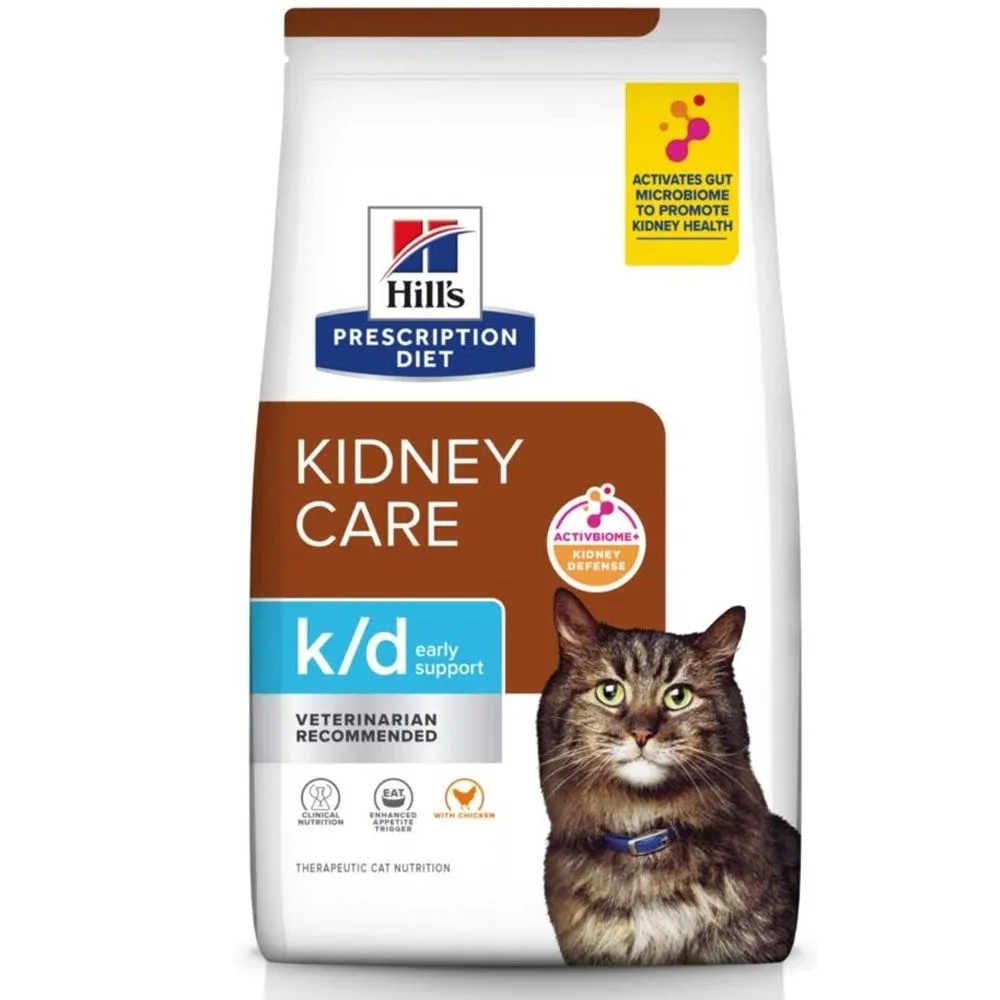
- Cats on a low-carbohydrate therapeutic diet prescribed by a veterinarian
The key is moderation and context. A food that lists tapioca as the third or fourth ingredient, with named meat sources first, is very different from one where tapioca is the primary carbohydrate and appears second or third. The overall macronutrient balance matters more than any single ingredient.
For most healthy cats, tapioca starch in reasonable amounts is not a dealbreaker. But it's also not doing them any favors. If you have options, a food with a lower-GI carbohydrate source like chickpeas or lentils may be a better everyday choice.
If limited-ingredient diets are necessary for medical reasons, tapioca is an acceptable and useful tool.
Always transition to a new food gradually over 7 to 10 days. Watch for changes in stool consistency, energy levels, and coat condition. Those real-world signals are more informative than any ingredient label alone.
How to Read the Label Like a Veterinarian Would
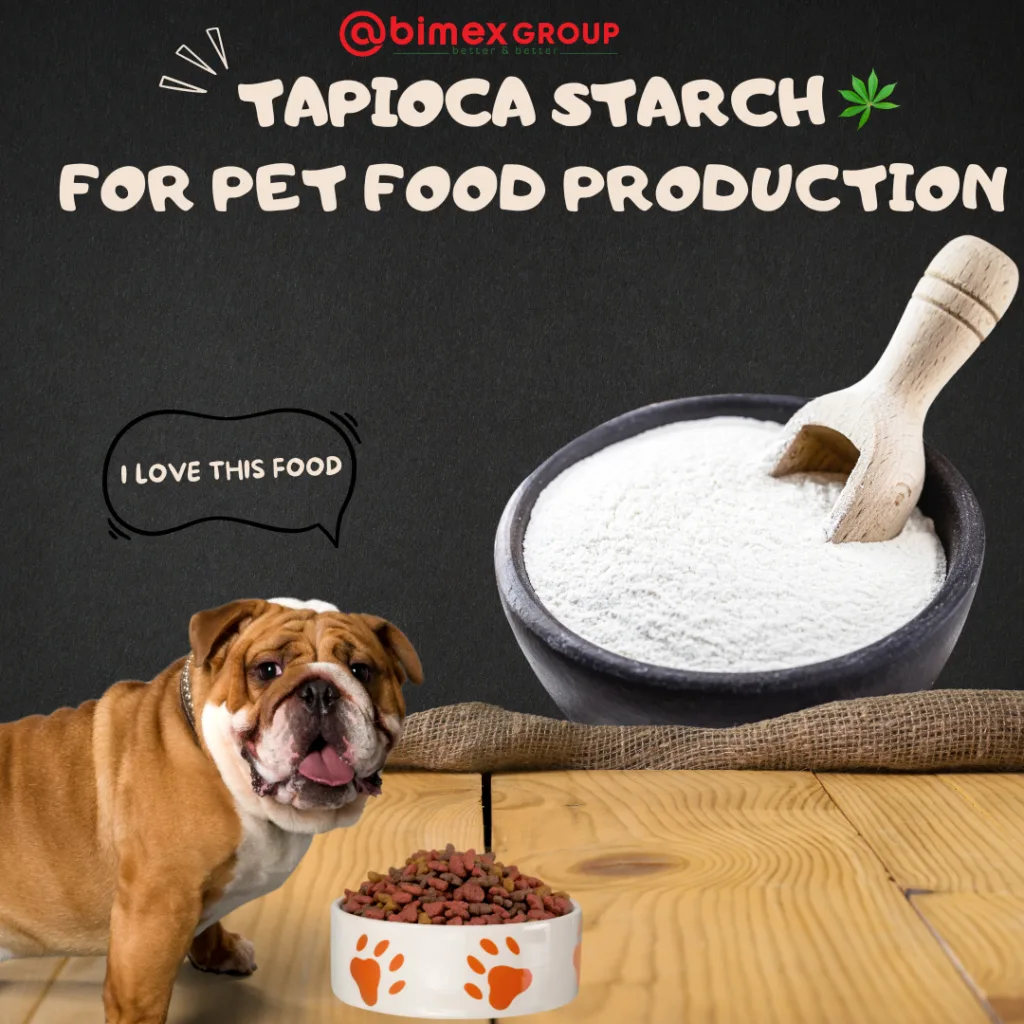
Image source: Bing (Web (fair-use with source credit))
A veterinarian or board-certified veterinary nutritionist evaluates more than just the ingredient list. They look at the guaranteed analysis and calculate dry matter percentages. Here's what to check.
First, find tapioca's position. Ingredients are listed in descending order by weight. If tapioca appears before any named meat source like chicken, chicken meal, or salmon, the food is starch-heavy. That's a clear red flag.
Second, calculate the carbohydrate percentage. The guaranteed analysis shows crude protein, crude fat, crude fiber, and moisture. Carbohydrates aren't listed directly. Subtract the sum of those values plus ash (estimate about 2 to 3 percent) from 100.
A result above 20 to 25 percent is high for a cat.
Third, check the AAFCO statement. It should say the food is "formulated to meet the nutritional levels established by the AAFCO Cat Food Nutrient Profiles" for the correct life stage. That's your basic assurance the food is complete and balanced.
Fourth, consider the manufacturer's quality control. Larger companies with veterinary nutritionists on staff and published feeding trials tend to have more rigorous quality control. That doesn't mean smaller brands are bad, but it's worth asking about their research and testing.
Fifth, talk to your veterinarian. They know your cat's specific health history and can interpret the label in context. The presence of tapioca starch should be evaluated as part of the whole diet, not in isolation.
Reading labels this way turns a confusing list of ingredients into actionable information. It helps you make a decision based on facts, not marketing hype.

Similar Posts