Is It Okay to Spray Your Cat With Water?
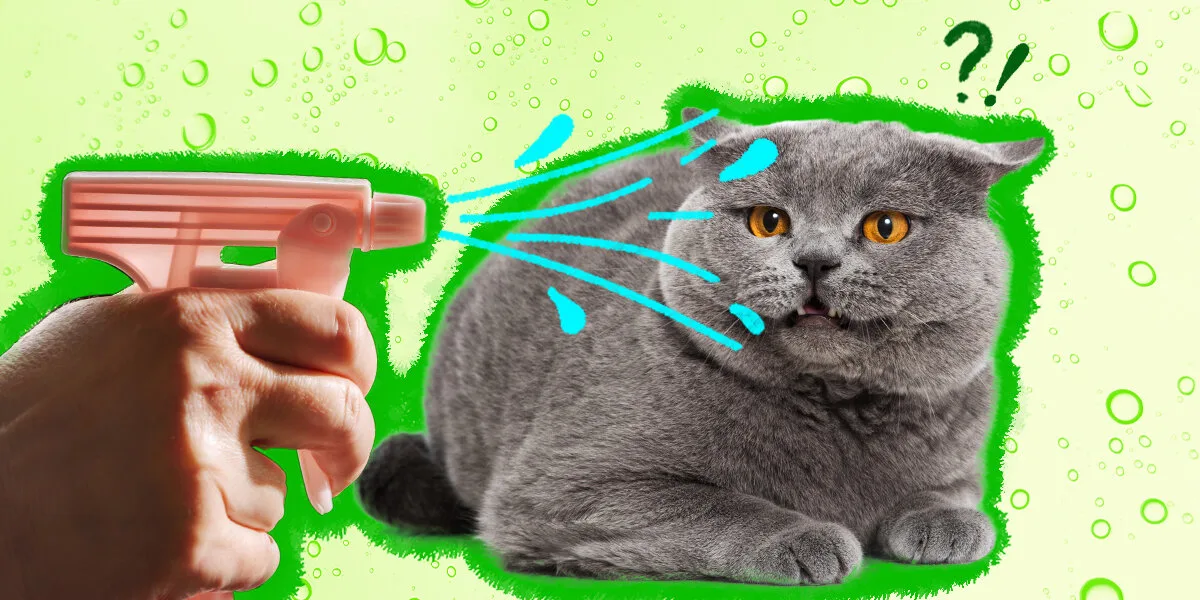
We need to settle something right away, because it's one of those "common sense" cat-training tactics that actually backfires more often than not. So, is it okay to spray your cat with water? The short answer is no.
Spraying your cat with water is a punishment-based training method that damages your bond and creates stress, even if it appears to "work" at stopping the behavior in the moment. There's a lot of nuance here, so let's break down exactly why this happens and what you should do instead.
We've reviewed the research and behavioral science consensus from veterinary organizations. While it might feel like an instant fix, the evidence clearly points towards this being a harmful habit for owners to adopt. In our research, we found that the stress of a sudden water spray can have lasting effects on your cat's mental health and overall trust in you, and it doesn't even address the root of why your cat is misbehaving in the first place.
We'll walk you through the mechanics of why it fails, what it does to your cat, and what actually works for redirecting unwanted behavior.
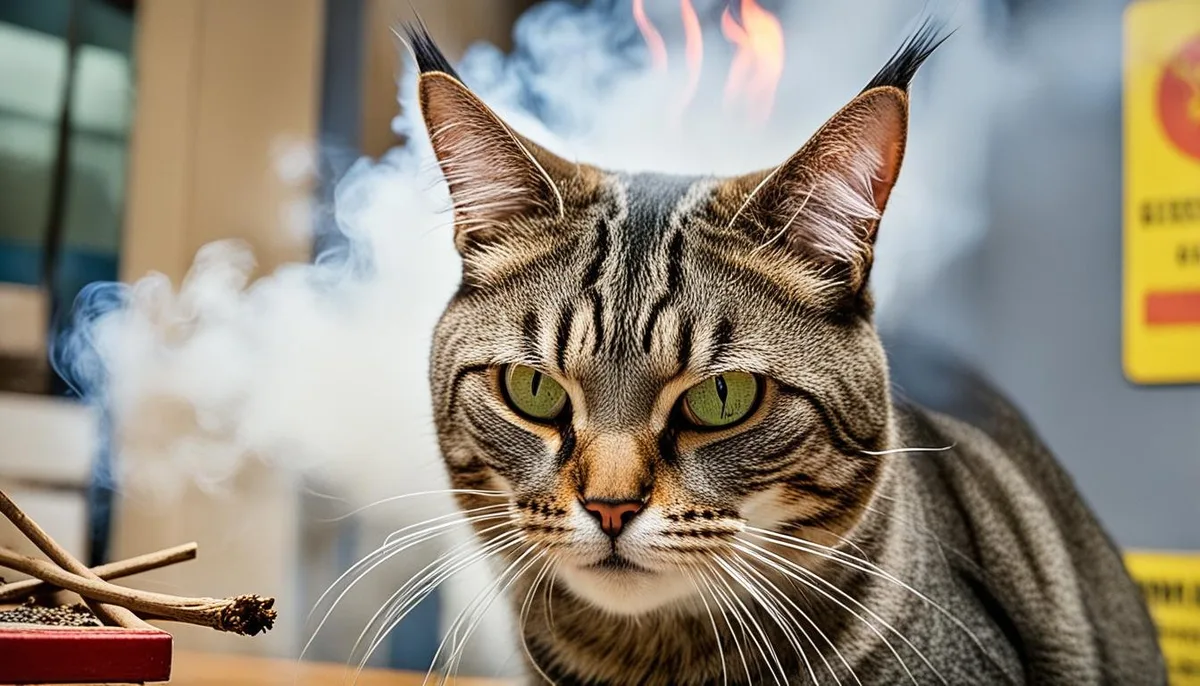
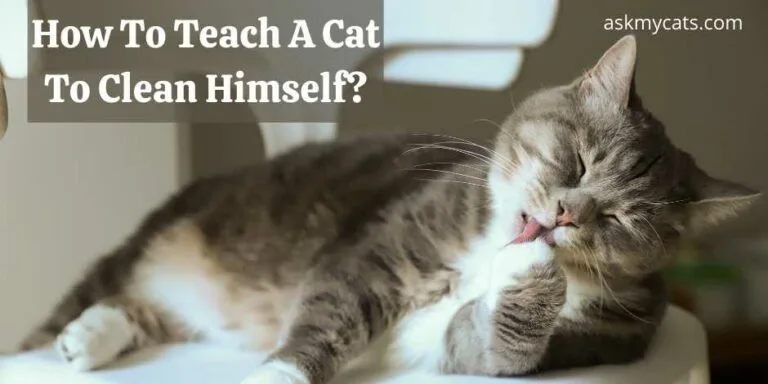
Image source: Bing (Web (fair-use with source credit))
Quick Answer
Spraying your cat with water is not okay. It's a punishment-based technique that relies on fear. This fear damages your bond and creates stress.
The method doesn't teach your cat acceptable behavior. It simply teaches them to hide. This often makes behavioral problems worse.
Instead of water, use positive reinforcement. Reward good behavior to change it for the better.
Why Spraying Your Cat Is Harmful
Let's talk about what actually goes on inside a cat when that water hits them. It's not sparkly-clean rebellion. It's sudden, unpleasant, and alarming.
Your cat isn't making a logical connection between "I jumped on the counter" and "I am now being sprayed." They're just as likely to associate the spray bottle with being in the kitchen near you, resulting in fear of you and the space.
This is where the real damage happens. Cats are hardwired to avoid threats, and a spray from out of nowhere registers as an unpredictable threat. This can break down the trust you've built.
Over time, your cat may start to avoid you, hide more often, and display anxiety-related behaviors like over-grooming or refusing to use the litter box.
Consider the stress signal in the image here. It's a real physiological state, not just a bit of "attitude."
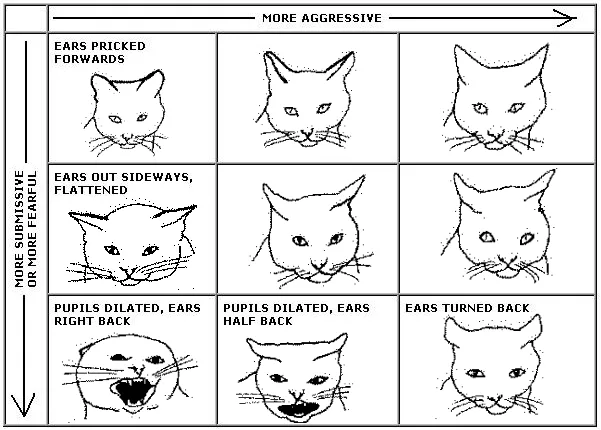
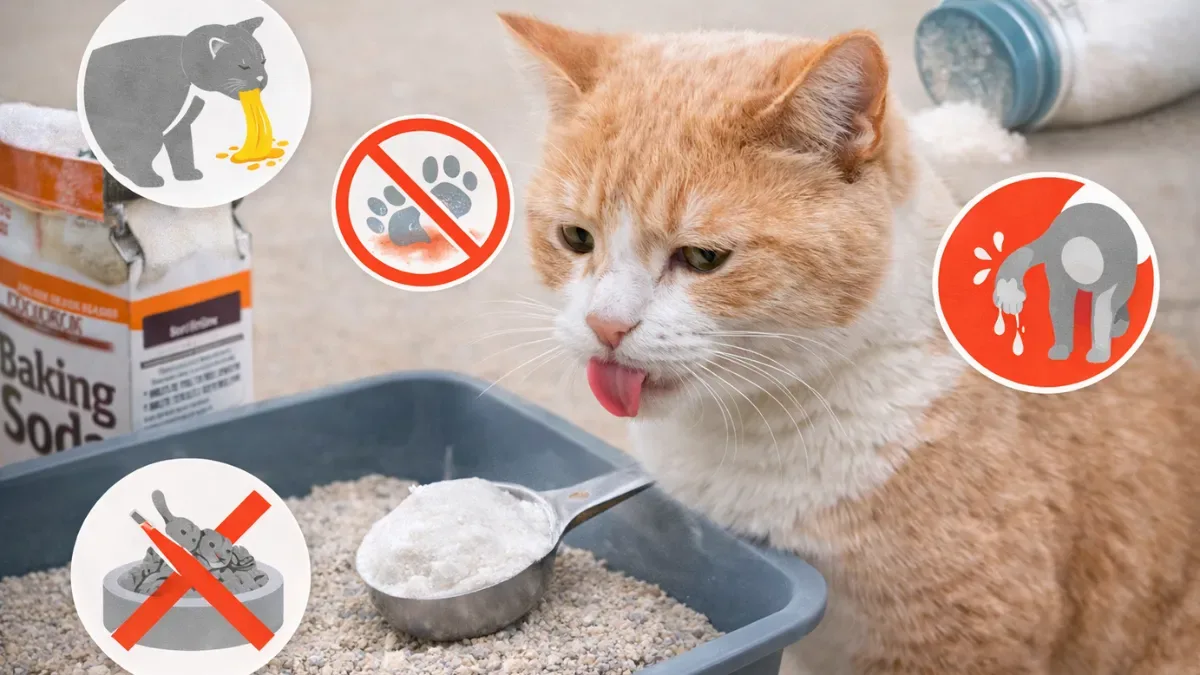
Image source: Bing (Web (fair-use with source credit))
We see common fear signals like dilated eyes, flattened ears, and a tucked tail. When you spray your cat, you are actively fostering this state. We're not being dramatic.
Research from the American Veterinary Society of Animal Behavior (AVSAB) reinforces that punishment-based tools are ineffective and harmful because they don't address the underlying motivation and increase the animal's anxiety. It's a lose-lose situation for everyone.
Why It Feels Like It Works (But Doesn’t)
Here's the tricky part you might be experiencing right now. You spray your cat. They freeze.
They jump down. You think, "Great, that worked." But did it, really? This is the core illusion of punishment-based training.
The behavior stops momentarily, but the cause remains completely untouched.
What actually happened? You created a temporary association. Your cat didn't learn that the counter is off-limits.
They learned that being on the counter is dangerous when you have the bottle. Your cat isn't connecting the spray to the act of jumping up. They are connecting it to the person holding the bottle.
This is why cats become "sneaky," waiting until you've left the room before jumping back up.
This puts us in a weird loop. You have to keep spray bottles in every room to have any effect. You're policing, not teaching.
A cat that learns to avoid the counter only when you're present hasn't learned any actual house rules. They're just trying to avoid a scary person with a bottle.
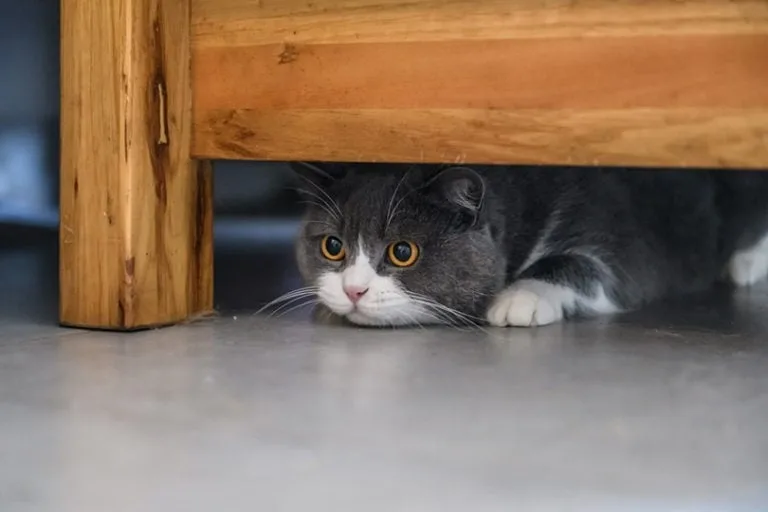
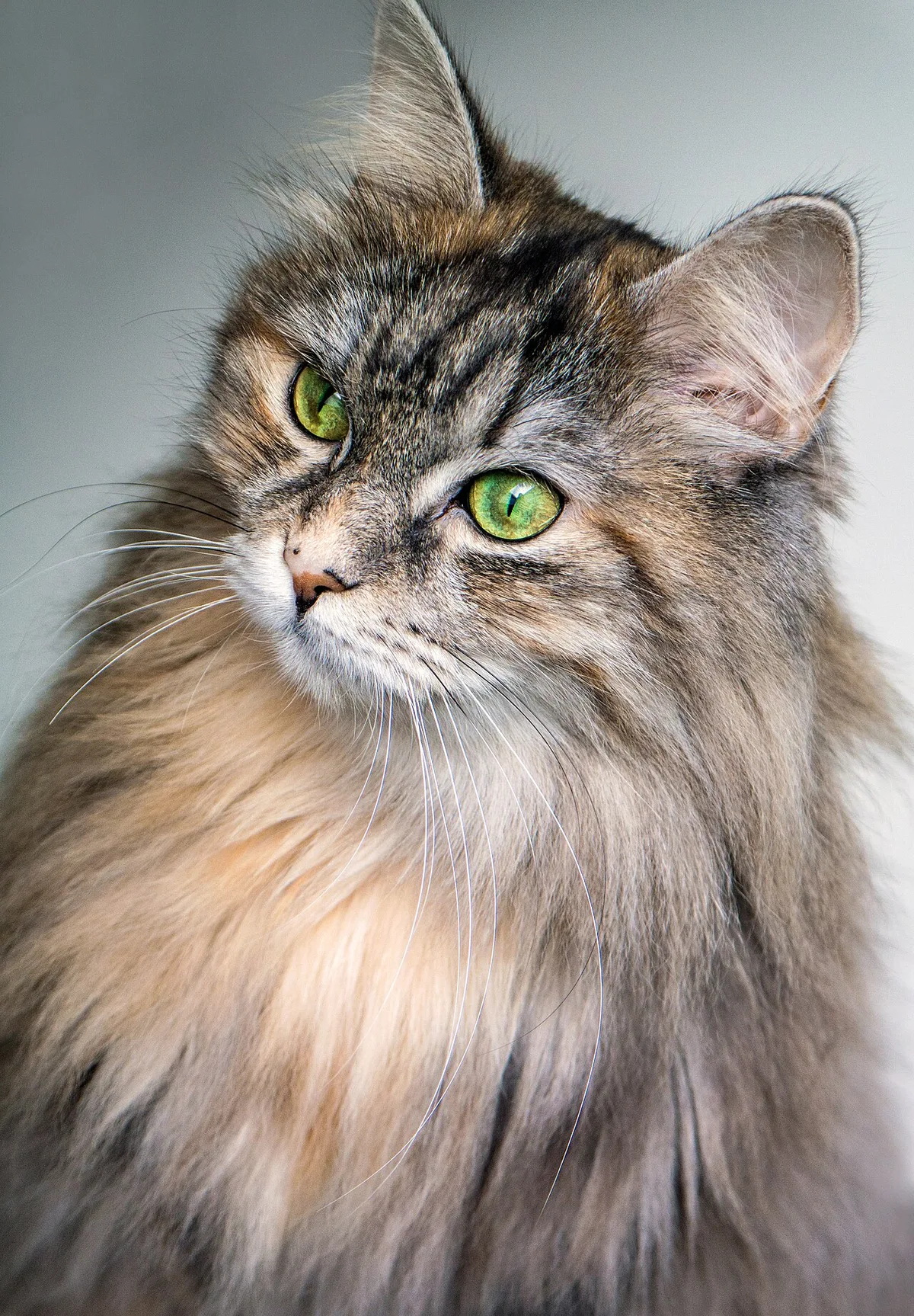
Image source: Bing (Web (fair-use with source credit))
Moreover, the frequency of the misbehavior often increases over time. Why? Because the cat's anxiety is elevated.
A stressed-out cat is more likely to exhibit the very behaviors you're trying to eliminate, like scratching furniture, yowling, or spraying urine around the house. You think you're curing the behavior, but you're actually feeding the stress response that fuels it. It's a self-perpetuating cycle.
The "success" you see is short-lived, and the collateral damage to your cat's confidence can last for years.
What Standard Cat Training Actually Says
So, if spraying is wrong, what's right? The science of animal behavior is beautifully clear on this: positive reinforcement is the gold standard. This isn't about being a permissive pushover.
It's about understanding how to communicate effectively with a species that doesn't speak our language. Positive reinforcement simply means rewarding the behaviors you want to see, which makes them more likely to repeat.
The American Veterinary Society of Animal Behavior (AVSAB) explicitly advises against the use of aversive methods like this. Their guidelines recommend a "least intrusive, minimally aversive" approach to training. This is a fundamental shift in thinking.
Instead of asking "How do I punish this?," we ask, "How do I set my cat up for success?"
In our research, we've found this manifesting in a few simple, actionable ways:
If you're worried about your cat on the counter, make the counter unrewarding. Use motion-activated air cans; they startle without associating the fear with you.
If they scratch the couch, provide a scratching post that meets their needs. Cats scratch to shed claw sheaths and mark territory, so offer vertical and horizontal options.
Redirect attention using interactive toys like a wand with a toy on the end to satisfy their hunting instincts when they're bored or excited.
We're aiming for a lifetime of good behavior, not a temporary ceasefire. By focusing on what they should do, we build a deeper sense of security and trust, solidifying a strong relationship where boundaries are clear. For more detailed guidelines on this fear-free approach, the American Veterinary Medical Association (AVMA) provides excellent resources on their official site about pet behavior and welfare.
Why It Feels Like It Works (But Doesn’t)
Here's the tricky part you might be experiencing right now. You spray your cat. They freeze.
They jump down. You think, "Great, that worked." But did it, really? This is the core illusion of punishment-based training.
The behavior stops momentarily, but the cause remains completely untouched.
What actually happened? You created a temporary association. Your cat didn't learn that the counter is off-limits.
They learned that being on the counter is dangerous when you have the bottle. Your cat isn't connecting the spray to the act of jumping up. They are connecting it to the person holding the bottle.
This is why cats become "sneaky," waiting until you've left the room before jumping back up.
This puts us in a weird loop. You have to keep spray bottles in every room to have any effect. You're policing, not teaching.
A cat that learns to avoid the counter only when you're present hasn't learned any actual house rules. They're just trying to avoid a scary person with a bottle.
Image source: Bing (Web (fair-use with source credit))
Moreover, the frequency of the misbehavior often increases over time. Why? Because the cat's anxiety is elevated.
A stressed-out cat is more likely to exhibit the very behaviors you're trying to eliminate, like scratching furniture, yowling, or spraying urine around the house. You think you're curing the behavior, but you're actually feeding the stress response that fuels it. It's a self-perpetuating cycle.
The "success" you see is short-lived, and the collateral damage to your cat's confidence can last for years.
Better Ways to Address Unwanted Behaviors
So, what are we supposed to do when our furry friend decides to redecorate by shredding the arm of the couch? We need a game plan that actually works with, not against, their natural instincts. The first step is to diagnose the why behind the "bad" behavior.
Is it boredom? Curiosity? A need to scratch or climb?
Once you know the trigger, you can find a solution.
Instead of fighting your cat, redirect them to a better outlet. Your cat jumps on the counter because it's up high and smells like food. So, make it a place they don't want to be.
You can try placing double-sided tape or aluminum foil on the surfaces where they jump. Cats dislike the sticky feeling and the crinkly sound. It's a simple, non-threatening deterrent that you put on the space, not on the cat.
Here’s a practical way to approach the most common issues:
| The Problem | The Root Cause | The Solution That Works |
|---|---|---|
| Jumping on counter | Height & Food | Add tall cat trees. Use motion-triggered air cans for defense. |
| Scratching the sofa | Need to mark/scratch | Provide a stable scratching post. Use a specific cat-safe scratch deterrent spray. |
| Waking you up at dawn | Instinct to hunt | Play with a “motion” toy before bed. Use an automatic feeder that dispenses food late. |
| Aggression while petting | Overstimulation | Watch for subtle stress signals (tail flicking, ear twitch). Stop petting before it escalates. |
The magic of this approach is that you flip the script. You stop being the enforcer and become the provider. You're making the environment more interesting and appropriate for them.
This drastically reduces the urge to cause trouble in the first place. We're not just stopping the problem; we're building a healthier, more fun living situation where your cat's needs are met and your sanity is preserved.

Similar Posts