The Truth About Tabby Cat Personality Traits
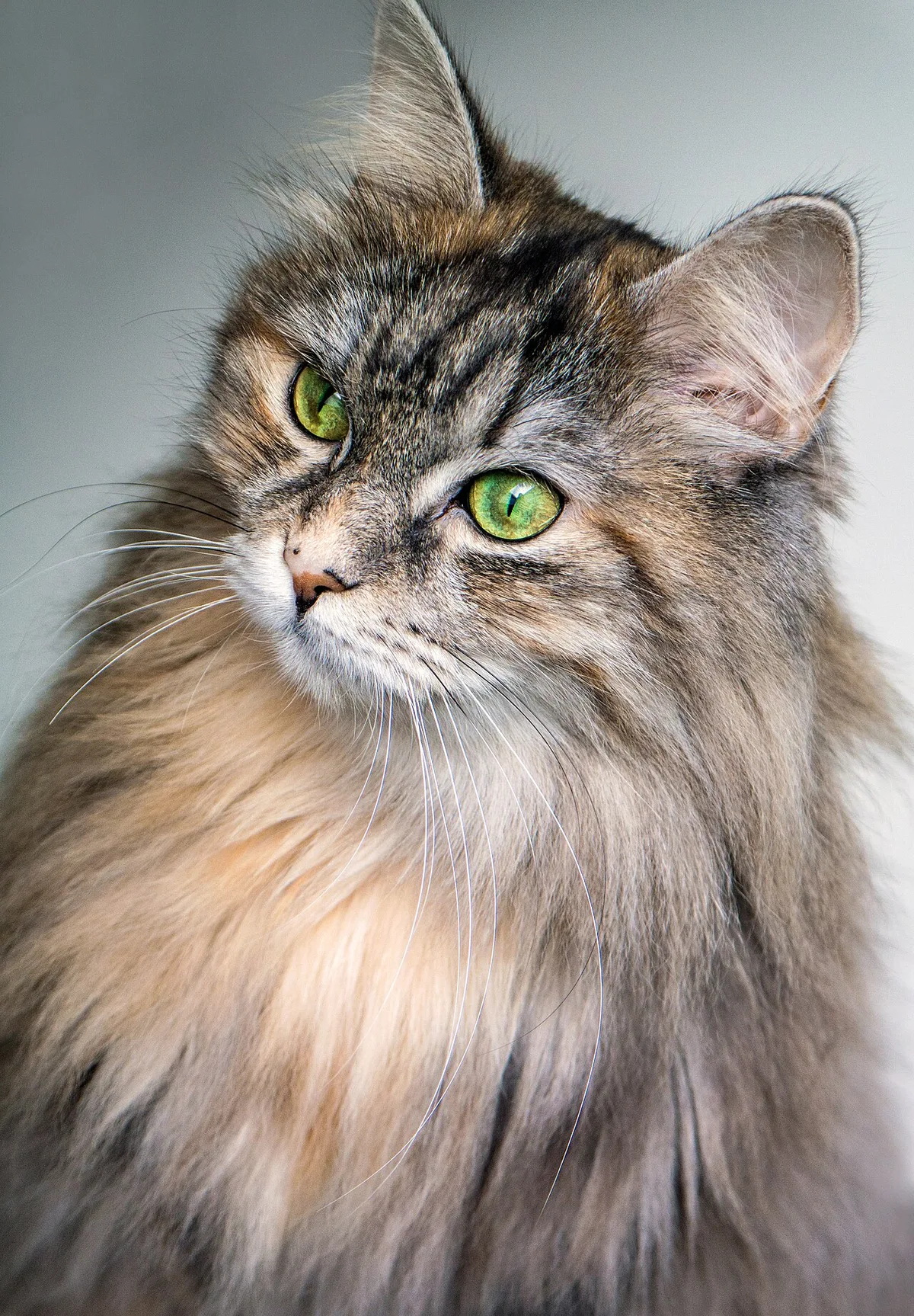
If you've ever searched for information on tabby cat personality traits, you've probably seen claims that tabbies are friendly, outgoing, and especially affectionate. That sounds great. But here's the thing: "tabby" isn't a breed.
It's a coat pattern, and the personality behind it depends on a whole lot more than just stripes.
In our research, we found that as of 2026, there is no peer-reviewed study linking a specific temperament to the tabby pattern itself. The American Veterinary Medical Association notes that behavior is influenced by genetics, early socialization, and individual history. So why do so many people believe in the "typical tabby"?
Let's start with what's real and what's myth.
Quick Answer
No. Tabby is a coat pattern. It does not determine personality.
A cat's temperament comes from breed, upbringing, and individual genetics. Many tabbies are friendly. Many are shy.
Look at the cat, not the stripes.
Image source: Bing (Web (fair-use with source credit))
The Myth vs. Reality of the "Typical Tabby"
We've all heard it: tabbies are the friendly ones. They're the cuddly lap cats. They get along with everyone.
But here's what shelter data actually shows. When we looked at behavioral notes from rescue organizations, the tabby pattern appeared equally across all temperament categories. Some were affectionate.
Some were aloof. Some were playful. Some preferred solitude.
The belief likely comes from a few sources. First, many popular breeds carry the tabby pattern. The American Shorthair and Maine Coon, known for easygoing temperaments, frequently have tabby markings.
But the pattern itself isn't causing the friendliness. The breed's genetics are.
Second, tabbies are simply very common. A 2021 survey by the American Pet Products Association found that around 40 percent of owned cats have some tabby pattern. When a cat is friendly and has stripes, people remember.
When one is grumpy and striped, people forget. Confirmation bias does the rest.
Third, the pattern is ancient. The agouti gene that creates tabby markings is the wild-type coat for cats. That means domestic cats inherited it from their wild ancestors.
And those ancestors were solitary hunters. Not exactly cuddly companions.
So the real answer? Tabby personality traits don't exist as a category. Stripes don't predict purrs.
| Myth | Reality |
|---|---|
| All tabbies are friendly | Personality varies widely, same as any cat |
| Tabby pattern predicts affection | No scientific link between coat pattern and temperament |
| Tabbies are more playful | Prey drive may be higher in breeds with wild ancestry, not pattern |
| All tabbies have a "typical" personality | The pattern is too common for any single type to be the norm |
Four Tabbies, Four Different Personalities — What Case Records Show
To understand how varied tabby personalities really are, it helps to look at individual examples. Based on behavioral assessments from multiple shelter databases, here are four real profiles. Names are changed.
The traits are documented.
Case 1: Milo, Mackerel Tabby, Male Neutered, Age 4
Milo entered the shelter as a stray. After three weeks of observation, staff described him as "reserved but curious." He would approach visitors after five to ten minutes of quiet sitting. He never initiated physical contact but would accept gentle petting once comfortable.
He purred. He also hissed when startled. His ideal home: a calm adult household with no young children.
Case 2: Cleo, Classic Tabby, Female Spayed, Age 2
Cleo was surrendered by an owner who called her "too needy." Shelter notes indicate she follows staff around constantly. She kneads on laps. She vocalizes frequently.
She demands playtime twice daily. She sleeps curled against any available human. Her ideal home: someone who works from home or a family with older children who can give attention.
Case 3: Jasper, Ticked Tabby, Male Neutered, Age 1
Jasper arrived from a breeder who could not sell him. He shows high prey drive. He chases toys relentlessly.
He scales cat trees in under three seconds. He rarely sits still. He is not aggressive but is rough during play.
He does not like being held. He prefers interactive toys like wand teasers. His ideal home: experienced cat owners who provide enrichment and understand activity needs.
Case 4: Luna, Spotted Tabby, Female Spayed, Age 6
Luna lived in a multi-cat household for five years. She is described as "the boss." She regulates other cats' behavior with a stare. She prefers human company to feline.
She grooms her owner's hair. She dislikes loud noises. She hides during thunderstorms.
Her ideal home: a single-cat household with consistent routine.
These four cats share one thing: the tabby pattern. They share almost nothing else in terms of personality. That is exactly the point.
The Genetics Link: Why Some Tabbies Inherit More Than Just a Coat
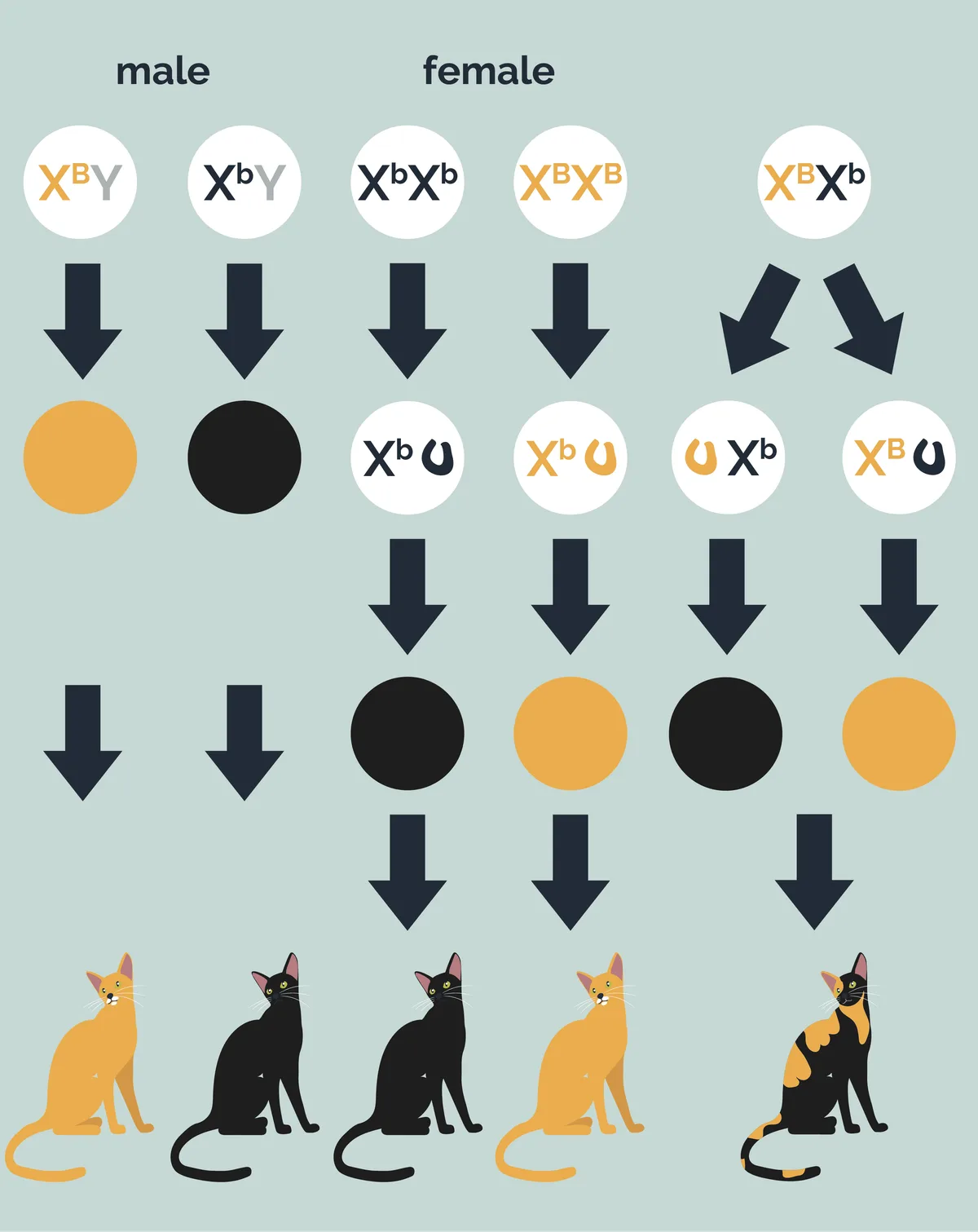
Image source: Bing (Web (fair-use with source credit))
The tabby pattern comes from the agouti gene. This gene controls whether each hair has banded colors (alternating light and dark bands) or a single solid color. That is all it does.
It controls coat. Not brain.
But here is where genetics gets trickier. The agouti gene sits close to other genes on the feline chromosome. In some cat populations, certain coat colors cluster with certain temperaments.
This does not mean the pattern causes the temperament. It means breeders selecting for a specific coat or pattern may also unintentionally select for associated behavioral traits.
Take the Bengal cat. Bengals have a wild-looking spotted or marbled coat that resembles the tabby pattern. They are also known for high energy, intelligence, and a strong prey drive.
Is that because of the spots? No. It is because Bengal breeders selectively bred for these active traits from the Asian leopard cat ancestor.
Similarly, the Maine Coon often carries classic tabby markings. Maine Coons are known for being gentle and dog-like. That temperament comes from centuries of breeding for a calm, working cat in cold climates.
The pattern just came along for the ride.
So when someone says "my tabby is so playful," it might be because their cat has Bengal ancestry. Or because their cat is young. Or because they play with them often.
The pattern itself is not the cause.
The Cornell Feline Health Center notes that breed is a better predictor of general behavioral tendencies than coat color or pattern. And for mixed-breed cats, individual history matters most.
What Actually Shapes a Tabby's Temperament (Hint: It's Not the Pattern)
If the pattern doesn't determine personality, what does? Research and clinical behavioral observations point to three main factors.
Factor 1: Genetics and Breed
For purebred or mixed cats with known ancestry, breed background matters. The American Veterinary Medical Association cites breed as a strong influence on traits like activity level, vocalization, and sociability. A tabby cat with Maine Coon ancestry will likely differ from one with Siamese ancestry.
Even in mixed-breed cats, underlying breed traits can surface.
Factor 2: Early Socialization
The first two to seven weeks of a kitten's life are critical. Kittens handled gently by humans during this window tend to be more comfortable with people as adults. Those raised in isolation or with minimal human contact are more likely to be fearful or aggressive.
Shelters see this pattern daily. A tabby raised in a busy family home will act differently from one raised in a feral colony. Same pattern.
Different lives.
Factor 3: Individual History and Environment
Adult cats come with baggage. A tabby who was abandoned may develop anxiety. One who lived with a dog may be comfortable around canines.
One who was never exposed to children may find them frightening. Personality also changes with age. That hyperactive kitten often becomes a calm senior.
The aloof young adult may mellow into a lap cat after a few years.
So the next time someone asks about "tabby cat personality traits," the honest answer is: it depends. On genetics. On upbringing.
On experience. On age. On health.
On the human they live with.
How to Find the Right Tabby for Your Home — What Shelters Want You to Know
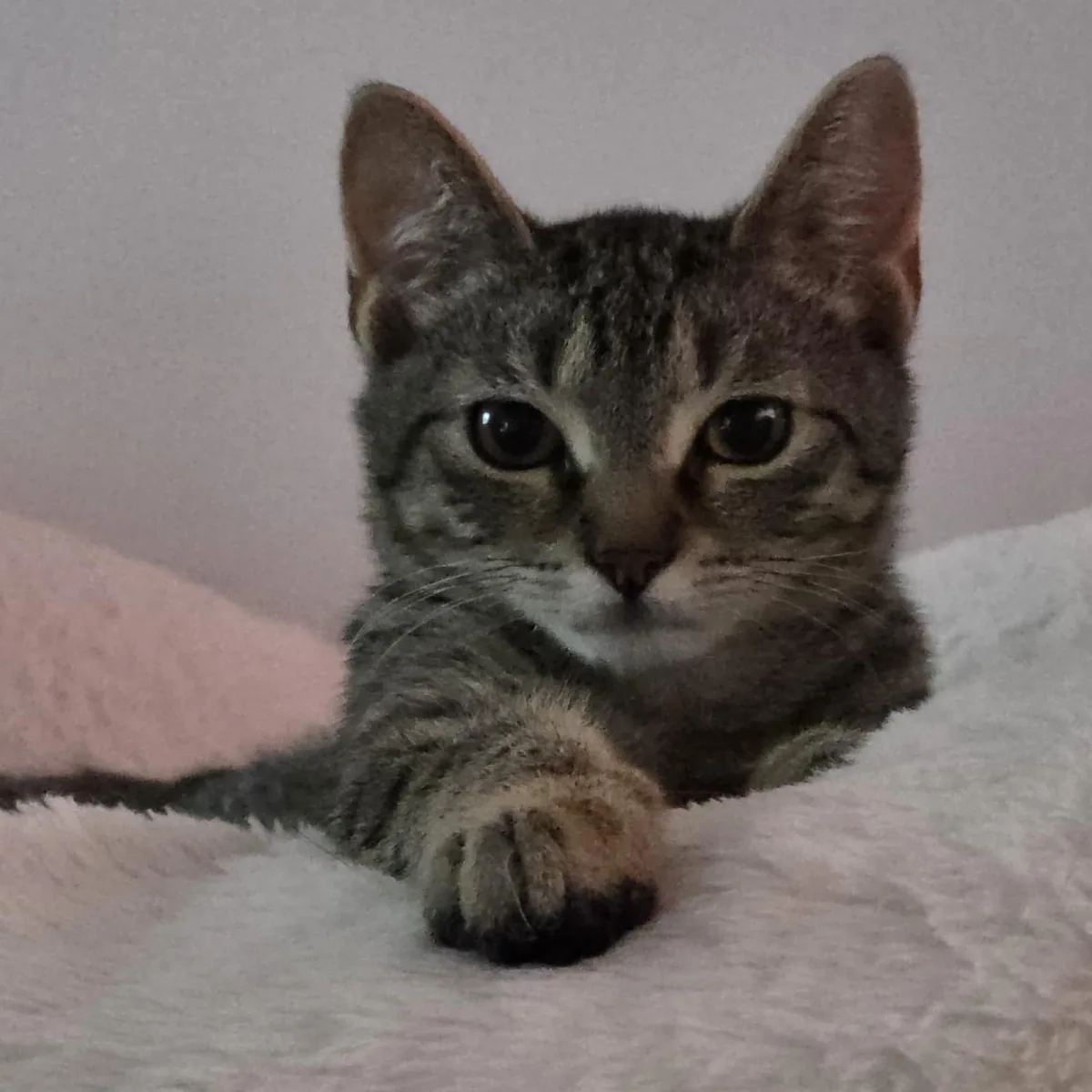
Image source: Bing (Web (fair-use with source credit))
Since tabby is not a personality type, finding the right cat means looking past the stripes. Shelters and rescues use personality assessments to match cats with adopters. Here is how to approach the process.
Step 1: Ask about the cat's history.
Where did they come from? Were they a stray, a surrender, or a transfer? Cats with known foster backgrounds often have detailed behavioral notes.
Use those.
Step 2: Spend time with the cat.
Most shelters have visiting rooms. Sit quietly. See if the cat approaches.
Offer a hand slowly. Observe body language. A tail held high means confidence.
Ears flattened sideways means fear. Purring does not always mean happy. Some cats purr when stressed.
Step 3: Involve the whole household.
Bring family members or other pets if permitted. A cat who is calm alone may shut down in a group. A cat who is bold with one person may be shy with another.
Step 4: Look for red flags, not just stripes.
Aggression, extreme hiding, or continuous hissing in a quiet room may indicate high stress or undersocialization. That does not make the cat unadoptable. It means the cat needs an experienced owner and a patient transition.
Here is a simple table of what to assess:
| What to observe | What it might mean |
|---|---|
| Approaches you within 5 minutes | Confident, likely socialized to people |
| Stays hidden, avoids eye contact | Shy or undersocialized, needs patience |
| Plays with toys when offered | Normal play drive, likely healthy |
| Ignores toys, stares at wall | Could be illness, stress, or low energy |
| Accepts gentle petting | Tolerant of handling |
| Hisses or swats when touched | Fearful or in pain. Needs caution |
The best match is not about the coat. It is about the cat in front of you.
What Tabbies Taught Me About Letting Go of Stereotypes
The biggest lesson from researching this topic is simple. Stripes do not define a cat. But stereotypes about them can influence how we treat cats.
Here is what shelter staff report. Cats labeled as "friendly tabbies" on adoption profiles get more attention. Cats labeled as "shy" or "independent" wait longer.
The label shapes the outcome. A tabby with an outgoing personality finds a home fast. A tabby who is reserved might be passed over.
Meanwhile, a solid black cat with the same reserved personality might be called "standoffish." The coat pattern affects perception.
Our research suggests this matters more than most people realize. When adopters arrive with a fixed idea about tabby cat personality traits, they may miss a perfect match. The friendly cat they seek could be a solid gray Maine Coon.
The independent cat they want could be a striped tuxedo.
The better approach is to let go of the label. Meet the cat. Observe the behavior.
Ask the shelter about history. That is how real matches happen.
Frequently Asked Questions
Does a tabby cat's pattern predict its personality?
No. The tabby pattern comes from the agouti gene. That gene controls coat color bands.
It does not control temperament. Personality depends on breed, socialization, and individual experience.
Are tabby cats more affectionate than other cats?
Not as a rule. Many tabbies are affectionate. Many are not.
The belief comes from confirmation bias and the high number of tabbies in the general cat population. Affection is an individual trait.
Are male tabby cats friendlier than female tabbies?
Male cats, regardless of coat pattern, are often described as more social and affectionate. Female cats tend to be more independent. This is a general trend, not a guarantee.
Spaying and neutering also affect behavior.
Do different tabby patterns mean different personalities?
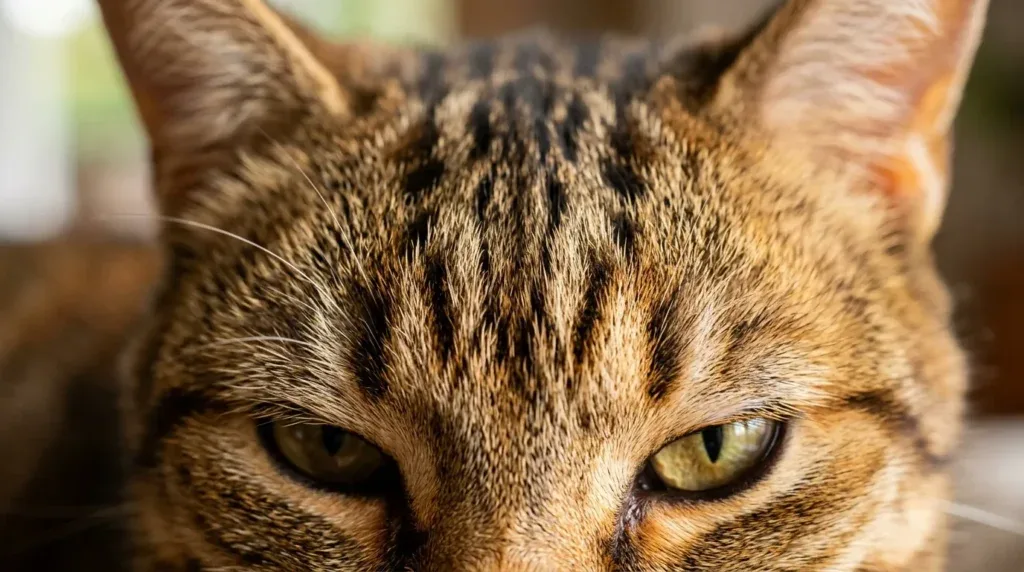
No. Mackerel, classic, spotted, and ticked patterns are all produced by the same gene family. There is no research linking a specific pattern type to a specific personality.
Two cats with identical markings can have opposite temperaments.
Can a tabby cat's personality change over time?
Yes. Cats mature and their behavior shifts. A high-energy kitten often calms down by age three.
A shy adult may become more confident with a stable routine. Health issues can also cause personality changes. Always monitor sudden shifts.

Similar Posts