Are Tabby Cats Hypoallergenic? Facts Explained
If you've been searching for answers on tabby cats hypoallergenic, you've likely hit conflicting info. Some say no cat is truly allergen-free, others swear by certain breeds. The truth: you need to know what triggers your allergies before blaming the cat's coat.
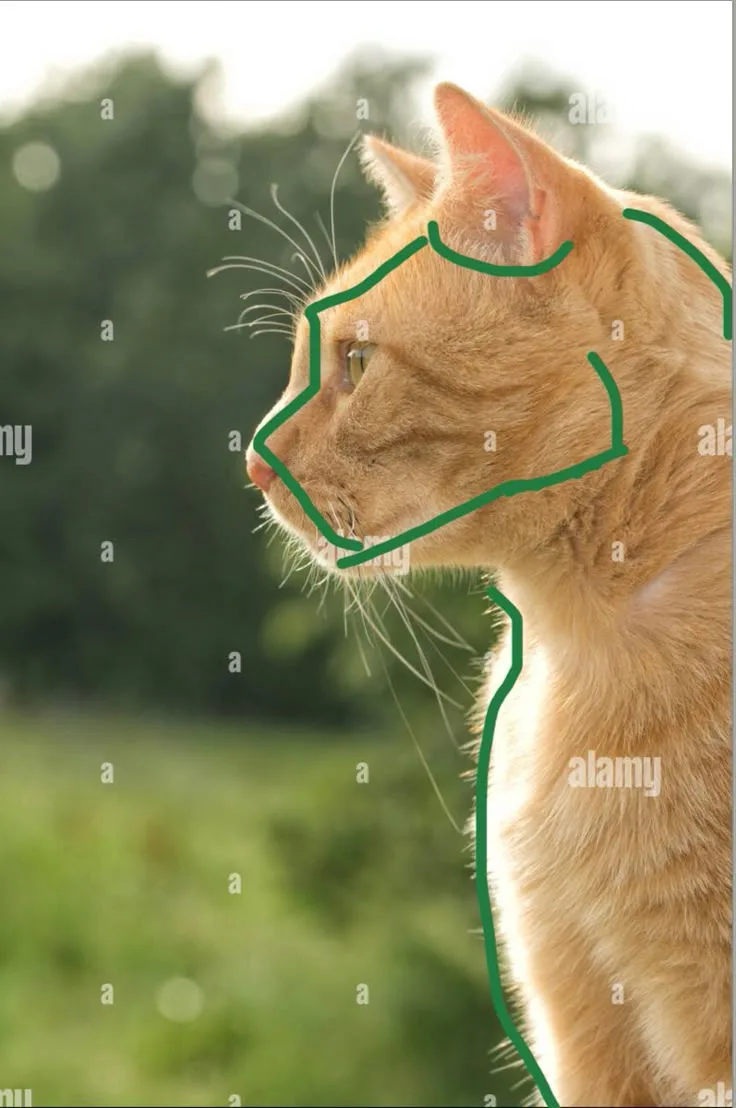
Per the American Academy of Allergy, Asthma & Immunology, cat allergens are primarily proteins (not fur) and are tracked everywhere, with the major contributor being Fel d 1 found in saliva and sebaceous glands. Since a tabby is a coat pattern, not a breed, the question isn't about stripes. Let's break down what you're dealing with.
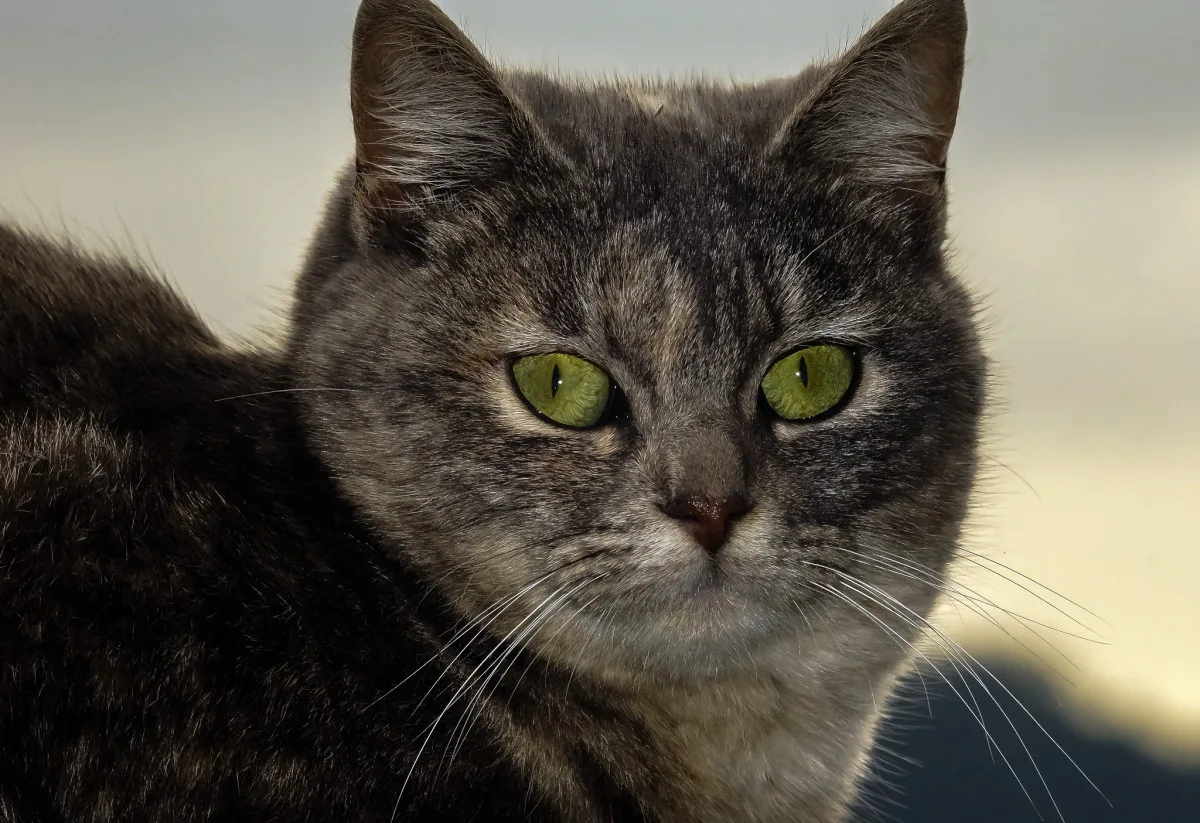
Image source: Bing (Web (fair-use with source credit))
Quick Answer
No cat is 100% hypoallergenic. The tabby pattern doesn't change allergen production. Allergens come from skin, saliva, and urine. A cat's individual protein levels matter more than its coat color. For allergy sufferers, meeting the specific cat before adoption is essential.
The Real Problem: "Hypoallergenic" Is a Marketing Word, Not a Science

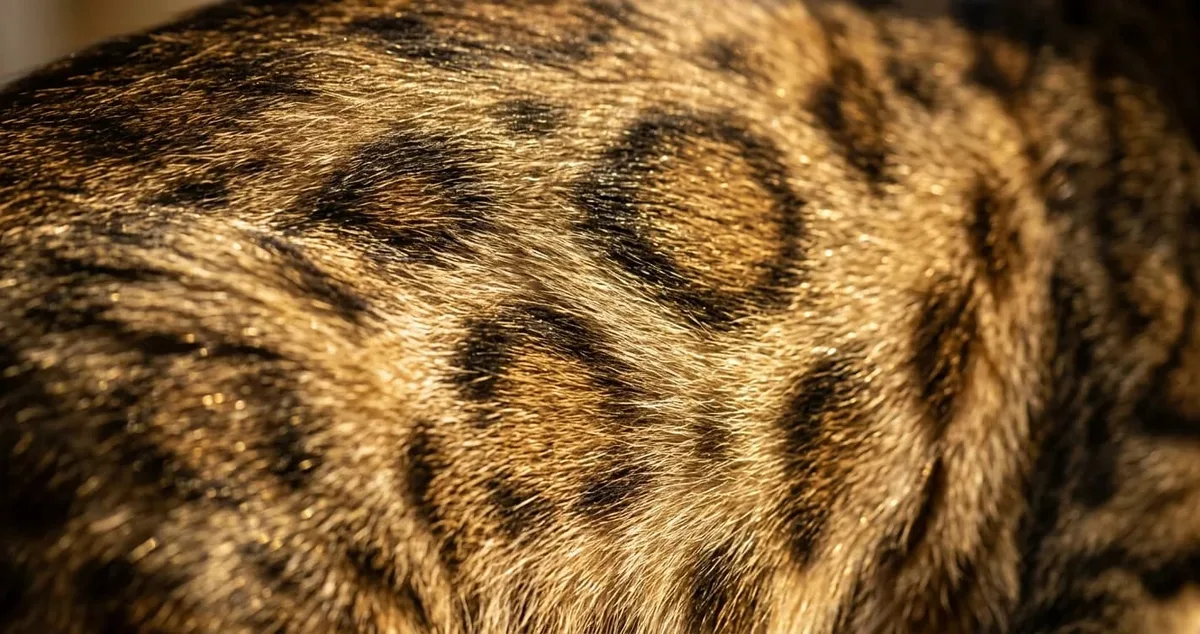
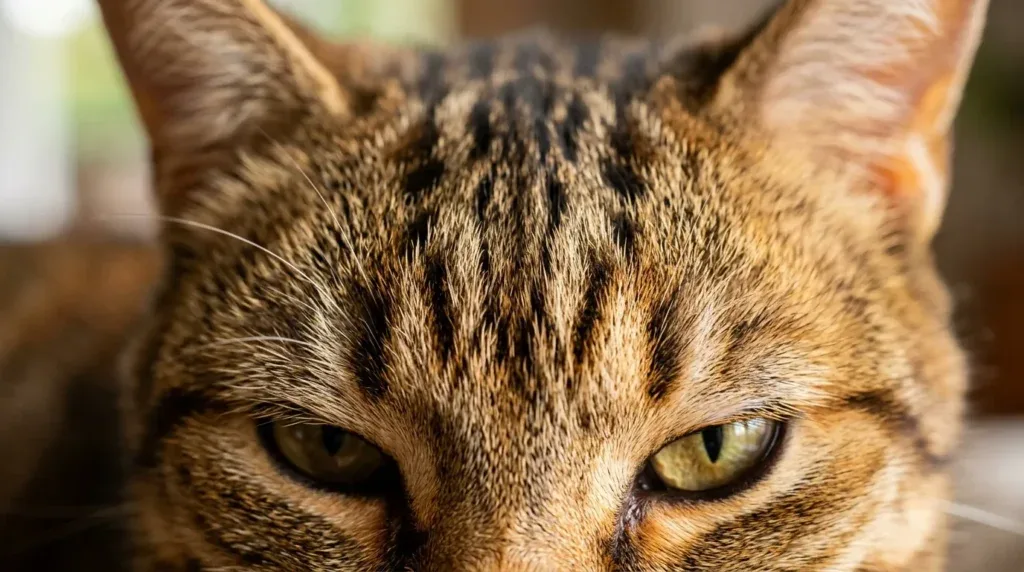
Image source: Bing (Web (fair-use with source credit))
"Hypoallergenic" means "less likely to cause an allergic reaction," not "will never cause one." That distinction changes everything. A tabby is a coat pattern—any cat with stripes, swirls, or spots—not a breed like Siamese or Maine Coon. So a "hypoallergenic tabby" doesn't exist. You need to look at the underlying breed or individual cat's biology.
People confuse pattern with breed. A Domestic Shorthair with tabby markings is the common "moggie," and those cats produce wildly different levels of Fel d 1. Some may bother your allergies mildly, others trigger a full reaction. The stripe pattern tells you nothing.
Marketing is sneaky: "hypoallergenic" sells, and low-allergen cats often carry a premium price tag. Manufacturer specs may claim "proven allergen reduction," but actual testing is inconsistent. Research shows allergen levels vary from cat to cat, even among littermates. Male cats produce more than females; unneutered males produce the highest. The takeaway: you can't look at stripes and predict allergies. The only real test is direct exposure.
What Actually Causes Cat Allergies (It’s Not the Fur)
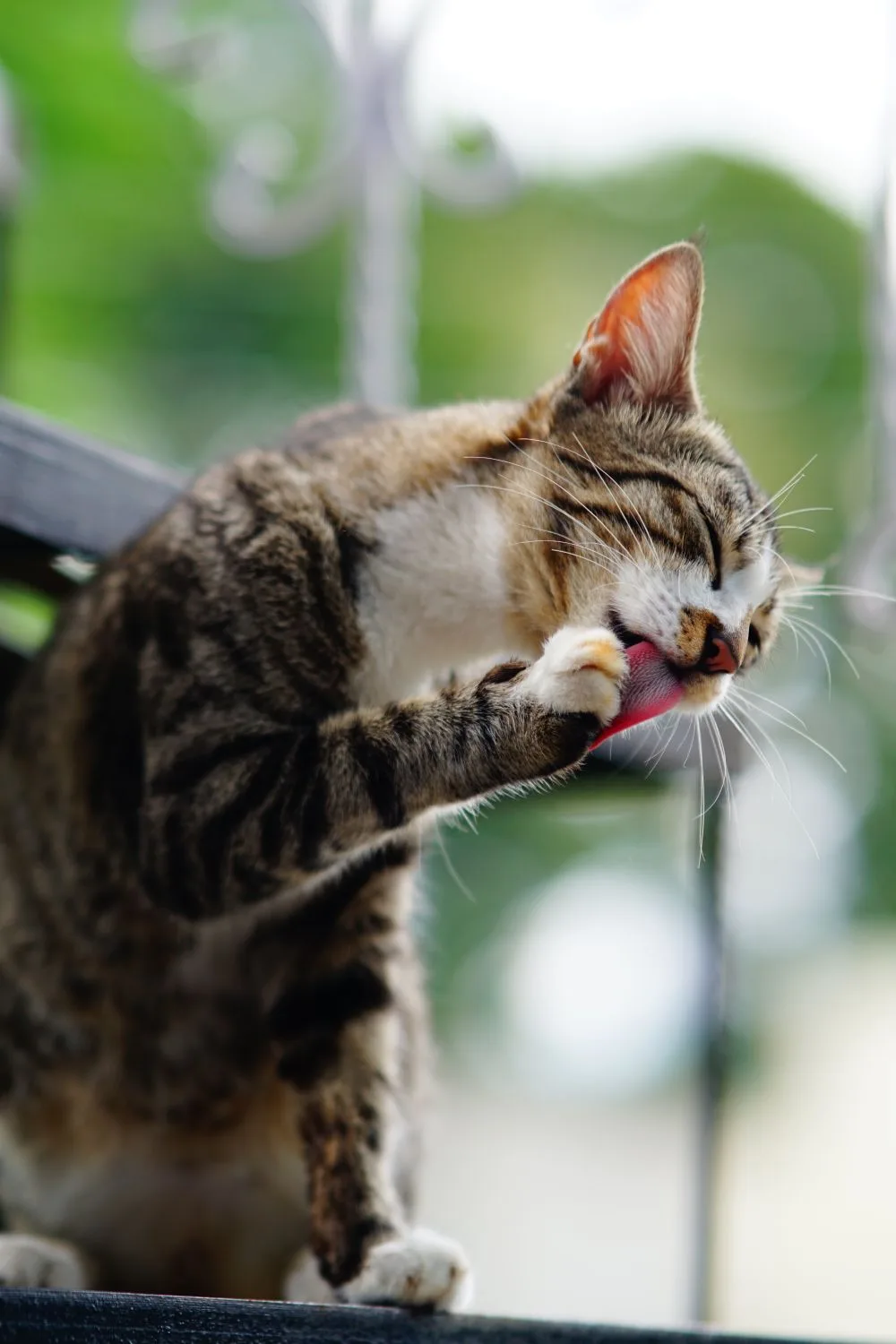
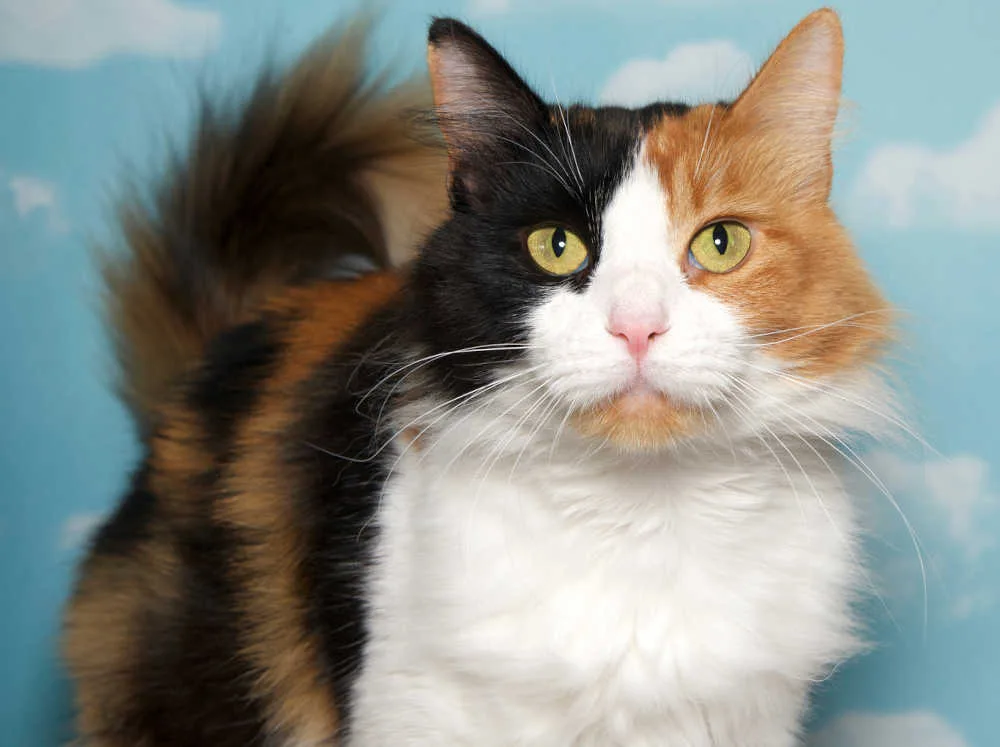
Image source: Bing (Web (fair-use with source credit))
Cat hair isn't the allergen. The real culprits are proteins: Fel d 1 from saliva and sebaceous glands, and Fel d 4 from saliva and urine. Cats groom constantly, spreading protein-laden saliva across their coat. As saliva dries, protein particles flake off with dead skin (dander). These microscopic, lightweight particles float in the air for hours, settling on furniture and clothes. That's why you can react minutes after entering a cat's home.
The protein survives for months. A 2026 analysis showed dust from previous cat occupants tracked measurable Fel d 1 for extended periods. Your immune system misidentifies these proteins as enemies, releasing histamines. It doesn't matter if the cat is tabby, calico, or purebred—if your body reacts to Fel d 1, the stripes won't save you.
Why the Tabby Pattern Doesn’t Change the Allergen Game
The tabby coat is ancient and widespread, present in mixed-breed and purebred cats. But the genetics behind the pattern are independent from those regulating protein production. A tabby-mixed cat can be a heavy allergen producer. The underlying breed matters more. Some breeds like the Siberian produce lower Fel d 1 levels, but a cat of any pattern mixed with them can inherit that trait. The tabby coat gives you zero functional information.
Long-haired and heavy-shedding cats distribute more dander into the environment, but protein production relates to sex, hormone status, and individual genetics—not coat pattern or length. A short-haired tabby can be a higher allergen producer than a long-haired cat. People are allergic to one tabby but fine with another. The pattern doesn't correlate with allergen output. The biggest pitfall is confirmation bias: blame the stripes when you sneeze, credit the cat when you don't. The true variable is the individual animal's physiology.
How to Test Your Reaction Before You Commit (Without Going Home Sneezing)
You wouldn't buy a mattress without lying on it. Give a cat the same treatment. First, the adult cat test: spend at least 30 minutes with the specific cat (over six months old). Pet the cat, let it rub against you, then hold your hands to your face—this exposes you to the highest allergen concentration. Next, the home visit: if a friend owns the cat, ask to visit. Symptoms may take hours to manifest; plan a full day. For a clinical measure, see an allergist for skin or blood testing to confirm a true Fel d 1 allergy or mild sensitivity. The result gives you a baseline for your symptom management plan.
If you adopt and find the cat is a problem, try the "cat room" method: keep one area (ideally a bedroom) cat-free, use HEPA filters. Many mild sufferers build tolerance over time. If you react severely, rehoming is not failure.
Daily Habits That Cut Dander and Fel d 1 Down to a Manageable Level
You've met the cat, your eyes are itchy, but you're set. Welcome to maintenance. Wipe your cat down with a damp microfiber cloth daily to reduce loose dander. The Humane Society notes that most prior accumulation of cat dander settles on the skin—interrupting that directly interrupts spread. Wash your hands after handling and stop touching your face. Use a high-quality pet brush weekly outside to keep allergens out of the house. Run a HEPA filter in your bedroom 24/7. Wash bedding weekly in hot water, and clean curtains and throws often.
When Mild Allergies Turn Serious: Recognizing the Red Flags
Most cat allergies are manageable (sneezing, itchy eyes, runny nose). But watch for asthma symptoms: wheezing, chest tightness, shortness of breath. The American Academy of Allergy, Asthma & Immunology confirms cat allergens are a common asthma trigger. Hives or raised welts indicate stronger sensitivity; swelling of lips, tongue, or throat is an emergency. Delayed reactions that last all night signal a deeper immune response. Worsening symptoms over repeated exposures mean your body is becoming more sensitized. No adoption is worth chronic respiratory distress.
The Lowest-Risk Tabby Options (Yes, Some Cats Are Easier Than Others)
Since tabby is a pattern, choose a breed that carries it. The Siberian is your best bet—many have classic tabby markings, and roughly half produce naturally lower Fel d 1 levels. Individual results vary; still need face-to-face test. The Balinese and Oriental Shorthair also carry tabby patterns occasionally and are known for lower allergen production. Balinese has a single coat that sheds less. Mixed-breed shelter tabbies are wild cards; ask about spay/neuter status. Female cats and neutered males produce less Fel d 1. Avoid long-haired tabbies if shedding is your trigger; short-haired single-coat tabbies are easier to manage.
Other Practical Steps to Reduce Allergens in Your Home
| Strategy | How It Helps | Frequency |
|---|---|---|
| HEPA air purifier in bedroom | Captures airborne dander | Run 24/7 |
| Wash bedding in hot water | Kills and removes allergens | Weekly |
| Vacuum with HEPA filter | Prevents dander recirculation | 2 times per week |
| Hard floor surfaces | Less dander accumulation | Ongoing |
| Litter box in ventilated area | Reduces urine protein spread | Daily scoop |
Keep the cat out of your bedroom. Bathing helps but most cats hate it; allergy-friendly wipes are a practical compromise. Wash your hands after handling the cat.
Frequently Asked Questions About Tabbies and Allergies
Are tabby cats hypoallergenic?
No cat is fully hypoallergenic. The tabby pattern has no connection to allergen production. Allergens come from proteins in saliva and skin, not coat color or pattern.
Which cat breeds with tabby markings are best for allergies?
Siberian, Balinese, and Oriental Shorthair sometimes carry tabby patterns and tend to produce lower Fel d 1 levels. Individual cats vary.
Can you build tolerance to a cat you're allergic to?
Some people naturally develop tolerance over time with consistent exposure, more common with mild allergies. Severe allergies typically worsen.
Do male or female tabbies cause more allergies?
Males produce more Fel d 1; unneutered males produce the highest. Neutering reduces allergen production. Spayed female or neutered male is safer.
How long do cat allergens stay in a home after the cat leaves?
Fel d 1 can persist in dust and on surfaces for months. Thorough cleaning, HEPA vacuuming, and replacing carpet/upholstery are needed.
Can allergy shots help me live with a tabby?
Allergy immunotherapy can reduce sensitivity over time; many achieve significant relief after 6–12 months. An allergist can tell if you're a candidate.
The Final Verdict: Should You Adopt a Tabby If You're Allergic?
You can live with a tabby if you have mild to moderate allergies—it takes work, planning, and adapting your home. The stripe pattern itself won't help or hurt. If your allergies are severe, proceed with caution: meet the specific cat, spend real time, talk to an allergist. The individual cat matters more than any label. Two tabbies from the same litter can trigger completely different reactions. If you're ready for the responsibility and daily maintenance, a tabby can be a wonderful companion. That's the honest truth.
How to Test Your Allergy Reaction Before You Commit
Start with a visit to the breeder or shelter. Spend at least 30 minutes in the same room as the cat. Bring a non-allergic friend to drive if needed. Try the "sleeve test": rub your bare forearm against the cat, then press that spot to your nose and breathe. If you sneeze or eyes water badly, that's a clear indicator. Wait at least two hours before deciding; reactions can be delayed. Do a second visit if possible—allergic reactions can intensify with repeat exposure. Consistent symptoms mean your reaction is likely permanent. If symptoms progress to wheezing, tight chest, or scratchy throat, stop the test and leave.
What to Do on the First Day Home
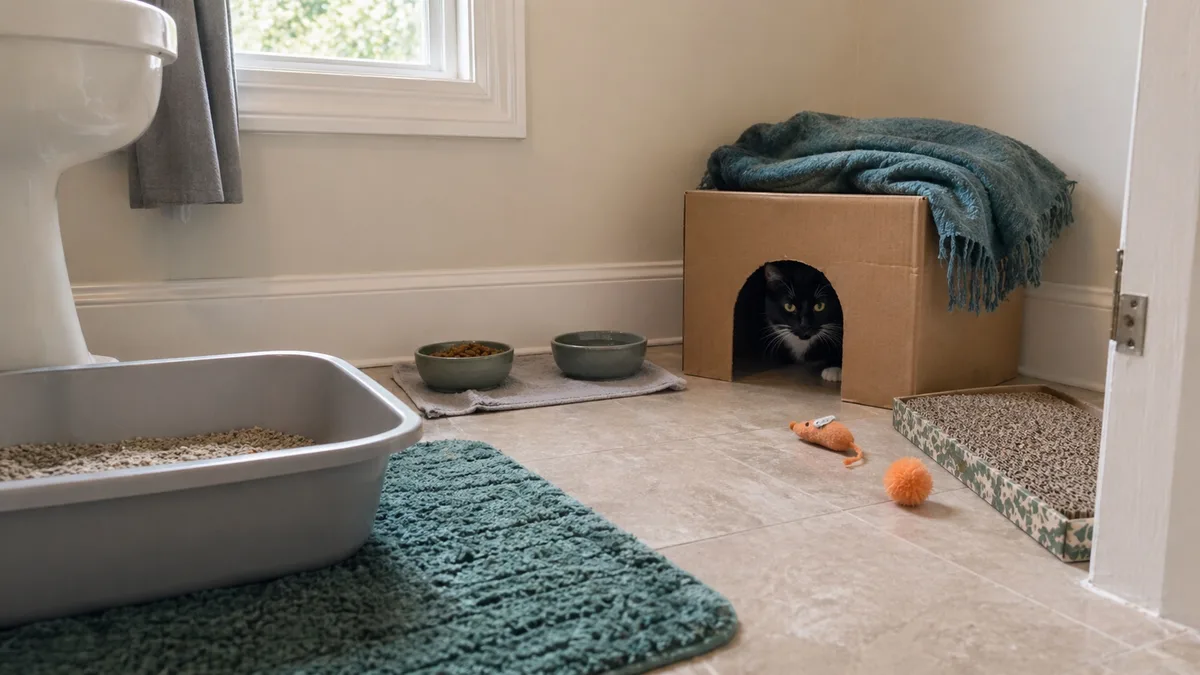
Set up a safe room for the cat (guest bathroom, rarely used bedroom). Install a HEPA air purifier and run it continuously. Keep the door closed; crack a window if possible. Arm yourself with antihistamines, nasal spray, and bronchodilator if you have asthma. Have microfiber cloths and allergen-reducing pet wipes. For the first few days, limit the cat to the safe room; spend time with the door open. Place the cat on your lap with a towel over your pants. Wash hands immediately after every interaction. The first week is hardest; your body either adapts or doesn't. Wash your hair before bed every night for the first month to avoid taking dander to bed.
The Hidden Danger of "On-and-Off" Exposure
Intermittent exposure is often worse than constant exposure. Daily contact may help your immune system downregulate; weekly visits treat it as a fresh threat. Allergy symptoms are dose-dependent—small, infrequent exposures to Fel d 1 trigger a stronger immune memory response. Some owners report worsening symptoms with sporadic interactions. Consistent daily exposure can help if your initial reaction is mild. If you can't breathe after 15 minutes, constant exposure won't fix it.
The Doctor Visit You Should Book First
Book an appointment with an allergist before confirming adoption. They can do a targeted skin prick test for cat allergens and determine if you're a candidate for allergy shots (immunotherapy). Shots rewire your immune system over years; many patients tolerate cats much better. Nasal corticosteroid sprays are a lighter option. Combined with daily antihistamine, you might handle a tabby without constant sniffles. Bring a list of your symptoms and describe the worst episode—severity matters in choosing the right plan.
Making the Call: When "Wait" Beats "Forever"
Sometimes the most responsible decision is to wait. If you live in a small apartment with no separate bedroom, your cat-free sanctuary is slim. Consider a two-week sleepover test with a friend's cat, but reactions can take days. If you can't live with a tabby now, you're not alone. Many people wait until they move or their allergy symptoms become manageable. A tabby is a decade-long commitment. It deserves a home that isn't constantly fighting your lungs.

Similar Posts