14 Silent Signs Your Cat Is Crying for Help
You love your cat. You feed them, clean their box, and let them sleep on your keyboard during meetings. But here's the hard truth: cats are prey animals wired to hide weakness.
By the time your cat is visibly "crying for help," they've often been sick for days, sometimes weeks. The warning signs your cat is crying for help are subtle, but they're there, and learning to read them is the difference between a quick fix and a life-threatening emergency.
In our research, the American Veterinary Medical Association (AVMA) reports that a cat's survival often hinges on the "golden window," the first few hours after severe symptoms appear. Cats are masters of masking pain, a survival instinct from their wild ancestors, which means we have to be even more observant. This article walks you through the exact behavioral and physical red flags that mean "vet, right now," and we'll separate those from signs that can wait until morning.
No fluff, just what to look for.
Image source: Web (Bing) / pxhere.com (Web image (fair-use with source credit))
Quick Answer
The clearest signs your cat is crying for help include suddenly hiding, refusing to eat for more than 24 hours, straining in the litter box, panting, and vocalizing in a way you've never heard. If your cat can't urinate, can't breathe, or collapses, that's an immediate emergency. Trust your gut.
When in doubt, call your vet.
Why This Article Could Save Your Cat's Life
Here's the thing about cats: they've spent thousands of years perfecting the art of not looking sick. In the wild, a sick cat is a target for predators, so they've learned to suffer in silence. That means by the time your cat shows obvious distress, the problem is often advanced.
We're not trying to scare you, but we want you to understand the stakes. We're talking about conditions like urethral obstruction, which can kill a male cat in under 48 hours, or heart disease, which can turn fatal in minutes.
Our research shows that most emergency vet visits for cats are preceded by 48 to 72 hours of subtle signs that the owner didn't recognize. These aren't melodramatic yowls; they're small shifts like "he stopped sleeping on my bed" or "she's not begging for treats anymore." It's easy to brush off, but recognizing these shifts is the whole game. This section is about rewiring your brain to see those tiny clues for what they are: a four-legged creature asking for help in the quietest way it knows how.
We'll cover the most critical systems first, then move to behavior, then to what you should do.
The Four Silent Killers: What to Watch For First
Urinary Blockage (Male Cats Are at Extreme Risk)
If you remember one thing from this entire article, let it be this: a male cat that can't pee is dead without immediate care. Feline Urethral Obstruction (FUO) is exactly what it sounds like. A plug of crystals, mucus, or a tumor blocks the narrow urethra, the tube that carries urine out.
Symptoms are obvious, but easy to misinterpret. Your cat will make frequent trips to the litter box, strain, and produce only a few drops of urine, or none at all. You might see blood in the litter.
He might cry out in pain while he tries, or start urinating on the bed or floor, which is a desperate act for a clean animal. He may also lose his appetite, vomit, and seem restless, hiding or pacing.
The clock is brutal here. A blocked bladder swells like a balloon, and without emergency blockage relief, toxins build up rapidly. That means kidney failure and cardiac arrest within 48 to 72 hours.
This is not a wait-and-see situation. If your cat is straining and nothing is coming out, or he's crying in the box, bundle him up and drive to the nearest ER vet right now. Don't call to ask if you should.
Go.
Respiratory Distress (Panting Is Never Normal)
A dog pants. A cat almost never should. If your cat is panting, breathing with an open mouth, or breathing "from the belly," something is seriously wrong.
Cats are obligate nasal breathers; they physically prefer to breathe through their nose. Open-mouth breathing in a cat is a symptom of respiratory distress, which could stem from asthma, heart failure, or fluid in the chest.
Sometimes a cat will pant after intense play on a hot day, but if that's not obvious context, treat it as serious. Watch the ribcage and stomach area. In a normal resting cat, they should breathe quietly between 15 and 30 breaths per minute.
If the belly is heavily heaving with each breath, that means they are really working to breathe. Lungs filled with fluid often cause this in an emergency; a condition called pulmonary edema.
Cats are stoic, so a cat having trouble breathing might sit in a hunched position with their head lowered. They might be unable to get comfortable, even crying because they can't lay down. This is an emergency.
Get them to a vet immediately. Gentle, quiet handling is key to what happens when you get there, but make sure you are moving with urgency.
Gastrointestinal Obstruction (It's Not Just Hairballs)
Hairballs happen, sure, but a cat that throws up every day isn't "just a hairball cat." Repeated vomiting, especially if it's multiple times in an hour, is a major red flag. If your cat ate a string, ribbon, or a piece of small toy, it can get lodged in the intestines. This is linear foreign body, and it's a surgical emergency.
The hallmark signs of a blockage are vomiting that doesn't stop, a painful abdomen (noticeable if the cat flinches or growls when you pick them up or touch their middle), and a decrease in appetite. They might drink a ton of water only to throw it up immediately. A cat that is pregnant with a blockage can't keep anything down.
Lethargy sets in fast because they aren't absorbing nutrients, and they get dehydrated quickly. Do not try to pull a string out of a cat's mouth or rear end if you see it. You can accidentally cause severe internal damage.
That is a job for a vet, under anesthesia. If you suspect your cat swallowed something, don't wait for the vomiting to stop on its own. Call your vet immediately.
Kidney Disease Crisis (The Slow Thirst Trap)
Unlike the sudden chaos of a blockage, kidney disease creeps up. It's common in senior cats, but it can hit younger ones, too. The two biggest warning signs are increased thirst and increased urination.
Has your cat been camping by the water bowl? Are you scooping out bigger clumps or more frequently than before? That's a classic early sign.
When the kidneys fail, they lose the ability to concentrate urine, so the body dumps water. Consequently, the cat drinks more to keep up. Over time, the kidneys also stop filtering toxins from the blood.
When that happens, cats become nauseous. They eat less and lose weight steadily.
The reality is chronic kidney disease is often a slow burn. But there's an acute form that comes on fast, if, say, a cat ingests a toxic plant or an anti-inflammatory medication. If your cat suddenly can't walk, has a "dropped" head, or has mouth ulcers, that suggests uremia, end-stage toxicity.
As an urgent care visit, this matters. Acute flare-ups or chronic kidney disease are manageable with fluids and diet, but only if caught in time.
Behavioral Signs Most Owners Misread
Hiding vs. Resting
We've all seen our cat curled up under the bed and thought, "aww, they want space." But if that's not their normal hangout? Pay attention. Cats hide to avoid showing weakness, which is exactly what a sick cat wants to do.
They feel safest when they are tucked away in a small, dark place. If your social, lap-loving cat suddenly starts avoiding you and prefers the back of a dark closet, something's up.
Common sense applies here, though. If your cat is a natural introvert who's always been a bit shy, an hour of hiding isn't a red flag. However, hiding accompanied by not eating, or not using the litter box, is a sign you can't ignore.
You're looking for a change from their baseline. A sick cat can only do one thing well: hide. When they stop grooming, that's a massive red flag.
A clean, well-groomed coat over a hiding animal actually matters; that suggests they are feeling okay enough to handle their business and come back.
Vocalization Changes (Silence Is Worse Than Yowling)
Cats that are truly in pain often go quiet. It's called "quieting." The sudden, dramatic yowling people expect? That's rare unless a cat feels trapped or something abrupt and intense happened, like a blocked bladder.
A cat that cries out and strains in the litter box is in acute distress, which is a different situation.
The far more common "cry for help" is a change in vocal patterns. This is often a trill or a specific "chatter" sound when they watch birds. If your quiet cat becomes excessively whiny, or your talkative cat goes completely mute, be alert.
This is them trying to communicate a new frustration or, more often, intense discomfort. Also, be aware of the attitude changes. A cat that hides may become unpredictable, but a cat that suddenly wants nothing to do with you is also telling you something important.
Behavior changes are often the only warning signs your cat is crying for help.
Litter Box Avoidance (It's Not Spite)
Cats are fastidious. So when they pee outside the litter box, it's not "being naughty." It's a medical red flag. The most common cause of house soiling in cats is a urinary tract issue.
It hurts to squat and pee. That litter box becomes a pain zone, so they avoid it. They associate the pain with the place they feel it.
If your cat starts peeing on the couch, on the laundry, or in the bathtub, don't get mad. Get her to the vet. It's often the earliest sign of painful issues like FLUTD (Feline Lower Urinary Tract Disease) or kidney problems.
Sometimes it's a behavioral stress response, like a new baby or a stray cat outside the window. But a urinary issue needs to be ruled out first. If you can't get to the litter box holding your cat's urine for a sample, that's the first thing you do at the vet's office.
They can check for blood, crystals, or pus in seconds.
The "Grimace Scale" You Can Use Right Now
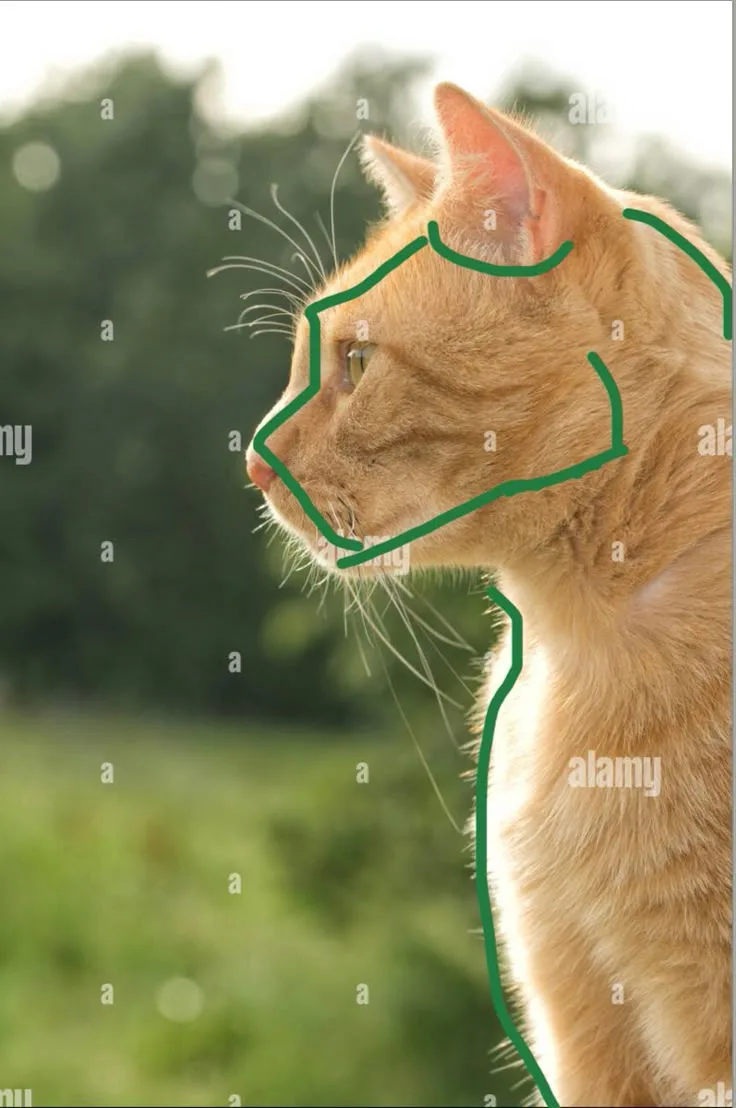
Veterinarians and researchers, including experts at the University of Montreal, developed a tool called the Feline Grimace Scale. It's a way to assess pain in cats just by looking at their faces. The scale looks at five expressions: ear position, muzzle shape, whisker position, eye shape, and eye relaxation.
Check your cat's ears. Normal: neutral, pointed forward. Pain: flattened to the sides, like little airplane wings.
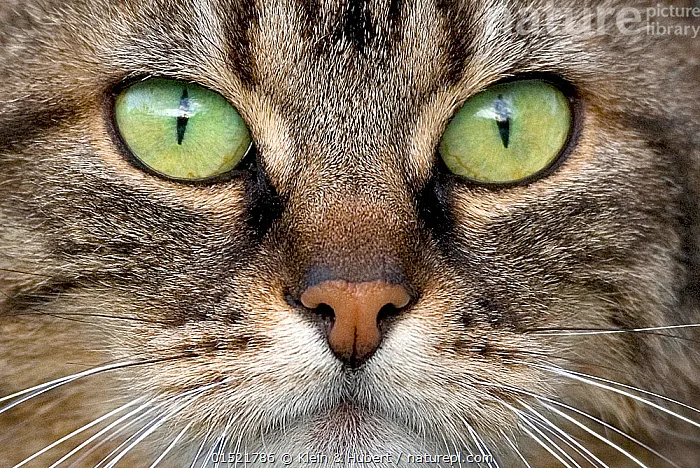
Now, look at the eyes. Normal: open, relaxed pupils. Pain: squinting, half-closed eyes.
Pinched-looking muzzle and sweat beads. Are the whiskers stiff and pointing forward? That's another sign of distress.
Use this checklist to log what they're doing. A score of 3 out of 5 adds up to a call to the vet, not tomorrow, but today.
What to Do at Home (And What Not To Do)
The 10-Minute Triage Check
When you spot a warning sign, it's natural to panic. Don't. Instead, do a quick, safe head-to-toe check.
First, check the gums. A cat's gums should be pink, like bubblegum. Pale grey, blue, or bright red gums are a major red flag.
Press your finger on the gum briefly, then release. The area should go white, then pink again in under 2 seconds. A slow refill rate means poor circulation or shock.
Next, check for a temperature. A normal cat temperature is 100.4 to 102.5 degrees Fahrenheit (38 to 39.2 degrees Celsius). If you have a pet thermometer, go ahead.
If not, compare your cat's ears; a sick cat's ears and paws might feel cold, a sign of poor circulation. Check if she's limping or sensitive to the touch. Gently run your hands along her back and stomach.
A hiss when you touch a specific area is a big clue. Finally, clear airway check. Is your cat drooling, pawing at her mouth, or suddenly smelling bad?
Oral issues or a tongue caught on a foreign object are urgent.
Never Google-Treat These Conditions
Hold on to the urge to search for a home remedy. When it comes to cat wounds, poisoning, or blockages, don't go to Dr. Google.
Some human medications are fatal to cats. For example, acetaminophen is toxic to cats. Similarly, don't give them milk; most cats are lactose intolerant.
Do not induce vomiting unless a vet tells you to, especially if the cat swallowed something caustic. In those cases, you're doing more damage. Skip any home enemas or supplements you saw in a forum post.
Even a little olive oil for a hairball is fine, but don't use essential oils, which are highly toxic to cats. The safest thing you can do is call a vet clinic, a 24-hour pet poison control hotline, and let them guide you. The pet poison control line will charge a small consultation fee, but it's an effective cost for your cat's safety.
How to Make Your Cat Comfortable While You Prep
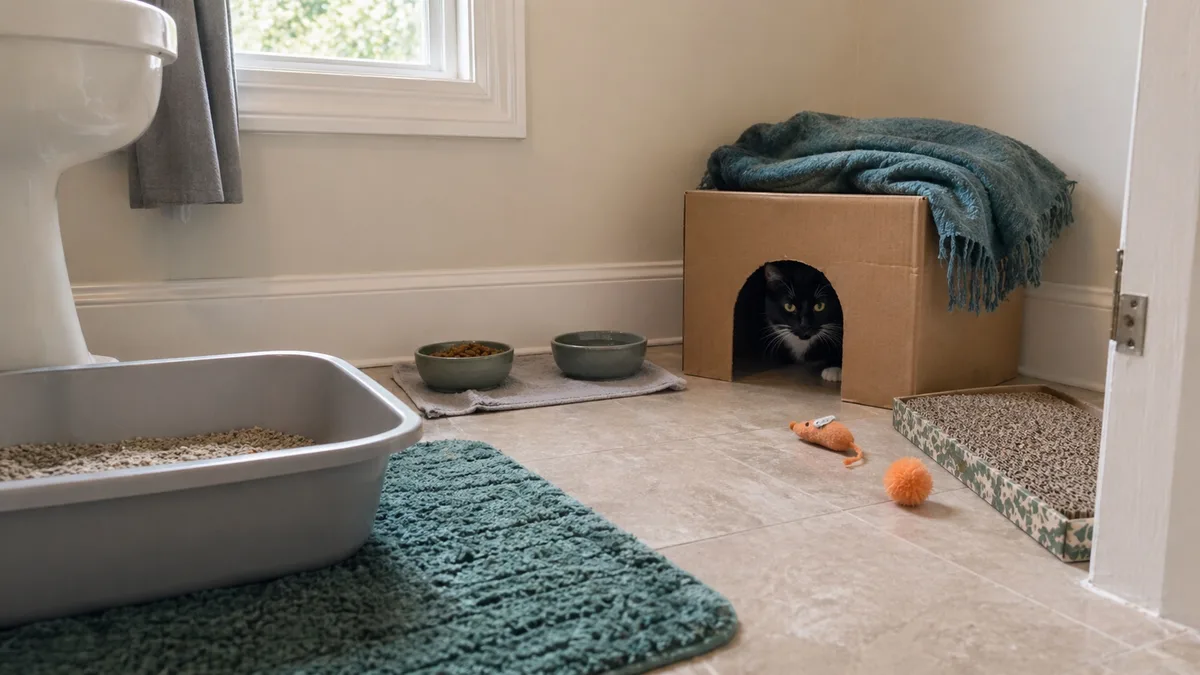
While you're preparing for the vet, you can help reduce your cat's stress, which is crucial, since stress worsens both heart and bladder issues. First, isolate them in a small, quiet room like a bathroom or a bedroom. This limits their fear and keeps them from hiding in a spot you can't reach when the vet wants to see them.
Drop the blinds to reduce visual stimulation, which also helps these creatures of habit feel more secure. Next, get a carrier. Use a pillowcase, not a towel, to line it, as the fabric holds scent better and has less of a struggle involved.
A familiar zippered carrier left open in the room does wonders. Place your stressed cat in it, then cover it with a light blanket so they feel like they're in a cave. If you have a Feliway plug-in diffuser, now's the time to put it in that room.
It releases synthetic cat pheromones that help calm them. Keep the carrier out a night or two before you need it, so it smells like home when you have to use it.
Straight to the Vet vs. "Let's Wait and See"
The 24-Hour Rule
Not every symptom means an emergency, but some things have a clock. A cat that refuses to eat for a day is a general rule of thumb. When a cat goes more than 24 hours without eating, it enters a state called hepatic lipidosis, where fat is pumped into the liver.
This causes the liver to fail.
If your cat has had a single, isolated bout of vomit and is still eating, drinking, and acting normally, you have a little time to call your vet in the morning. But if she's thrown up twice in an hour, or she's hiding and won't come out for dinner, that's a vet visit now. Trust your gut beyond the symptoms.
You know your cat's normal energy baseline better than a textbook does. A change in normal routine? Call.
ER-Worthy Signs (Go Now)
This is the shortlist for immediate, 24/7 emergency care. If you see any of these, don't call your regular vet; get in the car and go:
- Struggling to breathe: Open-mouth breathing, exaggerated belly movement, blue or pale tongue and gums.
- Straining to urinate, especially for a male: This could be a life-threatening blockage. Every minute counts.
- Seizures or sudden collapse: A seizure that lasts more than 2 minutes, or repeated seizures.
- Ingestion of a known toxin: Such as lilies, antifreeze (it tastes sweet), human medications, or toxic plants.
- Severe trauma: Any fall from a height, being hit by a car, or visible signs of a broken bone.
Urgent-Care Worthy Signs (Call Your Vet First)
These aren't necessarily life-threatening right this second, but they are the kind of thing that warrants a same-day appointment. If your cat has a fever, is lethargic, or has lost her appetite for 12 hours, it's time to call.
- Vomiting or diarrhea that lasts more than 24 hours.
- Loss of appetite for more than 24 hours.
- Increased thirst and urination.
- Sudden changes in behavior: such as aggression or fearfulness for no apparent reason.
Your vet's office can also tell you when a concern can be handled over the phone with advice like "monitor her and call back tomorrow" versus "we need to see her now." When in doubt, make the call. An extra phone call is a minor inconvenience; waiting too long could be a tragedy.

Similar Posts