Wellness Dry Cat Food: Benefits & Best Choices
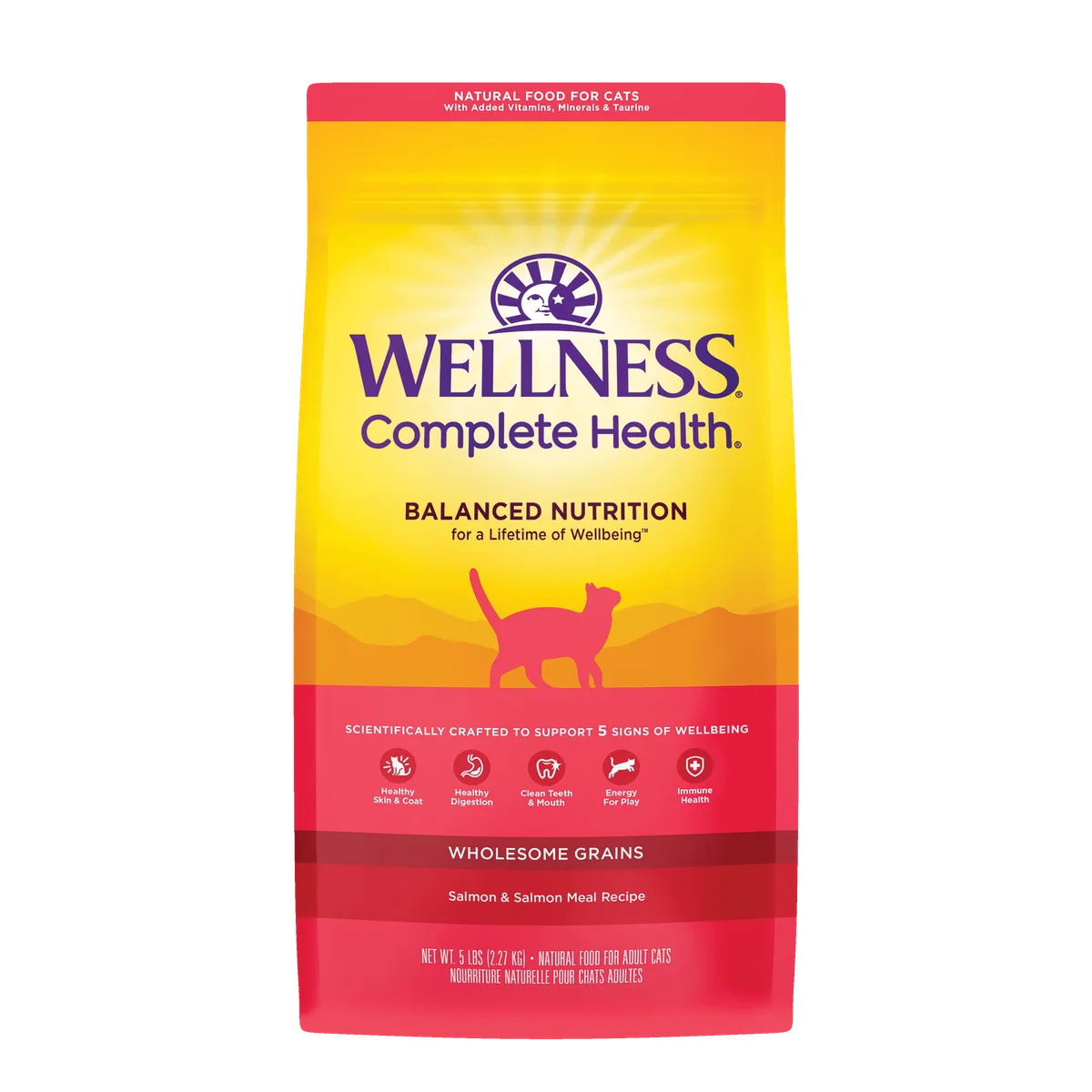
You’re staring at the cat food aisle, and every bag screams “natural,” “holistic,” or “wellness.” It’s exhausting. You just want to know if that premium-priced bag of wellness dry cat food is actually better for your furry roommate, or if you’re just paying for a fancy label and a cute font.
Here’s the hard truth: “Wellness” is a marketing term, not a regulatory standard. The FDA doesn’t define it. But that doesn’t mean the food is bad; it means you have to read the fine print like a detective.
We dug through manufacturer specs, ingredient lists, and veterinary nutritional guidelines to give you the no-nonsense breakdown of what you’re really feeding your cat as of 2026. We’re here to compare the lines, translate the jargon, and help you decide if this brand belongs in your cart.
Quick Answer
Wellness dry cat food is a grain-inclusive or grain-free kibble line known for high protein and lack of artificial additives. It works best for healthy adult cats needing maintenance nutrition. However, it is high in carbohydrates and low in moisture compared to wet food.
Cats with kidney disease, diabetes, or obesity should avoid it unless a vet approves. Always transition your cat slowly over 7 to 10 days.
Is “Wellness” on a Cat Food Bag Just Marketing?
Let’s cut right to the chase. The word “wellness” on a pet food label is cosmetic. The Association of American Feed Control Officials, or AAFCO, has legal definitions for terms like “light” or “lean,” but “wellness” isn’t one of them.
So, what are you paying for? In most cases, you’re paying for a higher-quality protein source at the top of the ingredient list, better fat sources, and a company reputation. That isn’t nothing.
It separates this bag from the dusty bottom-shelf stuff packed with corn gluten and mystery meat.
However, that premium price tag doesn’t automatically mean it’s perfect for your cat. You still have to check the guaranteed analysis and, more importantly, the carbohydrate content, which isn’t printed on the label. You have to do the math yourself.
And even then, a high-protein diet marketed for "wellness" can be dangerous for a cat with undiagnosed kidney disease.
You also need to look at the calorie density. “Wellness” formulas are often calorie-dense because they pack in fat for skin and coat health. That’s great for an active kitten, but a fixed indoor cat might pack on the pounds. The lesson here is that marketing catches your eye, but the nutritional profile is what matters.
Wellness CORE vs. Wellness Complete Health: The Two Lines, Explained
Walk down the aisle and you’ll notice Wellness splits its dry food into two main families: CORE and Complete Health. They are not interchangeable. You need to know the difference before you toss a bag in the cart.
Image source: Bing (Web (fair-use with source credit))
Wellness CORE is the high-protein, grain-free line. Think of it as the brand’s answer to a cat’s ancestral diet. It typically pushes protein content above 40% and slashes carbohydrates way down.
The first five ingredients are usually deboned chicken or turkey, chicken meal, and various high-protein flours. Per manufacturer specifications, CORE is designed for muscle maintenance and energy.
This line is best for active cats, kittens, or adults who need to put on lean muscle. It’s also a solid pick for picky eaters because it mimics the texture and flavor of whole prey more closely. But that high protein comes with a catch.
It can be too rich for cats with sensitive stomachs or those prone to urinary crystals, especially if they don’t drink enough water.
Wellness Complete Health is the more moderate, grain-inclusive line. This is the maintenance diet. It still uses high-quality animal proteins, but it pads the formula with brown rice, barley, and oatmeal to provide steady, digestible energy.
It’s lower in fat and calories than CORE, making it a better option for indoor cats or those with a "chunky" status.
Here’s the easiest way to choose:
- Choose CORE if: Your cat is young, highly active, or you want to minimize carbohydrates and mimic a protein-heavy diet.
- Choose Complete Health if: Your cat is a couch potato, has a sensitive stomach, or you prefer a balanced formula with grains for fiber.
- Skip both if: Your cat has a diagnosed health condition requiring prescription food.
Your decision shouldn't be based on which cat looks healthier on the bag. It should be based on your cat's body condition score and activity level. If you aren't sure, there is a definitive test: check if you can easily feel your cat's ribs beneath a thin layer of padding.
Ingredient Breakdown: Protein, Carbs, and the Fillers Hiding in Plain Sight
Flip that bag over. Scan the ingredient list. Do you see "chicken" or "chicken meal" right at the top?
That’s a good sign. But the real story is in what comes after the first five ingredients, and what’s missing entirely.
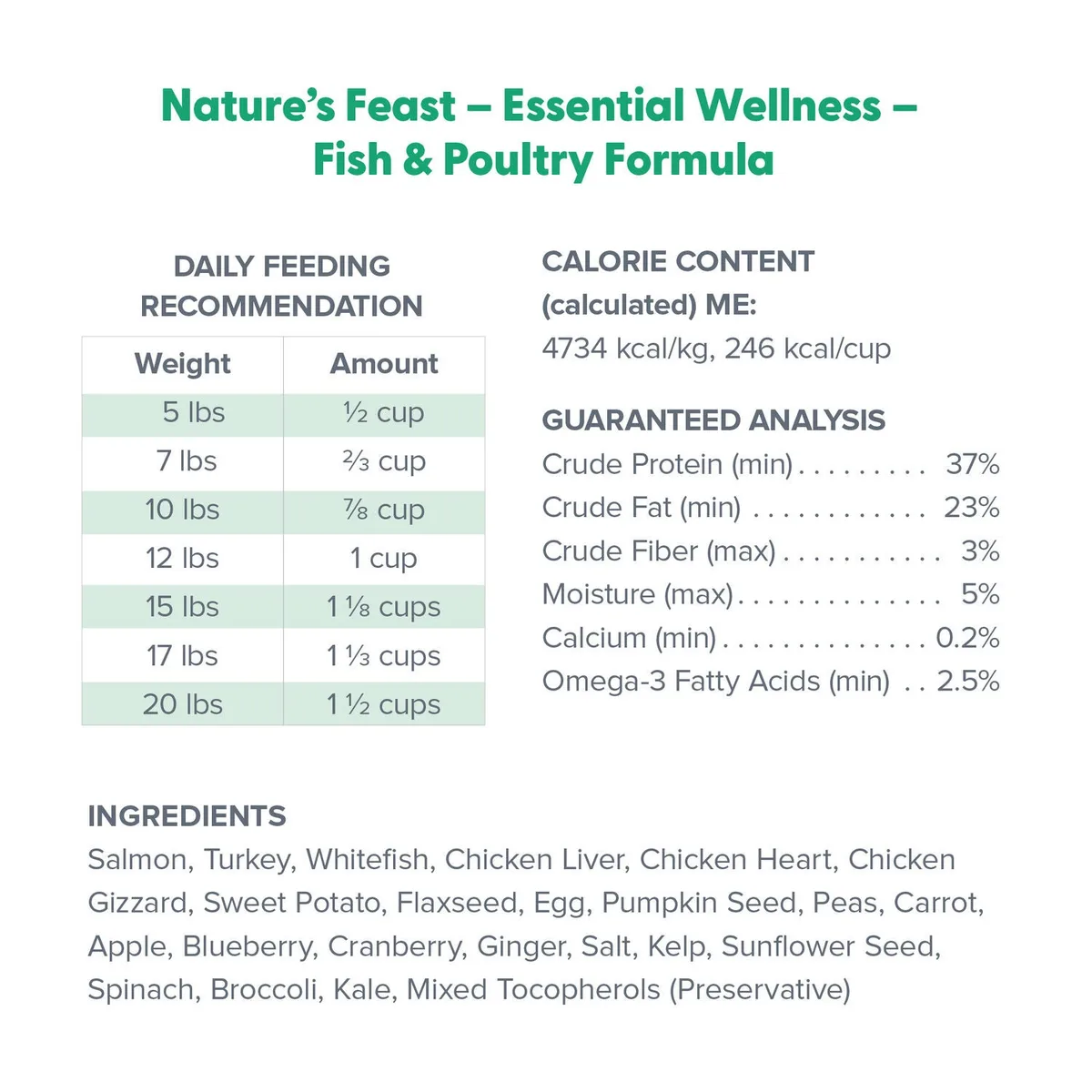
Image source: Bing (Web (fair-use with source credit))
The biggest lie in dry cat food is the lack of carbohydrate transparency. Dry food has to be mostly carbs to hold its shape and bake into kibble. Even a high-protein formula like CORE contains around 20% carbohydrates, which is huge for an obligate carnivore.
The cheaper the food, the higher that carb fraction climbs, often up to 50%.
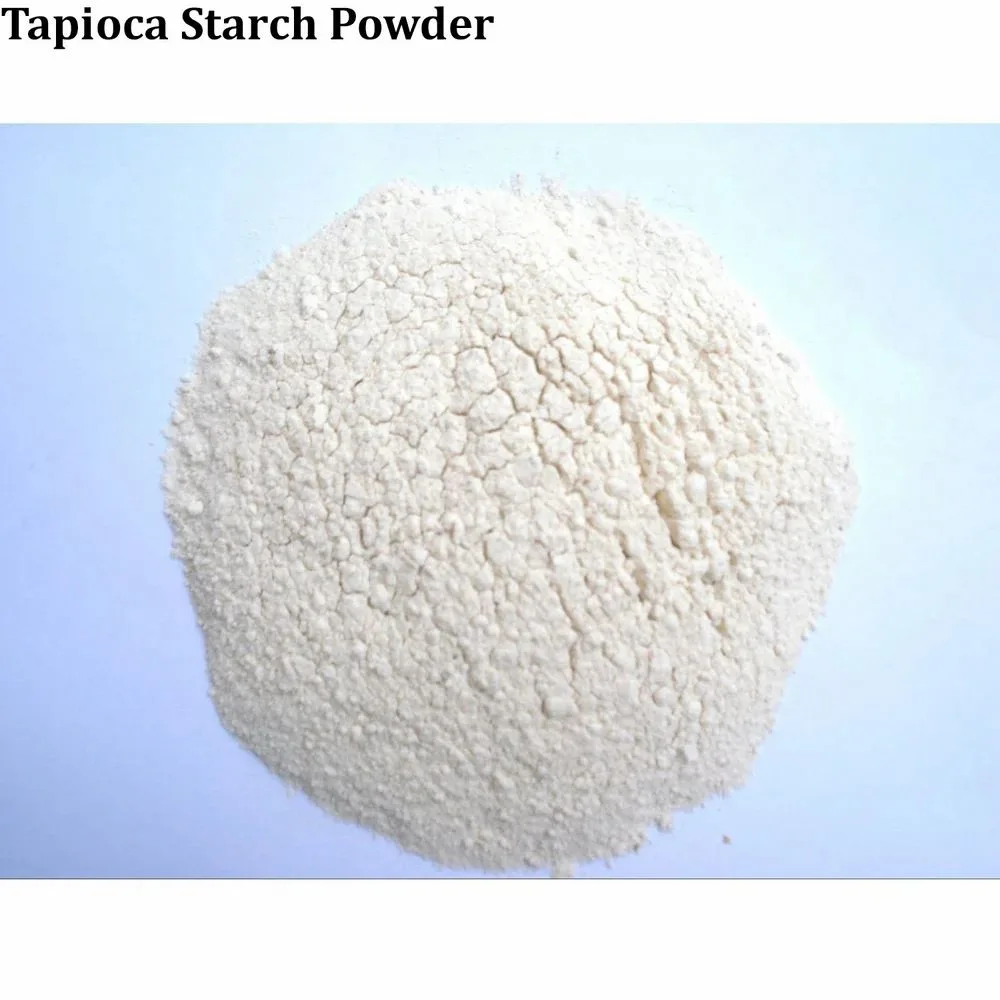
But carbs aren't just the devil, they are a trade-off. They provide the crunchy texture that helps scrape tartar off teeth, which is one of the main reasons you buy dry food in the first place. The problem arises when the carbs come from high-glycemic sources like white potatoes or tapioca, which can spike blood sugar in susceptible cats.
Look for complex carbs like sweet potatoes, barley, or oats instead.
You also want to scan for "fractionated" ingredients, like "pea protein" or "potato protein." Manufacturers use these concentrated plant proteins to artificially inflate the protein percentage on the label without using actual meat. They are cheap fillers that boost the numbers on the AAFCO label but don't provide the complete amino acid profile of animal muscle meat. If your cat is allergic to poultry, watch out for "chicken meal" hidden in the omega-3 supplement sources too.
Here’s what to look for in the ingredient panel:
- Debut ingredient: Should be a named animal protein (e.g., "deboned chicken" or "Chicken").
- Fat source: Should be "chicken fat" or "salmon oil," not "animal fat" (which sounds like a 1960s horror flick).
- Probiotics: These are heat-sensitive. If they’re listed after the preservatives, they’re dead on arrival and added for marketing brownie points.
Wellness vs. the Alternatives: Blue Buffalo, Hill’s Science Diet, and Orijen
The "wellness" market is crowded. To know if you're getting actual value, you need to see how the big players stack up against each other on a pound-for-pound basis.
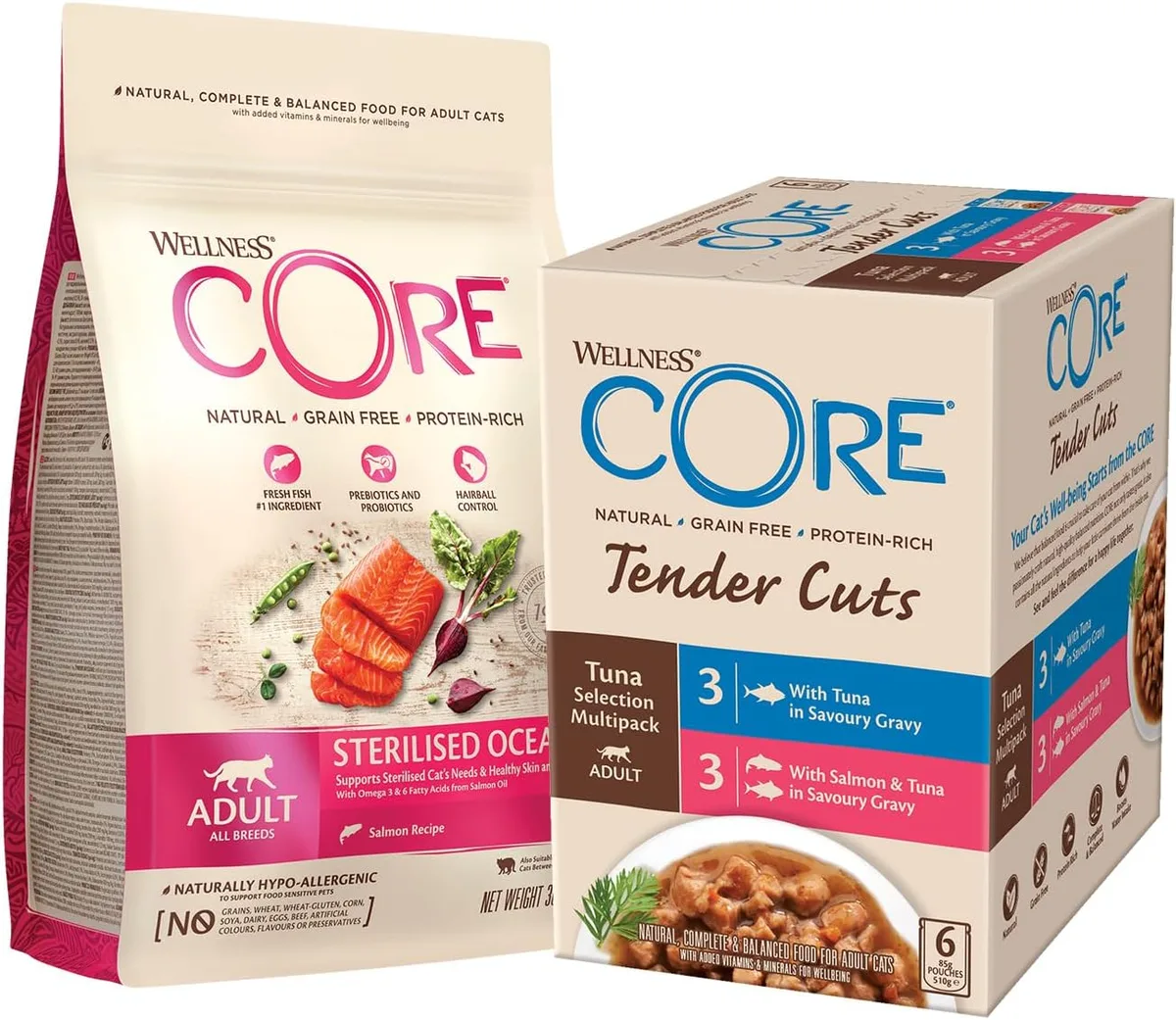
Image source: Bing (Web (fair-use with source credit))
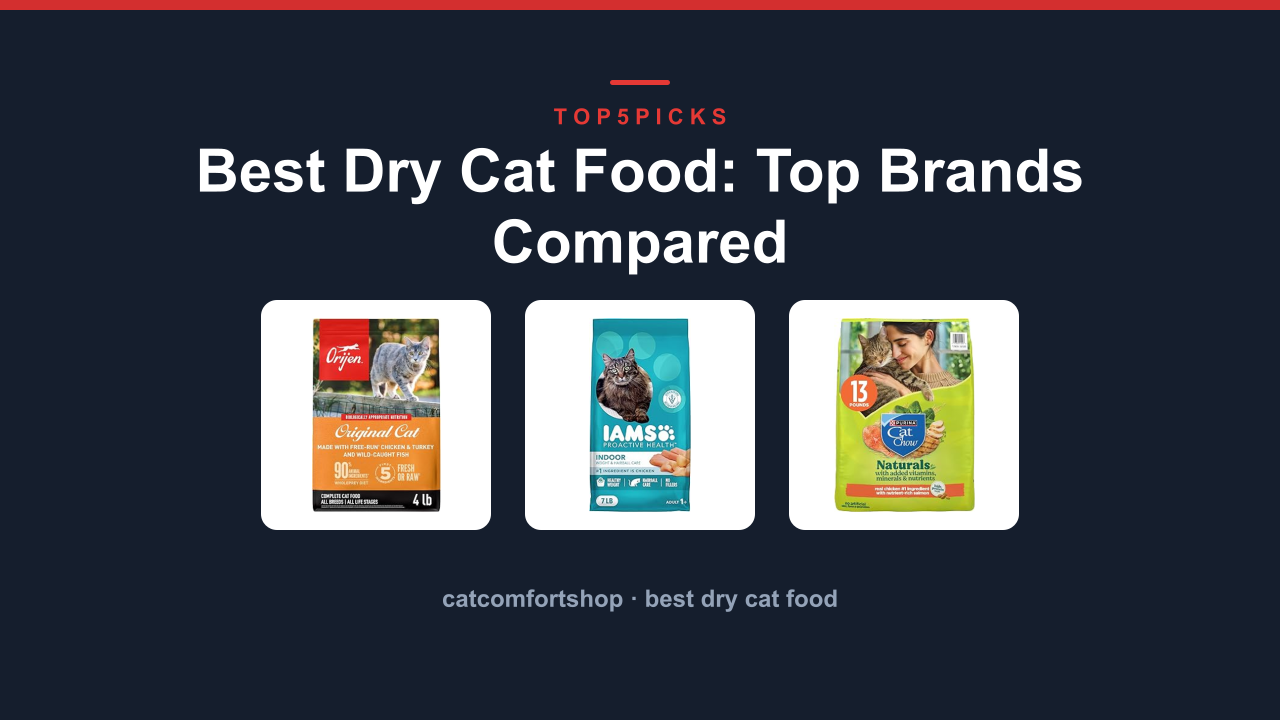
We’re comparing average specs for chicken-based formulas, adult maintenance. Here is the executive summary based on manufacturer data and aggregate reviews.
| Brand (Chicken Formula) | Protein % | Fat % | Carbs (est.) | Calories/cup | Price per lb. |
|---|---|---|---|---|---|
| Wellness CORE | 45% | 17% | 20% | 520 kcal | $$$ |
| Wellness Complete Health | 34% | 15% | 30% | 430 kcal | $$ |
| Blue Buffalo (Life Protection) | 42% | 22% | 25% | 490 kcal | $$$ |
| Hill’s Science Diet (Indoor) | 32% | 15% | 37% | 450 kcal | $$$ |
| Orijen (Original) | 42% | 20% | 28% | 510 kcal | $$$$$ |
A few things jump out. First, Wellness Complete Health actually has less protein than Blue Buffalo, but it also has less fat, which is often more important for indoor cats. Second, Orijen is a whole different breed.
It uses a "whole prey" ratio that includes bone and organs, making it nutritionally dense. Orijen is over 500 calories per cup, which means you feed less, but you pay significantly more per bag.
Our research shows that Wellness occupies the "sweet spot" of premium nutrition. It provides high-quality meat with a more moderate fat profile than some competitors. Blue Buffalo tends to be higher in calories, which is fine for outdoorsy cats, but a recipe for weight gain on a sleeping couch lion.
Hill's Science Diet is the most conservative, and it suffers from a higher carb load, which you may want to avoid if your cat is predisposed to diabetes.
If you are comparing prices, bag weight alters the math. A 5.5-pound bag of Wellness CORE often costs more than a 13-pound bag of Complete Health. But both last a similar amount of time if you feed the correct portions.
Always compare the daily feeding cost, not the bag weight.
Who Is Wellness Dry Food Actually Right For? (And Who Should Skip It)
Not every cat needs a bowl full of high-protein kibble. Knowing who this food is for is half the battle. Getting this wrong can lead to weight gain, urinary issues, or chronic dehydration.
Best matches for Wellness dry food:
- Active indoor-outdoor cats: Cats that burn a lot of calories hunting (or running away from the neighbor's dog) need the concentrated energy.
- Picky eaters: The fish or poultry coatings in Wellness formulas are heavily palatable. Most cats switch to it without a hunger strike.
- Owners looking for reliable digestion: The probiotics and prebiotic fiber in formulas like Complete Health help regulate stool.
Red flags and who should skip it:
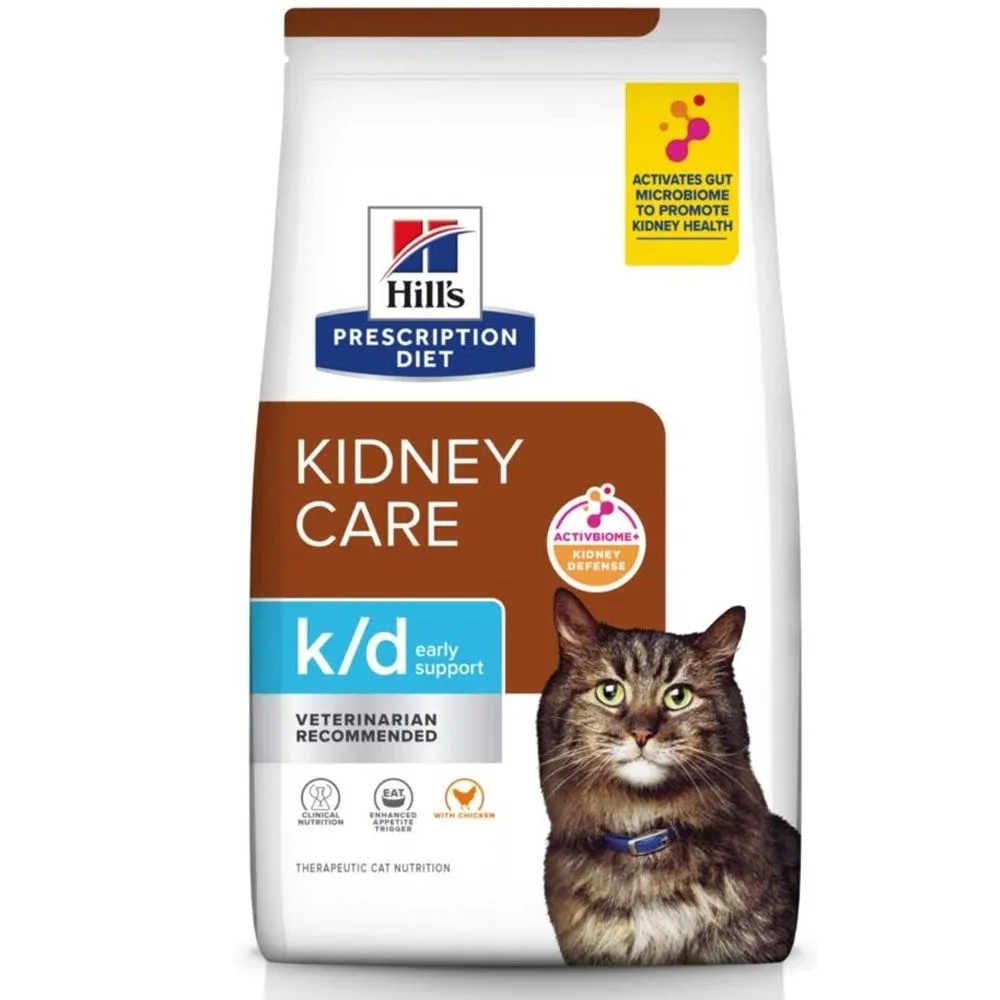
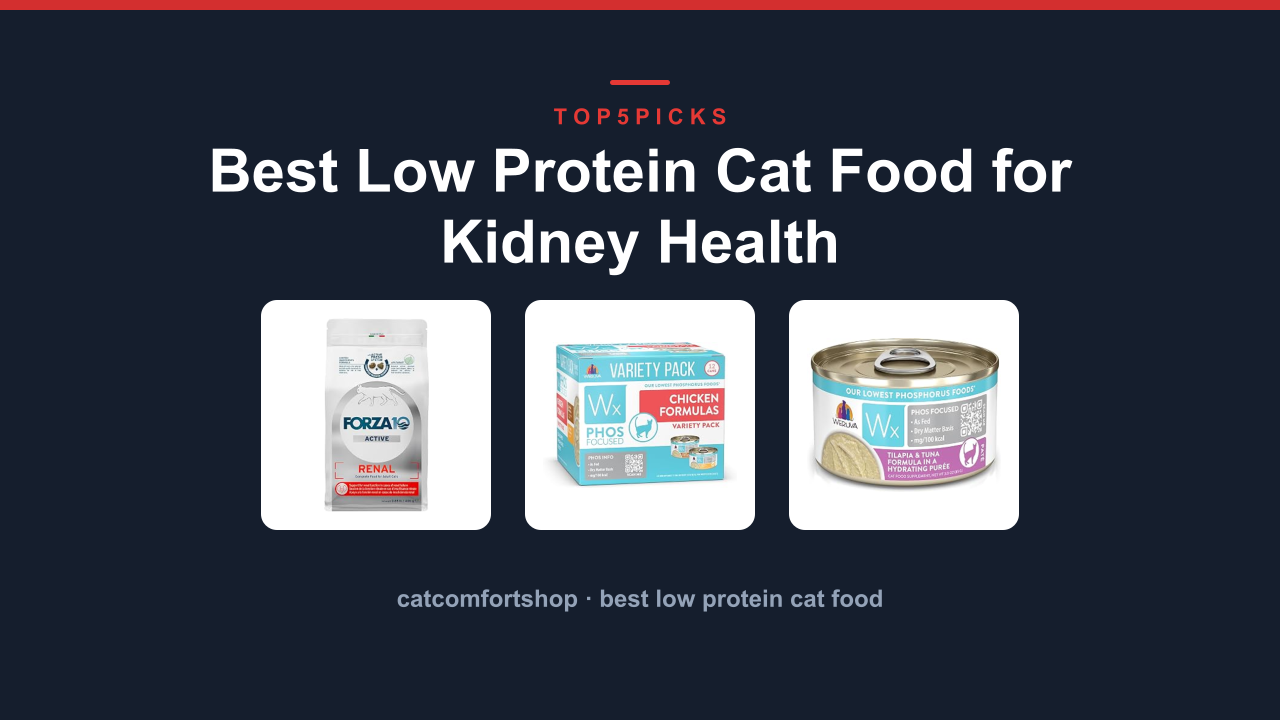
- Cats with kidney disease: Dry food is chronically low in moisture (moisture content hovers around 10%). High protein taxes the kidneys. If your cat is in early renal failure, you should feed a prescription renal diet or a high-moisture wet food.
- Diabetic cats: The carbohydrate content in dry food is moderate at best. Even "low-carb" kibble usually contains 20% carbs, which is enough to spike insulin levels in sensitive cats.
- "Chubby" cats: If your cat is overweight but otherwise healthy, you aren't doing them any favors with dry food. Dry food is calorie-dense and easy to over-eat.
If your cat has a medical condition, don't rely on a bag label. Talk to your veterinarian. Most kidney diets are high-sodium and low-protein, which requires a strict balance that a grain-free kibble won't match.
However, if you have a young, active, healthy cat and you're worried about dental health, this is a solid choice. The crunchiness does scrub teeth and promote gum health, although it’s not a replacement for brushing. Just remember that dry cat food will never replace a bowl of water.
If you feed this exclusively, make sure you are diligent about keeping the water fountain clean and flowing.
There’s no such thing as a perfect food, only the perfect food for your specific cat. Match the food to the cat in the mirror, not the cute one on the bag.

Similar Posts