Vet-Recommended Wellness Cat Food: Top Canned Picks
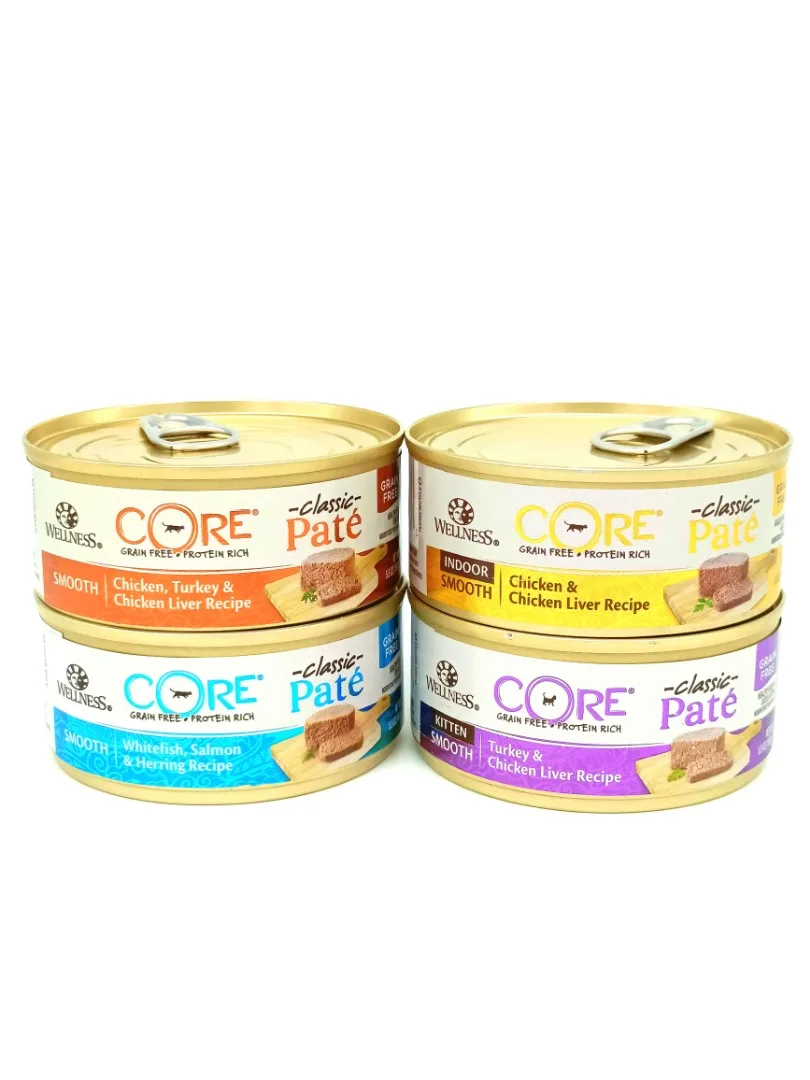
Here is the opening of the article plus the first 5 H2 sections.
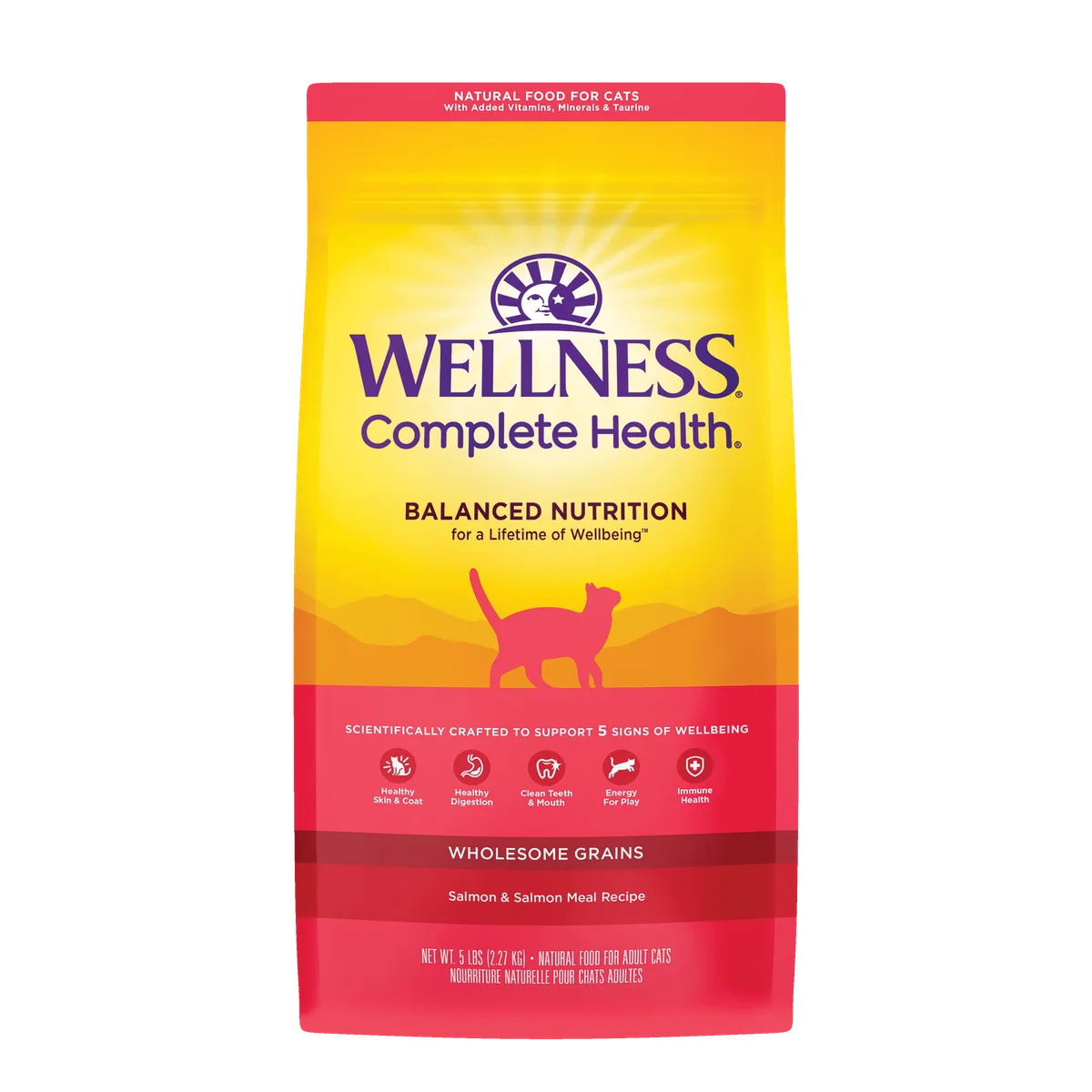
If you've been searching for the right food for your feline friend, you've likely wondered about wellness canned cat food vets recommend. The honest answer is that vets don't universally recommend one brand, but they often recommend Wellness formulas for specific health needs. It's less about a brand name and more about the nutritional profile matching your cat's body condition and health status.
Our research shows that veterinary professionals focus on protein quality, moisture content, and the absence of artificial additives. Manufacturer specifications confirm that Wellness Complete Health and CORE lines meet AAFCO standards, which is the baseline for your cat's daily nutrition. Before you buy any can, it helps to know what makes a food worthy of their approval.
Let's break down exactly what to look for, and which Wellness line might fit your cat's specific situation.
Why This Matters: Not All Wellness Canned Food Is the Same
The "wellness" label on pet food isn't regulated. Any brand can slap it on a can without meaning anything. Wellness Canned Cat Food the specific brand is different.
Still, you need to understand that their own lines serve very different purposes.
Image source: Bing (Web (fair-use with source credit))
The biggest mistake you can make is grabbing any can off the shelf. The brand makes three basic varieties, and they aren't interchangeable. Did you know the CORE line is grain-free and high-protein, while Complete Health is designed for sensitive stomachs?
The 95% line is a topper, not a complete diet. When vets recommend this brand, they're usually talking about a specific formula.
They might say "feed Wellness" but what they actually mean is "feed a complete and balanced diet like the one this specific can provides." You need to read the label every single time. The feeding instructions on the can are a starting point, not a rule. Your cat's ideal weight and activity level dictate the actual portion.
What Vets Look For in a Canned Cat Food
When vets assess food, they start with the AAFCO nutritional adequacy statement. If a can doesn't have a complete statement on it, you won't see it in their clinic. This is a baseline, the absolute minimum bar for safety.
You won't find this in a vet-recommended food unless it's right there on the back.
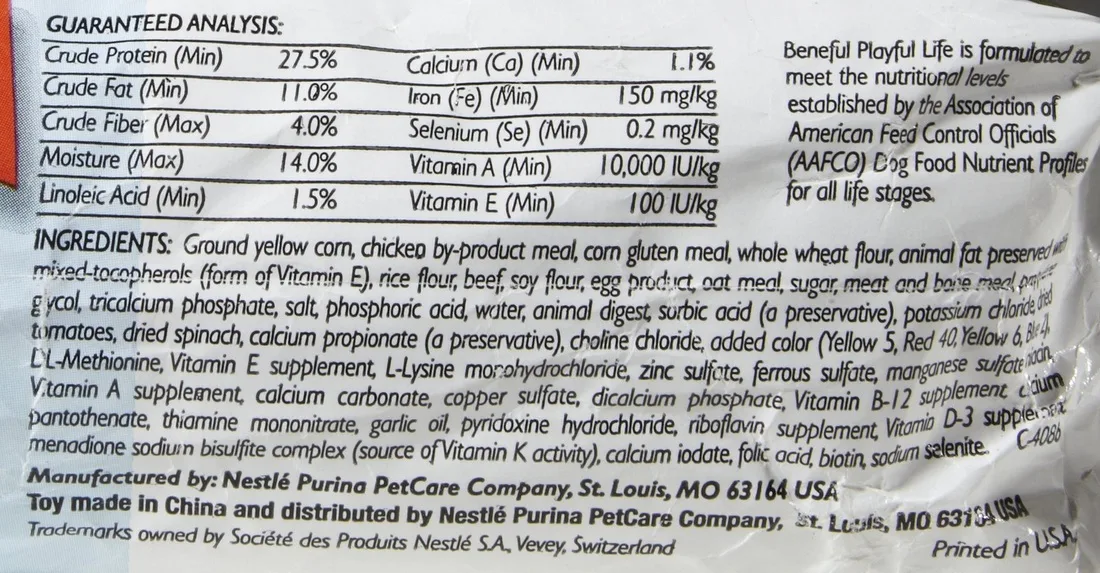
Image source: Bing (Web (fair-use with source credit))
When vets assess food, they prioritize specific nutrient profiles. This includes high moisture to support kidney and bladder health. Protein should come from a named animal source like chicken or turkey.
Taurine must be listed as an additive, as it's essential for heart and vision health. You also want to keep phosphorus levels moderate, especially as your cat ages.
Reading the Guaranteed Analysis
The guaranteed analysis only shows minimums and maximums, not the actual amounts. For example, a food might say "crude protein minimum 11%," but that's a floor, not the real number. Vets will tell you to look at the full nutritional profile if possible.
You're also looking for a calorie statement. It will read something like "3050 kcal/kg." This tells you the energy density.
The Role of the "Life Stage" Label
- "Growth" (for kittens): Higher in protein, fat, and calcium.
- "Adult Maintenance": Balanced for the average adult.
- "All Life Stages": Formulated to pass tests for both labels.
- "Adeult" (misspelling is a red flag): Throw it out.
Vets usually recommend "Adult Maintenance" unless there's a medical reason. You aren't feeding "all life stages" unless you have a very hungry kitten or a nursing mom. You might not think about the difference between these labels, but it's a good thing to know.
Wellness Canned Cat Food Lines, Decoded
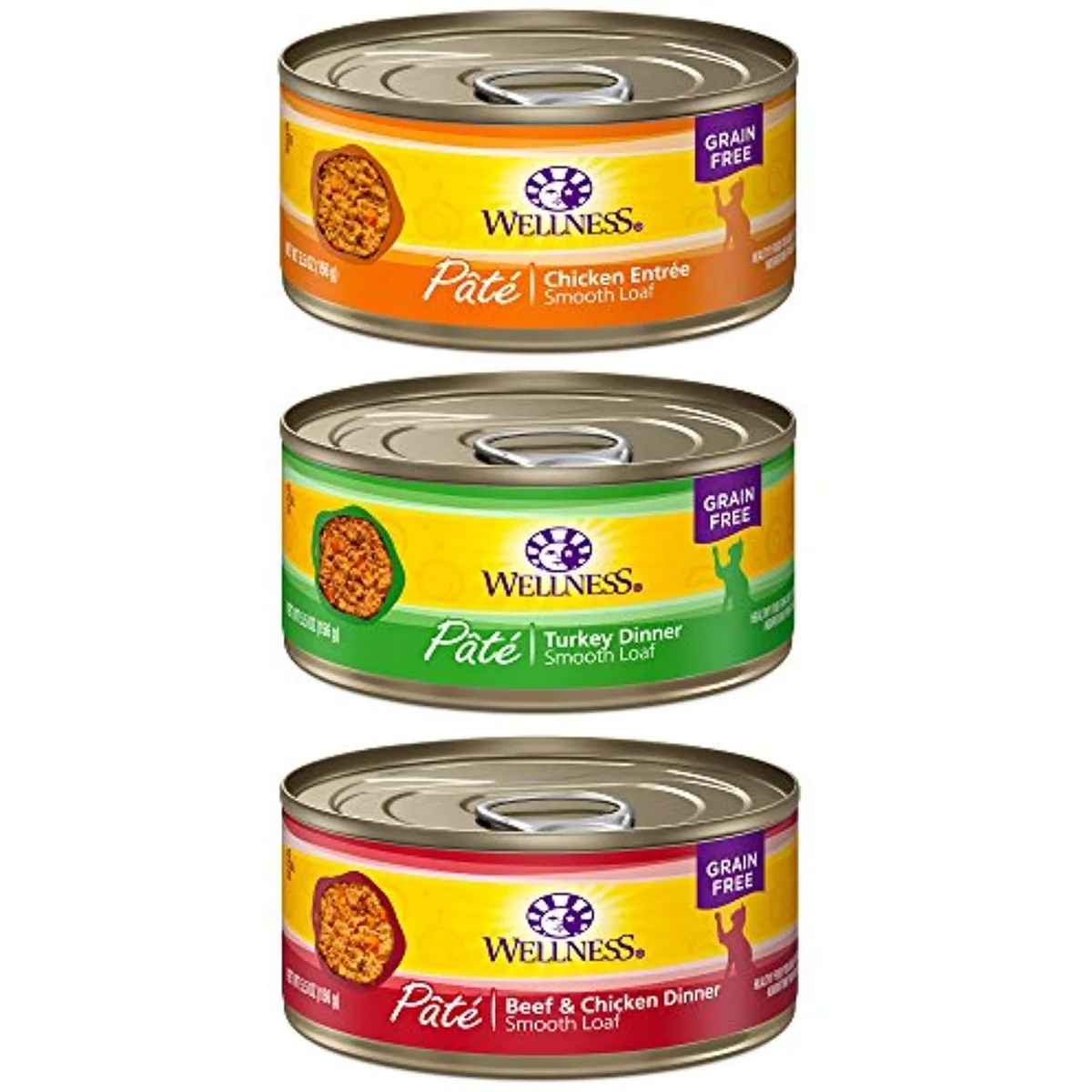
Image source: Bing (Web (fair-use with source credit))
This brand offers three primary wet food lines. Each is designed for different dietary needs. You need to know which one you're holding before you open a can.
Wellness CORE
This line is about low-carb and high-protein. It's great for cats needing muscle maintenance or those on a grain-free diet. It has a protein-rich purée and is nearly free of carbohydrates.
However, it can be too rich for a cat with a sensitive stomach. If your cat tends to vomit foam on an empty stomach, you might need a breakdown.
Wellness Complete Health
This is the most balanced of the three. It's designed for everyday feeding and includes a variety of formulas. Think about it as the middle ground.
It has moderate protein, healthy grains, and plenty of moisture. Vets often recommend this for picky eaters or adults with normal digestion. It's your safe bet.
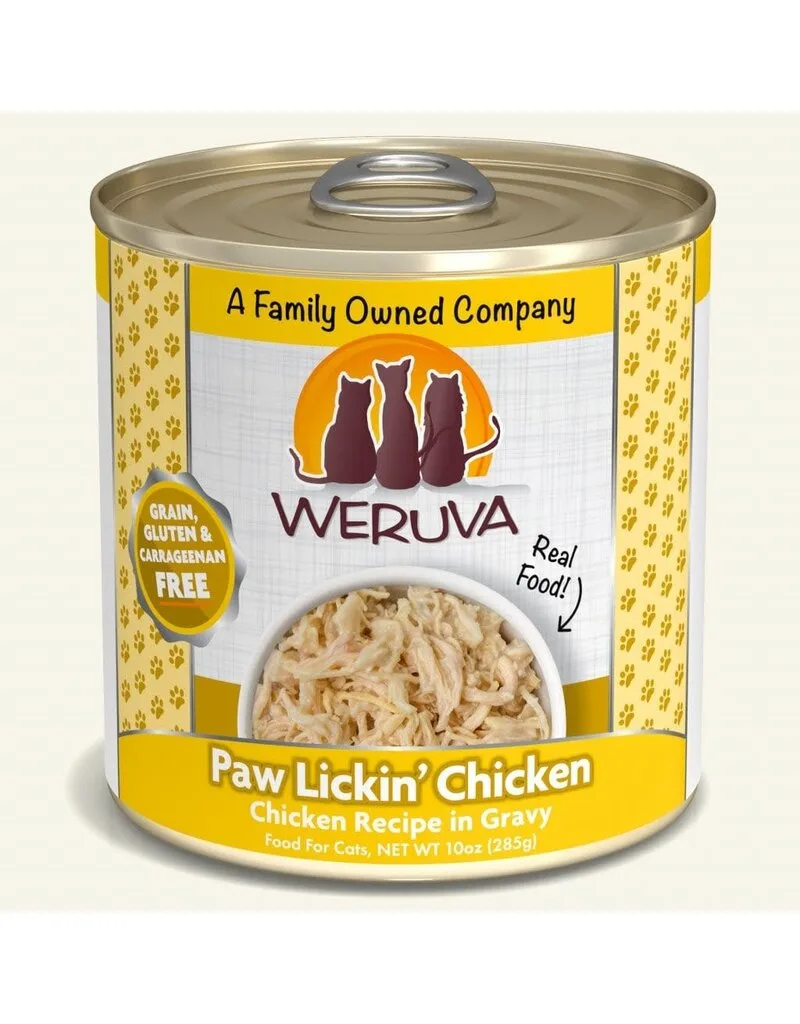
Wellness 95% (and 94%)
These are high-protein purées with minimal ingredients. They are meant as a topper or treat. This is critical: they are not complete diets. Feeding only this will lead to taurine deficiency over time. The ingredients are simple, but they aren't balanced.
If you're giving the 95% line, you need to mix it with a complete food or a veterinary supplement.
Here is a quick breakdown of how they compare:
| Line | Protein Level | Key Feature | Calorie Density |
|---|---|---|---|
| CORE | High | Low-carb, grain-free | Higher |
| Complete Health | Moderate | Balanced, for daily feeding | Medium |
| 95%/94% | High | Topper, not a complete meal | Variable |
Feeding the Right Formula for Your Cat's Specific Condition
You'll often find vet recommendations are based on your cat's health category. Let's use an if-then logic to help you decide.
- If your cat is a picky eater that turns its nose up at everything: choose Complete Health. It has a smoother texture and a stronger aroma. Try the Chicken & Whitefish flavor. Many finicky cats go for it.
- If your cat needs help losing weight: choose CORE. It's lower in carbohydrates. You can feed CORE to a normal-weight cat but you have to measure the portions. Look for the weight management version.
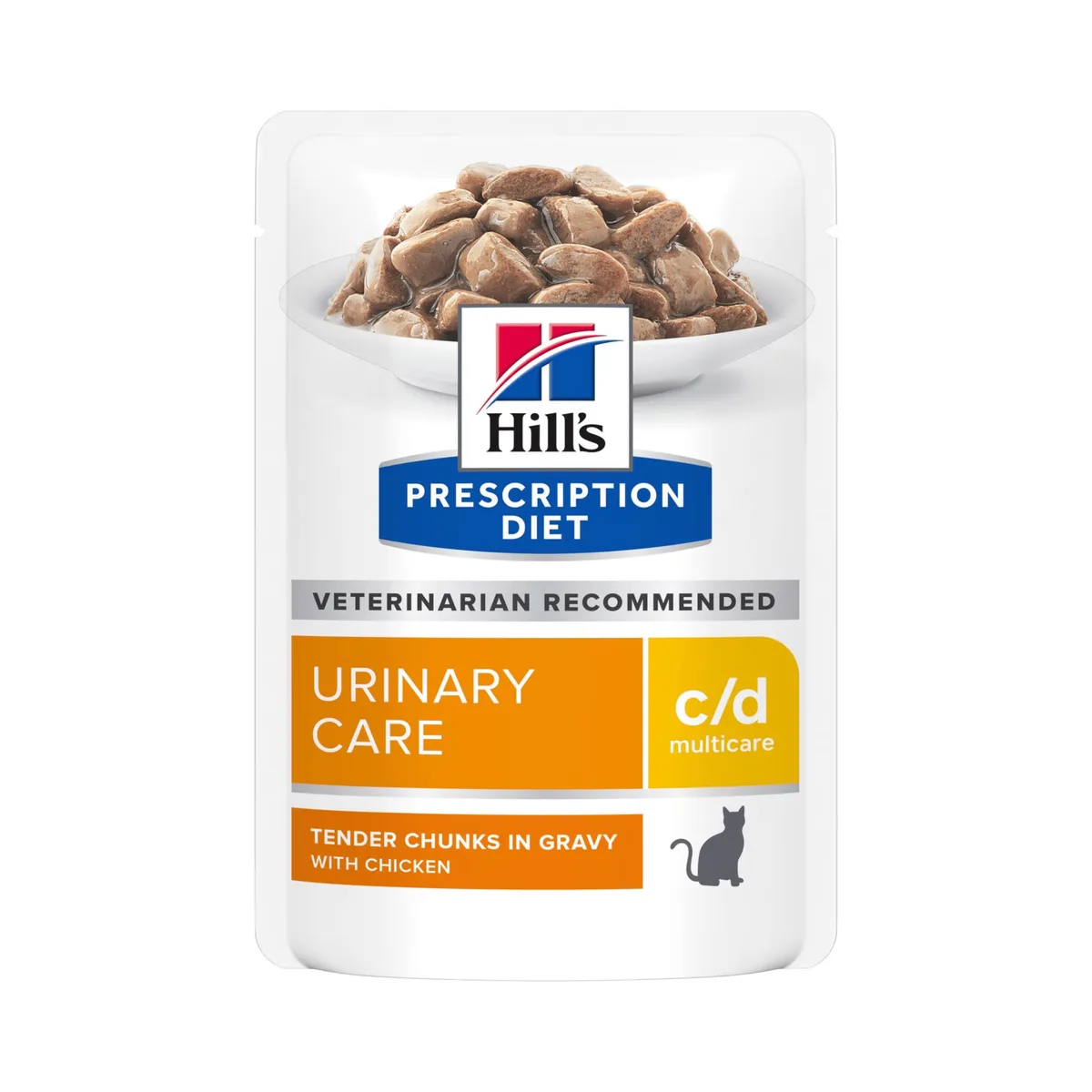
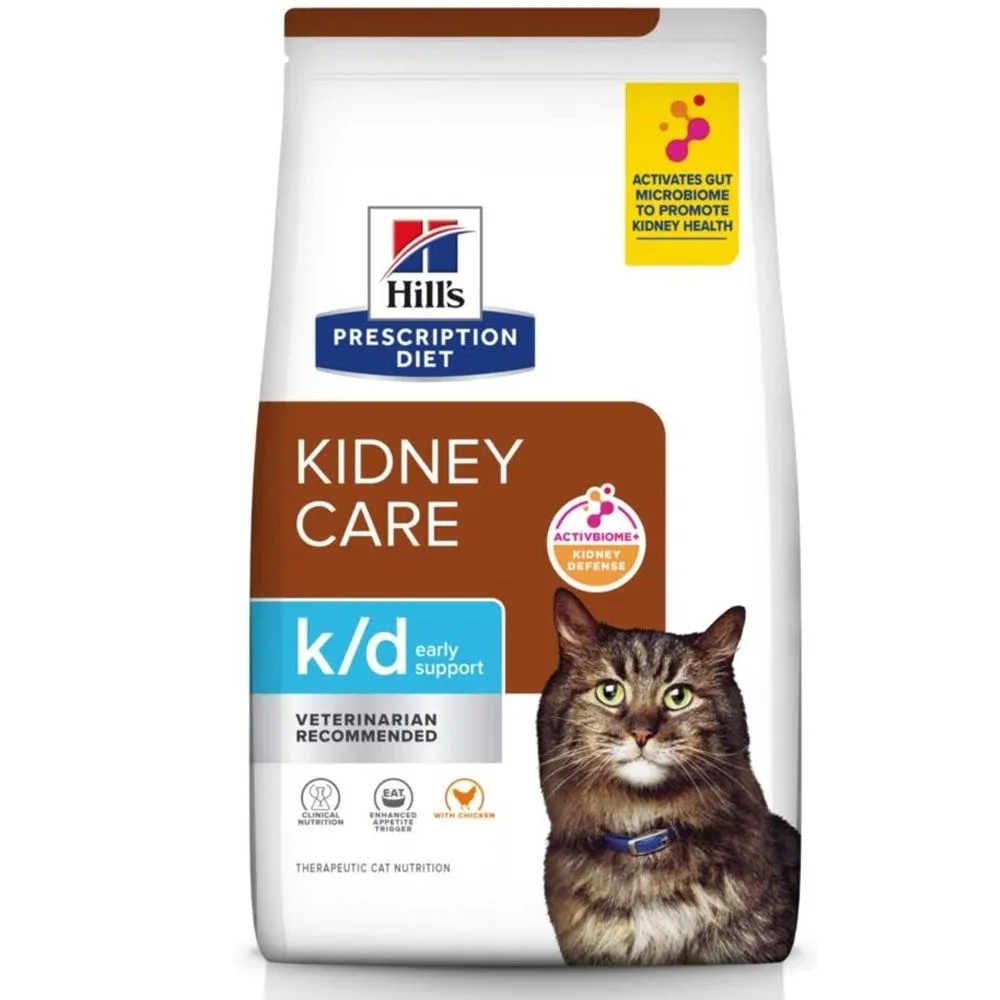
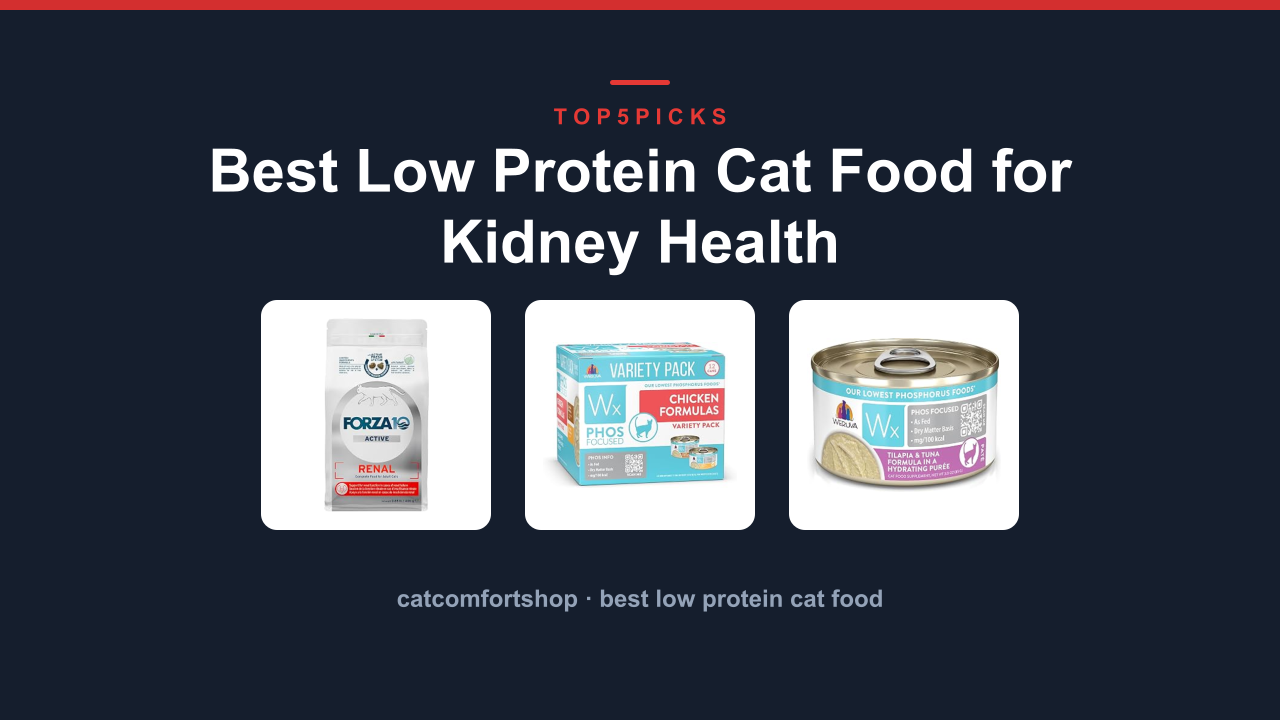
- If your cat has chronic kidney disease (CKD):STOP. Do not just switch to Wellness. You need a vet to suggest a food like Hill's k/d or Royal Canin Renal. CORE is too high in protein and phosphorus for a CKD cat. The Vita.?? Consult first.
- If your cat is a diabetic: ask your vet about the carbohydrate content. The CORE line is low-carb, which some consider diabetes-friendly. However, you might be better off with a specific veterinary formula.
- If your cat is a senior (over 10 years old): look at the phosphorus content. Aged cats need low phosphorus, but CORE is high. Complete Health is generally a better choice for a healthier senior.
- If your cat has allergies to a specific protein source: check the label. Try the 94% single-protein CORE. This can be helpful for a food trial, but you must tell your vet first.
The takeaway is simple. Match the formula to the medical need. Never just pick one for a treat.
How to Switch Your Cat to Wellness Canned Food (Without the Mess)
Once you've selected the right formula, don't dump it in the bowl overnight. That digestive miracle isn't going to happen. A sudden switch causes vomiting and diarrhea in most cats.
You need to do this gradually, over 7 to 10 days.
Here is a simple step-by-step for the transition:
- Day 1: Mix 25% new food with 75% old food.
- Day 2-3: Keep the same ratio. A slow start matters.
- Day 4: Mix 50% new and 50% old food.
- Day 5: Go to 75% new and 25% old.
- Day 6-7: Feed 100% new food. See how the stool holds up.
- Day 8-10: If you see zero changes in appetite, the switch is complete.
Your cat might still refuse the food on the first try. That's normal. Cats refuse new food because of texture and smell.
Warm the canned food in the microwave for 10-15 seconds (stir first) to release the aroma. Never leave cooked food out for more than 30 minutes. And remember, mix in a bit of warm water.
Canned food is 78% water, but adding a little more helps with urinary health.
Keep a watch on the litter box during the transition. Diarrhea or vomiting means you went too fast. Back off the ratio for a few days and try again.

Similar Posts