How Old Is Too Old to Spay a Cat?
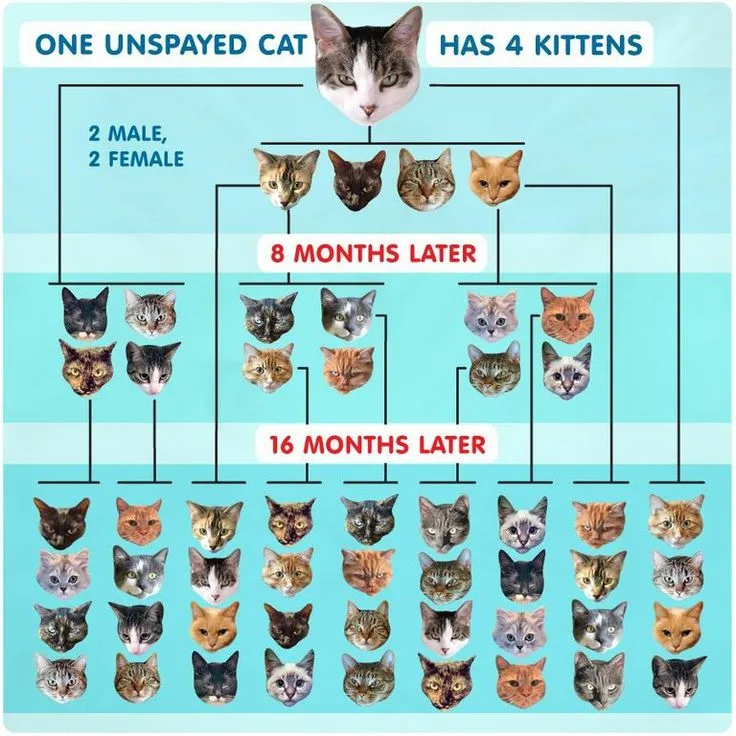
You’re looking at your unspayed adult cat and wondering if you’ve missed the window. The question “when is it too late to spay a cat” isn’t just about age, it’s about health, risk, and real-world timing. If you’ve been putting it off because she already had a litter or because she’s a senior, you’re not alone, and the answer isn’t a simple number.
The good news is that veterinary guidelines as of 2026 do not set a strict upper age limit. The American Animal Hospital Association recommends spaying before the first heat (around 5 to 6 months) for maximum health benefits, but many healthy adult and even senior cats can be safely spayed. The real cutoff is determined by a cat’s overall health, not the calendar.
Let’s walk through what that means for your cat and your decision.
Quick Answer
It is rarely too late to spay a cat if she is healthy. Vets assess age plus underlying conditions. An older cat can still be a safe surgical candidate.
The benefits of preventing pyometra and certain cancers remain significant. Work with your veterinarian to evaluate her specific risks.
Why This Question Matters More Than You Think
The emotional weight behind the worry
Most cat owners who ask this question are already a little anxious. They adopted a stray who turned out to be pregnant. They kept a cat from a relative who passed away.
They delayed spaying because of cost or because they thought “she’s fine as is.” That guilt or hesitation is normal, but it shouldn’t stop you from acting now.
What’s actually at stake
An unspayed female cat faces real health dangers that grow with time. The risk of pyometra, a life-threatening uterine infection, climbs to about 24 percent by age 10. Mammary cancer risk increases dramatically with each heat cycle.
Spaying at any point eliminates the uterine infection risk completely and reduces mammary tumor risk to varying degrees depending on timing.
The short answer with the necessary nuance
So is it too late? If your cat is healthy enough for anesthesia, the answer is no. A 2020 study in the Journal of the American Veterinary Medical Association reviewing spay outcomes in cats over 10 years old found that complication rates for elective spays were similar to younger cats when the cat had normal bloodwork and no major pre-existing conditions.
That’s a powerful data point.
Image source: Bing (Web (fair-use with source credit))
What “Too Late” Actually Means for a Cat’s Health
Age versus health status — the real deciding factors
Veterinary surgeons don’t think in terms of “your cat is 8 years old, so no.” They think in terms of “does this cat have heart disease, kidney dysfunction, or obesity that raises anesthetic risk?” The physical status classification system (ASA score) used by vets grades surgical risk from 1 (normal healthy) to 5 (moribund). A healthy 12-year-old cat may be an ASA 1 or 2, while a sick 4-year-old could be an ASA 3 or 4. Health is the gatekeeper, not age.
How heat cycles, pregnancy, and reproductive history change the equation
If your cat has already had several heat cycles or a litter, the mammary gland tissue has been exposed to more estrogen and progesterone. This increases her baseline risk for mammary tumors later in life. Spaying now still cuts that risk significantly, the reduction is about 11 percent if spayed after 2 years of age, compared to 91 percent if spayed before 6 months.
But that 11 percent reduction is still meaningful, especially compared to leaving an intact cat unspayed.
Pyometra risk and why timing matters
Pyometra is a bacterial infection of the uterus that can progress to sepsis within days. Older intact cats are at highest risk. Spaying eliminates the uterus entirely, so the infection cannot occur.
If your cat is already showing signs, lethargy, excessive drinking, vaginal discharge, she needs immediate emergency care, not a scheduled spay.
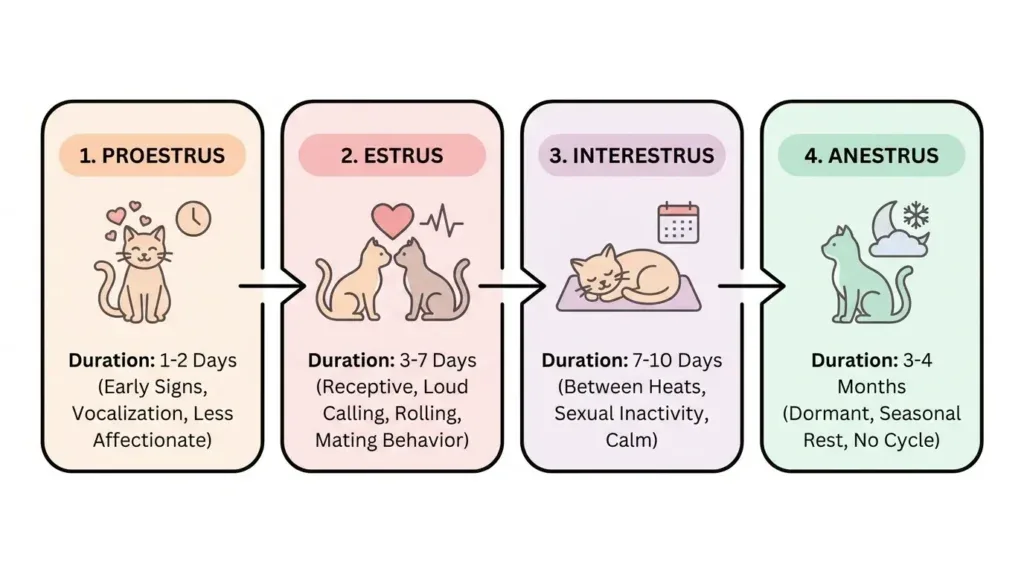
Image source: Bing (Web (fair-use with source credit))
The Risks You Absolutely Need to Know About
Anesthesia concerns in older and senior cats
Anesthesia is the biggest worry for owners of older cats. It is a valid concern. Cats over 10 years old have a slightly higher perianesthetic mortality rate than younger cats, but the absolute numbers remain low, around 0.2 percent for healthy seniors compared to 0.1 percent for young adults.
The key is tailoring the anesthetic protocol: avoiding certain drugs, using modern gas anesthetics, and monitoring vital signs closely throughout the procedure.
Weight, hidden illness, and surgical complications
Overweight cats carry more anesthetic risk because fat tissue stores anesthetic agents and can slow recovery. A cardiac murmur that hasn’t been detected yet can be a serious problem under anesthesia. That’s why pre-surgical bloodwork and a thorough physical exam are non-negotiable for any cat over 7 years old.
These tests screen for kidney disease, diabetes, thyroid issues, and heart abnormalities that could turn a routine spay into a dangerous event.
Recovery challenges in adult vs. kitten spays
Adult and senior cats do not bounce back as fast as kittens. Their tissues heal more slowly, and they may be less tolerant of pain. But with proper pain management and a quiet recovery space, most older cats are back to normal activities within 7 to 14 days.
The incision is the same size. The protocol is similar. The main difference is that older cats need slightly more careful monitoring for signs of infection or anesthetic hangover.
When a vet might say no — and why that is okay
A responsible veterinarian may recommend against spaying if pre-surgical tests reveal severe kidney disease, uncontrolled diabetes, or a heart condition that makes general anesthesia too risky. In that case, medical management becomes the safer path. This is not a failure.
It is the vet protecting your cat from a preventable adverse event.
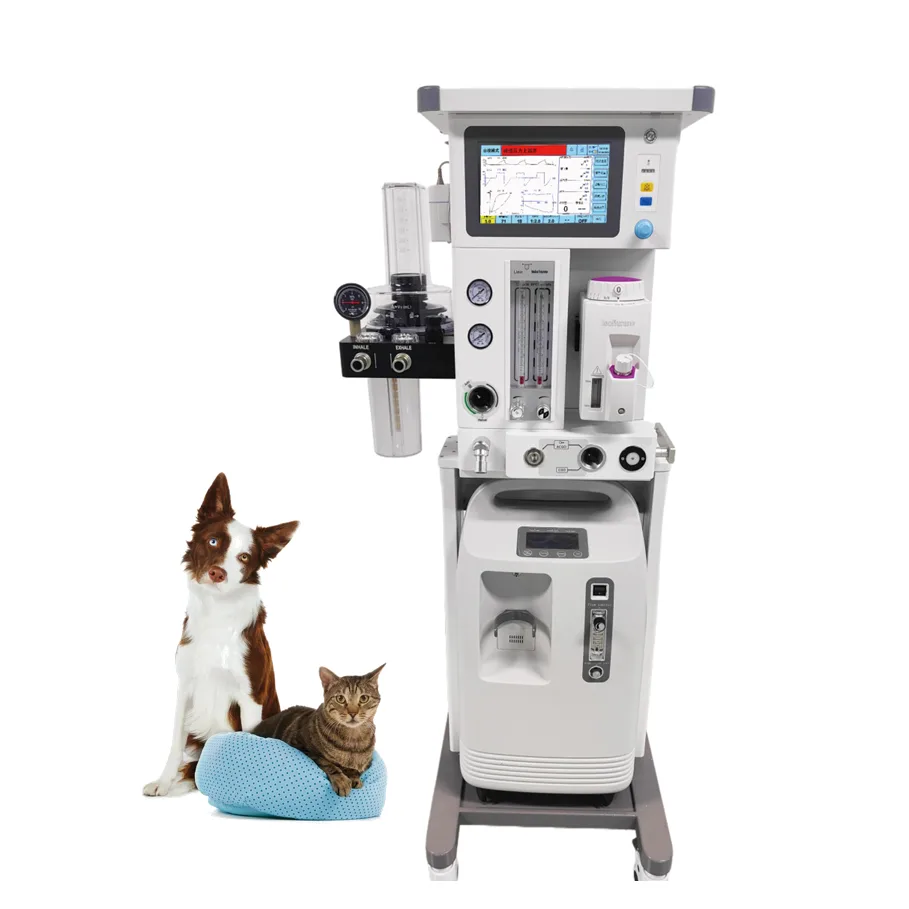
Image source: Bing (Web (fair-use with source credit))
The Real Benefits of Spaying Later (Yes, There Are Still Plenty)
Immediate elimination of pyometra risk
The most dramatic benefit is instant and total. Once the uterus is removed, pyometra is no longer possible. For a 9-year-old unspayed cat, that is a huge relief.
Pyometra surgery is far more dangerous and expensive than a routine spay.
Behavior improvements at any age
Heat cycles don’t get easier for older cats. They still yowl, urinate, spray, and try to escape. Spaying stops those hormone-driven behaviors permanently.
Even a senior cat who has been through dozens of heat cycles will stop cycling completely after spaying. No more blood on the floor. No more midnight screaming for a mate.
Life extension data from real veterinary studies
A 2019 retrospective study from the University of California, Davis found that spayed female cats live an average of 2 to 3 years longer than intact females, regardless of the age at spay. The biggest driver is the elimination of reproductive cancers and infections. That longevity benefit applies even to cats spayed after age 7, as long as they are healthy enough to undergo surgery.
Why “better late than never” is backed by science
It is easy to feel like you missed the boat. You haven’t. Every year a cat remains unspayed, her risk of pyometra goes up and her risk of mammary cancer climbs.
Spaying today halts that upward trajectory. The Veterinary Information Network recommends that any healthy intact queen over 6 months of age be spayed, regardless of previous litters or age, unless a specific medical contraindication exists. The evidence is clear: delaying isn’t ideal, but doing it now is far better than not doing it at all.
What the Spay Process Looks Like for an Older Cat
Pre-surgical bloodwork and physical exam
Before the surgery day, your vet will run a complete blood count and a chemistry panel. These tests check for anemia, infection, kidney function, liver enzymes, and glucose levels. A senior cat should also have a thyroid test and a urinalysis.
If any values fall outside normal ranges, the vet will discuss whether to proceed, delay, or cancel.
How vets adjust anesthesia protocols for age
Modern anesthesia for older cats routinely includes intravenous fluid support, a protective breathing tube, and a multi-modal pain plan. The anesthetic drug cocktail is chosen to minimize cardiovascular depression. Many vets use a protocol called “balanced anesthesia” that combines a low dose of injectable agents with gas isoflurane or sevoflurane.
This reduces the total drug burden on an aging body.
Recovery timeline and special care needs
Day one after surgery: your cat will be groggy and should stay in a quiet, confined space. No stairs, no jumping. Day two and three: she will be more alert but should still be restricted.
The incision site needs daily inspection for redness, swelling, or discharge. Most stitches come out at day 10 to 14. Pain medication is given for 3 to 5 days.
You may need to use an Elizabethan collar (cone) to prevent licking.
Post-surgical monitoring and warning signs
Call your vet if your cat stops eating for more than 24 hours, if she vomits repeatedly, or if the incision opens or oozes. Lethargy beyond day two can be a red flag. For an older cat, the first 48 hours are the most critical.
Keep your contact numbers handy and do not hesitate to ask questions. A good clinic will call you the next day to check in anyway.

Similar Posts