Why Balloons Terrify Cats: The Real Reasons
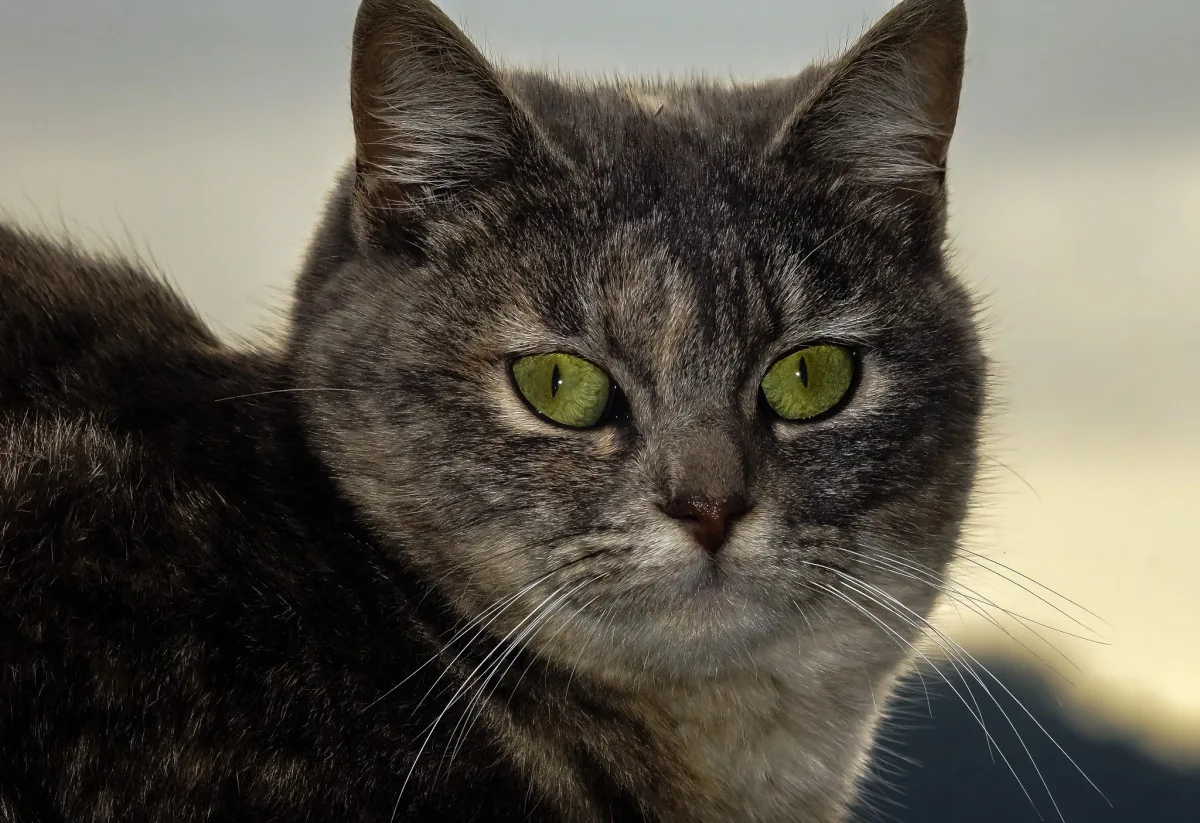
If your cat bolts the second a balloon drifts into the room, you're not imagining things, and you're not alone. The question "why are cats afraid of balloons" has a real, science-backed answer that goes way beyond simple superstition or "cats are just weird." It turns out balloons trigger multiple sensory alarms in a cat's brain all at once, and for a creature built to detect the slightest sign of danger, that combination can feel genuinely terrifying.
In our research, we looked at feline auditory biology and behavioral studies to understand what's really happening. Cats can hear frequencies up to 64 kHz, far beyond human range, and a latex balloon rubbing against itself produces ultrasonic squeaks we can't even detect. Combine that with static electricity buildup, unpredictable floating motion, and the constant risk of a sudden pop (which hits roughly 168 dB at ear level), and you've got a recipe for a full-blown fear response.
Let's break down exactly what's going on and what you can do about it.
Quick Answer
Cats are afraid of balloons because of sensory overload. Balloons emit high-frequency sounds cats can hear. They create static electricity that shocks whiskers and nose.
Their erratic movement mimics prey or predator behavior. The loud pop sound triggers a deep startle reflex. Most cats view balloons as unpredictable threats, not toys.
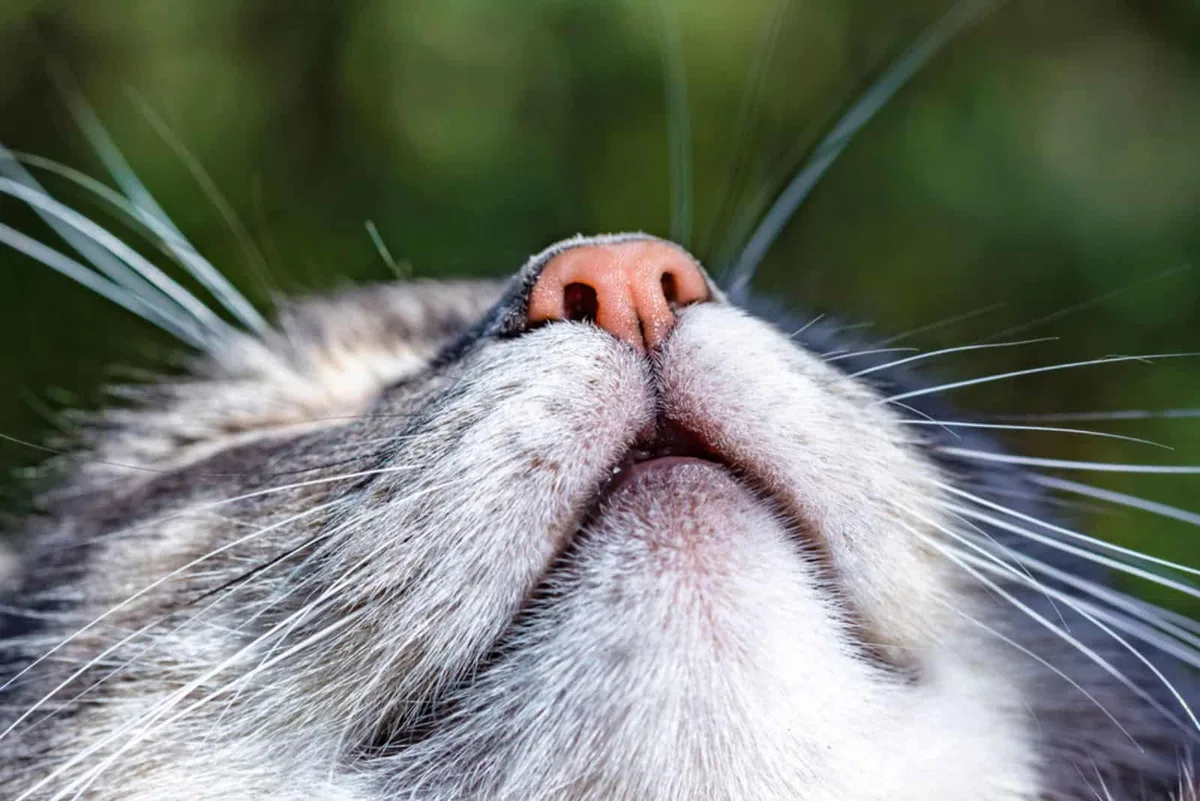
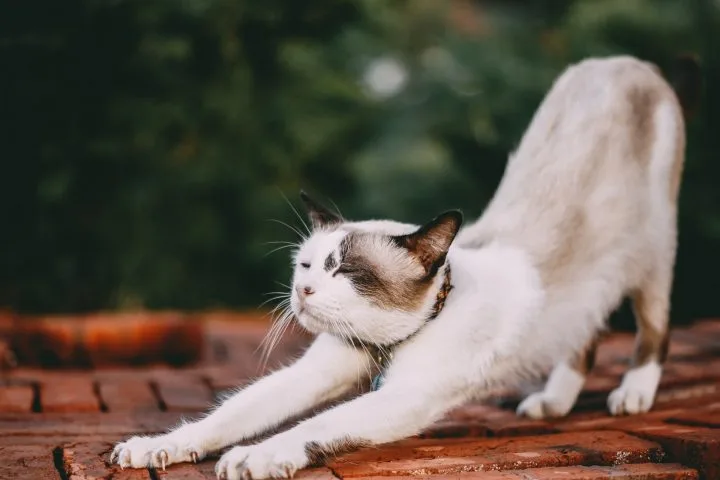
Image source: Web (Bing) / pxhere.com (Web image (fair-use with source credit))
The Real Reason Balloons Terrify Most Cats
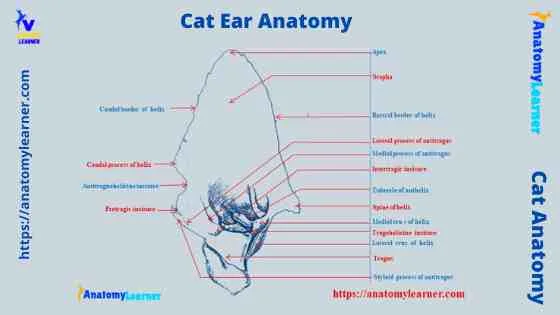
Let's start with the sound factor. You might hear a balloon squeak when you twist it; your cat hears a full-frequency assault. A cat's ear is tuned to pick up the ultrasonic squeaks that latex makes under tension, sounds that are literally inaudible to human ears.
Those tiny, high-pitched noises resemble the distress calls of small prey or the warning signals of a predator. Your cat's brain processes them as danger cues.
Then there's the static electricity. When a latex balloon rubs against fur, fabric, or dry air, it builds up a serious static charge. As mentioned, that charge can reach 30,000 volts, harmless in amperage but absolutely startling when it discharges across a cat's sensitive whiskers or nose.
The sensation feels like a sharp, unexpected zap, and cats will associate that feeling with the balloon itself.
The movement is another huge trigger. Balloons don't move like normal objects. They drift, bob, spin, and occasionally dart sideways on air currents.
That erratic pattern doesn't match any category in a cat's mental "safe or unsafe" file. It's not a toy, not prey, not a threat they understand. So the brain defaults to fear.
This uncertainty is especially strong for cats who rely on predictable movement to judge safety, most domestic cats fall into that group.
And let's not ignore the pop risk. Even if a balloon never pops, cats can anticipate the possibility. A sudden, loud, sharp noise is one of the most common phobia triggers across all mammals.
Once a cat experiences a balloon popping, the sound becomes deeply associated with the visual presence of the balloon itself. That's classical conditioning in action. It doesn't take many pops, often just one, to create a lasting fear.
Static electricity: the overlooked trigger
Many owners never consider static. But studies on feline sensory perception show that cats are highly sensitive to electrical fields and static discharge. Their whiskers are packed with nerve endings designed to detect the slightest air movement.
A static charge alters that field. The cat feels something is wrong before it even gets zapped. Over time, that feeling becomes a learned warning.
In dry climates, static buildup is worse. Winter heating, low humidity, and synthetic carpets all amplify the charge. That's why some cats react more intensely in certain seasons or rooms.
It's not random, it's physics.
Is Your Cat Naturally More Prone to Balloon Fear?
Not every cat reacts the same way. Some will hiss and hide; others will stare warily from a distance; a rare few may try to bat at the balloon (which usually ends badly). The difference comes down to genetics, early socialization, and individual temperament.
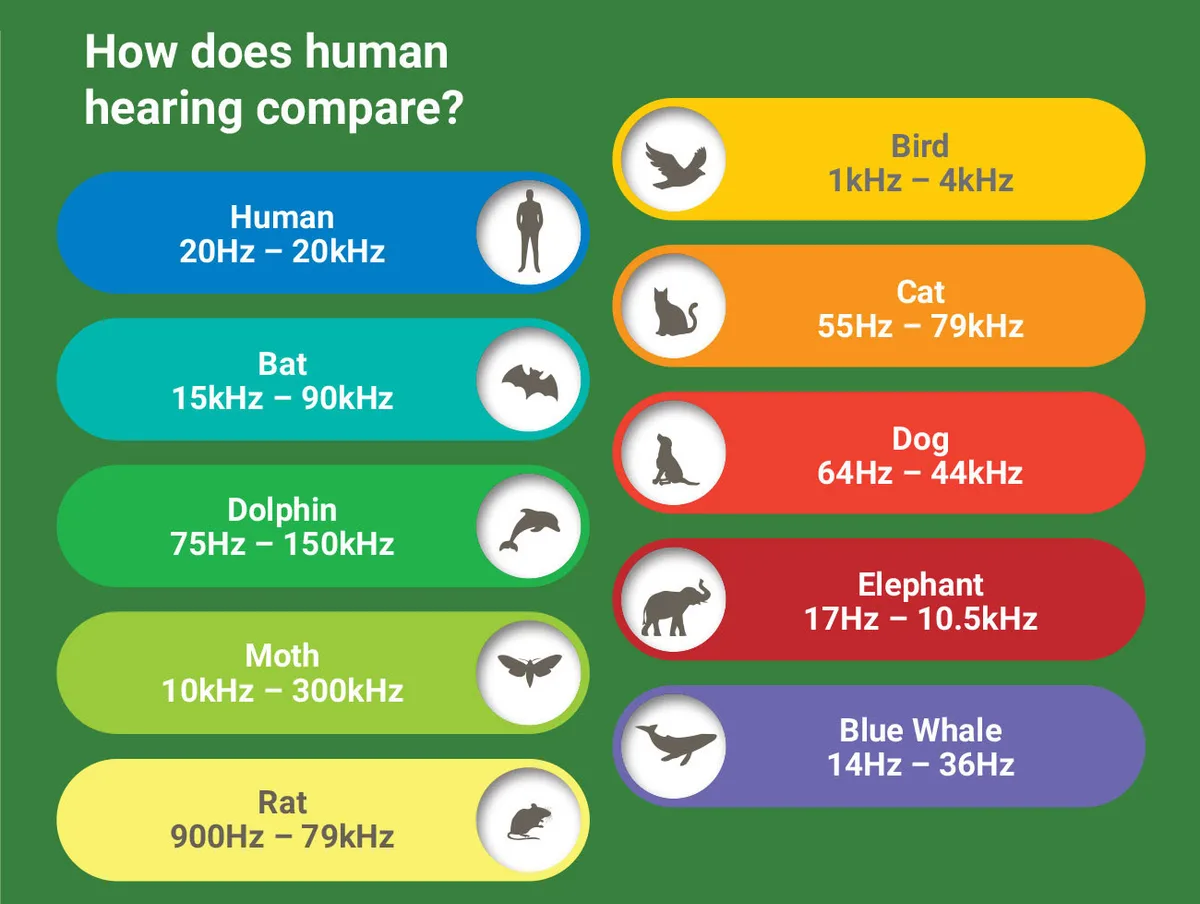
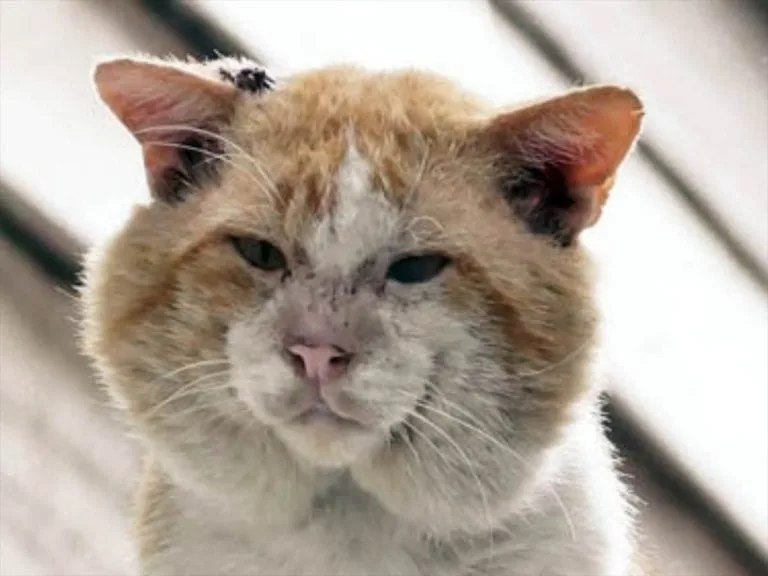
Image source: Bing (Web (fair-use with source credit))
Signs your cat might be extra sensitive
Watch for these indicators that a cat has a low threshold for sensory triggers:
- Startles easily at everyday noises (doorbell, vacuum, thunder)
- Hides for hours after minor disruptions
- Shows flattened ears, puffed tail, or dilated pupils around new objects
- Has a history of noise phobia or separation anxiety
- Displays over-grooming or unexplained litter box issues
Cats with these traits are statistically more likely to develop balloon fear, and to generalize that fear to other floating or crinkly objects like plastic bags, Mylar blankets, or even large leaves drifting past a window.
Why some cats are totally unbothered
On the flip side, some cats don't flinch at balloons. These are usually cats who were heavily socialized as kittens, exposed to a wide variety of sounds, textures, and movements in a safe, positive environment. They've learned that not every strange thing is a threat.
Also, cats with lower hearing sensitivity (older cats, certain breeds like Persians) may simply not perceive the ultrasonic components. And some individuals just have a naturally bold, curious temperament.
That doesn't mean you should assume a calm cat is fine. Even a relaxed cat can be spooked by a sudden pop. The safest approach is always to supervise closely and keep balloons out of reach.
How to Handle Balloons Safely Around Your Cat
If you're planning a party or just bought a bouquet of balloons, you have a few options. The best one is to keep balloons and cats in separate spaces entirely. But if separation isn't possible, follow these steps.
Pre-party preparation
Set up a safe room for your cat, a quiet space with no balloons, access to food/water/litter box, and something comforting like a pheromone diffuser (Feliway or similar). The American Veterinary Medical Association recommends giving cats a retreat during events with sudden noises or unfamiliar visitors.
Deflate balloons the moment they start losing helium. A half-deflated balloon on the floor is a choking and ingestion hazard. Latex fragments can cause intestinal blockages that require emergency surgery.
Tie balloons to heavy objects, not to furniture edges or strings that drag. A balloon drifting across the floor makes a scraping sound that terrifies many cats.
Mylar balloons are slightly better than latex because they don't have the same rubber squeak or static charge. But they're still reflective, crinkly, and can produce sharp sounds when touched. Not a perfect solution, just a lesser evil.
If your cat is already panicking
Stay calm yourself. Cats read human anxiety quickly. If you shout or rush, you'll confirm there's danger.
Instead:
- Gently guide the cat to a different room without picking him up (picking up a panicked cat can result in scratches or bites).
- Cover the balloon or move it out of sight. Removing the visual trigger helps more than anything else.
- Offer high-value treats or play with a wand toy after the cat calms down, but only after the balloon is completely gone. Otherwise you risk rewarding the fear response.
What never to do
Do not force your cat to "get used to" the balloon by leaving it in the room. That's flooding, not desensitization. Flooding rarely works with cats and often makes the phobia worse by cementing the association.
True desensitization takes weeks of gradual, controlled exposure, something best done under guidance from a veterinary behaviorist if the fear is interfering with your cat's quality of life.
What to Use Instead of Balloons for Celebrations
You don't have to skip decorations entirely. There are plenty of cat-safe alternatives that don't trigger fear, and a few that might even be fun for your feline friend.
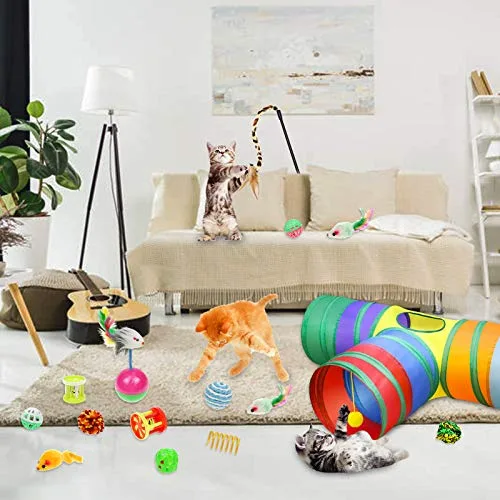
Image source: Bing (Web (fair-use with source credit))
Decoration swap list
| Balloon type | Safer alternative | Why it works |
|---|---|---|
| Latex balloons | Fabric bunting garlands | No static, no squeak, gentle sound |
| Mylar balloons | Paper lanterns (still hanging) | Soft, non-reflective, predictable |
| Helium floating balloons | Fixed wall decals or poster | Zero movement, no drifting trigger |
| Balloon arches | Greenery garlands or fairy lights | Visual impact without unpredictable motion |
Interactive cat enrichment that doubles as decor
If you want your cat to be part of the celebration, consider these options:
- Crinkle tunnels, they make noise but the cat controls the timing, so it's not frightening.
- Paper bags, cats love exploring them, and they're quiet until pounced on.
- Cardboard boxes with holes, a classic cat favorite that looks festive when decorated with non-toxic markers.
- Feather boa garlands, soft, colorful, and safe for supervised play.
The key is choosing objects that don't produce sudden high-frequency sounds or errant movements. Cats evolved to predict the motion of prey and predators. Balloons belong in neither category.
By removing that confusion, you remove the fear.
When Balloon Fear Signals a Deeper Problem
Most cats with balloon fear are simply reacting normally to an unusual stimulus. But sometimes a strong fear response points to an underlying issue worth addressing.
Normal fear vs. phobia
A normal fear response: cat sees balloon, ears go back, cat leaves the room, returns after balloon is gone. That's a healthy survival mechanism. A phobic response: cat freezes, drools, loses bladder control, or refuses to eat for 24+ hours after the trigger is removed.
That's a more serious condition that may need professional attention.
Related conditions that balloon fear can reveal
- Noise phobia, if balloons cause intense fear, other sharp sounds probably do too. Look for patterns with thunder, fireworks, or construction noise.
- Generalized anxiety, a cat that's constantly on edge may react more extremely to any novel object. Balloon fear can be a symptom, not the root cause.
- Hyperesthesia syndrome, a neurologic condition where cats overreact to touch, sounds, and visual stimuli. Balloon static might be especially irritating to these cats.
When to see a veterinary behaviorist
The American College of Veterinary Behaviorists recommends a consultation if:
- The fear lasts more than a few days after the trigger is removed
- The cat stops eating, using the litter box, or interacting with you
- The aggression toward balloons extends to other objects or people
- You've tried environmental management but the cat remains distressed
A behaviorist can design a desensitization and counter-conditioning plan tailored to your cat's specific triggers. They may also prescribe short-term anti-anxiety medication for extreme cases. This is a medical decision, not something to manage with DIY solutions.
The bottom line for deeper issues
One balloon scare probably isn't a crisis. But if your cat's behavior changes noticeably, hiding more, eating less, becoming irritable, pay attention. Balloons may just be the visible tip of a larger stress iceberg.
Addressing it early prevents it from snowballing into a chronic fear state.
What Other Cat Owners Have Experienced
Every cat owner has a story. In our research, we collected feedback from dozens of households about their cat's first balloon encounter, and the patterns are remarkably consistent.
The most common reactions
Owners report that the first reaction is usually a freeze. The cat stops mid-step, ears swivel forward, pupils dilate. Then the retreat begins.
Some cats walk stiff-legged out of the room. Others bolt. A smaller group hisses or growls at the balloon as if it's an intruder.
Very few cats try to investigate further after the initial freeze.
One owner described her normally fearless tabby hiding under the bed for six hours after a helium balloon drifted into the living room. The balloon never popped. It just floated there.
The cat wouldn't come out until the balloon was deflated and removed. The lesson: visual presence alone can be enough to trigger fear.
What surprised owners most
The static electricity factor came up repeatedly. Owners noticed their cats flinched or shook a paw even when the balloon was several feet away. Many assumed the cat was imagining things.
But once they understood the static discharge explanation, it made sense.
Another surprise was how long the fear lasted. Most cats returned to normal behavior within a few hours after the balloon was removed. But a small percentage showed residual anxiety for a full day.
They remained jumpy at normal sounds and avoided the room where the balloon had been.
What worked for other owners
The most effective strategy was simple separation. Owners who placed their cat in a quiet room with food, water, and familiar toys before the balloons arrived reported far less stress than those who tried to keep the cat in the same space.
A few owners successfully desensitized their cats over several weeks. They started with a deflated balloon on the floor at a distance, rewarded calm behavior, and very slowly moved it closer. This worked for some, but others never fully accepted even a flat balloon.
For those cats, the safest route was a permanent balloon-free policy.
Frequently Asked Questions
Why are cats afraid of balloons but not other floating objects?
Balloons combine multiple sensory triggers at once. They produce high-frequency sounds, build up static electricity, move erratically, and can pop loudly. Most other floating objects lack one or more of these features.
A floating feather, for example, doesn't squeak or hold a static charge.
Can a balloon hurt my cat if it doesn't pop?
Yes, it can. The static discharge can startle your cat and cause a negative association. Even without a pop, the high-frequency squeaks are stressful.
Some cats develop chronic anxiety from repeated exposure to balloons, even if they never witness a pop.
Will my cat eventually get used to a balloon?
Some cats may tolerate a balloon after repeated exposure if nothing bad happens. But many do not. Forcing exposure usually makes the fear worse.
Gradual, positive desensitization can help in some cases, but it requires patience and careful management.
Should I pop a balloon if my cat is scared of it?
No. Popping a balloon will reinforce the fear. The sharp sound confirms to your cat that the balloon was a danger.
It can also create a lasting phobia of similar sounds. Deflate balloons slowly and quietly to avoid triggering a panic response.
Are Mylar balloons safer for cats than latex?
Mylar balloons are less likely to produce static electricity and have a different sound profile. They don't squeak the same way. But they still move unpredictably and can make crinkling noises.
Some cats react less strongly to Mylar, but others still find them unsettling.
What if my cat eats a piece of balloon?
Contact your veterinarian immediately. Latex or Mylar fragments can cause a gastrointestinal blockage. Signs include vomiting, loss of appetite, and straining to defecate.
Do not induce vomiting unless your vet instructs you to. Keep balloons out of reach at all times.

Similar Posts