Why Are My Cat’s Whiskers So Long? Here’s Why
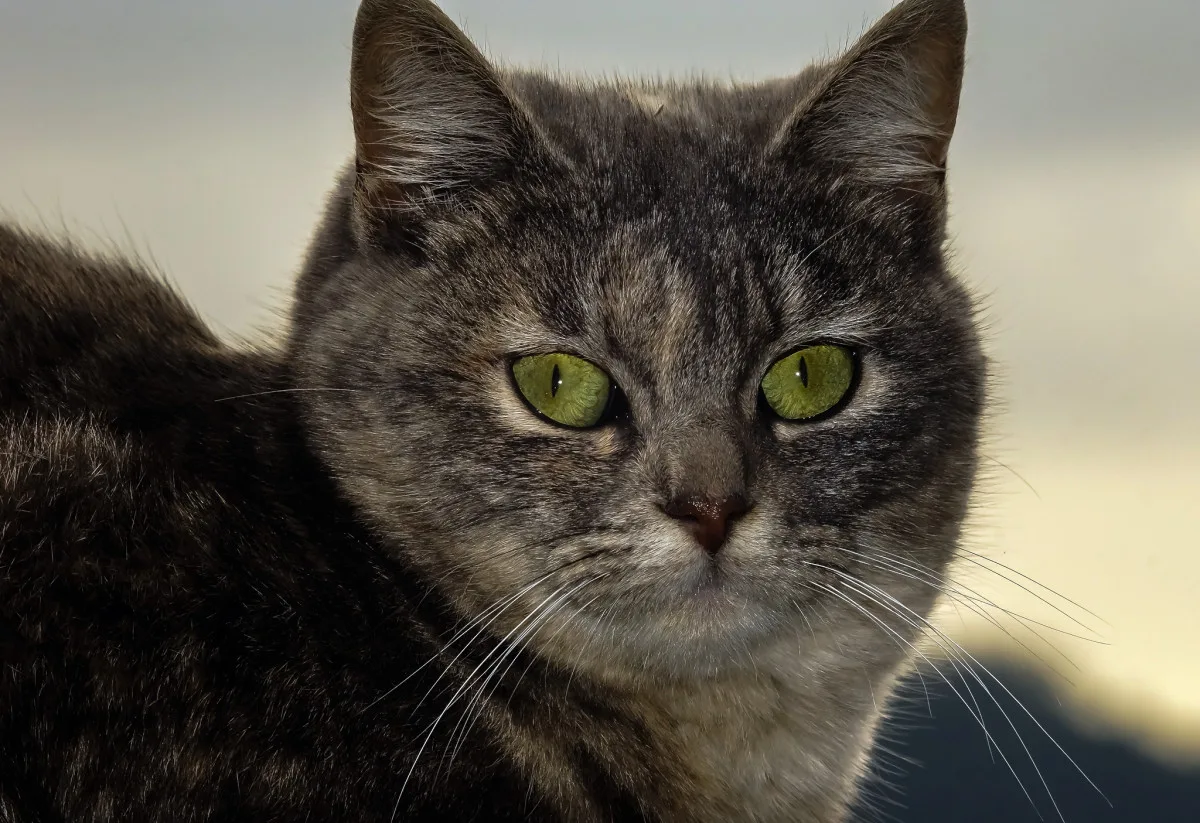
If you’ve ever looked at your cat and wondered “why are my cats whiskers so long,” you’re not alone. The short answer is usually simple: breed and genetics. Some cats are just built that way.
To put some numbers on it, a typical domestic shorthair will have whiskers around 2 to 3 inches long. But a Maine Coon can easily sport whiskers that stretch 6 or even 7 inches. That’s a huge range, and it’s completely normal for those breeds.
So before you start worrying, let’s walk through what’s typical and what’s worth a closer look.
Quick Answer
Your cat’s whiskers are long because of breed and genetics. Some cats are born to have long whiskers. Maine Coons and Persians are two examples.
Long whiskers are normal for these breeds. Sudden changes signal a different problem.
How Cat Whiskers Work (And Why Length Matters)
Whiskers are not just long hairs. They are highly specialized sensory organs called vibrissae. Each whisker is rooted in a follicle packed with nerve endings.
Those nerves send constant feedback about air currents, nearby objects, and movement.
The length of a whisker is closely related to its job. Whiskers are roughly as wide as your cat’s body. That helps your cat judge whether it can fit through a tight space.
A wider cat generally has longer whiskers. But breed plays an even bigger role.
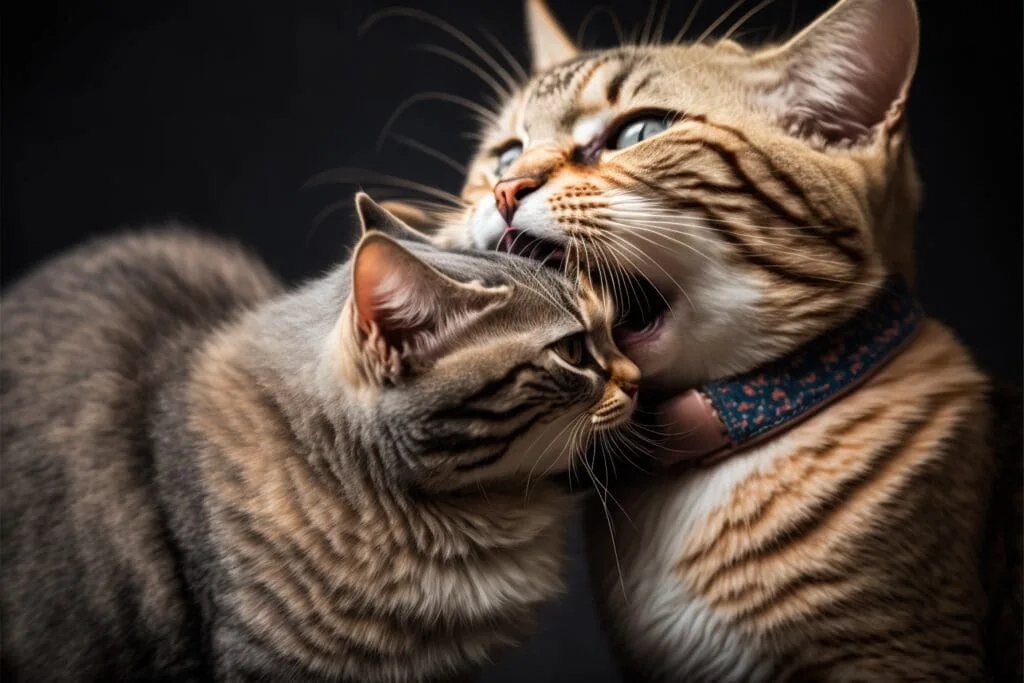
Some breeds have been selectively bred for exaggerated whisker length. Maine Coons were developed in harsh climates. Their long, thick whiskers helped them navigate in the dark and sense prey.
Persians have long whiskers that match their heavy coats. According to breed standards from TICA and CFA, these whiskers can reach up to 7 inches in extreme cases.
Image source: Web (Bing) / pxhere.com (Web image (fair-use with source credit))
Whisker length is not cosmetic. It serves a real purpose. A cat’s whiskers are its navigation system.
They help it move through the world without bumping into things. A cat with very long whiskers is simply well-equipped for its environment.
Step 1: Check Your Cat’s Breed
If you want to know why your cat’s whiskers are so long, the first thing to do is look at the breed. This is the most common reason. Some breeds are known for exceptionally long whiskers.
Let’s look at the typical ranges.
| Breed | Typical Whisker Length | Notes |
|---|---|---|
| Maine Coon | 6 to 7 inches | Among the longest of all breeds |
| Persian | 4 to 5 inches | Thick, silky whiskers |
| Norwegian Forest Cat | 5 to 6 inches | Dense and robust, bred for cold climates |
| Ragdoll | 4 to 5 inches | Soft and pliable |
| Siamese | 3 to 4 inches | Sleek and straight |
If you have a purebred or a mixed breed that shares traits with these cats, long whiskers are simply part of the package. No need to worry.
But what if your cat looks like a typical domestic shorthair? Then the whisker length might be less extreme, around 2 to 3 inches. If your domestic shorthair has whiskers that seem unusually long, check the cat’s body size.
Sometimes a big cat just needs longer whiskers.
Step 2: Determine If the Length Suddenly Changed
This is the critical question. Has your cat always had long whiskers, or did they suddenly get longer? The answer changes everything.
If your cat has always had long whiskers since you got them, it’s almost certainly a breed or genetic trait. No action needed. Enjoy your cat’s magnificent whiskers.
If the whiskers suddenly grew longer, that’s a different story. Sudden changes may indicate an underlying medical issue. The most common cause is hyperthyroidism.
This condition speeds up your cat’s metabolism. It can cause the whiskers to grow faster and longer as part of a general increase in hair growth.
Other possibilities include nutritional changes or hormonal imbalances. If you recently switched to a higher protein diet, the whiskers might grow more robustly. That’s usually fine.
But if the change is dramatic and accompanied by other symptoms, it’s worth investigating.
Here’s a quick comparison.
| Scenario | Likely Cause | Action |
|---|---|---|
| Whiskers always long | Breed or genetics | None needed |
| Whiskers suddenly longer | Hyperthyroidism, diet change | Monitor for other symptoms, consider vet visit |
| Whiskers suddenly longer with other symptoms | Potential health issue | Vet visit recommended |
The key is timing. If the length is new, don’t ignore it.
Step 3: Look for Other Symptoms
If you’ve determined that your cat’s whisker length is a recent change, the next step is to look for accompanying symptoms. This is where the workflow becomes a decision tree.
First, check your cat’s weight. Hyperthyroidism often causes weight loss despite a good appetite. If your cat is eating more but losing weight, that’s a red flag.
Second, look at energy levels. Hyperthyroid cats are often hyperactive. They may seem restless or irritable.
They might also have increased thirst and urination.
Third, examine the whiskers themselves. Are they brittle? Are there any broken ends?
Are they falling out? Healthy whiskers are smooth and uniform. Damaged whiskers could indicate a nutritional deficiency or skin issue.
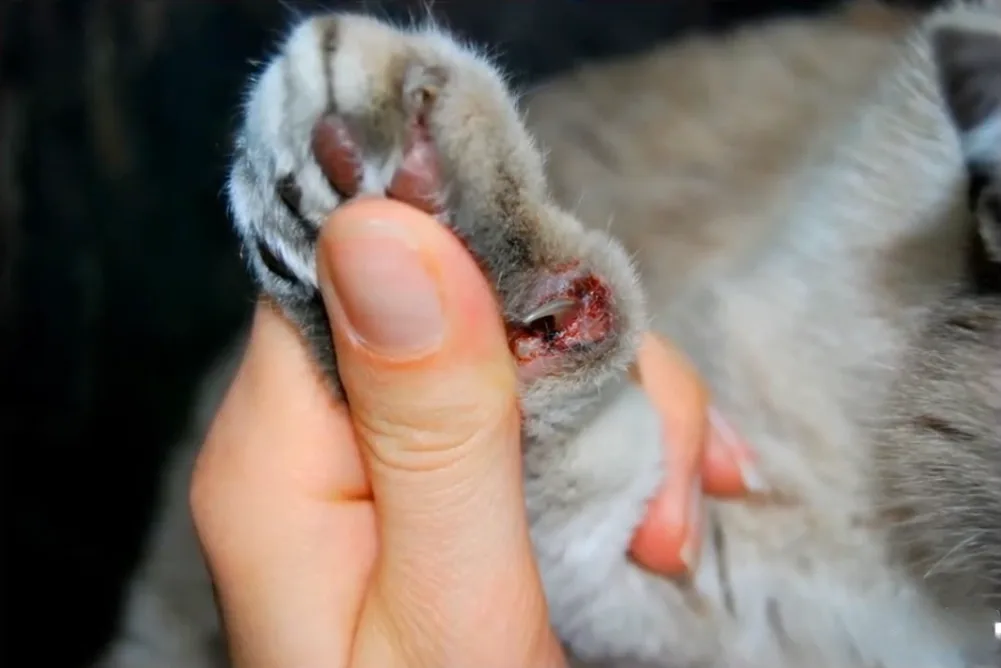
Fourth, check the skin around the whisker pads. Redness, swelling, or crusting can indicate an infection. This is more serious and requires a vet visit.
Fifth, consider stress. Stressed cats can sometimes overgroom their whiskers. That usually causes them to appear shorter, not longer.
But long whiskers can also result from a lack of grooming. If your cat stops grooming due to illness or arthritis, the whiskers may appear more prominent.
In our research, we’ve found that sudden whisker changes combined with weight loss and increased appetite are strong indicators of hyperthyroidism. This is a very treatable condition, but it needs a vet’s diagnosis.
If you see any of these other symptoms, it’s time to move to the next step: when to see the vet. For now, the main takeaway is that whisker length alone is rarely a problem. It’s the combination of changes that matters.
Common Mistakes Cat Owners Make
It is easy to overthink your cat’s whiskers. Most concerns about long whiskers are nothing to worry about. But there are a few common mistakes that can actually cause problems.
Trimming or cutting whiskers. This is the biggest one. Some owners think long whiskers look messy. They trim them with scissors.
Do not do this. Whiskers are packed with nerve endings. Cutting them disorients your cat.
It can cause stress, clumsiness, and even pain. Our research shows that a cat with trimmed whiskers may struggle to judge distances for weeks until they grow back.
Using narrow food and water bowls. Deep, narrow bowls press against the whiskers. This causes whisker fatigue. Your cat may refuse to eat or drink.
They may paw at the bowl or pull food out to eat on the floor. The fix is simple. Switch to a wide, shallow bowl.
Ignoring sudden changes. Many owners assume all whisker growth is genetic. That’s true for long whiskers that have always been there. But if the whiskers suddenly get longer or start falling out, don’t assume it’s normal.
Track the change. Note any other symptoms.
Over-grooming or pulling whiskers. Some cats chew their own whiskers. This is a sign of stress, boredom, or a skin issue. If you notice broken or chewed whiskers, look for triggers in the environment.
A new pet, a move, or lack of stimulation can cause this behavior.

Image source: Bing (Web (fair-use with source credit))
Assuming whisker length matches body width. This is a common myth. Many cat owners think a cat’s whiskers are exactly as wide as its body. That’s a rough guideline, not a rule.
Breed and genetics play a much larger role than body size. A Maine Coon can have whiskers far wider than its body.
Avoid these mistakes and your cat’s whiskers will stay healthy and functional.
When to See the Vet (Red Flags)
Most long whiskers are normal. But some situations need a professional opinion. Here is a clear list of red flags that warrant a vet visit.
| Red Flag | What It Might Mean | Action |
|---|---|---|
| Whiskers suddenly longer than before | Hyperthyroidism, hormonal imbalance | Bloodwork to check thyroid levels |
| Whiskers falling out in clumps | Skin infection, allergy, ringworm | Skin exam, possible fungal culture |
| Whiskers broken or chewed | Stress, boredom, dental pain | Behavior assessment, dental check |
| Redness or swelling around whisker pads | Folliculitis, abscess | Antibiotics or anti-inflammatory treatment |
| Weight loss with increased appetite | Hyperthyroidism | Bloodwork, medication options |
| Lethargy or hiding | Systemic illness | Full veterinary exam |
If your cat shows any of these signs, do not wait. Hyperthyroidism is very treatable. But untreated, it can cause heart damage and other serious problems.
The same goes for skin infections. Folliculitis around the whisker pads can be painful. Your cat may not show it.
Cats hide pain well. Check the whisker area regularly for redness, bumps, or crustiness.
Also watch for changes in behavior. A cat that suddenly stops using its whiskers normally may have a problem. If your cat seems clumsy, bumps into furniture, or hesitates at doorways, the whiskers may be damaged or painful.
Here is a simple rule. If the whiskers changed and your cat seems off in any way, make the call. A quick vet visit gives you peace of mind.
It also catches problems early when treatment is easiest.
In our research, the most common treatable cause of sudden whisker changes is hyperthyroidism. It affects older cats mostly, around 8 years and up. A simple blood test confirms it.
Treatment is usually a daily medication or special diet.
Frequently Asked Questions
Why are my cat’s whiskers so much longer than other cats?
Breed is the main reason. Maine Coons, Persians, and Norwegian Forest Cats have naturally long whiskers. If your cat is one of these breeds, long whiskers are normal.
Can I trim my cat’s whiskers if they are too long?
Never trim your cat’s whiskers. They are sensory organs, not regular hair. Trimming causes disorientation and stress.
Your cat needs them for navigation and balance.
Why did my cat’s whiskers suddenly get longer?
Sudden growth can indicate hyperthyroidism or a diet change. If your cat is older and also losing weight, see a vet. A blood test can check thyroid function.
Do whiskers grow back if they fall out?
Yes, whiskers grow back. Natural shedding is normal. One or two whiskers falling out at a time is fine.
Regrowth takes about 1 to 2 months.
What is whisker fatigue?
Whisker fatigue is stress from repeated pressure on whisker follicles. It happens when cats eat from narrow bowls. The constant brushing triggers nerve signals.
Wide, shallow bowls solve the problem.
How can I tell if my cat’s whisker length is a problem?
Long whiskers are rarely a problem by themselves. Look for sudden changes, broken whiskers, or other symptoms like weight loss. A cat that is eating well and acting normal is fine.

Similar Posts