The Surprising Reason Cats Fold Their Paws
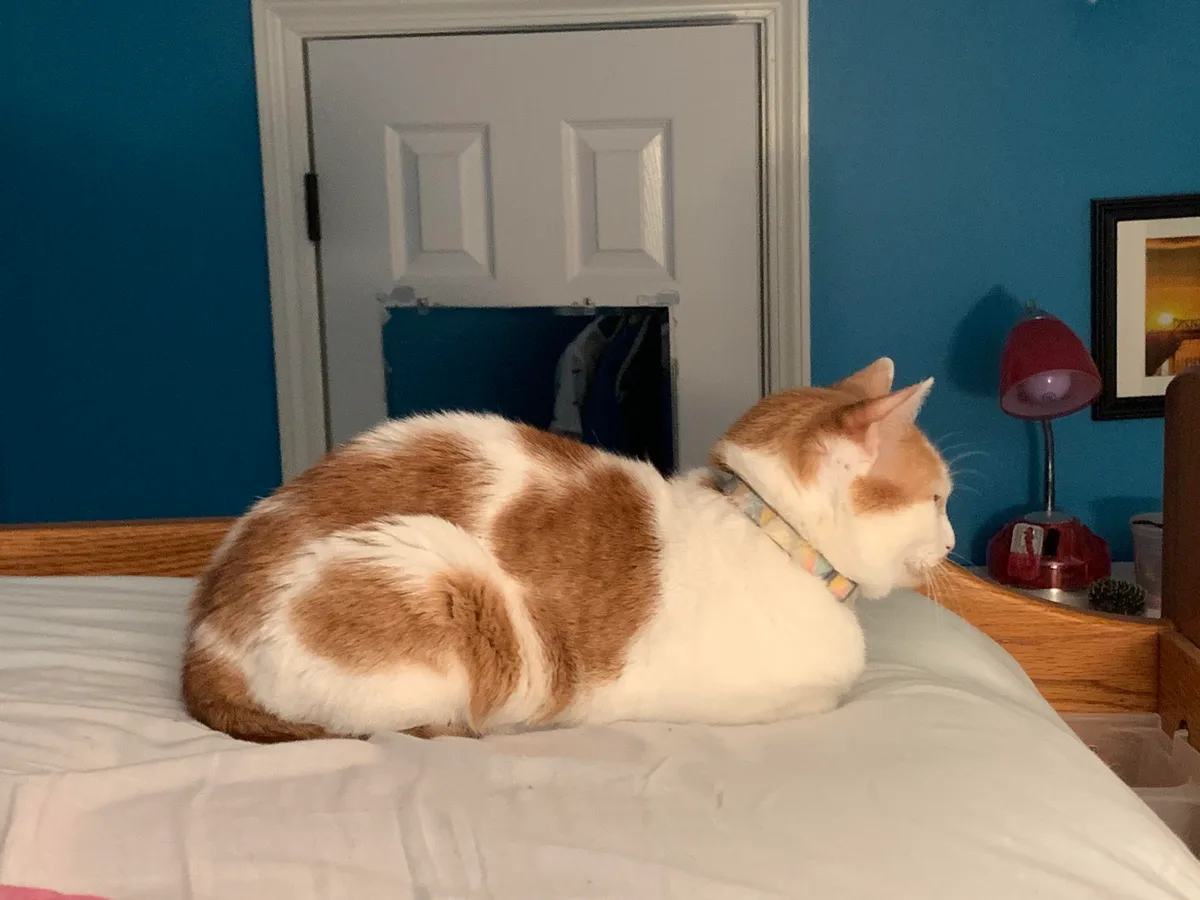
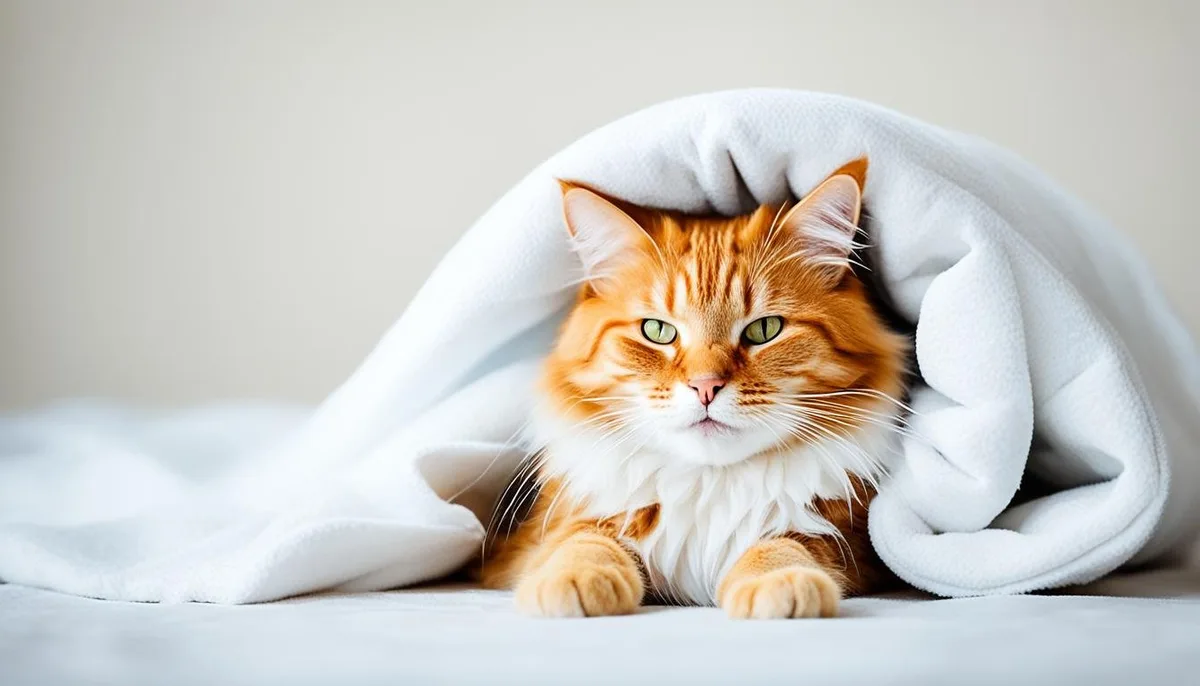
You've probably seen your cat do it a hundred times. They settle down, tuck all four paws neatly under their chest, and turn into what looks like a furry bread loaf. It's adorable, but if you've ever wondered "why do cats fold their paws," you're not alone.
The short answer is that this position, often called "loafing," is a sign your cat feels safe, comfortable, and is probably conserving body heat.
It's one of the most common resting postures in domestic cats. Research from veterinary behavior studies indicates that around 60 to 70 percent of cats adopt this position regularly, especially during cooler months or after meals. Understanding what drives this behavior helps you read your cat's mood and spot when something might be off.
So let's break down what's really happening when your cat turns into a loaf.
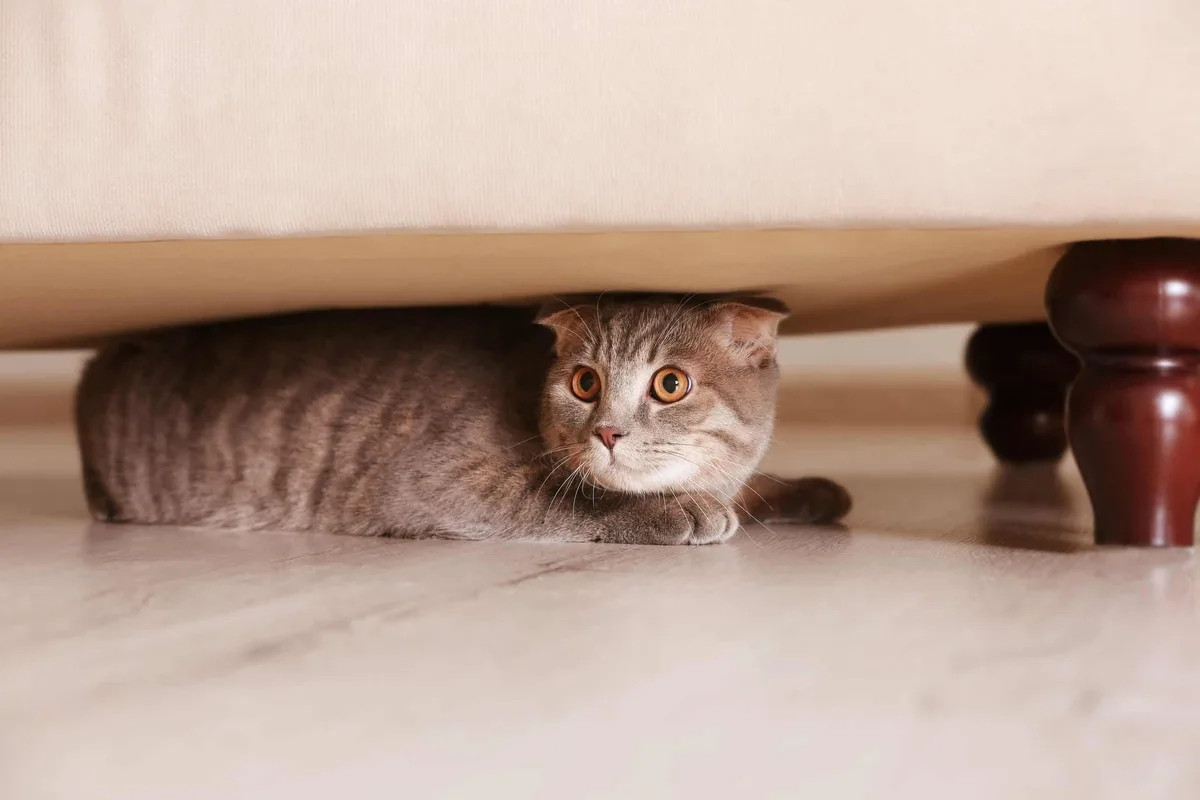
Image source: Bing (Web (fair-use with source credit))
What's Really Going On When Your Cat Tucks Their Paws (Quick Answer)
Cats fold their paws to stay warm, feel secure, and rest comfortably. Tucking their paws against their body reduces heat loss from exposed skin and paw pads. It also keeps their claws hidden and their limbs ready but relaxed.
Most of the time, it signals contentment. Your cat isn't hiding or hurting. They're just cozy.
The Four Main Reasons Cats Fold Their Paws
Cats don't do much without a reason. When they tuck their paws, it's usually one of four things driving the choice. Knowing each one helps you figure out what your cat is telling you.
Thermoregulation and warmth. A cat's paw pads are one of the few places on their body with little fur and lots of blood vessels near the surface. That makes them excellent heat radiators, but also major heat loss zones. Folding the paws against the chest traps that warmth.
According to research on feline thermoregulation, a resting cat's body temperature sits between 100.5 and 102.5 degrees Fahrenheit. In a room below 70 degrees, tucking paws helps them maintain that core temperature without burning extra energy.
Comfort and muscle relaxation. Think about how you curl up on the couch. Cats do the same thing. The loaf position lets them rest their head and neck while keeping their spine in a neutral curve.
It's low effort and stable. They can doze without their limbs dangling or getting in the way.
Security and trust. A cat with tucked paws can't spring into action quickly. They're essentially saying, "I don't need to run right now." This posture usually means they feel safe in their environment. If your cat loafs near you, that's a good sign.
They trust you enough to be slightly vulnerable.
Preparation for deep sleep. Cats cycle through light and deep sleep just like we do. The loaf position often happens in the lighter stages. Once they shift into deeper sleep, they might roll onto their side or stretch out.
But the loaf keeps them ready to wake up if needed.
How to Figure Out Why Your Cat Is Doing It Right Now (Decision Walkthrough)
You can't ask your cat what they're thinking. But you can look at a few clues to narrow it down. Here's a simple decision walkthrough based on what's happening around them.
Check the room temperature first. If your home is below 70 degrees Fahrenheit, warmth is probably the main reason. Cats are better at handling heat than cold, and they conserve energy by loafing. Run your hand along the floor near where they're sitting.
If it feels cool, that's a strong signal. You might notice they loaf more in winter or after the air conditioning kicks on.
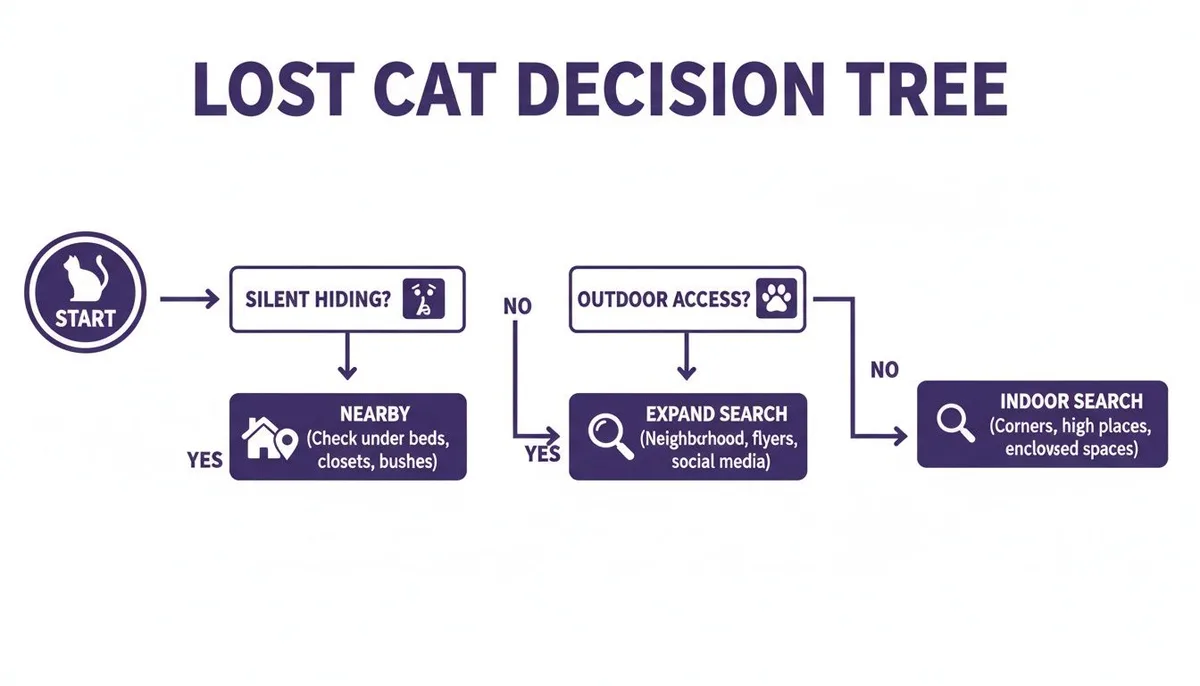
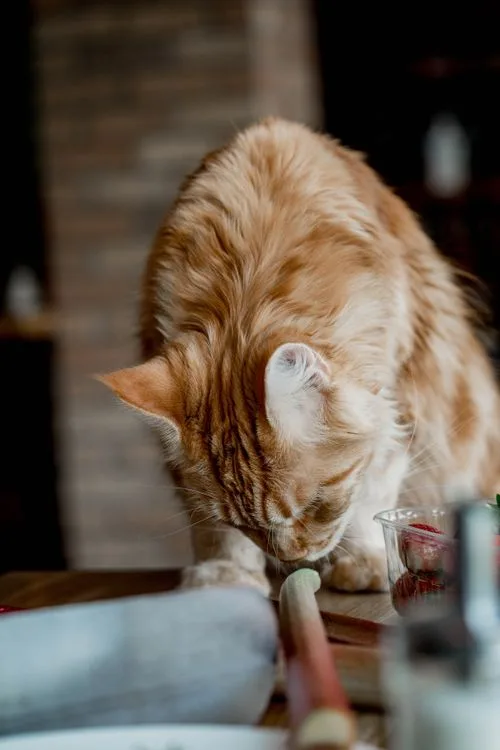
Image source: Bing (Web (fair-use with source credit))
Look at their face and ears. Loafing plus half-closed eyes and slow blinking means contentment. Add purring, and your cat is perfectly relaxed. If their eyes are wide open and their ears are swiveling toward sounds, they're alert but choosing to stay put.
That's still normal, but they're not fully resting.
Watch what happens when you approach. A secure cat will stay in the loaf or maybe give you a slow blink. A cat that flattens their ears, tightens their body, or shifts weight might be stressed. In that case, the loaf isn't comfort.
It's freezing in place. Give them space and check for stressors like loud noises or new pets.
Consider age and breed. Kittens loaf a lot. They lose body heat faster than adults and haven't fully developed their temperature regulation. Senior cats also loaf more as they conserve energy and protect joints.
Short-haired breeds, including Siamese and domestic shorthairs, tend to loaf more in cool weather than heavy-coated breeds like Maine Coons or Persians.
Time since last meal matters. Cats often loaf after eating. Digestion diverts blood flow and slightly raises body temperature. A post-meal loaf helps them settle and process food.
If your cat just finished dinner and tucked in, that's a classic sign of a happy, full cat.
Common Mistakes Owners Make Reading This Posture
Even experienced cat owners misinterpret the loaf sometimes. Here are the most common errors and what to look for instead.
Mistaking loafing for pain. A hunched cat with tucked paws can look similar to a relaxed loaf. The difference is in the face and body tension. A cat in pain usually holds their head lower, keeps their back curved higher, and may flinch when touched.
Their eyes look squinted or dull. If your cat normally loafs but suddenly does it with stiff muscles and avoids being touched, check for injury or illness.
Thinking it means they're cold all the time. Cats loaf for warmth, but they also loaf at comfortable room temperatures. If your home is 72 degrees and your cat is loafing, they're probably just comfortable. Adding a blanket or turning up the heat isn't necessary unless you see other signs of being cold, like shivering or seeking direct heat sources.
Assuming it's always a good sign. It usually is. But a cat that loafs constantly and avoids moving could be conserving energy due to illness, joint pain, or even depression. If your cat used to explore and play but now spends all day in loaf mode, that's worth a vet check.
Confusing it with a defensive posture. A truly defensive cat will crouch low with paws under them, but their weight will be shifted back, ready to bolt or swat. Their pupils will be dilated. A loafing cat looks soft.
A defensive cat looks tense. Learn the difference by watching your cat's normal loaf so you have a baseline.
Here's a quick comparison table for reference:
| What You See | Likely Meaning | What to Check |
|---|---|---|
| Soft eyes, purring, relaxed ears | Comfort / security | Nothing, enjoy the moment |
| Eyes open, ears scanning | Alert but resting | Check for sounds or movement |
| Tucked tight, head low, no purring | Possible discomfort | Gently check for pain response |
| Constant loafing, less movement | Possible illness | Monitor appetite and energy |
Real-Life Examples: What Different "Loaves" Actually Mean
Every cat has their own loaf style. Let's walk through a few common scenarios so you can match what you see to what's happening.
The countertop loaf at sunrise. You walk into the kitchen and find your cat loafed on the cool granite counter. The sun is just hitting that spot. Your cat is chasing warmth, plain and simple.
The cool surface plus the warm sun creates a perfect balance. They'll probably stay there until the spot gets too hot.
The sofa loaf while you work. Your cat settles into a loaf on the cushion next to you while you're typing. They close their eyes halfway and purr softly. This is a trust loaf.
They're choosing to rest near you, vulnerable position and all. It's one of the highest compliments a cat can give.
The bed loaf in winter. Your cat burrows under the blanket and peeks out, then folds their paws against your leg. This is classic warmth seeking with added security from the blanket. They're banking your body heat and the insulation combined.
You might notice more paw tucking in November through February.
The "what was that" loaf. Your cat is loafing on the rug. A car door slams outside. Their ears rotate toward the sound, but they don't move.
Their body stays relaxed. This is a confident cat. They registered the noise, decided it wasn't a threat, and stayed put.
Good sign.
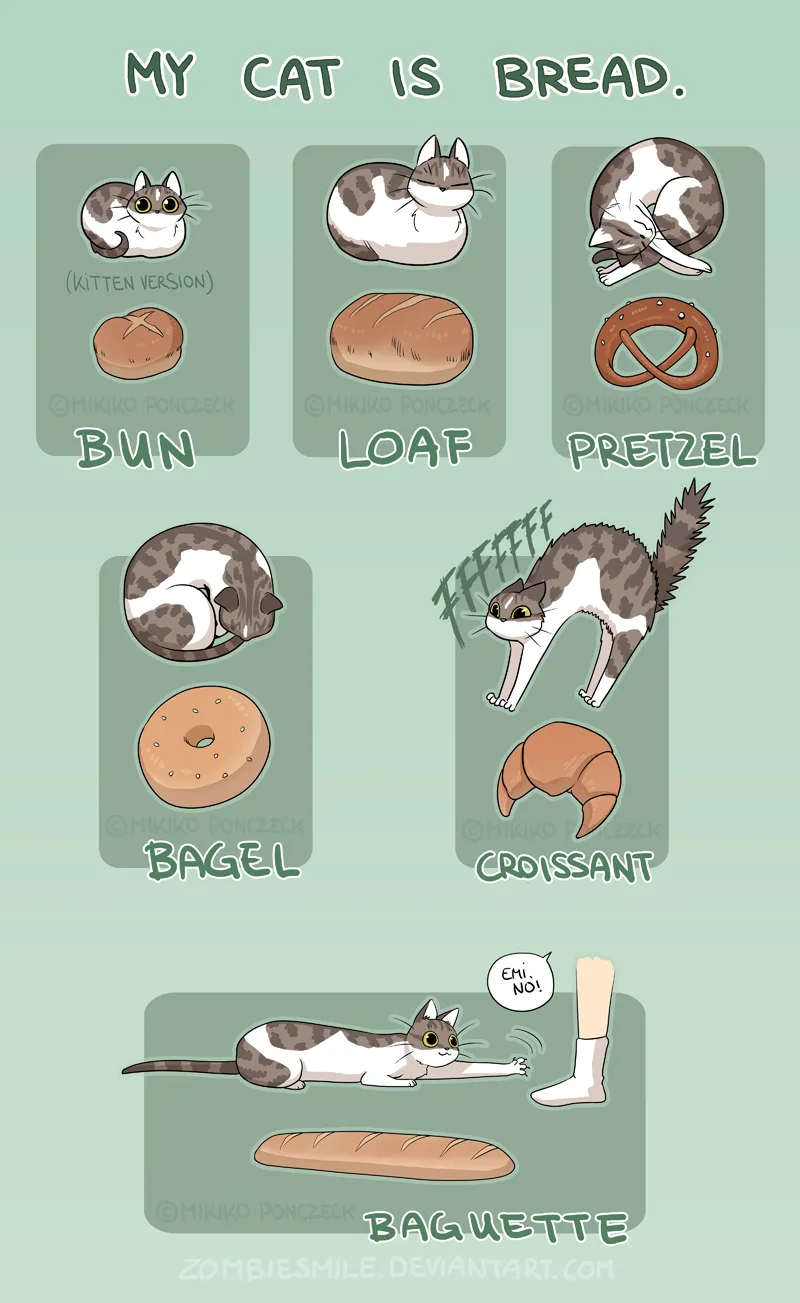
Image source: Bing (Web (fair-use with source credit))
The post-vet loaf. This one is subtle but real. After a stressful experience like a vet visit, some cats loaf with their head slightly lower than usual. They're regaining their sense of safety.
Give them a quiet space and let them come out of it on their own. They usually return to normal within a few hours.
Frequently Asked Questions About Cat Paw Folding
Is it normal for my cat to always sleep with paws tucked?
Yes, it is completely normal for many cats. Some cats prefer the loaf position for most of their naps. As long as your cat is eating, playing, and using the litter box normally, frequent loafing is just their preferred resting style.
Does paw folding mean my cat is cold?
Not always, but it can. If the room is below 70 degrees Fahrenheit, warmth is likely a factor. If your cat loafs in a warm room too, they are probably just comfortable.
Look for other cold signs like shivering, seeking heaters, or curling into a tight ball.
Should I be worried if my cat suddenly stops loafing?
A sudden change in resting habits can be worth watching. If your cat used to loaf daily and now avoids the position entirely, they might have joint pain or discomfort that makes tucking paws uncomfortable. Monitor their movement and energy levels.
If the change lasts more than a day or two, a vet check is smart.
Why does my cat loaf with their eyes open?
That is a light resting state called a "catnap." Their body is relaxed and conserving energy, but their brain stays alert enough to react to sounds or movement. It is the feline version of dozing during a movie.
Do all cat breeds loaf equally?
No, breed matters. Short-haired breeds and hairless cats like the Sphynx loaf more often because they lose body heat faster. Long-haired breeds such as Maine Coons and Persians loaf less frequently since their coats provide natural insulation.
Age matters too, with kittens and seniors loafing more than young adults.
Can kittens learn loafing from their mother?
Kittens start loafing as early as a few weeks old. It is instinctive, not learned. Kittens tuck their paws to stay warm because they cannot regulate body temperature well until around four weeks of age.
It carries into adulthood as a comfort habit.
The Bottom Line: When to Let Them Be and When to Worry
Most of the time, a cat with folded paws is a happy cat. They are warm, comfortable, and secure enough to rest in a position that limits quick movement. That is a good sign.
Your job is mostly to leave them alone and enjoy the cuteness.
Let them be when the loaf comes with soft eyes, slow blinks, purring, or relaxed ears. Those signals mean they are content. If you approach and they stay in place without tensing up, you have a trusting cat on your hands.
You should pay closer attention when the loaf looks different from their usual style. A cat that hunches lower than normal, keeps their head tucked very low, or refuses to move when you approach may be in pain. Check their posture carefully.
If their back is more rounded than usual or they flinch when touched near the belly or paws, that warrants a closer look.
Also watch for changes in frequency. A cat that suddenly loafs all day and stops playing, eating, or grooming might be conserving energy due to illness. Conversely, a cat that stops loafing entirely could have joint discomfort that makes tucking painful.
The golden rule is simple: know your cat's normal. Every cat has their own loaf style, frequency, and triggers. Once you know their baseline, you can spot the outliers.
That is where the real insight lives. Enjoy the loafs, trust your instincts, and call the vet when something feels off.

Similar Posts