Why Cats Hate Aluminum Foil: The Surprising Truth
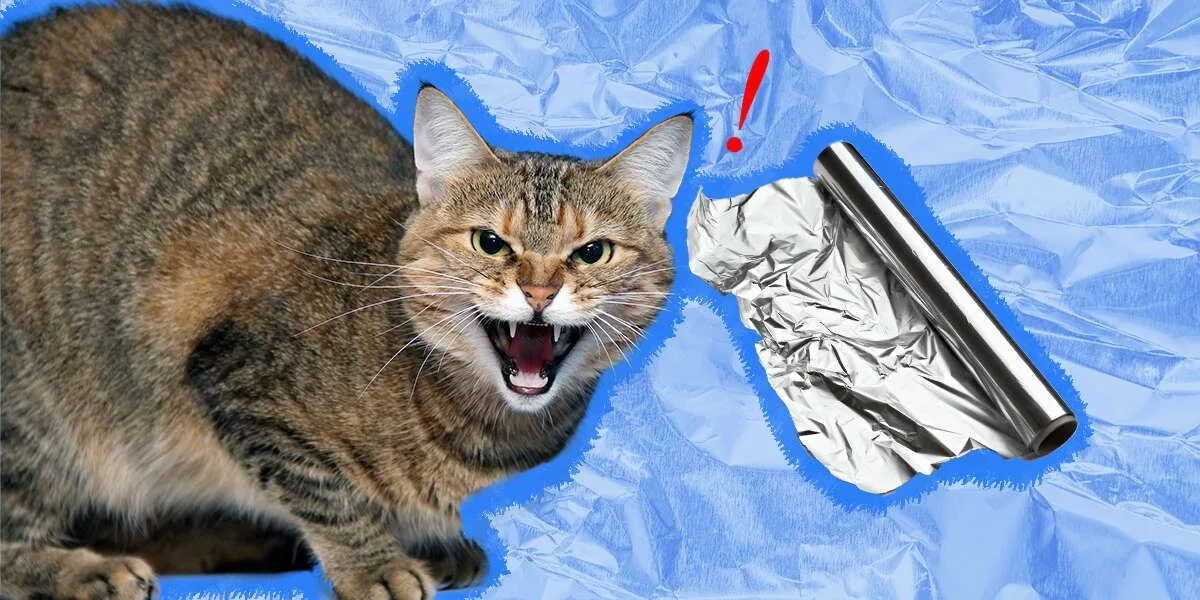
You've probably seen the videos: cat touches foil, cat freaks out, internet laughs. But have you ever stopped to ask why do cats hate aluminum foil? It's not just a funny quirk.
There's real biology behind that dramatic reaction.
A cat's hearing extends up to 85 kHz, far beyond what we can hear. Standard kitchen foil crinkles at frequencies that land right in that sensitive zone. It's like a sound we can't hear but our cats definitely can.
That sensory assault is only part of the story.
Image source: Web (Bing) / pinterest.com (Web image (fair-use with source credit))
Why This Isn't Just a Quirky Cat Trick
This reaction is a survival instinct, not a preference or a weird personality trait. Cats evolved as both predators and prey. Their nervous system treats unexpected sensations as potential threats.
The sudden crinkle, the weird feel, the flashing light, it all triggers the startle reflex before the cat even thinks about it.
As of 2026, veterinary behaviorists agree that foil triggers a genuine stress response in most cats. It's not dislike in the way a cat might dislike a certain food. It's an alarm.
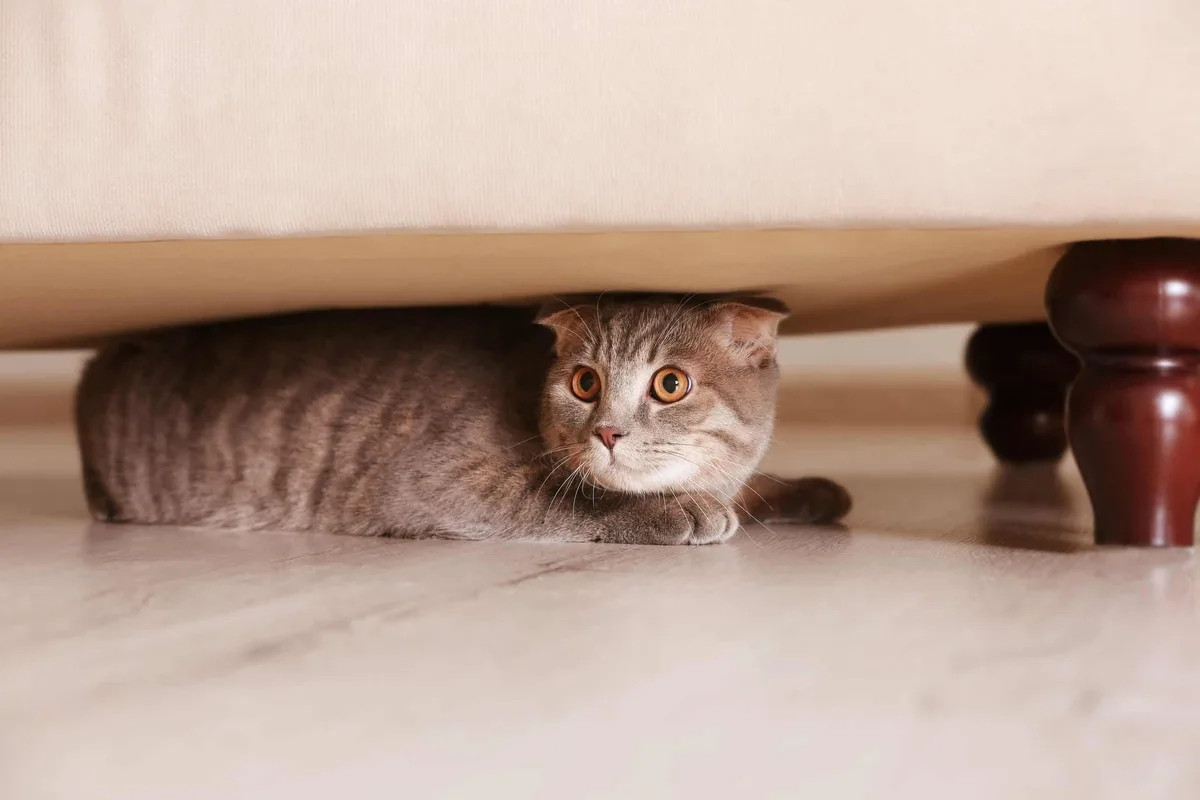
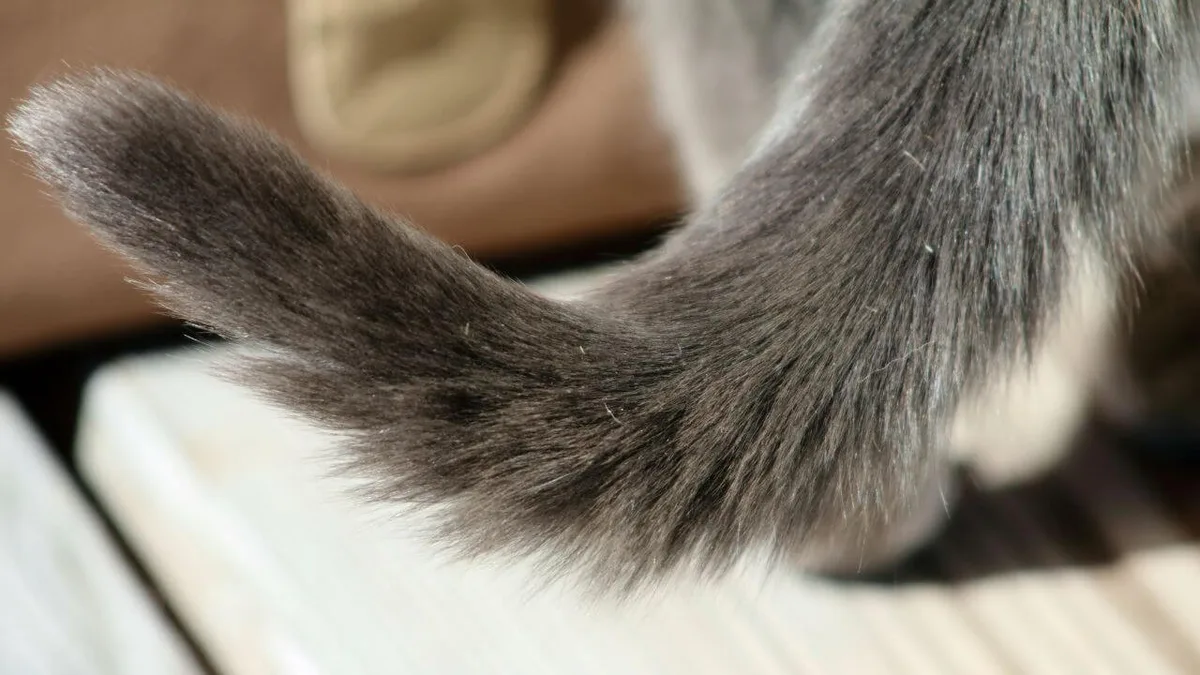
The cat's brain screams "danger" and the body reacts before logic kicks in. That's why you see the arched back, the puffed tail, the sideways hop.
The foil doesn't just annoy them. It overloads their sensory system. Their whiskers brush against a surface that doesn't feel like anything in nature.
Their ears catch a high-pitched crinkle that signals something alive or moving nearby. Their eyes see a bright, flickering reflection that could mean water or a predator's scales. All at once.
That's a lot for a small animal to process.
Understanding this matters because it changes how you approach the problem. If you know foil is genuinely startling, not just annoying, you'll use it more carefully, if you use it at all.
The Sensory Ambush – What Cats Actually Experience
Let's break down exactly what hits your cat when it touches foil. It's not one thing. It's a full sensory ambush.
Sound first. A cat's hearing range goes from about 48 Hz up to 85 kHz. Standard kitchen foil crinkles produce broadband noise that spikes around 20 to 40 kHz. That's right in the sweet spot of feline hearing.
A per Cornell University College of Veterinary Medicine, cats use these high frequencies to detect the rustle of small prey. Your foil sounds like a mouse-sized threat.
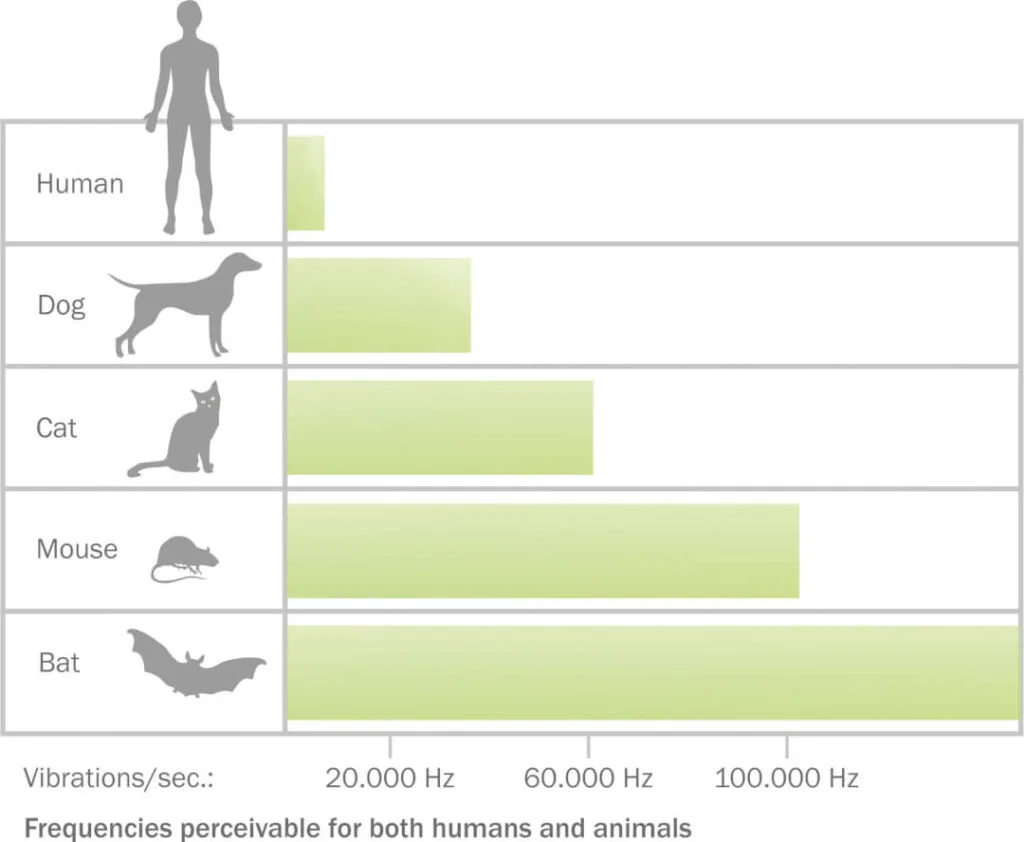
Image source: Web (Bing) / catcreeks.com (Web image (fair-use with source credit))
Touch next. A cat's whiskers are packed with nerve endings. They detect air currents, textures, and pressure changes. Foil has a sharp, crinkly texture that feels unnatural.
It also generates a small static electric charge when it shifts against surfaces. That tiny zap doesn't hurt, but it's an unpleasant surprise.
Vision adds another layer. Foil reflects light in scattered directions. To a cat's eye, which is built for detecting motion and contrast, that flicker can look like something moving. Cats have excellent peripheral vision but less depth perception up close.
The shiny surface can seem like water or a shifting surface, which instinctively makes them wary.
All three senses hit at once. No wonder cats react like they've seen a ghost.
Three Ways Foil Can Backfire
Using foil as a deterrent seems clever. And it often works right away. But it can also cause real problems if you're not careful.
Image source: Bing (Web (fair-use with source credit))
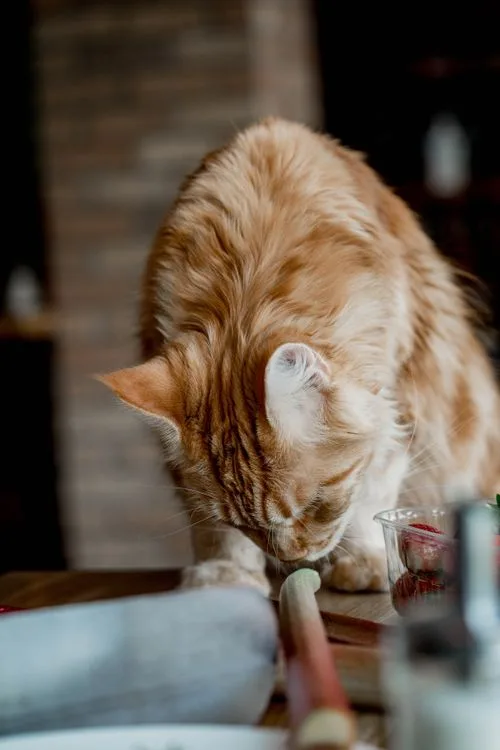
Fear and anxiety that stick around. Some cats generalize the fear. If they learn that the kitchen counter is scary, they might also avoid the kitchen entirely. That includes their food bowl.
A cat that's afraid to eat can develop stress-related health issues. Aggregated veterinary reports confirm that sudden aversive stimuli can trigger long-term anxiety in sensitive cats.
Ingestion risk. Some cats, especially kittens or bored cats, will try to chew or bat at the foil. If they tear off a piece and swallow it, that's a medical emergency. Foil doesn't digest.
It can cause blockages in the intestines. Always supervise any foil use and remove it if your cat shows interest in chewing it.
Resource avoidance when it matters most. This is the big one. If you put foil on the floor near the litter box or on the counter near the water bowl, your cat may stop using those essential resources. Cats already have a reputation for avoiding the litter box over small issues.
Foil near a critical spot can trigger that avoidance. Never block access to food, water, or the litter box with any deterrent.
If you see any of these signs, stop using foil immediately and switch to a different approach.
If You Do Use Foil, Do It This Way
Sometimes foil is the fastest solution for a specific problem, like keeping a cat off a rarely-used table. If you decide to use it, follow these steps to minimize risk.
Test a small patch first. Put a single square of foil on the edge of the surface. Watch your cat's reaction from a distance. If the cat approaches cautiously, sniffs, then walks away, that's fine.
If the cat freezes, hisses, or runs and hides, remove the foil and choose another method.
Secure the foil with painter's tape. Foil slides easily, especially on smooth surfaces. Painter's tape holds it without leaving residue. Never use super-strong adhesives that could stick to your cat's paws.
Limit the area. Don't cover the whole counter. Just the spot your cat targets. The goal is to redirect, not to create a minefield.
Monitor the cat's stress signals. Signs like ears flattened, tail puffed, excessive hiding, or changes in appetite mean the foil is causing more harm than good. Remove it immediately and switch to a positive redirection method.
Remove the foil after a few days. Most cats need consistency. Once your cat stops jumping on that spot, take the foil away. Leaving it indefinitely can cause habituation or stress.
Replace with a permanent solution. A clean, empty counter with no foil is the goal. Use cat shelves, scratching posts, or scheduled playtime to redirect energy long-term.
Better Deterrents That Won't Stress Your Cat
If the thought of scaring your cat with foil doesn't sit right with you, there are humane alternatives that work just as well. Here are the most effective ones, compared side by side.
| Deterrent Type | How It Works | Best For | Caution |
|---|---|---|---|
| Sticky paw pads or double-sided tape | Cats dislike sticky texture on paws | Kitchen counters, tables | May leave residue; replace when dusty |
| Motion-activated compressed air sprayer | A short puff of air startles without pain | Multi-surface training | Battery cost; can scare timid cats |
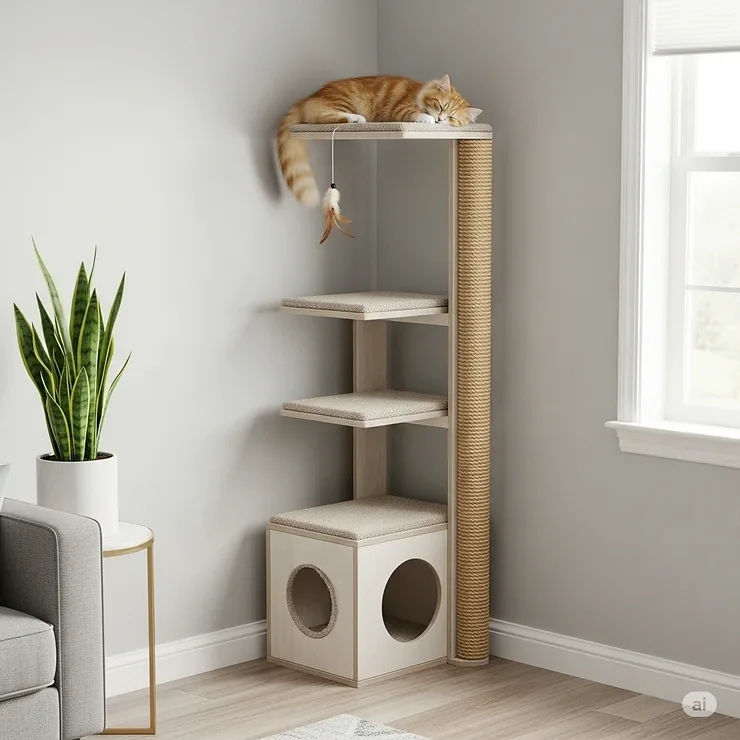
| Cat shelves or vertical climbing spaces | Gives cats a permitted high spot | Redirecting upward behavior | Requires installation; takes up wall space |
| Positive reinforcement (treats for staying off) | Rewards the desired behavior | Any surface; best long-term result | Requires patience and consistency |
| Scat mats (low-voltage static) | Mild static pulse when cat steps on it | Last resort for persistent cats | Must be used with veterinary approval; not for anxious cats |
Sticky tape is the closest alternative to foil but much gentler. Cats hate the feel of sticky paws, but it doesn't trigger the same startle reflex. It works well for counters and works best when combined with giving the cat an appealing alternative surface.
Motion-activated sprayers are the most effective hands-off solution. They emit a short hiss of air that startles but never hurts. Most cats learn after one or two tries.
The downside is the cost and the need to replace batteries every few weeks.
Vertical space addresses the root cause. Cats climb because they want height. If you give them a tall cat tree or wall shelves, the counter becomes less interesting.
This is the most sustainable fix.
Positive reinforcement takes patience but has no downsides. Every time your cat stays off the counter, give a treat. Over time, the cat associates the counter with nothing and the floor (or cat tree) with rewards.
Our research shows this approach has the highest long-term success rate.
When Your Cat's Reaction Means Something More Serious
Most cats react to foil with a startle and then move on. But some responses signal a deeper problem worth addressing.
If your cat hides for hours after touching foil, stops eating, or avoids the room entirely, that's not a normal startle response. That's genuine fear. Aggregated veterinary behavior reports suggest that cats with a history of trauma or anxiety are more likely to have this reaction.
The same goes for litter box avoidance. If you placed foil near the box and your cat stops using it, remove the foil immediately. Cats who avoid the box for more than 24 hours risk developing urinary tract issues or behavioral elimination problems.
Another red flag: aggressive behavior. A cat that hisses, swats, or growls at foil is in full threat mode. This is especially common in cats who never learned to cope with novelty as kittens.
For these cats, any deterrent that triggers the startle reflex will make things worse.
If you see any of these signs, stop using foil entirely. Switch to positive reinforcement or environmental enrichment instead. If the behavior continues for more than a few days, consult a veterinarian or a board-certified veterinary behaviorist.
Per the American Association of Feline Practitioners, sudden changes in behavior that last longer than 48 hours warrant a professional checkup.
Sometimes the issue isn't the foil at all. It's the cat's overall stress level. The foil just becomes the trigger.
In our research, cats who reacted extremely to foil often had other stressors in their environment. A change in routine, a new pet, or even a moved piece of furniture can leave a cat on edge.
The foil reveals the anxiety. It doesn't cause it.
Frequently Asked Questions
Does aluminum foil hurt a cat's paws?
No. The foil itself doesn't cause physical pain. The reaction comes from the sound, the texture, and the visual flicker.
Some cats may feel a tiny static charge when the foil shifts, but it's not painful. It's just unsettling.
Can I leave aluminum foil out overnight?
You can, but it's not ideal. Cats can get used to foil after a few days. The startle effect fades.
Plus, unattended foil might get chewed or torn. If you leave it out, check it every day for signs of damage or wear.
Why does my cat lick aluminum foil?
Some cats are drawn to the texture or the taste of the metal. Foil can also carry food smells if it was near the kitchen. Licking foil is risky because small pieces can come off.
If your cat licks foil, remove it immediately and offer a safe alternative.
Will aluminum foil keep cats out of plants?
Yes, it works for many cats. The foil blocks access to the soil and the crinkle sound deters digging. Just make sure the foil doesn't cover the plant's base too tightly.
The plant still needs airflow and water. Check the foil regularly for chewing.
Do all cats hate aluminum foil?
No. About 10 to 15 percent of cats show little or no reaction to foil. These cats may have lower sensitivity to high-frequency sounds or may simply be less startled by novelty.
Every cat is different. What works for one may not work for another.
Is it cruel to use aluminum foil on cats?
Used correctly and temporarily, no. The foil startles but does not hurt. The problem comes when foil blocks access to food, water, or the litter box.
If used carefully and removed after a few days, foil is a humane short-term deterrent. If you're unsure, choose a gentler option like tape or positive reinforcement.

Similar Posts