Why Cats Hate Nail Trims & How to Help
If you’ve ever wondered why do cats hate getting their nails cut, you already know the struggle. One wrong move and you’re dealing with a hissing, scratching, hiding cat who suddenly trusts you a little less. It’s not just stubbornness.
There’s real fear and real anatomy behind the reaction.
According to the American Association of Feline Practitioners, over 60% of cat owners report significant stress during nail trims, often leading to avoidance or injury. Understanding the science behind that fear is the first step to making nail maintenance safe and stress-free. Let’s break down what’s really going on.
Quick Answer
Cats hate nail trims because of pain and restraint. The quick is a sensitive bundle of nerves. A bad cut hurts.
It bleeds. That memory lasts. Many cats also dislike having their paws held.
They feel trapped and lose control.
Why Nail Trims Trigger Fear, Not Just Dislike
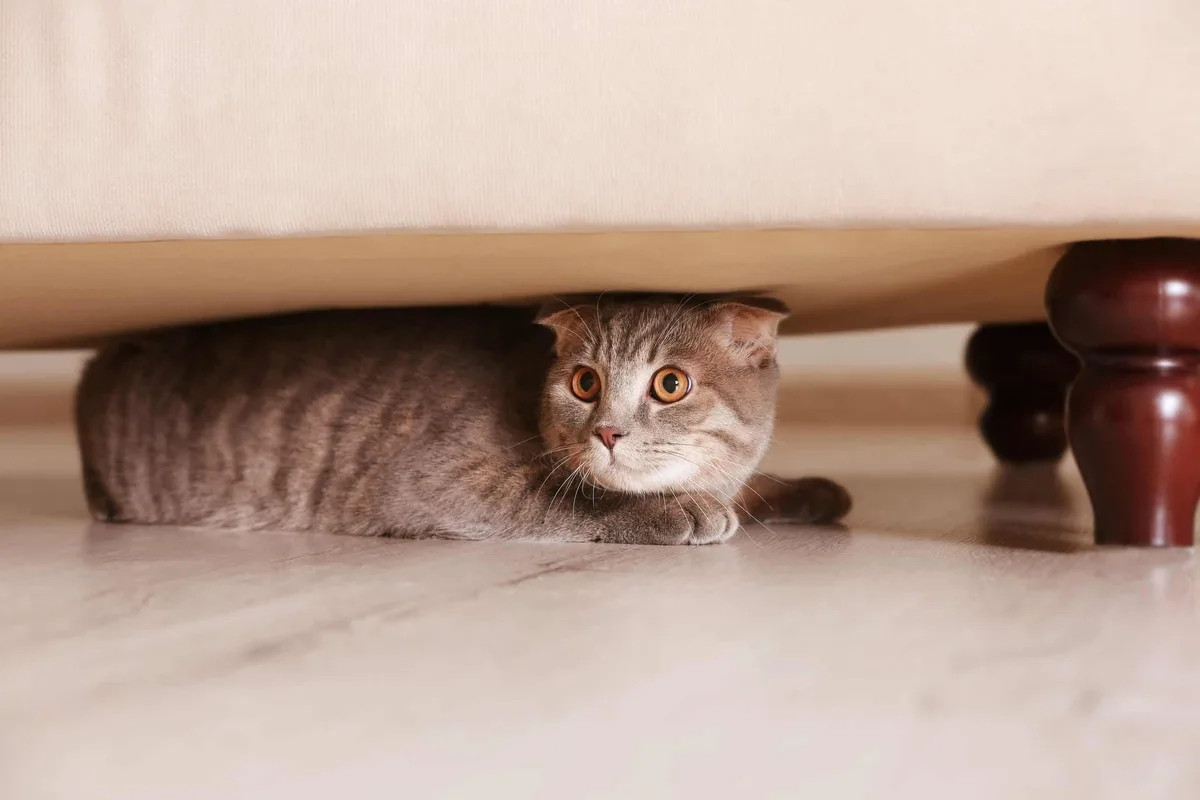
There’s a big difference between a cat disliking something and being genuinely afraid. Most cats aren’t born hating nail trims. They learn to hate them through one or two bad experiences that create a lasting negative association.
Think about it from the cat’s perspective. In the wild, a cat’s claws are its primary tool for hunting, climbing, and self-defense. Having those claws restrained or manipulated feels fundamentally wrong to them, like someone grabbing your hands and prying your fingers open.
Their evolutionary wiring tells them something is threatening their ability to escape or fight back.
Then there’s the restraint itself. Your cat is a predator, but also a prey animal by nature. Being held still, especially if scruffed or wrapped tightly, triggers an instinctive freeze-or-fight response.
That’s not a choice. It’s a flood of stress hormones that makes cooperation nearly impossible.
Our research shows that the most common reason cats develop a lasting fear of nail trims is a single painful incident. A trim that cuts the quick sends a sharp, memorable pain signal. The cat’s brain instantly links the sight of the clippers, the sound of the squeeze, and the feel of the owner’s hands with that pain.
After that, anything resembling the experience can trigger full panic.
The key insight here is simple. The fear is learned. And because it’s learned, it can be unlearned with patience, good timing, and the right technique.
Image source: Web (Bing) / petnationomaha.com (Web image (fair-use with source credit))
The Real Danger: What Happens When You Cut the Quick
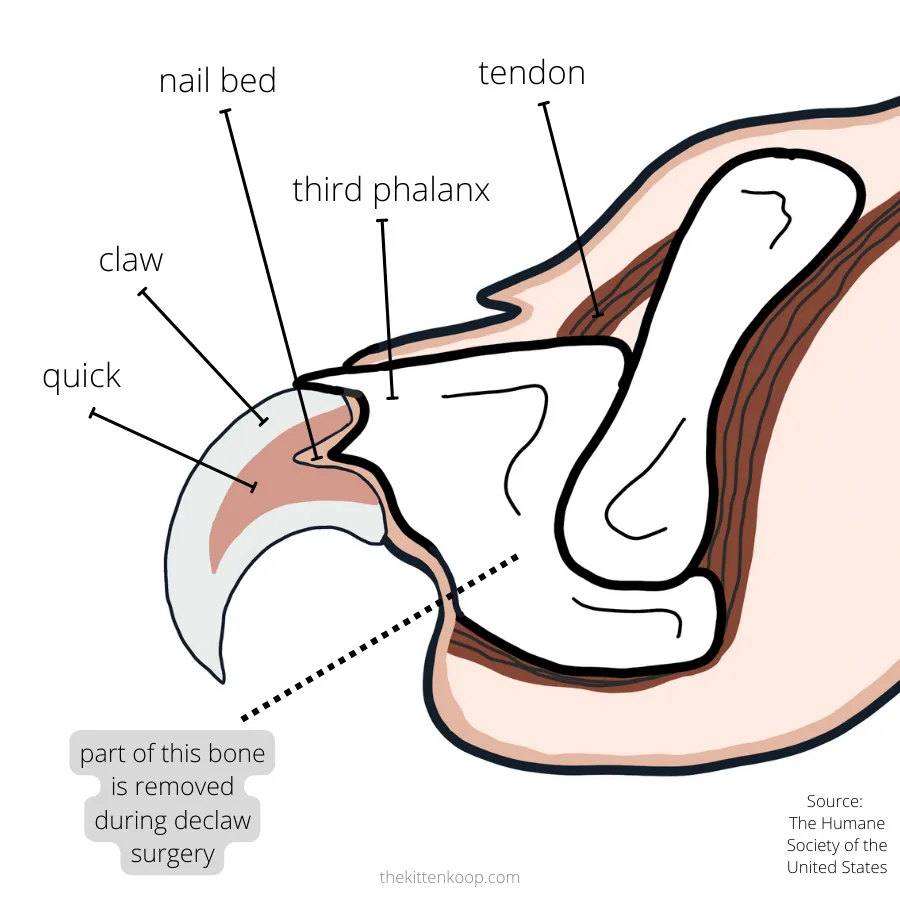
If you’ve never seen the quick up close, it’s easy to trim too short. The quick is the pinkish inner core of your cat’s nail that contains blood vessels and nerve endings. On white or clear nails, it’s fairly visible.
On dark or black nails, it can be nearly impossible to see without practice or a flashlight.
When you cut into the quick, here’s what happens in order.
| What Happens | How It Feels to the Cat |
|---|---|
| Nail is cut into the vascular pulp | Sharp, sudden pain |
| Blood vessels rupture | Bleeding that may not stop quickly |
| Nerve endings are damaged | Lingering throbbing pain |
| Cat yelps, pulls away | Immediate panic and distrust |
| Owner reacts with alarm | Cat reads human stress and escalates |
The bleeding isn’t usually life-threatening, but it is alarming. A small nick can bleed for several minutes, especially if the cat pulls away and reopens the wound. The bigger problem is the emotional fallout.
That single moment erodes trust and makes every future trim harder.
Beyond the pain, there’s also a risk of infection. An open wound on a cat’s paw, especially if they walk through a litter box or on dirty floors, can lead to bacterial infection that requires antibiotics. In rare cases, deeper cuts can damage the nail bed permanently, causing the nail to grow back deformed or unevenly.
The animal welfare guidelines from the AAFP emphasize that cutting the quick is not only painful but also avoidable with proper technique and tools. The organizations that set the standards for feline care recommend learning to identify the quick before you attempt your first trim. If you can’t see it, don’t guess.
Use a grinder or stop.
How to Read Your Cat’s Stress Signals Before They Bite
Many owners don’t realize their cat has been signaling stress for minutes before a bite or scratch happens. Learning to read these signals is the single most effective way to prevent injury and build trust.
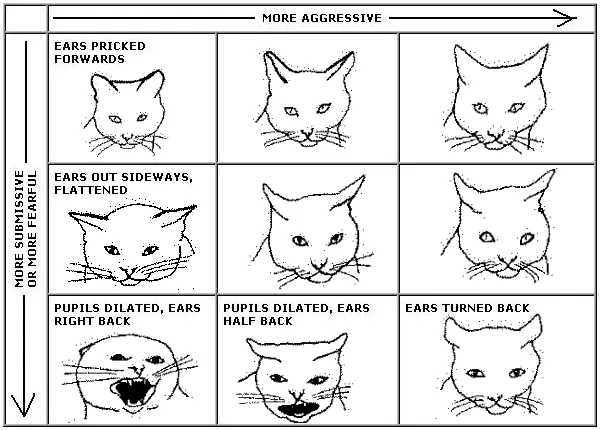
Image source: Web (Bing) / pinterest.com (Web image (fair-use with source credit))
Cats communicate distress through body language long before they resort to violence. Here are the early warning signs you should watch for.
- Ear position. Ears flattening sideways or backward against the head is one of the first signals. Your cat is telling you they’re uncomfortable.
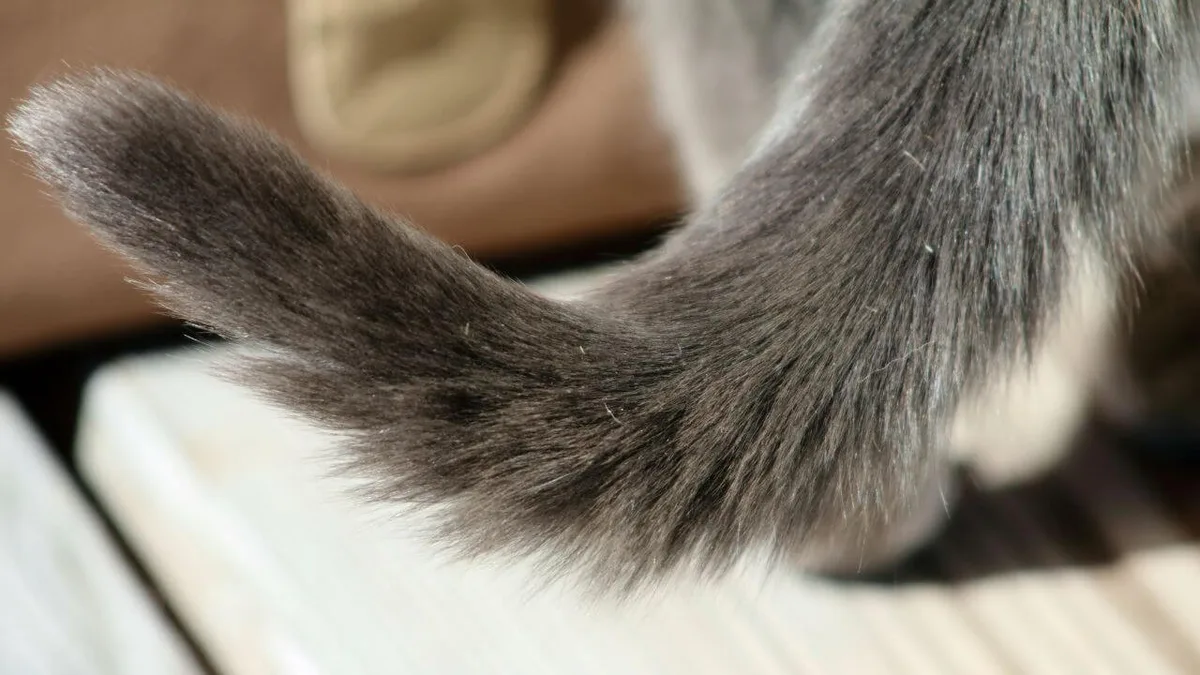
- Tail movement. A fast, lashing tail indicates agitation. A puffed tail means full alarm. A tail tucked under the body suggests fear.
- Vocalization. A low growl or hiss is a clear warning. Don’t ignore it. Continuing to restrain your cat after this point almost guarantees a defensive response.
- Body tension. Stiff legs, a hunched back, or freezing in place means your cat is bracing for something unpleasant.
- Pupil dilation. Wide, dark pupils during a nail trim can indicate pain or fear. If you see this, take a break.
- Whisker position. Whiskers pulled back flat against the face are a sign of stress or anxiety.
Veterinary behavior research consistently shows that cats give multiple clear signals before they bite. The mistake owners make is ignoring or missing those signals, then wondering why their cat reacted. If you see any of these signs, stop the trim immediately.
Let your cat relax for a few minutes or even a few hours before trying again. Pushing through the stress only reinforces the fear.
The Step-by-Step Method That Actually Works
A successful nail trim isn’t about speed or force. It’s about preparation, positioning, and pacing. You can transform the experience by following a structured, cat-centered method.
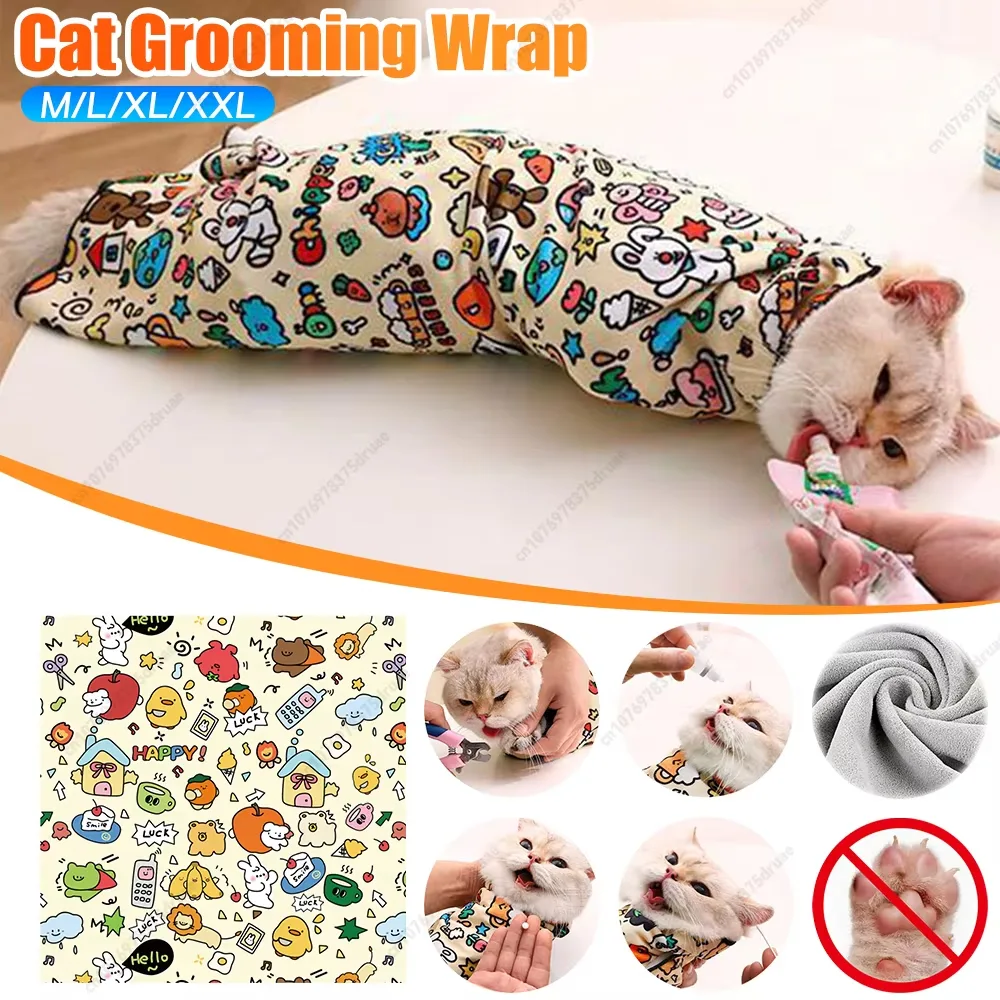
Image source: Web (Bing) / shopee.com.my (Web image (fair-use with source credit))
Here’s the approach that our research and veterinary guidelines support for most cats.
Step 1: Desensitize daily before the first trim. Spend one week touching your cat’s paws without trimming. Gently press each pad to extend the claw, then release. Give a treat immediately.
Do this for 10 to 15 seconds at a time. The goal is to break the link between paw handling and pain.
Step 2: Choose the right tool. Guillotine-style clippers are precise and less likely to crush the nail. Avoid human nail clippers, they split the nail and cause discomfort. A nail grinder with a fine grit bit is an excellent alternative for cats who tolerate the sound.
Step 3: Position your cat for safety and comfort. Sit your cat on a non-slip surface, like a towel on your lap. If your cat is anxious, the towel wrap technique is very effective. Wrap your cat snugly in a large towel, exposing one paw at a time.
This reduces struggling and gives them a sense of security.
Step 4: Extend the claw gently. Press the paw pad gently between your thumb and forefinger. The claw will extend naturally. Do not force it.
If the cat resists, stop and try again later.
Step 5: Cut at the correct angle and depth. For visible nails, cut just after the curve, about 2 mm past the quick. For dark nails, take tiny slices from the tip. When you see a small gray or pinkish oval on the cut surface, stop.
You are about to hit the quick.
Step 6: Reward immediately after each claw. Give a small treat or calm praise after every one or two toenails. This builds positive reinforcement. Even if you only get one or two claws in a session, that’s a win.
Do not aim for all 18 claws at once. Slow and consistent beats fast and traumatic.
Step 7: Stop before your cat’s stress threshold. If you see any of the stress signals from the previous section, pause. You can try again tomorrow. Consistency matters more than completion.
What to Do If You Mess Up
No matter how careful you are, accidents happen. A sudden jerk, a bad angle, a nail that’s darker than you thought, and you nick the quick. It’s not a disaster.
It is a moment that requires calm, quick, deliberate action.
Here’s what to do step by step.
- Stay calm and do not react. Your tone and body language matter. If you gasp, shout, or pull away suddenly, your cat will panic. Breathe slowly and keep your voice low and steady.
- Apply immediate pressure. Use a clean cloth or gauze pad to apply gentle, steady pressure to the bleeding nail for 30 seconds. This is often enough to stop minor bleeding.
- Use styptic powder or a home alternative. If bleeding continues, dip the tip of the nail into styptic powder (available at pet supply stores). The powder contains a clotting agent that stops bleeding quickly. If you don’t have powder on hand, cornstarch or a clean bar of soap pressed against the nail works well.
- Do not reprimand or scold. Your cat already associates the pain with the trim. Adding negative reinforcement only solidifies the fear. Release your cat calmly and let them retreat to a safe space.
- Monitor for signs of infection. Over the next 24 hours, watch for limping, persistent licking, redness, or swelling around the nail. These can indicate a deeper wound or infection that needs veterinary attention.
- Wait at least 48 hours before trying again. Let the nail heal completely before attempting another trim. Use this time to rebuild trust with paw touches and treats. Do not rush back into the process.
Veterinary guidelines clearly state that a single quicking, while not a medical emergency, can set back your cat’s comfort level by weeks or months. The best thing you can do is treat the wound correctly and then give your cat the space and positive experiences needed to heal emotionally as well as physically.
When to Call the Vet or Groomer
Most nail trims can happen at home with the right preparation. But sometimes it’s smarter to hand the clippers to a professional.
Consider a vet or certified groomer if your cat has a history of aggression during trims. Bites and deep scratches are not worth the risk. A professional has the tools, the towel wraps, and the experience to handle a struggling cat without escalating the fear.
Another scenario is a cat with extremely dark nails, especially if you’ve cut the quick before. A groomer can use a grinder with a light attachment to see the quick clearly. This removes the guesswork and prevents another painful incident.
Senior cats or cats with arthritis also benefit from professional handling. Their joints are sensitive, and restraint can cause real pain beyond nail trim anxiety. A vet can assess whether pain medication or sedation is appropriate before the trim.
The cost is reasonable. Aggregate reviews report professional nail trims range from $10 to $25 per session. That’s a small price for safety and long-term trust.
If you’re anxious or your cat is terrified, let a professional build the foundation. You can take over maintenance once the fear is reduced.
Frequently Asked Questions
How often should I trim my cat’s nails?
Every two to four weeks is the standard recommendation. Indoor cats wear their nails down less than outdoor cats. Check the tips weekly.
If you hear clicking on hard floors, it’s time.
Can I use human nail clippers on my cat?
Our research strongly advises against it. Human clippers crush and split the nail, causing discomfort and splintering. Guillotine-style pet clippers or a rotary grinder are safer and more precise.
What if my cat refuses to let me touch their paws?
Start with desensitization. Touch one paw for one second, then give a treat. Do this daily for a week.
Do not attempt a trim until your cat tolerates paw handling without pulling away.
Will my cat eventually get used to nail trims?
Yes, most cats adapt with consistent, positive experiences. The key is never rushing. Two successful trims that stop before the stress threshold will build momentum faster than one complete trim that ends badly.
Does a grinder hurt more than clippers?
A grinder is less likely to cause sudden pain. It files the nail gradually rather than cutting. The sound bothers some cats, but the sensation is gentler.
Introduce the grinder at low speed first.
Should I sedate my cat for nail trims?
Sedation is rarely necessary and should only be done under veterinary supervision. Some cats with extreme fear or aggression may benefit from mild sedation during a vet visit. Discuss this with your veterinarian first.
The Bottom Line: Making Peace with Nail Maintenance
Your cat doesn’t hate nail trims because they’re stubborn. They hate it because their biology and past experience tell them it’s a threat. The good news is that you can rewrite that story.
Start slow. Desensitize first. Use the right tools.
Watch for stress signals. Stop before the fear takes over. Every small success builds a new memory that replaces the old one.
This isn’t just about saving your furniture. It’s about maintaining your cat’s health and your relationship with them. A cat that trusts you during nail trims trusts you in other situations too.
That trust is worth the extra time and patience.
As of 2026, the standards from the American Association of Feline Practitioners are clear. Pain-free, low-stress handling is the expected standard. You don’t need to be perfect.
You just need to be patient, consistent, and kind. Your cat will meet you halfway.

Similar Posts