Why Do Cats Lick Metal? The Surprising Reason
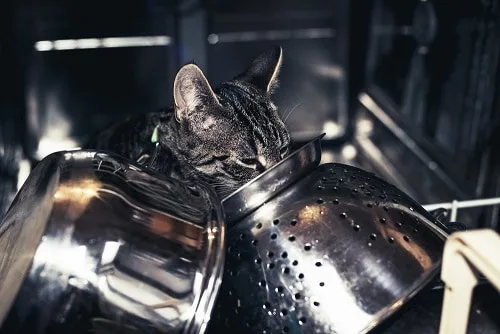
You’re asking why do cats lick metal, and the real answer is rarely simple. What looks like a weird little habit could be a harmless quirk, a sign of a nutritional problem, or even a medical emergency. The key is knowing which one you’re dealing with.
Our research shows that between 10 and 15 percent of cats develop pica, the urge to lick or eat non-food items, at some point in their lives. Anemia, zinc toxicity, and obsessive behavior all top the list of possible triggers. We’ll walk through each cause so you know exactly what to do next.
Image source: Bing (Web (fair-use with source credit))
Quick Answer
Cats lick metal because of the cold sensation, a salty metal taste, or an underlying medical problem. Anemia, zinc deficiency, and pica are common causes. If your cat licks metal once or twice, it’s probably curiosity.
If it’s frequent or compulsive, see a vet for bloodwork.
Why a Cat Licking Metal Is Not Just a Quirk
Here’s the thing cats can’t tell us when something feels off. They use their mouths to explore the world, and metal objects are cold, smooth, and sometimes slightly salty. That alone explains a quick lick or two.
But when it becomes a daily ritual, you need to look deeper.
Veterinary behaviorists point out that licking metal is one of the more common forms of pica in cats. Pica isn’t a diagnosis itself. It’s a symptom of something else, a nutrient gap, a gastrointestinal issue, or a psychological need.
A 2022 study from the Journal of Feline Medicine and Surgery noted that cats with pica are significantly more likely to have anemia or a dietary deficiency than cats without the behavior.
So your cat isn’t being stubborn or weird. It’s communicating through action. Your job is to figure out the message.
That starts with differentiating between a medical cause and a behavioral one. The two aren’t mutually exclusive, but the medical ones carry real risk. Zinc poisoning from galvanized metal, for example, can cause vomiting, jaundice, and even organ failure.
That’s why we always recommend ruling out the physical stuff first.
The Medical Reasons Your Cat Might Lick Metal
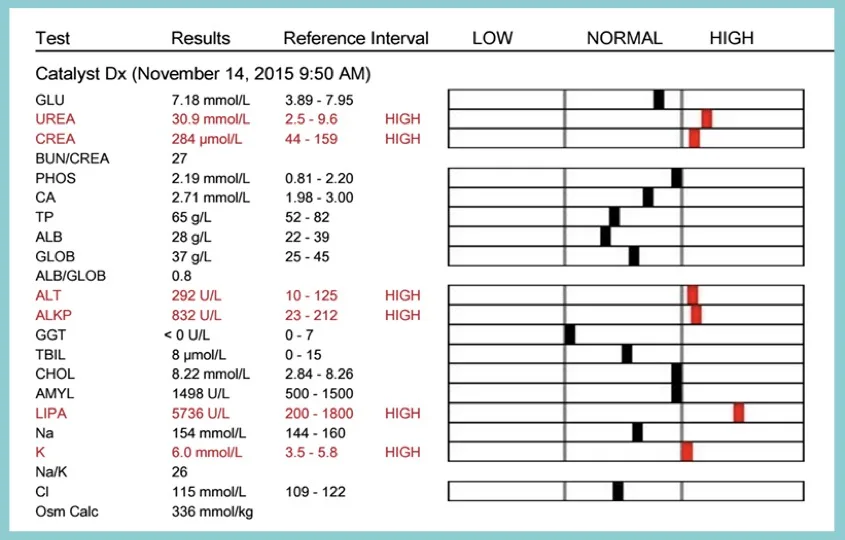
Image source: Web (Bing) / mood.soguk.co.uk (Web image (fair-use with source credit))
Let’s start with the most common medical trigger: anemia. When a cat’s red blood cell count drops, the body craves minerals. That craving often shows up as licking metal, concrete, or even the floor.
A complete blood count (CBC) is the only way to confirm it. Packed cell volume (PCV) in a healthy cat ranges from 24 to 45 percent. Anything below that warrants treatment.
Zinc toxicity is the second big concern. Galvanized metal, copper pennies minted after 1982, and certain hardware contain zinc. Ingested zinc destroys red blood cells and damages the pancreas and liver.
The toxic dose for cats is roughly 100 to 250 milligrams per kilogram of body weight, not much for a small animal. Symptoms include drooling, vomiting, diarrhea, and yellow-tinged gums.
Other medical causes include:
- Iron deficiency, often linked to chronic blood loss from fleas or gastrointestinal ulcers
- Kidney disease, which alters taste perception and triggers strange cravings
- Feline leukemia or FIV, both of which suppress the immune system and can drive pica
- Dental disease, where the cool metal soothes sore gums
Any of these conditions requires a veterinarian’s diagnosis. Do not try to treat pica at home with supplements until you know what’s missing.
When It’s Behavioral or Sensory Instead
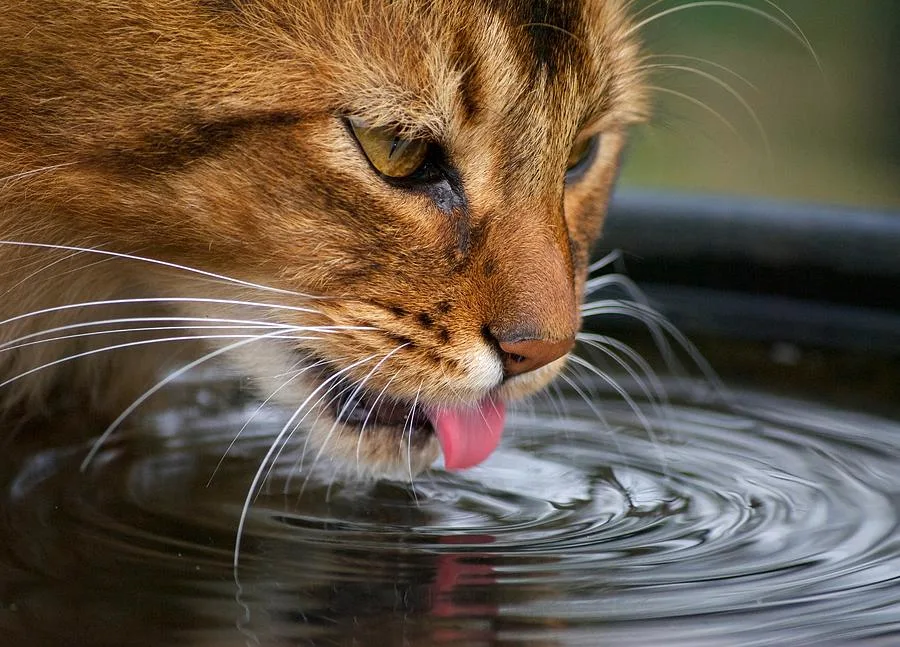
Not every cat licking metal has a disease. Some cats just like the texture. Metal feels cold to the tongue, and some cats find that sensation soothing.
Others are drawn to the faint metallic taste left by hand oils, soap residue, or mineral deposits in hard water.
Behavioral pica often shows up in specific situations. A cat that has recently moved homes, lost a companion, or started competing with a new pet may develop licking as a stress reliever. In our research, the timeline for stress-related pica is typically two to six weeks after the triggering event.
Obsessive-compulsive disorder (OCD) is another behavioral cause. Cats with OCD repeat the same actions over and over, licking, pacing, tail chasing, often without a clear trigger. These cats benefit from environmental enrichment and, in some cases, medication like fluoxetine.
The distinction between medical and behavioral matters for treatment. A cat licking metal due to anemia needs iron, not distraction. A cat licking metal out of boredom needs puzzle feeders and playtime, not bloodwork.
But again, always eliminate the medical angle first.
Warning Signs That Demand Immediate Action
You don’t need to panic over one lick of a stainless steel bowl. But certain signs mean you should see a vet within 24 hours.
Here’s what to watch for:
| Symptom | What It Could Mean | Urgency Level |
|---|---|---|
| Pale or white gums | Anemia, blood loss | Emergency |
| Yellow-tinged skin or eyes | Zinc poisoning, liver damage | Emergency |
| Vomiting or diarrhea | Metal ingestion, toxicity | Within 24 hours |
| Lethargy for more than 24 hours | Systemic illness | Within 24 hours |
| Licking paired with eating other non-food items | Pica, nutrient deficiency | Schedule vet visit |
| Licking that started after a new pet or move | Stress-related pica | Behavioral management |
If your cat has eaten a known zinc source like a penny or a piece of galvanized hardware, contact the ASPCA Animal Poison Control Center immediately. Do not induce vomiting unless a veterinarian tells you to.
The window for safe treatment of metal poisoning is narrow. Zinc toxicity symptoms usually appear within 24 to 48 hours after ingestion. By the time jaundice shows up, the damage is already underway.
How to Make Your Home Safer Right Now

Image source: Bing (Web (fair-use with source credit))
You can take action tonight, before the vet appointment. The goal is to remove temptation and risk without stressing your cat.
Start with the bowls. Switch any metal food or water dishes to ceramic or glass. Stainless steel is generally safe for most cats, but if your cat is licking the bowl itself, the tactile sensation may be part of the problem.
Ceramic glazes are smooth, neutral, and unlikely to trigger the behavior.
Next, scan your home for accessible metal objects:
- Galvanized nuts, bolts, wire, and fencing in basements or garages
- Copper or zinc pennies in purses, drawers, or under furniture
- Keys, keychains, and metal tags on collars or backpacks
- Paper clips, staples, and binder clips on desks
- Metal buttons, zippers, or snaps on clothing left on the floor
- Aluminum foil, which cats often lick for the crinkle sound
Remove these items or store them in closed containers. For cats that lick metal surfaces like door handles or appliance edges, you can apply a taste deterrent. Bitter apple spray works for many cats, though some ignore it.
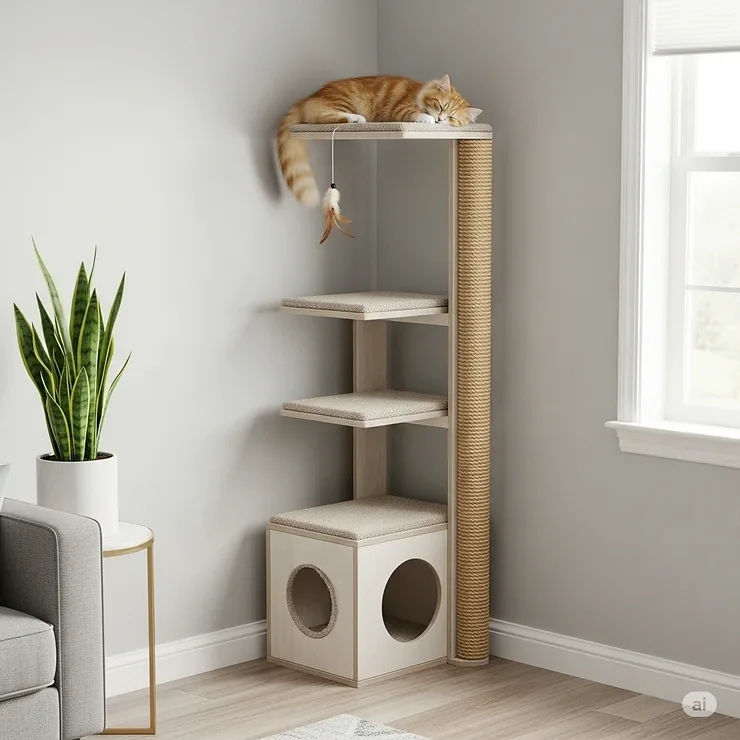
Environmental enrichment reduces behavioral pica. Add vertical spaces like cat trees or shelves. Rotate toys every few days.
Try puzzle feeders that make your cat work for kibble. A cat that’s mentally engaged is far less likely to obsess over a spoon.
What Happens at the Vet and What Tests to Expect
If you have ever stood in a vet exam room wondering why your cat is licking metal, you are not alone. A good veterinarian will start with a thorough history and a physical exam. They will ask about diet, environment, and any other symptoms you have noticed.
The first diagnostic step is almost always a complete blood count (CBC) and a serum biochemistry panel. The CBC measures red blood cells, white blood cells, and platelets. If the packed cell volume (PCV) falls below 24 percent, that indicates anemia.
A biochemistry panel checks organ function. Elevated kidney values, abnormal liver enzymes, or electrolyte imbalances can all drive pica. Your vet may also run a fecal exam to rule out parasites that cause blood loss and iron deficiency.
For cats that have ingested a specific metal object, X-rays are the standard next step. Radiographs show foreign bodies in the stomach or intestines. They also reveal metallic density in the gut, which helps confirm suspected ingestion.
If the bloodwork and imaging come back clean, your vet will consider behavioral causes. At that point, they may recommend environmental enrichment, a diet change, or a referral to a veterinary behaviorist. A trial of medication is sometimes appropriate for OCD-related licking.
Frequently Asked Questions
Why does my cat only lick metal objects and nothing else?
Cats often prefer metal because of how it feels and tastes. Metal is cold, smooth, and mildly conductive, which produces a unique sensation on the tongue. Some cats also detect trace minerals or salts on the surface that other materials lack, making metal more appealing than plastic or fabric.
Can my cat get sick from licking a metal bowl?
Stainless steel bowls are generally safe for occasional licking. The risks rise when cats gnaw or ingest pieces of galvanized metal, copper pennies, or objects with sharp edges. A quick lick rarely causes harm, but repeated chewing on the same spot can release zinc, nickel, or lead depending on the alloy.
How do I know if my cat has anemia from licking metal?
Lethargy, pale gums, and decreased appetite are the three most common signs. Some cats also breathe faster or show less interest in play. A simple blood test at your vet measures the red blood cell count.
If the PCV is low, your vet will investigate the underlying cause, which often includes parasites, chronic disease, or nutritional gaps.
Should I switch my cat to a ceramic bowl right away?
Yes, it is a low-cost, low-risk change that can stop the behavior entirely. Ceramic and glass bowls do not produce the same cold, metallic sensation that triggers the licking. They are also easier to clean and resist bacterial buildup better than scratched metal bowls.
How long does pica take to resolve after treatment?
It depends on the cause. Anemic cats often improve within two to four weeks after starting iron supplementation or treating the underlying disease. Behavioral pica may take six to eight weeks of consistent enrichment before the habit fades.
Cats on medication for OCD typically need four to eight weeks to show noticeable change.
When should I take my cat to the emergency vet?
Go immediately if your cat has pale or yellow gums, collapses, vomits repeatedly, or if you know it swallowed a piece of metal larger than a pea. Zinc toxicity moves fast, and early treatment improves the outcome significantly. When in doubt, call your vet or the ASPCA Animal Poison Control Center.

Similar Posts