Why Cats Knead and Bite Blankets: The Truth
If you've ever wondered why do cats knead and bite blankets, you're not alone. It's one of the most common and puzzling behaviors cat owners witness. The sight of your cat rhythmically pressing their paws into a fleece blanket while gently mouthing the fabric can be endearing, confusing, or even concerning.
Research from veterinary behaviorists shows that cats weaned before eight weeks are significantly more likely to develop this habit. About 10 to 30 percent of adult cats continue kneading and biting blankets well into adulthood. It's a behavior rooted in kittenhood, but how do you know if it's just comfort or a sign of something else?
Let's walk through what's going on and how to figure it out.
Quick Answer
Cats knead and bite blankets as a leftover nursing instinct. It reminds them of nursing on their mother. The soft texture triggers comfort and security.
Sometimes it soothes anxiety or boredom. In rare cases, it signals a health issue.
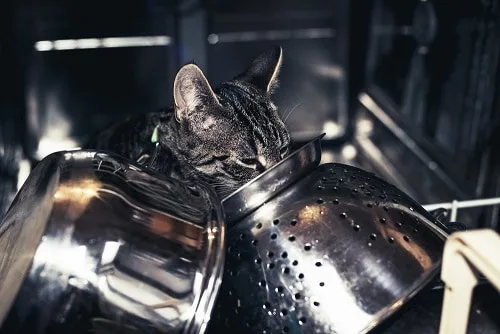
Image source: Web (Bing) / storage.googleapis.com (Web image (fair-use with source credit))
Why Cats Knead and Bite Blankets: From Nursing Instinct to Stress Relief
For kittens, kneading is a survival instinct. They press their paws against their mother's belly to stimulate milk flow. The biting or suckling that often goes with it is just part of that nursing routine.
When a kitten is weaned too early, this oral need doesn't fade the way it usually would.
In adult cats, the behavior becomes a self-soothing habit. The soft blanket mimics the feeling of their mother's fur. Your cat's brain releases feel-good chemicals as they knead and bite.
It's the feline equivalent of a comfort blanket for a child.
Stress can also trigger the behavior. A cat that's anxious about a new pet, a move, or a change in routine might ramp up kneading and biting as a way to cope. According to guidance from the American Veterinary Medical Association (https://www.avma.org), this behavior is considered a normal remnant of kittenhood when it stays gentle and occasional.
But sometimes it goes beyond comfort. If the biting is intense or the cat is actually eating the fabric, that's a different story. We'll cover that in the decision flow coming up.
Certain breeds are more prone to it. Oriental cats like Siamese and Burmese seem to have a higher incidence of this oral fixation. You've probably heard it called "making biscuits." It's a sweet name for a deeply rooted instinct.
What to Look For First: Age, Body Language, and Frequency
Start with the cat's age. Kittens and young adults do this most often. If an older cat suddenly starts, it's worth a closer look.
Senior cats usually don't develop this habit out of nowhere.
Body language tells you a lot. A relaxed cat has soft ears, slow blinks, and a steady purr. A stressed cat holds their tail stiffly and may stop purring when you approach.
Watch their eyes too, half-closed sleepy eyes mean comfort, wide pupils mean tension.
Frequency matters. Occasional kneading before nap time is normal. Daily sessions lasting over 20 minutes suggest something more.
Use this simple checklist to sort it out.
| Observation | Normal Comfort | Potential Problem |
|---|---|---|
| Cat's age | Kitten or young adult | Senior cat starting suddenly |
| Body language | Relaxed, purring, eyes half-closed | Tense, tail lashing, ears back |
| Frequency | A few minutes, then stops | Repeated sessions, more than 20 minutes |
| Biting intensity | Gentle mouthing, no fabric damage | Hard biting, pulling threads, eating fibers |
| Onset | Gradual, linked to napping | Sudden, linked to stress or change |
If most of your checks fall in the left column, it's comfort. If you see multiple items on the right, it's time to dig deeper.
Is It Comfort or a Problem? Follow This Step-by-Step Decision Flow
Ask yourself these questions to find the branch your cat is on.
Step 1: Check the purr. Is your cat relaxed, purring, and making biscuits without tension? If yes, you're probably in the comfort branch. No action needed beyond protecting your favorite blankets.
Step 2: Look for stress signals. Is your cat tense, tail flicking, or ears pinned back? If yes, you're in the stress branch. Look for recent changes in your home, a new pet, a move, or a shift in your schedule.
Step 3: Check for pica. Is your cat actually eating the fabric? Not just holding it in their mouth, but swallowing pieces? That's pica.
This is a vet branch situation. Swallowing fibers can lead to intestinal blockages.
Step 4: Check the age. Did the behavior start suddenly in a cat over seven years old? If yes, consider dental pain or other health issues. A vet visit is the safest bet.
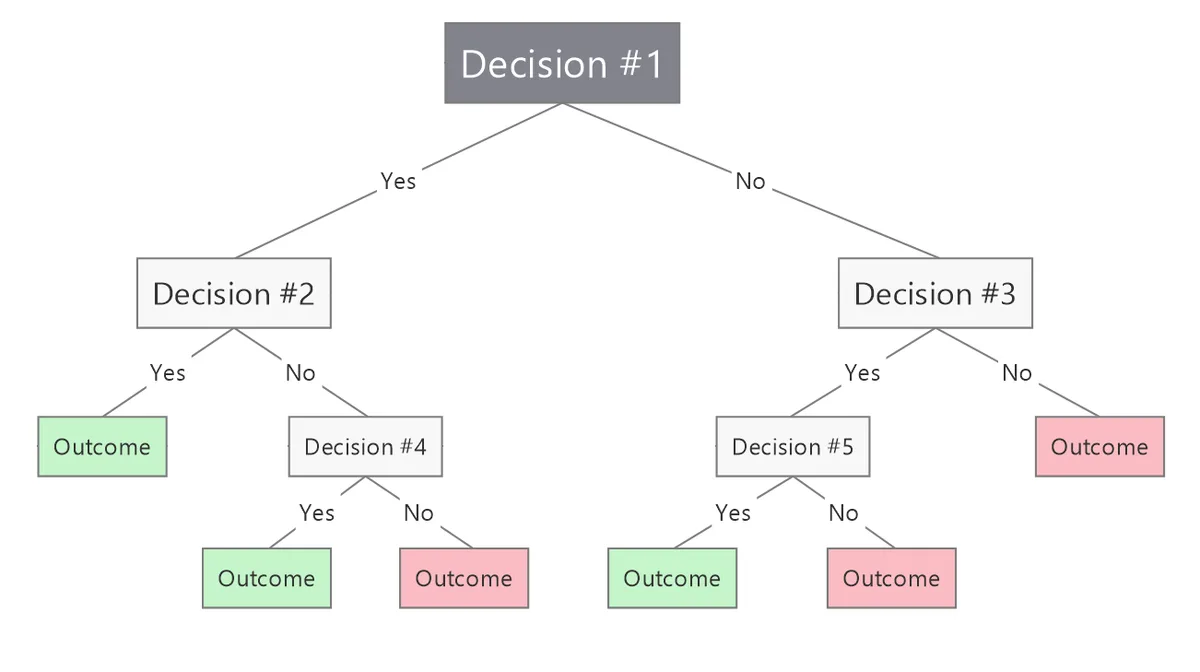
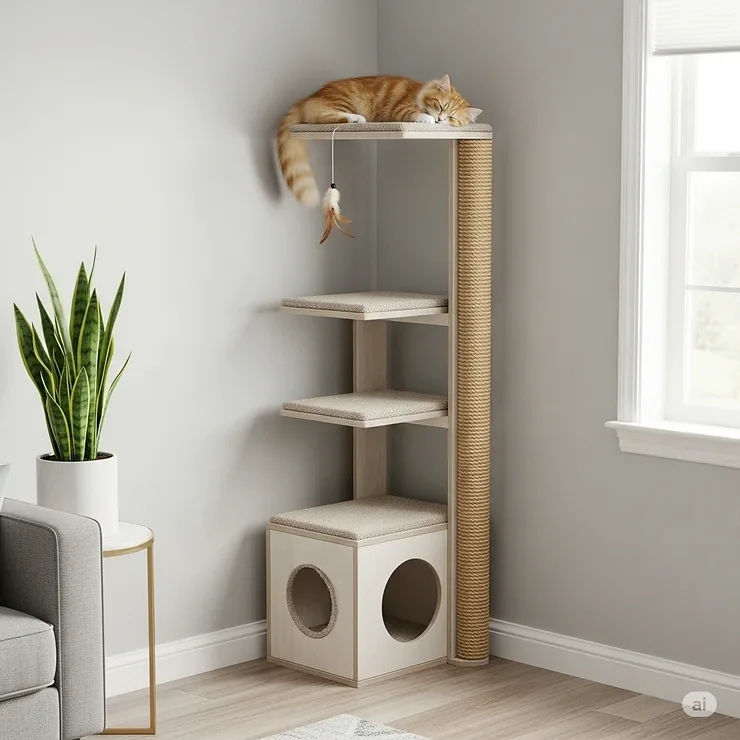
Image source: Web (Bing) / ai.kleidkunst.de (Web image (fair-use with source credit))
Comfort branch: Provide an acceptable blanket you don't mind losing. Fleece works well. Trim claws regularly to reduce fabric damage.
Stress branch: Add enrichment, puzzle feeders, a new scratching post, vertical space like cat trees. Stick to a consistent routine. Consider a synthetic pheromone diffuser.
Vet branch: Remove the blanket your cat is chewing. Schedule a veterinary exam. Bring a video of the behavior if you can.
Tell them about any other changes in eating, drinking, or litter box habits.
How to Handle Each Situation: Practical Actions That Work
Once you know which branch you're on, here's what to do about it.
For comfort kneading and biting:
- Designate a "kneading blanket" just for your cat. Fleece or a thick wool throw works best.
- Trim your cat's nails weekly to reduce snags and holes.
- Provide a heated cat bed or a warm towel. The warmth mimics their mother's body and increases comfort.
- Place the designated blanket in their favorite sleeping spot. They'll learn to go there instead of your bedspread.
For stress-related kneading and biting:
- Use a synthetic pheromone diffuser. Plug it in near their favorite blanket spot.
- Add vertical space. Cat trees, shelves, or a window perch give them a sense of control.
- Increase play sessions. Aim for 15 minutes of active play twice a day. Fishing pole toys are great.
- Keep a consistent routine. Feed them at the same times. Stick to the same bedtime.
For pica or health concerns:
- Immediately remove any blanket your cat is chewing and swallowing.
- Replace it with a safe alternative. A stuffed toy or a catnip kicker gives them something to mouth.
- Contact your vet. They may recommend a dental exam, blood work, or medication for anxiety.
- Keep a close watch on their stool. If you see fabric pieces or if they stop eating, go to the emergency vet.
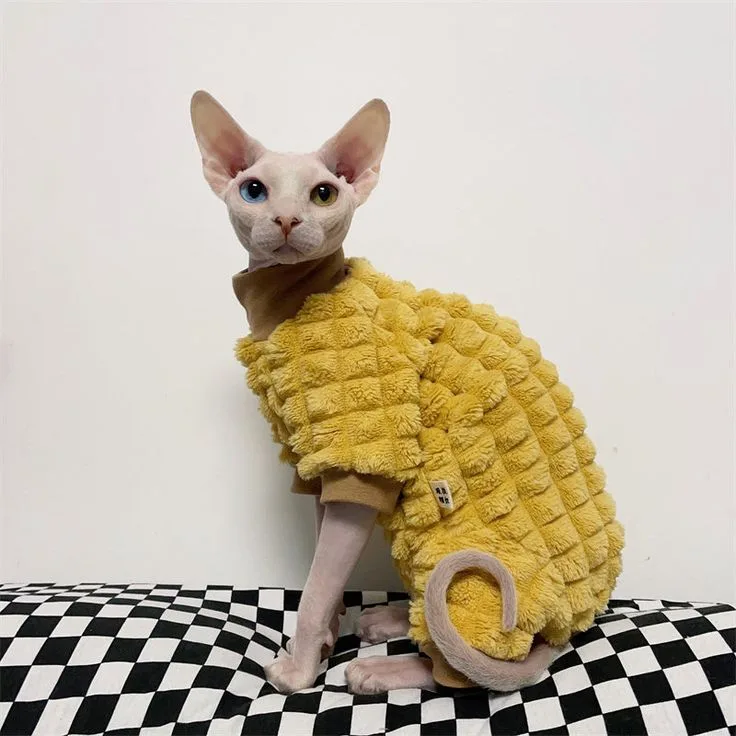
Image source: Web (Bing) / edgeofthepond.com (Web image (fair-use with source credit))
Common Mistakes That Make the Behavior Worse
Punishing your cat. Yelling, spraying water, or pushing them away increases anxiety. That makes the kneading and biting worse, not better. Your cat doesn't understand why you're upset.
They just feel unsafe.
Removing all soft textiles. If you take away every blanket, your cat will find something else. Sweaters, curtains, or carpet edges become the new target. It's better to provide a specific blanket they can have.
Ignoring the stress clues. This behavior is often a message. If you don't address the underlying cause, boredom, anxiety, a change in the household, it may escalate. A cat that feels secure won't need to soothe themselves this way constantly.
Assuming it will go away on its own. For some cats, it does fade as they mature. For others, it becomes a chronic habit that needs active management. If your cat is over two years old and still doing it daily, don't just wait and hope.
Using the wrong blanket material. Some fabrics encourage more biting. Loose-knit wool or fuzzy fleece can snag teeth and trigger the urge to chew. A tight-weave cotton or a satin-edged throw is often less tempting.
When a Vet Visit Is Non-Negotiable: Safety Warning Signs
Most blanket kneading and biting is harmless. But some cases require a professional. Here are the red flags that mean you should call your vet.
Your cat is swallowing fabric. If you see threads in their stool or catch them chewing and swallowing pieces, that's an emergency. Fabric can cause a gastrointestinal blockage. Signs of a blockage include vomiting, lethargy, loss of appetite, and straining to poop.
The behavior started suddenly in an older cat. A senior cat that never did this before may have dental pain. Resorptive lesions in cats are painful and common. Your vet can do a full oral exam to check.
You see other symptoms with the behavior. Drooling, pawing at the mouth, weight loss, or changes in appetite all need attention. These could point to a medical cause rather than a behavioral one.
The biting is destructive or obsessive. If your cat is damaging blankets daily and seems unable to stop, they may need medication for anxiety. Your vet can prescribe something that helps without sedating them.
What the vet will do. Expect a physical exam and dental check. They may recommend blood work to rule out thyroid issues or other metabolic conditions. Bring a video of the behavior if you can.
It helps them see exactly what's happening.
Vet costs as of 2026. A standard exam runs $50 to $100. Blood work adds another $100 to $200. Dental cleanings under anesthesia can cost $300 to $600.
It's not cheap, but it's cheaper than emergency surgery for a blockage.
Quick Answers: FAQs About Kneading and Biting Blankets
Why does my cat knead and bite blankets while purring?
Your cat is self-soothing with a nursing instinct. The purring means they feel safe and content. The blanket reminds them of their mother's fur.
This is normal unless it becomes destructive or obsessive.
Is it bad if my cat eats blanket fibers?
Yes. Swallowing fabric can cause an intestinal blockage. If you see threads in their stool or they stop eating, see a vet immediately.
Provide a plush toy instead and remove the blanket they're chewing.
Will my cat grow out of kneading and biting blankets?
Many cats do. But about 10 to 30 percent of adults keep the habit. If your cat is over two years old and still doing it daily, it's likely permanent.
Manage it rather than trying to stop it entirely.
Does breed affect this behavior?
Yes. Siamese, Burmese, and other oriental breeds are more prone to wool sucking. The genetic link isn't fully understood.
But if you have one of these breeds, the behavior is more likely and may be stronger.
Can stress cause my cat to knead and bite blankets more?
Absolutely. Any change in routine can trigger it. New pets, moving homes, or even a new work schedule can increase the behavior.
Address the stress source first. Extra playtime and pheromone diffusers often help.
What kind of blanket is safest for my cat?
Tight-weave cotton or fleece with no loose threads is safest. Avoid loose-knit wool and blankets with fringe. Your cat's claws can snag in open weaves.
Monitor any blanket for signs of wear and replace it before they can ingest fibers.

Similar Posts