Why Do Cats Hate Oranges? The Surprising Truth
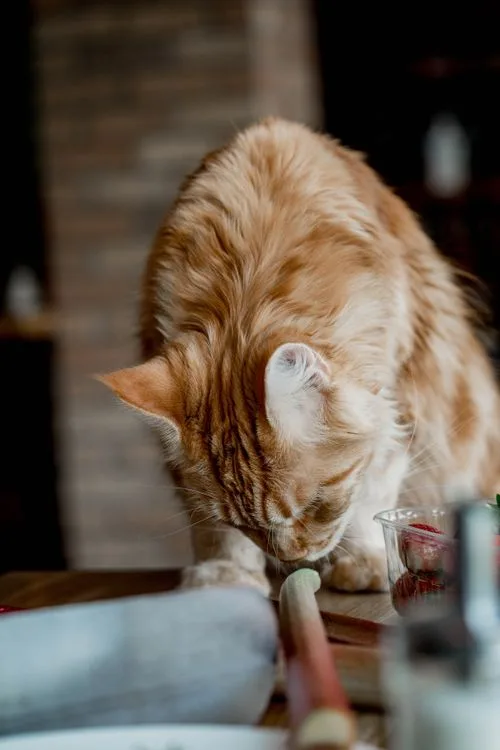
You’ve probably wondered why do cats hate oranges. It’s not just a quirky preference. The reaction is deeply rooted in feline biology and self-preservation.
Your cat’s nose is telling it something important.
A cat’s olfactory system contains roughly 200 million scent receptors, compared to our measly 5 to 6 million. That means smells we barely notice can hit them like a punch in the face. Citrus is one of those punches.
Let’s walk through what’s actually happening, why it matters for your cat’s safety, and what you should and shouldn’t do about it.
Image source: Bing (Web (fair-use with source credit))
Quick Answer
Cats hate oranges because of the strong citrus smell. The scent comes from essential oils in the peel. These oils are irritating to a cat’s sensitive nose.
The smell also signals potential toxicity. Your cat’s brain tells it to stay away.
The Science Behind the Aversion: Smell, Taste, and Instinct
The real story starts in your cat’s nose. Cats are obligate carnivores. Their entire evolutionary path was shaped by hunting meat, not foraging for fruit.
Their sense of smell developed to detect prey, find mates, and avoid danger. A strong, unfamiliar, chemical-like scent from a fruit is a giant red flag.
The main culprits are limonene and linalool. These are volatile organic compounds found in high concentrations in citrus rinds. As of 2026, research confirms that these compounds are potent olfactory irritants for felines.
When your cat sniffs an orange peel, those molecules hit the vomeronasal organ, also called Jacobson’s organ, located on the roof of the mouth. That organ feeds straight into the brain’s emotional and behavioral centers. The result is a fast, instinctive “nope” response.
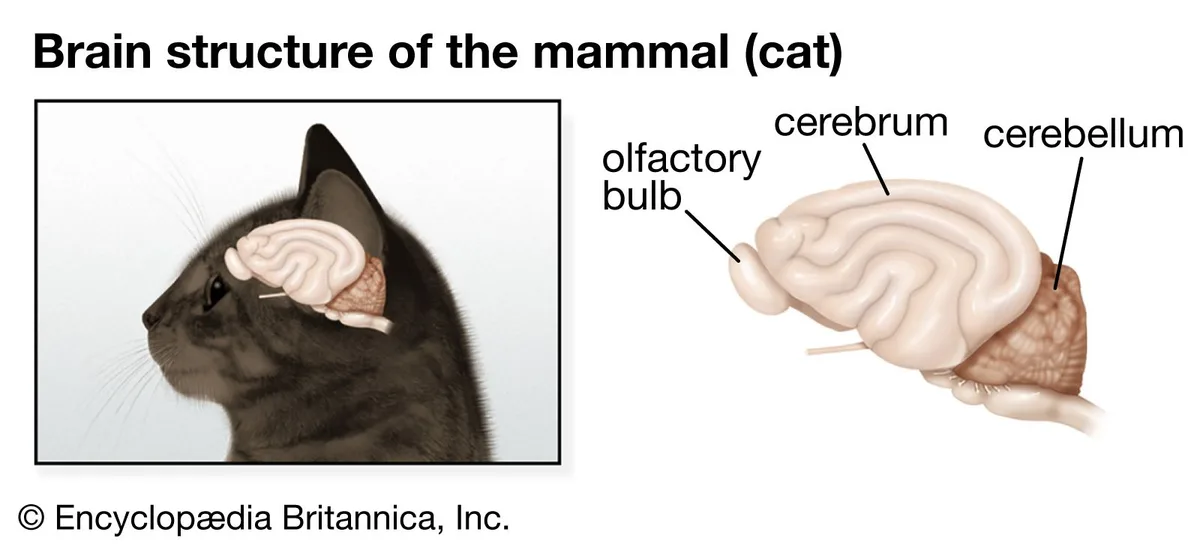
Image source: Bing (Web (fair-use with source credit))
Bitter taste plays a role too. The flesh of an orange is acidic and contains limonoids, which cats perceive as intensely bitter. Most cats will turn away before they even lick it.
The combination of an overpowering smell and a bitter taste creates a double deterrent.
There’s also a learned component. If a cat once sniffed an orange and got a nose full of irritating oils, it remembers. Next time it sees anything citrus shaped or smells that sharp note, the brain says “bad experience, avoid.” That’s why some cats react before they even get close to the fruit.
But not every cat reacts the same way. Some are curious. Some are indifferent.
A small number of cats seem unbothered by orange peels. Individual sensitivity varies, just like some people love cilantro and others think it tastes like soap. Still, the vast majority of domestic cats share this aversion because it’s baked into their species.
Is It Just Dislike, or Is It Dangerous? The Toxicity Factor
Here’s the critical distinction. Dislike is not the same as safety. Many cat owners assume that because a cat hates something, it must be “natural” and therefore fine.
That’s a dangerous assumption.
The essential oils in orange peels limonene and linalool are listed as toxic to cats by the ASPCA Animal Poison Control Center. The danger depends on the form and amount of exposure.
Let’s break it down by scenario.
Sniffing a fresh orange peel. This is usually low risk. The cat gets an unpleasant sensory experience but no significant chemical absorption. Your cat might sneeze, back away, or give you a dirty look.
That’s about it.
Licking or nibbling the fruit. A small taste of the orange flesh is rarely harmful. The fruit is acidic but not toxic in tiny amounts. A cat that eats a single wedge might get an upset stomach and drool a bit.
You monitor. You don’t panic.
Eating the peel. This is more concerning. The peel contains the highest concentration of essential oils. Ingesting a significant amount can cause drooling, vomiting, diarrhea, and depression.
The ASPCA states that limonene can cause central nervous system depression in large enough doses.
Concentrated essential oil products. This is where the real danger lives. Diffusers, sprays, and topical oils that contain limonene or linalool are dangerous even in small amounts. Cats exposed to concentrated citrus oils can develop tremors, difficulty walking, or respiratory distress.
As of 2026, the Pet Poison Helpline reports citrus essential oil ingestion as a common call for feline emergencies.
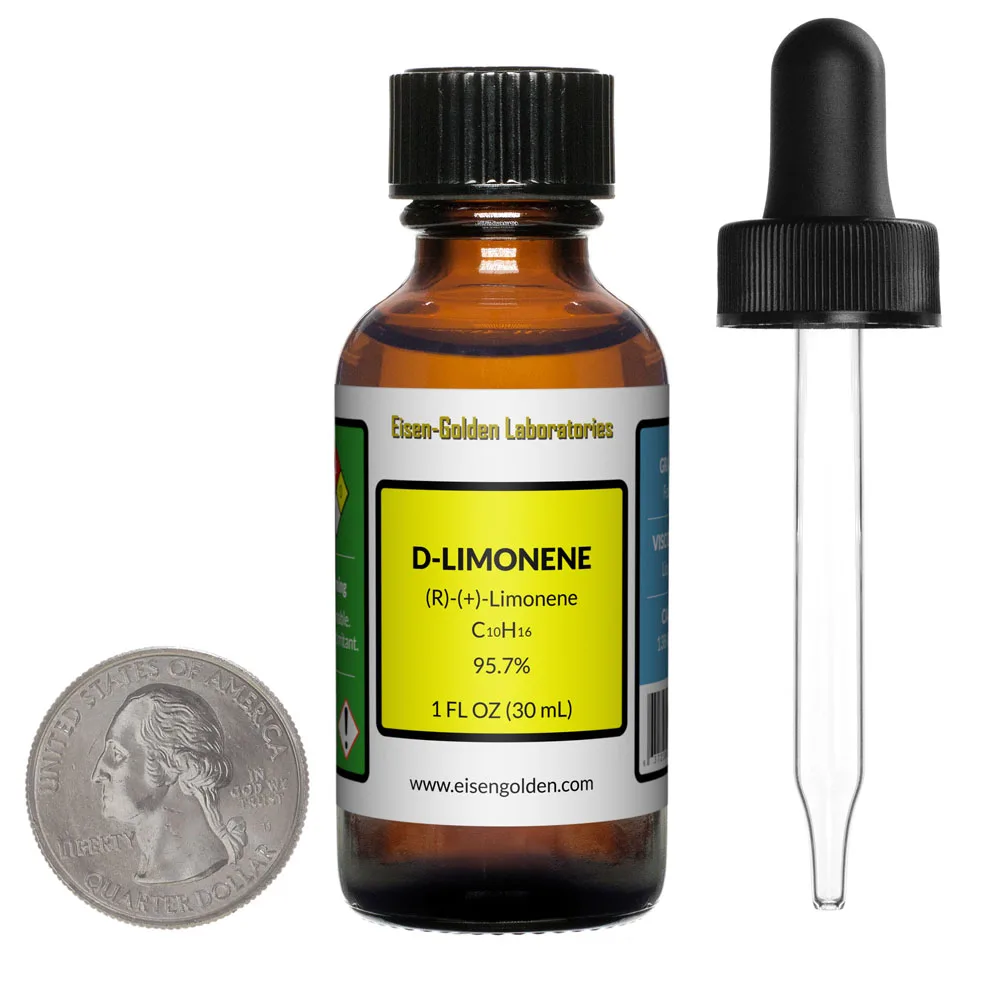
Image source: Bing (Web (fair-use with source credit))
The liver problem. Cats lack a key enzyme in the glucuronidation pathway, which means they process certain compounds much slower than dogs or humans. Limonene and linalool stay in their system longer and build up faster. What seems like a small amount to us can be a heavy chemical load for a cat.
Here’s the bottom line. Dislike is your cat’s instinct to avoid something potentially harmful. That instinct evolved for a reason.
Don’t assume that just because the reaction is “natural” the substance is harmless.
Common Mistakes People Make with Citrus and Cats
Most cat owners have good intentions. They want to keep the cat off the counter or away from the houseplants. Someone told them that cats hate oranges, so they try using citrus as a repellent.
It can go wrong in a few predictable ways.
Using essential oil sprays as a deterrent. This is the number one mistake. People buy orange essential oil, mix it with water, and spray it on furniture or curtains. The concentration is often too high.
Cats groom themselves constantly. They walk through the spray and then lick their paws. The oil transfers straight into their system.
Rubbing peels on the cat. Some people think a little citrus on the fur will teach the cat to stay away from certain areas. This is stressful and potentially harmful. The cat can’t escape the smell on its own body.
It also risks dermal irritation.
Assuming “natural” means safe. Just because the peel comes from a grocery store doesn’t mean it’s safe for a cat. Natural does not equal non toxic. Cyanide is natural too.
Leaving citrus out in the open. A bowl of oranges on the counter is fine. But if you leave a cut orange or discarded peels within reach, a curious cat might investigate or take a bite. The peel is the dangerous part.
Dispose of it out of reach.
Forcing exposure to “cure” the behavior. Some owners think if the cat just gets used to the smell, it’ll stop reacting. That’s not how feline biology works. You’re not desensitizing a phobia.
You’re stressing out your cat for no benefit.
The smart approach is simple. If your cat hates oranges, respect that. Use the information to keep your cat safe, not to test its limits.
How to Use Citrus Safely (If You Really Want To) and Better Alternatives
You might still want to use citrus as a gentle deterrent. Maybe you need to keep your cat off a specific plant or away from a corner where they shouldn’t be. You can do that safely if you’re careful.
Safe method for scent only. Take one drop of orange essential oil and mix it into a cup of water. Shake well. Lightly mist a piece of cloth, not the surface directly.
Place the cloth in the area you want to protect. This gives a mild scent without coating the floor or furniture. Never spray near the cat’s food, water, or sleeping area.
Fresh peel method. Place a single piece of fresh orange peel on a plate near the off limits spot. Do not tape it to the surface the cat might touch. Replace it daily before it dries out.
The effect lasts maybe a day.
Safer alternative: physical barriers. Cats hate the texture of certain materials more than citrus. Aluminum foil, double sided tape, or plastic carpet runners (nub side up) are better bets. They don’t involve any chemical exposure.
They just feel weird on the paws.
Safer alternative: motion activated air. These devices use a burst of compressed air when the cat approaches. No chemicals. No smell.
Just a startling puff that trains the cat to stay away. User reviews consistently report these as effective.
Safer alternative: bitter apple spray. Products like Grannick’s Bitter Apple are formulated specifically for pets. They taste awful but contain no toxic citrus oils. They’re safe for use on furniture, baseboards, and cords.
What not to do. Never use citrus based flea treatments or shampoos marketed for dogs on your cat. Some dog products contain limonene as a natural insecticide. Those products can be dangerous for cats.
Always check the label.
If you want a citrus scented home but need to keep your cat safe, use sealed containers. A citrus candle in a high place or a sealed wax warmer where the cat cannot access the oil reservoir is fine. The amount that enters the air is negligible.
But if your cat shows any signs of coughing, sneezing, or watery eyes, remove the scent source immediately.

Similar Posts