Can a Cat Raise Another Cat’s Kittens?
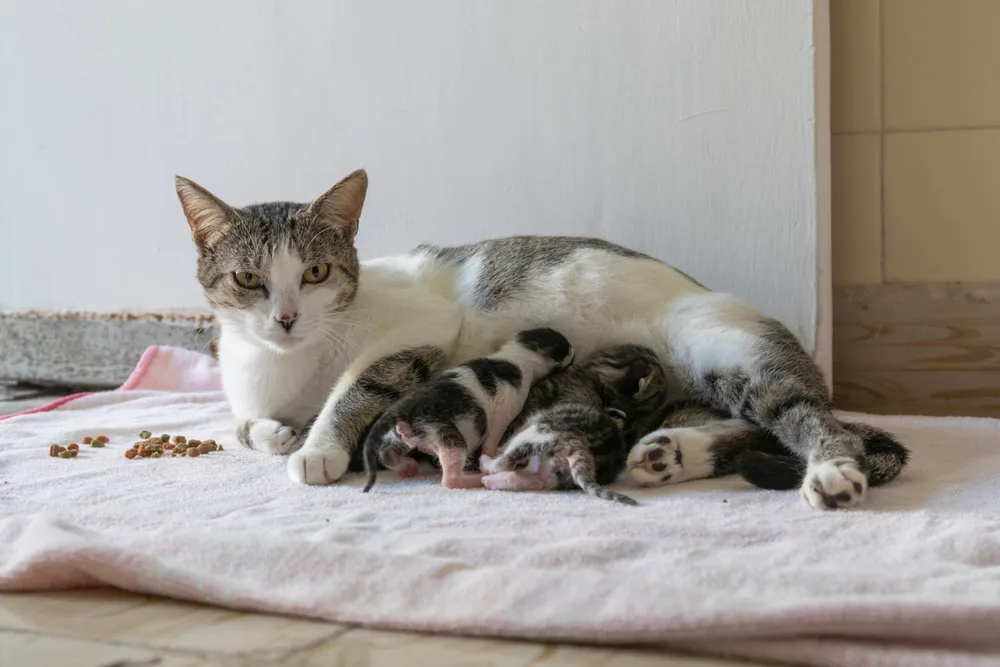
The question "can cat raise kittens not her own" is one I hear constantly from foster volunteers, breeders, and people who just found a box of orphans on their porch. The short answer is yes, but it's not guaranteed, and pushing the wrong cat to foster can backfire badly. Here's what you actually need to know before you try.
Research on feline maternal behavior suggests that roughly one in three queens will readily accept unrelated kittens within 48 hours. The other two-thirds need careful introduction, or they'll reject, hiss, or even abandon the litter. Understanding how that bonding process works, and what your own role in it looks like, is the difference between a happy outcome and a heartbreaking one.
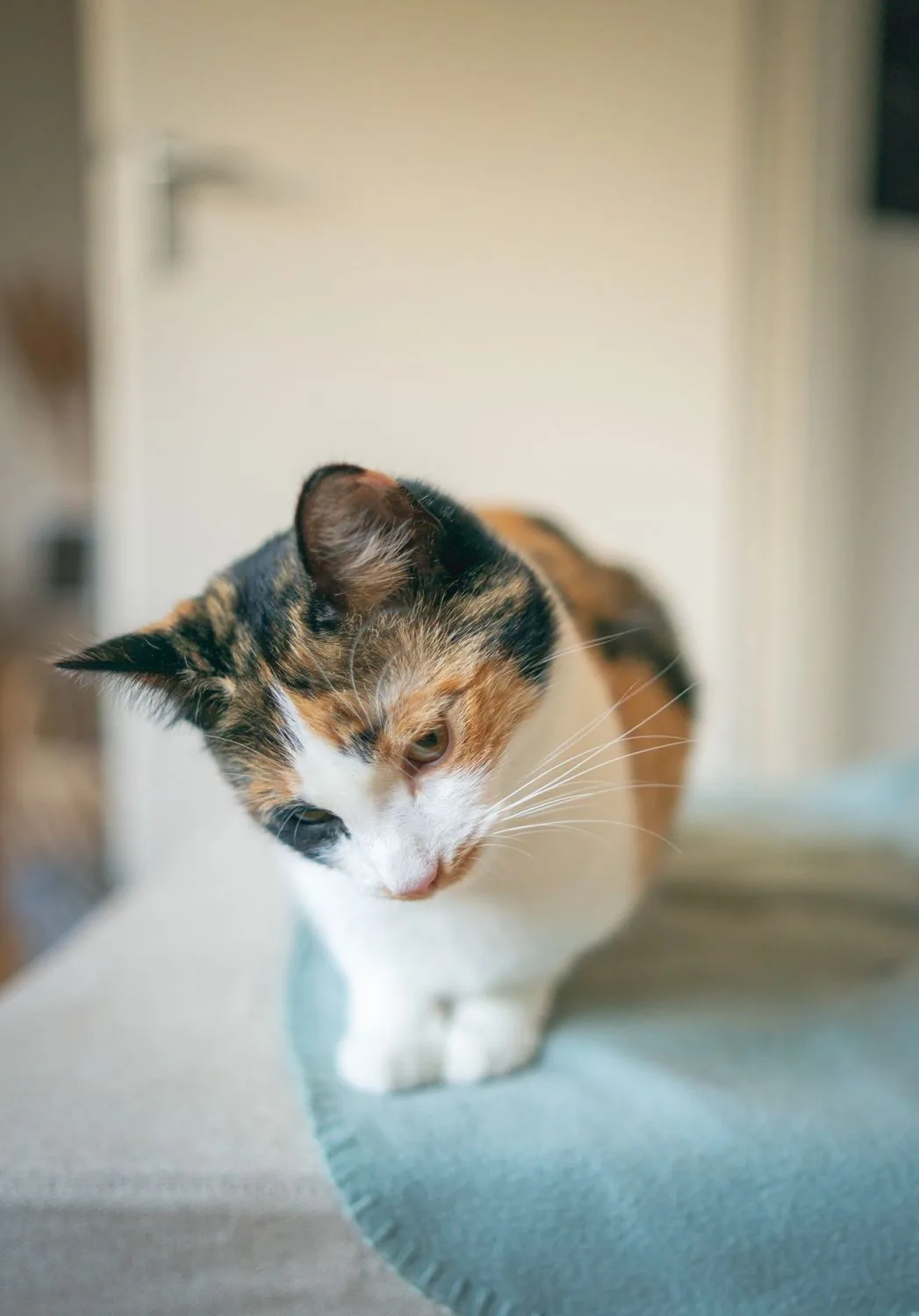
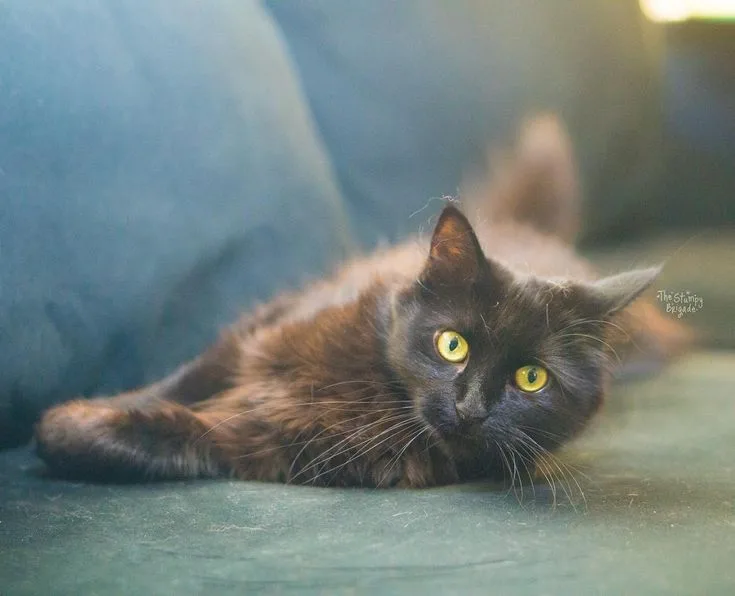
Image source: Web (Bing) / catster.com (Web image (fair-use with source credit))
Quick Answer
Yes, a cat can raise kittens not her own. A queen who is lactating, has maternal instincts, or recently lost her own litter will often accept foster kittens. The acceptance rate improves dramatically with proper scent transfer and a gradual introduction.
Success depends heavily on the individual cat's temperament and the foster kitten's age.
Why This Question Worries So Many Cat Owners
Here's the thing. People ask this question because they're usually standing in a stressful moment. Maybe they found a newborn litter in a shed, or they walked into their local shelter and saw a queen who just lost her babies.
They're hopeful, but they're also terrified of doing something wrong.
That fear is justified. A rejected kitten is a dying kitten. Newborns need warmth, stimulation, and milk every two hours.
If a foster queen refuses to nurse, you've got about 12 hours before hypothermia and dehydration set in. This is why the foster process matters so much, and why you can't just "put the kitten in and see what happens."
The good news is that mother cats are hardwired to care for kittens. That's not just a personality trait, it's hormonal biology. When a queen nurses, she releases oxytocin, the same bonding hormone human mothers get.
This hormone plays a massive role in making her accept kittens that aren't biologically hers.
The Hard Truth: When Fostering Fails, Kittens Die
I'm not going to sugarcoat this. Feline foster failure is a real and deadly problem. When a queen rejects a kitten, she typically does one of three things.
She hisses and swats the kitten away, she physically moves out of the nesting area to escape it, or in severe cases, she abandons her entire litter to avoid one intruder.
The mortality rate for orphaned kittens without a nursing mother or proper bottle-feeding is staggeringly high. Studies from veterinary teaching hospitals suggest that neonatal kitten mortality can reach 25 to 40 percent in the first eight weeks of life, even with human care. Without care, that number jumps well above 90 percent.
So when you hear "can cat raise kittens not her own," you're really asking about a life-or-death logistics problem. It's not a simple yes or no. It's a yes under certain conditions, with a very specific set of steps to maximize the chance of success.
What's Actually Going On in a Foster Queen's Brain
Let's talk about cat psychology for a second. Cats are not pack animals like dogs. They're solitary hunters, and their maternal instinct is much more chemically driven than emotionally driven.
When a queen gives birth, her brain floods with prolactin and oxytocin. Those hormones trigger nursing behavior, grooming, and protective aggression. Here's the interesting part: she doesn't recognize her kittens by sight.
She recognizes them by smell, and that smell is tied directly to her own scent profile.
This is why the scent-transfer technique is the absolute foundation of fostering. If you can make a foster kitten smell like her bio-kittens, or smell like her own bedding, her brain literally cannot tell the difference. She will nurse it, groom it, and protect it because her hormonal programming tells her this is her baby.
Per the American Veterinary Medical Association's guidance on feline fostering, the queen's stress level is the single biggest determinant of fostering success. A stressed queen produces higher cortisol, which interferes with her maternal behavior. She might know she should care for the kitten, but her survival instinct overrides her maternal instinct.
The Scent Game: How Maternal Bonding Actually Happens
So how does this bonding actually work in practical terms? It's all about olfactory camouflage. The queen identifies her litter by the combined smell of her saliva, her anal gland secretions, and the nesting material.
Anything that smells different is a threat.
This is why the first step in any successful foster introduction is making the kitten smell "boring" to the queen. You rub the kitten thoroughly with soiled bedding from the queen's nest. You rub the kitten against her bio-kittens if there are any.
Some foster coordinators even take the queen's urine-soaked litter and lightly dab it on the foster kitten's back.
What happens next is a chemical response. When the queen grooms the foster kitten, she's depositing her own saliva on it. The more she grooms it, the more it smells like her.
Within 24 to 48 hours, the kitten effectively becomes hers, from a scent perspective at least.
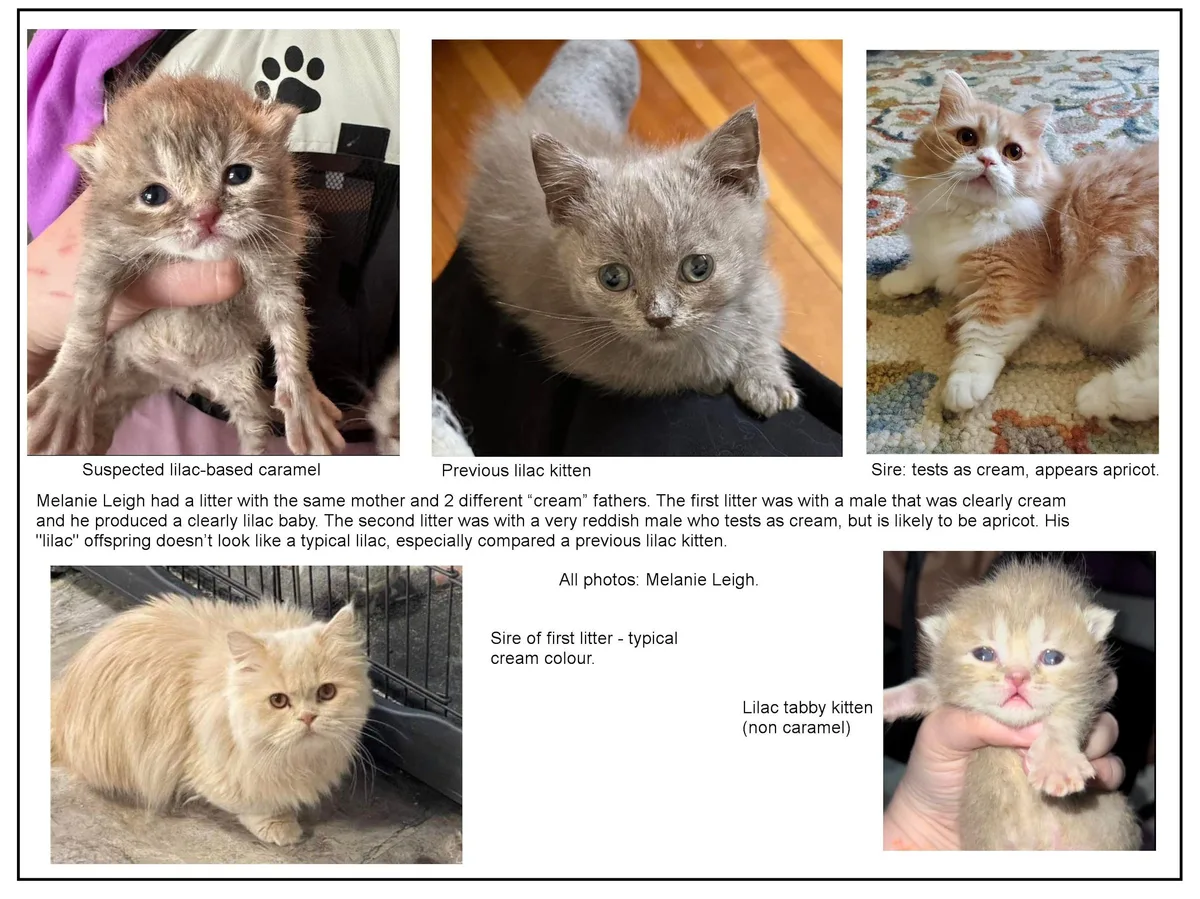
Image source: Bing (Web (fair-use with source credit))
Notice the position in that image. The queen is curled around the kitten in a full nursing posture, but she's also resting her chin on it. That's a grooming-and-bonding position, not just a feeding one.
She's actively claiming that kitten.
Before You Even Introduce Them: Health Checks First
Stop. Before you even think about introductions, you need to confirm the foster kitten is healthy. A sick kitten can infect the queen's entire biological litter, and that's a disaster you won't recover from.
Take the kitten to a vet first. Check for fleas, which can cause anemia so severe the kitten can't nurse properly. Check for upper respiratory infections, which are highly contagious and spread like wildfire in a toystore.
Check for ringworm, which will absolutely spread to the queen and her litter.
| Check | Why It Matters | Timeline |
|---|---|---|
| Fecal exam | Parasites can starve the kitten | Day 1 |
| Flea treatment | Blood loss and tapeworms | Day 1 |
| Respiratory signs | Highly contagious | Day 1 |
| Weight gain | Shows active feeding | Every 12 hours |
You also need to know how old the kitten is. Age matters enormously for foster success. A queen which lost her own litter within the first few days will usually accept newborns up to about a week old.
A queen with an established litter of slightly older kittens will only accept kittens near the same age group. Same-size kittens get accepted far more often than mismatched ones.
The Scent-Transfer Technique: How to Smuggle a Kitten In
This is the process that makes or breaks everything. Here's your step-by-step, straight from established shelter protocols:
Step one: Gather the queen's soiled bedding. You want the stuff that smells most strongly of her, not the clean stuff.
Step two: Vigorously rub that bedding all over the foster kitten. Cover the back, the head, the tail. You want that kitten absolutely saturated with the queen's scent.
Step three: Place the foster kitten in the nesting box alongside her biological kittens, if there are any. Let them tangle together for 15 to 20 minutes while you supervise.
Step four: After that supervised session, take the foster kitten out and rub it again with the same bedding. You're layering scents.
Step five: Now introduce the kitten to the queen. Do this when she's lying down, already nursing her own litter. Approach her calmly, and place the foster kitten at her belly, not in her face.
The key thing to watch for is her body language. Ears forward, slow blinking, and relaxed posture are all green lights. A hiss or a flattened ear is not immediately failure, but it's a warning sign you need to back off instantly.
Remember what I said earlier about the stress-cortisol connection. If she hisses, step away. Give her 10 minutes, let her re-settle, then try again.
Pushing her past her tolerance level just cements her negative association with that kitten.
The First Meeting: What Supervised Introduction Looks Like
You've done the scent transfer. Now comes the moment of truth. I recommend setting up a controlled meeting where the queen can leave at any time.
A escape route reduces her stress, and a calm queen is far more likely to accept the kitten.
Place the queen in her nesting box with her biological litter, then lower the foster kitten in beside her. Do not hold the kitten near her face first. Go straight for the belly area.
Let her sniff it for 5 to 10 seconds, then let it start nursing.
If she looks uncomfortable, don't force it. You'll see her tense her shoulders, pull her ears back, or give a soft warning hiss. That's her saying "not yet." Pull the kitten back, rub it more with her bedding, and give her a break.
Most successful introductions happen on the first sitting, but not always. Some queens need multiple sessions across two to three days before they fully accept the stranger. That's normal.
What's not normal is a queen that shows increasing aggression with each session, that's your signal to pivot to hand-raising instead.
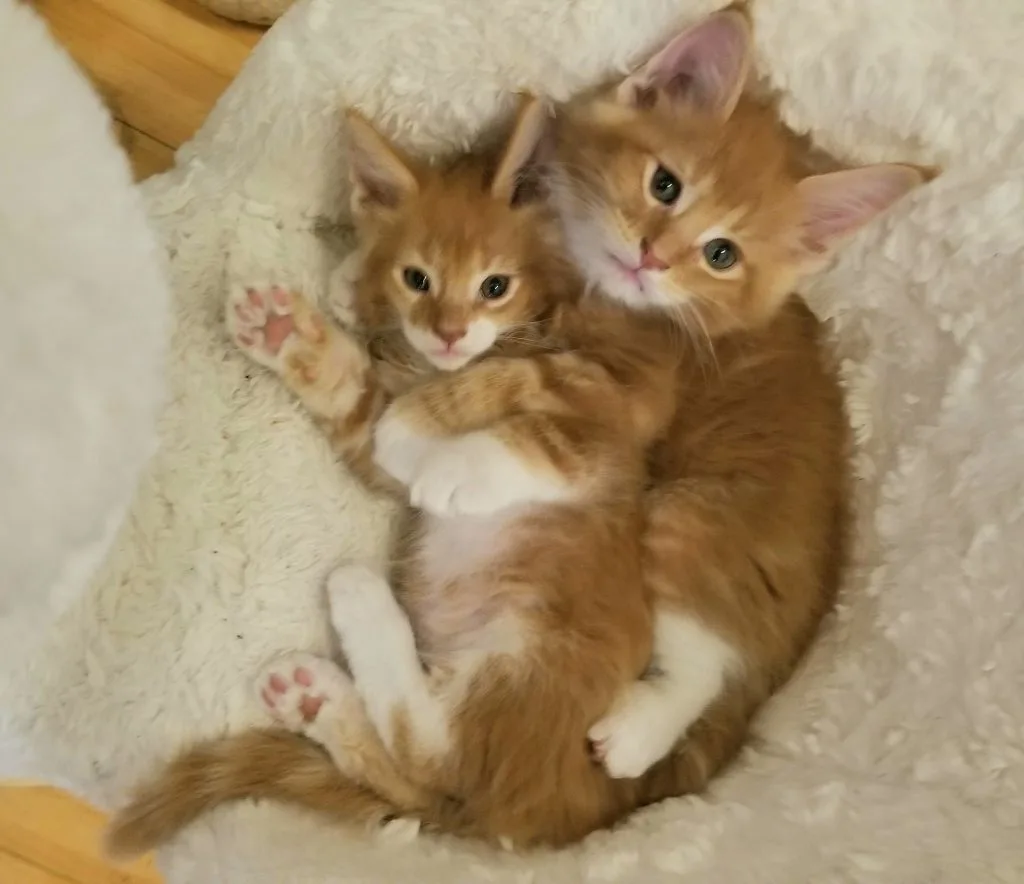
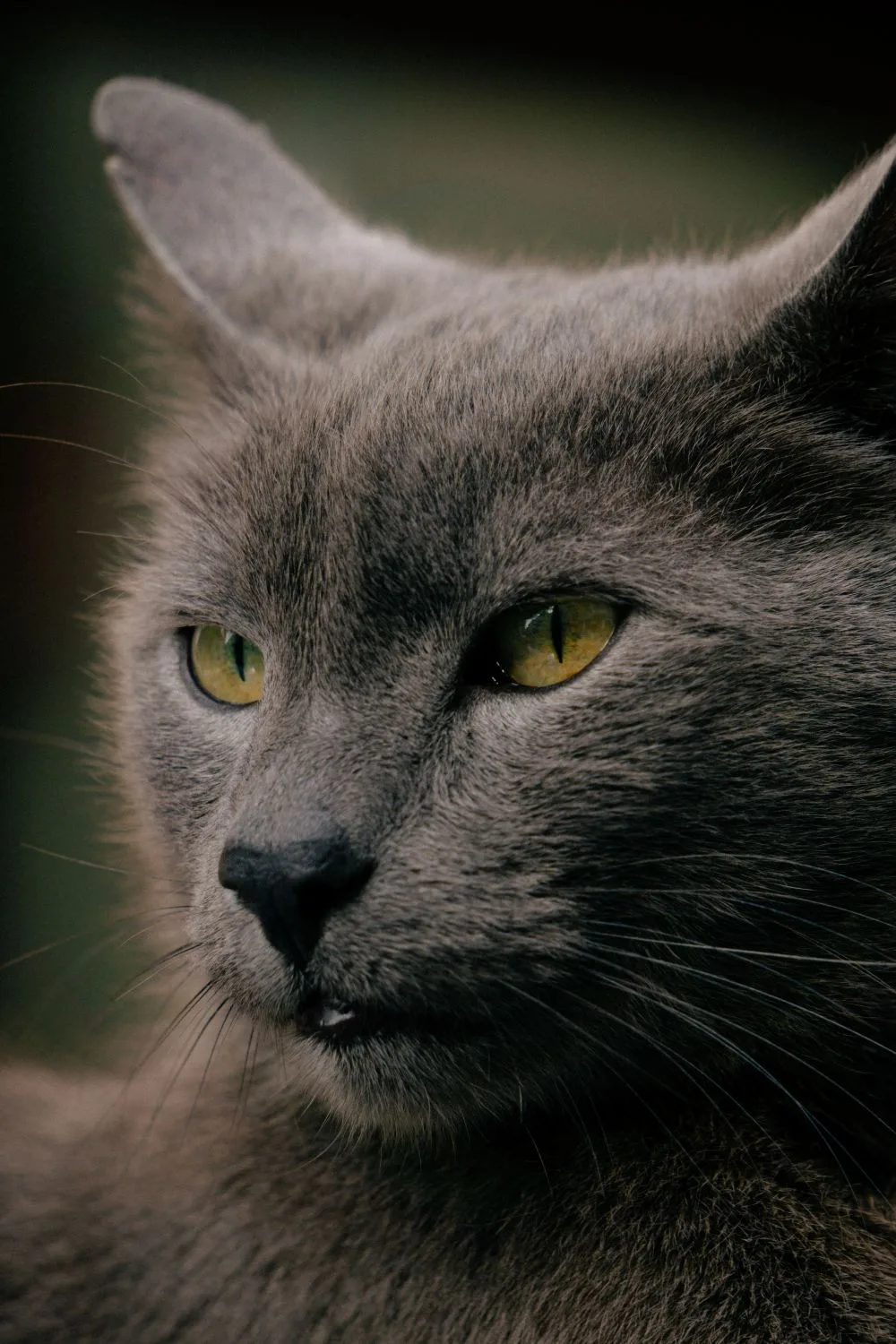
Image source: Bing (Web (fair-use with source credit))
That image shows exactly what rejection looks like. See the flattened ears and the direct stare? That's a queen saying "this kitten does not belong here." If you see this posture more than once across separate attempts, stop trying to force it.
Monitoring Milestones: What Success Looks Like (and What Doesn't)
After the first successful nursing session, your job shifts from introduction to monitoring. Success isn't a one-time event. It's a sustained pattern across the first 72 hours.
Here's what you're looking for:
- Weight gain. A healthy kitten gains 10 to 15 grams per day. Weigh them at the same time every morning. If they're gaining, they're nursing.
- Contentment. After feeding, the kitten should sleep deeply, not cry or squirm constantly. Hysterical crying means they're hungry, which means they're not getting enough milk.
- Grooming. If the queen licks the foster kitten's stomach and genital area after feeding, that's a huge success. It means she's accepted it as her own. This grooming stimulates the kitten's digestion and elimination.
- Nest position. The queen should be curled around the kitten, not sitting apart from it. If she's sleeping away from the foster kitten while still caring for her biological ones, you have a part-time foster at best.
The rules are different if the queen is spayed. A spayed cat can still go through a pseudo-pregnancy, which triggers milk production and nurturing instincts. However, spayed queens are often less tolerant of energetic or older kittens because they don't have the same hormonal drive as a nursing mother of a matched-age litter.

Similar Posts