Week Old Kitten Not Pooped in 2 Days? Critical Steps
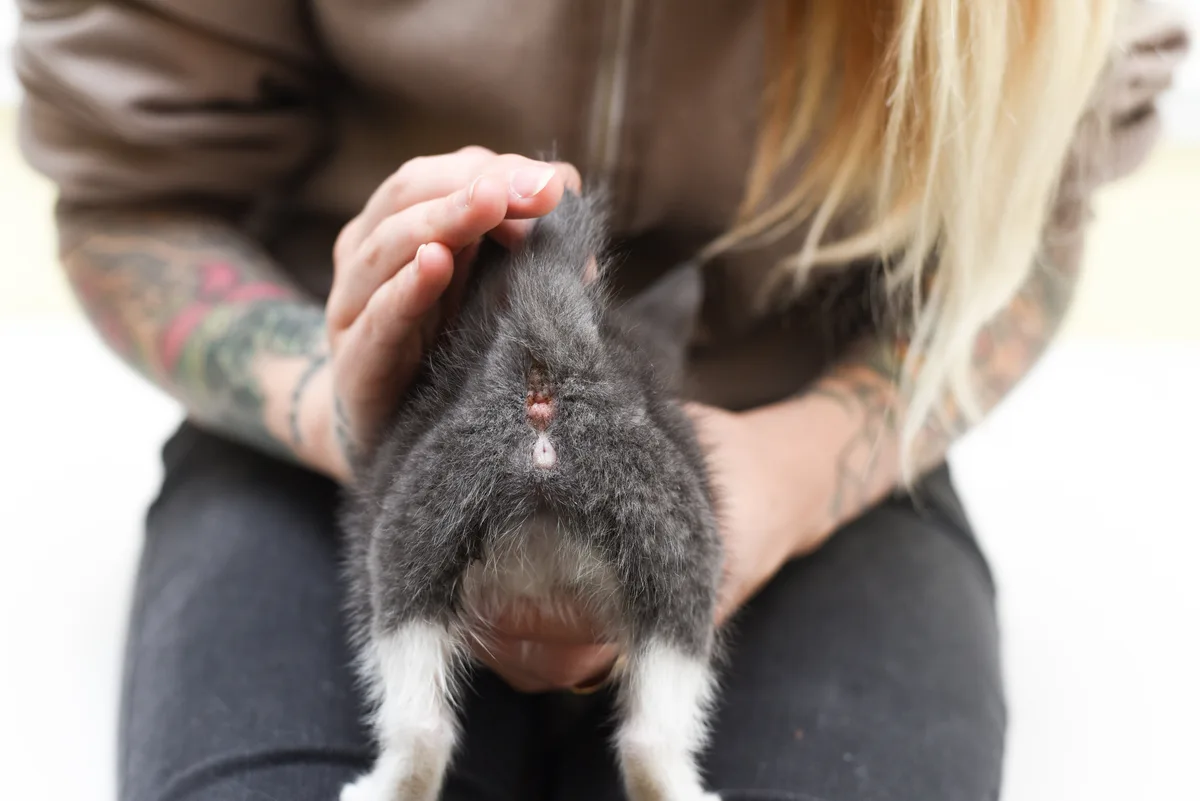
Your week old kitten hasnt pooped in 2 days and you're worried. That's the right instinct because at this age, digestion is fragile and problems escalate fast. A healthy one-week-old kitten should poop at least once or twice every 24 hours when properly stimulated after feeding.
Two full days without a bowel movement is a yellow flag that can turn red quickly. According to the American Association of Feline Practitioners (AAFP) kitten care guidelines, a neonatal kitten that hasn't defecated in 48 hours needs immediate assessment and intervention. The clock matters here.
Let's walk through what's normal, what's not, and exactly what to do next.
Quick Answer
A week-old kitten that hasnt pooped in 2 days needs intervention now. Start by checking for dehydration and a distended belly. Stimulate the kitten gently with a warm damp cotton ball after every feeding.
If the kitten strains for more than 30 seconds without producing stool, has a hard belly, or stops eating, get to a vet immediately. Do not wait another day.
What Normal Pooping Looks Like at One Week Old
Newborn kittens cannot poop on their own. Their digestive systems are immature, and they rely on external stimulation to trigger elimination. In nature, the mother cat licks the kitten's genital and anal area after every feeding.
Without her, that job falls to you.
Normal kitten stool at this age should have a specific look and feel. It should be soft but formed, roughly the consistency of toothpaste. The color should be yellowish-brown when the kitten is fed a proper kitten milk replacer.
It should not be hard, dry, or pebbly. It should not be liquid either.
The timing matters just as much. A one-week-old kitten should produce stool within a few minutes of stimulation after each feeding, typically one to three times per day. If you stimulate and nothing happens for two consecutive feedings, that's your first warning sign.
If a full 24 hours pass without stool, you are now in the intervention zone.
Here is a quick reference table for what normal looks like at this age:
| What to Check | Normal | Concerning |
|---|---|---|
| Frequency | 1 to 3 times per day | 24+ hours with none |
| Consistency | Soft formed, like toothpaste | Hard, dry, or watery |
| Color | Yellowish-brown | Green, black, or bloody |
| Effort | Gentle push, stool emerges | Straining 30+ seconds with nothing |
| Belly | Soft, not distended | Hard, swollen, or tight |
One other thing people miss. The kitten should also be urinating every time you stimulate. A kitten that pees but does not poop is less concerning than one doing neither.
If your kitten is not peeing either, that is a more urgent problem. Hydration and kidney function are in play.
How to Properly Stimulate a Kitten to Poop (Step by Step)
Most people who try to help a constipated kitten make one of two mistakes. They rub too gently and nothing happens. Or they rub too hard and cause irritation.
The technique matters, and it is simple once you know it.
Image source: Bing (Web (fair-use with source credit))
Here is the exact process to follow after every feeding.
Step 1: Prepare your materials. You need a warm damp cotton ball or a soft piece of gauze. Use warm water, not hot. The temperature should be body temperature, roughly the same as what you would use for a baby's bath.
Dry materials will irritate the kitten's sensitive skin.
Step 2: Position the kitten correctly. Place the kitten on its back in the palm of your hand, supporting the head and neck. The kitten should be warm and comfortable. A cold kitten will not digest or eliminate properly.
The ideal body temperature is between 95 and 99 degrees Fahrenheit.
Step 3: Stimulate the genital area. Use the warm damp cotton ball to gently rub the kitten's genital and anal area in a circular motion. The motion should mimic a mother cat's tongue. You should see the kitten begin to push or strain slightly.
Continue for up to 60 seconds.
Step 4: Watch for results. A normal response is a small push followed by the emergence of soft yellowish-brown stool. If the kitten strains for more than 30 seconds without producing anything, stop and take a break. Do not keep rubbing hard.
That will only cause soreness and inflammation.
Step 5: Clean up. Wipe the area clean with a fresh warm damp cotton ball. Make sure no stool residue is left behind. That residue can cause irritation and infection.
Dry the area gently with a soft cloth.
Step 6: Repeat at every feeding. This is not a one-time fix. You must stimulate after every feeding, every 2 to 3 hours, including overnight. Consistency is what keeps the digestive system moving.
If you are feeding the kitten a commercial kitten milk replacer, check the mixing instructions carefully. Some powders require precise water ratios. Too much powder creates thick stool.
Too little causes loose stool. Both contribute to constipation problems. As of 2026, most major brands of kitten milk replacer have clear mixing guidelines printed on the packaging.
5 Mistakes That Make Constipation Worse
The biggest danger here is not the constipation itself. It is the well-meaning but wrong things people do trying to fix it. These mistakes can turn a manageable problem into a life-threatening emergency.
Mistake 1: Using laxatives or enemas at home. This is the most dangerous one. People sometimes reach for mineral oil, milk of magnesia, or even baby laxatives. Do not do this.
A neonatal kitten's digestive tract is tiny and fragile. Mineral oil can be aspirated into the lungs, causing fatal pneumonia. Enemas can perforate the intestinal wall.
The American Association of Feline Practitioners guidelines warn specifically against any home-administered laxatives in kittens under four weeks old.
Mistake 2: Overfeeding without stimulating. A full belly without stimulation backs everything up. The digestive system needs the external trigger to move waste through. Feeding a kitten and then putting it back in the incubator without stimulation is a guaranteed recipe for constipation.
Always stimulate after every feeding, even if the kitten seems uncomfortable.
Mistake 3: Letting the kitten get cold. Kittens this age cannot regulate their own body temperature. A cold kitten's digestive system slows down or stops entirely. If the kitten's body temperature drops below 95 degrees Fahrenheit, digestion halts.
Before you try any intervention, check the kitten's body temperature. Warm the kitten first, then stimulate.
Mistake 4: Using dry or rough materials for stimulation. Dry cotton balls or rough tissue can cause micro-tears in the delicate skin around the anus. Those tears become painful, and the kitten holds stool in because passing it hurts. Always use warm damp materials.
If you see any blood on the cotton ball, stop immediately and consult a vet.
Mistake 5: Waiting too long to get help. This is the mistake that costs lives. Three days without a bowel movement in a week-old kitten is not a wait-and-see situation. The risk of megacolon, intestinal blockage, or rupture increases with every passing hour.
If the kitten has a hard distended belly, is crying in pain, or has stopped eating, you are past the point of home care.
When to Stop Waiting and Go to the Vet Immediately
This is the section that might save your kitten's life. There is a clear line between home-manageable constipation and an emergency. Cross that line, and home care stops being the answer.
You need a veterinarian immediately if the kitten shows any of these signs:
- No stool at all after two full days of proper stimulation
- A hard, swollen, or distended belly that feels tight to the touch
- Straining for more than 30 seconds without producing anything
- A kitten that is crying loudly or seems to be in pain
- Vomiting or regurgitation of milk
- Refusal to eat for more than one feeding
- Lethargy or weakness that makes the kitten less responsive
- Any blood on the cotton ball during stimulation
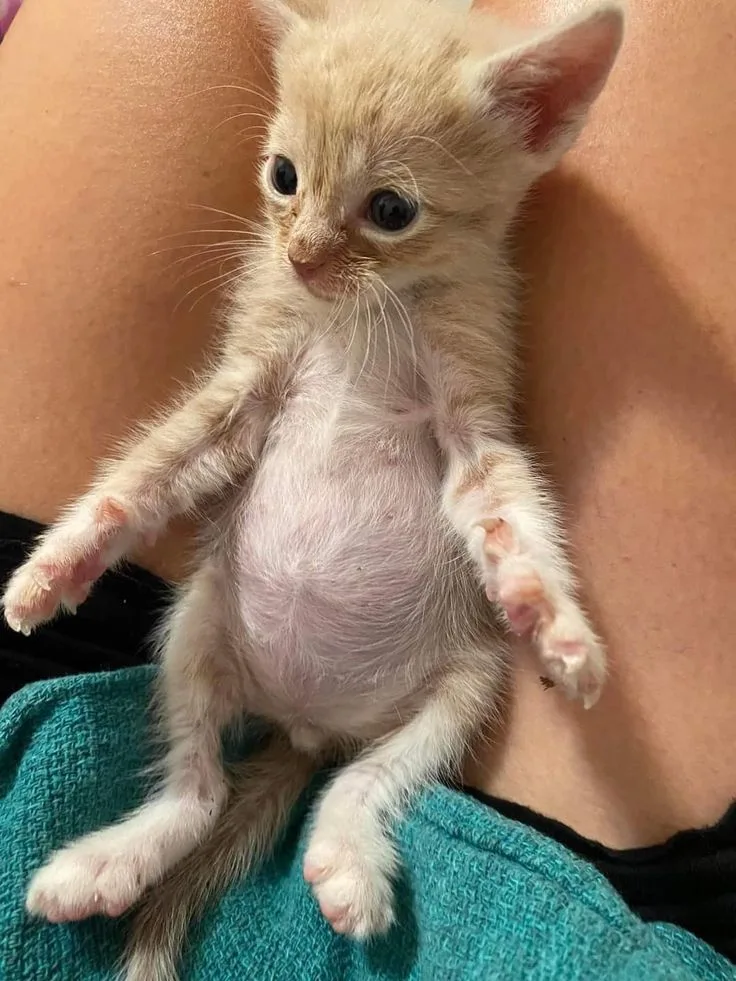
Image source: Bing (Web (fair-use with source credit))
Here is the decision framework. If you have tried proper stimulation after two feedings and the kitten has not pooped in 24 hours, call your vet and describe the situation. If the kitten has not pooped in 48 hours and you have been stimulating consistently, you need to take the kitten in.
If the kitten has a hard belly or is crying, do not wait for 48 hours. Go now.
The treatments a vet can provide are safe and effective. They might administer a warm water enema under controlled conditions. They might give a small dose of lactulose, a safe laxative for kittens.
They might take an abdominal X-ray to check for blockage or megacolon. These are things you cannot safely do at home.
Some vets will also check for underlying problems. Dehydration is a common hidden cause. A kitten that is not getting enough fluid will produce dry stool that is difficult to pass.
The vet can administer subcutaneous fluids to rehydrate the kitten quickly. This alone can resolve the constipation.
Another possibility is that the kitten has a partial obstruction. This is rare but serious. A hairball, a piece of bedding, or even undigested milk replacer can form a plug.
The vet can diagnose this with an X-ray and decide on the best removal method.
Do not let cost or inconvenience delay a vet visit. A kitten that cannot poop after two days is in genuine medical distress. The AAFP neonatal kitten care protocol treats failure to defecate for 48 hours as a clinical priority.
If your regular vet is not available, look for an emergency veterinary hospital that treats exotic pets or neonatal animals. Most general emergency vets can handle a kitten constipation case.

Similar Posts