How Do I Know If My Cat Has Anxiety: Key Signs to Watch
Have you ever noticed your cat acting a little more skittish than usual? Maybe they’ve been hiding under the bed more often or seem unusually jumpy at the slightest noise.
If you’ve been wondering, “How do I know if my cat has anxiety? ” You’re not alone. Understanding your cat’s emotional well-being is crucial for their happiness and yours. We’ll uncover the subtle signs of anxiety in cats and what you can do to help them feel more secure and content.
By the end, you’ll have a clearer picture of what’s going on with your feline friend and practical steps to ease their stress. Stick around—your cat’s happiness might just depend on it!
Credit: us.feliway.com
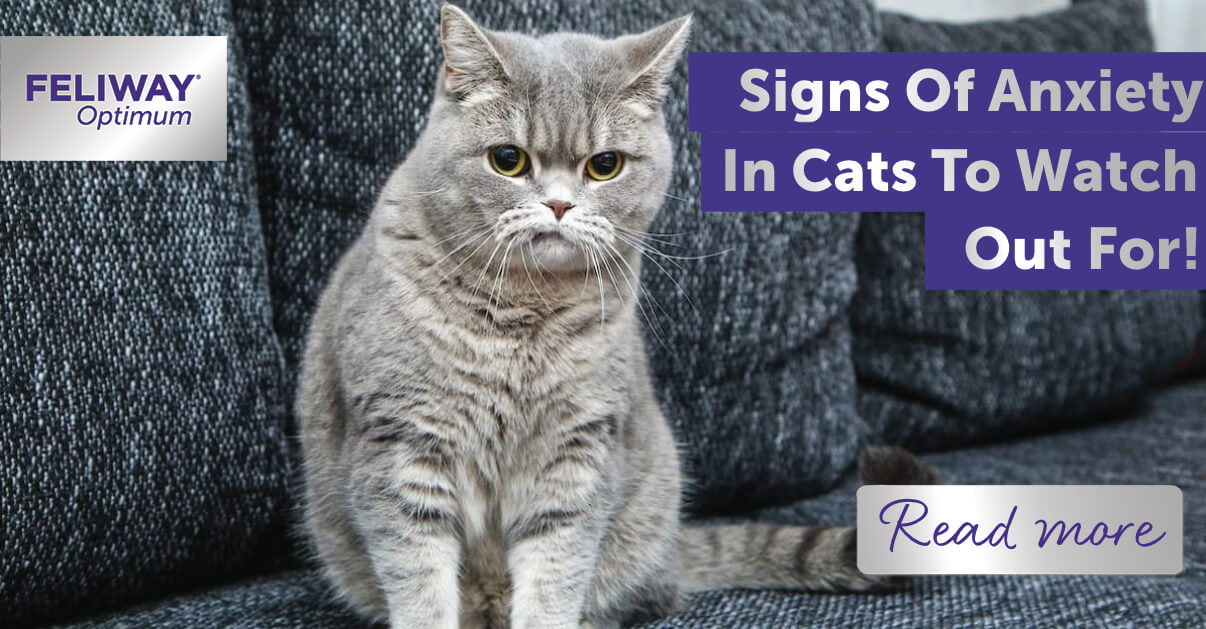
Signs Of Anxiety In Cats
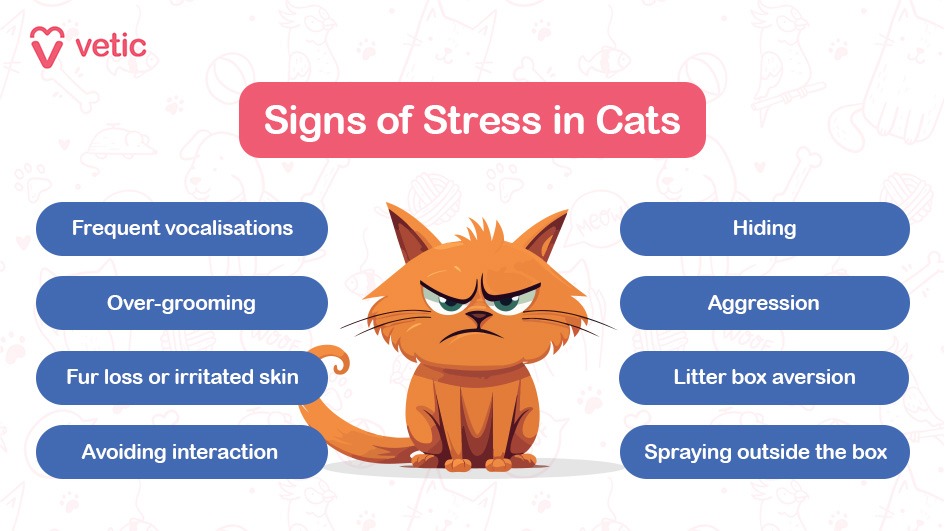
Cats can experience anxiety just like humans. Understanding the signs is important. It helps in providing them with comfort and care. Each cat shows anxiety differently. Watching their behavior closely can reveal a lot. Pay attention to these signs. They might indicate your cat is anxious.
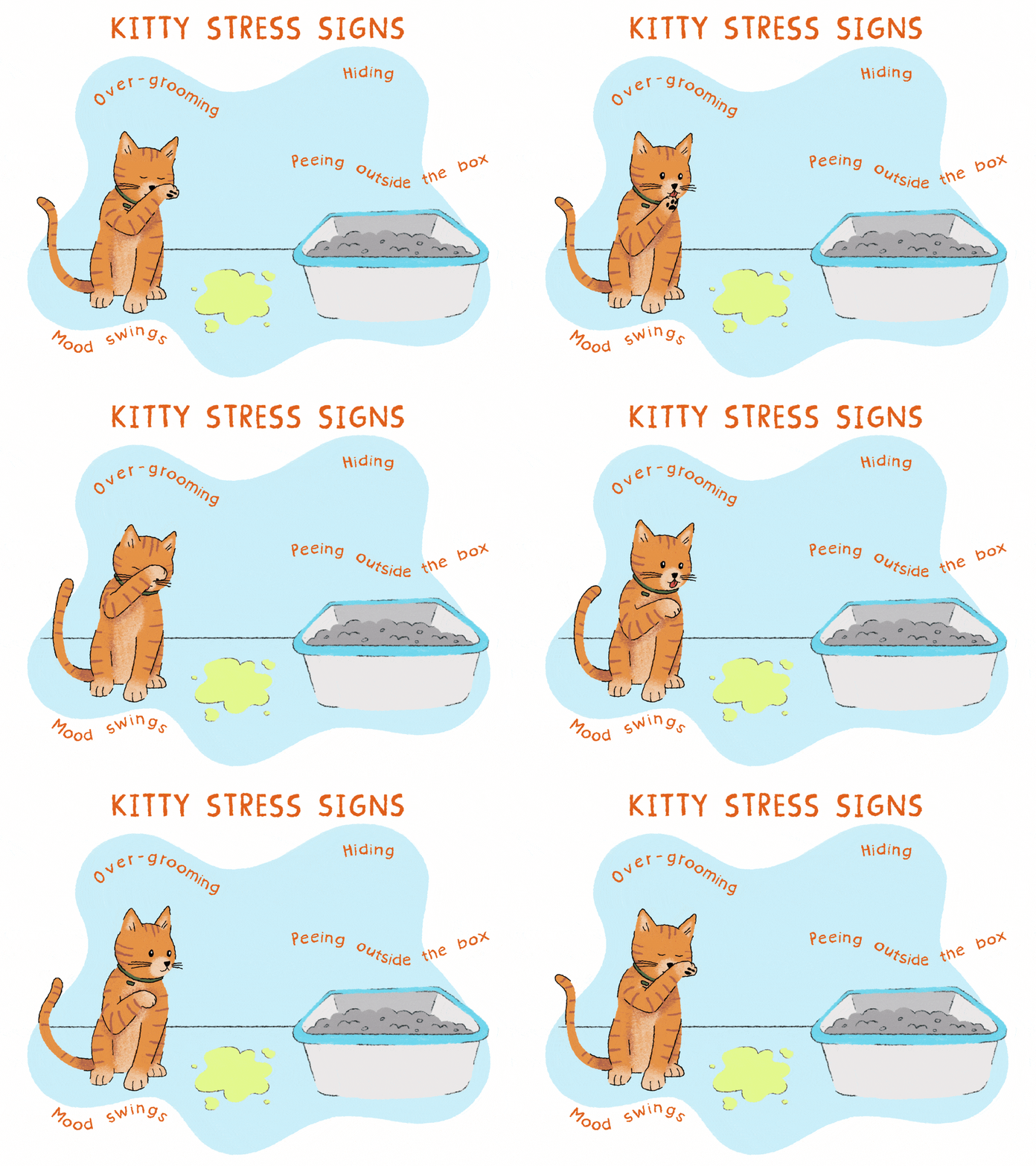
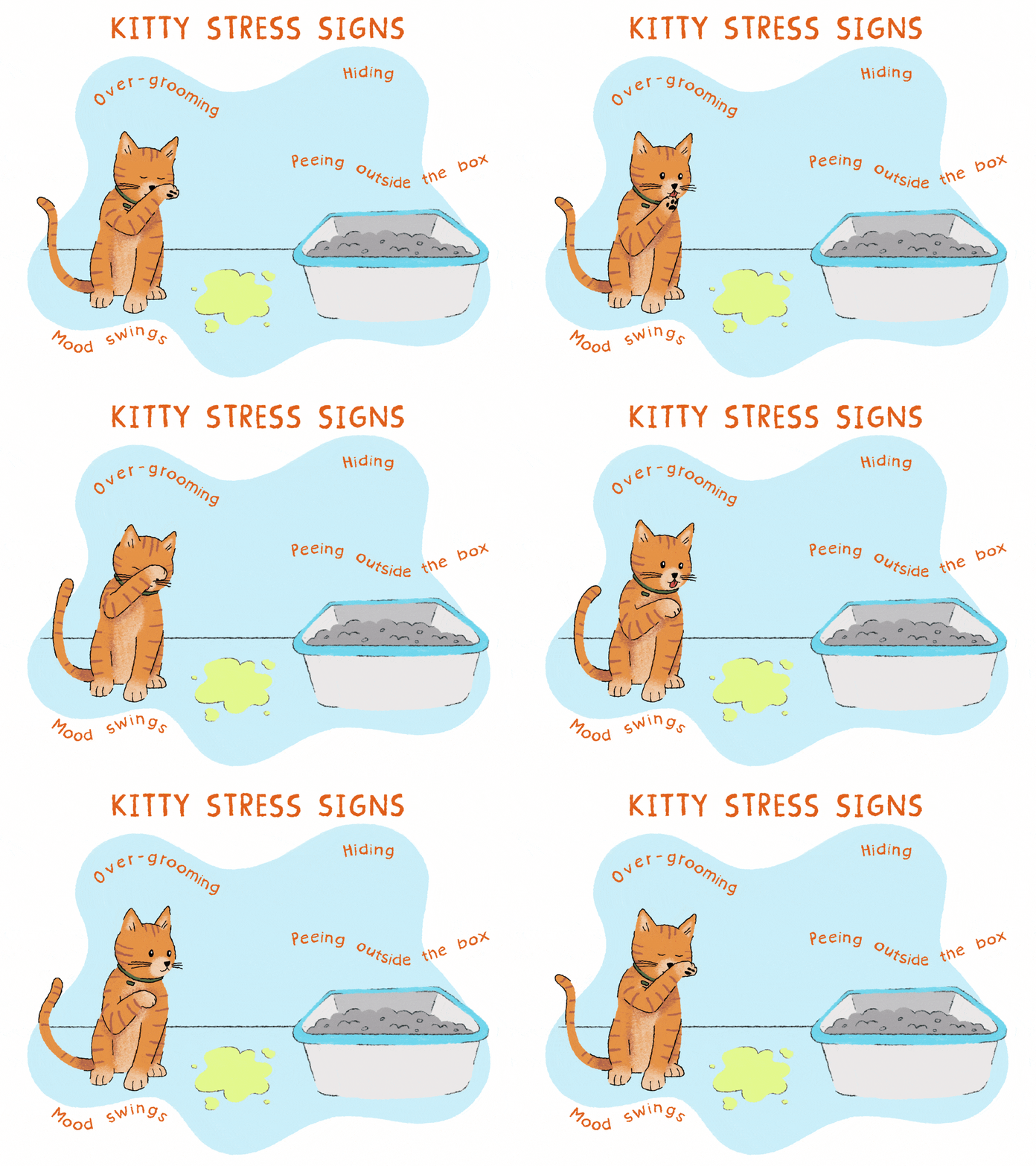
Excessive Grooming
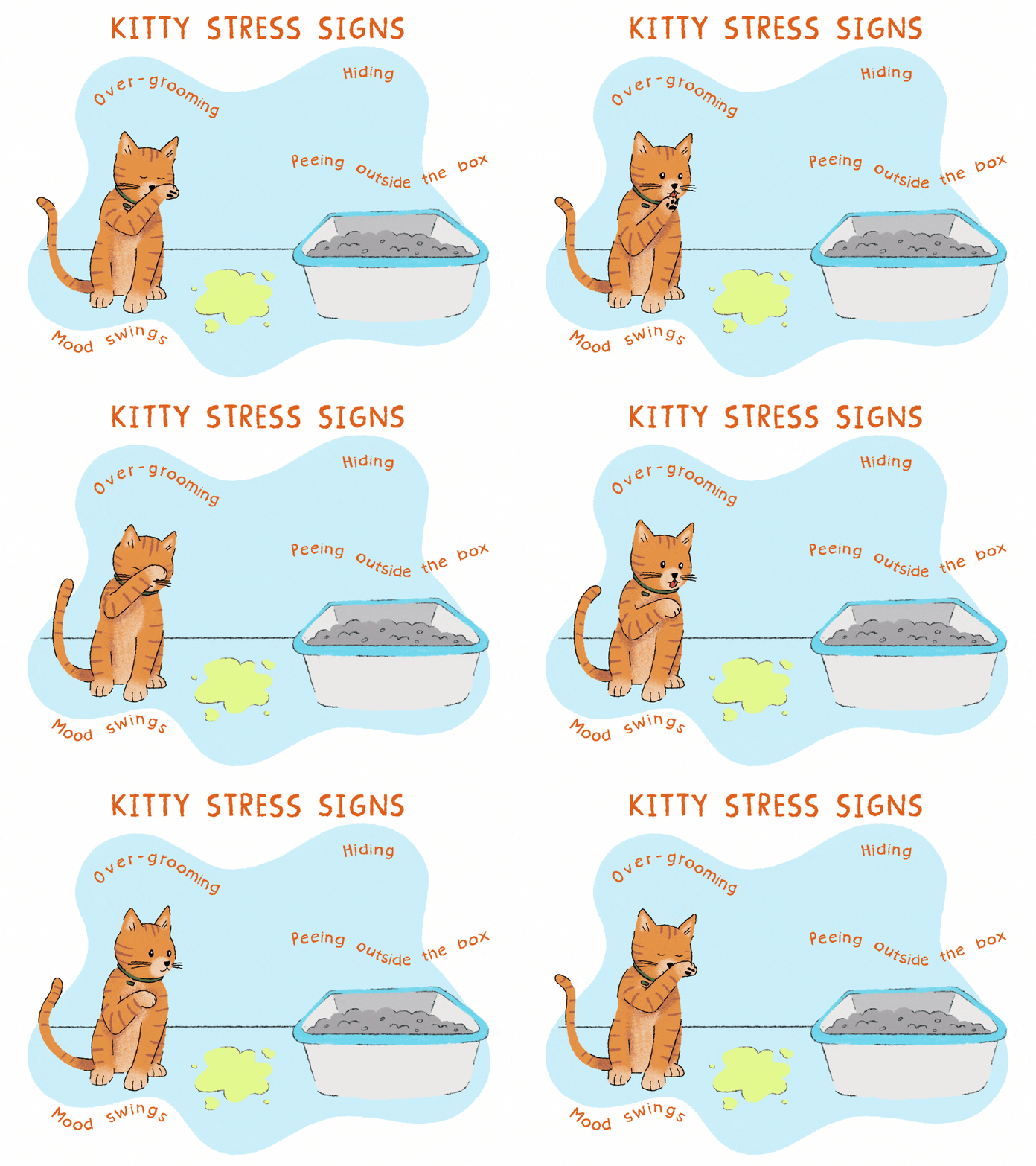
Excessive grooming can be a sign of anxiety. Cats groom to relax. But too much grooming leads to bald patches. This behavior is often a response to stress. Observe if your cat is grooming more than usual. It might be trying to soothe itself.
Hiding And Avoidance
Hiding can indicate your cat feels anxious. Cats usually hide when scared or stressed. They might avoid people or other pets. This behavior shows they are uncomfortable. Provide a safe space for your cat. It helps them feel secure.
Aggressive Behavior
Aggression is another sign of anxiety. Cats may lash out when stressed. This can be towards people or other animals. An anxious cat might bite or scratch more. Understanding triggers can help manage this behavior. Consult a vet if aggression continues.
Changes In Appetite
Anxiety can affect your cat’s eating habits. Some cats eat less when anxious. Others might eat more. Monitor changes in their appetite. Sudden changes can signal stress. Ensure your cat has a balanced diet. A healthy diet supports their well-being.
Physical Symptoms
Recognizing anxiety in cats can be challenging. Cats express anxiety through physical signs. These signs may seem subtle. Yet, they provide clues to your cat’s emotional state. Observing these changes helps in understanding your cat’s needs better.
Dilated Pupils
Cats’ eyes can reveal their feelings. Anxiety often causes dilated pupils. These wide, black circles indicate stress. It’s similar to their reaction when facing danger. Notice your cat’s eyes. Are the pupils often large? This could be a sign of anxiety.
Trembling Or Shaking
Physical trembling is not just from cold. Cats may shake when anxious. This involuntary reaction signals discomfort. It’s a clear sign of distress. If your cat trembles frequently, it might be anxious. Watch for this symptom.
Increased Heart Rate
A cat’s heart rate can increase due to anxiety. You can feel this by gently placing a hand on their chest. A fast heartbeat indicates stress. It’s like a human experiencing a panic attack. Monitor your cat’s heartbeat regularly. It helps in identifying anxiety early.
Behavioral Changes
Notice your cat’s sudden aggression or hiding more than usual? These may be signs of anxiety. Changes in eating or grooming habits can also indicate stress in your feline friend.
Understanding the behavioral changes in your cat is crucial to identifying anxiety. Cats, just like humans, can express their stress through actions and habits. When these behaviors start shifting, it might be a sign that your feline friend is experiencing anxiety. Recognizing these changes early can help you provide the support and comfort your cat needs.Increased Vocalization
Is your cat suddenly more vocal? If your usually quiet cat starts meowing excessively, it might be trying to tell you something. Increased vocalization can be a cry for help or a sign of discomfort. Cats often express anxiety through loud and frequent meows, particularly at night. Think about the last time your cat was stressed. Did it pace around the house, meowing constantly? Consider any recent changes in your home environment that might have triggered this behavior. Understanding the root cause can help you address your cat’s anxiety effectively.Litter Box Issues
Anxiety can lead to litter box problems. Has your cat started avoiding its litter box or having accidents outside of it? This behavior is not just inconvenient; it’s a clear signal that something is off. A stressed cat might associate negative feelings with its litter box, causing it to seek alternative locations. Ensure the litter box is clean and placed in a quiet, accessible area. If your cat has had a previous bad experience, like being startled while using it, this could contribute to its avoidance.Destructive Behavior
Notice any unusual destructive behavior? Scratching furniture more than usual or knocking items off shelves can indicate anxiety. Cats may resort to destructive actions when they feel insecure or threatened. Reflect on any changes in your household, like the addition of a new pet or a change in routine. These can unsettle your cat, prompting it to act out. Providing your cat with a safe space and engaging toys can help redirect its energy. Have you tried introducing new activities to keep its mind engaged? By understanding these behavioral changes, you can take proactive steps to ease your cat’s anxiety. What measures will you take to ensure your feline friend feels more secure and content at home?
Credit: www.richmondvetclinic.ca
Common Triggers
Cats, like humans, can experience anxiety. Understanding common triggers can help identify the issue. Cats are sensitive creatures. Various factors might cause stress or anxiety in them. Recognizing these triggers can lead to better support for your feline friend.
Environmental Changes
Sudden changes in a cat’s environment can cause anxiety. Moving to a new home is a big change. It can be overwhelming for cats. Even small changes like rearranging furniture can stress them out. A shift in daily routines might also affect their comfort. Cats thrive on consistency.
New Pets Or People
Introducing new pets or people can unsettle your cat. Cats can feel threatened by unfamiliar animals. New humans in the household can also be a source of stress. Your cat might become withdrawn or hide. It takes time for them to adjust to new faces.
Loud Noises
Loud noises can be frightening for cats. Thunderstorms, fireworks, or construction sounds are common culprits. These sudden, loud sounds can trigger anxiety. Cats might seek shelter or display nervous behavior. Keeping them in quiet spaces can help soothe their nerves.
How To Help Your Cat
Understanding anxiety in cats can be challenging. These sensitive creatures often hide their feelings. Observing changes in behavior might reveal anxiety. Helping them cope is crucial for their well-being. Creating a comforting environment can make a difference. Below are some practical ways to help your anxious cat feel more at ease.
Create A Safe Space
Cats need a secure area to relax. Set up a quiet spot where your cat can retreat. This area should have soft bedding and familiar toys. Avoid loud noises and frequent disturbances here. A calm space helps your cat feel protected.
Consistent Routine
Consistency brings comfort. Feed your cat at the same times daily. Maintain regular play and cuddle sessions. Predictable patterns reduce stress. Cats thrive with stable routines.
Engage In Play
Playtime is crucial for mental stimulation. Use interactive toys to engage your cat. Strings, balls, or laser pointers work well. Play sessions should be short and frequent. This helps reduce anxiety and strengthens your bond.

Credit: restorapet.com
When To Seek Professional Help
Signs of anxiety in cats include excessive grooming, hiding, or aggression. Persistent symptoms may indicate the need for professional help. Consulting a veterinarian can help diagnose anxiety and provide effective solutions for your cat’s well-being.
Understanding when to seek professional help for your cat’s anxiety is crucial for ensuring their well-being. Cats, like humans, can experience anxiety, and sometimes it requires more than just a comforting hug or extra playtime. If your feline friend is displaying signs of anxiety that don’t seem to improve, it might be time to reach out for expert guidance. But how do you know when it’s the right time to seek help? Let’s dive into some key indicators.Consulting A Veterinarian
A veterinarian should be your first point of contact. They can rule out any medical issues that might be causing anxiety-like symptoms. Have you noticed your cat excessively grooming or losing fur? These could be signs of underlying health problems. A vet can conduct a thorough examination and may recommend some tests. They can also provide you with information on managing anxiety through diet, supplements, or medication if necessary.Behavioral Therapy Options
If your vet confirms that the anxiety isn’t health-related, consider behavioral therapy options. These therapies can help your cat learn to cope with anxiety triggers. Think about your cat’s environment. Is there a new pet or a change in routine? Identifying triggers can help you and a behaviorist create a tailored plan for your cat. Behavioral therapy might include simple modifications at home or structured activities that encourage relaxation. Some cat owners find success with pheromone diffusers or interactive toys that keep their cat engaged and stimulated. Remember, you are not alone in this journey. Many cat owners face similar challenges, and seeking professional help can provide peace of mind and comfort for both you and your furry companion. Is your cat’s anxiety affecting your daily life? Don’t hesitate to reach out for support.Frequently Asked Questions
What Are Signs Of Anxiety In Cats?
Cats show anxiety through hiding, excessive grooming, aggressive behavior, and changes in appetite. Increased vocalization and litter box avoidance also indicate stress. Look for physical signs like dilated pupils and flattened ears. These behaviors suggest discomfort and need attention from pet owners.
How Do You Treat Anxiety In Cats?
Treat cat anxiety with a calm environment, regular play, and interactive toys. Use pheromone diffusers or sprays. Consult a vet for medication if needed. Provide a safe space and maintain a consistent routine.
How To Check If A Cat Is Stressed?
Observe changes in your cat’s behavior, such as hiding, excessive grooming, or aggression. Check for appetite loss, frequent vocalizations, or litter box issues. Notice if they are more withdrawn or overly clingy. These signs can indicate stress in cats.
What Breed Of Cat Has High Anxiety?
Siamese cats often experience high anxiety due to their sociable nature. They need constant companionship and stimulation. Without these, they may become stressed or anxious. Providing toys, interaction, and a stable environment can help reduce their anxiety levels. Regular vet visits are also crucial for managing their mental well-being.
Conclusion
Recognizing cat anxiety is crucial for their well-being. Watch for signs like hiding, aggression, or excessive grooming. These behaviors indicate stress. Create a calm environment to help. Provide safe spaces and toys. Regular vet visits can also ensure health. Understanding your cat’s behavior strengthens your bond.
Patience and love go a long way. Trust your instincts. Keep observing and adjusting your approach. Your cat’s happiness relies on your care. Stay attentive to their needs. Small changes make a big difference. Your efforts will be rewarding. Help your cat feel safe and loved.

Similar Posts