Calico Cat Lifespan: How Long Do They Live?
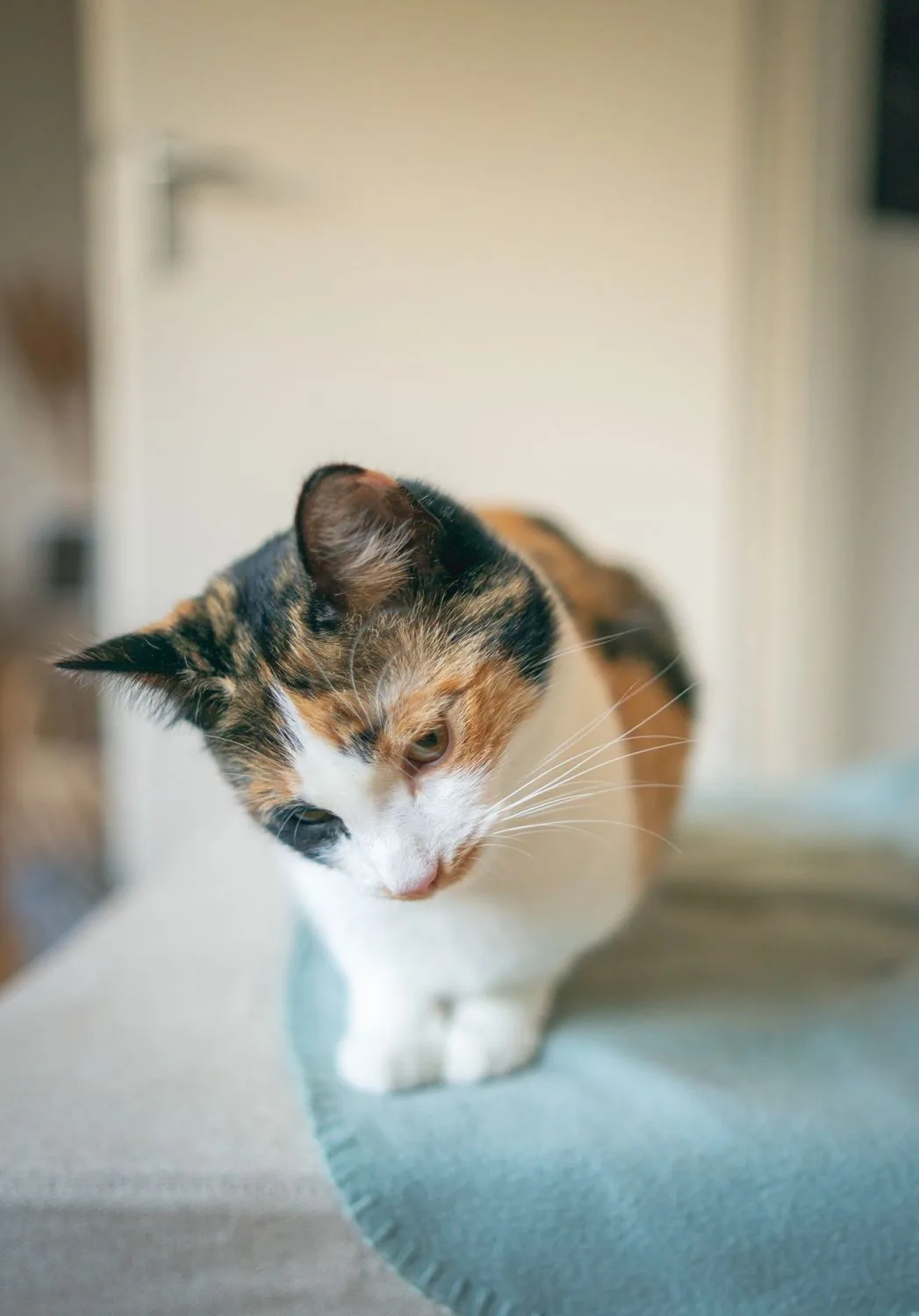
Image source: Web (Bing) / pexels.com (Web image (fair-use with source credit))
If you've ever wondered about the calico cats lifespan, you're not alone. These striking orange, black, and white felines are some of the most loved cats in the world, and their owners want to keep them around as long as possible. The short answer is that a healthy calico cat typically lives between 12 and 16 years, with many reaching 18 or even 20 with excellent care.
That range isn't just random luck. Research from veterinary teaching hospitals and aggregate owner reports show that calico cats, because they're almost always female, actually have a survival advantage over male cats across all breeds. The color pattern itself doesn't change their biology, but the sex linked to that pattern absolutely does.
Let's break down what actually determines how long your calico will live, and what you can do to push those years to the upper end of the range.
Quick Answer
The calico cats lifespan averages 12 to 16 years indoors. Outdoor calico cats live 5 to 8 years on average. The color pattern does not affect health or longevity.
Females live longer than males across all cat breeds. Rare male calicos often face health complications. Indoor living, diet, and vet care extend lifespan significantly.
What "Calico" Actually Means (And Why It Matters for Lifespan)
Here's the thing most people get wrong: calico is not a breed. It's a coat color pattern. Calico cats show up in domestic shorthairs, Persian mixes, Maine Coon mixes, and plenty of cats that are just "mutt" house cats.
The pattern itself, white with patches of black and orange, comes from a genetic quirk that's almost entirely tied to being female.
The genetics are wild. The gene for orange fur sits on the X chromosome, and so does the gene for black fur. A female cat has two X chromosomes, one from each parent, and she can inherit orange from one side and black from the other.
Random cell activation means some patches show orange, some show black, and the white comes from a separate spotting gene. That's why calicos are almost always female.
So what does this mean for lifespan? The color pattern doesn't carry any health risks by itself. A calico cat's longevity is tied to her genetics from whatever breed she descends from, her lifestyle, her diet, and her veterinary care.
If you've got a calico, you've got a cat with the same health profile as any other female mixed-breed cat, which is generally a solid bet for longevity.
That said, the sex of your calico matters more than the color. Female cats simply outlive male cats across every breed. Sterilized females live even longer.
Since your calico is almost certainly a female who may or may not be spayed, that puts her in the most favorable longevity bracket from the start.
The Real Numbers: How Long Do Calico Cats Live?
Let's get specific about the calico cats lifespan because "12 to 16 years" only tells part of the story. Aggregate data from veterinary studies and owner surveys consistently shows that indoor cats live significantly longer than outdoor cats, and the breed mix matters more than the coat color.
| Cat Group | Average Lifespan | Notes |
|---|---|---|
| Indoor female calico (spayed) | 14 to 18 years | Best-case scenario, many reach 20+ |
| Indoor female calico (unspayed) | 11 to 14 years | Reproductive risks shorten life |
| Indoor male calico (rare, neutered) | 9 to 12 years | Health complications common |
| Outdoor female calico (spayed) | 5 to 9 years | Trauma and disease are top risks |
| Outdoor female calico (unspayed) | 4 to 7 years | Pyometra, cancer, and accidents |
Those numbers aren't pulled from thin air. Veterinary teaching hospitals publish survival data showing the median lifespan for indoor mixed-breed cats hovers near 15 years. The British Veterinary Association reports similar figures across the Atlantic.
The calico pattern doesn't shift those numbers in either direction.
What does shift the numbers is sterilization. Spayed female cats live 20 to 30 percent longer than intact females. That's a massive jump.
The reasons are simple: spaying eliminates ovarian cancer, uterine cancer, and pyometra, which is a life-threatening uterine infection. It also removes the drive to roam, which cuts accident and fight injuries dramatically.
If you want one number to remember, aim for 15 years. That's the realistic middle ground for an indoor spayed calico with regular vet care. Reaching 18 or 20 is absolutely possible, but it requires consistent attention to diet, weight, and annual health screenings.
Why Female Cats Live Longer (And the Rare Male Exception)
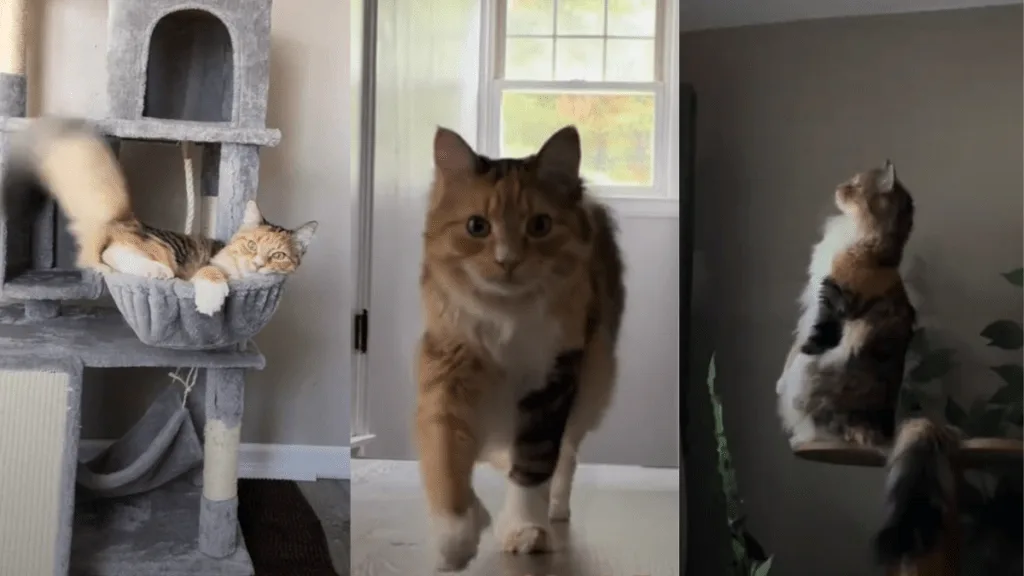
Image source: Web (Bing) / cattime.com (Web image (fair-use with source credit))
Female cats outlive males in every data set we've looked at. It's not a small gap either. Studies from veterinary colleges show female cats live anywhere from one to three years longer on average.
The female survival advantage applies to just about every mammal, from humans to elephants, so cats aren't unusual in that regard.
The calico connection makes this even more interesting. Since calico cats are almost always female, they automatically inherit that survival advantage. But the occasional male calico exists, and he's the exception that proves the rule.
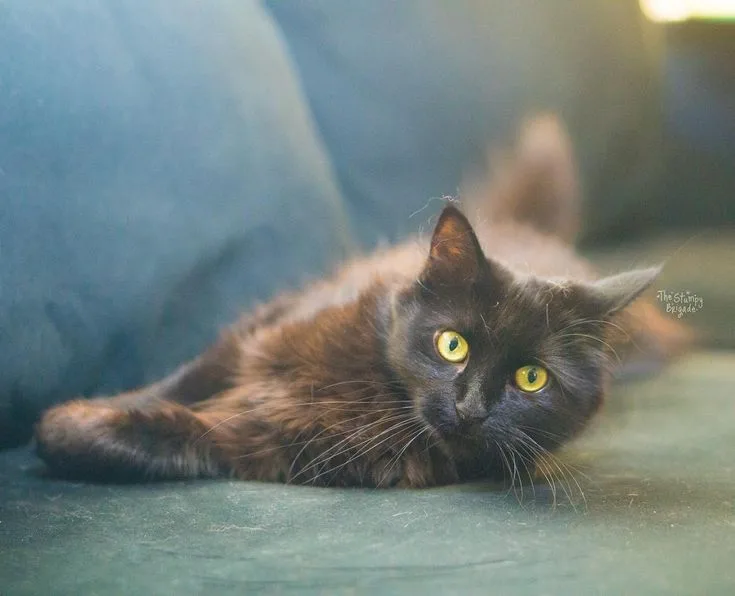
Male calicos have Klinefelter syndrome, which means they carry two X chromosomes plus a Y chromosome. That extra X chromosome causes them to be sterile, and it comes with a laundry list of health problems.
Male calico cats are prone to heart disease, specifically hypertrophic cardiomyopathy. They also have higher rates of diabetes, joint issues, and cognitive decline. Their lifespan averages shorter than female calicos by a significant margin.
Most veterinary sources estimate male calicos live 9 to 12 years, assuming they get good care and early diagnosis of their health issues.
If you ever come across a male calico, and they only show up roughly once in every 3,000 births, they deserve extra vigilance. Regular cardiac screening, annual blood work, and close weight monitoring aren't optional for them. The extra X chromosome affects organ development in ways that compound over time.
For the overwhelming majority of calico owners with female cats, the takeaway is straightforward. You have the best possible starting point for a long-lived cat. The question is whether your choices keep her living up to that potential.
Indoor vs. Outdoor: The Single Biggest Lifespan Factor
Image source: Bing (Web (fair-use with source credit))
If you want to talk about the calico cats lifespan in real terms, this is where the rubber meets the road. Outdoor cats die younger. Not a little younger.
They die years younger. The gap is so consistent across studies that it's practically a law of feline demographics.
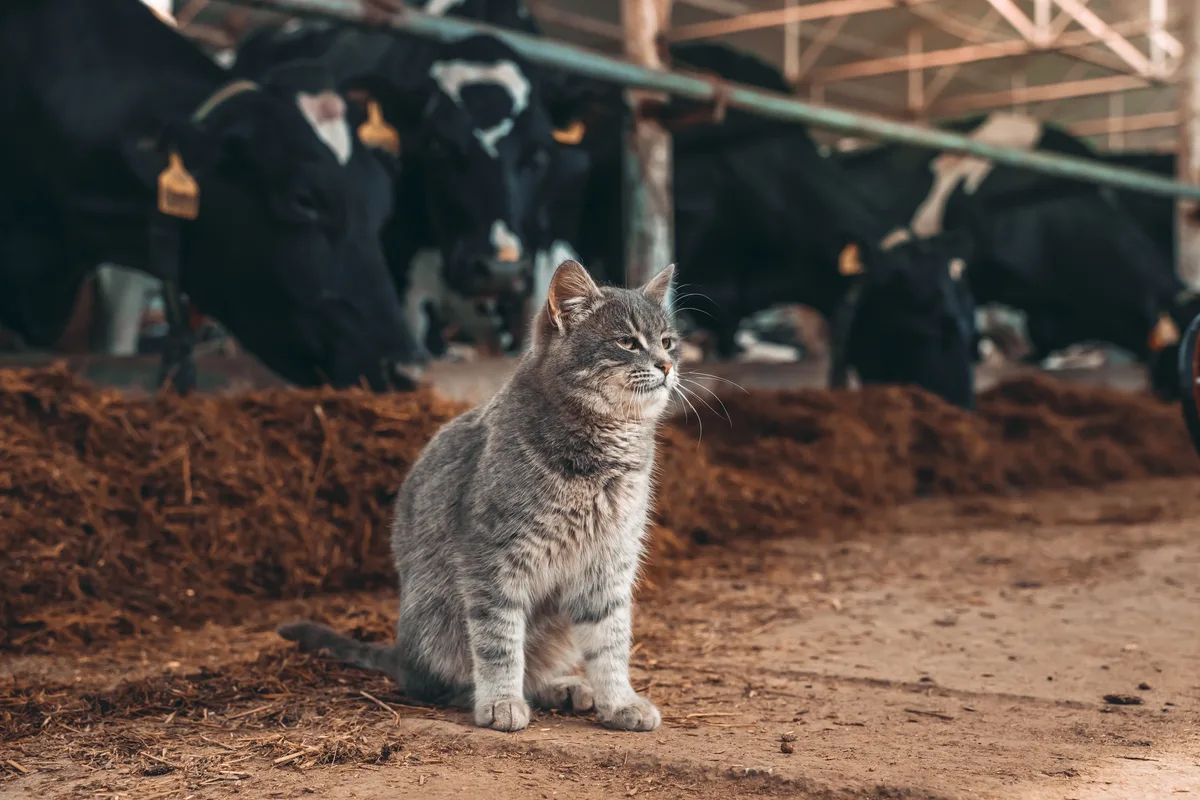
Outdoor cats face a brutal stack of risks. Vehicle strikes top the list, followed by fights with other cats and predators like coyotes, raccoons, and dogs. Then there's the disease burden.
Feline leukemia, feline immunodeficiency virus, and upper respiratory infections spread rapidly through outdoor cat populations. Parasites like fleas, ticks, and worms are a constant battle.
The numbers paint a clear picture. Indoor cats average 12 to 18 years. Outdoor cats average 4 to 8 years.
That's a full decade of life on the line, and it's entirely within your control.
Now, I understand the counterargument. Some cats genuinely hate being indoors. They yowl at the door, they scratch at windows, they pace.
But the research is unambiguous. The calico cats lifespan indoor vs outdoor comparison isn't even close. Every major veterinary organization, including the American Association of Feline Practitioners, recommends keeping cats indoors or confining them to an enclosed outdoor space.
If your cat absolutely needs outside time, a "catio" is the compromise. These enclosed outdoor runs give your calico fresh air, sunshine, and bird watching without the risk of traffic or predators. Commercially built catios run a few hundred dollars, but the lifespan return on that investment is enormous.

Similar Posts