Can Cats Get Separation Anxiety? Understanding Feline Stress

Have you ever noticed your cat acting differently when you leave the house? Maybe they seem unusually clingy or stressed, and you wonder if they’re feeling anxious.
Yes, just like humans, cats can experience separation anxiety. This behavior can be puzzling and concerning, especially if you’re unsure about what’s causing it or how to help your furry friend feel more secure. Imagine coming home to find your favorite feline has been more destructive than usual, or they’ve been meowing incessantly while you were gone.
These signs might be your cat’s way of expressing their distress. Understanding and managing separation anxiety in cats is crucial for their well-being and your peace of mind. You’ll discover why cats get separation anxiety, the signs to watch for, and actionable tips to make your absence less stressful for your pet. By the end, you’ll be equipped to create a more comforting environment for your cat, ensuring they’re happy even when you’re away. Dive in to learn more about this intriguing aspect of cat behavior and how you can make a positive difference in your furry companion’s life.

Credit: www.instagram.com
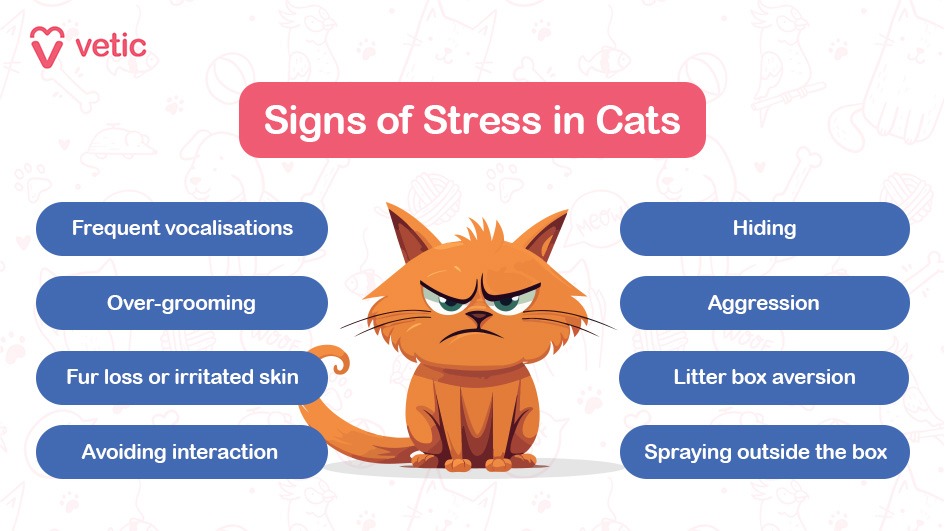
Signs Of Separation Anxiety In Cats
Cats are independent creatures. Yet, they can suffer from separation anxiety. This condition affects their behavior and well-being. Recognizing the signs early is essential for their happiness. Understanding these signs can help cat owners provide better care.
Increased Vocalization
Cats with separation anxiety often meow excessively. They may yowl loudly when alone. This behavior indicates distress and discomfort. Owners may notice this when preparing to leave. It’s a sign your cat feels anxious.
Destructive Behavior
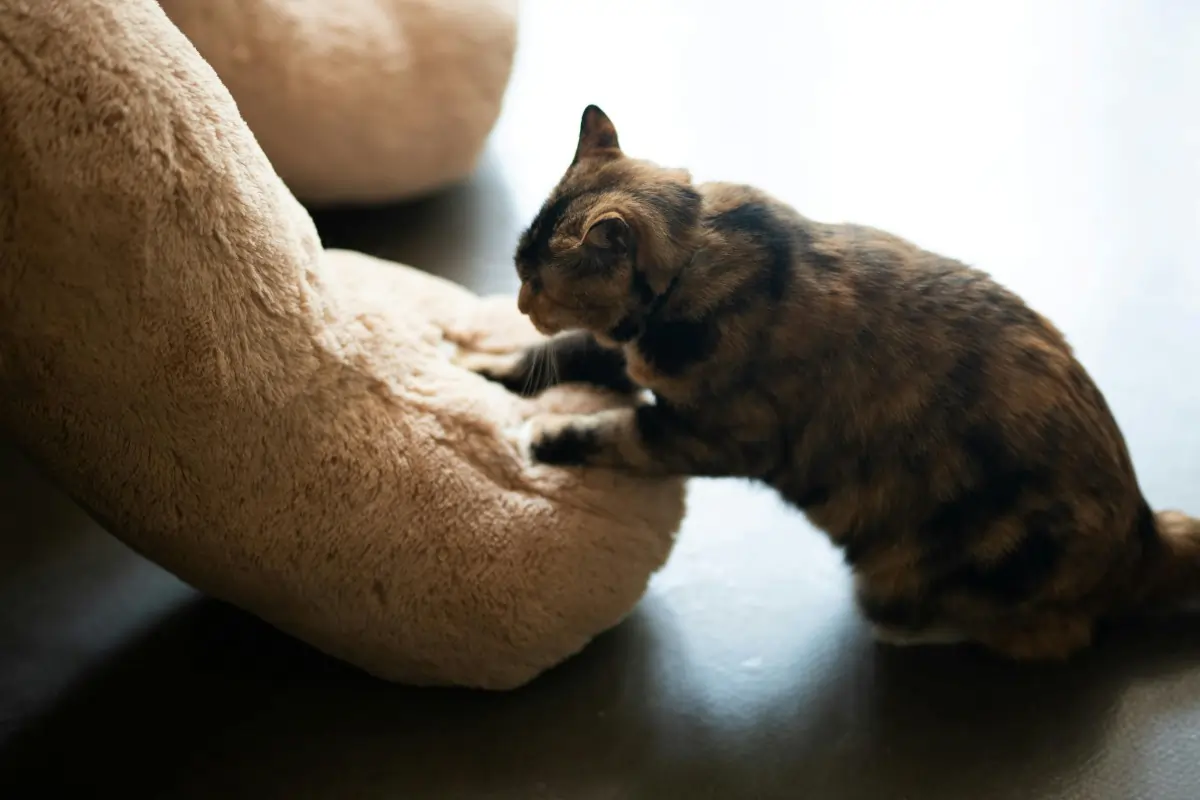
Chewing, scratching, or knocking over items shows anxiety. Cats may do this to cope with stress. It’s not just mischief. It’s a cry for help. This behavior often happens when the owner is absent.
Litter Box Issues
Anxious cats might avoid the litter box. They may urinate or defecate elsewhere. This behavior signals distress. It disrupts their usual routine. Addressing this can ease their anxiety.
Loss Of Appetite
Cats with separation anxiety may eat less. A sudden decrease in appetite is a concern. It often coincides with the owner’s absence. This change in eating habits indicates emotional stress.
Clingy Behavior
Some cats become extra clingy. They follow their owners everywhere. This behavior shows their anxiety about being left alone. They seek constant attention and reassurance.
Grooming Excessively
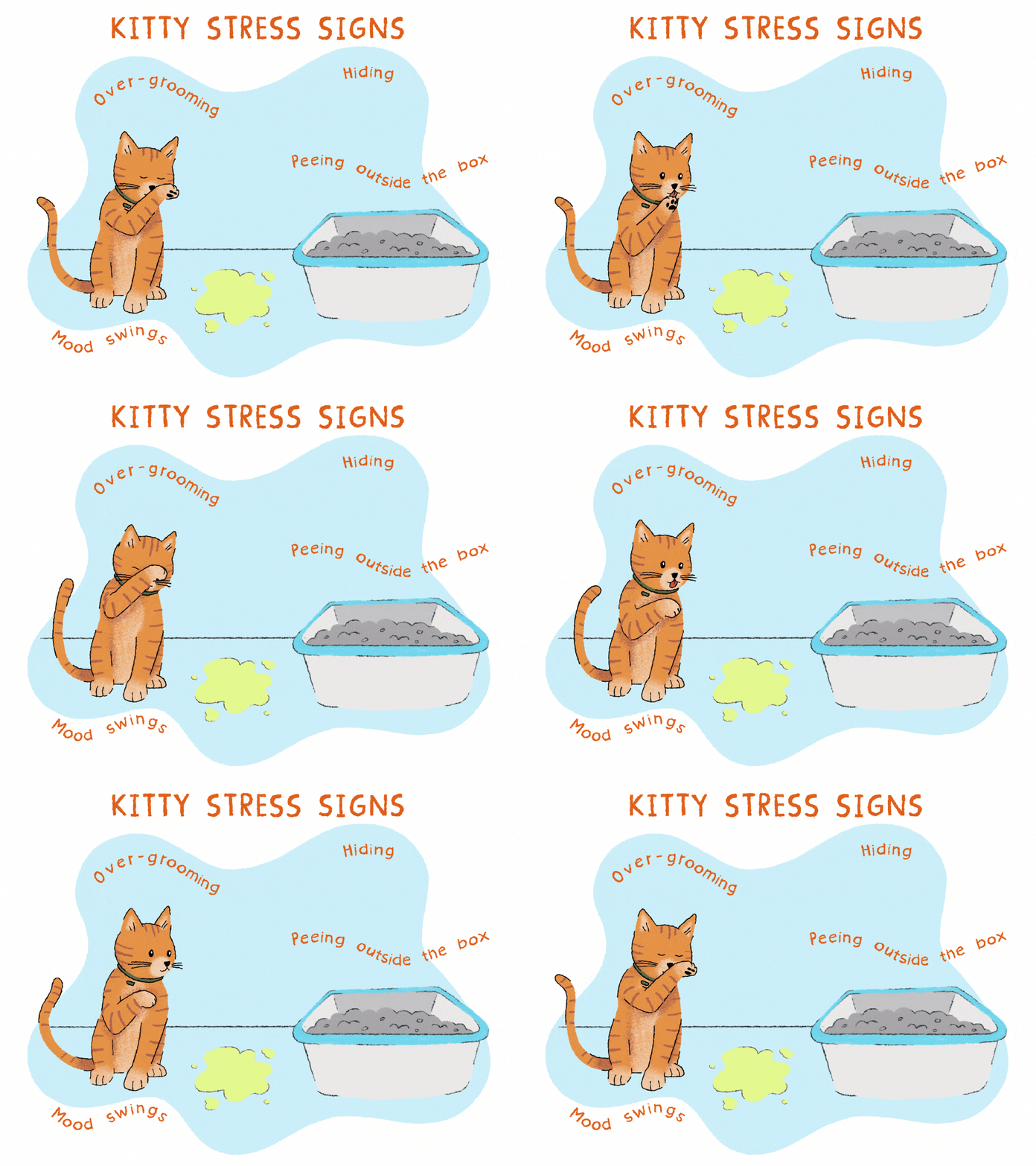
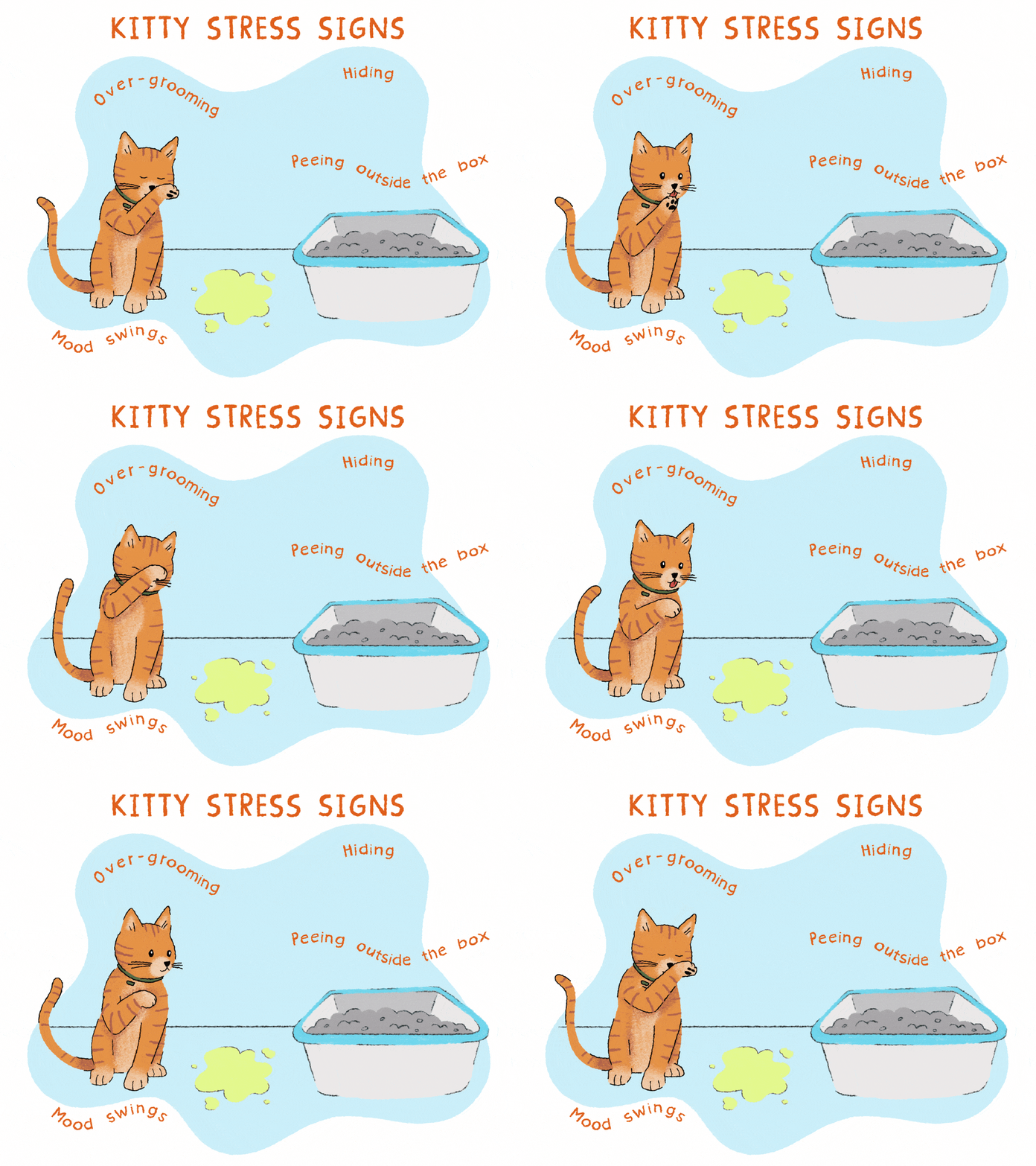
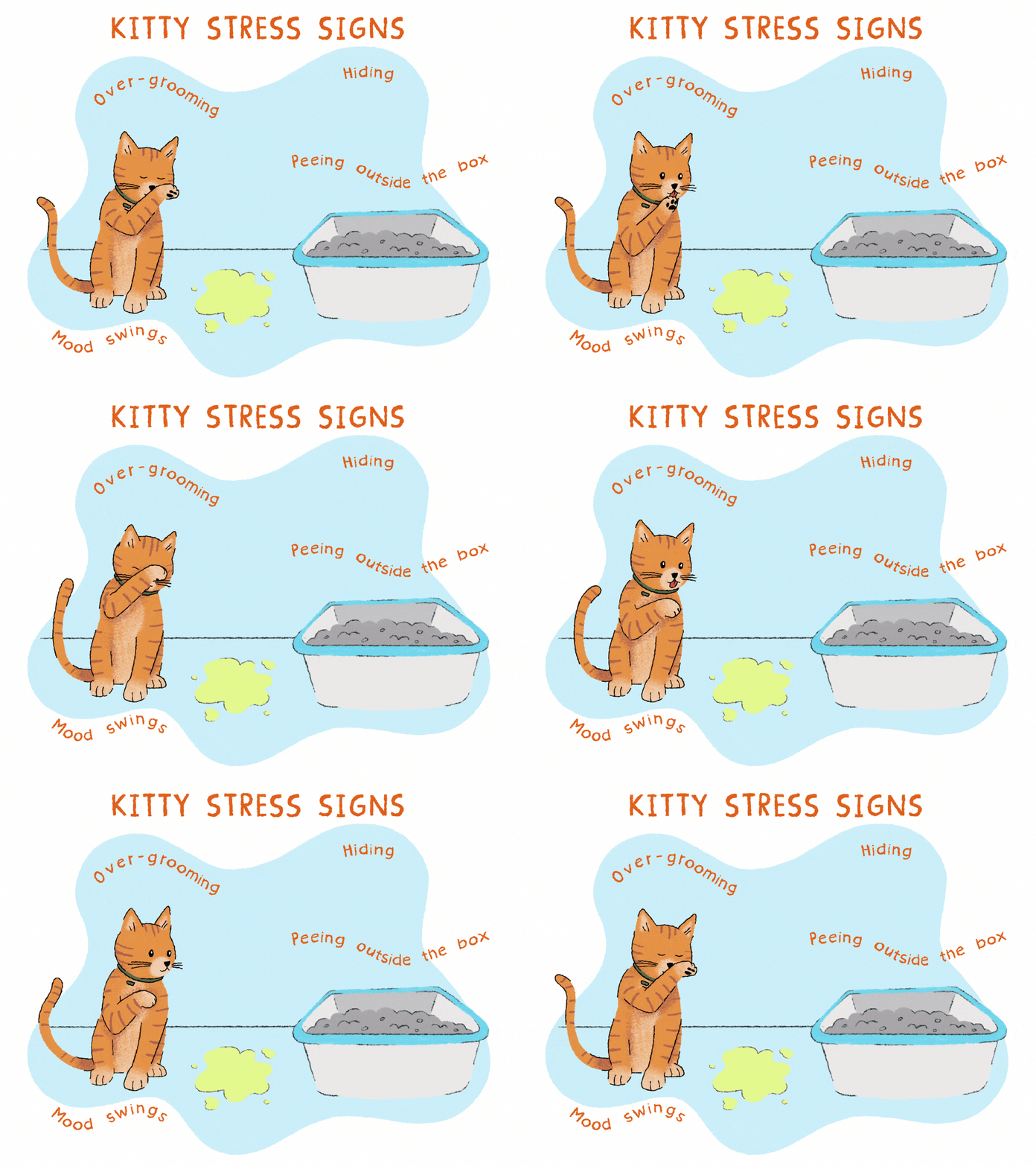
Over-grooming is another sign. Cats may groom themselves excessively. It leads to bald spots or sores. This behavior is a stress response. They use grooming to comfort themselves.
Causes Of Feline Stress
Cats are often seen as independent creatures. Yet, they can experience stress just like humans. Understanding the causes of feline stress helps in caring for them better. Stress in cats can lead to behavioral changes and health problems. It’s important to know what triggers anxiety in our feline friends.
Changes In Environment
Moving to a new home can be stressful for cats. Even small changes in furniture arrangement might upset them. Cats are creatures of habit. They find comfort in familiar surroundings. A sudden change disrupts their peace.
Lack Of Stimulation
Cats need mental and physical activity. Without it, they can become bored. Boredom often leads to stress and anxiety. Providing toys and activities keeps their minds engaged. A stimulated cat is a happy cat.
Absence Of A Companion
Cats can form close bonds with their owners. When left alone, they might feel lonely. Loneliness can cause stress and anxiety. Ensuring they have company or entertainment helps reduce this stress.
Health Issues
Health problems can be a source of stress. Pain or discomfort affects their mood. Regular vet check-ups ensure they stay healthy. A healthy cat is less likely to be stressed.
Noise And Disruption
Loud noises can scare cats. Construction, thunderstorms, or fireworks are common culprits. Providing a quiet, safe space helps them feel secure. Safety is a key factor in reducing stress.
Effects Of Stress On Cat Behavior
Cats, like humans, can experience stress. This stress affects their behavior. Understanding these changes helps in managing their well-being. Stress can make cats behave differently, often in unexpected ways.
Changes In Eating Habits
Stress can alter a cat’s eating patterns. Some cats eat less when stressed. Others may overeat, seeking comfort in food. These changes can affect a cat’s health over time.
Increased Vocalization
Stressed cats might meow more than usual. They use vocalization to express discomfort or anxiety. This increase in noise can be a clear sign of stress.
Aggression Or Withdrawal
Stress can lead to aggressive behavior in cats. They may hiss or scratch more frequently. Conversely, some cats might withdraw, hiding from their owners.
Excessive Grooming
Over-grooming is a common stress response in cats. It can lead to bald spots or skin issues. This behavior indicates the cat is trying to soothe itself.
Changes In Litter Box Habits
Stress might cause a cat to avoid the litter box. This change can signal discomfort or anxiety. It’s essential to address this quickly to prevent other issues.
Destructive Behavior
Some stressed cats become destructive. They might scratch furniture or knock items over. This behavior can be a sign they are seeking attention or relief.
Preventing Separation Anxiety
Cats can experience separation anxiety, showing signs like excessive meowing or destructive behavior. Creating a stimulating environment helps ease their stress. Interactive toys, cozy resting spots, and gradual alone time adjustments are key strategies.
Preventing separation anxiety in cats is crucial for their well-being. Cats, like humans, can feel stress when left alone. This anxiety can lead to behavioral issues. Creating a supportive environment helps reduce this stress. Implementing strategies can make your cat feel secure.Environmental Enrichment
Provide toys to keep your cat entertained. Interactive toys stimulate their mind. Scratching posts are essential for their physical activity. These items reduce boredom when alone. Window perches offer a view of the outside world. Cats enjoy watching birds or squirrels. This visual stimulation keeps them occupied. Consider puzzle feeders for mental engagement. These feeders challenge your cat’s problem-solving skills. They offer both food and entertainment. Rotate toys to keep their interest alive. A variety of toys prevents monotony.Routine And Consistency
Cats thrive on routine. Establish a daily schedule for feeding and playtime. Predictable routines provide comfort to your cat. Consistency eases their anxiety. Stick to regular sleep and wake times. A consistent routine reassures your cat. They know what to expect each day. This predictability reduces stress levels. Keep your departure and arrival times consistent. Cats notice changes in routine. Sudden changes can trigger anxiety. By maintaining a stable environment, you help your cat feel secure. Predictable routines and enriched surroundings create a safe space. These strategies prevent separation anxiety in cats.Managing Stress In Cats
Cats can experience separation anxiety, feeling stressed when left alone. This stress can lead to changes in behavior, such as excessive meowing or destructive habits. Understanding their needs and ensuring a soothing environment can help manage this anxiety effectively.
Managing stress in cats is crucial to their overall well-being, especially if they experience separation anxiety. Just like humans, cats can feel lonely and stressed when left alone. Have you ever noticed your feline friend acting out when you leave the house? This behavior might be a sign of separation anxiety. Understanding how to manage this stress can lead to a happier and healthier pet.Interactive Play
Interactive play is a fantastic way to manage stress in cats. It helps them focus their energy positively, reducing anxiety. Spend time each day playing with your cat using toys they love. A simple string or laser pointer can keep them entertained. Rotate toys to keep things exciting and fresh. If you notice your cat’s mood lift after playtime, you’re on the right track.Safe Spaces
Creating safe spaces at home is essential for stressed cats. These spaces offer comfort and security, making them ideal for relaxation. Have you considered setting up a cozy corner with blankets and a soft pillow for your cat? Add some of their favorite items to make it personal. Cats often choose to retreat here when they’re feeling overwhelmed. Observe where your cat naturally gravitates and enhance that area to suit their needs. Is your cat more relaxed with these adjustments? Share your experiences and tips in the comments below, and let’s help our feline friends thrive together!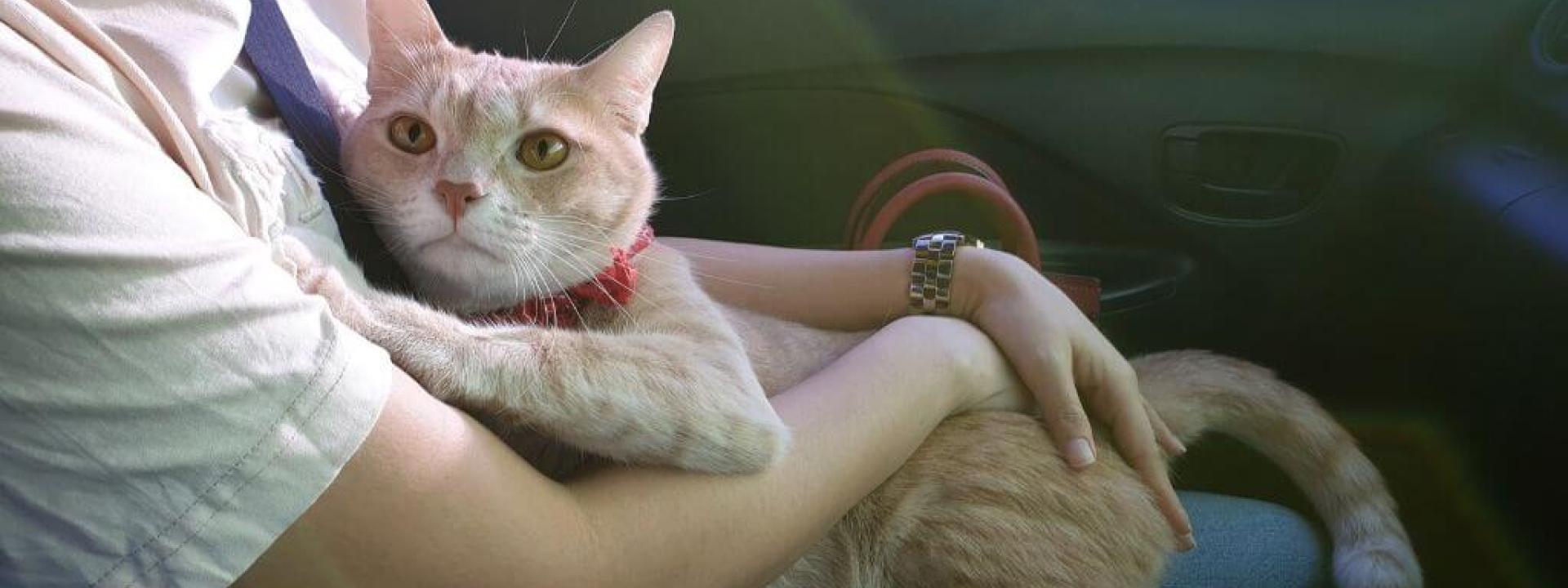
Credit: tosvets.com
Role Of Diet In Stress Reduction
Cats, like humans, can experience stress and anxiety. Their diet plays a crucial role in managing these feelings. A balanced diet can help reduce stress levels and improve overall well-being. The right nutrients can support brain health, which is vital for mood regulation. Let’s explore how diet affects stress in cats and what changes can help.
Understanding Nutrient Needs
Cats need specific nutrients to thrive. Protein is essential for energy and muscle health. Omega-3 fatty acids support brain function. These nutrients help maintain a calm and balanced mood.
Incorporating Omega-3 Fatty Acids
Omega-3 fatty acids are found in fish oil. They have anti-inflammatory properties. This can help reduce anxiety symptoms in cats. Including these in your cat’s diet can be beneficial.
The Importance Of Amino Acids
Amino acids like tryptophan are vital. Tryptophan helps produce serotonin. Serotonin is a neurotransmitter linked to happiness. Ensuring your cat gets enough tryptophan can aid in stress reduction.
Hydration And Stress Levels
Dehydration can increase stress in cats. Ensure they have access to fresh water. Wet food can also help maintain hydration. Proper hydration supports overall health and stress reduction.
Natural Supplements And Herbs
Certain herbs can calm anxious cats. Valerian root is one example. It has soothing properties. Consult your vet before adding supplements to your cat’s diet.
Consistency Is Key
Regular feeding times can reduce stress. Cats thrive on routine. A consistent diet helps them feel secure. This sense of security can lower anxiety levels.
When To Seek Professional Help
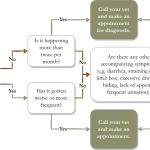
Cats may show signs of separation anxiety like excessive meowing or destructive behavior. If these behaviors persist or worsen, it’s essential to consult a veterinarian or animal behaviorist. Early intervention can help manage anxiety and improve your cat’s well-being.
Cats, much like humans, can feel anxious when left alone. While some level of anxiety is normal, there are times when a cat’s distress signals a need for professional help. Understanding when to seek expert advice can be crucial in ensuring your feline friend’s well-being. Let’s dive into the signs that might indicate it’s time to consult a professional.Understanding Severe Symptoms
Not all anxious behaviors are created equal. If your cat is excessively vocalizing, not eating, or showing destructive behavior each time you leave, it may be experiencing severe separation anxiety. Such symptoms are not just passing phases but persistent issues that require attention.Persistent Changes In Behavior
A sudden change in your cat’s behavior might be alarming, but persistence is key. If your typically friendly cat turns aggressive or overly clingy, and this behavior lasts for weeks, it’s a sign that your cat might need professional help. This isn’t just a mood swing; it’s a cry for help.Impact On Health
Anxiety can impact a cat’s physical health. If you notice weight loss, fur loss due to over-grooming, or digestive issues, these could be stress-related. A veterinarian can help determine if these are symptoms of separation anxiety or other health issues.Failed Home Remedies
You’ve tried calming music, toys, and even the shirt you wore yesterday, but nothing seems to help. When your best efforts don’t ease your cat’s anxiety, it might be time to bring in a professional. They can offer solutions that you might not have considered.Consulting A Veterinarian Or Behaviorist
A vet or a certified animal behaviorist can provide insights that go beyond basic advice. They might recommend behavior modification techniques or medication if necessary. Seeking their advice can provide a tailored approach that suits your cat’s specific needs.Long-term Solutions
Addressing separation anxiety isn’t about quick fixes. A professional can guide you through developing a long-term strategy. This ensures your cat not only feels better but thrives in your absence. Remember, you’re not alone in this journey. Many cat owners have faced similar challenges and found relief through professional help. Is your cat showing signs that concern you? Maybe it’s time to consider seeking expert advice. Your feline friend’s happiness might just depend on it.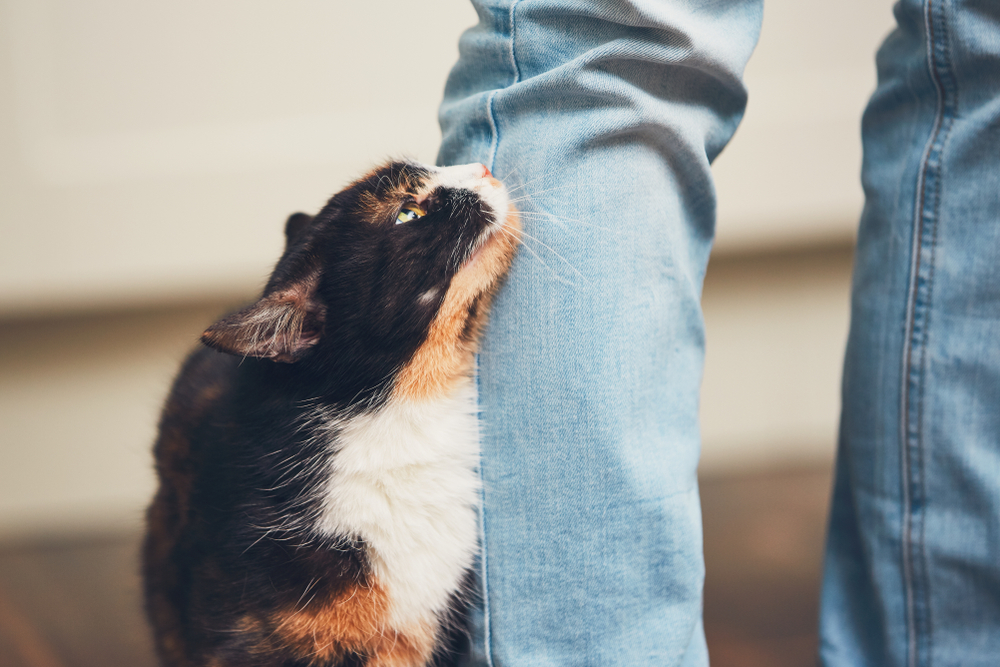
Credit: www.fearfreehappyhomes.com
Frequently Asked Questions
How Do You Know If A Cat Has Separation Anxiety?
A cat with separation anxiety may show excessive meowing, destructive behavior, or over-grooming. They might avoid eating when alone and become overly clingy. Changes in litter box habits or hiding are also signs. Observe your cat’s behavior closely to identify these symptoms.
Will My Cat Miss Me If I Leave For 5 Days?
Yes, your cat may miss you during your absence. Cats often bond with their owners and notice changes. Provide familiar items and a trusted caretaker to ease their anxiety. They’ll likely show affection upon your return, proving they’ve missed you.
Do Cats Get Sad When You Leave For Vacation?
Cats can feel sad and anxious when you leave for vacation. They miss their routine and your presence. To ease their stress, ensure someone familiar checks on them, maintaining their usual environment. Consider leaving comforting items like your worn clothing to provide a sense of security.
How To Tell If Your Cat Is Anxious?
Watch for excessive grooming, hiding, or aggression in your cat. Pacing and meowing more than usual are signs. Changes in eating or litter habits may indicate anxiety. Look for wide eyes and flattened ears. Consult a vet for persistent symptoms.
Conclusion
Cats can experience separation anxiety just like humans. Recognizing signs is crucial. Your furry friend may act out when left alone. Changes in behavior are often a cry for help. You must address these needs with care. Consistent routines help reduce stress.
Toys and activities keep them occupied. Consider a pet sitter if away for long periods. Comfort your cat with gentle reassurances. Love and patience make a big difference. Your bond with your cat is strong. Nurture it with time and attention.
A happy cat means a happy home.

Similar Posts