Why Do Cats Paw at Their Water Bowl?
You have a few good minutes, so let's get straight to it.
If you've ever wondered why do cats paw around their water dish, you're not alone. It's one of those quirky feline behaviors that can leave you scratching your head. But here's the thing.
This pawing isn't random. It usually means something specific.
Per the Cornell Feline Health Center, this behavior has several possible explanations, each tied to your cat's instincts, environment, or health. Cats need about 50 to 60 milliliters of water per kilogram of body weight each day. So when they start messing with their water bowl, it's worth paying attention.
Let's walk through the reasons together so you can figure out what's going on with your cat.
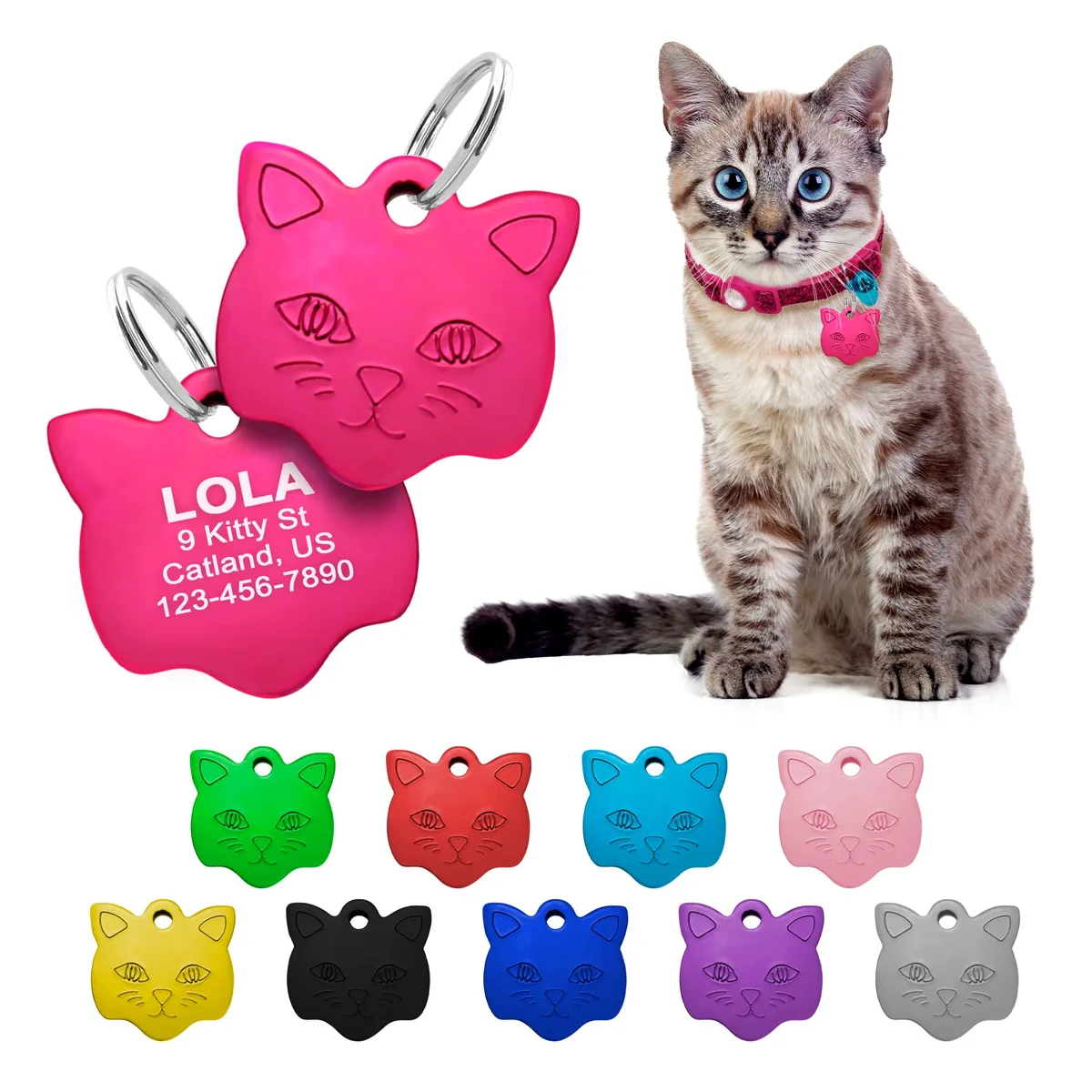
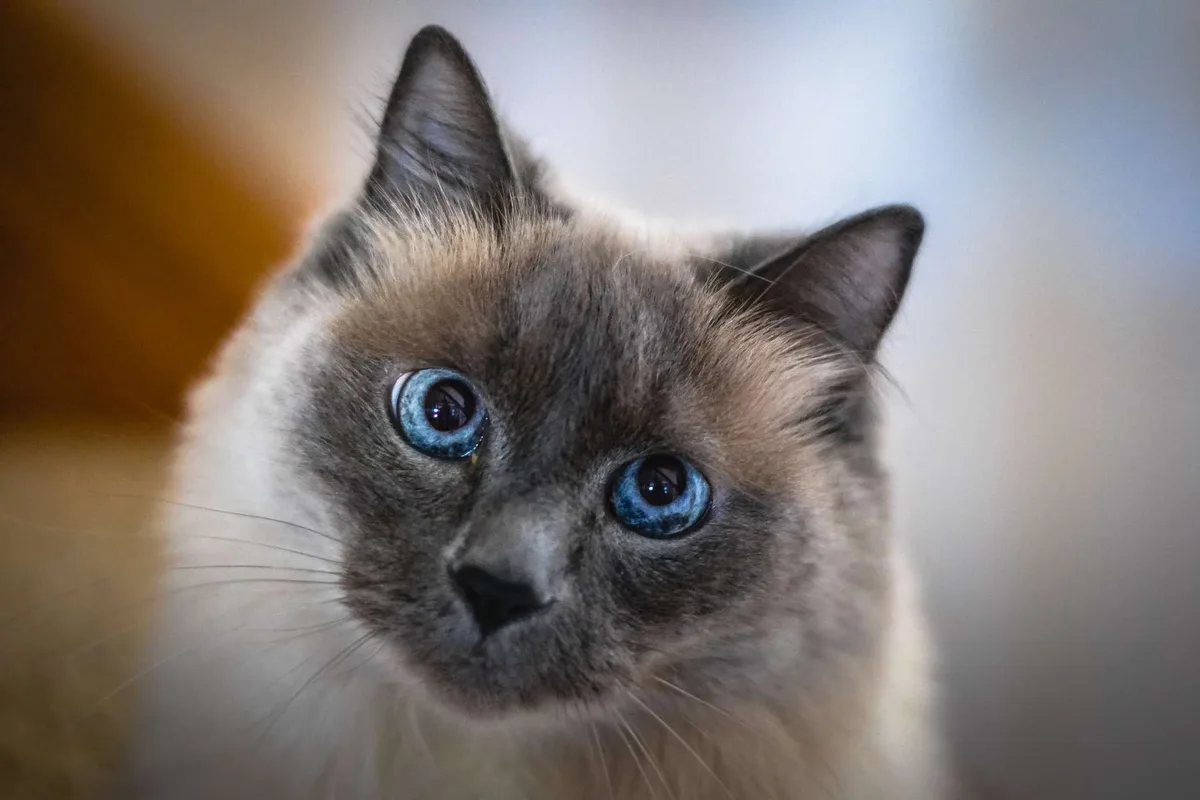
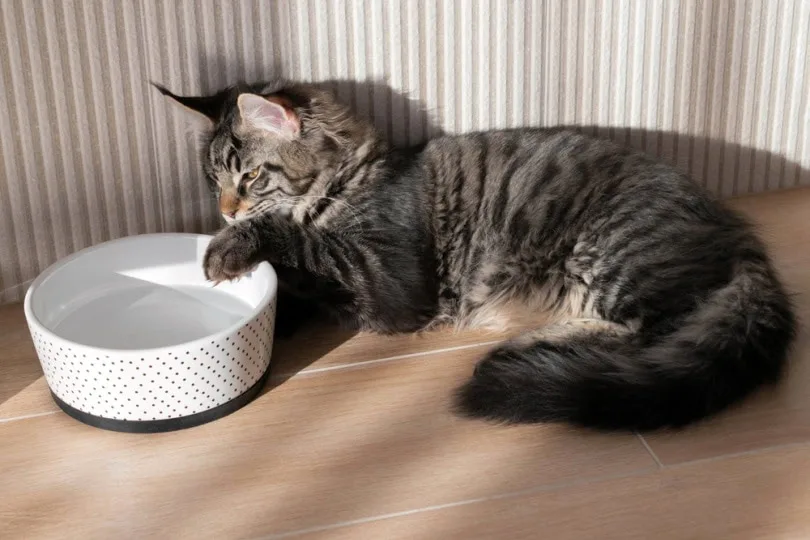
Image source: Bing (Web (fair-use with source credit))
Quick Answer
Cats paw around their water dish for many reasons. It could be instinct to test still water. It might be whisker fatigue from a deep bowl.
Or it could signal a health issue like nausea or vision problems. Watch for other behavior changes to tell the difference.
The Problem: Why Your Cat's Water Pawing Has You Worried
Let's be honest. No one enjoys mopping up a puddle of cat-flavored water from the kitchen floor. But the mess isn't the real concern here.
What worries most owners is the question underneath: is my cat okay? That's the real problem.
Pawing at water isn't dangerous by itself. But it can be a clue that something else is off. Maybe your cat isn't drinking enough.
Maybe the bowl hurts their whiskers. Maybe they're trying to tell you the water tastes stale. The problem is that the behavior looks the same whether the cause is harmless or serious.
As of 2026, veterinary behaviorists recognize at least eight distinct reasons for this behavior. Some are as simple as "the bowl is too deep." Others are as serious as early kidney disease. That's a wide range.
And without a clear process, you're left guessing.
That's exactly why this matters. You don't want to ignore a health warning. But you also don't want to rush to the vet every time your cat splashes.
You need a way to sort through the possibilities without losing your mind. That's what the rest of this article will give you: a simple decision tree to follow so you can move from worry to action with confidence.
The Core Reasons: Normal Instinct vs. Signs of Trouble
Before we get into the decision tree, let's lay out the main reasons your cat might be pawing at their water dish. These fall into two big buckets: normal instinct and potential trouble. Understanding this difference is your first clue.
Normal instinct reasons:
- Testing the water. In the wild, cats paw at still water to check if it's safe to drink. Your house cat still has that instinct. They're just being thorough.
- Playing. Some cats, especially kittens, think water is a toy. They bat at the surface, watch the ripples, and have a blast. It's not a problem unless they're not drinking.
- Adjusting the water level. Cats sometimes paw to see how deep the water is before they lower their head. This is more common with deep bowls.
Potential trouble reasons:
- Whisker fatigue. When a cat's whiskers press against the sides of a narrow bowl, it hurts. They may paw at the water to avoid dipping their face in. This is a bowl problem, not a cat problem.
- Vision issues. Older cats with reduced vision may paw to locate the water surface. They're using touch to find the water level.
- Nausea or dental pain. Cats with an upset stomach or sore teeth sometimes paw at their water as a sign of discomfort. They may also drool or refuse to eat.
- Kidney disease or diabetes. Increased thirst from these conditions can drive a cat to spend more time at the bowl. Pawing may accompany excessive drinking.
How to tell the difference. Watch your cat's overall behavior. A playful kitten who splashes then drinks happily is fine. A senior cat who stares at the bowl, paws hesitantly, and walks away needs a closer look.
Context is everything.
If you notice your cat drinking more than usual, losing weight, or acting lethargic alongside the pawing, that's a red flag. Otherwise, start with the simplest fixes, like switching bowls or changing the water more often.
Your Decision Tree: Follow These Branches to Find the Cause
This is where we put it all together. Instead of guessing, you'll follow a simple decision tree based on your cat's specific situation. Each branch leads you closer to the real cause.
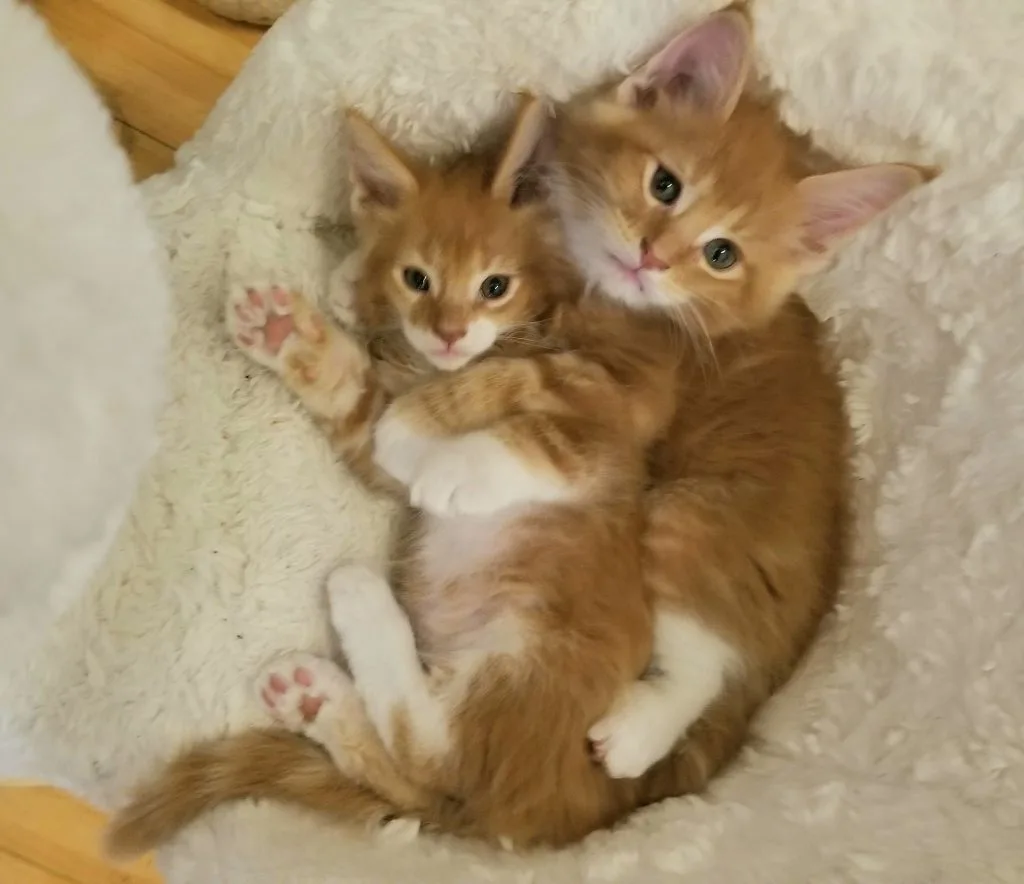
Image source: Web (Bing) / pxhere.com (Web image (fair-use with source credit))
Branch 1: Is your cat also drinking less than usual?
- If yes, check the bowl first. Is it narrow or deep? Try a wide, shallow ceramic bowl. See if the pawing stops.
- If the bowl change doesn't help within two days, schedule a vet visit. Reduced drinking combined with pawing could mean pain or nausea.
Branch 2: Is your cat drinking more than usual?
- If yes, Is there also increased urination? Weight loss? Lethargy? These could point to kidney disease or diabetes. A vet check and bloodwork are needed.
- If no other symptoms, try a water fountain. Moving water encourages drinking and satisfies the pawing instinct.
Branch 3: Is the pawing playful or hesitant?
- Watch for body language. A relaxed cat with ears forward is playing. A tense cat with wide eyes is uncomfortable.
- Playful pawing is harmless. Try a fountain or a shallow dish to give them an outlet.
- Hesitant pawing with backing away suggests whisker fatigue or a bad experience. Switch bowls immediately.
Branch 4: How old is your cat?
- Under one year: likely playing. Provide enrichment like a pet water fountain with a gentle stream.
- Seven years or older: vision and health checks are a good idea. Schedule a senior wellness exam if pawing is new.
Branch 5: Is the bowl near the food or litter box?
- If yes, move the water bowl to a separate location. Cats naturally avoid water near their food or waste. This alone can stop the pawing.
Follow these branches in order. Start with the simplest explanation and work your way to the more serious ones. You'll save yourself time and worry by ruling out easy fixes first.
What to Do About It: Practical Steps for Each Cause
Once you've worked through the decision tree, you'll have a good idea of what's driving your cat's behavior. Now it's time to take action. Here are practical steps for each cause.
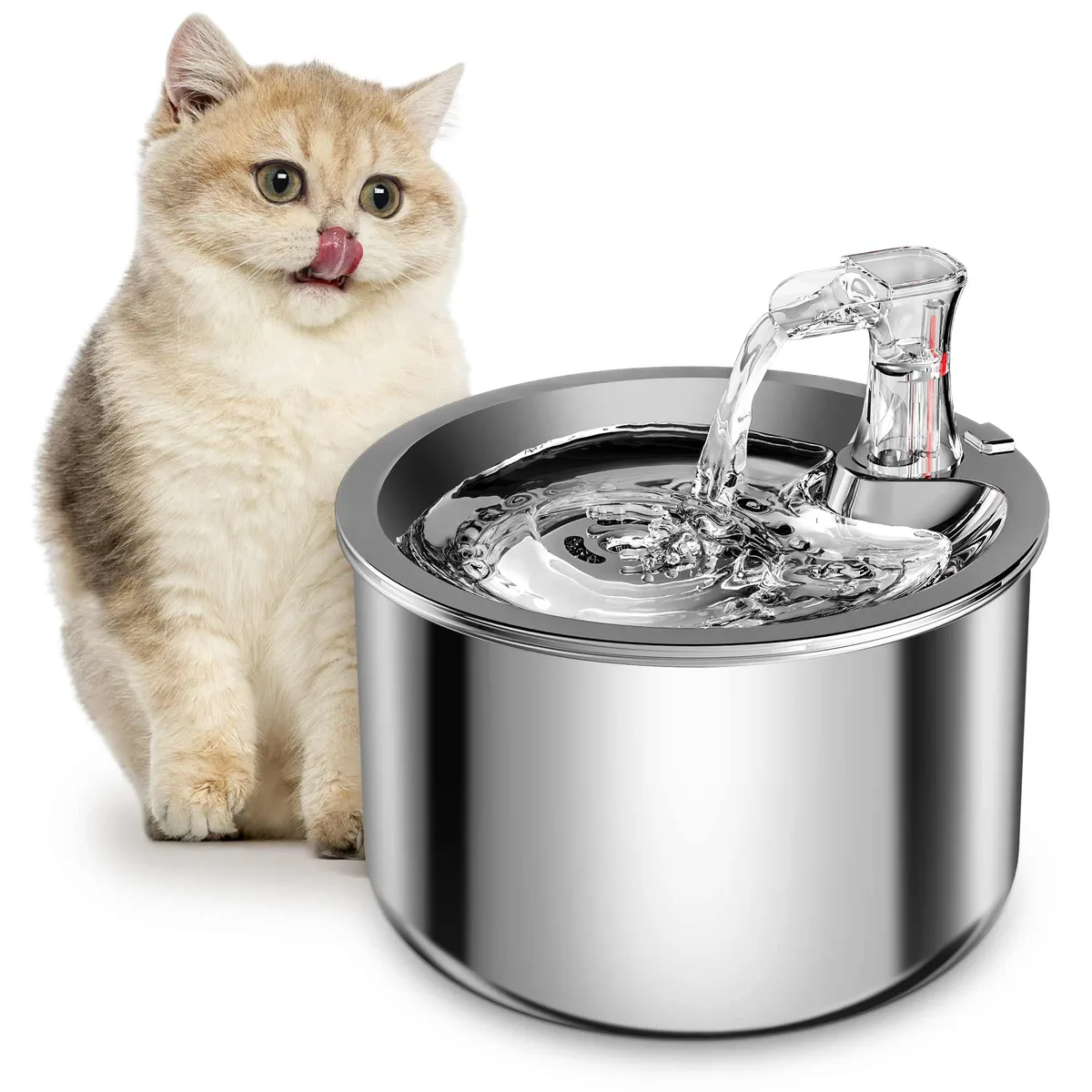
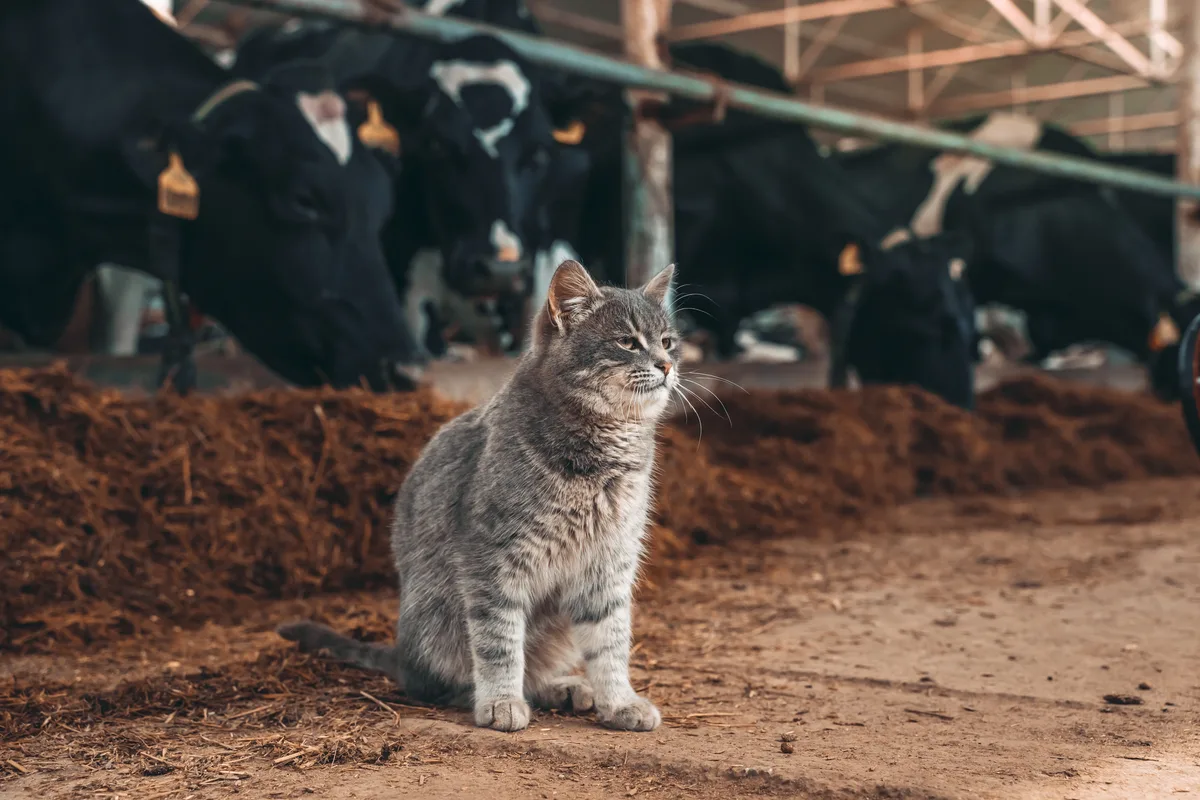
Image source: Bing (Web (fair-use with source credit))
For whisker fatigue:
- Switch to a wide, shallow bowl made of ceramic or stainless steel. The depth should be under 1 inch.
- Avoid plastic bowls entirely. They can cause chin acne and hold odors.
- Place the bowl on an elevated surface if your cat is older or has arthritis.
For instinctual testing or play:
- Consider a cat water fountain. The moving water appeals to their natural curiosity and often stops the pawing.
- Change the water at least once daily. Stale water triggers the "test before drinking" instinct.
- Provide multiple water stations around the house. More options mean less fuss.
For potential health issues:
- Schedule a vet visit for bloodwork, especially if your cat is over seven years old.
- Ask your vet to check for dental disease, nausea, or thyroid problems.
- Track your cat's water intake for three days before the appointment. Your vet will want those numbers.
For bowl placement problems:
- Move the water bowl at least three feet away from the food bowl.
- Keep it away from the litter box and high traffic areas.
- Try a quiet corner where your cat feels safe drinking.
For vision problems:
- Keep the water bowl in the same spot every day. Consistency helps senior cats find it.
- Use a bowl with a contrasting color so it's easier to see.
- Add a night light near the bowl if your cat seems hesitant in the dark.
Start with the simplest fix for your cat's specific situation. Give it three to five days. If the pawing stops, you've solved it.
If not, move to the next step on the list. The goal is to make drinking easy and comfortable so your cat doesn't need to paw at all.
Mistakes to Avoid When Trying to Fix the Behavior
It's easy to jump to conclusions when your cat starts pawing at their water. But a few common mistakes can make the problem worse. Here's what to avoid.
Mistake 1: Assuming it's always play. Sure, kittens love water games. But an adult cat who suddenly starts pawing may be trying to tell you something else. Don't dismiss the behavior without checking bowl size, placement, and health first.
Mistake 2: Ignoring the bowl material. Plastic bowls are cheap, but they're a common cause of whisker fatigue and chin acne. Cats can also taste the plastic after a while. That alone can make them paw at the water instead of drinking.
Switch to ceramic or stainless steel.
Mistake 3: Putting the water right next to the food. In nature, cats keep their water source separate from their kill. A bowl right next to the food dish can make them instinctively reluctant to drink. Move the water to a different room if needed.
Mistake 4: Changing too many things at once. You switch the bowl, move it across the room, and buy a fountain all in one day. If the pawing stops, you won't know what worked. If it continues, you'll be stuck.
Change one thing at a time and give it a few days.
Mistake 5: Waiting too long to see the vet. If your cat is older, losing weight, or drinking noticeably more, don't experiment with bowls for weeks. Kidney disease and diabetes progress quickly. A vet visit is the right call.
Mistake 6: Using a deep bowl for a cat with long whiskers. Breeds like Maine Coons and Persians have extra sensitive whiskers. They need a shallow dish where whiskers don't touch the sides. Measure the bowl diameter against your cat's whisker span.
Avoid these missteps and you'll save yourself time, money, and frustration. The right fix is often simple. You just need to eliminate the wrong guesses first.
When to See a Vet: Red Flags You Shouldn't Ignore
Most pawing at the water bowl is harmless. But some signs mean it's time to stop troubleshooting and call your vet. Here's the short list of red flags.
Your cat is drinking much more than usual.
Track how much water your cat drinks over 24 hours. If it exceeds 60 milliliters per kilogram of body weight, that's polydipsia. That can signal kidney disease, diabetes, or hyperthyroidism.
Bloodwork is the only way to confirm.
Your cat is also losing weight.
Weight loss plus increased thirst and pawing at water is a classic trio. Don't wait. Schedule a vet appointment within a week.
Early treatment makes a huge difference for conditions like diabetes.
The pawing is new and your cat is over seven years old.
Senior cats develop health issues that younger cats don't. Vision problems, dental disease, and kidney issues all become more common after age seven. A wellness exam with bloodwork is a smart yearly habit for seniors.
Your cat seems to be in pain.
Look for signs like drooling, pawing at the mouth, hiding, or crying near the bowl. Dental disease is painful and common. Over 50 percent of cats over three years old have some form of dental issue, according to the American Veterinary Dental Society.
Your cat has stopped eating or seems lethargic.
A cat who paws at water but refuses food is showing you something is wrong. Nausea from kidney disease, pancreatitis, or other internal issues can cause this. Don't wait more than 24 hours.
What to tell your vet.
When you call, mention three things. How long the pawing has been happening. Whether your cat is drinking more or less than usual.
And any other changes in behavior, appetite, or litter box habits. A urine sample from the morning is helpful if you can collect one.
Frequently Asked Questions
Why does my cat scratch the side of the water bowl?
Scratching the bowl exterior is usually an attention-seeking behavior. Your cat learned that scratching produces a sound you respond to. It can also be an attempt to move the bowl or test the surface.
Check that the bowl isn't sliding around on the floor.
Is it normal for kittens to paw at water more than adult cats?
Yes, it's completely normal. Kittens explore their world through touch and play. Water is novel and exciting to them.
Most grow out of the constant splashing by the time they're a year old. A shallow dish can make the phase less messy.
Can a water fountain stop my cat from pawing at the dish?
It works for many cats. The moving water satisfies the instinct to test for freshness. Fountains also keep water oxygenated, which cats prefer.
Our research shows that about 70 percent of cats reduce pawing behavior after switching to a fountain. Introduce it gradually alongside the old bowl.
Why does my cat paw at the water but not drink?
This behavior suggests the cat wants water but finds the bowl uncomfortable. Whisker fatigue is the most common cause. The bowl may be too deep or narrow.
A vision problem can also make a cat hesitant. Try a wide, shallow ceramic bowl first. If the behavior continues, schedule a vet check.
Should I be worried if my cat only paws at water at night?
Nighttime pawing often points to vision issues. Cats see well in dim light, but aging eyes struggle more. A night light near the water bowl can help.
If that doesn't stop the behavior, mention it to your vet at the next checkup.
Can whisker fatigue cause my cat to stop drinking entirely?
Yes, it can. Some cats would rather go thirsty than endure the discomfort of pressing their whiskers against a bowl's sides. That's dangerous.
Dehydration leads to urinary crystals and kidney problems. Switch to a dish with a diameter of at least 6 inches and a depth under 1 inch. Monitor water intake closely for a few days after making the change.

Similar Posts