Have you ever noticed a change in your cat’s behavior and wondered what it might mean? As a cat owner, you know how independent and mysterious these creatures can be.
But sometimes, they surprise us with unexpected affection. If your feline friend has suddenly become more cuddly and affectionate, it might leave you puzzled or even concerned. Could this be a sign that something is wrong? Understanding your cat’s behavior is crucial, especially when it comes to their health and well-being.
We will explore the intriguing question: Do cats become more affectionate when they are dying? Knowing the answer could be important for your pet’s care and for your peace of mind. So, let’s delve into this topic and uncover the signs and reasons behind these changes in your beloved cat’s demeanor.
Signs Of A Cat Nearing End Of Life
Understanding the signs of a cat nearing the end of life is crucial for providing comfort. Cats are known for their independence, but they may show unusual behaviors when they are dying. Recognizing these changes helps pet owners make informed decisions about care and support.
Changes In Behavior
As a cat approaches its final days, watch for shifts in its routine. A once playful cat might become withdrawn. It may seek solitude or become less responsive. Some cats show increased affection, seeking closeness with their owners. Sleeping patterns might change, with longer naps or restlessness.
Physical Symptoms
Declining health often brings noticeable physical symptoms. Weight loss is common as appetite decreases. Breathing may become labored or irregular. Grooming habits might lapse, leading to unkempt fur. The cat might struggle with mobility, appearing weak or lethargic. Vomiting and diarrhea are potential signs of distress.
Emotional Indicators
Emotional shifts can signal a cat’s final stage. A cat may seem more anxious or vocalize differently. Increased purring or meowing can indicate discomfort or a need for comfort. Some cats appear more relaxed, accepting their condition. The bond between pet and owner often deepens during this time, as cats seek closeness and reassurance.

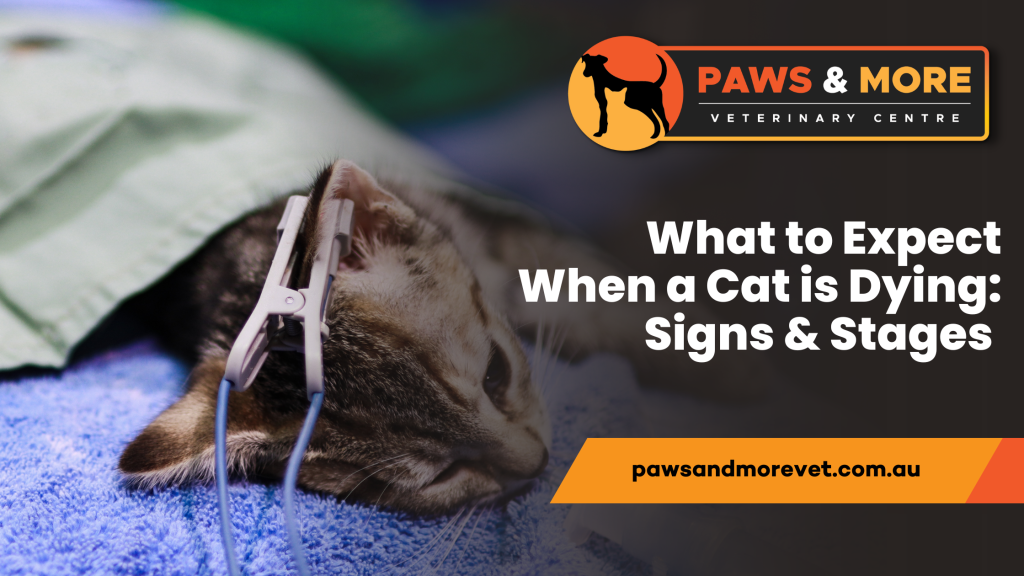
Credit: pawsandmorevet.com.au
Understanding Cat Affection
Cats often show more affection when nearing the end of life. This change may be due to seeking comfort and closeness. Recognizing these signs helps in understanding their needs during this emotional time.
Cats are known for their mysterious nature. Their affection can be puzzling. Some cats are naturally more loving. Others keep a distance. Understanding a cat’s affection helps in caring for them. Many factors influence a cat’s affection. Health, environment, and personality all play a role. When cats are sick or nearing the end, their behavior might change. They may become more affectionate. Observing these changes can help in understanding their needs better.Natural Affection Patterns
Cats show affection in unique ways. Some purr loudly, others nuzzle gently. They might follow you around the house. Some prefer sitting quietly by your side. Each cat has its own way of showing love. Young cats often show more energy in their affection. Older cats might display more calm and subtle affection. Recognizing these natural patterns is key. It helps in understanding any changes in behavior.Impact Of Health On Behavior
A cat’s health greatly impacts its behavior. Healthy cats usually maintain their affection patterns. When a cat feels unwell, it might become more clingy. This change can be a sign of discomfort. Cats near the end of life often seek comfort. They may want to be close to their owners. Increased affection can be a sign of needing support. Recognizing these signs helps provide the care they need. Understanding these behaviors ensures a cat feels loved and secure. `Reasons For Increased Affection
Cats may show more affection when they feel unwell or nearing the end of their lives. Increased cuddling and seeking comfort from their owners often indicate a need for reassurance. These changes in behavior can be subtle signs of their vulnerability and desire for closeness.
Understanding the reasons behind a cat’s increased affection when they are nearing the end of their life can offer comfort to you as a pet owner. While each cat’s journey is unique, several factors can lead to this change in behavior. Recognizing these reasons can help you provide the support and love your feline friend needs during this time.Seeking Comfort And Security
Cats, like humans, often seek comfort when they are unwell or nearing the end of their lives. Your presence becomes a source of warmth and safety for them. They may snuggle closer to you or follow you around more than usual. Have you noticed your cat curling up in your lap more often? This behavior could be their way of finding solace and reassurance. Providing a calm and cozy environment can help them feel more secure.Changes In Senses
As cats age or experience health issues, their senses may start to diminish. They might have trouble seeing or hearing clearly, which can make the world seem more intimidating. In response, they may rely more on their sense of touch and smell to navigate their surroundings. This reliance can lead to increased physical closeness with you. Being near you helps them stay oriented and reassured. You might find them rubbing against your legs or sleeping close to your side more frequently.Bonding With Owners
The bond between you and your cat can deepen during their final days. They may become more affectionate as a way to strengthen this connection. It’s a reminder of the special relationship you’ve built over the years. Sharing moments of quiet companionship can be comforting for both of you. As your cat seeks closeness, take the opportunity to reciprocate with gentle pets and soothing words. Have you ever felt that your cat senses your emotions too? This mutual understanding can be incredibly powerful during such times. These moments of increased affection are not just symptoms; they are opportunities. How will you choose to embrace these precious last days with your furry friend?Ways To Support A Dying Cat
As they near the end, cats might seek more closeness. They find comfort in warmth and familiar faces. Offering gentle affection can ease their journey.
When our beloved feline companions are nearing the end of their lives, their behavior can change in unexpected ways. Some cats may become more affectionate, seeking comfort in your presence. As a cat owner, you may wonder how to support your dying cat during this challenging time. By focusing on their comfort and emotional needs, you can help ease their transition and cherish the moments you have together.Creating A Comfortable Environment
Ensure your cat has a cozy space where they can rest peacefully. Offer soft bedding and keep their favorite toys nearby. You might notice they prefer a quiet corner away from the hustle and bustle of daily life. Consider adjusting the temperature to their liking. Some cats prefer warmth, while others might seek a cooler space. Observe their reactions and adapt accordingly. Comfort can greatly impact their mood and well-being.Providing Emotional Support
Spend quality time with your cat, gently petting them and speaking softly. Your presence can be incredibly soothing. Remember a time when you were unwell and appreciated having someone close by; your cat may feel the same. Watch for signs of distress and offer reassurance. If your cat seems anxious, a gentle touch or quiet words can help calm them. Ask yourself, what would make you feel loved in such a situation?Consulting With Veterinarians
Reach out to your veterinarian for guidance and support. They can offer advice on pain management and end-of-life care. Their expertise ensures your cat’s needs are met with compassion. Discuss any concerns or questions you have. A veterinarian can help you navigate this emotional journey and provide clarity on what to expect. Their insights can make a significant difference in your cat’s final days. Supporting a dying cat is a deeply personal experience filled with moments of tenderness and love. By focusing on their comfort and emotional well-being, you can provide the best care possible during their last chapter. How will you make these moments memorable for both of you?Coping With Loss
Cats facing the end of life may show more affection. Increased cuddling and purring can be signs of comfort-seeking. This behavior helps them feel secure and loved during difficult times.
Coping with the loss of a beloved pet can be challenging. Cats often show increased affection before they pass away. This change can be a sign that they are trying to communicate their love. Understanding this can help you prepare emotionally for the impending loss.Understanding Grief
Grieving a pet is a personal journey. Each person experiences grief differently. You may feel sadness, anger, or even guilt. These emotions are normal and part of the healing process. Allow yourself to feel these emotions. It is essential for healing. Recognize your feelings and give yourself permission to grieve.Finding Support Groups
Support groups can provide comfort during difficult times. They offer a safe space to share your feelings. Connecting with others who understand your pain can be beneficial. Many communities have local pet loss support groups. Online forums also offer support. These groups help you feel less alone in your journey.Remembering Your Pet
Honoring your pet’s memory can be a healing process. Create a photo album of their life. Write about your favorite moments together. Plant a tree or flower in their memory. These acts keep their spirit alive in your heart. Cherishing these memories can bring peace and closure.
Credit: www.carecredit.com

Credit: www.reddit.com
Frequently Asked Questions
How Do You Know When A Cat Is Nearing The End Of Life?
Cats nearing the end of life may show signs like decreased appetite, lethargy, or withdrawal. They might have breathing difficulties, unkempt fur, and weight loss. Behavioral changes, increased sleep, or hiding are common. Always consult a veterinarian for guidance and support during this time.
Do Cats Say Goodbye Before Dying?
Cats may exhibit changes in behavior before dying, but they don’t consciously say goodbye. They might seek solitude, show affection, or become unusually quiet. Observing these signs can help in understanding a cat’s condition and providing comfort during its final moments.
Do Cats Get More Cuddly When They’re Sick?
Cats often seek more comfort and affection when they’re sick. They might appear more cuddly and clingy. This behavior helps them feel secure and supported while recovering. Always consult a vet if you notice unusual behavior in your cat.
Do Cats Act Differently When Soon To Death?
Cats may hide more, become less active, or show changes in appetite when near death. They might seek solitude, act more irritable, or display altered sleep patterns. It’s essential to consult a vet for guidance and support.
Conclusion
Understanding a cat’s behavior can be challenging. Especially when they are near the end of life. Cats may become more affectionate. They seek comfort in familiar faces. It’s their way of connecting. Offering love and warmth helps them feel safe.
Recognize these signs. Provide extra care and attention. Every moment counts in their final days. Cherish the time spent together. Your presence means a lot to them. Remember, each cat is unique. Their behavior varies. Observe and support them in their own way.
This strengthens your bond. Ensures they feel loved and secure.