Why Is My Cat So Small? Top 5 Reasons
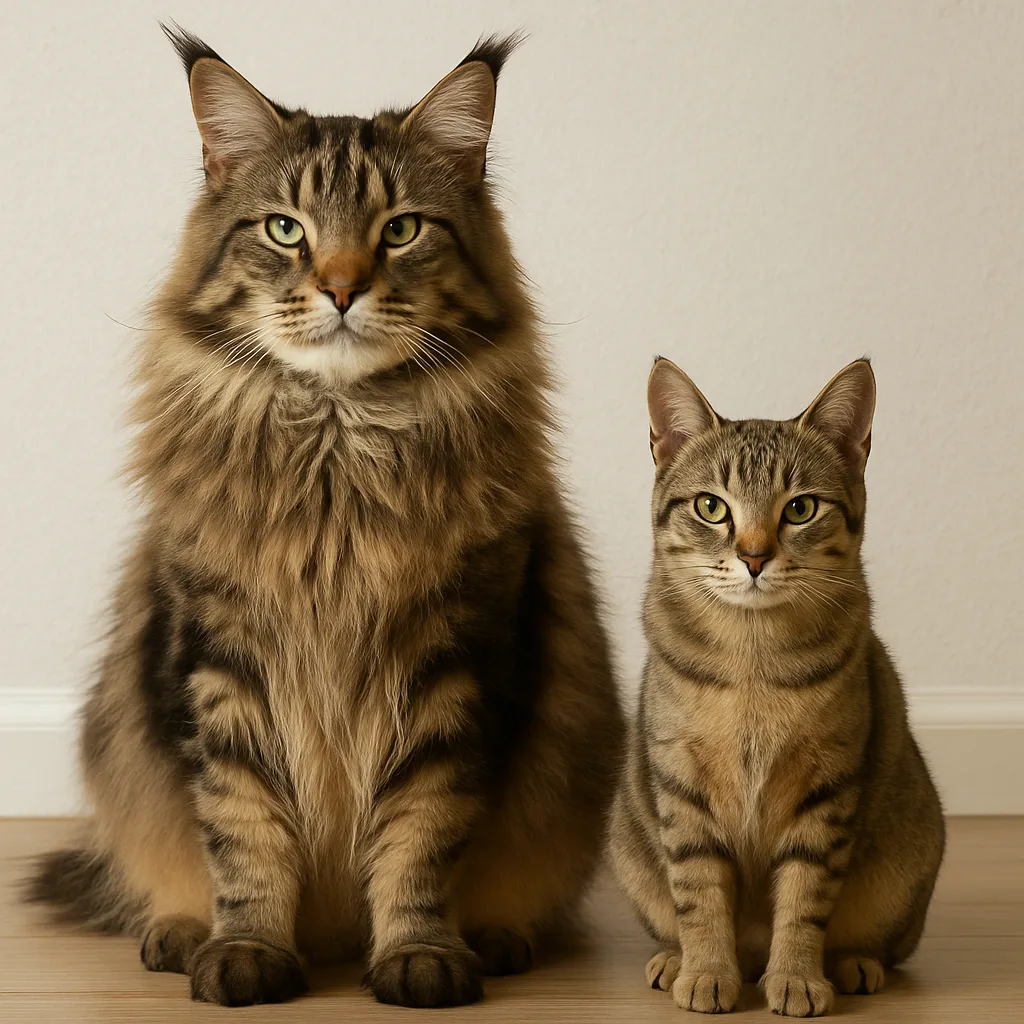
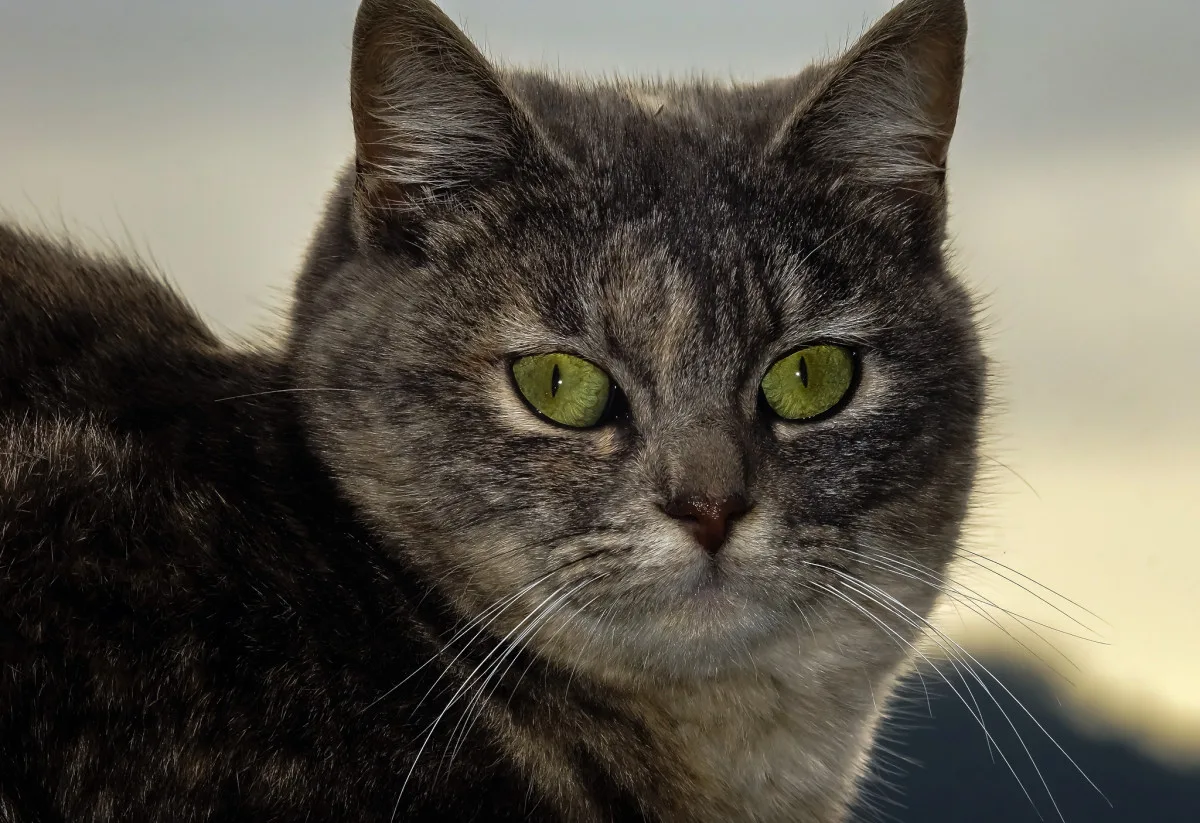
If you've ever looked at your cat and wondered "why is my cat so small" while your friend's cat towers over yours, you're not alone. It's a question that pops up in vet clinics and online forums constantly, and the answer isn't always straightforward. The truth is that cat size varies wildly based on breed, genetics, age, and health, so a smaller cat isn't automatically a problem.
That said, there's a real difference between "small but healthy" and "small because something's wrong." Per AAFCO nutritional standards, a growing kitten needs at least 30% protein in their diet on a dry matter basis, and missing that mark can slow growth. Let's walk through what's normal, what's not, and exactly what to check before you worry.
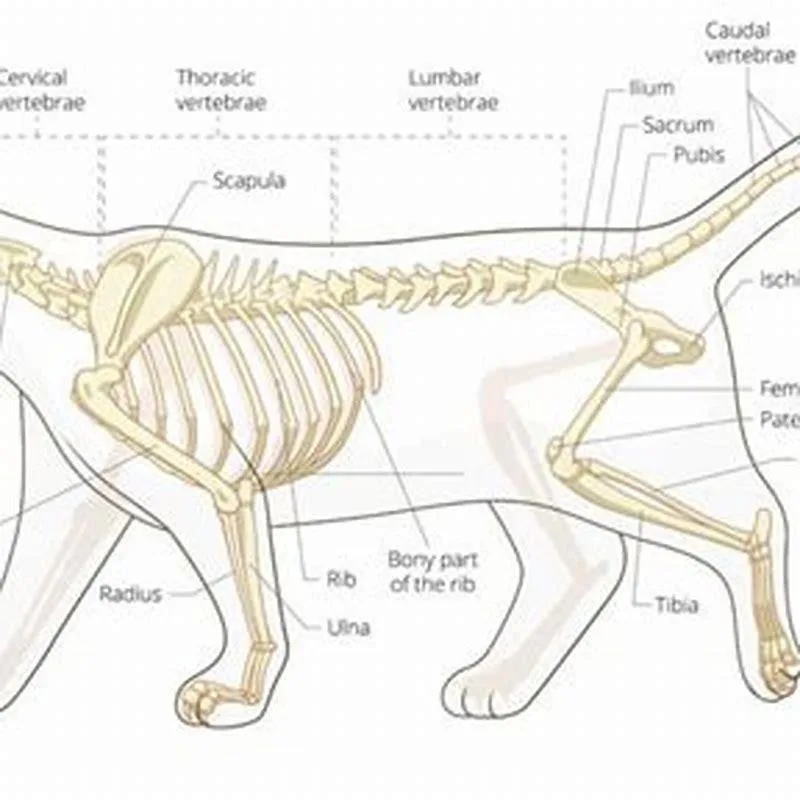
Image source: Bing (Web (fair-use with source credit))
You're Not Overreacting — Small Can Mean Something
Here's the thing about cat owners: we're wired to notice when something seems off. If your cat is noticeably smaller than other cats you've seen, your gut is telling you to pay attention. That's a good instinct.
But here's where it gets tricky. A tiny adult cat could be a healthy Singapura weighing 5 pounds, or it could be a malnourished domestic shorthair that should weigh 9. You can't tell just by looking.
You need context.
What changes the answer:
| Factor | What to Ask |
|---|---|
| Age | Is your cat still growing or fully grown? |
| Breed | Do you know the breed or mix? |
| Body condition | Can you feel ribs easily? |
| Weight trend | Has weight stayed stable or dropped? |
| Appetite | Does your cat eat normally or pick at food? |
Our research shows that most owners who ask this question either have a naturally small breed, a late bloomer, or a cat with a manageable health issue. The goal is to figure out which category you're in without panicking or ignoring a real problem.
What "Small" Actually Means at Different Ages
This is where a lot of people get tripped up. A 4-month-old kitten looks tiny compared to an adult cat, but that's completely normal. Let's break it down by age.
Kitten growth windows: when to worry, when to wait
Kittens grow fast, then slow down. Here's the typical timeline:
- Birth to 8 weeks: Kittens should gain about 0.5 to 1 ounce per day. At 8 weeks, most weigh around 2 pounds (0.9 kg).
- 8 to 16 weeks: The fastest growth phase. Expect about 0.5 to 1 pound gained per week. A 16-week-old kitten should be around 5 to 6 pounds.
- 4 to 12 months: Growth slows. Your cat might add only 1 to 2 pounds total during this period.
- 12 to 18 months: Growth plates fuse. Your cat is now adult size.
If your kitten is significantly below these averages, it's worth investigating. But remember, these are averages. A Maine Coon kitten at 6 months will be larger than a Munchkin at 6 months.
Breed matters a lot.
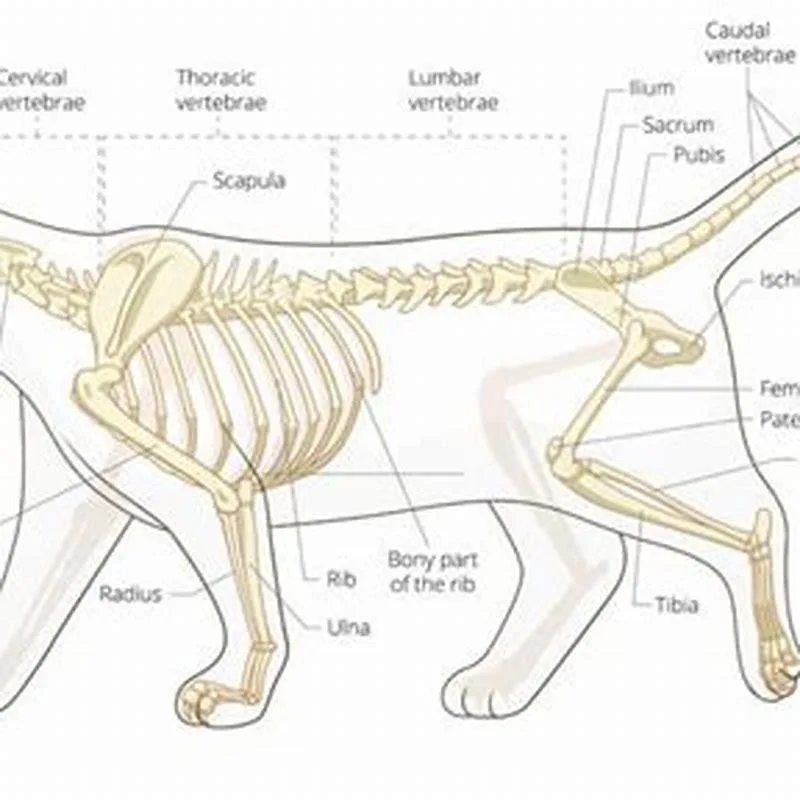
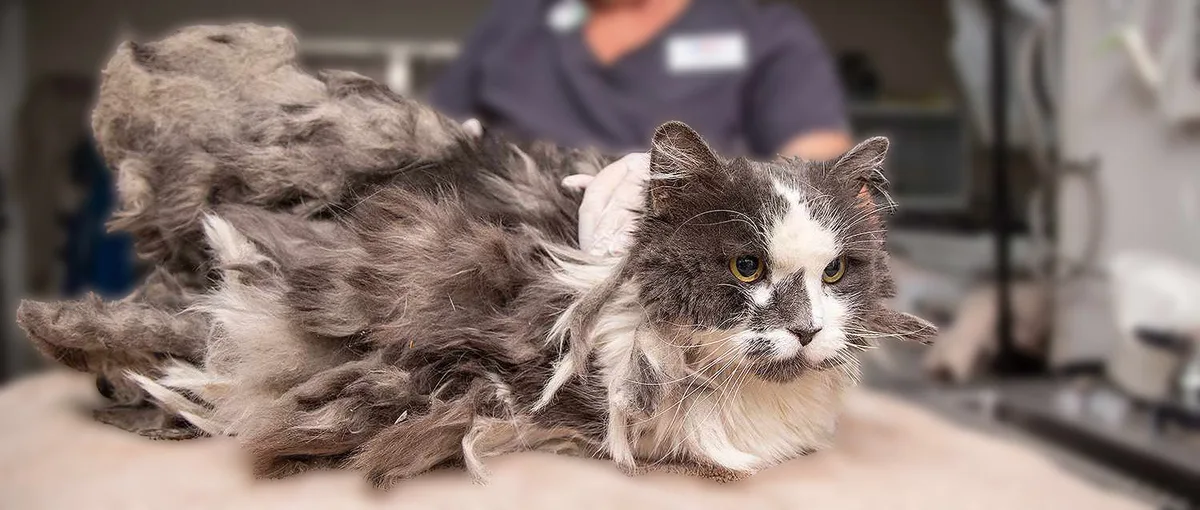
Image source: Web (Bing) / storage.googleapis.com (Web image (fair-use with source credit))
Breed genetics: the difference between "small cat" and "too small"
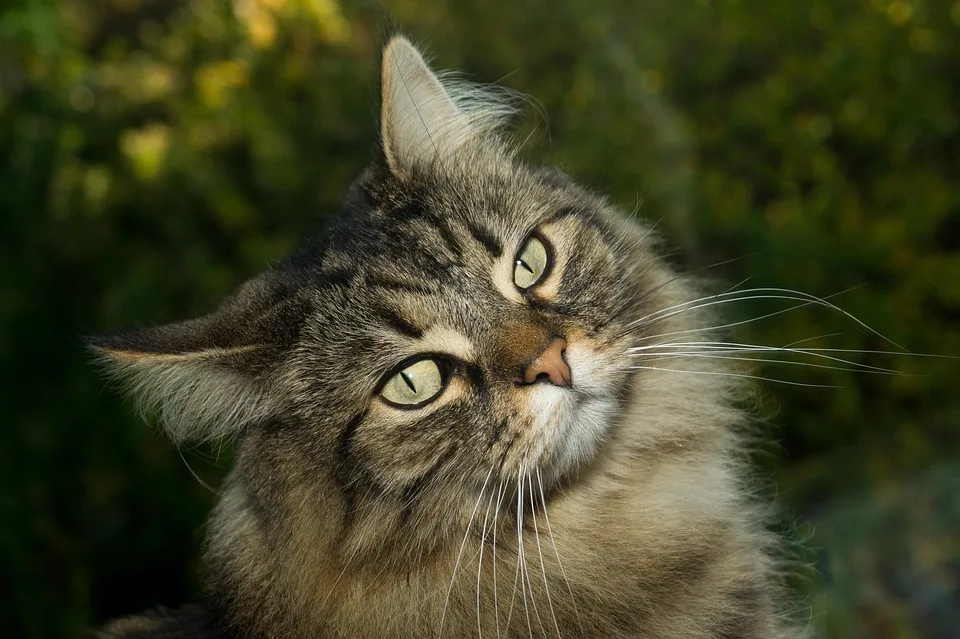
Some cats are just built small. As of 2026, the smallest recognized domestic cat breed is the Singapura, with adults averaging 4 to 6 pounds. The Munchkin, with its short legs, averages 5 to 9 pounds.
On the flip side, Maine Coons can hit 25 pounds.
If your cat is a breed known for small size, you might have your answer right there. If you have a mixed-breed cat, you can look at body type: some cats have finer bone structure and lighter frames naturally. That doesn't mean they're unhealthy.
Body condition score — how to feel, not just look
This is the most practical tool you have. The cat body condition score (BCS) is a 9-point scale used by vets. You don't need a chart, you just need your hands.
Here's the quick check:
- BCS 1-3 (underweight): Ribs are easily felt with no fat cover. Visible waist is severe. Spine and hip bones stick out.
- BCS 4-5 (ideal): Ribs can be felt with light pressure, but there's a thin layer of fat. Waist is visible behind the ribs when viewed from above. Belly has a slight tuck.
- BCS 6-9 (overweight to obese): Ribs are hard to feel. Waist is absent or bulging. Belly is rounded.
If your cat is small but has a BCS of 4 or 5, they're likely just petite. If they're at a 1, 2, or 3, you need to investigate further.
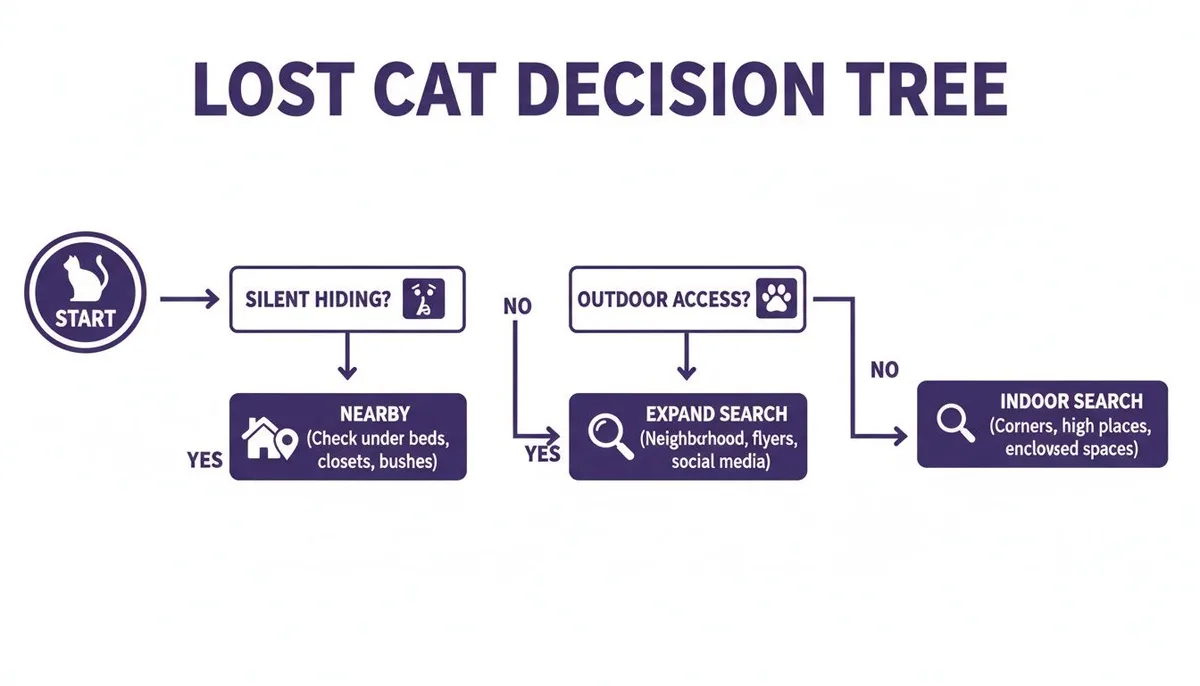
The "Is My Cat Too Small?" Flowchart in Plain English
This is the heart of the decision tree. Instead of guessing, follow these branches based on your cat's situation.
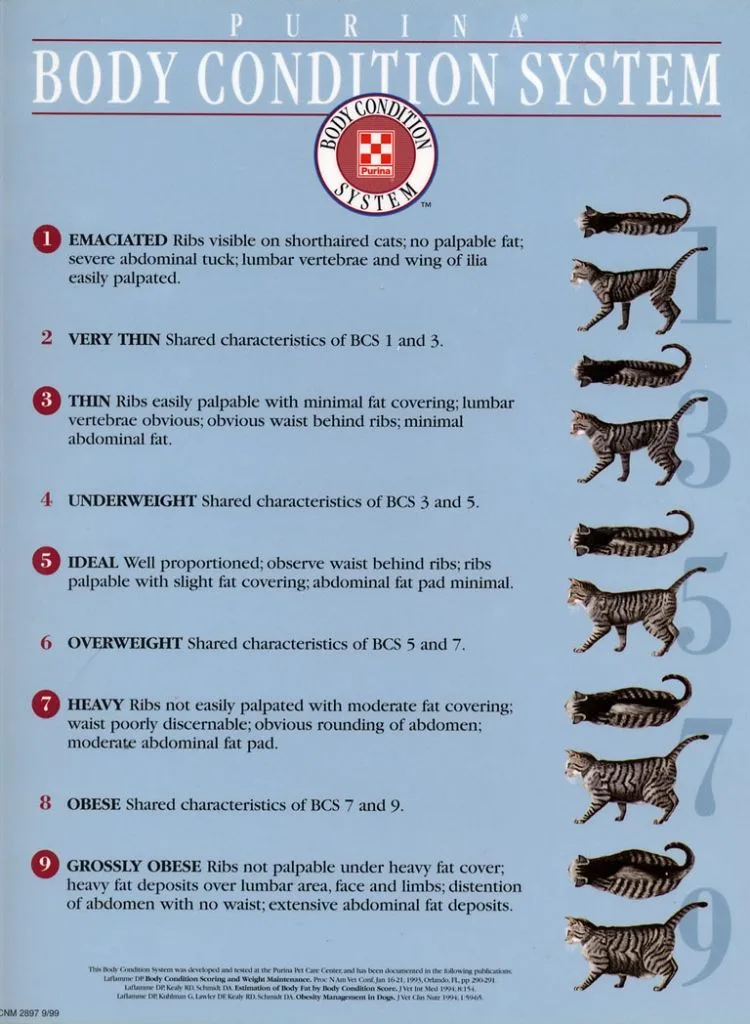
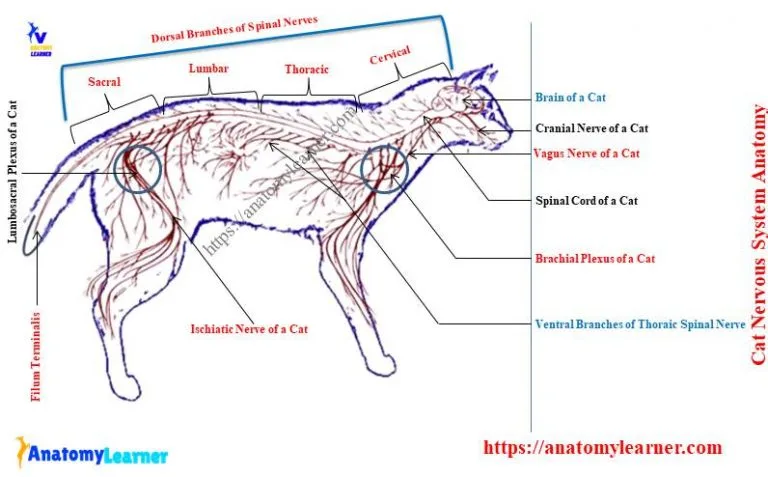
Image source: Web (Bing) / pinterest.com (Web image (fair-use with source credit))
Branch 1: Is your cat still a kitten?
If yes, check their age against the growth averages above. If they're close to the range, wait and monitor. If they're significantly under, weigh them weekly.
A kitten that stops gaining weight for two weeks needs a vet visit. If they're gaining slowly but steadily, they might just be a slow grower.
Branch 2: Does your cat eat but stay small?
This is a common scenario. Your cat eats normally, sometimes even a lot, but stays small. In that case, consider two possibilities:
- Parasites: Roundworms, tapeworms, and coccidia can steal calories. A fecal test at the vet can confirm this.
- Malabsorption: Some cats have gastrointestinal issues that prevent proper nutrient absorption, like inflammatory bowel disease or exocrine pancreatic insufficiency.
If your cat eats well but stays small, a vet check is warranted. Don't just feed more.
Branch 3: Has your cat always been small or is this new?
If your cat has always been on the smaller side, you're probably dealing with genetics or a history of early malnutrition. If your cat was a normal size and has gotten smaller, that's a red flag. Weight loss in an adult cat is always worth a vet visit.
It could be dental pain, hyperthyroidism, kidney disease, or diabetes.
Branch 4: Are there other symptoms?
A small cat with no other symptoms is different from a small cat that's lethargic, vomiting, has diarrhea, or has a dull coat. If you see any of these, skip the flowchart and go straight to the vet. Multiple symptoms together suggest a health issue that needs diagnosis.
Where each branch leads:
- No symptoms, good BCS, eats well: Likely just a small cat. Monitor weight monthly.
- No symptoms, poor BCS, eats well: Parasites or malabsorption. Vet visit for fecal test and bloodwork.
- Symptoms present: Vet visit immediately.
- Weight loss in adult cat: Vet visit for bloodwork and dental check.
Red Flag Check — When Small Is a Health Issue
Let's be clear about what can cause a cat to be too small. These are the conditions you want to rule out.
Parasites (roundworms, tapeworms, coccidia)
Parasites are incredibly common in kittens and outdoor cats. They live in the gut and absorb nutrients your cat needs for growth. A heavily infested kitten can look pot-bellied and thin at the same time.
Deworming is simple and effective, but you need the right medication for the right parasite.
Malnutrition and poor-quality food
Not all cat food is created equal. Some budget brands don't meet AAFCO standards for growth. If you're feeding a generic store brand that doesn't say "complete and balanced for growth" on the label, your kitten might not be getting enough protein or calories.
Check the label.
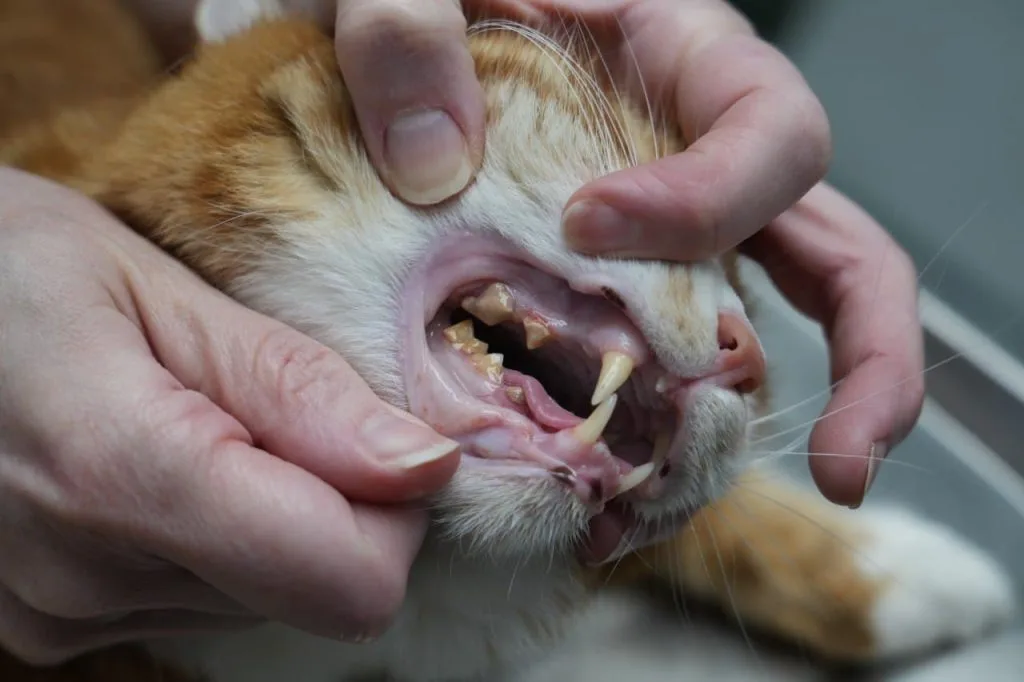
Dental disease hiding pain
A cat with sore teeth or gums will eat less, even if they approach the bowl. This is especially common in adult cats. Bad breath, drooling, or pawing at the mouth are clues.
A dental check at the vet can catch this.
Chronic conditions (FeLV, FIV, IBD, organ issues)
Feline leukemia virus and feline immunodeficiency virus can suppress the immune system and cause poor growth. Inflammatory bowel disease makes it hard for the gut to absorb nutrients. Kidney or liver issues can also cause weight loss or failure to thrive.
Bloodwork is the only way to confirm these.
Congenital problems (dwarfism, heart defects, liver shunts)
Some cats are born with conditions that limit growth. Portosystemic shunts (liver shunts) are a common one, blood bypasses the liver, so toxins build up and growth slows. Dwarfism is usually obvious from the cat's proportions.
Heart defects can limit energy and growth.
Our research shows that most of these conditions are treatable if caught early. The key is not to wait until your cat is severely underweight.
Common Mistakes That Keep Cats Small (or Make You Think They Are)
You'd be surprised how many owners make these errors. Let's fix them.
Comparing your cat to the wrong breed standard
If you have a domestic shorthair and you're comparing them to a Maine Coon, you're setting yourself up for worry. Compare your cat to cats of similar body type and size, not the giant fluffball down the street.
Free-feeding in multi-cat homes
When you leave food out all day, dominant cats eat first and eat more. The smaller or more submissive cat might not get enough. This is a huge hidden cause of underweight cats in multi-cat households.
Feed separate bowls in separate areas if you can.
Assuming "eating = enough nutrition"
A cat can eat a full bowl of low-quality food and still be malnourished. Volume doesn't equal nutrition. Check that your food has a named protein source first on the ingredient list and meets AAFCO standards for the life stage.
Treating medical issues with more food alone
If your cat has parasites or a chronic condition, piling on extra food won't fix it. The underlying problem needs treatment first. Otherwise, you're just feeding the worms.
Waiting too long to involve a vet
This is the biggest one. Many owners wait months, hoping their cat will "grow into it." By the time they bring the cat in, the growth window has closed. For kittens, every month counts.
If you're concerned, see the vet sooner rather than later.
What to Do If Your Cat Is Just Genetically Petite
So you've gone through the flowchart. Your cat eats well, has a body condition score of 4 or 5, and shows no other symptoms. What now?
How to confirm it's normal
You can't 100% rule out health issues without a vet, but you can get close. A clean fecal test and a wellness exam will confirm no parasites or hidden conditions. If your vet gives the all-clear and your cat has been the same size for months, you've got your answer.
Some cats are simply small. It's not a flaw. It's just genetics.
Feeding for health, not size
Once you know your cat is healthy, stop trying to bulk them up. Overfeeding a naturally small cat leads to obesity, not muscle. Obesity is harder on small joints and organs.
Stick to a high-quality food that meets AAFCO standards for your cat's life stage. Feed the recommended amount based on their current weight, not what you wish they weighed. Monitor their body condition score monthly.
If it stays in the 4 to 5 range, you're doing it right.
When to embrace the small and stop worrying
This is the hardest part for most owners. We want our cats to be big and thriving. But small doesn't mean fragile.
Small doesn't mean sick. A healthy 5-pound cat has just as good a quality of life as a healthy 15-pound cat.
Your job is to love the cat you have, not the cat you expected. If they're active, curious, eating well, and vet-cleared, they're fine. Enjoy them.
Frequently Asked Questions
Can a runt catch up in size?
Yes, often. Runts that get proper nutrition and veterinary care in the first few months can reach normal size. The key is early intervention.
If a runt is still significantly smaller after 12 months, they may stay smaller permanently.
How much should a 6-month-old kitten weigh?
Most 6-month-old kittens weigh between 5 and 7 pounds, depending on breed. Smaller breeds like Singapuras may be closer to 4 pounds. Larger breeds like Maine Coons can be 10 pounds or more at this age.
Should I switch to high-calorie food?
Only if your vet recommends it. High-calorie foods are designed for specific needs like recovery or extreme growth. For a healthy small cat, standard high-quality food is sufficient.
Excess calories cause fat gain, not growth.
When is the growth window closed?
For most cats, growth plates fuse between 12 and 18 months. After that, your cat won't get taller or longer. They can still gain weight, but not skeletal size.
This is why early nutrition matters so much for kittens.
Is the smallest kitten in the litter always unhealthy?
No. The smallest kitten in a litter, often called the runt, can be perfectly healthy. They may just be genetically smaller or have had slightly less access to milk.
Monitor their growth, but don't assume the worst.
Your Final Decision Guide
Let's wrap this up with a clear checklist based on everything we've covered.
| Your Situation | Your Next Step |
|---|---|
| Kitten, growing slowly but steadily | Weigh weekly, ensure quality food, wait |
| Kitten, not gaining for 2 weeks | Vet visit |
| Adult cat, always been small, healthy BCS | You're done. Embrace it. |
| Adult cat, weight loss, no other symptoms | Vet visit for bloodwork and dental check |
| Any cat with symptoms + small size | Vet visit immediately |
| Multi-cat home, one is smaller | Separate feeding areas, monitor intake |
The honest truth is that most cats who prompt this question are fine. But the few that aren't fine need quick action. Trust your gut, use the body condition score as your guide, and don't hesitate to involve a veterinarian.
Your cat's size is just one data point. Their energy, appetite, coat quality, and behavior matter just as much. If all those are good, you're probably holding a perfectly healthy, wonderfully small cat.

Similar Posts