Why Cats Hate Having Their Paws Touched
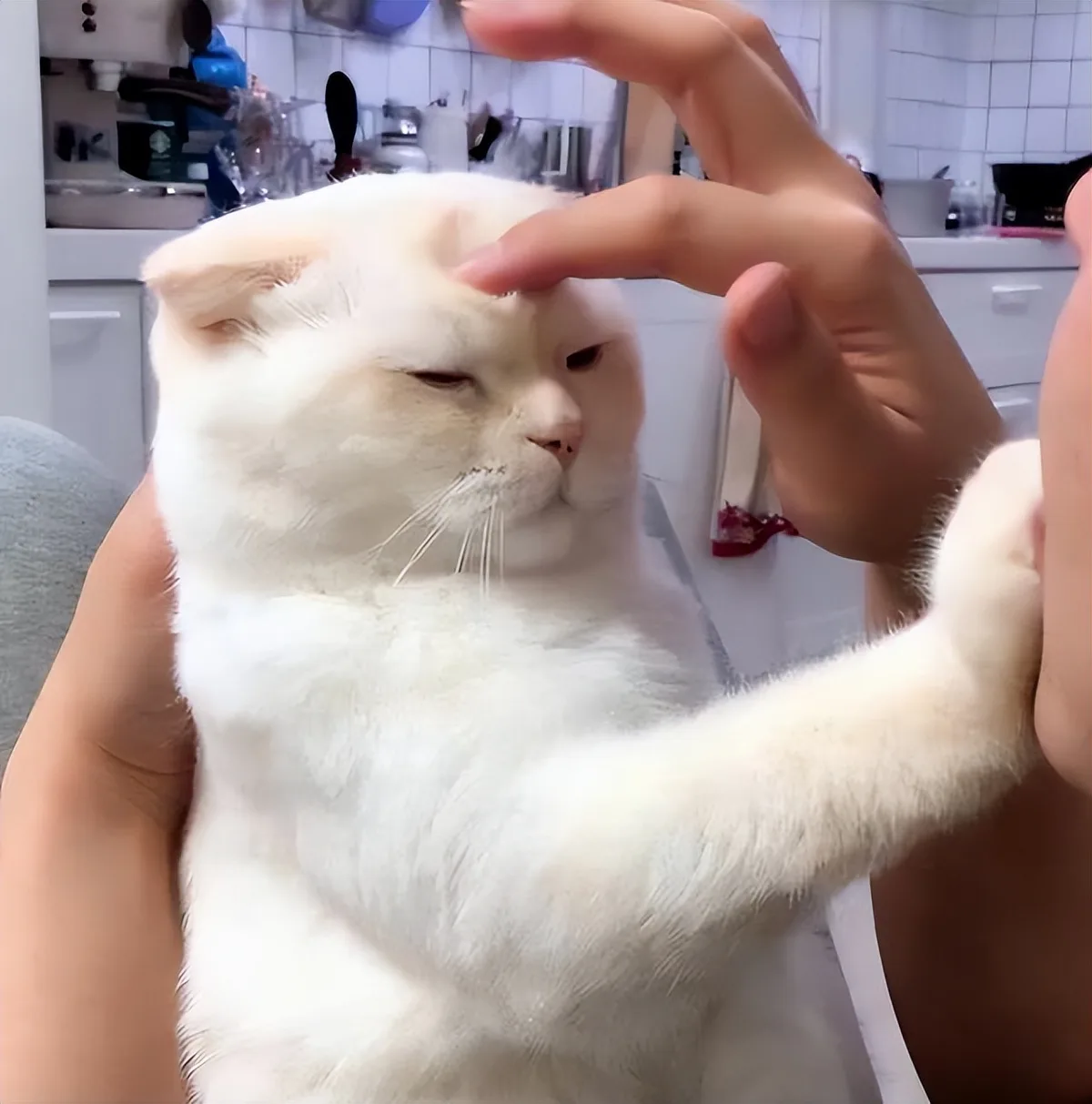
If you've ever reached for your cat's paw and gotten a quick retreat or a warning swat, you've probably wondered why dont cats like their paws touched. It's one of the most common frustrations for cat owners, especially when nail trimming time rolls around. The short version: their paws are packed with sensitive nerve endings, and many cats learn early that paw touches can mean restraint or discomfort.
Research from veterinary behaviorists at institutions like the Cornell Feline Health Center confirms that paw sensitivity is a normal evolutionary trait. Cats rely on their paws for balance, hunting, and sensory feedback, so they're naturally protective of them. As of 2026, the gold standard for addressing this is a phased desensitization approach called cooperative care.
Here's what's really going on under those toe beans.
Quick Answer
Cats dislike paw touching because their paws are highly sensitive. They have dense nerve endings and carpal whiskers that detect vibrations and textures. Many cats also associate paw handling with nail trims or restraint.
It's a survival instinct, not just pickiness. With patience and gradual training, most cats can learn to tolerate it.
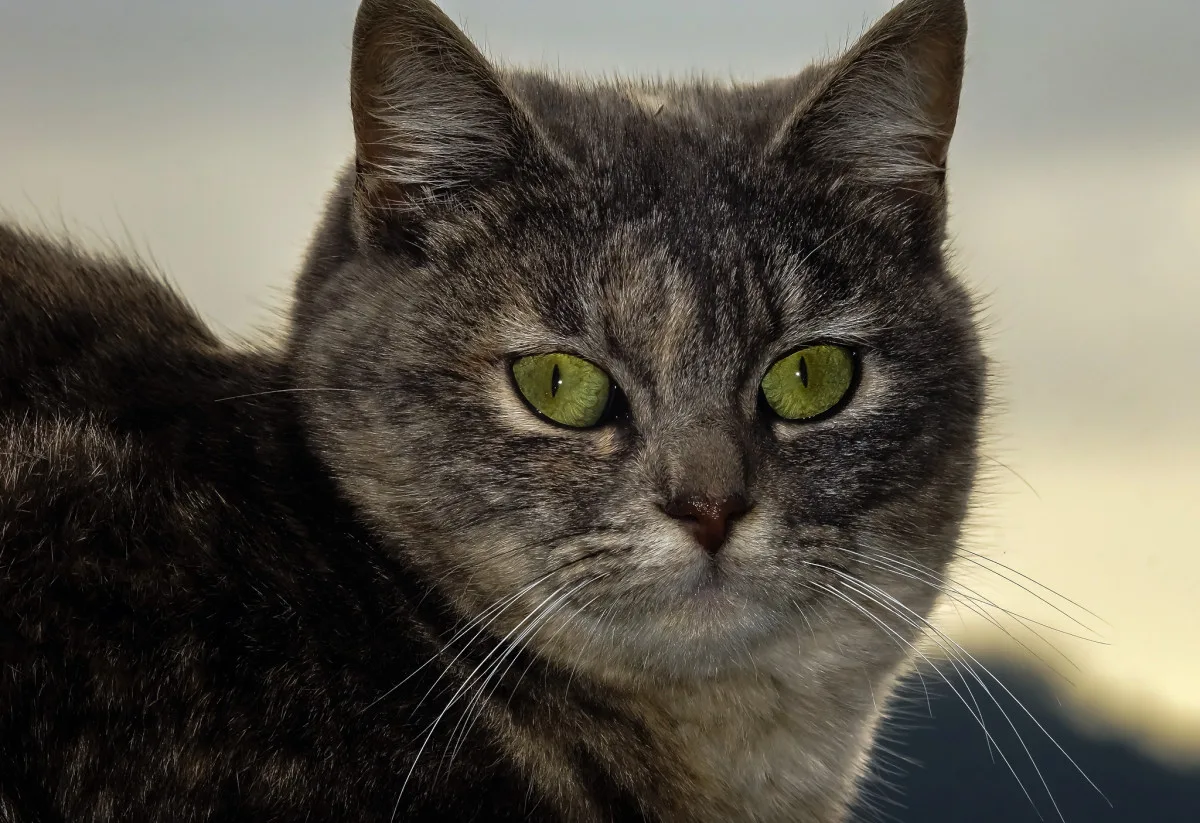
Image source: Bing (Web (fair-use with source credit))
The Anatomy Behind Paw Sensitivity
A cat's paw is a marvel of evolutionary engineering. It's also a bundle of nerve endings that rivals the sensitivity of human fingertips. That's the first reason your cat flinches when you touch a paw.
The paw contains three types of sensory structures. The digital pads (the little toe beans), the metacarpal pad (the big one in the middle), and the carpal pad (the small pad higher up the leg). Each one is packed with mechanoreceptors that detect pressure, vibration, and texture. These receptors help your cat judge whether a surface is safe to walk on or whether prey is moving under leaves.
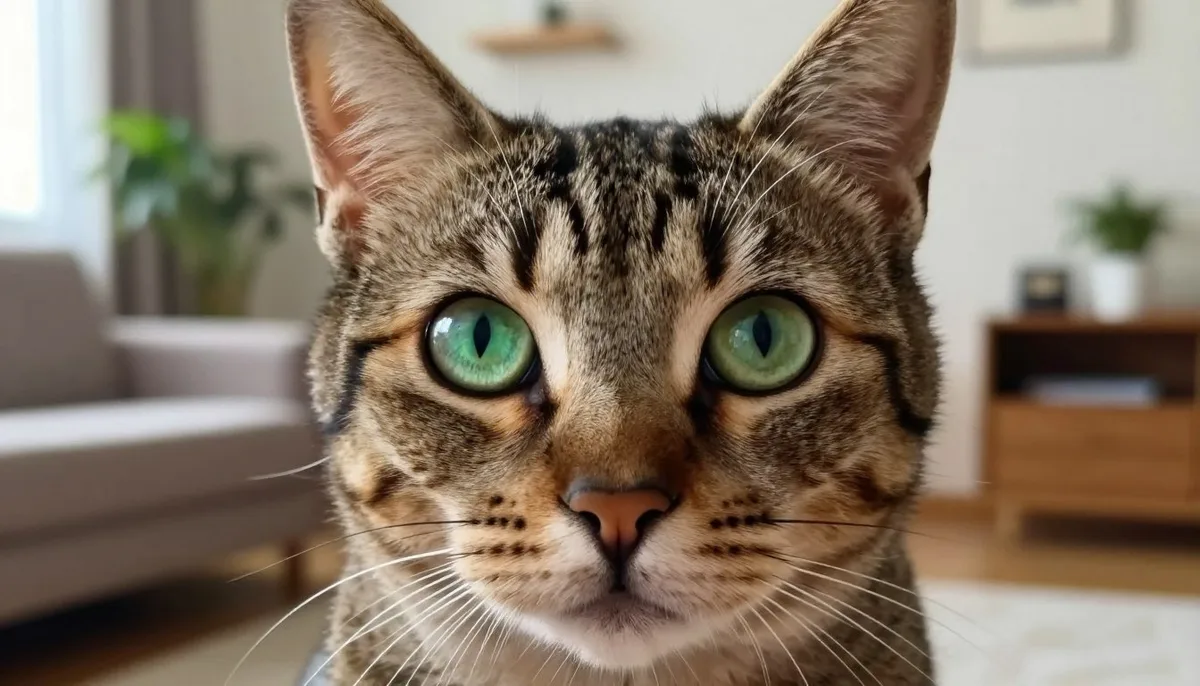
Then there are the carpal whiskers. These are the small whiskers on the back of your cat's front legs, just above the paw. Most owners don't even know they exist. But they serve a critical purpose: they help the cat sense prey and obstacles in close quarters.
When you grab a paw, you're brushing against those whiskers. That can feel startling or even irritating to a cat who isn't used to it.
The claws add another layer of sensitivity. Each claw has a "quick" running through it, a bundle of nerves and blood vessels. Any pressure on or near the quick sends a sharp signal to the brain. This is why even a gentle squeeze around a claw can make a cat pull away.
Cat body language tells the full story. A cat who mildly dislikes paw touching might pull her paw back slowly or flatten her ears. A cat in real distress will thrash her tail, ripple the skin on her back, and maybe give a low growl. Learning to read these signals is the difference between a cat who eventually tolerates trims and one who learns to hide under the bed.
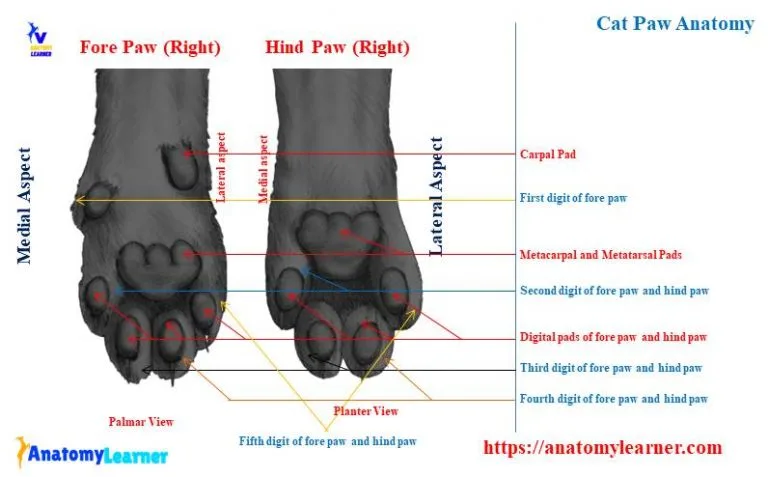
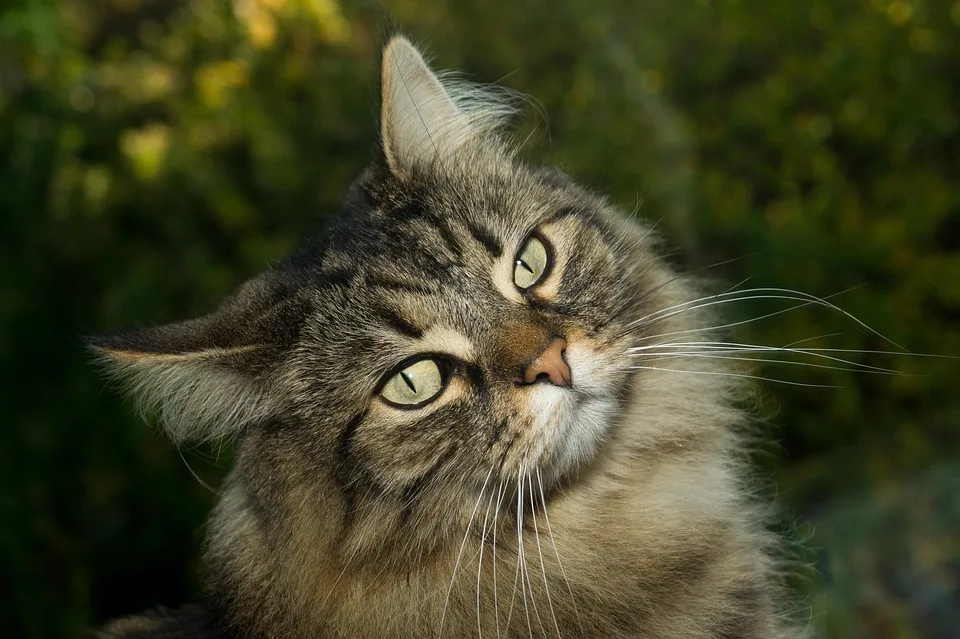
Image source: Bing (Web (fair-use with source credit))
Is It Sensitivity or Something Painful?
This is the most important decision point in the whole process. If your cat has always disliked paw touching, it's probably just sensitivity. But if she suddenly starts resisting after years of tolerance, that's a red flag. You need to rule out pain first.
Signs that pain is the real culprit include: limping or favoring a paw, excessive licking or chewing at the pads, visible swelling or redness, flinching when the paw is touched anywhere (not just the claws), hiding more than usual, and hissing or biting when you approach the paw area. Any of these warrant a vet visit before you try any training.
Common medical causes of sudden paw aversion include: arthritis in the joints of the paw or leg, an ingrown claw (onychocryptosis) that's curling into the pad, a cracked or broken nail, an abscess from a fight or foreign object, pododermatitis (inflamed paw pads), or an allergy causing itchy, sore paws. A veterinarian can diagnose these with a physical exam and, if needed, X-rays.
If the vet clears your cat medically, then you're dealing with behavioral sensitivity. That's the good news. It means the training approach below will work. But you must start from the beginning, not from where you left off.
A cat who suddenly resisted because of pain has now learned that paw touching equals pain. You have to rebuild that trust from scratch.
The decision tree looks like this: Lifelong aversion with no pain signs equals behavioral sensitivity, start desensitization. Sudden change or any pain sign equals vet visit first, then restart from zero. Aggressive reaction without prior tolerance equals start from the very first phase below.
Mixing these up is the number one reason training fails.
How to Desensitize Your Cat in Phases
This process is called cooperative care, and it works because it lets the cat choose to participate. The golden rule is never force a phase your cat isn't ready for. If she pulls away, you back up a step. Every session ends with a treat and a calm cat.
You'll need: high-value treats (freeze-dried chicken or fish, not regular kibble), a quiet room with no distractions, and optional tools like a clicker or a soft towel. Nail clippers come later, not now.
Phase 1: Build trust from two feet away. Sit near your cat while she eats a treat. Let her approach you. Touch her shoulder, then reward.
Do this for several days until she's completely relaxed with your hand near her.
Phase 2: Touch the leg, not the paw. Gently stroke the front leg from shoulder to wrist. Reward immediately. If she pulls away, you moved too fast.
Go back to Phase 1 for a few more days. This phase usually takes 3 to 7 sessions.
Phase 3: Light contact with the paw back. Use one finger to lightly stroke the top of the paw for one second. Reward. Gradually increase to a full second of contact, then two seconds.
Work up to gently cupping the paw in your hand.
Phase 4: Hold the paw briefly with reward. Hold the paw for one second while giving a treat. Release and reward again. Slowly extend the hold time.
This is where most cats need the most patience. A minute per session, five seconds at a time.
Phase 5: Introduce nail exposure and clipping. Gently press on the pad to extend a claw. Reward. Clip one nail.
Reward. Stop there for the day. Next session, clip two nails.
Never clip more than one paw per session in the beginning.
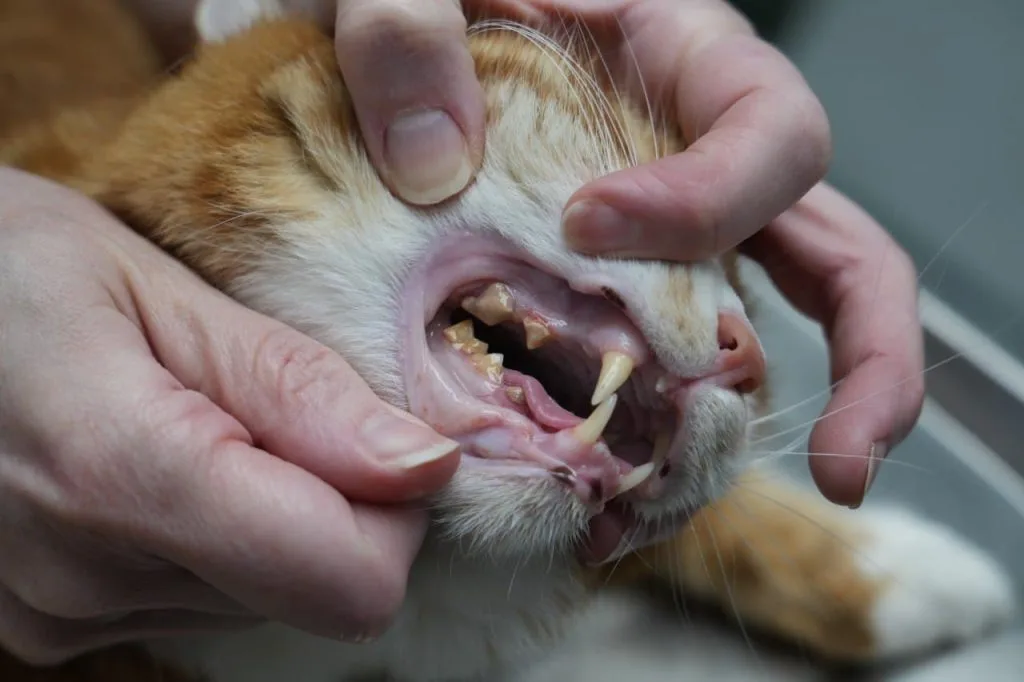
Image source: Web (Bing) / pexels.com (Web image (fair-use with source credit))
Mistakes That Set You Back Weeks
The biggest mistake is rushing. Cat desensitization works on cat time, not human time. If you try to move from Phase 2 to Phase 4 in one session, you'll spook the cat. That single experience can set you back three to four weeks of trust building.
Forcing the hold is mistake number two. If you restrain a cat's paw when she pulls it away, you teach her that the only way to escape is to bite or scratch. That's not a training failure, that's a training error. The second she resists, you release.
No exceptions.
Skipping phases because "she seemed fine" is common. A cat might tolerate Phase 3 contact for one session, so you assume she's ready for Phase 5. But tolerance isn't the same as comfort. She might be freezing instead of relaxing.
Frozen cats look calm but are actually stressed. You want a loose, relaxed body, not a statue.
Using the wrong rewards matters. If your cat's regular food isn't exciting enough, she won't associate the experience with something positive. You need treats that are special. Freeze-dried meat, shredded chicken, or squeeze tube treats work best.
Use them only during paw training sessions.
Overdoing session length is a silent killer. A cat's attention span for this kind of training is about 60 to 90 seconds at first. If you push to five minutes, she'll get bored or stressed. End the session while she's still happy, not after she's checked out.
Two short sessions a day beat one long session every time.
Punishing a reaction is the fastest way to destroy progress. Never yell at, tap, or scold a cat who pulls away. That tells her the entire experience is dangerous. Instead, calmly remove your hand and try again at a lower phase next time.
Patience is the only shortcut that works.

Similar Posts