Why Does My Cat’s Breath Smell? Common Causes
You're probably here because you noticed that exact question on your mind: why does my cats breath smell. Maybe it hit you while your cat purred on your chest, or when they yawned after a nap. You assumed it was normal cat stuff, just tuna breath or morning breath.
It's not.
Veterinary research from the Cornell Feline Health Center estimates that up to 70% of cats over the age of three have some form of dental disease. And that's just the mouth stuff. Bad breath can point to problems deeper in the body.
Let's walk through what you're smelling, what it really means, and when you should worry.
Quick Answer
Cat bad breath is mainly from dental disease. Plaque and tartar build up under the gums. Bacteria cause infection and a foul smell.
It can also signal kidney disease or diabetes. These are serious conditions. A vet visit is the only safe way to know.
Image source: Bing (Web (fair-use with source credit))
Why Your Cat's Bad Breath Is Never Normal (And Why That Matters)
A healthy cat's breath is nearly odorless. You might catch a faint whiff after a meal, but it should fade fast. If your cat's breath smells consistently bad, something is wrong.
Full stop.
The biggest mistake cat owners make is assuming bad breath is just a cat thing. It isn't. Think of it like this: your own bad breath is a sign to brush your teeth or see a dentist.
Your cat can't brush their own teeth. They rely on you to notice the signal.
Dental disease is the most common cause of halitosis in cats. Plaque hardens into tartar. Tartar pushes under the gum line.
Bacteria thrive there, inflaming the gums and damaging the bone that holds teeth in place. That rotten smell is infection and tissue decay operating inside your cat's mouth.
But here's the part that scares most owners: bad breath can also come from organs outside the mouth entirely. The breath is a gas exchange from the lungs. If the blood carries toxins from failing kidneys or abnormal ketones from diabetes, you smell those toxins on the exhale.
We're not trying to scare you. We're trying to get you to treat this seriously. Mild halitosis that goes away after a dental cleaning is one thing.
Persistent stink that keeps coming back is another. And sudden bad breath that smells like chemicals is an emergency.
What Different Breath Odors Really Mean — From Fishy to Sweet to Ammonia
Your nose is a diagnostic tool. The specific smell can point directly to the cause. Here's what different odors typically mean in our research experience.
| Odor Type | What It Smells Like | Most Likely Cause |
|---|---|---|
| Fishy or rotten | Decaying fish or garbage | Dental disease, gum infection, tooth abscess |
| Sweet or fruity | Nail polish remover or ripe fruit | Diabetes (ketoacidosis) |
| Ammonia or urine | Bleach or cat urine | Kidney disease or kidney failure |
| Sour or metallic | Stale vomit or copper | Stomach issues or bleeding ulcer |
| Musty or mousy | Damp basement or mold | Liver disease |
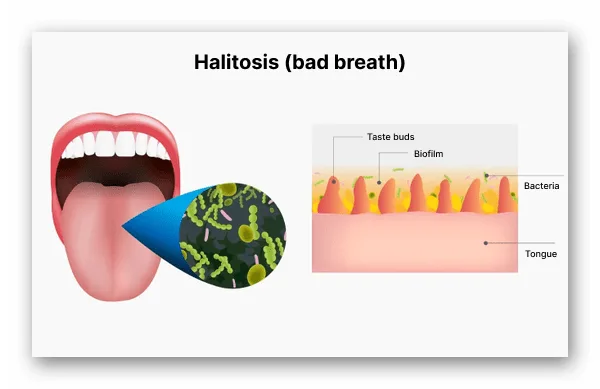
Image source: Bing (Web (fair-use with source credit))
If the smell is fishy and accompanied by drooling, pawing at the mouth, or reluctance to eat, you're likely looking at dental disease. The cat's mouth hurts. Eating dry kibble becomes painful.
They may swallow food whole or drop it from their mouth.
A sweet or fruity smell is the one that alarms vets most. It can signal diabetic ketoacidosis, a life-threatening condition where the body produces excess ketones. Your cat may also be drinking more water, urinating more, or losing weight despite a normal appetite.
An ammonia smell often means the kidneys are struggling to filter waste from the blood. Urea builds up in the bloodstream and comes out through the breath. This tends to develop gradually.
You might also notice your cat drinking more and losing weight.
One important note: a single odor type doesn't guarantee a single diagnosis. Some cats have multiple problems at once. A cat with kidney disease can also have dental infection.
The smell can blend. That's why a vet needs to do blood work, not just sniff.
The Life-Threatening Conditions Bad Breath Can Signal
We need to be direct here. Some of the conditions behind halitosis are treatable. Others are manageable but incurable.
A few can become fatal fast if you miss the window.
Chronic kidney disease is one of the top killers of senior cats. The kidneys gradually lose function over months or years. As waste builds up in the blood, the breath develops that ammonia scent.
Cats with kidney disease often show other signs: increased thirst, more frequent urination, weight loss, and a dull coat. There is no cure, but early diagnosis with a prescription renal diet and supportive care can extend quality of life significantly.
Diabetes mellitus is another common cause. Overweight cats are at higher risk. The classic triad of symptoms is increased thirst, increased urination, and increased appetite with weight loss.
The sweet or fruity breath is a late sign that indicates ketoacidosis. That is an emergency requiring immediate veterinary hospitalization and insulin therapy.
Oral tumors, especially squamous cell carcinoma, are aggressive and painful. They often start as a small lump on the gums or under the tongue. Bad breath develops as the tumor ulcerates and becomes infected.
These tumors are hard to catch early because cats hide pain. By the time the breath is foul, the cancer may have already spread. Monthly oral checks at home, lifting the lip and looking, can save a life.
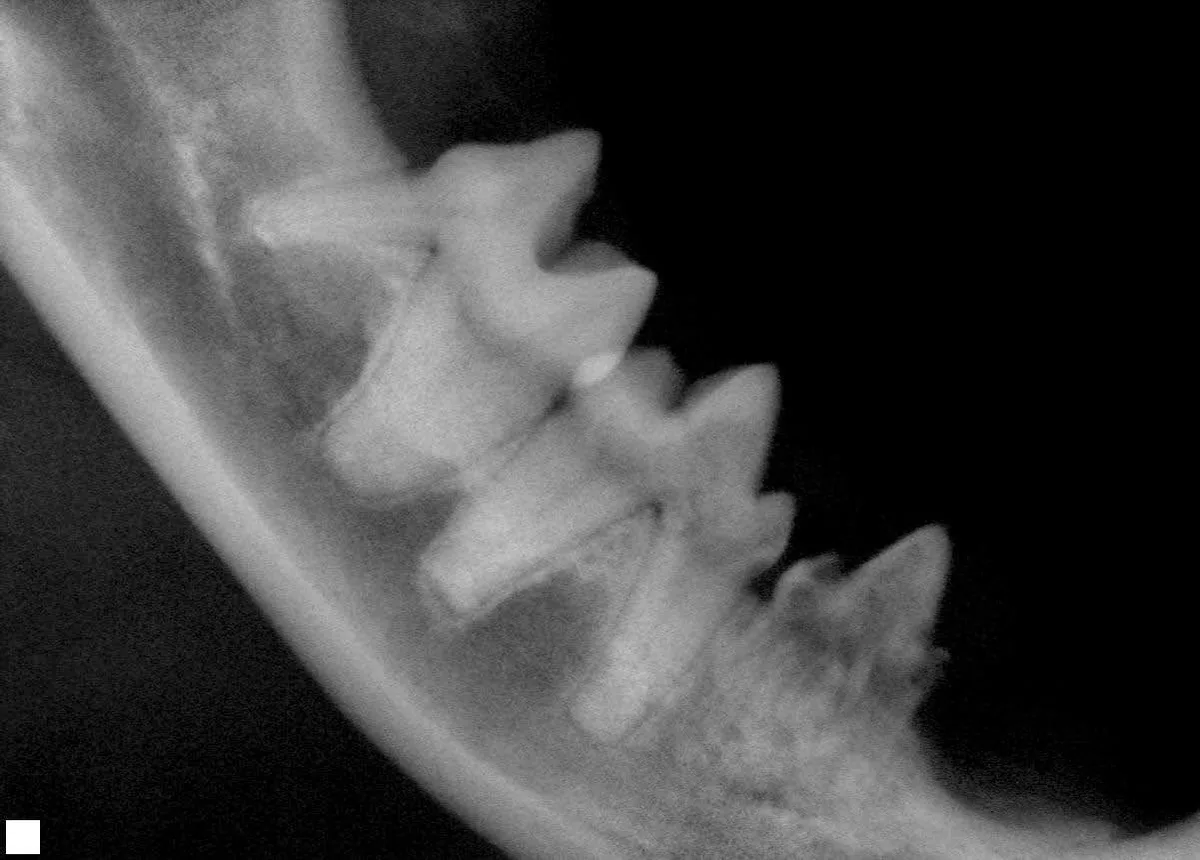
Image source: Bing (Web (fair-use with source credit))
Tooth resorption is a painful condition where the cat's own body dissolves the roots of the teeth. It affects up to 60% of cats over six years old according to the American Veterinary Dental College. The affected tooth is eaten away from the inside.
The cat experiences excruciating pain. Bad breath is common because the exposed dentin and pulpal tissue become infected. The only treatment is extraction of the affected teeth.
Stomatitis is severe, chronic inflammation of the entire mouth. The gums, cheeks, and tongue can become raw and ulcerated. The breath is intensely foul.
Cats with stomatitis often drool blood-tinged saliva and refuse to eat. The cause is thought to be an overactive immune response to dental plaque. Treatment usually involves full-mouth extractions.
Many cats respond well and live pain-free afterward.
When to See the Vet (And What Happens During That Visit)
If your cat has bad breath, call your vet today. Not next week. Not when you have time.
Today.
Here is the baseline: any persistent bad breath warrants a vet visit. Even if the cat seems fine otherwise. Cats are masters at hiding illness.
By the time you notice bad breath plus other signs, the problem is often advanced.
At the vet, the process usually follows a standard sequence.
The vet will start with a physical exam. They will look in the mouth, check the gums, and assess the teeth. They may take a sniff themselves.
This part is brief but important.
Then comes the conversation about next steps. If the vet suspects dental disease, they will recommend a professional dental cleaning under anesthesia. This is not optional.
An awake cat cannot tolerate a full oral exam or X-rays. The vet needs to probe under the gum line and take intraoral X-rays to find hidden problems.
Before anesthesia, your vet will run blood work. This checks kidney values (BUN and creatinine), blood glucose, liver enzymes, and cell counts. This step is non-negotiable for safety.
If kidney disease or diabetes shows up on the blood work, the dental procedure may need to be delayed or modified.
If blood work indicates a systemic problem, the vet will recommend additional diagnostics. A urinalysis can confirm kidney disease. A urine culture can rule out infection.
More advanced tests like a fructosamine level can diagnose diabetes.
The vet will also ask about your cat's behavior at home. Is your cat eating normally? Drinking more?
Hiding more? These details help narrow the cause.
Common Mistakes That Cost Cats Their Health
We see the same mistakes over and over. Knowing them can save your cat unnecessary suffering.
Mistake 1: Assuming it's just food breath. Many owners think switching to dry kibble will scrape the tartar off and fix the smell. Dry food does not clean teeth effectively. It crumbles on contact.
The plaque remains. Dental disease progresses.
Mistake 2: Trying home remedies. Essential oils like tea tree or peppermint are toxic to cats. Hydrogen peroxide damages oral tissues. Even baking soda can upset a cat's stomach.
Never put anything in your cat's mouth that isn't specifically formulated for cats and approved by your vet.
Mistake 3: Waiting for the cat to act sick. Cats evolved to hide weakness. A cat with severe dental pain may still eat, purr, and act normal. They simply learn to live with the pain.
Waiting until they stop eating or start hiding is waiting too long.
Mistake 4: Skipping the blood work. Some owners decline pre-anesthetic blood work to save money. This is dangerous. A cat with undiagnosed kidney disease or diabetes can have a fatal reaction to anesthesia.
Blood work is not optional. It is the safety net.
Mistake 5: Ignoring yearly dental checkups. Many cats go years without an oral exam under anesthesia. By the time dental disease is visible to the naked eye, it is advanced. Yearly professional evaluations catch problems early.
They are cheaper in the long run than extraction of multiple teeth.
Frequently Asked Questions
Is it normal for my cat to have bad breath?
No. A healthy cat's breath has little to no odor. Some owners may notice a faint scent after eating, but it disappears quickly.
Persistent bad breath always points to an underlying problem. Dental disease is the most common cause, but systemic issues like kidney or liver disease are also possible.
Can I fix my cat's bad breath with dental treats?
Dental treats are helpful for maintenance but they cannot reverse existing disease. They reduce plaque buildup by mechanical scraping. But they cannot clean below the gum line.
If tartar has already formed or infection is present, only a professional dental cleaning under anesthesia can fix it.
What does it mean if my cat's breath smells like fish?
A fishy or rotten smell almost always comes from dental disease. Plaque and tartar build up along the gum line. Bacteria infect the gums and erode the bone holding the teeth.
The smell is the byproduct of that bacterial activity. A vet exam is needed to determine how far the disease has progressed.
Can bad breath mean my cat is dying?
Bad breath alone is not a death sentence. But it can signal serious conditions that shorten life if left untreated. Kidney failure, diabetic ketoacidosis, and oral cancer all produce distinct breath odors.
The odds improve dramatically with early diagnosis. That is why veterinary attention matters immediately.
How much does a cat dental cleaning cost?
Professional dental cleaning under anesthesia typically costs between $200 and $800. The range depends on your location, the clinic, and whether extractions are needed. Pre-anesthetic blood work adds $50 to $150.
While it feels expensive, untreated dental disease leads to more costly issues and unnecessary suffering.
Your Action Plan: What to Do Starting Today
You have the information. Now here is the step-by-step plan.
Step 1: Call your vet and schedule an appointment. Tell them you are concerned about halitosis. Ask if pre-anesthetic blood work is included. If your cat is over seven years old, request a senior wellness panel.
Step 2: Assess your cat's behavior today. Watch for these signs over the next 24 hours. Is your cat eating normally? Drooling?
Pawing at the mouth? Hiding more than usual? Drinking extra water?
Note any changes and report them to the vet.
Step 3: Do not attempt home treatments. No essential oils. No hydrogen peroxide. No baking soda.
No human toothpaste. None of these are safe for cats. They can cause toxicity, chemical burns, or severe stomach upset.
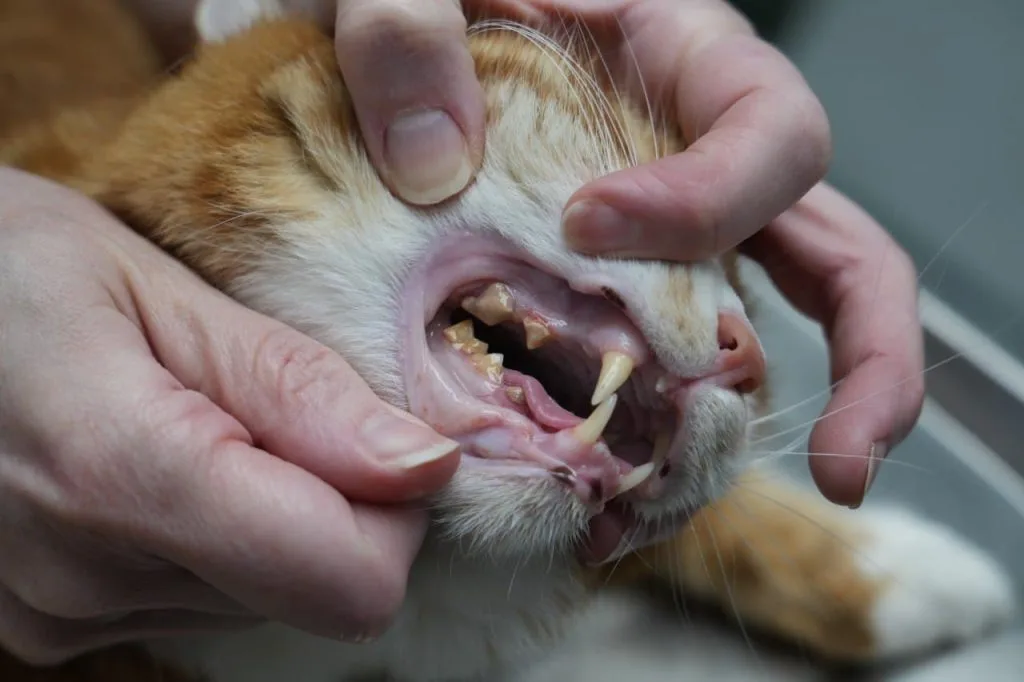
Step 4: Look inside your cat's mouth safely. Lift the lip gently while your cat is relaxed. Look for red gums, yellow or brown tartar, loose teeth, or visible growths. Do not force it.
If your cat resists, stop. The vet will do a full exam.
Step 5: Start a dental care routine after the vet clears your cat. Once the vet treats any existing disease, ask about at-home care. The gold standard is daily tooth brushing with a cat-specific toothpaste and soft brush. If that is impossible, ask about dental diets, water additives, and oral gels.
Your cat cannot speak. But their breath does. Listen to it.
Act on it. You are the one person who can get them the help they need.

Similar Posts