Why Your Cat Stares at You While You Sleep
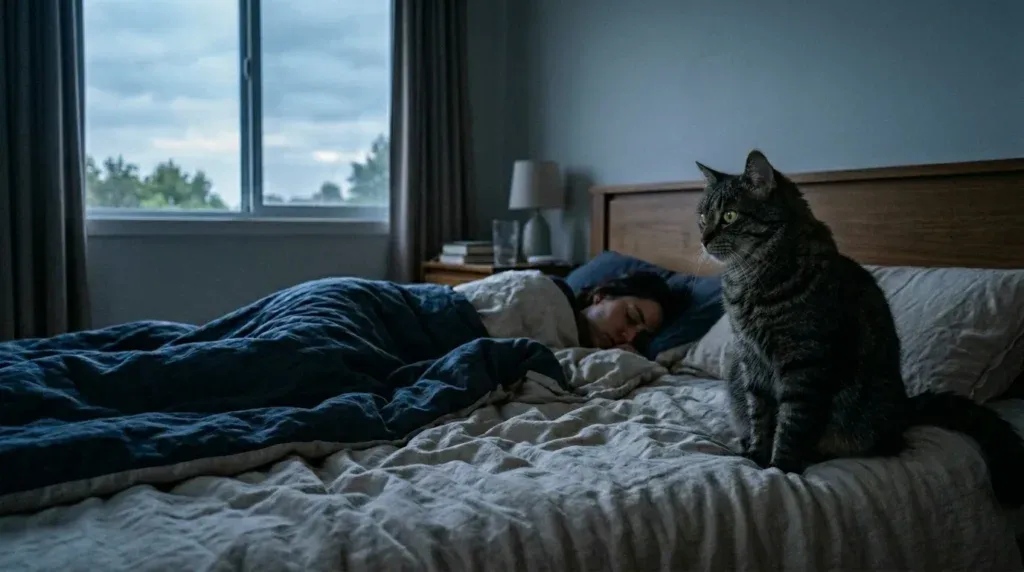
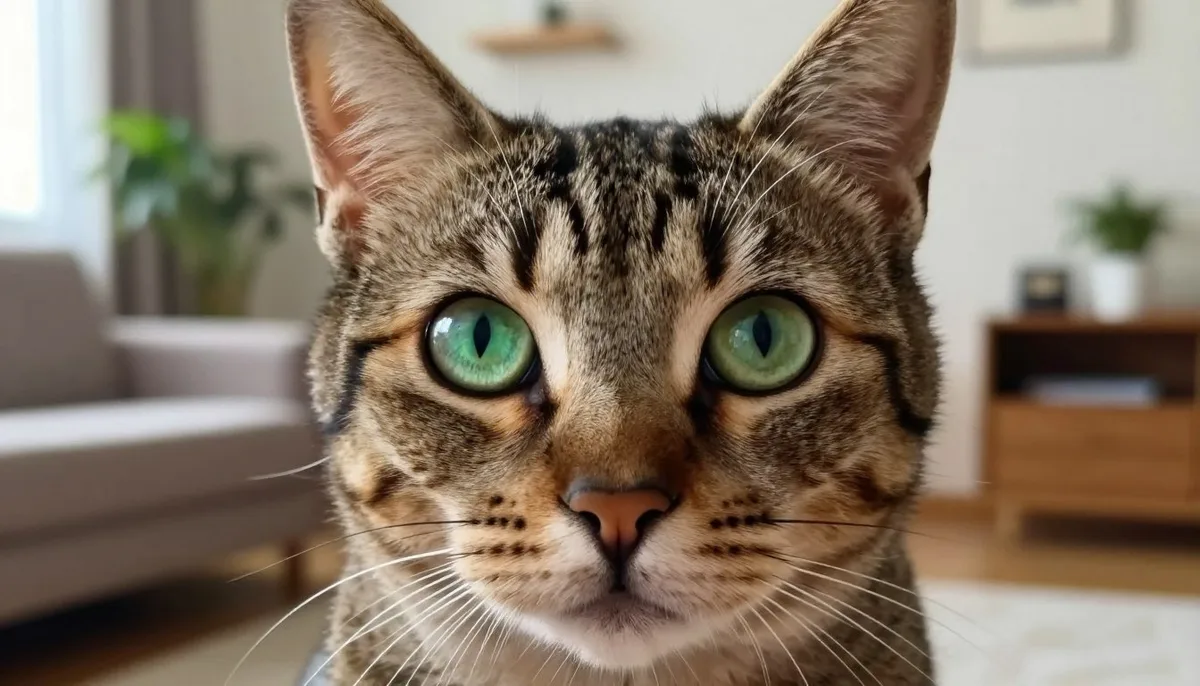
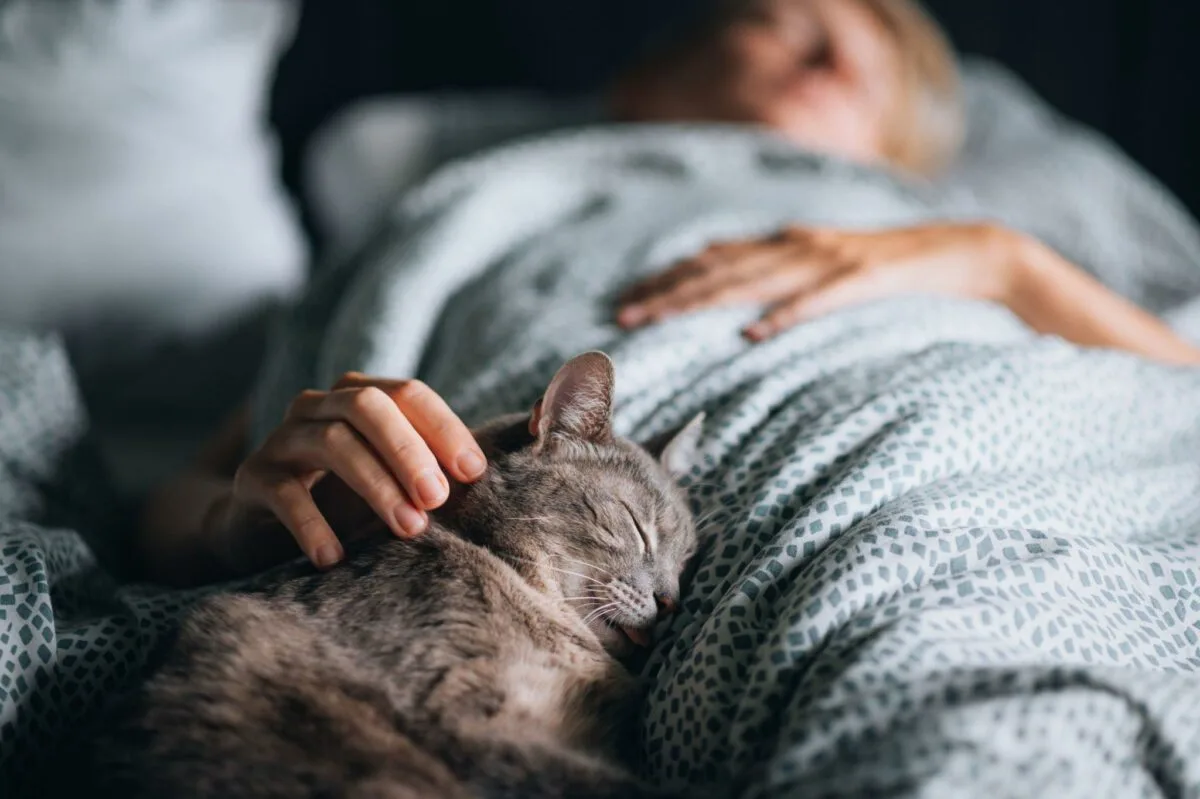
You're asleep, cozy and still, when something pulls you out of a dream. You crack one eye open and there they are. Two glowing eyes, fixed on you from the edge of the bed.
It's unsettling, right? If you've ever asked yourself "why does my cat stare at me while i sleep," you're not alone and you're not imagining things. This is one of the most common nighttime cat behaviors owners report, and it almost always means something specific.
Per research from the Journal of Feline Medicine and Surgery, domestic cats maintain a crepuscular rhythm meaning they're most active around dawn and dusk. That four AM stare you're getting? It's happening right at your cat's natural peak hunting window.
Understanding that timing is the first clue to figuring out what's going on behind those eyes. Let's walk through the possibilities step by step.
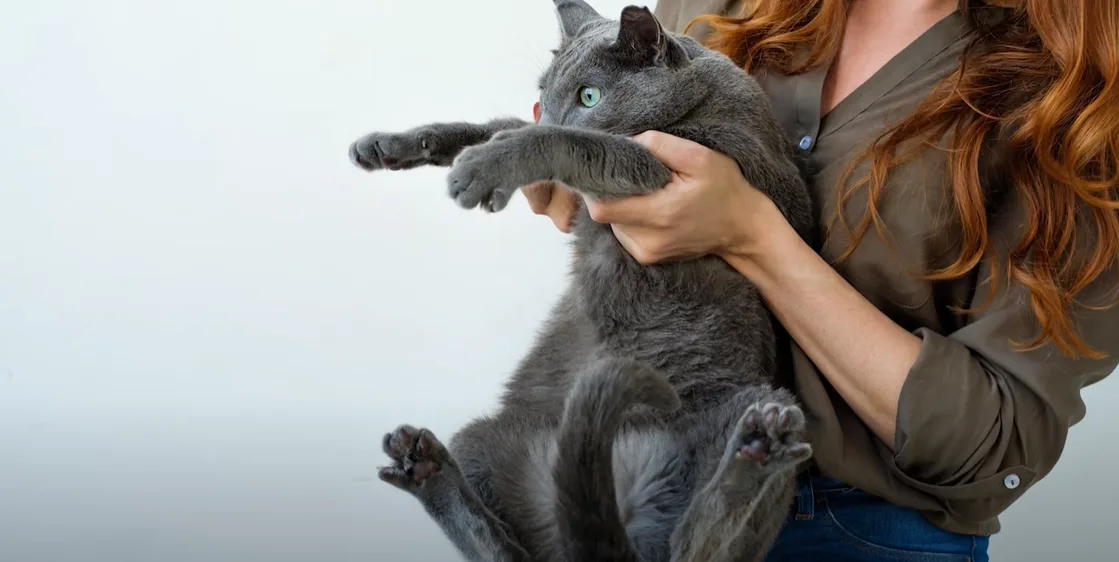
Image source: Bing (Web (fair-use with source credit))
Why a Staring Cat at Night Feels Unsettling and Why It's Usually Normal
There's something primal about being watched while you're vulnerable. Humans are hardwired to feel alert when eyes are on us during sleep, because our ancestors had real predators to worry about. Your cat doesn't know that.
They're not plotting anything sinister, even if it feels that way at three in the morning.
The staring itself is almost always a normal cat behavior. Cats use visual observation as their primary way of gathering information. They watch you to learn your patterns, your breathing, your reactions.
It's how they figure out what's safe and what's not. A staring cat is usually just a curious cat.
That said, the meaning changes based on context. A slow blink with relaxed ears means something completely different than a fixed, unblinking stare with dilated pupils and tense body language. The good news is most nighttime staring falls into the relaxed, bonding, or mildly impatient categories.
Quick Answer
Your cat stares at you while you sleep to check on you. It's a bonding behavior and a safety instinct. Cats also watch for signs you're waking up.
They learn your breathing and movement patterns to predict feeding time. It is rarely a sign of aggression or fear.
What Your Cat Actually Sees, Hears, and Smells When You're Asleep
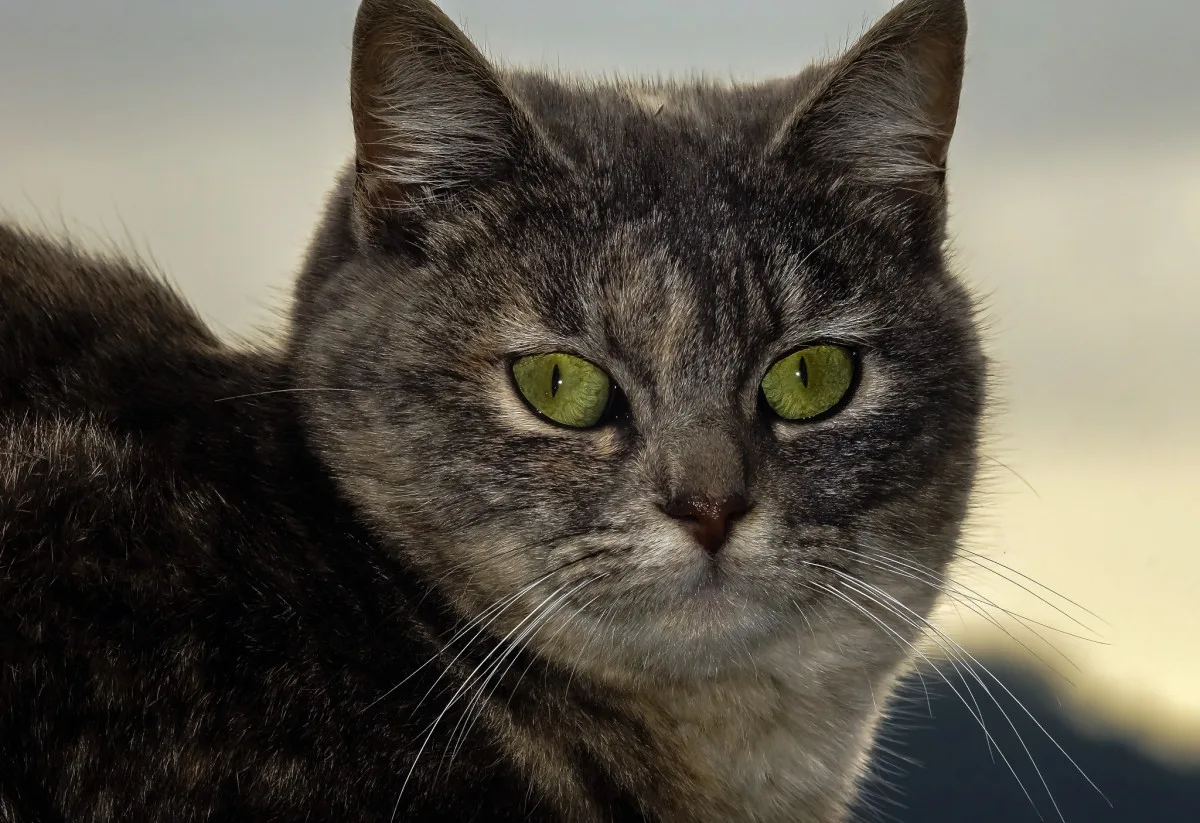
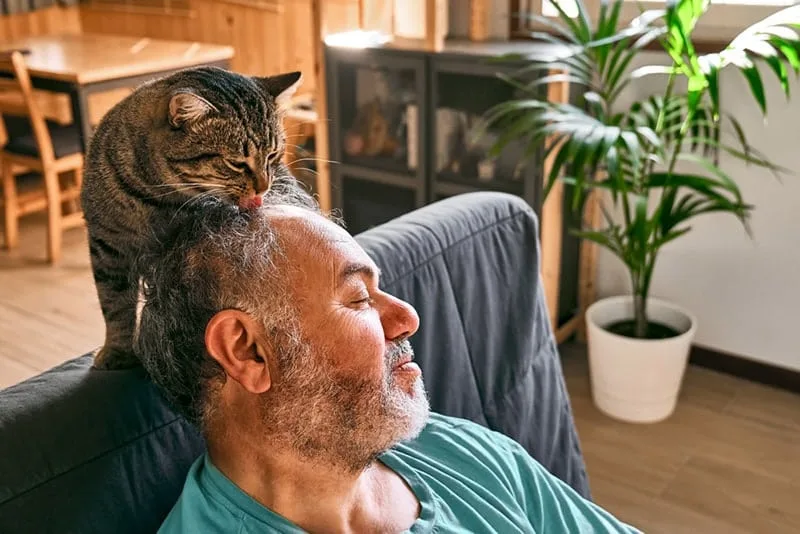
Image source: Web (Bing) / pxhere.com (Web image (fair-use with source credit))
Your sleeping body is not a quiet, still object. It's a sensory buffet for a cat. Understanding what they perceive helps explain the staring.
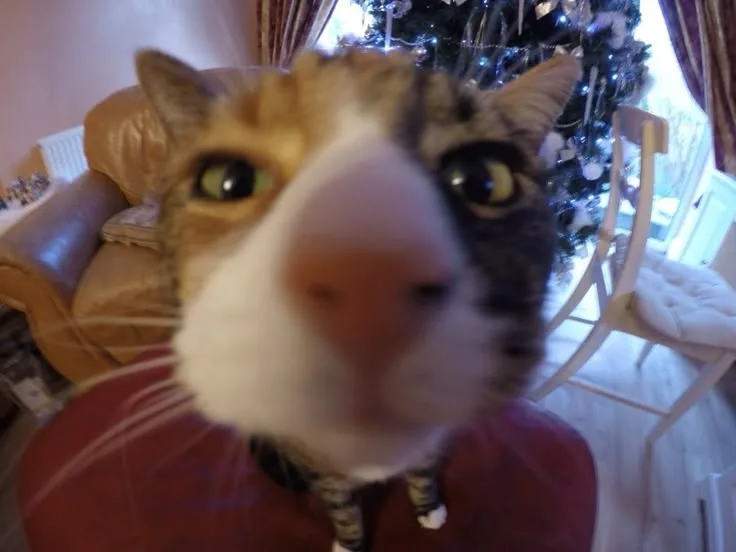
Vision. Cats have exceptional night vision. Their eyes contain about six to eight times more rod cells than human eyes, allowing them to see in light levels roughly six times dimmer than what we need. To your cat, your sleeping face in a dark room is not a blurry shadow.
It's clearly visible, including the subtle rise and fall of your chest and the small movements of your eyelids during REM sleep.
Hearing. A cat's hearing range extends up to 64 kHz, far beyond human capability. They hear your heartbeat, your breathing patterns, and the small rustles of your sheets. Changes in these sounds can catch their attention instantly.
A shift from deep sleep breathing to lighter sleep breathing might be enough to trigger that stare.
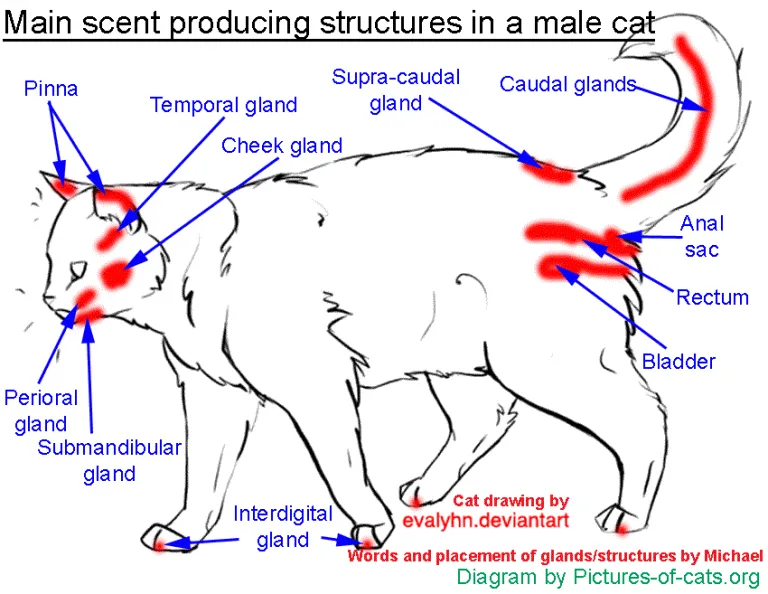
Smell. Cats have an olfactory epithelium about twice the size of a human's. They can detect changes in your scent that correlate with different sleep stages, health states, or hormone levels. Some researchers believe cats can smell subtle chemical changes associated with seizures or blood sugar drops.
So when your cat stares at you at night, they're not just looking. They're cross-referencing visual, auditory, and olfactory data. They're checking that everything is normal and that you are still you.
The Three Big Variables: Time, Posture, and Your Cat's Age
To figure out what's behind the stare, you need to notice three things. Each one changes the likely explanation.
Time of night. A stare at midnight is different than a stare at four thirty in the morning. Midnight staring often happens because your cat was sleeping nearby, heard you stir, and checked on you. Pre-dawn staring around four to six AM is almost always linked to feeding anticipation.
Cats are crepuscular. Their natural prey drive peaks at dawn, and if breakfast happens around that time, they know it.
Cat's posture and body language. This is the most important clue. Look at their ears, eyes, and tail. Relaxed ears pointing forward or slightly sideways with slow blinking eyes mean affection or curiosity.
Fixed wide eyes with pupils dilated and ears flattened against the head signal hypervigilance or potential aggression. A swishing or thumping tail means they're agitated. A still tail with a slight twitch at the tip signals focused attention.
Your cat's age. Kittens stare out of curiosity and boundless energy. They're still learning what you do when you're not moving. Adult cats stare most often for routine-based reasons like feeding or play.
Senior cats over ten years old may stare due to cognitive decline, vision loss, or confusion. If an older cat suddenly starts staring at you at night and this is new behavior, it's worth a vet visit.
Your Personal Midnight Stare Decision Tree: Hunger, Bonding, or Something Else?
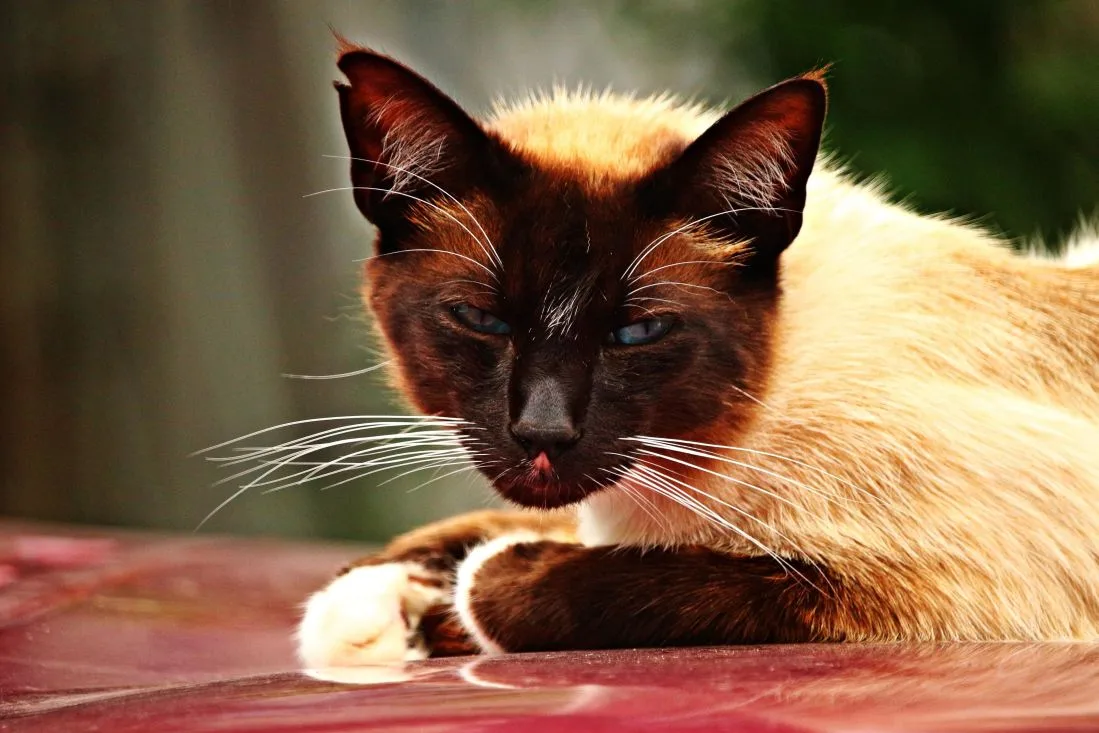
Image source: Bing (Web (fair-use with source credit))
Here's where we put it all together. Use these branches to narrow down what's happening in your specific situation.
Branch one: It's the pre-dawn feeding watch.
- Signs. The stare happens between four and six AM. Your cat is positioned near the door or the spot where you keep their food. They might knead the bed or softly paw at your face. Their ears are relaxed, eyes are normal to slightly wide.
- What it means. Your cat has learned that you wake up and feed them around this time. The stare is an anticipation behavior. It's not meant to be creepy. They're just waiting for you to do your job.
- What to do. If you want to stop the stare, don't feed them immediately upon waking. Wait fifteen to twenty minutes. This breaks the direct association between your waking movement and the food bowl.
Branch two: It's a bonding check-in.
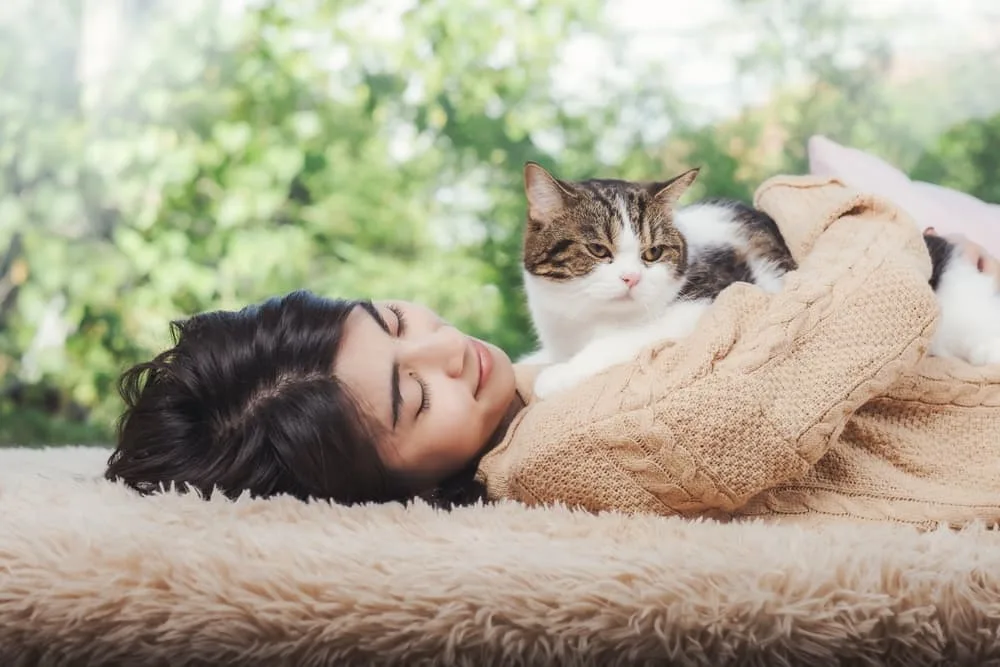
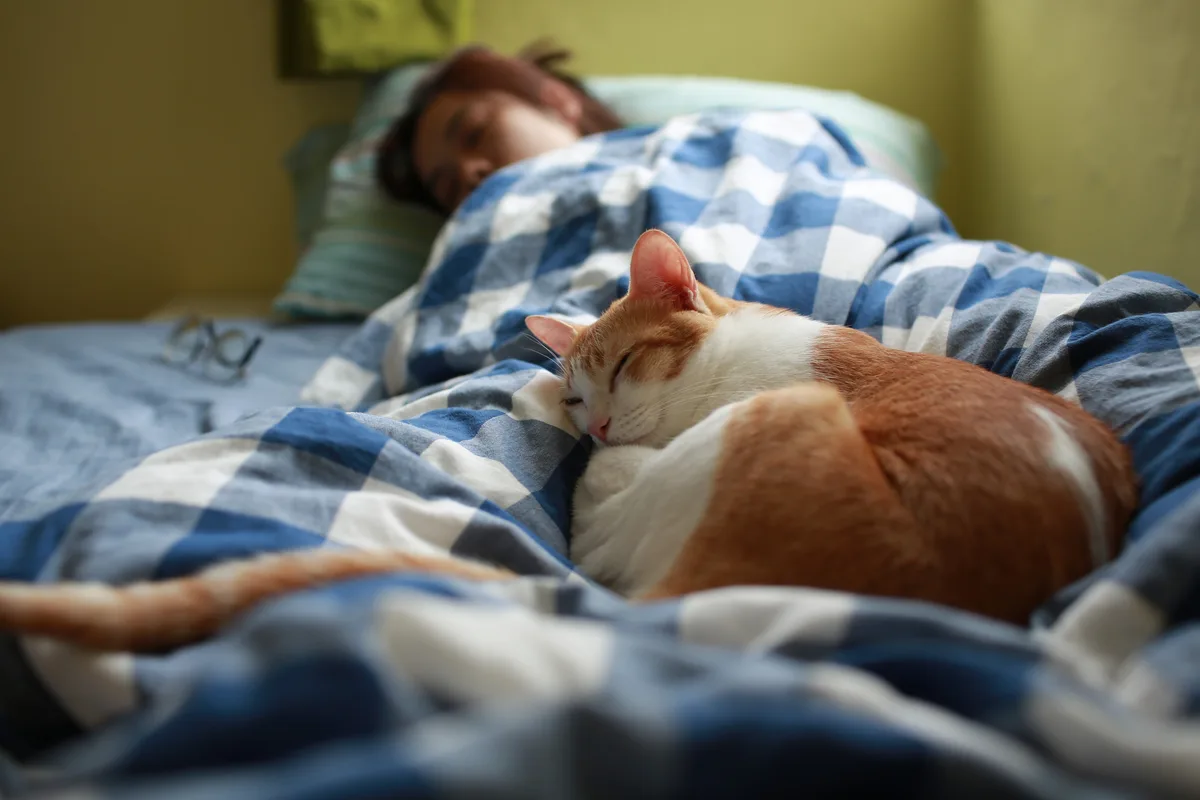
- Signs. The stare happens at any time of night, but your cat is close to your face or tucked against your body. They blink slowly at you when you open your eyes. Their body is soft and relaxed. They may purr softly.
- What it means. This is affection. Cats stare at safe, trusted individuals. They also use staring as a way to synchronize their presence with yours. It is a good sign, not a bad one.
- What to do. Nothing. Enjoy it. If you feel comfortable, offer a slow blink back. That's cat language for "I trust you too."
Branch three: It's hypervigilance or concern.
- Signs. The stare is fixed, unblinking, and your cat is positioned at a distance. Their pupils are large and their ears are pointed forward or flattened. They might be standing stiffly or crouched. Their tail is still or lashing. This happens after a loud noise, a new person in the house, or if you've been sick.
- What it means. Your cat senses something different about you or the environment. They are watching to assess whether there is a threat. This is their survival instinct kicking in.
- What to do. Talk softly to reassure them. Say their name. If they relax, the stare was about checking your safety. If the behavior persists and you've had recent health changes like a new diagnosis or medication, consider mentioning it to your doctor. Some cats have been documented alerting owners to undetected seizures, drops in blood sugar, and sleep apnea episodes.
Branch four: It's a health signal.
- Signs. The staring is accompanied by other changes. Your cat is also staring at walls, vocalizing at night, pacing, or showing confusion during the day. They might be a senior cat with no prior history of nighttime staring.
- What it means. This could indicate feline cognitive dysfunction, vision loss, or hypertension. These conditions are treatable, but they need a veterinary diagnosis.
- What to do. Schedule a vet appointment. The American Association of Feline Practitioners recommends a senior wellness exam every six months for cats over ten. Nighttime staring and vocalizing together are a classic symptom of cognitive decline.
What to Do Next Based on Your Branch in the Tree
You've identified your branch. Now here's the action plan for each one.
For the pre-dawn feeder. Adjust the feeding schedule. Move the last meal of the day later, so your cat goes to bed fuller. An automatic feeder that dispenses a small meal at four AM can also break the association between your waking face and the food bowl.
The goal is to remove the reward that's reinforcing the stare.
For the bonded checker. You don't need to change anything. If you want to reduce the staring for your own sleep quality, try moving your cat to a different sleeping spot after the check-in. Most bonded cats will settle down nearby once they confirm you're fine.
A consistent bedtime routine with play, a small snack, and a designated sleeping spot can help.
For the hypervigilant watcher. Address the trigger. If there was a noise, check the house. If you are sick, reassure your cat verbally.
Your calm voice communicates that there is no threat. Over days or weeks, the staring should decrease as the stressor fades. If the behavior becomes chronic and your cat seems anxious during the day, talk to your vet about environmental enrichment or calming aids.
For the potential health signal. This is the one branch where action matters most. Do not assume it's nothing. A study from the Cornell University College of Veterinary Medicine notes that changes in sleep-wake cycles and staring at nothing are early markers of feline cognitive dysfunction.
Early intervention with diet changes, environmental enrichment, and medication can slow progression. Book that vet visit. Record videos of the staring behavior to show your vet.
It matters.
Four Mistakes That Teach Your Cat That Staring Works
It is easy to accidentally reinforce the very behavior you want to stop. Here are the most common slip-ups.
Mistake one: Waking up and feeding immediately. Your cat stares at four AM. You groan, get up, and fill the bowl. You have just taught your cat that staring triggers breakfast.
Aggregate behavioral research indicates that even two days of this pattern can cement the association. The fix is simple. Wait fifteen to twenty minutes before feeding.
Your cat learns that waking movement does not equal food.
Mistake two: Making eye contact and talking. When you open your eyes and see your cat staring, your instinct is to look back and say something. That interaction is a reward. Cats are social learners.
They repeat behaviors that get your attention. Try keeping your eyes closed or turning your head away. If your cat is staring for bonding reasons, ignoring the stare does not harm the relationship.
Mistake three: Letting your cat sleep on your pillow every night. This is not a bad thing in itself. But if your cat is staring at you from pillow level, inches from your face, they have prime access to your movements and breathing. Moving your cat to a bed on the nightstand or the foot of the bed reduces visual access.
It still keeps them close without the direct line of sight.
Mistake four: Getting frustrated and shouting or scooting them off the bed abruptly. Negative attention is still attention. More importantly, it can shift your cat's staring from curiosity to hypervigilance. They learn that you are unpredictable during sleep.
That can actually increase staring, not reduce it. Calm redirection works much better.
When That Stare Could Signal a Health Issue (Yours or Theirs)
Most staring is harmless. But in some cases, it is worth taking seriously on both sides of the relationship.
Your cat's health. Sudden onset of nighttime staring, especially in cats over ten years old, can indicate feline cognitive dysfunction. Per guidelines from the American Association of Feline Practitioners, early signs include changes in sleep-wake cycles, staring at walls or people, and increased vocalization at night. Hypertension and vision loss are other possible causes.
A cat with high blood pressure may stare because they cannot see well and are confused. If your cat's stare is new, consistent, and paired with other behavioral changes, schedule a vet visit.
Your health. There are documented cases of cats alerting owners to undiagnosed medical conditions. The Journal of Feline Medicine and Surgery has published case reports of cats persistently staring at or pawing at owners who subsequently learned they had sleep apnea, nocturnal seizures, or dropping blood sugar. Your cat's stare might be an early warning system you did not know you had.
If your cat is fixated on you specifically, at night, and you have been waking up tired or with unexplained symptoms, mention the behavior to your doctor.
When to treat it as urgent. If your cat's stare is accompanied by aggression, hiding, loss of appetite, or disorientation during the day, do not wait. These are not normal aging changes. They are clinical signs that need veterinary attention.
Frequently Asked Questions
Should I be worried if my cat stares at me while I sleep?
Usually not. For most cats, it is a bonding or routine-based behavior. Watch for body language cues.
Relaxed ears and slow blinking mean affection. Fixed staring with tense posture, flattened ears, or a lashing tail could signal stress or health concerns.
Why does my cat stare at me at 4 AM specifically?
Four AM falls right in your cat's crepuscular peak. Their natural hunting instinct is strongest around dawn. If breakfast typically happens shortly after you wake up, they are staring because they have learned that this time of night leads to food.
Can I train my cat to stop staring at me while I sleep?
Yes, but it requires consistency. Ignore the stare entirely. Do not move, speak, or make eye contact.
Feed your cat on a schedule that does not directly follow waking up. An automatic feeder can help break the association between your face and the food bowl.
Is my cat staring because they sense something wrong with me?
It is possible. Cats can detect changes in breathing patterns, scent, and movement. There are documented cases of cats alerting owners to seizures and blood sugar drops.
If your cat's staring is new, intense, and you have unexplained health symptoms, mention it to your doctor.
Why does my cat stare at me and then meow at night?
Staring plus meowing usually means they want something specific. Food, attention, or access to a closed door are the most common requests. It can also signal discomfort in older cats.
If the behavior is new, rule out a medical issue with your vet.
Should I close my bedroom door to stop my cat from staring?
Closing the door can work if the staring is disrupting your sleep. But some cats will scratch or yowl at the door, which is worse for your sleep. If you close the door, provide a comfortable alternative sleeping spot and a consistent pre-bedtime routine to reduce protest behaviors.

Similar Posts