Why Is My Cat Trying to Bury Her Food?
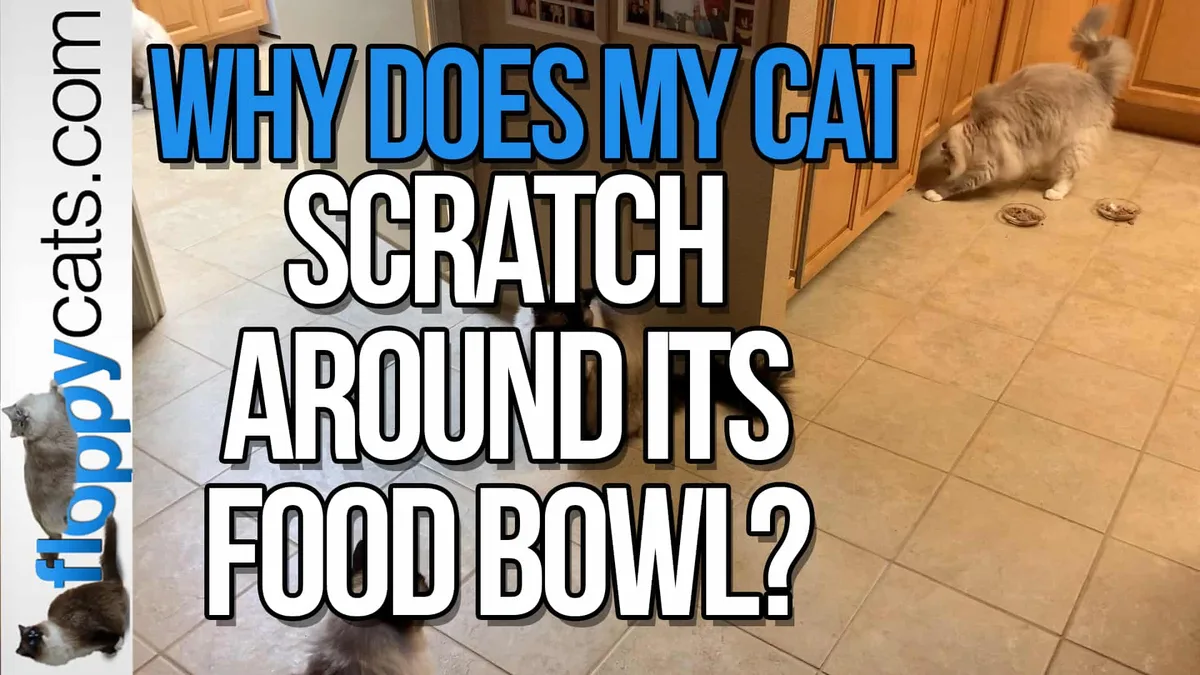
If you've ever watched your cat paw at the floor around her food bowl, you might wonder why does my cat try to bury her food. She's not cleaning up. She's acting on a deep, ancient drive.
This behavior, called food caching or covering, is perfectly normal for most cats.
Per guidance from the Cornell Feline Health Center, this is a survival instinct that wild cats use to hide leftovers from predators. Your indoor cat inherited the same programming even though she has no real threats. Let's break down what's really going on and how to tell if it's just instinct or a sign you should pay closer attention.
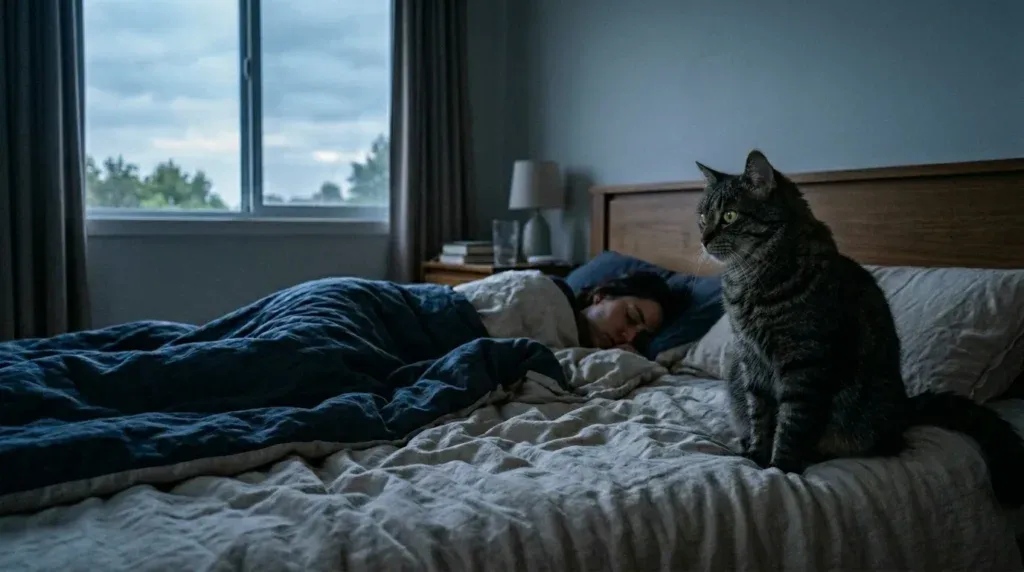
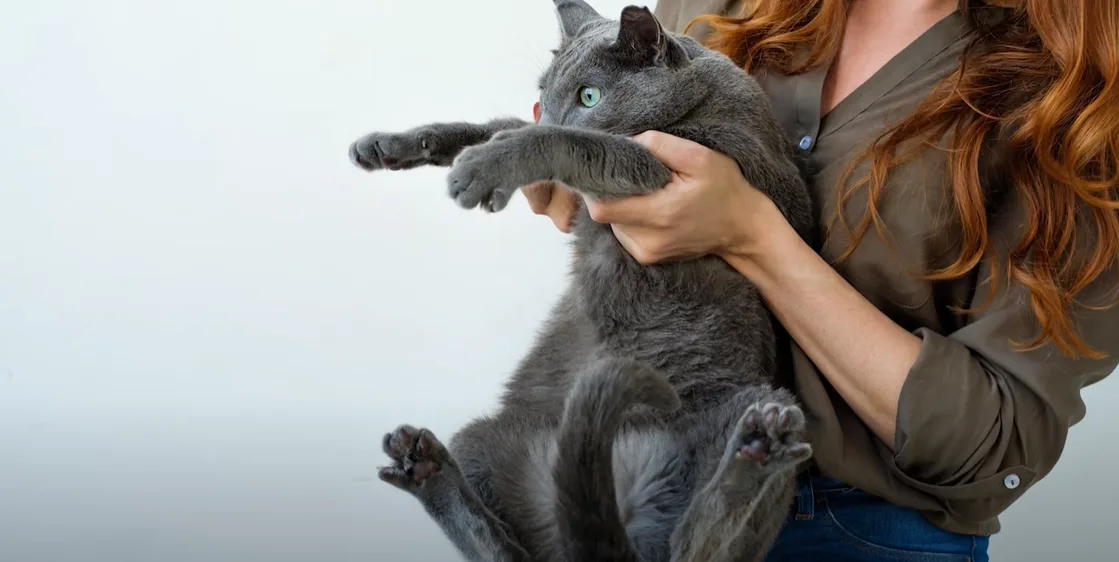
Image source: Bing (Web (fair-use with source credit))
Quick Answer
Your cat is following a survival instinct to hide food from predators. This is called food caching. It is not a sign of dislike.
The behavior is common in cats that feel insecure or have competition for food. It rarely signals a medical problem.
Wait, Is This Normal? Here's the Short Answer
Yes, this is completely normal behavior. Most cats that paw at the floor near their bowl are acting on a harmless instinct. It does not mean your cat hates the food.
The motion looks like the cat is covering up a kill with dirt or leaves. In a house with tile or hardwood, that same motion just looks odd. As of 2026, veterinary behavior specialists agree this is one of the most common "quirk" behaviors owners ask about.
It's also one of the least concerning.
That said, there are times when it signals stress or discomfort. If the behavior is new, intense, or paired with other signs (like avoiding the bowl entirely), it's worth a closer look. But for most cats, this is just ancient wiring showing through.
Why Cats Do This – The Instinct That's Still Running the Show
Image source: Bing (Web (fair-use with source credit))
Your cat's wild ancestors lived in environments where food was unpredictable. A successful hunt meant a fresh kill, but leaving it out in the open attracted larger predators. So they scraped dirt or leaves over the remains and walked away.
Hours later, they returned for an easy snack.
Your house cat never had to hunt for her dinner. But that brain circuitry is still there. When she paws at the floor beside her bowl, her brain thinks she is hiding her leftover meal for later.
The behavior is called food caching or food burying.
It's especially common in cats that were stray or feral before adoption. Those cats learned that food is scarce and worth protecting. They are just following a strategy that kept their ancestors alive.
The Three Main Triggers: Instinct, Stress, or Something Physical
Not all food-burying behavior has the same cause. Here is a quick breakdown of the three main categories.
| Trigger Type | What It Looks Like | Most Likely Fix |
|---|---|---|
| Instinct (normal) | Cat eats, then paws the floor or wall near bowl. Calm body language. | No fix needed. Normal behavior. |
| Stress or competition | Cat rushes to bury food before eating or looks around nervously. | Separate feeding area or schedule. |
| Physical issue | Cat paws at bowl, walks away, refuses food. May drool or paw at mouth. | Vet check for dental or nausea issues. |
Instinct is the most common trigger. The cat finishes eating and goes right into burying mode. There is no stress, no hesitation.
Stress is a factor when multiple cats share a home. If one cat feels the other might steal her food, she buries it quickly as a protective measure. The same can happen after a move, a new pet arrives, or a baby enters the house.
Physical issues are less common but more serious. Cats with dental pain or nausea sometimes paw at their food as a confused response. They want to eat but something hurts.
Pushing at the bowl is a way of coping. Whisker fatigue from a deep bowl can also cause a cat to paw or scoop food out before eating.
A Simple Workflow to Diagnose Your Cat's "Why"
You can figure out the likely cause in just a few steps. Walk through them in order.
Step 1: Watch the timing.
Does she bury food after eating or before? If it's after, instinct is likely. If it's before or during, stress or a physical issue is more plausible.
Step 2: Check the bowl.
A deep, narrow bowl can push a cat's whiskers against the sides. This is called whisker fatigue. It is uncomfortable and can make a cat paw at the bowl or refuse to eat.
Try a wide, shallow dish made of stainless steel or ceramic. Avoid plastic bowls, which can harbor bacteria and cause feline acne.
Step 3: Evaluate the environment.
Is there another cat waiting nearby? Does your cat eat in a high-traffic area? Move the bowl to a quiet corner or a separate room.
If the burying stops, stress was the cause.
Step 4: Look for other signs.
Is your cat eating normally? Is she losing weight? Does she drool or paw at her mouth?
Does she vomit after eating? Any of these point toward a vet visit.
Step 5: Test a change.
Start with the simplest fix. Change the bowl to a shallow dish and move it to a quiet spot. If nothing changes after a week, try feeding smaller meals more often.
Some cats bury food simply because the portion is too large.
What to Do (and Not Do) Once You Know the Cause
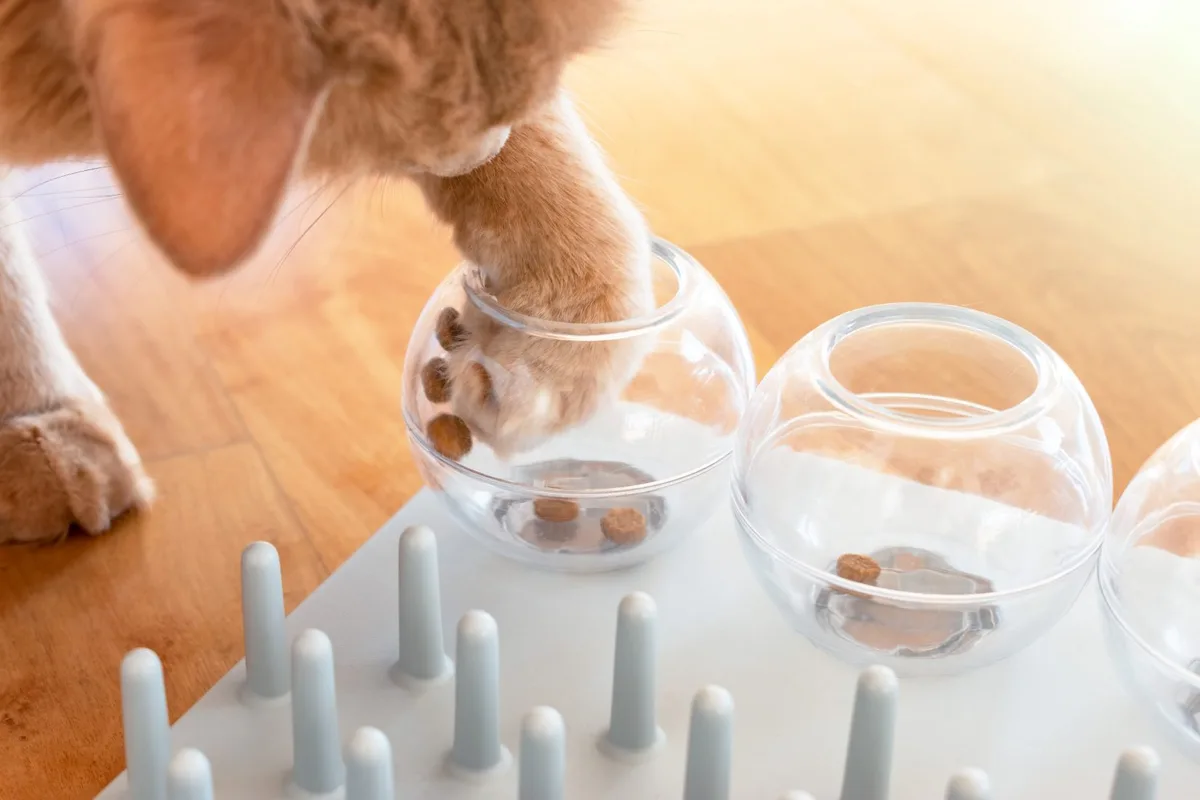
Image source: Bing (Web (fair-use with source credit))
Once you know which trigger is at work, you can take targeted steps. The wrong reaction can make things worse.
Do this if instinct is the cause:
Let it go. The behavior is harmless. If the floor is getting scratched, place a placemat under the bowl.
Some cats also respond well to food enrichment. A puzzle feeder or a snuffle mat lets them work for their food and satisfies that "hide and find" drive. It taps into the same brain wiring.
Do this if stress is the cause:
Feed your cat in a separate room with the door closed. Give her 20 minutes to eat undisturbed. Then remove the bowl.
This stops the worry that another pet will grab her food. If that is not practical, use a microchip feeder that only opens for your cat.
Do this if a physical issue is suspected:
Contact your vet. Dental disease is common in cats and can cause pain during eating. Nausea from kidney disease, hyperthyroidism, or gastrointestinal issues can also trigger food-burying behavior.
A full exam and bloodwork will rule out these causes.
Do not do these things:
Do not scold or punish your cat. She is not being messy on purpose. She is following instinct.
Do not change her food abruptly in hopes of stopping the behavior. That often leads to stomach upset or refusal to eat. Do not free feed in a multi-cat home.
It increases competition and stress.
If the behavior is driven by stress or physical issues, fixing the root cause usually stops the burying within a few days. For instinct-driven cats, the behavior may never fully disappear. And that is okay.
It is just a reminder that your house cat still has the heart of a wild hunter.
When It's Time to Involve Your Vet
Most cases of food burying are nothing to worry about. But some signs warrant a professional opinion. Knowing the line between normal and concerning keeps your cat healthy.
Watch for these red flags. If your cat paws at her food and also shows any of these signs, schedule a vet visit.
| Symptom | What It Could Mean | Recommended Action |
|---|---|---|
| Weight loss over 2-4 weeks | Dental pain, kidney disease, hyperthyroidism | Schedule bloodwork and a dental exam |
| Drooling or pawing at the mouth | Oral pain, tooth resorption, stomatitis | Vet dental check within a week |
| Vomiting after eating | Nausea, food intolerance, GI issues | Vet visit with stool sample |
| Refusing to eat for more than 24 hours | Illness, pain, or stress | Contact vet same day |
| Sudden behavior change | Onset of pain or environmental stress | Observe for other clues; vet if no improvement |
The American Veterinary Medical Association tracks feline dental disease as one of the most underdiagnosed issues in cats. By age three, most cats have some dental problem. Pain from the mouth can make eating uncomfortable.
Burying food becomes a confused response to that pain.
If your cat is otherwise healthy and the only behavior is pawing at the floor after meals, you can skip the vet. But if you see any combination of the signs above, do not wait. Cats hide illness well.
By the time you notice something wrong, it has often been going on for weeks.
Frequently Asked Questions
Is it bad if my cat tries to bury her food?
No, it is usually harmless. This is a normal instinct called food caching. Most cats do it without any health problems.
Only worry if she also refuses to eat or shows signs of pain.
Why does my cat bury her food with imaginary dirt?
Cats follow an inherited motion pattern. In the wild they would scrape dirt or leaves over leftovers. On a clean floor, the same motion looks like they are covering nothing at all.
Should I stop my cat from pawing the floor after eating?
Only if she is damaging the floor or the behavior is new and intense. Otherwise, let her be. Stopping her can cause stress.
Use a placemat under the bowl if scratches bother you.
Can a new bowl stop my cat from burying her food?
Yes, in some cases. A deep bowl can cause whisker fatigue. Switching to a wide, shallow dish made of stainless steel or ceramic can reduce the behavior.
Try this before making other changes.
Is food burying a sign of a medical problem?
Rarely, but it can be. If your cat also loses weight, drools, vomits, or avoids the bowl, a medical issue is possible. Dental pain and nausea are the most common culprits.
Should I change my cat's food if she buries it?
Not right away. The problem is rarely about the food itself. Try changing the bowl and feeding location first.
If the behavior continues, then consider a food change gradually over a week.

Similar Posts