Why Your Cat Obsessively Sleeps on Your Pillow
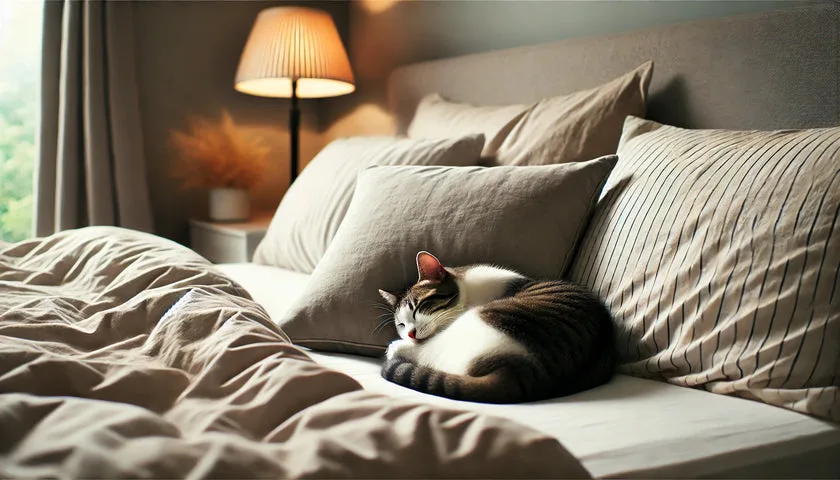
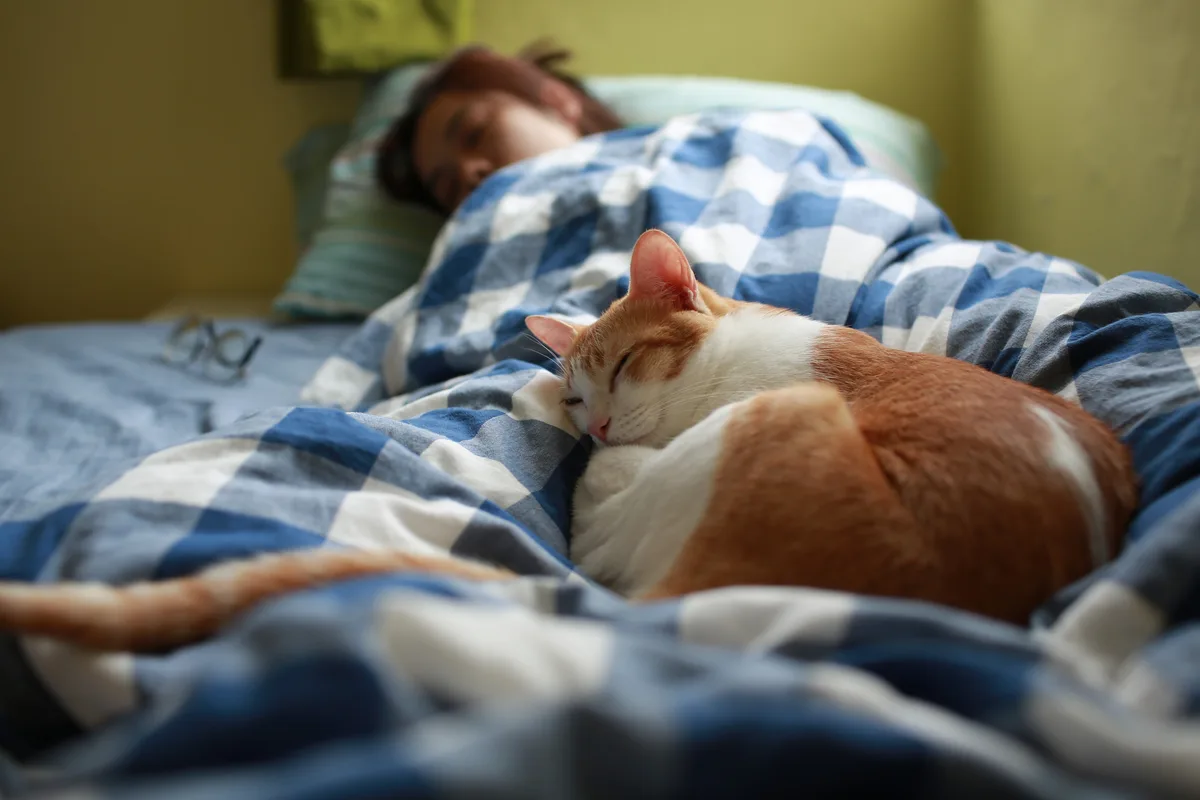
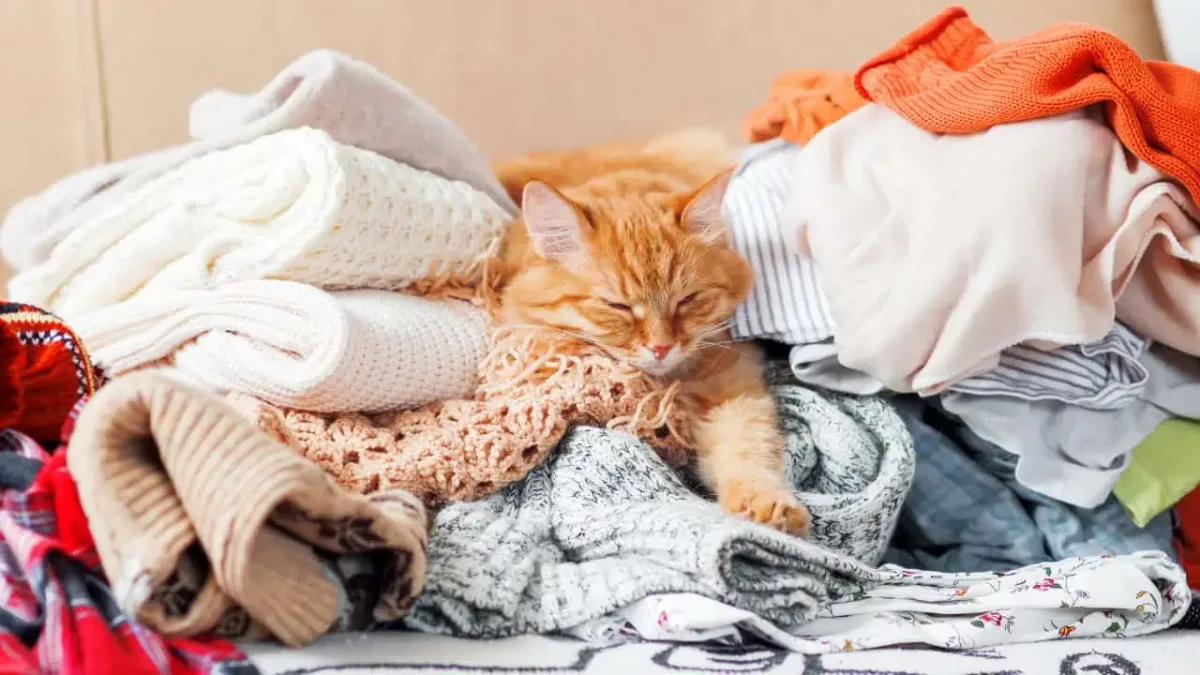
You wake up with a furry weight on your pillow, purring directly into your ear, and maybe you wonder: why does my cat sleep on my pillow? It is one of the most common feline behaviors, and it is rarely random. Your cat is not just being cute.
They are communicating something real.
The answer combines instinct, biology, and your personal scent. Feline body temperature runs between 100.5 and 102.5 °F, and your pillow holds a gentle warmth your head leaves behind. That combination of warmth, trust, and familiar scent makes your pillow an irresistible spot.
Let us break down exactly what your cat is telling you.
Why Your Cat Really Sleeps on Your Pillow (Quick Answer)
Your cat sleeps on your pillow for a mix of reasons. They are drawn to your scent. They love the warmth your head leaves behind.
It is a sign of deep trust. For many cats, your pillow simply feels safe.
As of 2026, feline behavior research from Cornell University confirms that proximity to a trusted human lowers a cat's stress hormones. Your pillow is not just a pillow. It is a territory marker, a heating pad, and a security blanket all in one.
Image source: Bing (Web (fair-use with source credit))
The Core Reasons: Scent, Warmth, Trust, and Territory
Let us look at each reason separately. Most cats sleep on pillows for a combination of these four things. Understanding each one helps you figure out which is driving your cat.
Scent: Your Pillow Smells Like You
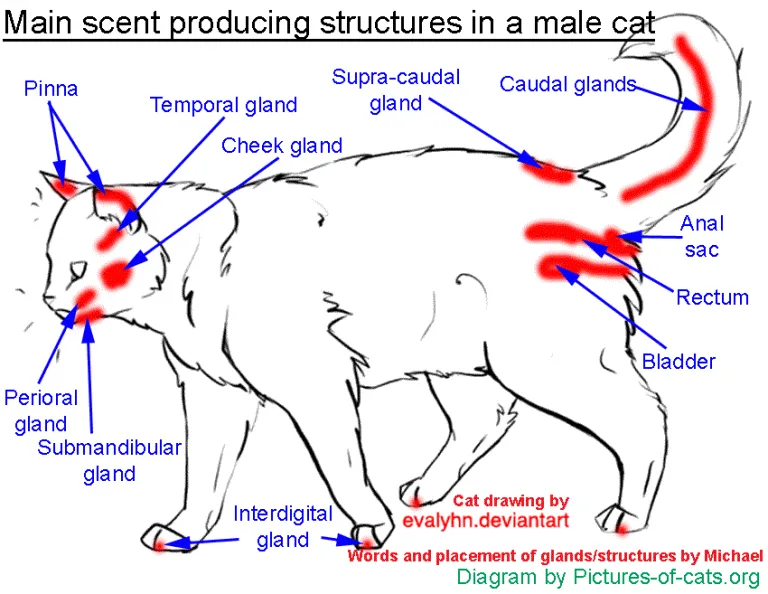
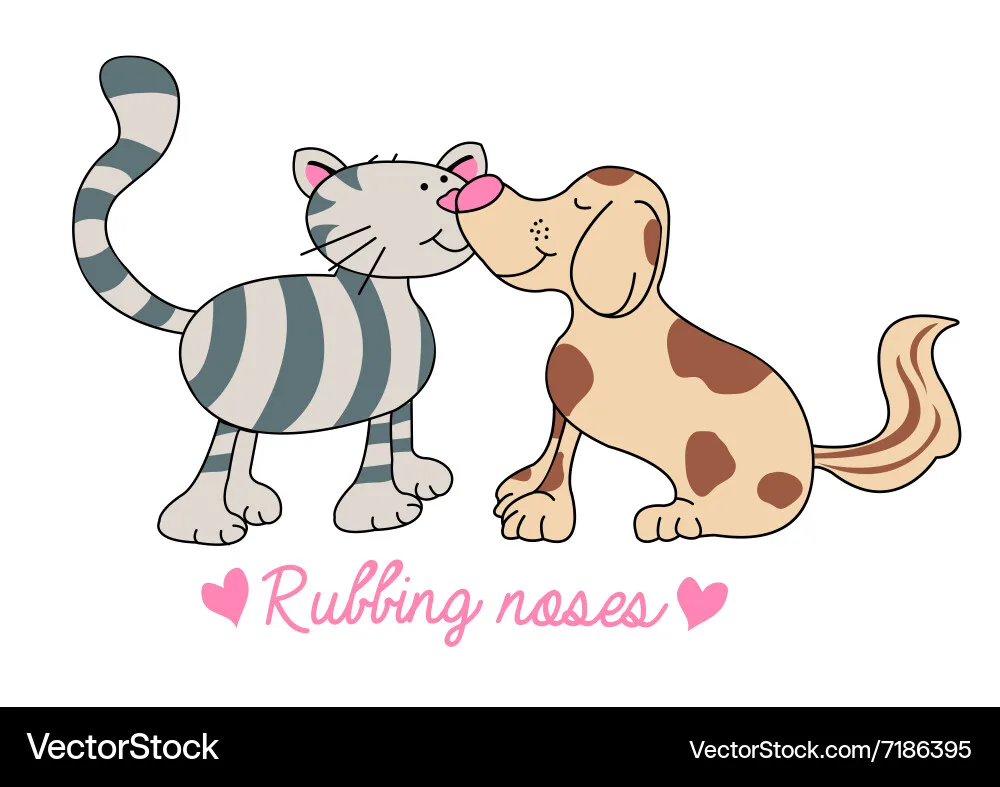
Cats identify their world through smell. Your pillowcase holds your unique scent from scalp oils, sweat, and any products you use. When a cat presses their face into your pillow, they are rubbing their own scent glands (located on their cheeks, chin, and paws) onto the fabric.
This is called bunting.
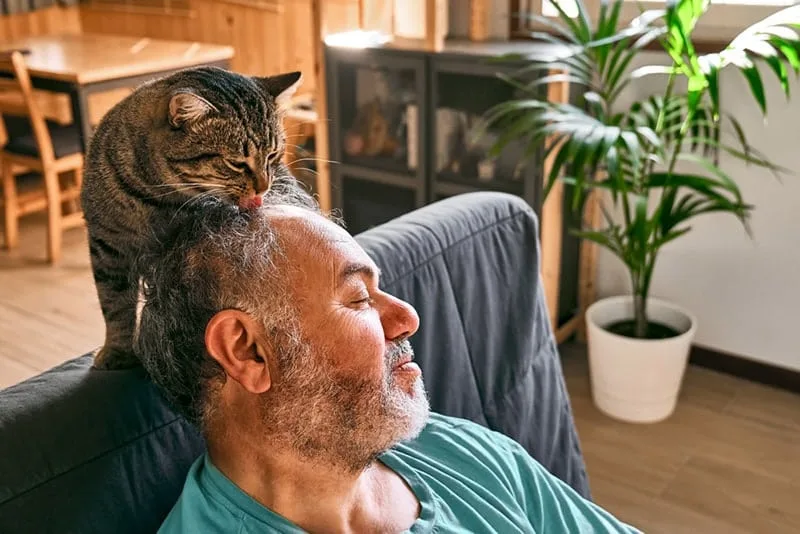
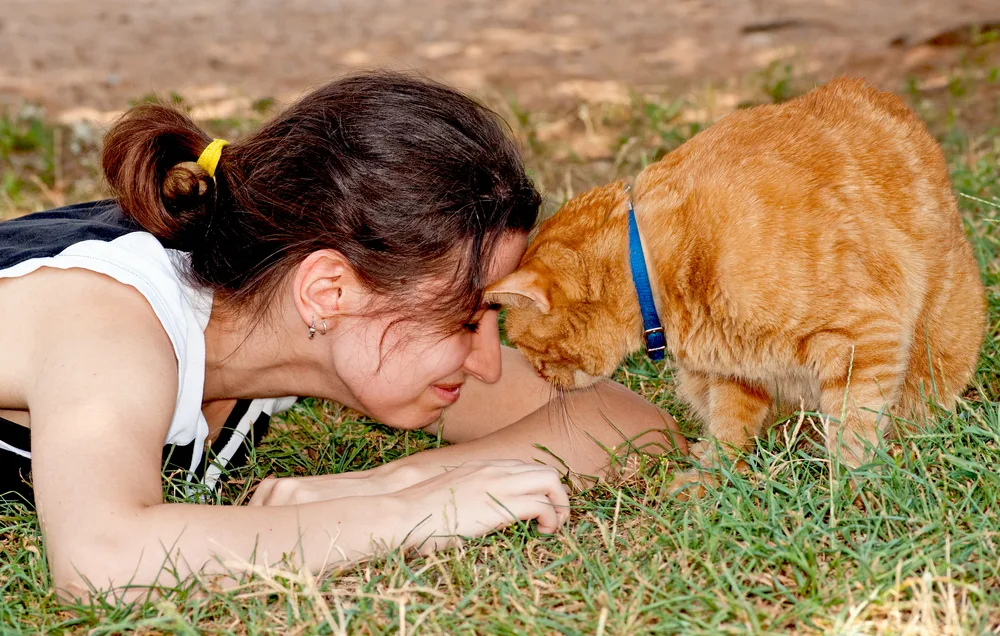
It is a friendly behavior. Your cat is essentially saying: "you belong to me." They mix their scent with yours to create a shared home smell. If your cat also head-butts you, that is the same behavior aimed at you directly.
Warmth: Your Head Leaves Heat Behind
Your head radiates about 10 percent of your total body heat. Even after you get out of bed, the dent in your pillow holds residual warmth for a while. Cats naturally seek warm spots to conserve energy.
A warm pillow is basically a pre-heated nap zone.
This is especially true in colder months. If your cat only sleeps on your pillow in winter or in an air-conditioned room, warmth is likely the primary motivation.
Trust: Sleeping Next to Your Face Is Vulnerable
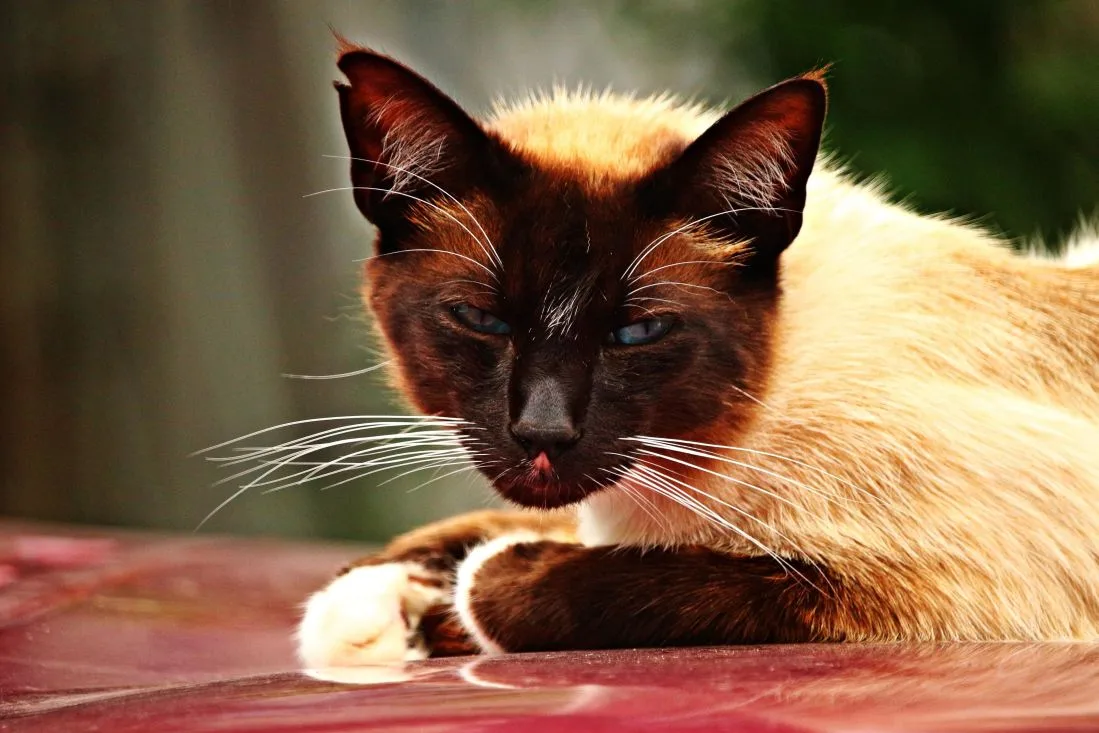
In the wild, cats sleep in protected spots where they feel safe. Sleeping near your head is a vulnerable position. It means your cat trusts you enough to rest deeply near your face.
They know you will not hurt them.
This is a bonding behavior. If your cat chooses your pillow over a cozy cat bed, they are choosing proximity to you over comfort alone.
Territory: Claiming the High Ground
Pillows sit at the top of the bed, which is the highest sleeping point. Cats are territorial and often claim elevated spaces. By sleeping on your pillow, your cat marks that spot as theirs.
If you have multiple cats, you may notice competition for the pillow. The cat that claims it is asserting a top spot in the household hierarchy.
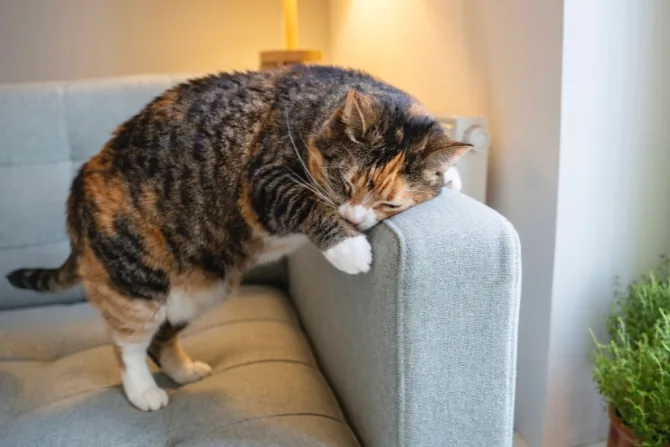
Image source: Web (Bing) / vervecat.com (Web image (fair-use with source credit))
How to Diagnose Your Cat's Specific Motivation (Decision Tree)
Not every cat sleeps on the pillow for the same reason. Here is a simple decision tree to help you figure out which one applies to your cat.
Question 1: When does your cat sleep on your pillow?
| Timing | Likely Reason |
|---|---|
| Right after you leave the bed | Warmth (residual heat) |
| Middle of the night while you sleep | Trust and territory |
| Only during storms or loud noises | Security and comfort |
| Right after you change the pillowcase | Scent (your fresh smell) |
If your cat hops onto the pillow within minutes of you getting up, warmth is almost certainly the reason. If they wait until you are asleep, trust and territory are likely bigger factors.
Question 2: Does your cat rub their face on the pillow first?
Yes: They are scent-marking. Your cat is claiming that spot as theirs. They may also knead the pillow with their paws before settling down.
No: They are probably seeking warmth or comfort. They want the heat and the soft surface more than the scent-exchange.
Question 3: Does your cat only do this during certain seasons?
Yes, only in cold weather: Warmth is the primary driver. Offer a heated cat bed nearby and see if they switch.
Yes, only in summer: Trust and bonding are more likely. Your cat wants to be near you even when it is warm.
Question 4: Do you have multiple cats?
If your cat fights to keep other cats off the pillow, territory is the key factor. They are claiming a high-value resource. If no other cats challenge them, it is more about bonding.
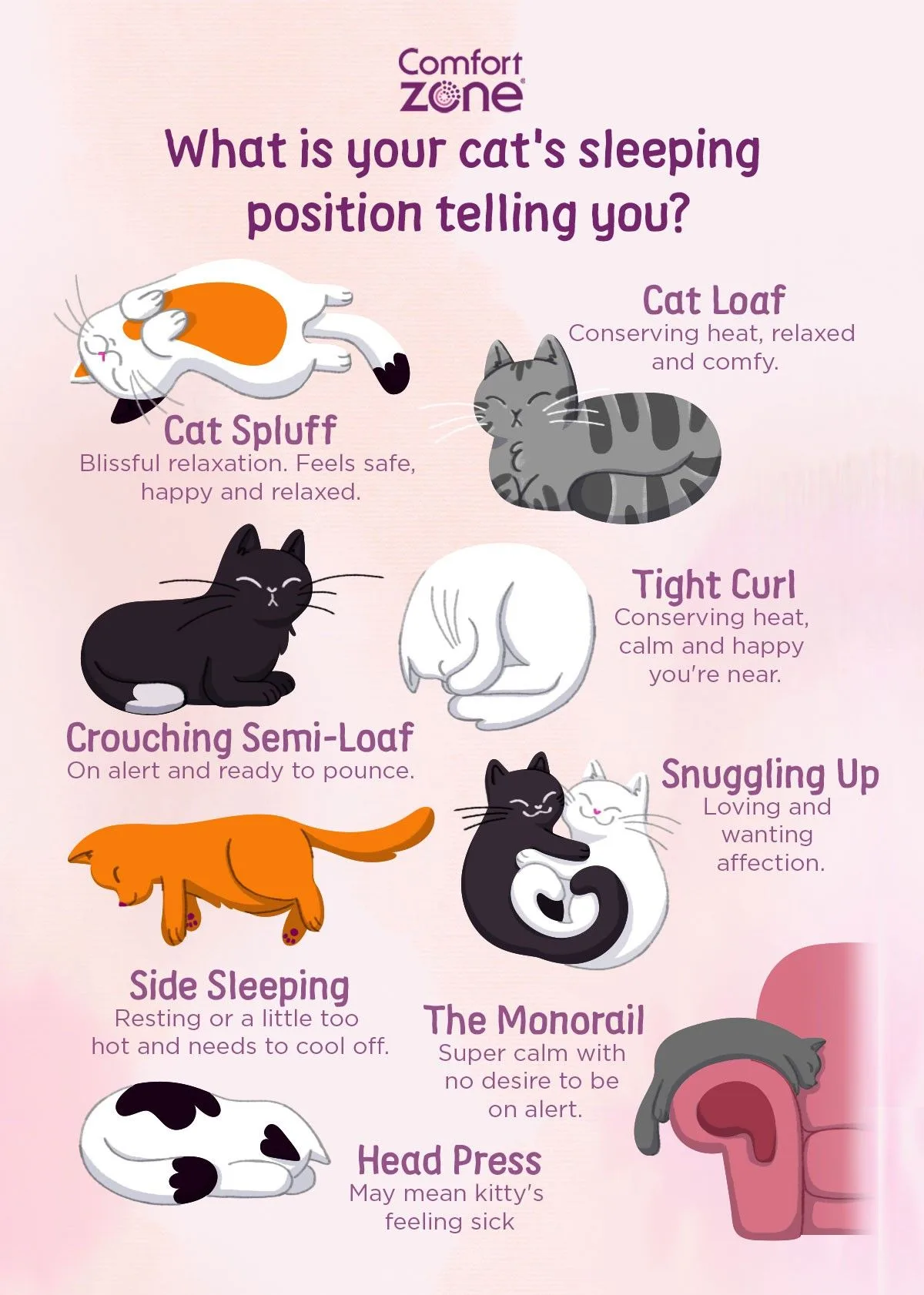
Image source: Bing (Web (fair-use with source credit))
Common Mistakes Owners Make When Interpreting Pillow-Sleeping
It is easy to misread your cat's intentions. Here are the most frequent mistakes people make and what they get wrong.
Mistake 1: Assuming It Is Always Affection
Yes, trust often plays a role. But not every pillow-sleeping cat is being sweet. Some are just cold.
Some are marking you as property. Some are competing with other pets. Warmth and territory are just as common as love.
Watch the rest of your cat's behavior. If they avoid your lap and only show up on the pillow at night, the motivation may not be affection.
Mistake 2: Thinking It Means Your Cat Is Anxious
A cat that sleeps on your pillow is not necessarily stressed. In fact, it usually means the opposite. They feel safe enough to sleep near your face.
If your cat seems relaxed and sleeps deeply, they are comfortable, not anxious.
An anxious cat typically hides under the bed or in a closet. Pillow-sleeping is a sign of confidence.
Mistake 3: Trying to Forcibly Move the Cat
Some owners push the cat off the pillow or shoo them away repeatedly. This usually backfires. The cat learns that the pillow is a contested high-value spot, and they will want it more.
Better approach: offer an alternative that matches the reason they are there. A warm blanket nearby works better than pushing them away.
Mistake 4: Ignoring a Sudden Behavior Change
If your cat never slept on your pillow and suddenly starts, pay attention. It could signal a medical issue. Cats sometimes seek extra warmth when they have a fever, arthritis, or thyroid problems.
If the behavior appears alongside weight changes, increased thirst, or lethargy, consult your vet.
Real-Life Scenarios: What Different Cat Types Are Telling You
Every cat has a unique personality. Here is how different types of cats tend to use your pillow and what it means.
The Senior Cat
Older cats often have arthritis or stiff joints. They seek warm, soft surfaces to relieve discomfort. Your pillow provides both.
If your senior cat started sleeping on your pillow later in life, they probably need the extra warmth and cushioning. A heated bed placed near your head may help them stay comfortable without taking your pillow.
The Kitten
Kittens sleep on pillows for warmth and security. They are used to piling with their littermates and mother. Your pillow and your scent feel like a substitute.
This behavior usually fades as they grow. But if you reinforce it by petting them when they come, it can become a lifelong habit.
The Newly Adopted Cat
A rescue or newly adopted cat that chooses your pillow is giving you a huge vote of confidence. They are deciding that you are safe.
Let them have the spot for the first few weeks. It builds trust. Once they feel settled, you can gently redirect them to a nearby bed if needed.
The Multi-Cat Household Dominant
In homes with several cats, the pillow often belongs to the top cat. If one cat consistently claims the pillow and hisses at others who approach, they are asserting dominance.
Do not intervene unless there is actual fighting. It is normal hierarchy behavior. Provide multiple warm sleeping spots to reduce competition.
The Cat That Only Sleeps on Your Pillow When You Are Away
This cat is using your scent for comfort. They miss you. The pillow smells like you, which reduces their stress while you are gone.
This is actually a good sign. It means your cat is bonded to you. Leave an old t-shirt on their bed to give them a similar comfort source.
When Pillow-Sleeping Signals a Health or Behavior Problem
Most of the time, a cat on your pillow is perfectly normal. But sometimes it points to something deeper. Here is when you should pay closer attention.
A Sudden Change in Behavior
If your cat never slept on your pillow and suddenly starts, something shifted. Cats are creatures of habit. A new behavior often means a new need.
The most common hidden cause is illness. Cats with hyperthyroidism, diabetes, or fever seek extra warmth. Your pillow provides that.
The American Association of Feline Practitioners notes that changes in sleeping location can be an early sign of discomfort.
If the change coincides with weight loss, increased thirst, or vomiting, schedule a vet visit.
Increased Clinginess and Anxiety
Sometimes pillow-sleeping is a coping mechanism. A cat that follows you everywhere and refuses to sleep anywhere else may be anxious. This is especially common after a move, a new pet, or a change in your schedule.
The pillow gives them your scent and proximity. They are self-soothing.
Try providing a covered cat bed with an item of your worn clothing inside. If the behavior persists for more than a few weeks, consult a veterinarian or a certified feline behavior consultant.
Pain or Arthritis
Cats with joint pain look for soft, warm surfaces. Your pillow is both. If your cat is older and has started sleeping exclusively on soft surfaces like your pillow, consider arthritis.
Signs include stiffness when getting up, reluctance to jump, and decreased grooming. A heated orthopedic cat bed placed near your pillow can help. Your vet can recommend joint supplements or pain management.
Obsessive Scent-Marking
All cats scent-mark. But some do it excessively. If your cat rubs their face on your pillow repeatedly, drools, or kneads aggressively before settling, they may be over-marking.
This can happen in multi-cat homes where the pillow becomes a high-stakes territory spot. Reduce competition by adding more vertical space, cat trees, and separate sleeping areas.
Frequently Asked Questions About Cats and Pillow Sleeping
Why does my cat only sleep on my pillow when I am not in bed?
Your cat is using your scent for comfort while you are gone. The pillow smells like you. It reduces their stress during your absence.
Leaving an old t-shirt on their bed can give them the same comfort without taking your spot.
Should I let my cat sleep on my pillow every night?
That is your call. It is safe for most healthy adults. If you have allergies, asthma, or sleep very lightly, you may want to redirect them.
Provide an alternative warm spot near the bed. Consistency matters. Pick a rule and stick with it.
Why does my cat knead my pillow before sleeping on it?
Kneading is a kittenhood behavior. It means comfort and contentment. Your cat is recreating the feeling of nursing from their mother.
The pillow is soft and smells like you. They are fully relaxed and happy.
Can my cat get too hot sleeping on my pillow?
Cats handle heat better than humans. But they can overheat if the room is very warm. Watch for panting, restlessness, or moving to a cooler surface.
If your cat sleeps on your pillow in summer, make sure they have access to cool water and a cooler spot nearby.
Why does my cat put their paw on my face while sleeping on the pillow?
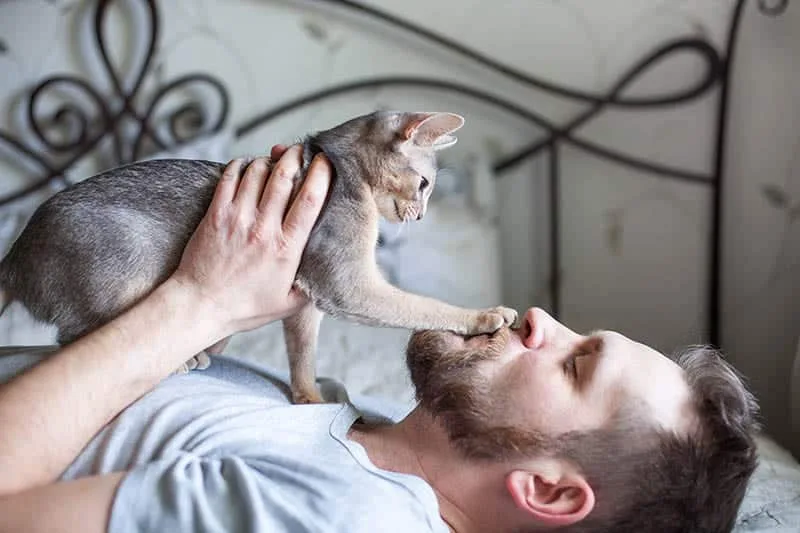
That paw is a check-in. Your cat wants to feel you breathing and know you are there. It is a bonding behavior.
They are making sure you are still present and safe. Some cats also do it to block light from their eyes.
How do I stop my cat from sleeping on my pillow without upsetting them?
Offer a better option. A heated cat bed placed right next to your pillow works well. Use positive reinforcement.
Reward your cat when they choose the new spot. Do not push, yell, or spray water. That damages trust and makes the pillow more valuable.

Similar Posts