Surprising Reason Your Cat Pees on Clothes
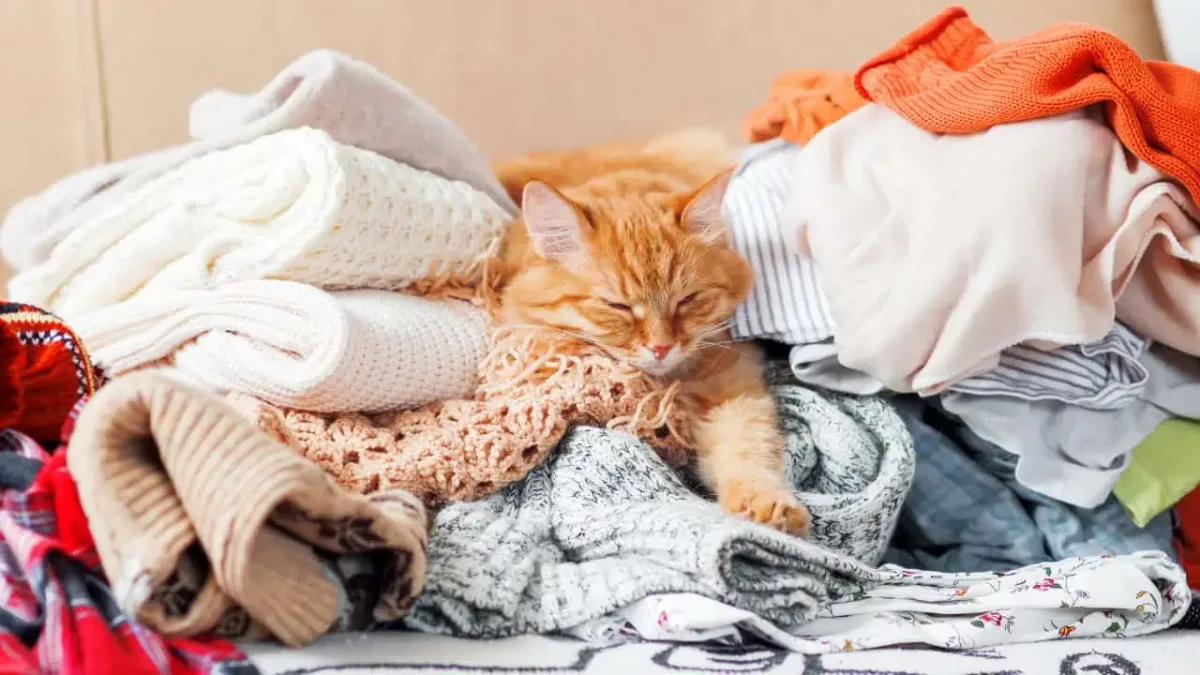
Your cat peeing on your clothes is frustrating, confusing, and honestly a little insulting. But the behavior is rarely about spite. Understanding why your cat is peeing on your clothes is the first step to stopping it.
As of 2026, veterinary research shows that over 60% of inappropriate urination cases have an underlying medical cause. That means a trip to the vet should come before any behavioral fixes. Let’s walk through the decision tree together.
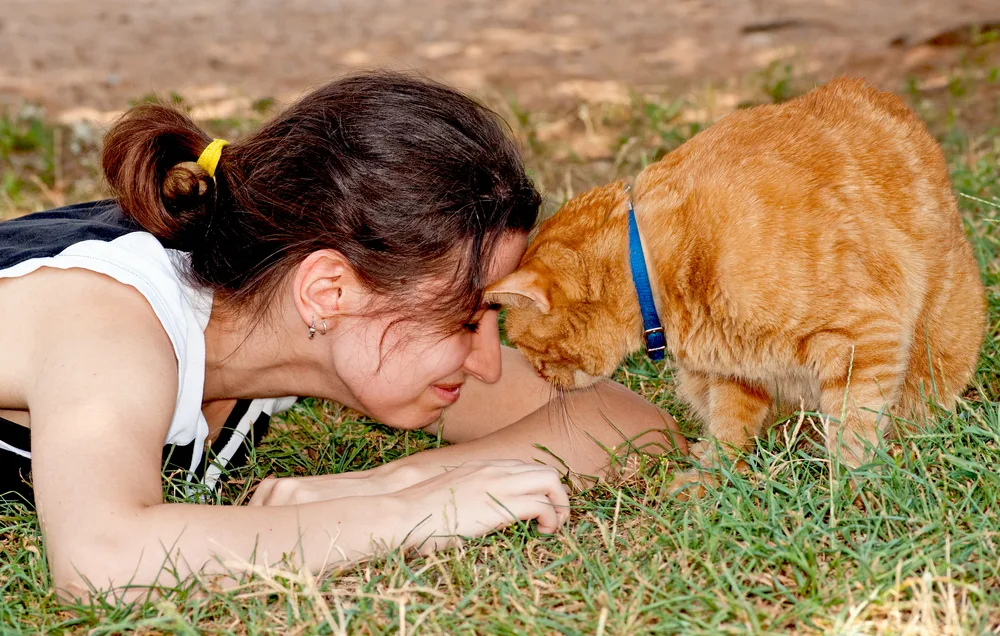
Image source: Bing (Web (fair-use with source credit))
Quick Answer
Your cat pees on your clothes due to medical issues, stress, or litter box problems. Start with a vet visit. Rule out a urinary tract infection first.
Then check for stress triggers. Finally, evaluate the litter box setup.
Why Your Cat Peeing on Your Clothes: A Step-by-Step Fix
This problem breaks into three branches: medical, stress, and litter box. You start at the top. If your cat pees anywhere unusual, go to the vet first.
If the vet finds nothing wrong, move to stress and territory. If stress isn't the issue, check the litter box.
Each branch has clear clues. Medical issues often come with straining, blood, or small frequent puddles. Stress peeing usually happens on items with your scent.
Litter box problems show up as peeing right next to the box or on soft surfaces.
Your job is to rule out each branch in order. Skip the vet and you risk a life-threatening blockage in male cats. Skip the litter box audit and you might miss a simple preference fix.
The American Association of Feline Practitioners recommends this same sequential approach. Follow it and you’ll likely find the cause within a week.
When You Need to See a Vet Immediately (and When You Don’t)
Some situations are emergencies. If your male cat strains to pee, cries in the box, or tries repeatedly with nothing coming out, he could be blocked. That is fatal within 24 to 48 hours.
Go to an emergency vet right now.
Other signs that need a same-day visit include blood in the urine, vomiting, lethargy, or loss of appetite alongside the peeing. Female cats can also develop life-threatening blockages, but males are at higher risk due to their narrow urethra.
If your cat is peeing normally but choosing your clothes, you can book a regular appointment within two days. But still see the vet. Up to 70% of inappropriate elimination cases have a medical component.
Common culprits are urinary tract infections, bladder stones, and feline idiopathic cystitis.
Don’t assume it’s just a behavior. That is the most common mistake cat owners make. The decision is simple.
If there is any sign of pain or difficulty, it is an emergency. Otherwise, schedule a regular vet visit soon.
The First Branch: Medical Causes That Masquerade as Bad Behavior

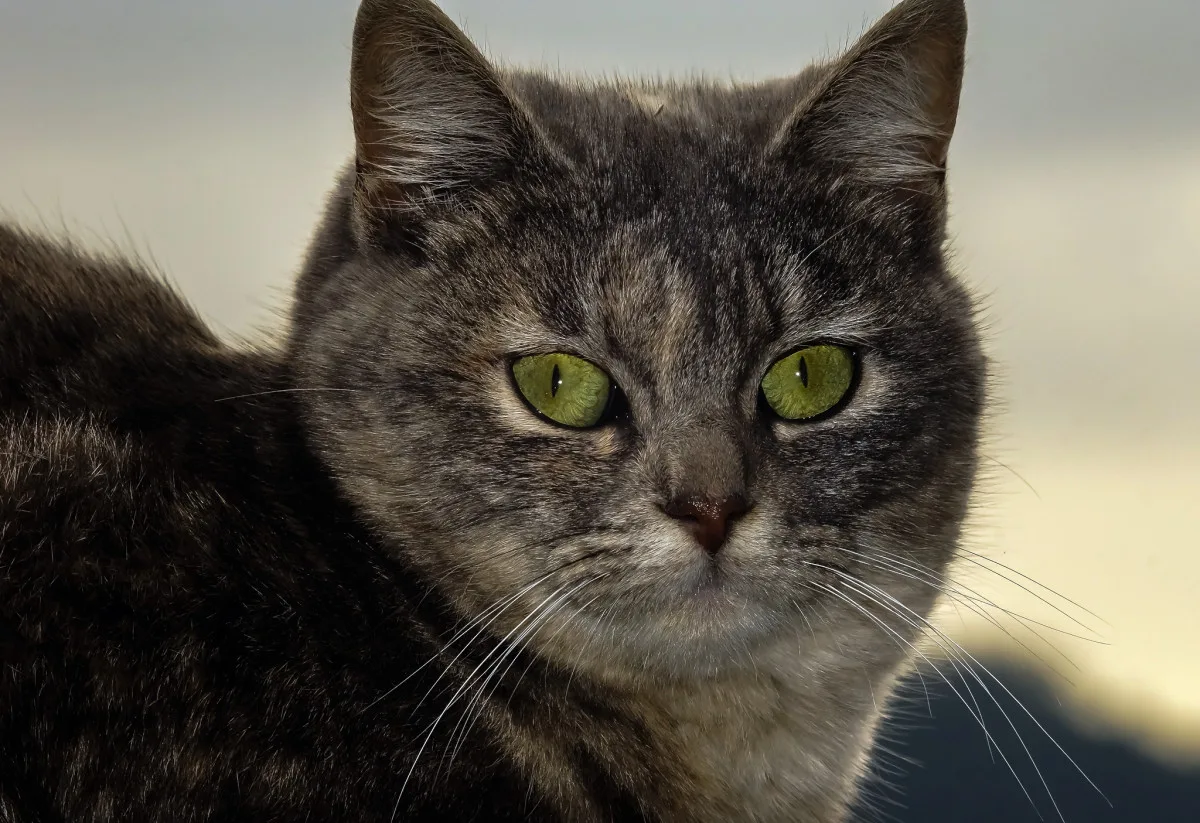
Image source: Web (Bing) / chartercollege.edu (Web image (fair-use with source credit))
A urinary tract infection makes peeing painful. Your cat associates the litter box with that pain. So she chooses a soft, comfortable spot instead.
Your clothes are warm, absorbent, and smell like you. That feels safe.
FLUTD (feline lower urinary tract disease) covers several conditions. Feline idiopathic cystitis inflames the bladder lining. Bladder stones and crystals irritate the walls.
Both cause urgency and frequency. According to the Cornell Feline Health Center, FLUTD affects up to 1.5% of cats each year. Your cat may pee small amounts in many places.
The only way to diagnose these is a vet visit. They will take a urine sample and possibly run blood work or imaging. Treatment can be antibiotics, a prescription diet, or pain medication.
Many cats improve within a few days once the physical cause is treated.
If your cat is peeing on clothes and also drinking more water, that points to possible kidney disease or diabetes. Senior cats are more prone to these. Again, a vet can check with simple tests.
The Second Branch: Stress, Anxiety, and Territory Marking
Once medical causes are ruled out, stress is the next branch. Cats are creatures of routine. A new pet, a move, new furniture, or even a change in your work schedule can trigger anxiety.
Your clothes carry your scent. Peeing on them mixes her scent with yours, which is comforting for an anxious cat.
Territorial marking is slightly different. Unneutered males spray on vertical surfaces, including hanging clothes. Neutered cats can still spray if they feel threatened.
The urine is usually a small amount and has a strong odor.
Signs of stress peeing include crouching, peeing on horizontal surfaces like a pile of folded laundry, and avoiding the litter box. Treatment focuses on reducing stress. Provide hiding spots, vertical space, and established routines.
Synthetic pheromone diffusers can help. So can calming treats or medication from your vet.
Give your cat time to adjust. If you can identify the stressor, remove it or gradually desensitize her. This branch often resolves within a few weeks.
The Third Branch: Litter Box Problems and Your Cat’s Preferences
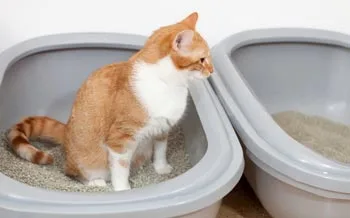
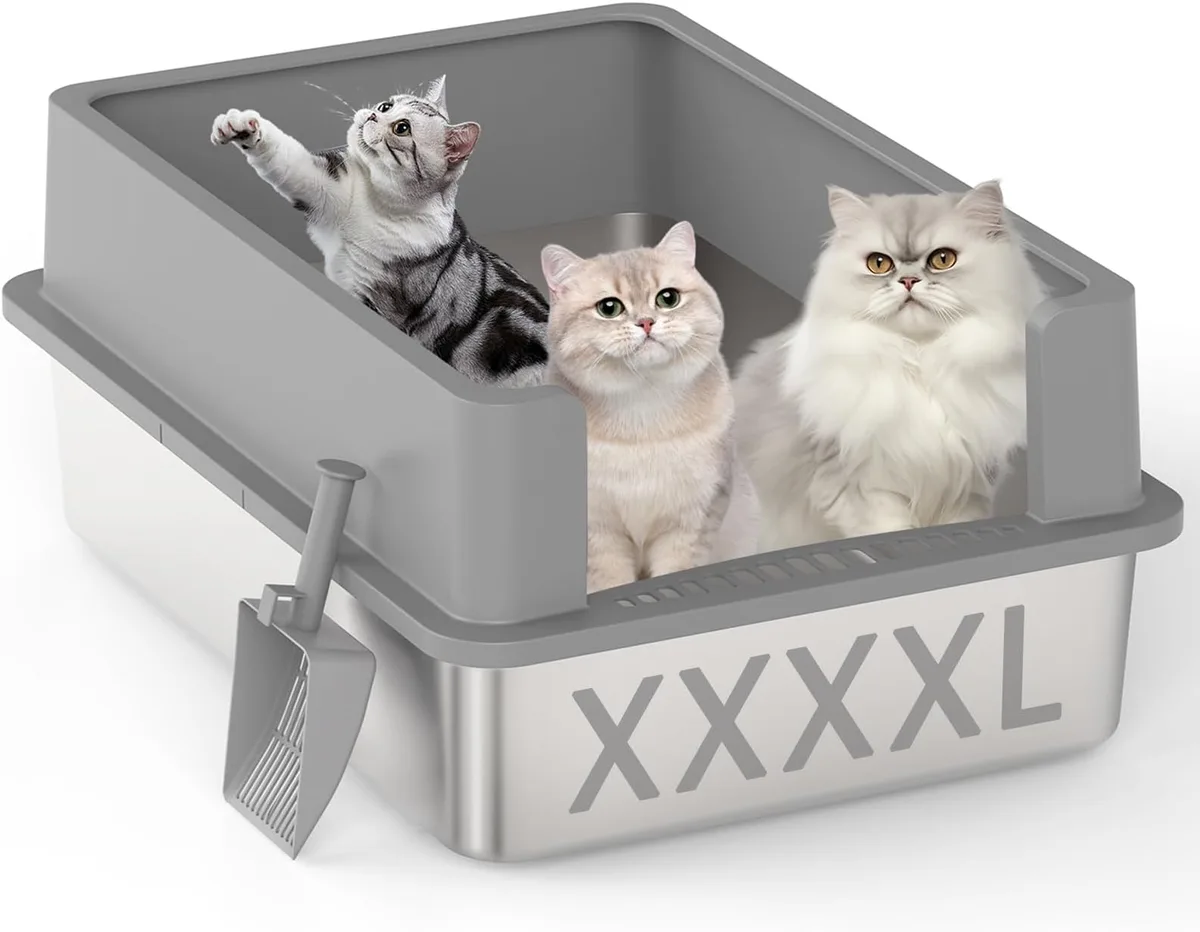
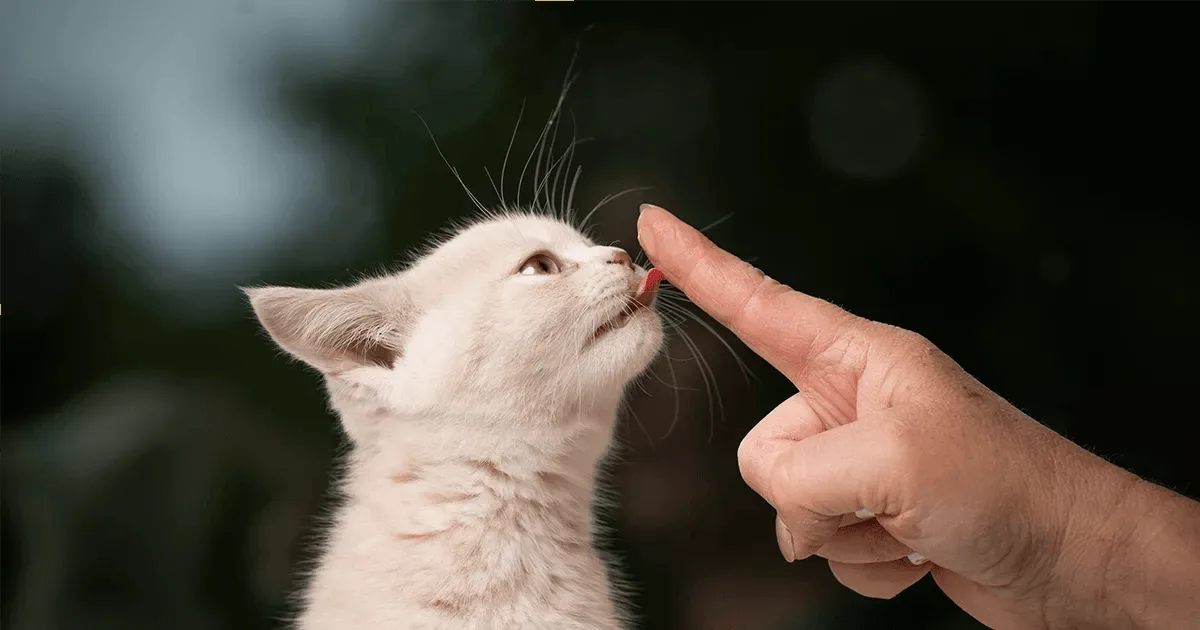
Image source: Bing (Web (fair-use with source credit))
This is the easiest branch to fix, but only if you look at it from your cat’s perspective. Cats are picky about their bathroom. Common complaints include a box that is too dirty, too small, has a liner, or is covered.
Covered boxes trap odor and make cats feel trapped.
Litter type matters. Many cats dislike scented litter, clay that kicks up dust, or deep litter. The rule of thumb is one box per cat plus one extra.
So two cats need three boxes. Place them in quiet, low-traffic areas. Not next to the washing machine or furnace.
If your cat pees on clothes, try adding a box in the same room where the peeing happens. Some cats just want a convenient option. Also make sure the box is large enough.
Many commercial boxes are too small for adult cats.
A simple test can solve it quickly. Offer two boxes with different litters side by side. See which one your cat uses.
This costs under $20 and can fix the problem overnight.
How to Clean Clothes the Right Way (Or Cats Will Keep Returning)
Regular laundry detergent won't cut it. Cat urine contains uric acid crystals that don't dissolve in water. Standard cleaners leave behind a scent that humans can't smell but cats detect easily.
That smell says "this is a bathroom" to your cat.
Use an enzymatic cleaner. These products contain live bacteria that digest the uric acid crystals. Apply it to the soiled area and let it sit for ten to fifteen minutes.
Then launder as usual with cold water. Hot water sets the stain and odor.
For dried or old stains, soak the clothing in a bucket with enzymatic cleaner and water for several hours. A black light helps you find spots you missed. Check the clothing under the light after washing.
If it glows, the uric acid is still there.
Avoid bleach and ammonia at all costs. Bleach reacts with urine to create toxic fumes. Ammonia smells like urine to a cat.
Both make the problem worse. Stick with enzymatic products designed for pet urine.
Common Mistakes That Make the Problem Worse
Punishing your cat is the number one mistake. Yelling, spraying water, or rubbing her nose in it increases her stress. Stressed cats pee more, not less.
You create a vicious cycle.
Skipping the vet is the second biggest mistake. Many owners assume it is behavioral and spend weeks trying fixes. Meanwhile a urinary tract infection gets worse.
Male cats can develop a life-threatening blockage during that time.
Using the wrong cleaner is mistake number three. Household cleaners, vinegar, and baking soda don't eliminate uric acid. Your cat still smells her mark and returns to the same spot.
You clean the clothes but reinforce the habit.
Another common error is changing too many things at once. You switch litter, move boxes, and add a diffuser all on the same day. Your cat gets overwhelmed and the problem gets worse.
Change one variable at a time and wait three to four days before trying the next.
Frequently Asked Questions
Why does my cat only pee on my clothes and not other things?
Your clothes carry your strongest scent. Cats find comfort in your smell when they feel anxious. Medical issues can also make soft fabric more appealing.
It is rarely random.
Can I train my cat to stop peeing on clothes?
You cannot train a cat the way you train a dog. You must address the underlying cause. Once the medical, stress, or litter box issue is fixed, the behavior stops naturally.
Will getting another cat stop the peeing?
Adding another cat usually makes it worse. More cats mean more stress and more competition for resources. Fix the problem with your current cat before considering a second one.
How long does it take to fix this behavior?
Medical issues resolve within a few days of treatment. Stress related peeing can take two to four weeks. Litter box fixes often work overnight.
Patience is important.
Should I get rid of clothes that my cat has peed on?
Not necessarily. Enzymatic cleaners work on most fabrics if applied correctly. Old stains and persistent odors may mean the clothing is beyond saving.
Wash and check with a black light to decide.
Your Personal Decision Guide: Start Here and Work Through
Start at the top of this list and work down. Do not skip steps.
Step one: Observe your cat for signs of pain. Straining, blood, or crying means an emergency vet visit. No pain means a regular vet visit within two days.
Step two: Rule out medical causes. Schedule a urinalysis and physical exam. Treat anything the vet finds.
Step three: If the vet finds nothing, assess stress. Has anything changed in your home recently? Add hiding spots and vertical space.
Consider a pheromone diffuser.
Step four: Audit the litter box situation. Add boxes, change litter type, and move boxes to quiet areas. Follow the one box per cat plus one rule.
Step five: Clean all affected clothes with an enzymatic cleaner. Check with a black light. Repeat until no glow remains.
Step six: Wait and watch. Give each change three to four days. Do not punish your cat.
If nothing works after two weeks, consult a veterinary behaviorist for advanced help.

Similar Posts