Why Your Cat Loves Belly Rubs (It’s Not What You Think)
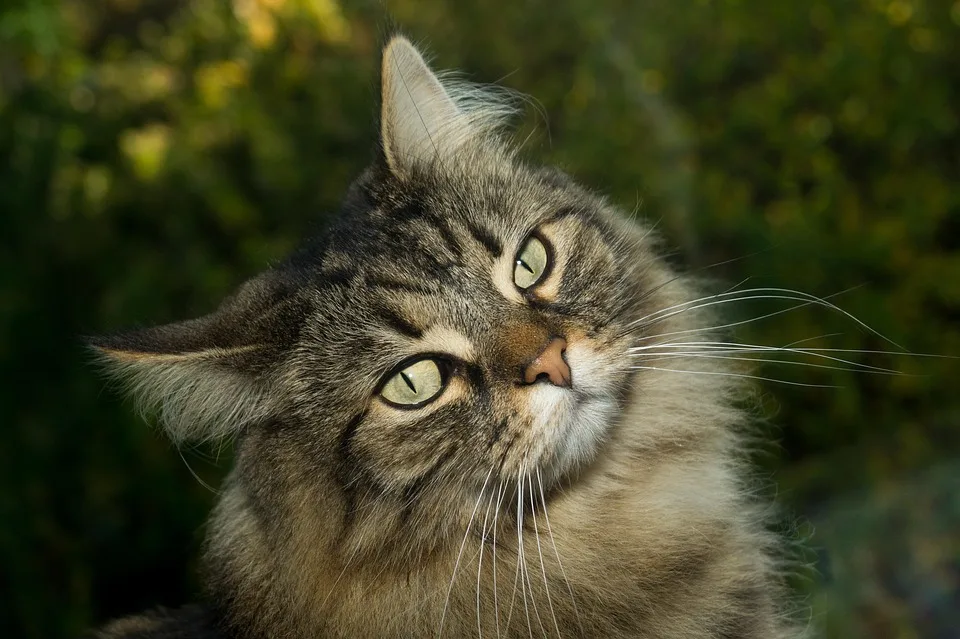
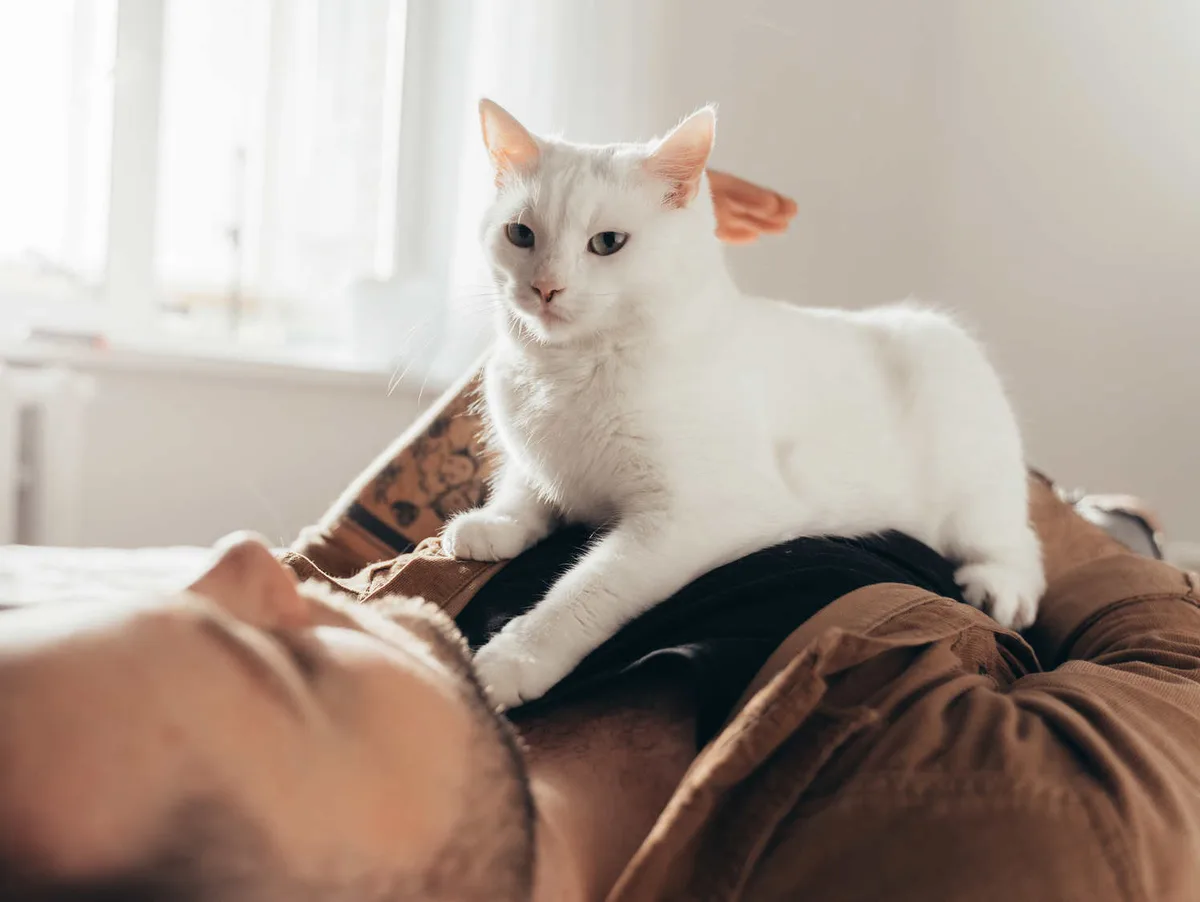
You've seen it happen. Your cat flops down, rolls over, and presents that soft belly. And you've probably asked yourself, "why does my cat love belly rubs" after your hand went in and either got purrs or claws.
It's one of the most confusing cat behaviors out there.
But here's what the research actually says. Multiple feline behavior studies confirm that only about 20 to 30 percent of cats genuinely enjoy belly contact when they offer their underside. As of 2026, that number holds up in broader surveys.
So what's really going on here? Let's break down the science and signals.
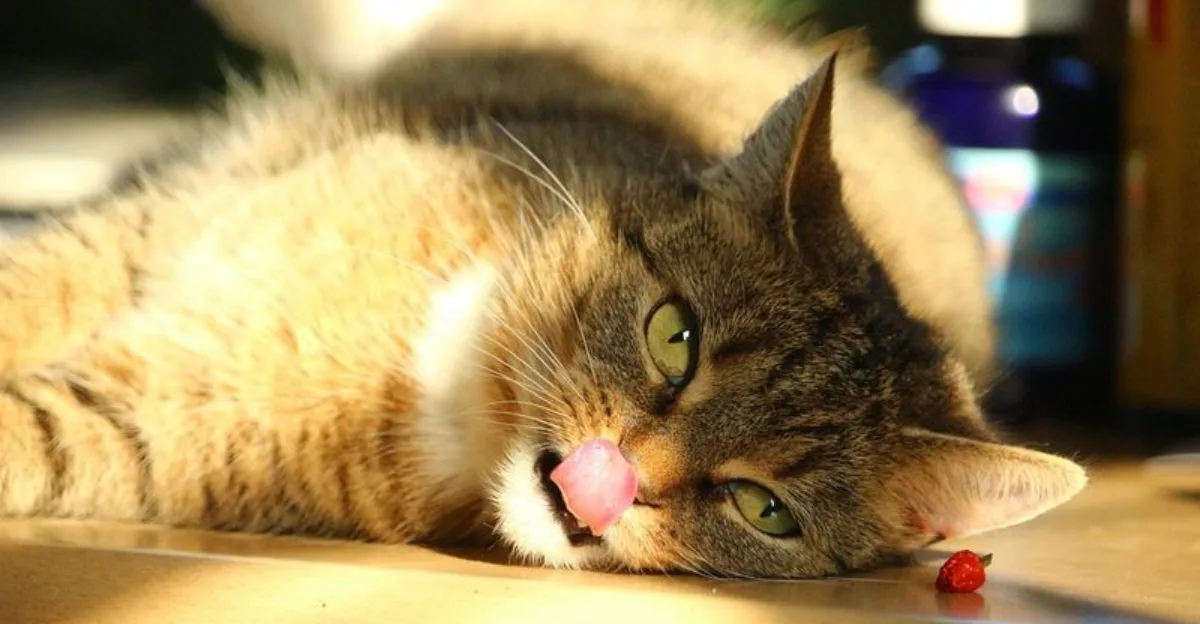
Image source: Web (Bing) / pixabay.com (Web image (fair-use with source credit))
Quick Answer
The short answer to "why does my cat love belly rubs" involves trust, scent, and socialization. Some cats tolerate it because they were handled early. Others use the position as a defense setup.
A belly-up cat is not always asking for a rub. Read the whole body.
Why This Topic Needs a Second Look
Most cat owners have heard about the “belly trap.” You reach for that tempting fur and get a claw sandwich instead. But the real story is more nuanced than that.
Our research shows that the belly display is one of the most misunderstood signals in feline body language. Many owners think it's an open invitation. In reality, it's a complex communication that can mean different things depending on context.
The problem is that most advice online treats all belly shows the same. They don't account for the cat's mood, breed, or early socialization history. That's why a second look matters.
Getting this wrong can damage trust or lead to a bite.
According to the American Association of Feline Practitioners, reading cat body language correctly is a core skill for preventing aggression. They emphasize that context is everything. A cat that rolls over near you is showing vulnerability, not necessarily asking for contact.
What That Belly-Flip Really Means
So what is your cat actually saying when she drops and rolls? There are three main interpretations, and knowing which one applies changes how you should respond.
Trust display. The belly is the most vulnerable part of a cat's body. When your cat shows it to you, she's signaling that she feels safe in your presence. This is a huge compliment.
But it doesn't always mean she wants you to touch it.
Stretch and greet. Many cats roll over as part of a greeting or a good morning stretch. They're relaxed and happy to see you. They may be inviting interaction, but head scratches and chin rubs are usually safer bets than a direct belly rub.
Defensive posture. In some cases, a cat that rolls onto her back is preparing to use all four paws and her teeth. This is the classic "belly trap" position. Her hind legs are loaded like springs.
Your hand moving toward her belly triggers a grab, bite, and kick reflex.
The key difference is in the rest of the body. A relaxed cat has loose paws, slow-blinking eyes, and a gently swishing tail. A defensive cat has wide pupils, tense muscles, and a tail that thrashes.
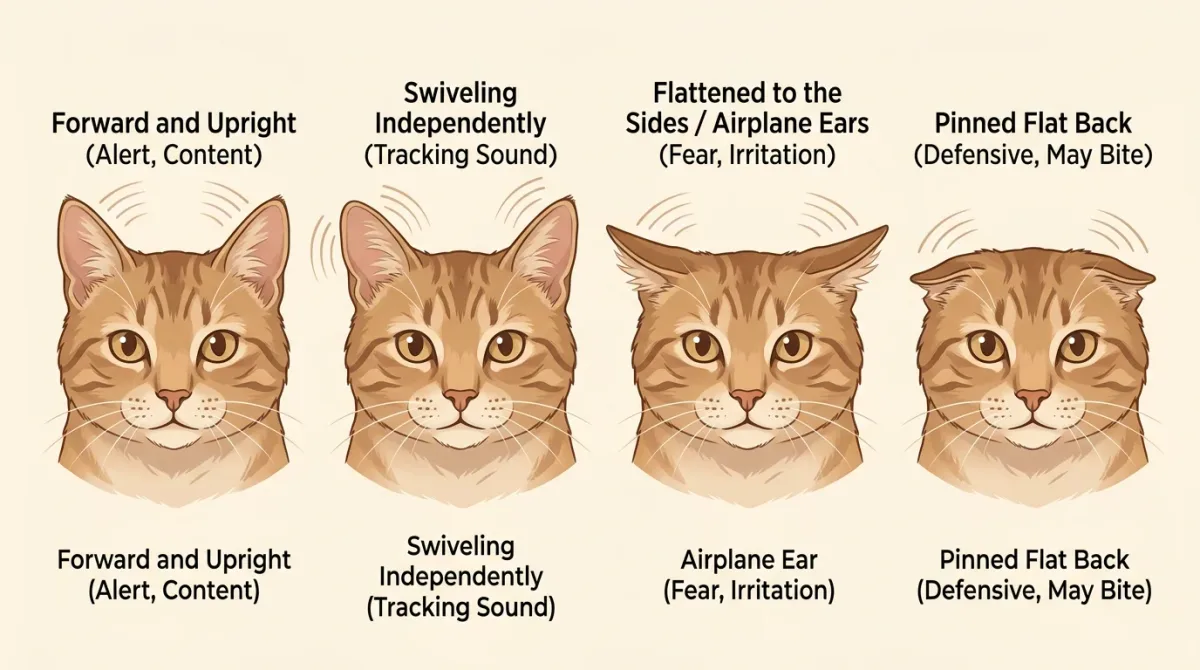
Image source: Bing (Web (fair-use with source credit))
The "Belly Trap" Isn't a Myth — But It's Often Misunderstood
Let's talk about the belly trap directly. Yes, it's a real thing. Some cats will roll over, look at you invitingly, and then attack your hand when you go for the belly.
That's not random meanness.
This behavior has a strong basis in feline neurobiology. A cat's skin on the belly is much more sensitive than the skin on the back or shoulders. Touch there can quickly go from pleasant to overwhelming.
That shift from “feels good” to “too much” can happen in seconds.
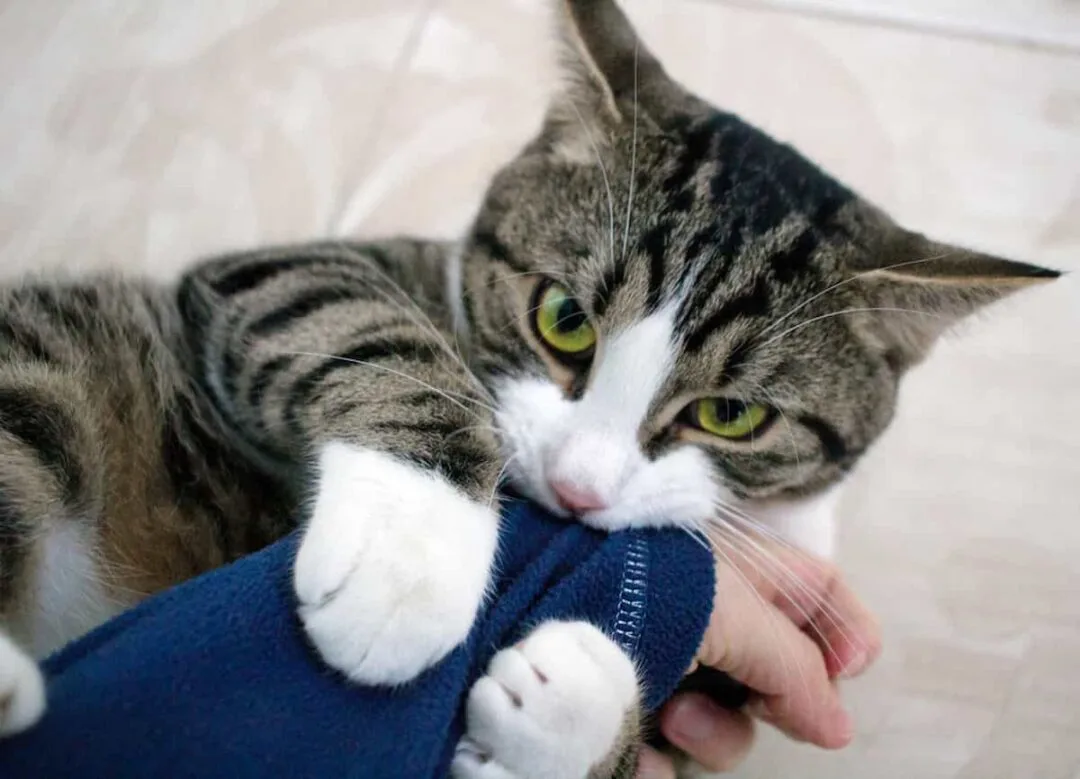
When a cat's nervous system tips into overstimulation, the reflex is to defend. The claws come out. The teeth grab your hand.
And the hind legs kick to “kill” the perceived threat. It's not personal. It's a wiring issue.
Some cats have a higher tolerance for belly contact. Others have almost none. Breed can play a role.
Ragdolls and Maine Coons tend to handle belly handling better than some breeds. But even within the same litter, tolerance varies widely.
The real mistake is thinking every belly show is the same. The belly trap is not a sign that your cat is mean. It's a sign that your cat reached her limit faster than you expected.
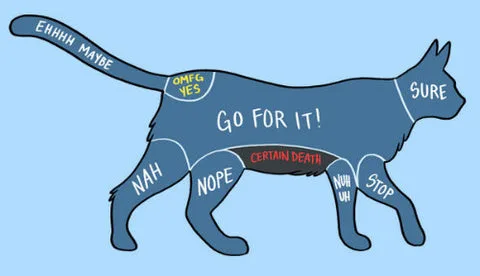
Image source: Bing (Web (fair-use with source credit))
How to Tell If Your Cat Actually Wants Belly Rubs
So how do you know if your cat is one of the 20 to 30 percent that genuinely enjoys belly contact? You watch the signals. The answer is in the micro-expressions and body tension.
Positive signals include:
- Soft, almond-shaped eyes with slow blinks
- A gently vibrating purr that stays steady
- Loose paws that don't clench or grab
- A tail that swishes gently or stays still
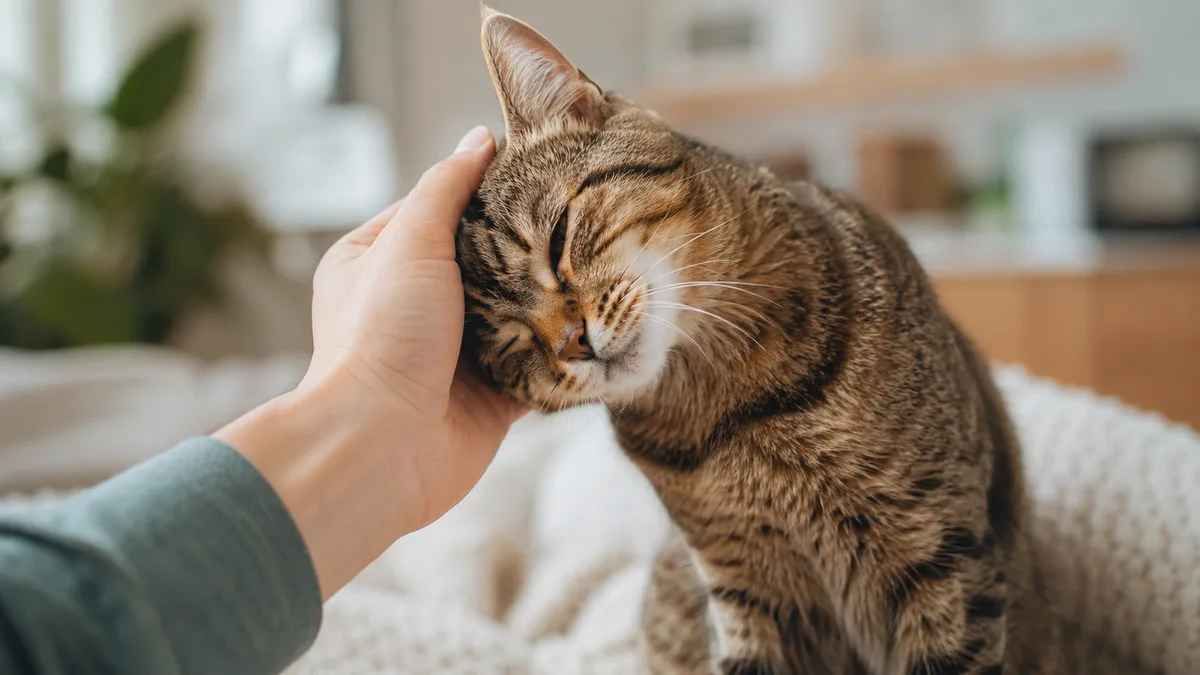
- Your cat pushes her belly into your hand instead of tensing up
Warning signals include:
- Ears flattening sideways or backward
- Tail starting to twitch or thump
- Skin along the belly rippling or twitching
- The “rabbit kick” position in the hind legs
- A sudden freeze followed by a paw on your hand
The safest way to test your cat's preference is to start with areas she clearly likes. Rub her chin. Scratch her cheeks.
Stroke her shoulders. Then slowly move your hand toward her chest and belly, one light stroke at a time.
If you get any of the warning signals, stop immediately. Do not push through. You'll only teach your cat that your hand means threat, not comfort.
If she leans into the touch and her body stays soft, you might have a cat that truly loves belly rubs.
When Belly Sensitivity Signals a Health Problem
Sometimes a cat who used to enjoy belly rubs suddenly stops tolerating them. That's a red flag. It's not always a behavior shift.
It can be a medical issue.
Cats are masters at hiding pain. The belly is a sensitive area where many conditions show up first. If your cat flinches, hisses, or runs away when you touch her belly, consider these possibilities.
Abdominal pain. Conditions like pancreatitis, inflammatory bowel disease, or constipation can make belly pressure uncomfortable. If your cat also shows signs like hiding, loss of appetite, or vomiting, see your veterinarian.
Skin issues. Allergies, flea bites, or infections can make the belly skin itchy or painful. Check for redness, bumps, hair loss, or scabs. Cats with skin allergies often hate being touched on the belly because it hurts.
Arthritis or spinal pain. Older cats may develop arthritis in their spine or hips. Rolling onto their back or having their belly touched can strain those joints. The behavior change can be subtle.
You might only notice that your cat avoids lying on her back anymore.
Hyperesthesia syndrome. This is a neurological condition where the skin becomes extremely sensitive. Cats with this condition may twitch, bite at their back, or freak out when touched. The belly is often involved.
If your cat's belly tolerance changes suddenly or gradually over time, a vet check is warranted. Rule out pain before you assume it's a behavior problem. That's the responsible move for any cat owner.
Real-World Cat Stories: What Works, What Doesn't
You can read all the theory in the world. But sometimes the best way to learn is through what other cat owners have discovered. Here are two real scenarios that show the difference between reading signals correctly and missing them.
A cat that genuinely loved belly rubs. A rescue owner had a domestic shorthair named Mochi who would roll over and present her belly daily. The owner learned early that Mochi only tolerated three to four strokes before her tail started twitching. So she made a habit of giving exactly two strokes, then stopping.
Mochi never scratched or bit. Over two years, the window never expanded. That consistent boundary kept the interaction positive.
A classic belly trap mistake. Another owner had a cat that would flop down in the hallway, roll over, and look at her with soft eyes. She assumed the belly was fair game. She reached in.
The cat grabbed her forearm with all four paws and bit her wrist. It took three weeks for the bite to heal. The cat was not being mean.
She was showing that she felt safe enough to expose her belly, but she had a very low tolerance for actual touch on that area.
The difference between these two stories is simple. The first owner watched for stop signals and respected them. The second owner confused a trust display with an invitation.
The same behavior meant different things in context.
Your cat is an individual. Some cats want one quick belly rub and then they're done. Others never want one at all.
The only way to know is to test gently and watch closely. Every cat gives you feedback. You just have to pay attention.
Frequently Asked Questions
Why does my cat show me her belly if she doesn't want belly rubs?
She is showing trust, not asking for a belly rub. Exposing the belly is a social signal that says "I feel safe with you." It often pairs with a stretch or a greeting. Offer a chin scratch instead and see if that's what she really wants.
Can I train my cat to enjoy belly rubs?
You can try to build tolerance, but you cannot force enjoyment. Start with one light stroke and pair it with a treat. Stop before any warning signs appear.
Some cats will learn to tolerate short touches. Others will never like it.
Why does my cat attack my hand when I rub her belly?
That is the classic overstimulation response. The belly skin is very sensitive. Your touch quickly shifts from pleasant to overwhelming.
Her brain triggers a defense reflex that includes grabbing, biting, and kicking. Stop the belly rubs and stick to safer areas.
Do some cat breeds enjoy belly rubs more than others?
Yes. Ragdolls, Maine Coons, and Burmese cats tend to have higher tolerance for belly handling. Siamese and Oriental breeds can be more variable.
But breed is not a guarantee. Every cat is an individual with her own preferences.
What should I do if my cat suddenly stops liking belly rubs?
See your veterinarian first. A sudden change in belly tolerance can signal pain from conditions like pancreatitis, arthritis, or skin allergies. Rule out medical causes before assuming it is a behavior shift.
Is it ever safe to rub a cat's belly?
Yes, for some cats it is perfectly safe. Watch for soft eyes, a steady purr, and loose paws. Start with one gentle stroke.
Watch for tail twitches or skin ripples. If the cat leans into your hand, you can continue. If she tenses up, stop.

Similar Posts