Why Does My Cat Lick My Blanket and Purr?
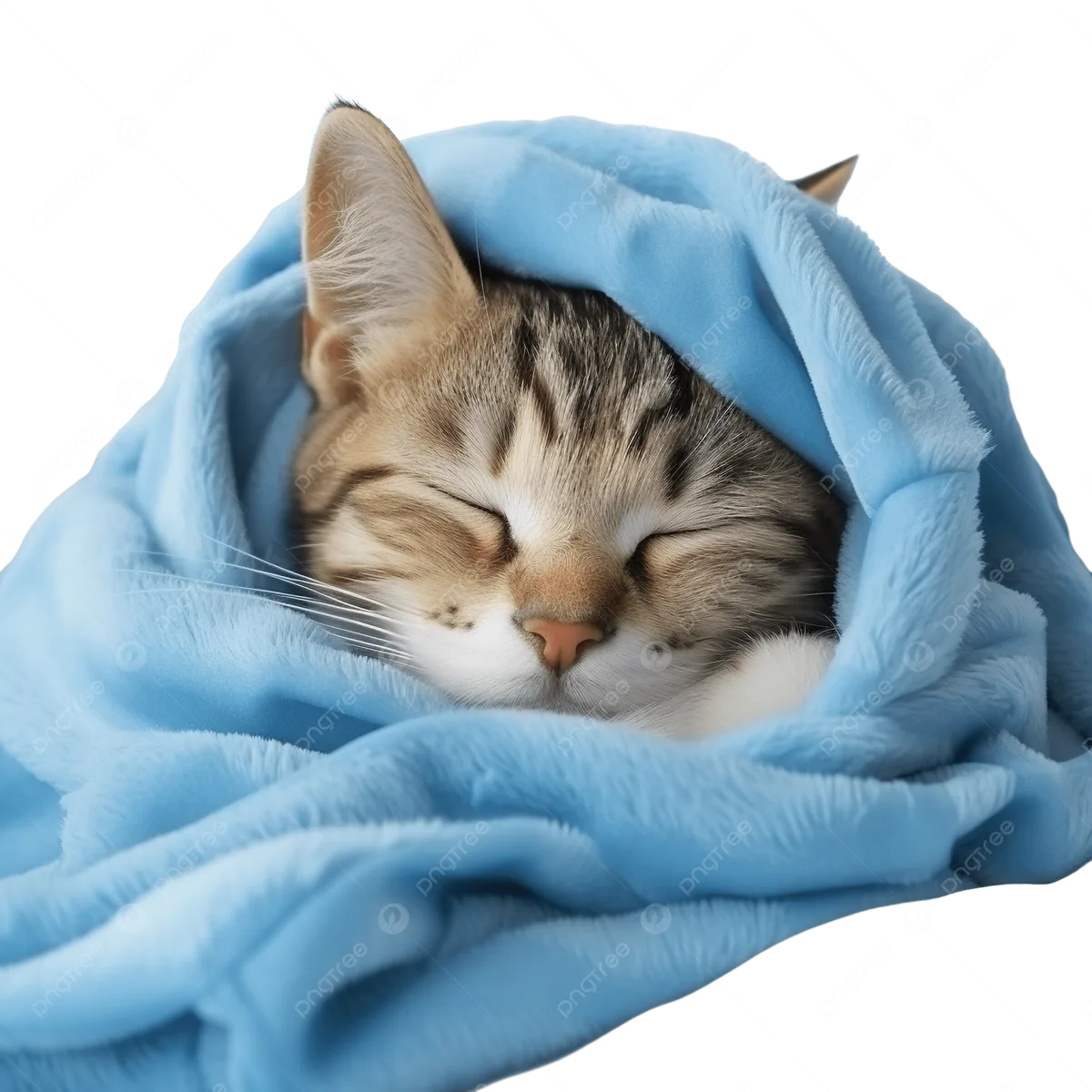
If you’ve ever woken up to the sound of gentle licking and a deep, rumbling purr coming from the foot of the bed, only to find your cat mouthing your favorite fleece blanket, you’re not alone. This is one of the most common “is this weird?” questions cat owners ask. The short answer is no, it’s not weird.
But the longer answer depends on your cat’s age, history, and body language.
Research into feline behavior tells us that around 10 to 15 percent of adult cats continue some form of object-suckling or wool-sucking behavior past kittenhood. Most of the time it’s harmless. But sometimes it signals stress or a medical issue worth checking.
So before you worry or try to stop her, let’s go through what’s actually happening.
Image source: Web (Bing) / pngtree.com (Web image (fair-use with source credit))
Quick Answer
Your cat licks your blanket and purrs because it comforts her. She is likely remembering nursing as a kitten. The soft texture and your scent make her feel safe.
This behavior is usually harmless. It becomes a concern only if she chews and swallows fabric pieces.
Why She Does It – The Three Core Reasons
There are really three main explanations for this behavior. One is pure instinct. One is comfort.
And one is a potential warning sign. Let’s look at each one.
The Nursing Hangover (Early Weaning or Kitten Instinct)
Kittens are born with a strong suckling reflex. It’s how they get milk. In a natural setting, a kitten nurses for about 8 to 12 weeks before the mother gradually weans them.
But many kittens are separated or weaned earlier, especially rescues or shelter cats.
When a kitten misses those extra weeks of nursing, the reflex doesn’t fully fade. Instead, it redirects to something soft and warm that resembles a mother cat. A fleece blanket is almost perfect.
It’s fluffy, warm, and smells like you. For your cat, licking it and purring is the same as nuzzling into mom’s belly while nursing. The purring tells you she’s content and relaxed.
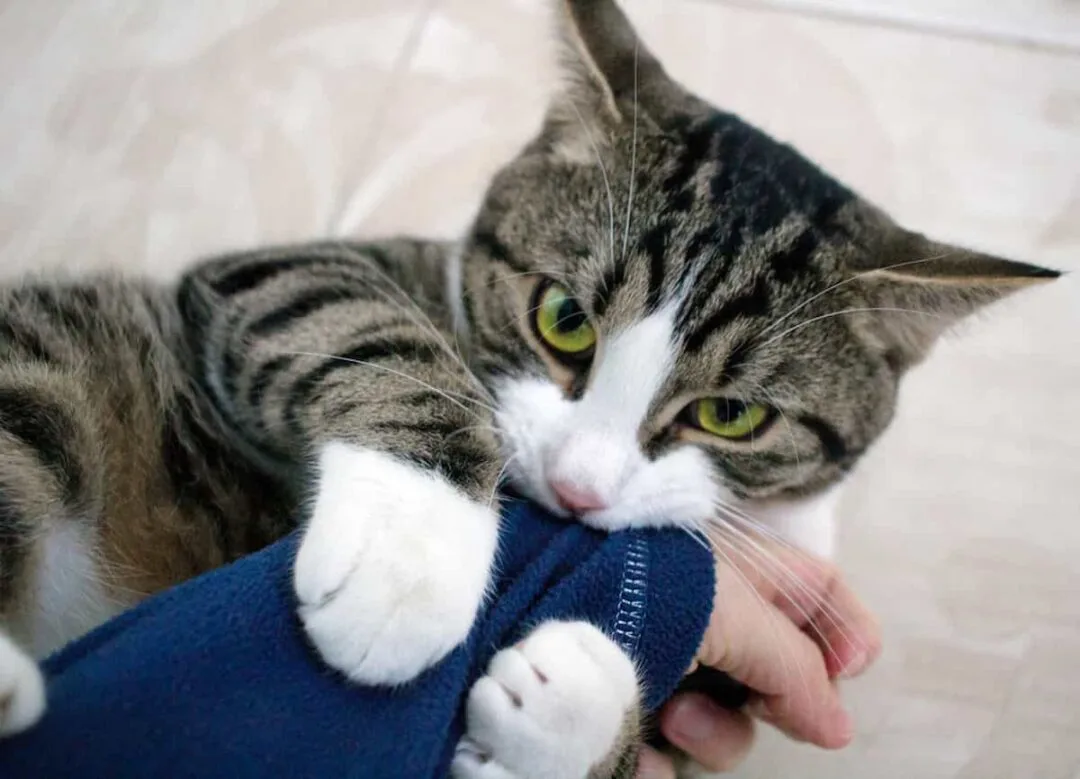
This is often called “wool sucking.” While the name suggests wool specifically, cats will do it on fleece, cotton, faux fur, and even your bathrobe. It peaks in kittens under 6 months but can persist for years. Some cats do it their whole lives.
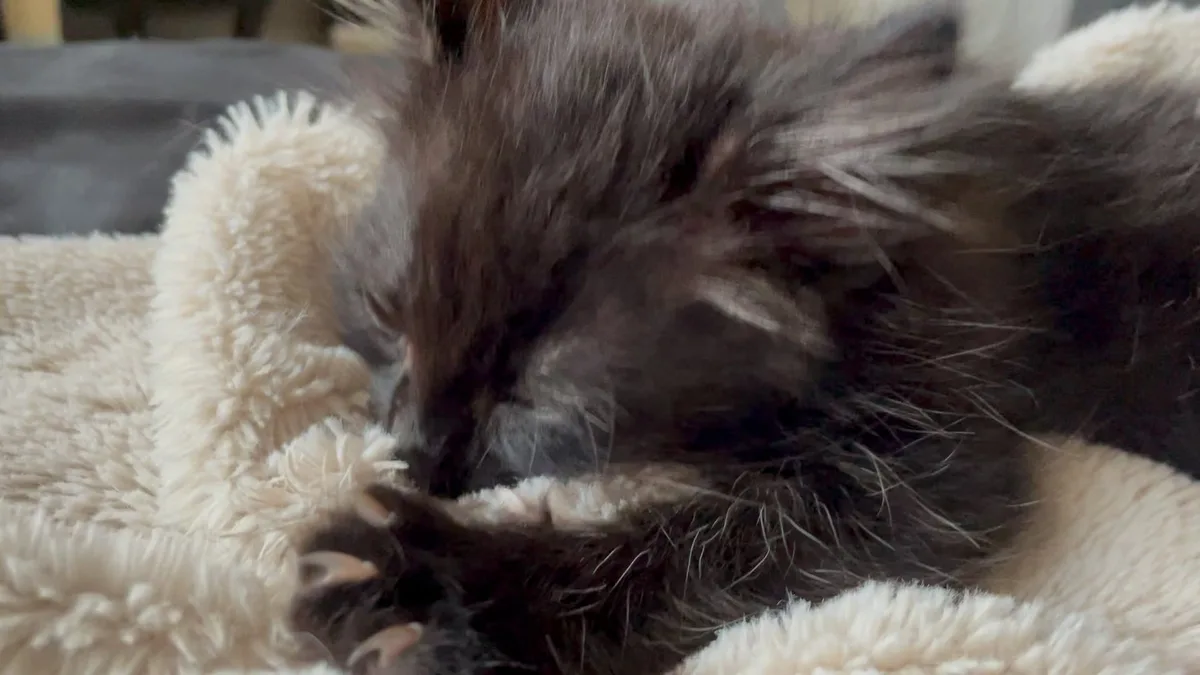
Image source: Web (Bing) / reddit.com (Web image (fair-use with source credit))
Pure Comfort and Scent Security
Not all blanket-licking comes from nursing. Sometimes it’s just a comfort ritual. Cats have scent glands on their cheeks, paws, and the sides of their mouths.
When your cat licks your blanket, she is mingling her scent with yours. This creates a familiar, safe-smelling space.
Think of it as her version of a security blanket. Your scent is reassuring. It means you’re around, even when you’re not.
The purring reinforces that she feels no threat. She’s in a happy, relaxed state.
This version of the behavior usually comes without kneading or drooling. She may just lick a spot for a few minutes, close her eyes, and purr herself to sleep. If that sounds like your cat, it’s pure comfort.
The Stress or Pica Edge Case (When It’s Not So Sweet)
There is a less cozy explanation. Sometimes blanket licking is a sign of stress, anxiety, or an underlying medical issue. In these cases, the cat isn’t just comfort-seeking.
She is trying to cope with something that feels off in her environment.
This is where the term “pica” comes in. Pica is the compulsive eating or licking of non-food items. True pica means the cat actually swallows fabric, which can lead to vomiting or intestinal blockages.
That’s a serious vet situation.
Signs that blanket licking might be stress-related include:
- Licking that is intense and hard to interrupt
- Licking paired with pacing, hiding, or aggression
- Licking that happens only during certain stressful events (visitors, moving, new pet)
- The cat also chews and swallows pieces of fabric
If you see any of these, the behavior is not harmless. It deserves attention.
How to Figure Out Which Reason Fits Your Cat
Okay, so now you know the three possibilities. The next step is figuring out which one applies to your situation. This is a simple four-step process you can do right now.
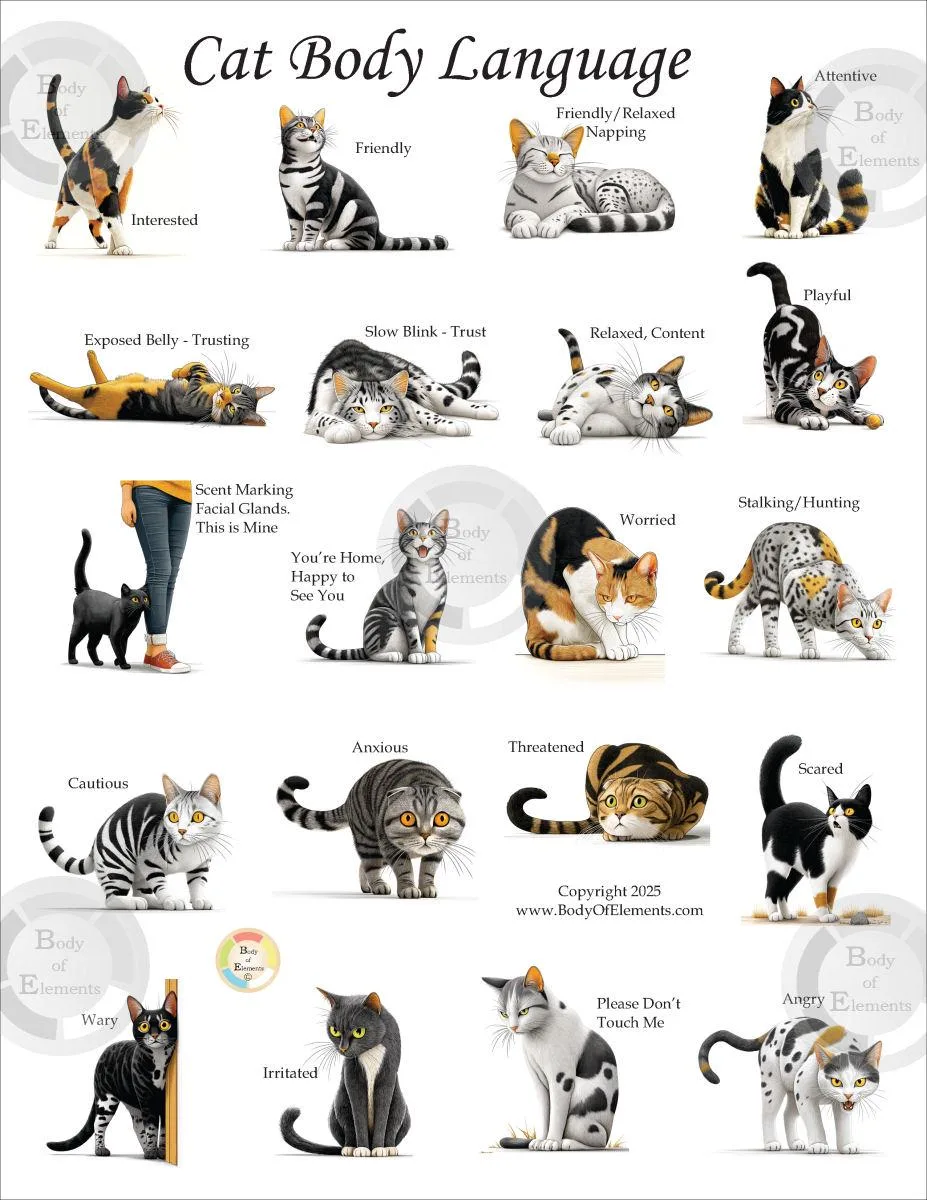
Image source: Web (Bing) / etsy.com (Web image (fair-use with source credit))
Step 1: Watch Her Paws
Does she knead on the blanket while licking? Kneading is that rhythmic pushing motion with her front paws, often called “making biscuits.” If she is kneading and licking at the same time, that is a classic nursing behavior. It strongly points to early weaning or kitten instinct.
No kneading means it is more likely pure comfort or stress.
Step 2: Check for Drool
Is there drool pooling on the blanket? If yes, that’s a big clue. Drooling during blanket licking is almost always a nursing holdover.
Kittens drool when they nurse. If your cat is drooling onto the blanket, she’s in full “baby mode.” It’s not messy or gross. It’s just her instinct kicking in.
Step 3: Note Her Age and Background
Did you adopt her as a very young kitten? Was she a stray or a rescue? Cats with unknown or disrupted early lives are much more likely to blanket-suckle.
If you’ve had her since she was 8 weeks old or younger, the nursing explanation becomes more likely. If she was weaned naturally and stayed with mom until 12 weeks, the behavior is probably comfort-based rather than nursing.
Step 4: Look at Her Overall Mood
Is she relaxed or tense? A cat purring while licking a blanket looks content. Her ears are forward.
Her eyes are half-closed. Her body is loose. If she seems jumpy, ears flat, tail twitching, the licking might be a stress response.
Compare how she acts on the blanket versus off it.
Quick Reference Table for Diagnosis
| Behavior Observed | Most Likely Cause | Next Step |
|---|---|---|
| Kneading + licking + drooling | Nursing instinct (early weaning) | Let her be, it’s normal |
| Licking only, relaxed, no drool | Comfort and scent security | Let her be, normal |
| Kneading + licking, no drool | Could be either nursing or comfort | Depends on age |
| Licking + chewing + swallowing | Possible pica or stress | Consult your vet |
| Licking only during stress events | Anxiety coping | Look into stress triggers |
When You Actually Need to Pay Attention (And When to Let It Go)
Most of the time, blanket licking with purring is completely fine. It’s not harming your cat, and it’s not harming you. The best thing you can do is nothing.
Let her have her little ritual. She’s self-soothing and bonding with your scent.
But there are clear boundaries that tell you it’s time to act.
When to Let It Go
- She only does it for a few minutes at a time
- She stops on her own
- She is relaxed and purring
- The blanket is intact with no damage
- She is eating, drinking, and acting normal otherwise
In this zone, you’re looking at normal feline behavior. Enjoy how cute it is. Maybe snap a photo.
When to Pay Attention
- She does it for an hour or more without stopping
- She chews holes in the fabric or pulls threads
- You find fabric pieces in her vomit or stool
- The behavior started suddenly in an adult cat who never did it before
- She is losing weight, hiding, or showing other signs of stress
Any of those warrant a call to your vet. Sudden onset in an adult cat can point to nausea, dental pain, or a gastrointestinal issue. Cats are masters at hiding illness.
Sometimes a new comfort behavior is the first clue something hurts.
A study from the Journal of Feline Medicine and Surgery noted that pica in cats is often linked to dietary deficiencies or chronic digestive discomfort. Your vet can rule out the medical side before you assume it’s behavioral.
If Anxiety Seems Likely
If your cat started blanket licking after a big change like a move, a new baby, or a lost companion, she may be using the blanket to cope. In this case, address the stress. Add enrichment.
Try puzzle feeders, high perches, or a Feliway diffuser. Sometimes just a little extra playtime makes the blanket licking fade on its own.
The Best For Your Cat Versus Your Blanket
Here is the honest tension in this whole topic. You want your cat to be happy. You also don’t want your favorite blanket ruined.
These two goals are not always compatible.
What’s Best for Your Cat
Letting her engage in the behavior is generally good for her mental health. It’s a self-regulation tool. She uses it to settle down after a busy day.
Stopping her cold could create frustration or anxiety. Unless she is ingesting fabric, you don’t need to stop her.
What’s Best for Your Blanket
Wet drool spots can stain. Repeated licking can pill the fabric or create thin spots. Over months, a frequently licked spot can wear through.
If that bothers you, you have options.
A Middle Ground Table
| Your Priority | What to Do |
|---|---|
| Let cat keep the comfort | Accept some blanket wear |
| Save the blanket | Give her a designated “cat blanket” |
| Avoid stains | Rotate blankets or use a washable cover |
| Avoid ingestion risk | Switch to a tightly woven fabric or fleece |
The Designated Blanket Strategy
The simplest solution is to give her a blanket that is hers alone. Choose one with a similar texture to the one she loves. Put it on your bed or in her favorite spot.
When she starts licking your blanket, gently move her to hers. Most cats adapt quickly. They want the texture and your scent.
If you have slept with that blanket for a few nights, it will smell like you. She will accept it.
If you go this route, you can still let her have her ritual. You just protect your nicer bedding. It’s a small compromise that keeps everyone happy.

Similar Posts