Why Does My Cat Hug My Arm and Bite Me?
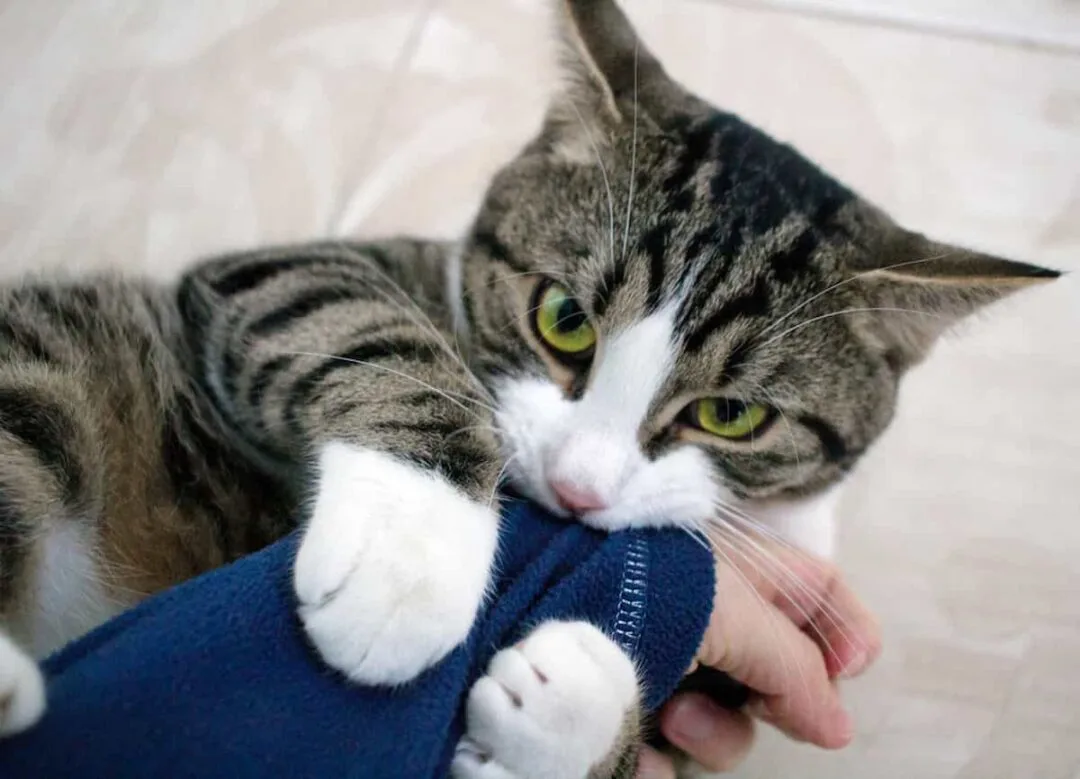
If you've ever wondered why does my cat hug your arm and bite me, you're not alone. It's one of the most confusing behaviors cat owners deal with. One second your cat is purring and kneading.
The next second, your forearm is in their mouth.
Veterinary behavior research indicates that roughly 10 to 15 percent of cats show petting-induced aggression, a phenomenon studied extensively by organizations like the ASPCA and Cornell Feline Health Center. It's not random. It's communication.
Let's break down what your cat is actually trying to say.
Quick Answer
Your cat hugs your arm and bites you for three main reasons: play hunting, overstimulation, or affection. Kittens and high-energy breeds often bite as part of pretend hunting. Many cats bite when petting goes too long.
Gentle nips with purring are usually love bites. The key is watching your cat's body language.
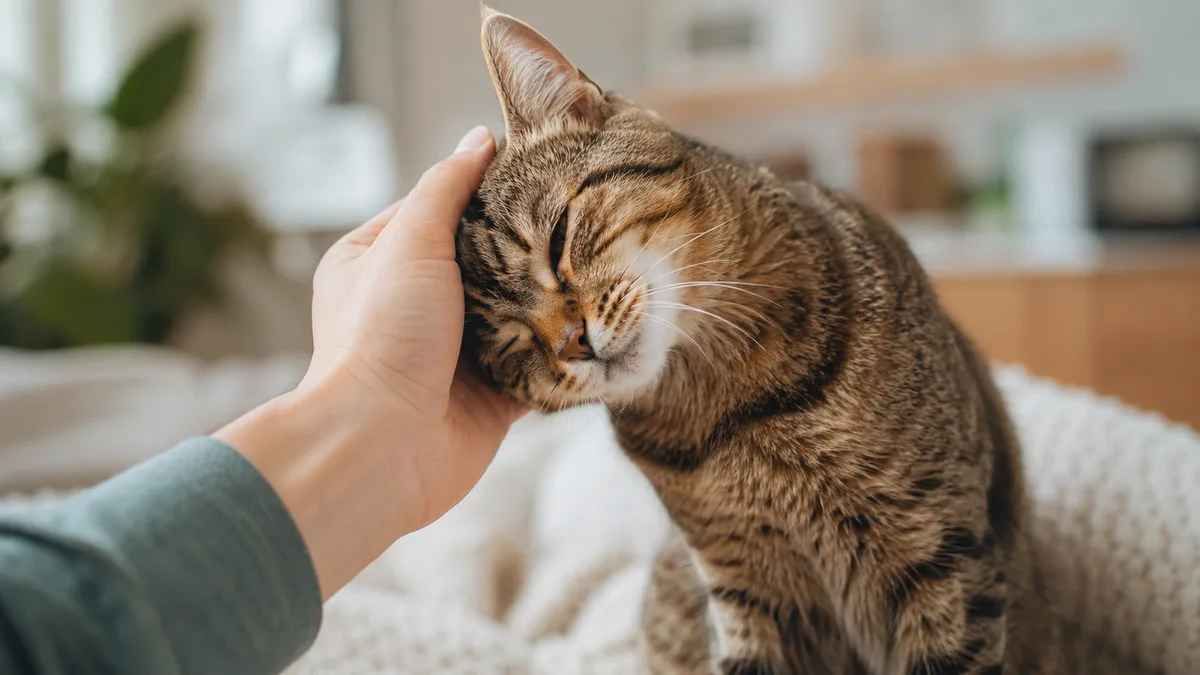
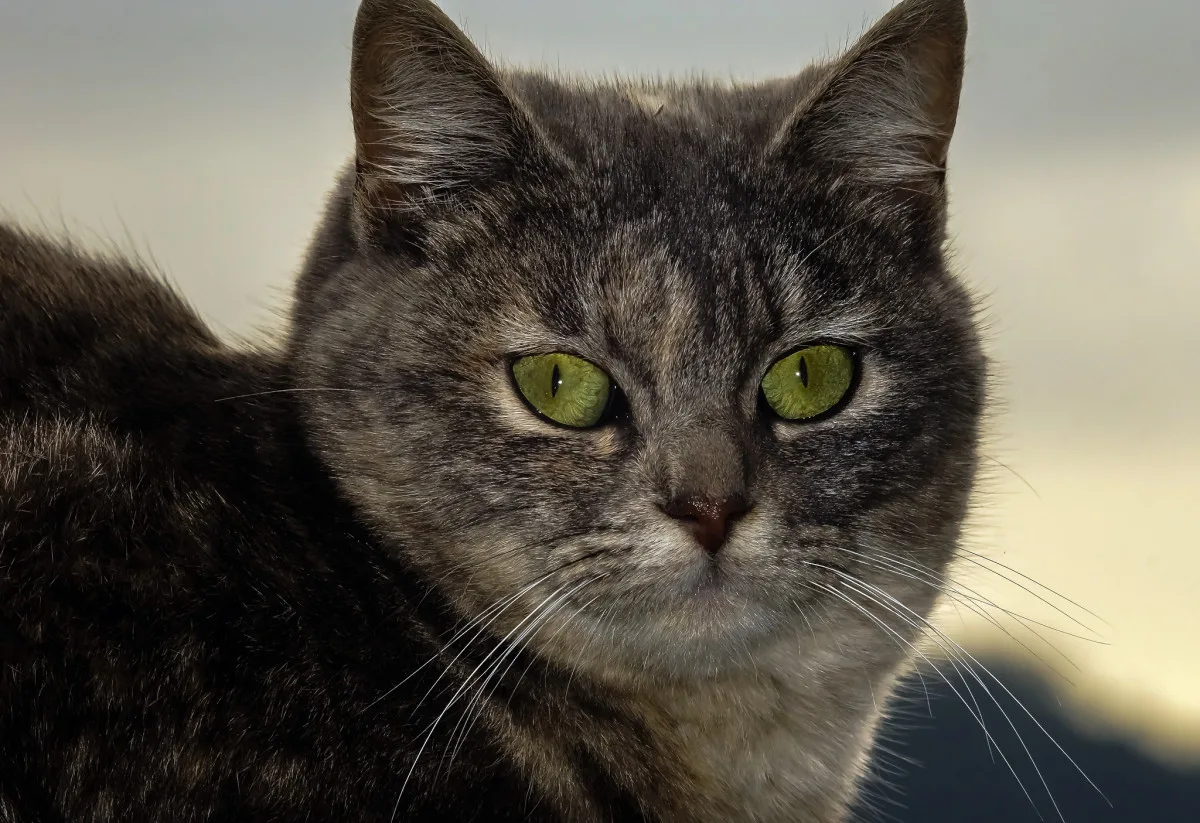
Image source: Bing (Web (fair-use with source credit))
Why This Behavior Confuses So Many Cat Owners
The confusion is understandable. Your cat is mixing two signals that seem contradictory. They pull you close with their front paws.
Then they sink their teeth into your arm. It feels like a betrayal.
Here's what makes it tricky. Cats often purr while they do this. Most of us learned that purring equals happy.
That's not always true. Cats also purr when they're stressed, overstimulated, or even in pain. So a purring cat biting your arm doesn't mean they hate you.
It also doesn't mean everything is fine.
Why Does a Purring Cat Suddenly Bite?
The short answer is that purring doesn't always mean contentment. Research from the Cornell Feline Health Center shows cats purr in a range of emotional states. A cat purring while hugging your arm might be self-soothing.
They're telling you they've had enough. The bite is their way of saying "stop."
This mixed message is why so many owners miss the warning signs. You see a happy cat and keep petting. The cat sees you ignoring their escalating signals.
A bite becomes the only way to get your attention. As of 2026, veterinary behaviorists agree that understanding this purring paradox is the single most important step in preventing future bites.
The Real Reason Your Cat Holds Your Arm and Bites
There are three main drivers behind this behavior. Every cat is different, but almost all of them fall into one of these categories. Here's a quick breakdown.
| Reason | What It Looks Like | Body Language Cues |
|---|---|---|
| Play hunting | Wraps paws around arm, bites and kicks with back feet | Dilated pupils, ears forward, tail swishing |
| Overstimulation | Hugs arm during petting, bites suddenly | Tail twitching, skin rippling, ears pinned back |
| Love bite / affection | Gentle mouthing, holds arm lightly | Relaxed ears, slow blinks, purring, no tail movement |
Play hunting is most common in kittens and young cats under two years old. Your arm looks like prey. The hug-and-bite sequence mirrors how cats catch mice.
They grab with front paws, bite the neck, and kick with back feet. It's not malicious. It's instinct.
Overstimulation is the most common reason in adult cats. Your cat enjoys the petting at first. Then something flips.
The sensory input becomes too much. But instead of walking away, they hold your arm there and bite. It's a "stop now" signal that didn't come out gently.
Love bites are different. These are gentle, controlled nips that don't break skin. The cat holds your arm softly.
They may knead you with their paws. This is your cat treating you like another cat. In feline social grooming, gentle nibbling is a bonding behavior.
Read Your Cat's Signals: The Decision Tree
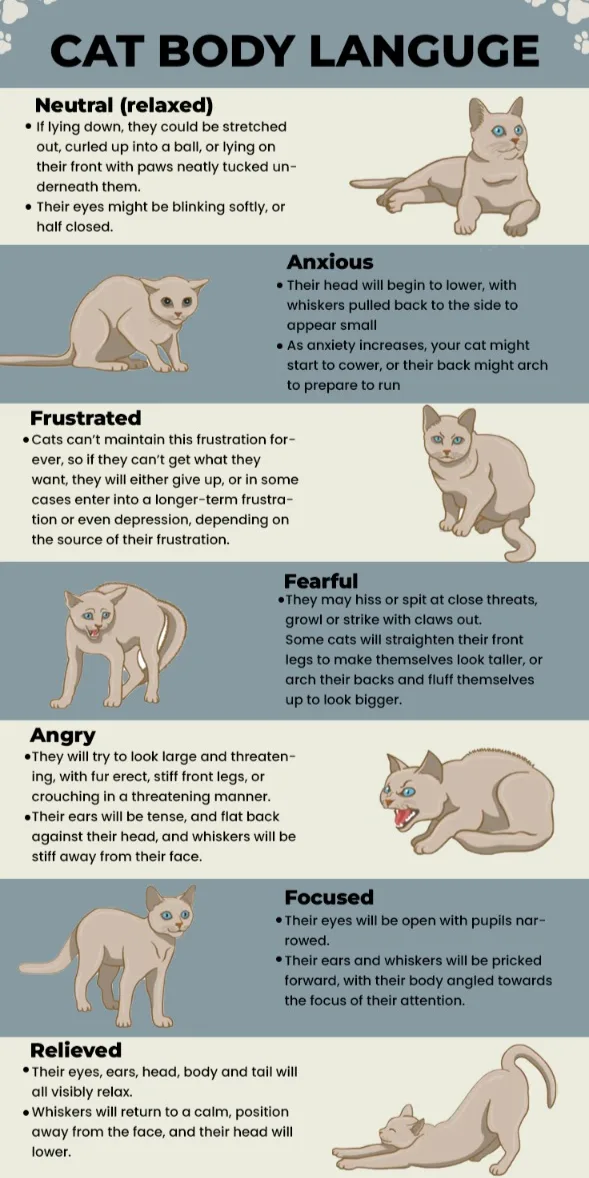
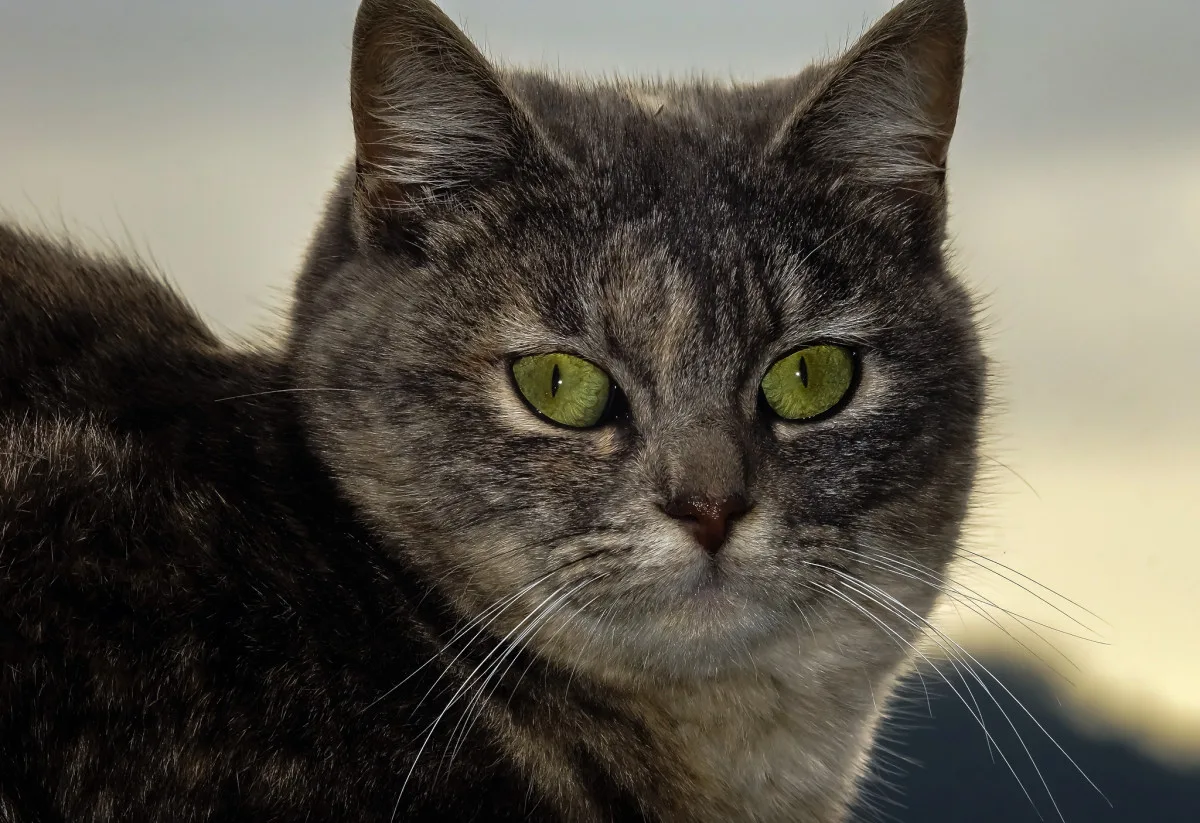
Image source: Web (Bing) / pinterest.com (Web image (fair-use with source credit))
This is where we turn confusion into clarity. Use this decision tree the next time your cat wraps around your arm. Start at the top and work your way down.
Step 1: Check the bite intensity.
- If the bite is gentle with no pressure -> go to Step 2.
- If the bite is hard or breaks skin -> go to Step 3.
Step 2: Look for purring and relaxed body language.
- Cat is purring, ears forward, eyes half-closed -> this is likely a love bite. Stay still. Let go gently. Do not pull away.
- Cat is purring BUT tail is twitching or skin is rippling -> this is overstimulation. Stop petting immediately. Move your hand away slowly.
Step 3: Observe the eyes and tail.
- Dilated pupils, ears forward, tail lashing -> this is play hunting. Redirect to a toy. Do not use your hands as play objects.
- Flattened ears, growling, puffed tail -> this is aggression or fear. Remove your arm slowly. Give the cat space. Do not punish.
Step 4: Consider the timing.
- Happens during petting -> likely overstimulation.
- Happens when you are walking by or sitting still -> likely play hunting.
- Happens during quiet bonding time (grooming, napping together) -> likely a love bite.
This decision tree works for most cats. Keep a mental note of which branch your cat takes most often. That pattern tells you what they are actually communicating.
What to Do in Each Situation
Your response matters more than the bite itself. React the wrong way and you reinforce the behavior. React the right way and the biting decreases over time.
For overstimulation bites:
- Stop petting immediately. Do not yank your arm away. A sharp motion can trigger a chase instinct.
- Let your arm go slack. The cat will likely release on their own.
- Stand up and walk away. This teaches your cat that biting ends the interaction.
- Count how long you pet before the bite happens. Next time, stop 10 to 15 seconds earlier.
For play hunting bites:
- Keep a wand toy or kicker toy nearby. When your cat grabs your arm, offer the toy instead.
- Never use your hands or feet as play objects. This teaches your cat that body parts are not toys.
- End play sessions before your cat gets overexcited. Look for panting, dilated pupils, or tail lashing.
- Provide at least two 10-minute play sessions daily. A tired cat hunts toys, not arms.
For love bites:
- Stay still. Let the cat release your arm naturally.
- Do not punish or push the cat away. This can confuse them and damage trust.
- Gently redirect to a soft surface like a blanket if the nibbling continues.
- Enjoy it. A gentle love bite is a compliment in cat language.
The consistent message across all three scenarios is this: never punish your cat for biting. Punishment creates fear and makes future bites harder to predict. Focus on prevention and redirection instead.
What Owners Get Wrong (And Why It Makes Things Worse)
Most owners make the same mistakes. Knowing them ahead of time saves you from reinforcing the wrong behavior.
Mistake 1: Pulling your arm away fast.
A sharp withdrawal mimics prey escaping. Your cat's hunting instincts kick in and they bite harder. Instead, go limp.
Stop all movement. The cat loses interest and releases.
Mistake 2: Punishing the cat.
Yelling, scruffing, or pushing your cat off teaches fear, not trust. The next bite will come with less warning. The cat learns to associate your hands with danger, not safety.
According to the ASPCA, punishment-based training in cats leads to increased anxiety and aggression over time.
Mistake 3: Ignoring early warning signs.
The bite never comes out of nowhere. Your cat gave you signals. Twitching tail.
Skin rippling across the back. Ear rotation. You missed them because you were focused on the purring.
The solution is watching the whole cat, not just listening to the motor.
Mistake 4: Using hands as toys.
If you roughhouse with your cat using your hands, you are teaching them that arms are play objects. This is the fastest route to a habit that is hard to break. Always use a wand toy or a stuffed kicker.
Your hands should only mean petting and treats.
Mistake 5: Assuming it is always love.
Love bites exist, but they are the least common explanation. If your cat is biting with pressure or frequency, assume overstimulation or play hunting first. Rule out the problem behaviors before you call it affection.
Your arm will thank you.
Real-Life Examples: Love Bite vs. Overstimulation vs. Play Hunting
Let's put the decision tree into action with three real scenarios. See which one sounds most like your cat.
Scenario A: The nap-time nibbler.
Your cat curls up on your chest. They knead your arm and purr loudly. They gently mouth your forearm without breaking skin.
Their ears are forward. Their eyes are half closed. Their tail is still.
This is a classic love bite. Stay still. Enjoy the moment.
This cat is bonded to you.
Scenario B: The petting trap.
You are stroking your cat's back. They lean into your hand and purr. After about 45 seconds, their tail starts twitching.
You keep petting. The skin on their back ripples. Suddenly they grab your arm and bite hard enough to hurt.
This is overstimulation. You missed the tail twitch. Next time stop at 30 seconds.
Let the cat initiate contact again.
Scenario C: The ankle ambush.
You walk through the living room. Your cat springs out, wraps around your leg, and bites your calf. They bunny kick with their back feet.
This is not about your leg. This is a cat who needs more play. A tired cat does not ambush body parts.
Schedule two active play sessions per day and keep a kicker toy by the couch.
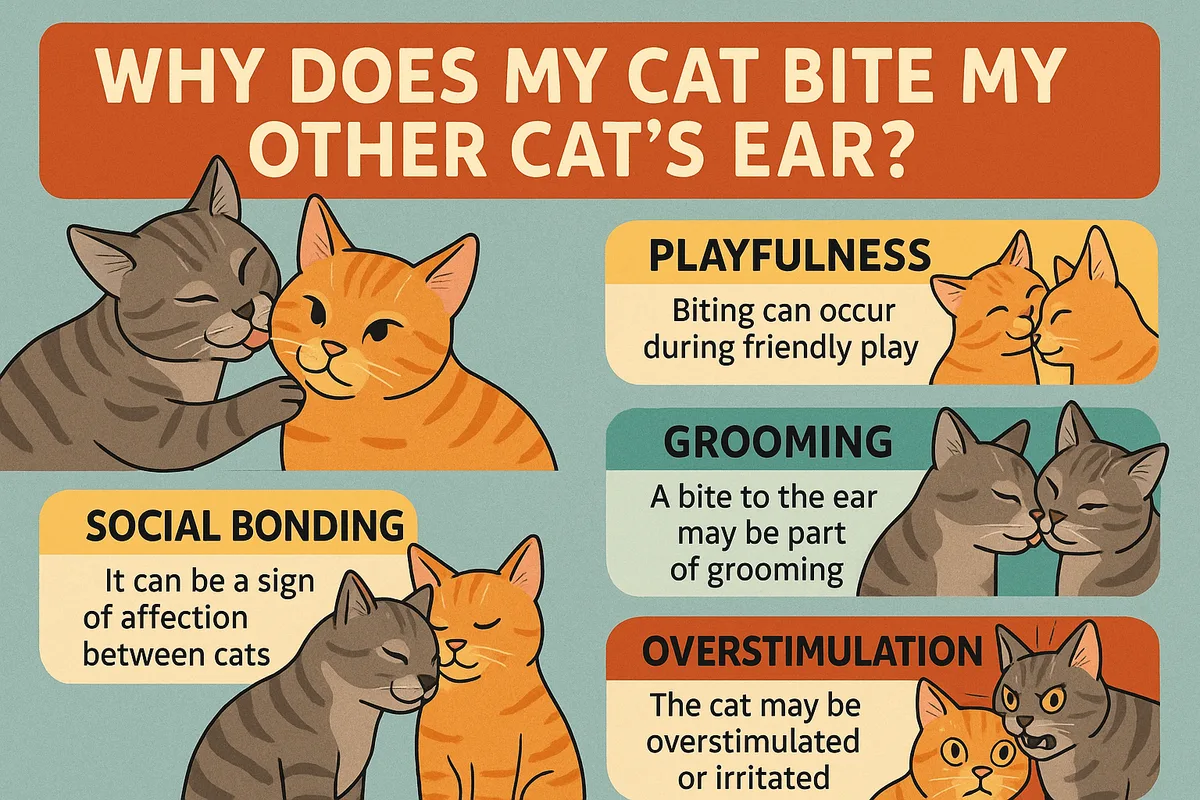
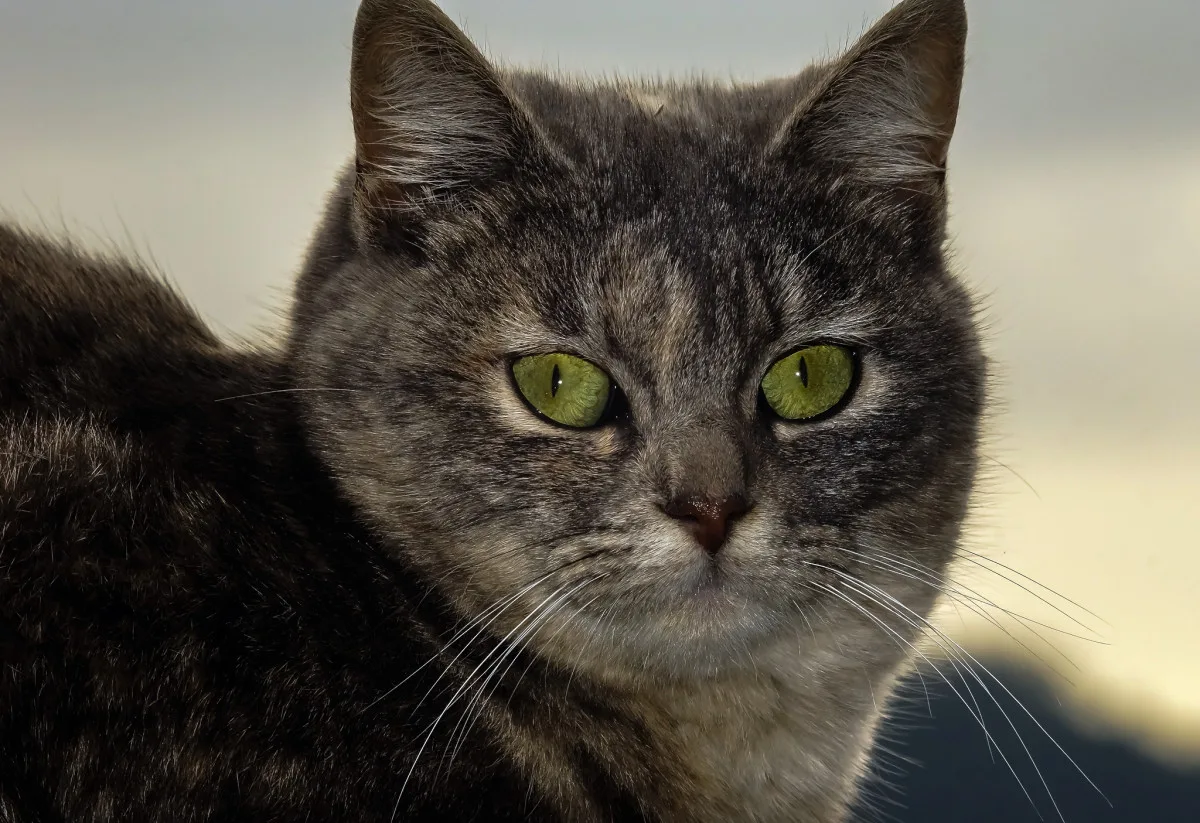
Image source: Bing (Web (fair-use with source credit))
The difference in each scenario comes down to body language and timing. Use the decision tree from earlier. Match your cat's behavior to the closest pattern.
Adjust your response accordingly.
Frequently Asked Questions
Why does my cat hug my arm and bite me gently?
Gentle biting while hugging usually means affection. Your cat is treating you like a fellow cat. This is called a "love bite." They are not trying to hurt you.
Stay still and let them release naturally.
Why does my cat bite me when I stop petting?
Your cat may be asking for more. Some cats learn that a gentle nibble extends petting time. This is a request, not aggression.
Resume petting if the cat relaxes. Stop again if the bite turns hard.
Why does my cat grab my arm and bunny kick?
Bunny kicking with a bite is pure hunting instinct. Cats catch prey with their front paws and kick with their back legs. Your arm is acting as a stand-in for a mouse.
Redirect to a stuffed kicker toy immediately.
Is it normal for my cat to bite me while purring?
Yes, but it depends on the context. Purring can mean contentment, but it can also mean overstimulation or self-soothing. Watch the tail and ears.
If the tail is still, it is likely a love bite. If the tail is twitching, stop petting.
How can I stop my cat from biting my arm?
Identify the trigger first. Use the decision tree to figure out if it's play, overstimulation, or affection. Then respond accordingly.
Redirect play bites to toys. Stop petting before overstimulation sets in. Stay still for love bites.
Never punish.
When should I worry about my cat's biting?
Worry if the biting is sudden, frequent, or breaking skin. Worry if your cat shows other behavior changes like hiding, hissing, or not eating. These could signal pain or illness.
A vet check is a good idea for any sudden aggression shift.

Similar Posts