Why Your Cat Attacks Your Hair (& How to Stop It)
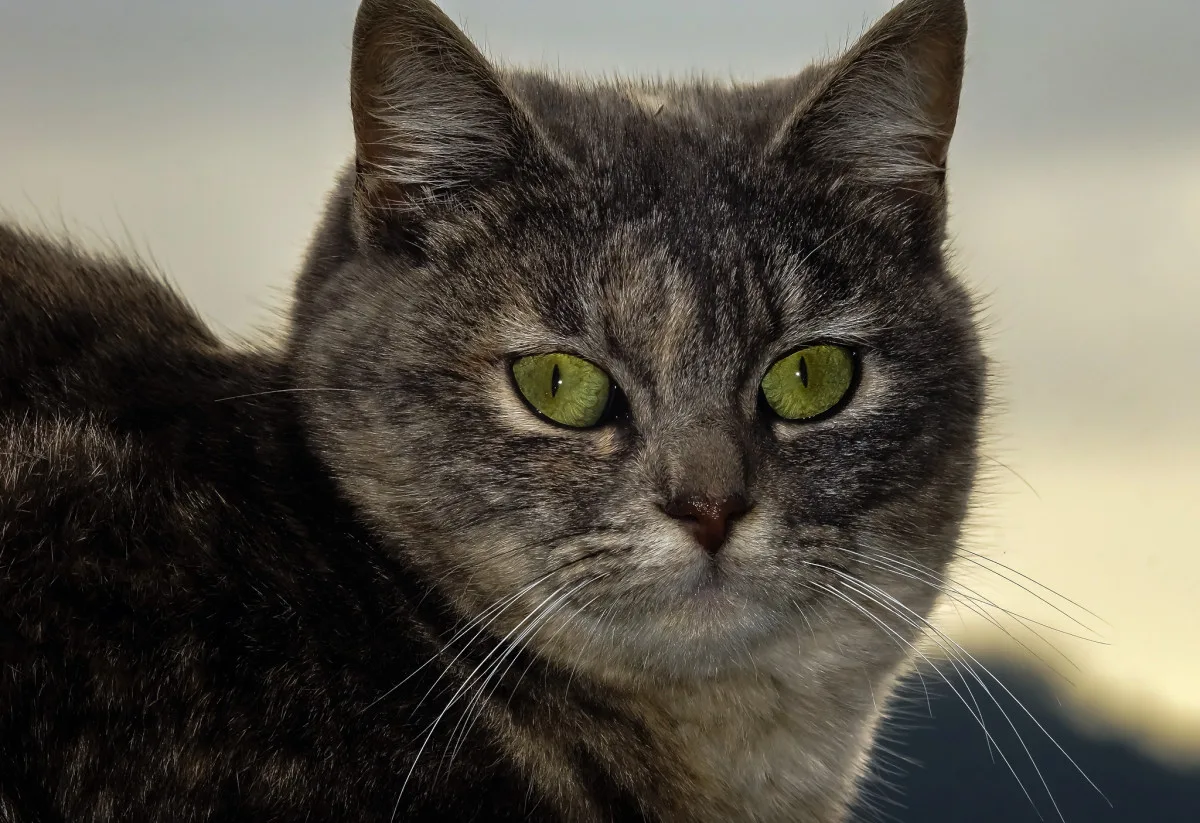
You're lying in bed, half asleep, when your cat lunges at your head and starts gnawing on your hair like it's a chew toy. It's confusing, a little painful, and honestly a bit weird. If you've ever wondered "why does my cat attack my hair", you're not alone.
This is one of the most common questions feline behavior experts hear, and the answer isn't always what owners expect.
Our research into feline behavior patterns and veterinary resources shows that hair attacks stem from three main drivers: play aggression, grooming instincts, and prey drive. As of 2026, animal behaviorists classify this as a normal but often misinterpreted behavior that affects roughly 1 in 3 cat owners. The good news?
Once you understand which trigger is at play, you can stop it for good. Let's walk through exactly how to figure out what your cat is telling you.
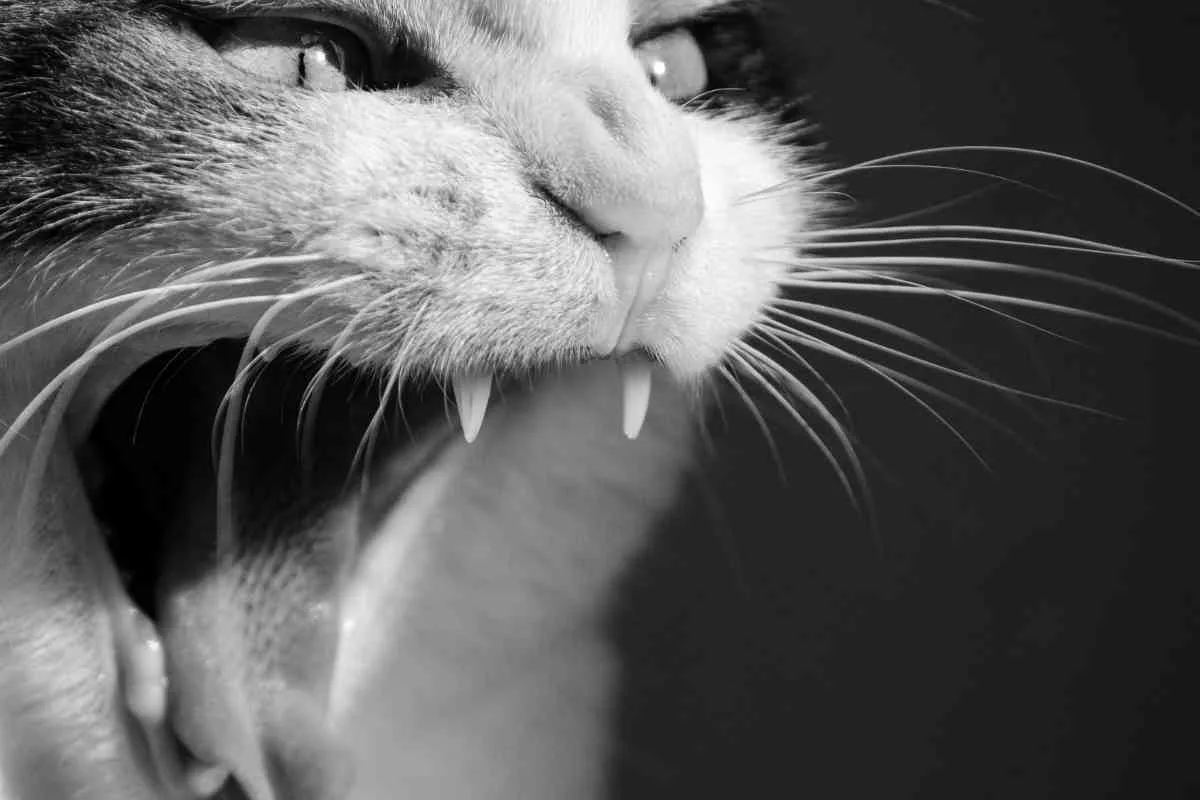
Image source: Web (Bing) / pxhere.com (Web image (fair-use with source credit))
Quick Answer
Your cat attacks your hair because it triggers a hunting or grooming instinct. Moving hair looks like prey. Scented hair smells interesting.
Wet hair feels different to bite. Your cat isn't being mean. It's acting on instinct.
The fix depends on which trigger is active. Observe the timing and body language to find your answer.
The "Play, Prey, or Affection" Decision Tree
Here's the thing about cat behavior. It's rarely random. When your cat goes after your hair, there's a specific reason driving that moment.
Your job is to become a detective and figure out which branch of this tree you're standing on.
Branch 1: Are You Moving or Sitting Still?
This is your first and most important clue. If your cat attacks your hair while you're walking around, swinging a ponytail, or tossing your head back, you're looking at prey drive. Cats are wired to chase things that move erratically.
Your hair becomes a moving target. It flicks, sways, and dangles. That's basically a feather toy attached to your head.
If your cat attacks while you're sitting still, reading a book, or lying down, you're likely dealing with grooming behavior or affection. Cats groom each other as a social bond. Your hair is just a really long, weird patch of fur that needs "cleaning." The bite usually follows a few licks.
It's their way of saying "I'm taking care of you," even if it doesn't feel that way.
If your cat attacks while you're sleeping, that's often a different trigger. Midnight hair ambushes usually mean your cat is bored and under-stimulated. They've saved up energy all day, and your sleeping head is the most interesting thing in the room at 3 AM.
Branch 2: Is Your Hair Wet, Scented, or Freshly Washed?
This branch is all about smell. Cats experience the world through their nose first. If you just stepped out of the shower, your hair carries the scent of your shampoo, conditioner, and any products you use.
Some of those scents smell like food or plants to a cat. Others smell unfamiliar, which triggers investigation.
Wet hair also behaves differently. It's heavier, colder, and changes texture. Some cats are confused by the shift from dry to wet.
They might bite to test what's going on. If your cat only attacks after you shower, you've got a scent-driven trigger.
Hair dye and bleach are another common cause. The chemical smell is strong and unusual. Your cat doesn't recognize the scent on you, and that can trigger a mix of curiosity and mild anxiety.
They're trying to figure out if you're still you.
Branch 3: What Does the Body Language Say?
Before the attack happens, your cat gives you signals. You just need to read them. Ears pinned back and a twitching tail mean you're looking at play aggression.
The cat is in hunting mode. Dilated pupils and a low crouch mean prey drive is active. A relaxed cat that slowly approaches, licks your hair, then bites is showing grooming behavior.
The bite is usually gentle and doesn't break skin.
If the attack comes with hissing or growling, something else is going on. That could be redirected aggression or pain. Your cat might be upset about something else entirely and you're just the closest target.
Or they might have a medical issue making them irritable.
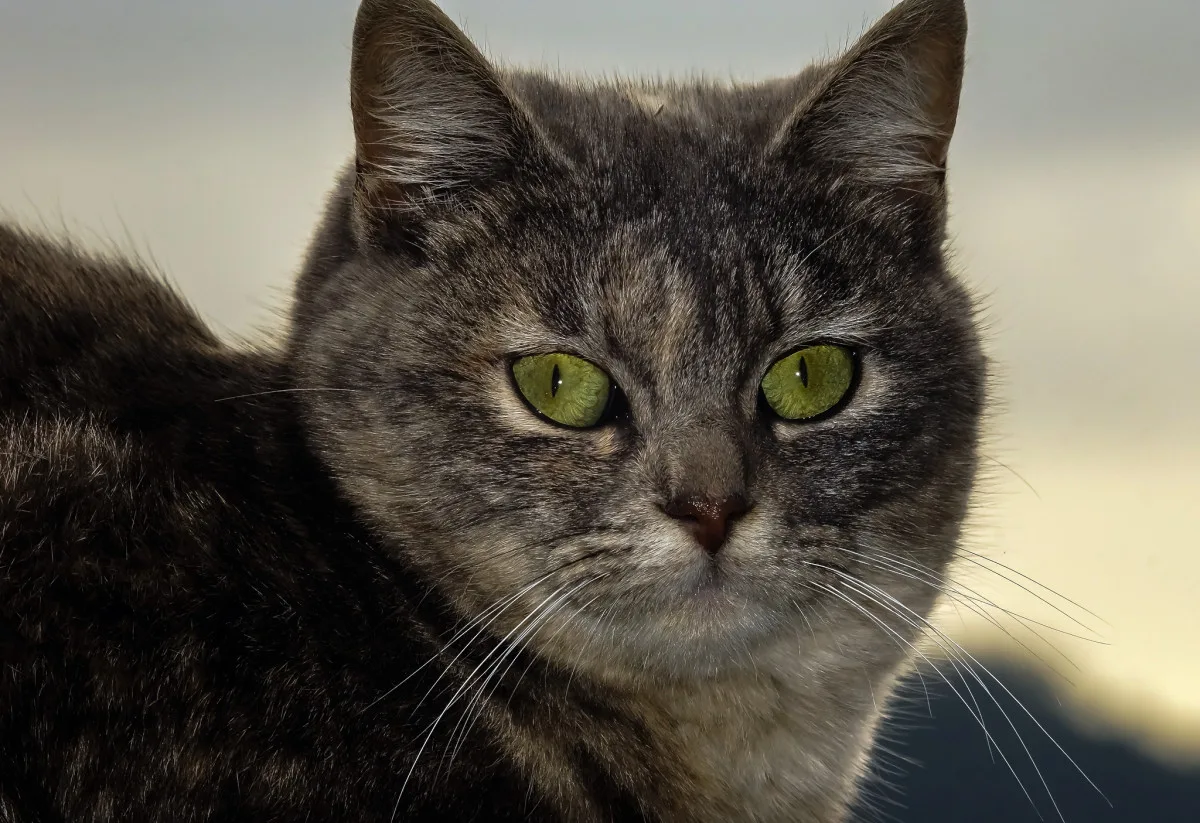
Image source: Web (Bing) / pixabay.com (Web image (fair-use with source credit))
Here's a quick reference table to match body language to trigger:
| Body Language Clue | Likely Trigger | What to Watch For |
|---|---|---|
| Tail twitching, ears forward | Play aggression | Ambush style, pouncing |
| Dilated pupils, low crouch | Prey drive | Stalking, sudden lunge |
| Slow blink, purring, licking | Grooming / affection | Gentle nibble after licks |
| Hissing, flattened ears | Fear or pain | Avoid handling, check with vet |
What to Do the Second It Happens (Your Exact Next Steps)
The moment your cat's teeth hit your hair, you have a narrow window to respond correctly. What you do in those first few seconds determines whether the behavior gets reinforced or fades away.
Step one: do not yank your head away. That triggers the chase instinct even harder. Your sudden movement makes your hair look like prey that's trying to escape.
You'll get a tighter bite and a more excited cat.
Step two: freeze. Go completely still. If your cat is in play or prey mode, stillness makes you boring.
The movement is what they're after. Hold still for five to ten seconds. Most cats will let go and look confused.
Step three: redirect immediately. Have a wand toy or a crinkle ball within arm's reach. As soon as you're free, offer the toy and engage your cat with that instead.
You're teaching them "hair is boring, this toy is fun." This works because cats have a short attention span. If you replace the target fast enough, they'll forget about your hair.
Step four: remove yourself calmly. If your cat keeps coming back for your hair, stand up and walk away. Leave the room for a minute.
No eye contact, no talking, no scolding. Cats don't understand punishment, but they do understand "when I bite hair, the human leaves." That's a negative consequence they can learn from.
What not to do: don't yell, don't push your cat off, and never flick your hair at them as a game. That last one is a huge mistake people make. You think you're playing.
Your cat thinks you've invented the best hunting game ever. You're training them to attack your hair on purpose.
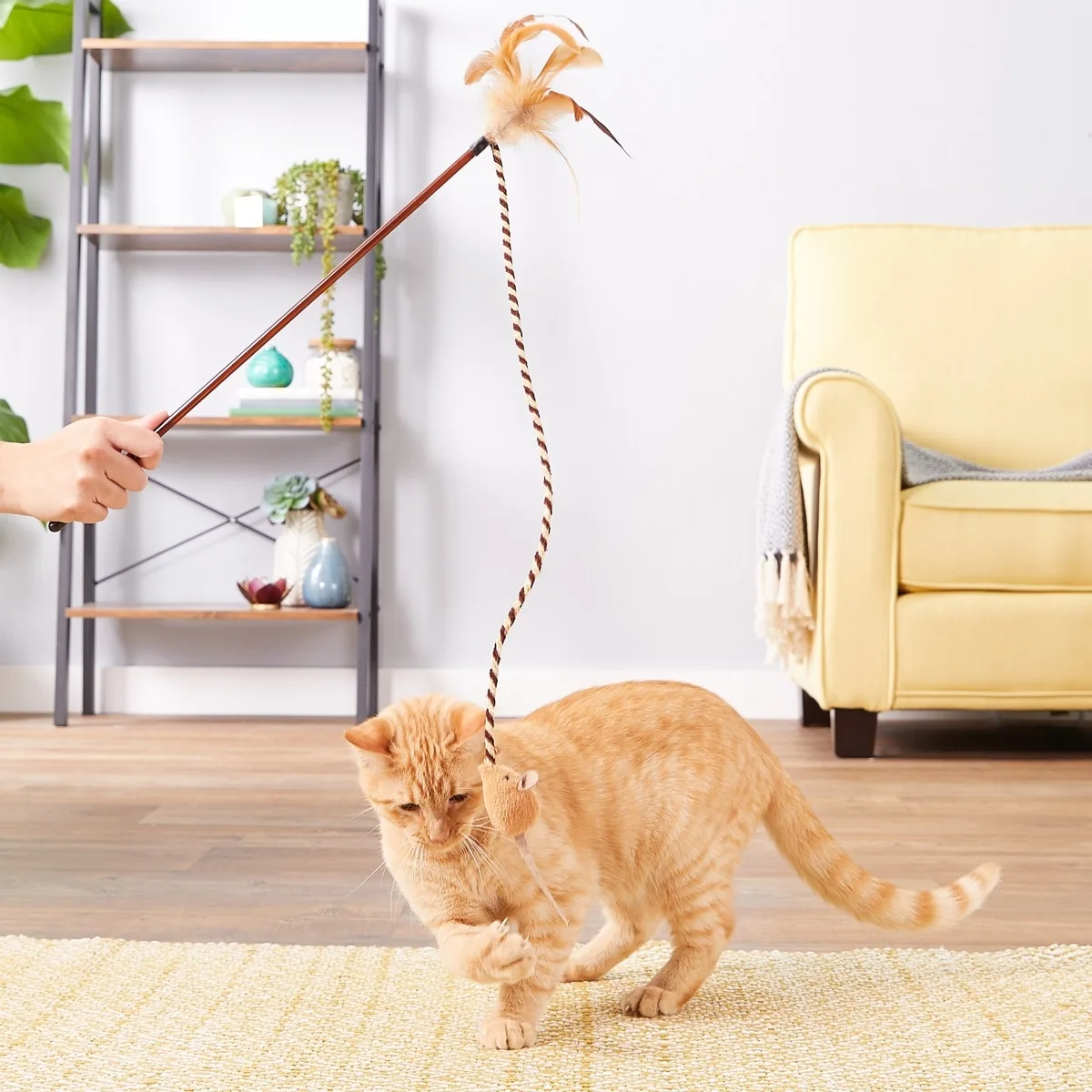
Image source: Bing (Web (fair-use with source credit))
The Long-Term Fix: Play, Routine, and Enrichment
You can stop individual attacks with the steps above. But if you want the behavior to go away entirely, you need to address the root cause. Most hair attacks happen because your cat has unmet needs.
Schedule two dedicated play sessions per day. Each session should last ten to fifteen minutes. Use wand toys that mimic prey movements.
Fast, erratic, fleeing motions. Let your cat catch the toy at the end of each session. That satisfaction of the "kill" is crucial.
Without it, the frustration builds and gets redirected to your hair.
Rotate toys weekly. Cats get bored with the same five toys sitting in a basket. Keep three toys out, swap them every week, and reintroduce old ones as if they're brand new.
A bored cat is a hair-attacking cat.
Add vertical space. Cat trees, wall shelves, and window perches give your cat a place to observe from above. This satisfies their need to patrol territory and reduces the urge to ambush you at head level.
Use puzzle feeders for at least one meal a day. Cats evolved to work for their food. A bowl of kibble is boring.
A puzzle feeder engages their brain and burns mental energy. A tired cat is a well-behaved cat.
If your cat attacks your hair specifically at night, move dinner time later. Feed your cat right before your bedtime. A full stomach triggers sleepiness.
Combine that with a vigorous play session an hour before bed, and your cat will be too tired to bother with your hair at 3 AM.
When "Hair Attacks" Signal a Health Problem
Most hair attacks are behavioral. But there are times when you need to look deeper. Sudden changes in behavior always deserve attention.
If your cat has never attacked your hair before and suddenly starts, that's a red flag. Medical issues can cause irritability, anxiety, and unusual aggression. Hyperthyroidism is a common culprit in older cats.
It causes restlessness, increased vocalization, and sometimes aggressive outbursts. Dental pain is another possibility. A cat with a sore tooth might bite down on anything near their face, including your hair.
Feline hyperesthesia syndrome is less common but worth knowing about. Cats with this condition have extremely sensitive skin, especially along their back. They may twitch, bite at themselves, or lash out when touched.
If your cat seems to attack your hair only when you pet them near the base of their tail, this could be the issue.
Arthritis is often overlooked. A cat in chronic pain may be more irritable and less tolerant of handling. If your hair attack comes when you pick them up or move them, pain could be the trigger.
The American Association of Feline Practitioners recommends a veterinary checkup for any sudden behavioral change that lasts more than a few days. If your cat's hair attacks are new, unusually aggressive, or accompanied by other symptoms like hiding, appetite changes, or litter box issues, schedule a vet visit before trying behavior fixes.
Here's when to see a vet versus when to try behavior changes at home:
| When to Try Behavior Fixes | When to See a Vet |
|---|---|
| Cat has always done this | Sudden, new behavior |
| Attacks are gentle play | Attacks break skin or draw blood |
| Cat is young and energetic | Cat is senior (7+ years old) |
| No other symptoms | Hiding, weight loss, vomiting |
| Happens during play | Happens when cat is resting |

Similar Posts