Why Do Cats Sigh? The Surprising Reason
You're not imagining things. Your cat really does sigh, and it's not random noise. Cats use sighing as a subtle form of communication, and learning to read it can tell you a lot about their mood, comfort level, and even their health.
If you've ever wondered "why do cats sigh," the short answer is that it usually means your cat is settling into a state of relaxation or expressing mild disappointment. But context matters. A sigh after a meal means something different than a sigh before a vet visit.
In this guide, we'll walk you through the exact cues to look for so you can decode your cat's behavior with confidence.
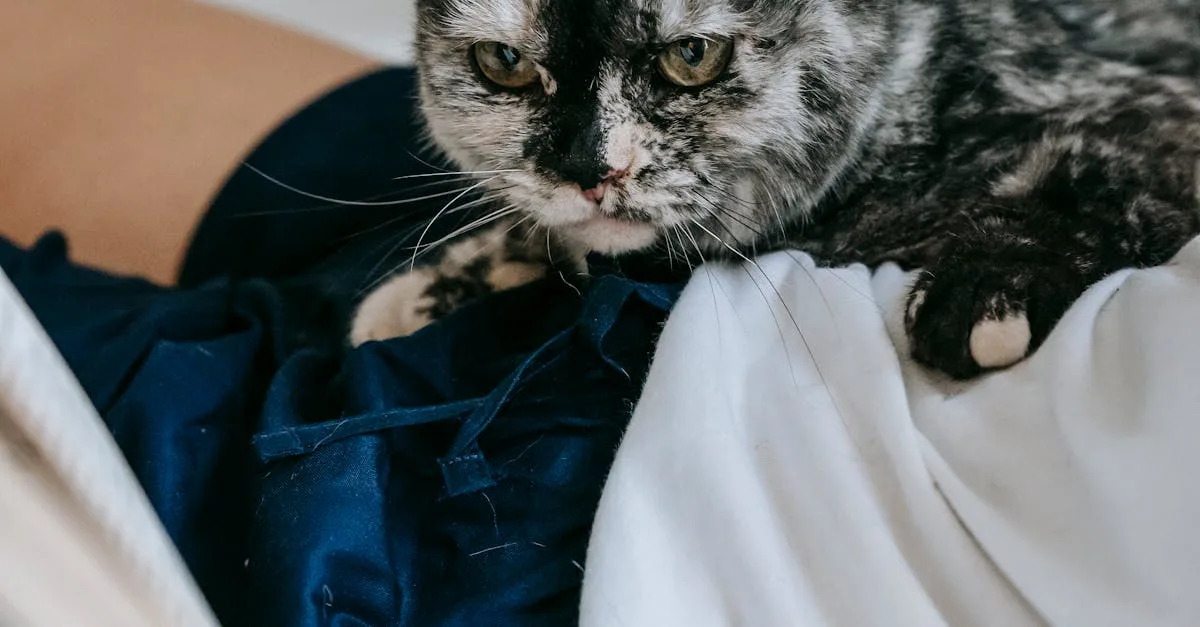
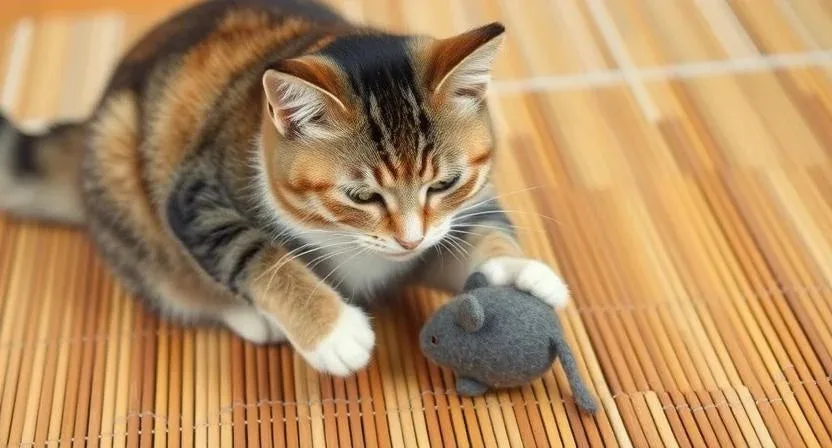
Image source: Web (Bing) / pexels.com (Web image (fair-use with source credit))
Quick Answer
Cats sigh to release tension and signal a shift in emotional state. Most often, it means your cat is relaxed and content. Sometimes it expresses mild frustration.
Rarely, it signals respiratory distress. Watch the body language and timing to know which one you're seeing.
Why Your Cat's Sigh Has You Confused
Most cat owners hear that soft puff of air and assume something's wrong. Maybe your cat sighs loudly after you stop petting them. Maybe they let out a big exhale when they flop down on the couch.
You start wondering if they're sad, annoyed, or sick.
Here's the thing: cats don't sigh the way humans do. We sigh when we're tired, frustrated, or relieved. Cats sigh for simpler reasons.
The sound comes from a slow, deliberate exhalation through the nose or mouth. It's not a vocalization like a meow or a hiss. It's a breath pattern.
In our research across veterinary behavior resources, including guidance from the Cornell Feline Health Center, the consensus is clear. A sigh is usually a sign of a cat settling into a state of physical and mental ease. Think of it as the feline equivalent of letting out a long breath after a busy day.
The confusion happens because cats also sigh when they're mildly disappointed. Your cat might sigh when you put them down before they're ready. They might sigh when the treat bag stays closed.
They might sigh when they realize the sunny spot has moved. Sound familiar?
The key is learning to read the sigh in context. A single sigh before napping is normal and healthy. A sigh paired with a tail flick and flattened ears means something else entirely.
And a sigh that comes with labored breathing is a red flag you shouldn't ignore.
The Simple Truth About Cat Sighs
Cats sigh primarily to self-regulate. The exhale helps them lower their heart rate and settle their nervous system. It's the same mechanism humans use when we take a deep breath to calm down.
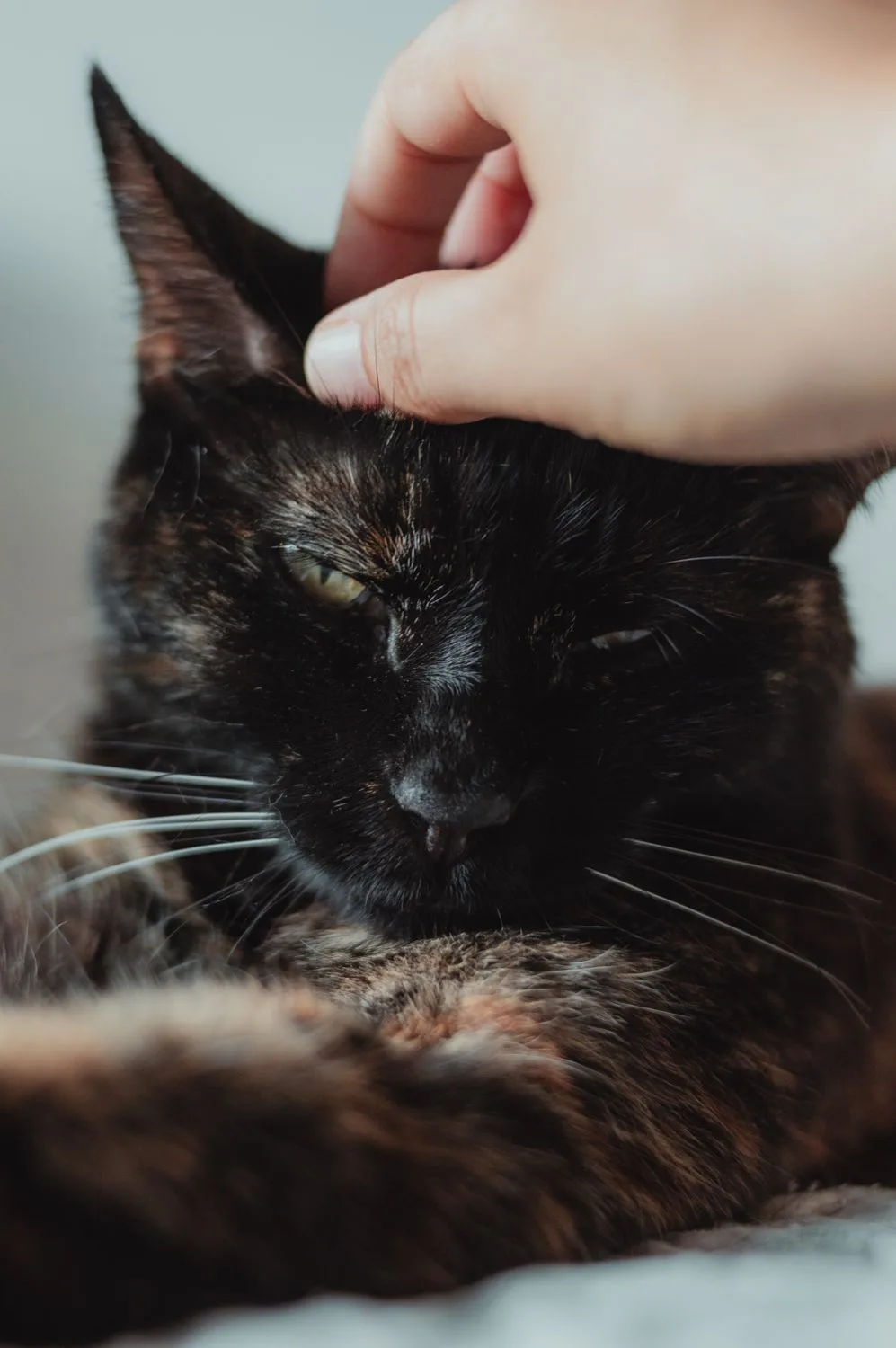
Here's what that means in practice. When your cat sighs and then closes their eyes or tucks their paws, they're telling you they feel safe. The environment is fine.
Their needs are met. They're powering down for a rest.
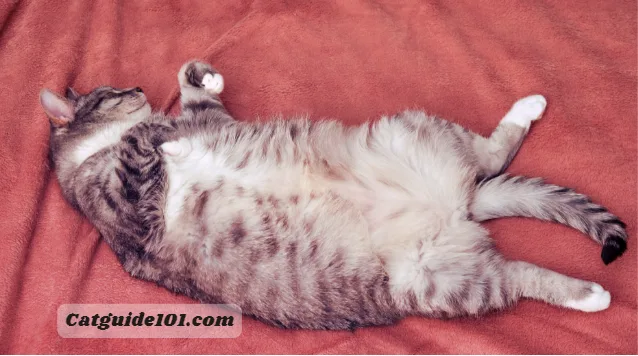
Veterinary behaviorists describe this as a natural part of the feline relaxation response. The sigh is the last step before a cat transitions into sleep. You'll often see it after a meal, after a good petting session, or when they find their favorite napping spot.
But there's a second, less common cause: frustration. Cats are creatures of routine. When that routine breaks, they express it.
A cat who expects dinner at 5 PM and doesn't get it until 5:30 might sigh. A cat who wants attention while you're working from home might sigh. It's their way of saying "well, that didn't go the way I hoped."
The third cause, and the one you should pay attention to, is respiratory discomfort. If your cat sighs repeatedly, or the sigh sounds strained, it could be a sign of an underlying issue. Conditions like feline asthma, nasal congestion, or fluid in the lungs can cause audible breathing.
This is rare, but it's worth knowing the difference.
Here's a quick breakdown of the three main causes:
| Type | Sound | Timing | What It Means |
|---|---|---|---|
| Relaxation sigh | Soft, steady exhale | Before sleeping, after eating, during petting | Content, safe, settling down |
| Frustration sigh | Slightly sharper, often with a tail flick | After being put down, denied food, interrupted play | Mild disappointment |
| Distress sigh | Repeated, labored, noisy | Any time, often with open-mouth breathing | Possible respiratory issue, vet visit needed |
As of 2026, there's no scientific consensus that cat sighs carry intentional emotional messages. But the behavioral evidence strongly suggests cats use them as a natural physiological response to changing states.
How to Decode Your Cat's Sigh: A Decision Guide
Now for the practical part. When you hear your cat sigh, run through these questions in order. Each answer narrows down the likely meaning.
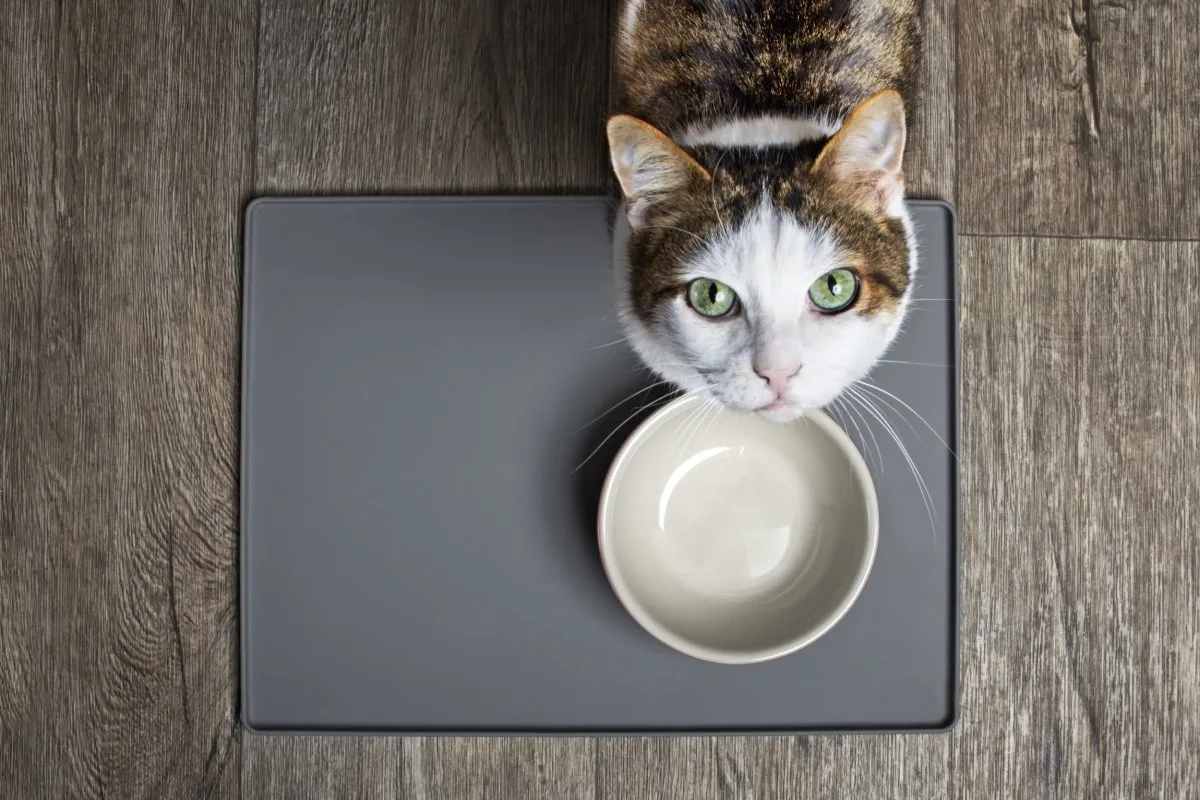
Is your cat awake or asleep?
If your cat sighs mid-sleep, that's almost always a relaxation sigh. They're dreaming, shifting positions, or just settling deeper into rest. Leave them alone.
If your cat is awake, move to the next question.
What's their body language doing?
Half-closed eyes, relaxed ears, a still tail, and loose muscles point to contentment. A stiff tail, flattened ears, dilated pupils, or a twitching tail suggest frustration or annoyance. The sigh is your clue to check the rest of the body.
What happened right before the sigh?
Trace back 30 seconds. Did you just stop petting them? Did you walk into the kitchen without feeding them?
Did another cat walk by the window? The trigger tells you whether this is contentment or mild protest.
How often are they sighing?
A single sigh here and there is normal. Five or six sighs within a few minutes, especially with no obvious trigger, warrants closer observation. Repeated sighing combined with any breathing effort is a reason to call your vet.
Is the breathing normal?
Watch their chest rise and fall. Normal cat breathing at rest is 20 to 30 breaths per minute, and it should look effortless. If you see abdominal effort, nostril flaring, or open-mouth breathing alongside the sigh, stop guessing and get veterinary help.
Step-by-Step: What to Look For Right Now
Let's walk through a real scenario. Your cat just finished eating, jumped on the couch, sighed, and curled into a ball. Here's how to confirm this is a happy sigh:
Step 1: Check the eyes. Are they half-closed or fully closing? That's a relaxation signal. Wide, staring eyes mean something else.
Step 2: Check the tail. Is it wrapped around their body or hanging loosely? Both indicate calm. A tail thumping against the couch means irritation.
Step 3: Check the ears. Relaxed ears point forward or slightly to the side. Ears pinned flat against the head signal fear or annoyance.
Step 4: Listen to the breath. It should be a single, smooth exhale. No wheezing, no rattling, no effort. If the sigh sounds forced or noisy, note it and observe.
Step 5: Count the frequency. One sigh after settling in is perfect. If you hear constant sighing for several minutes, check for other distress signals.
Step 6: Compare to their baseline. Every cat has a normal rhythm. If your cat has always sighed after meals, that's their habit. If the sighing is new, or the sound has changed, pay attention.
If everything checks out, your cat is fine. They're just comfortable and letting you know it. No action needed.
3 Mistakes That Lead to Wrong Interpretations
Mistake 1: Assuming every sigh is happiness. Relaxation is the most common cause, but it's not the only one. If you ignore the frustration sigh, you'll miss the cues that your cat is stressed. A cat who repeatedly sighs while staring at an empty food bowl isn't content.
They're telling you they're unhappy.
Mistake 2: Ignoring the frequency. A cat who sighs once is settling. A cat who sighs ten times in five minutes is struggling to calm down. That repetitive breathing pattern can indicate anxiety or physical discomfort.
Watch the pattern over a day before deciding it's normal.
Mistake 3: Confusing a sigh with a respiratory issue. Wheezing, coughing, or open-mouth breathing are not sighs. They're symptoms. If your cat is making noise with every breath, don't wait to see if it passes.
According to the American Veterinary Medical Association, labored breathing in cats is an emergency that requires prompt veterinary evaluation.
When a Sigh Needs a Vet Visit
Most sighs are harmless. Here's when they're not.
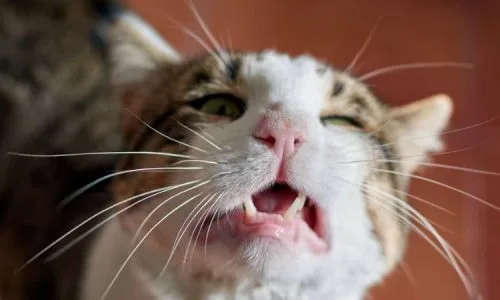
Call your vet if the sigh is accompanied by any of these signs:
- Open-mouth breathing or panting at rest
- Blue or pale gums
- Wheezing, coughing, or rattling sounds
- Flared nostrils or abdominal effort with each breath
- Lethargy, loss of appetite, or hiding
- Sighing that started suddenly after being normal for months
These symptoms could point to feline asthma, upper respiratory infection, or heart conditions. All of these require professional diagnosis. Don't attempt home treatment.
It's also worth noting the age factor. Senior cats may sigh more as they deal with arthritis or other age-related discomfort. If your older cat has changed their sighing pattern, mention it at their next checkup.
Persistent behavior changes always deserve a professional opinion.
Frequently Asked Questions
Is my cat sighing because they're annoyed with me?
Sometimes. If your cat sighs right after you stop petting them or deny them something they wanted, that's likely a mild frustration sigh. They're not angry, just disappointed.
Check for a tail flick or flattened ears to confirm.
Why does my cat sigh when they lay down?
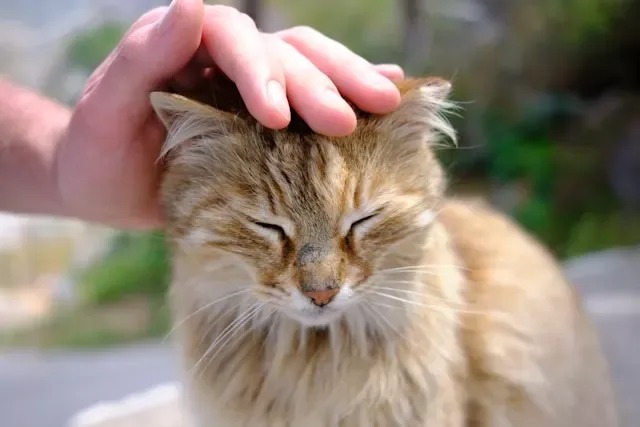
That's a relaxation sigh. Your cat is settling into a comfortable position and releasing physical tension. It's the feline equivalent of sinking into a soft couch after a long day.
Completely normal, nothing to worry about.
Do cats sigh when they're sad?
Cats don't experience sadness the way humans do. A sigh paired with a drooping posture, reduced appetite, or hiding could indicate stress or illness. But the sigh alone, without other symptoms, is not a reliable sign of emotional distress.
My cat sighs a lot. Should I be worried?
Count how many times per hour. One to three sighs per hour in a relaxed cat is normal. More than that, especially with no obvious trigger, deserves observation.
If the sighing is constant and sounds labored, contact your vet.
Can cats sigh in their sleep?
Yes. Cats sigh during sleep when they shift positions or transition between sleep stages. It's completely normal and doesn't indicate dreaming trouble.
If they're breathing easily and sleeping soundly, let them rest.
When a Sigh Needs a Vet Visit
Most sighs are harmless. Your cat is comfortable, settling in, or mildly put out about dinner being late. But there's a line where normal becomes concerning.
Watch for these red flags. If the sigh comes with open-mouth breathing at rest, that's not a sigh. That's panting, and cats shouldn't pant unless they're overheated or stressed.
A cat breathing through their mouth while sitting still needs veterinary attention.
Listen for sound. A healthy sigh is a soft exhale. It's silent or barely audible.
If you hear wheezing, rattling, or crackling on the inhale or exhale, that points to a respiratory issue. Feline asthma and upper respiratory infections both change how breathing sounds. A cat with nasal congestion might sigh more because they're working harder to move air.
Watch the effort. Look at your cat's chest and belly. Normal breathing is subtle.
The chest rises and falls without visible strain. Abdominal breathing, where the belly heaves with each breath, is a sign of distress. So is nostril flaring.
Both mean your cat is struggling to get enough oxygen.
Check the color. Lift your cat's lip and look at their gums. They should be a healthy pink.
Pale, blue, or gray gums indicate poor oxygenation. This is an emergency. Don't wait for an appointment.
Go to the nearest emergency vet.
Consider the pattern. A single sigh after settling into a nap is normal. Repeated sighing every few minutes, especially when your cat isn't sleeping, suggests something is off.
They might be anxious. They might be in pain. They might have a respiratory infection that makes each breath feel heavy.
Track the frequency for a few hours and compare it to their baseline.
Senior cats deserve extra attention. Older cats sigh more often due to arthritis discomfort, dental pain, or early organ changes. If your senior cat's sighing pattern has shifted, mention it at their next checkup.
A change in breathing behavior is worth noting even if nothing else seems wrong.
Frequently Asked Questions
Does my cat sigh when they're happy?
Yes. Most cat sighs happen when a cat is relaxed and content. The sigh is the last step before they drift off to sleep.
It's a physical release of tension. If the body language is soft and calm, you're hearing a happy cat.
What's the difference between a sigh and a wheeze?
A sigh is a slow, deliberate exhale. It's smooth and quiet. A wheeze is a high-pitched whistling sound, usually on the exhale.
Wheezing means narrowed airways. If you hear wheezing, your cat needs a vet exam to rule out asthma or infection.
Can a cat sigh because they're bored?
Cats can sigh from mild frustration or disappointment, which is close to boredom. A cat who sighs while staring at a closed door or an empty food bowl is expressing that their expectation wasn't met. It's not boredom in the human sense, but it's an expression of mild displeasure.
Why does my cat sigh after I stop petting them?
That's a classic frustration sigh. Your cat was enjoying the attention and wanted it to continue. When it stopped, they let out a short sigh to signal their mild disappointment.
It's not anger. It's closer to a quiet complaint.
Should I worry if my kitten sighs a lot?
Kittens sigh just like adult cats. They sigh when they're settling down after play or when they're full from a meal. In kittens, sighing is almost always a relaxation signal.
As long as their breathing is normal and they're active during waking hours, there's no cause for concern.
How can I tell if my cat's sigh is a stress cue?
Look at the rest of the body. A stressed cat has tense muscles, flattened ears, a twitching tail, and wide eyes. If the sigh comes with those signals, your cat is telling you they're uncomfortable.
Check the environment for triggers like loud noises, unfamiliar guests, or other animals. Remove the stressor if possible, and give your cat space to decompress.

Similar Posts