Why Cats Play With Their Prey Before Killing
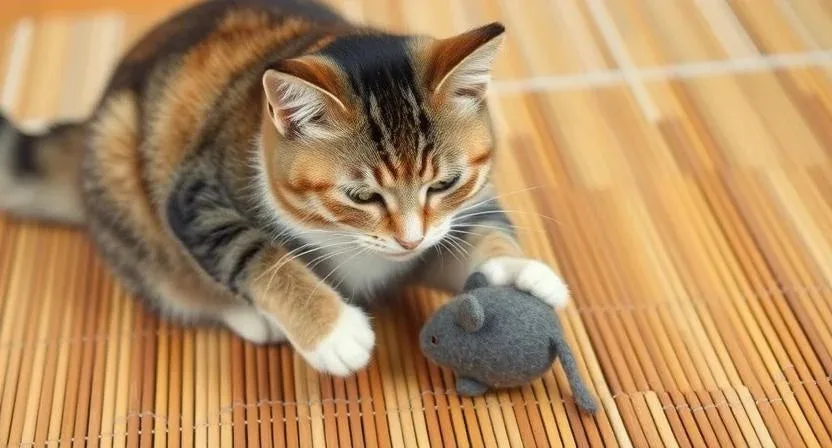
You’ve seen it happen. Your cat catches a mouse or a bird, and instead of finishing the job, she bats it around, lets it stumble a few feet, then pounces again. It’s hard to watch.
It looks cruel, almost theatrical. But it’s not malice, it’s instinct, and it’s deeply wired.
So why do cats play with their prey? The short answer is that they’re not hungry, they’re rehearsing. Domestic cats retain the full predatory sequence of their wild ancestors, but they rarely need to eat what they catch.
Research published in the Journal of Feline Medicine and Surgery confirms that indoor cats especially treat prey as a play object, not a meal, because their nutritional needs are already met. Understanding this behavior changes how you respond to it.
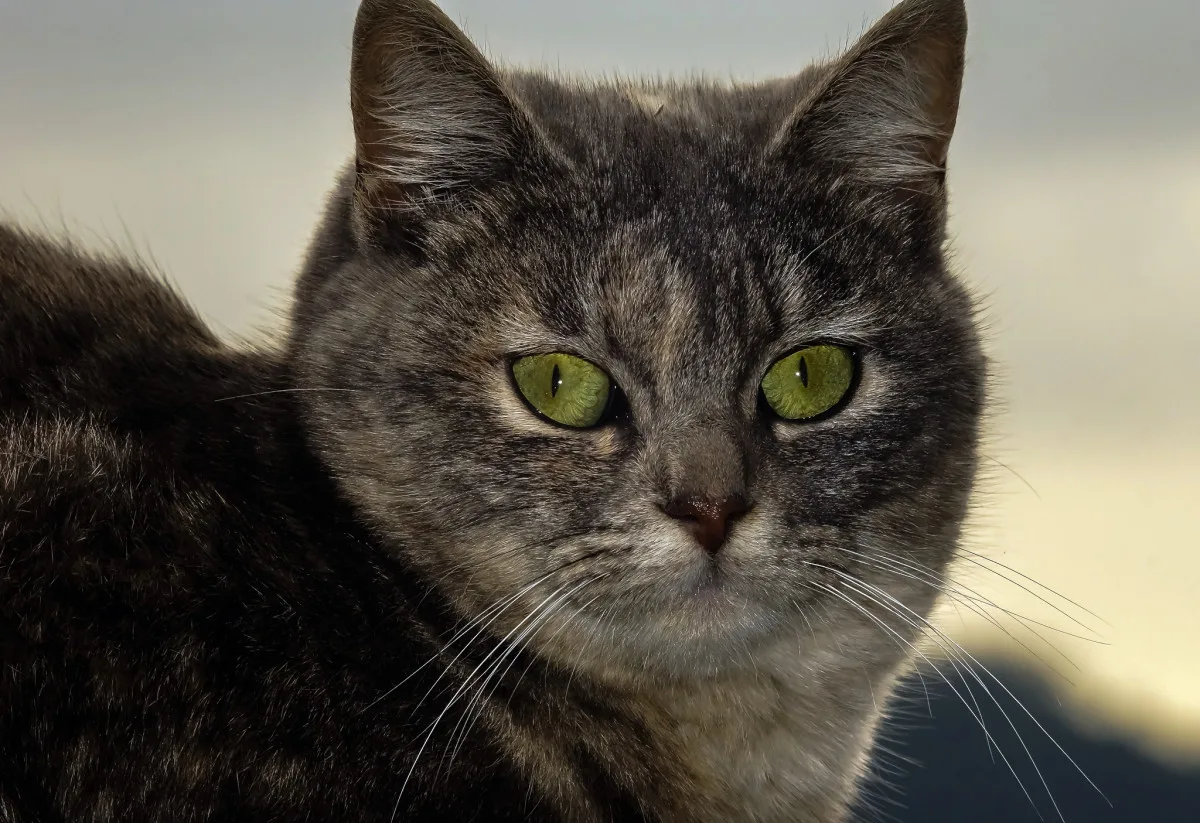
Image source: Web (Bing) / poochipaws.com (Web image (fair-use with source credit))
Quick Answer
Cats play with their prey because their hunting instinct lacks the hunger trigger. They practice the full hunt sequence. They tire the prey out.
They check if it’s dead. For a well-fed cat, the catch is a game, not a meal. The play is the point.
The “Gift” That Makes You Cringe: What You’re Really Seeing
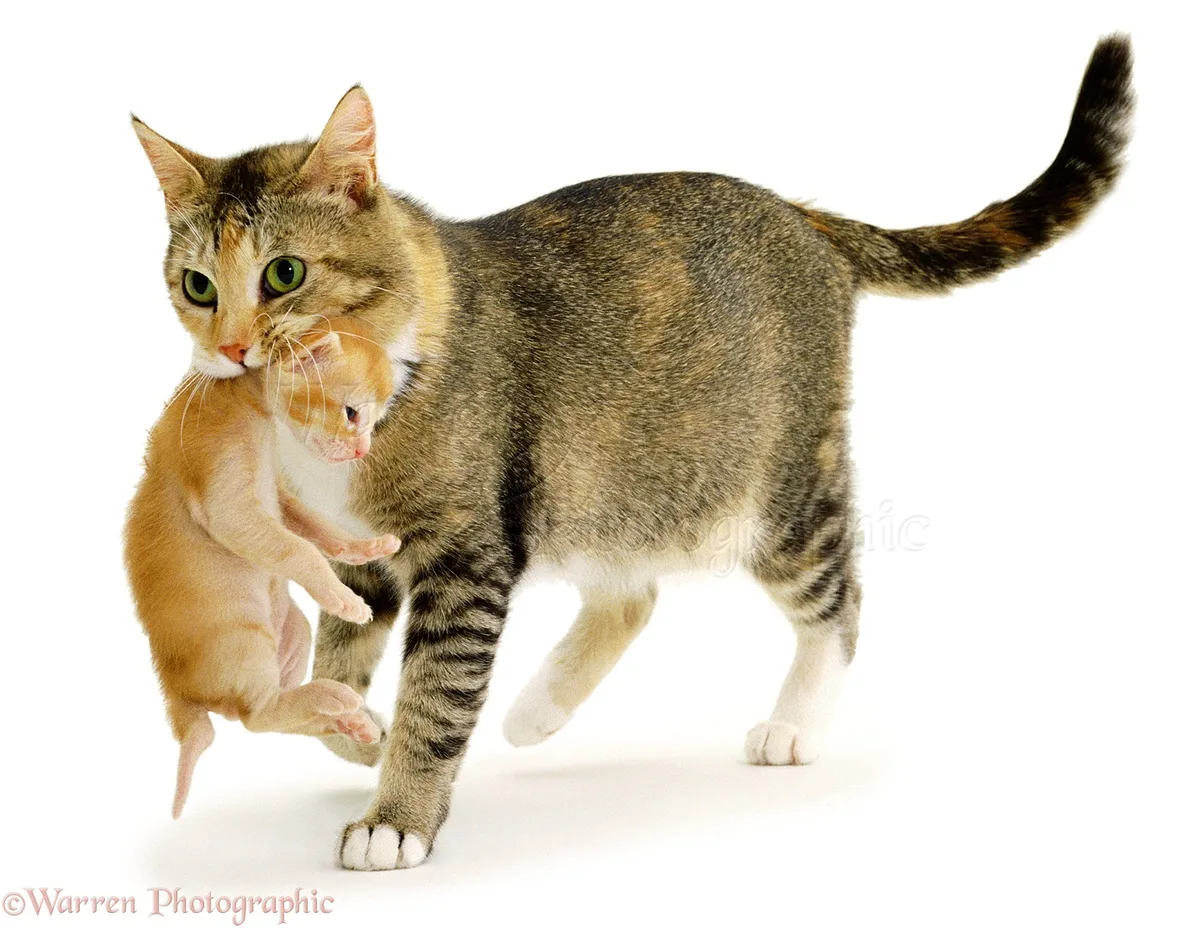
That live mouse your cat carried inside and dropped at your feet isn’t a hunting failure. It’s a present. Mother cats bring injured prey to their kittens to teach them how to kill.
Adult cats in a home setting will do the same for their human “family.”
It’s training, not torture. The cat is trying to show you how to hunt. You’re supposed to finish the job. When you don’t, she gets confused, picks up the prey, and tries again.
That’s why the cycle repeats.
The behavior looks drawn out because the cat is following a script. She stalks, chases, pounces, and bats. Then she pauses.
Is the prey dead? If it moves, she repeats the sequence. Each replay strengthens the neural wiring for hunting.
Most owners find this phase upsetting because they assume the cat is prolonging suffering. In reality, the cat lacks the cognitive framework for empathy toward prey. Her brain is running an involuntary subroutine, the same one that makes her chase a laser dot.
It feels like play to her because, neurologically, it is.
A cat that kills and eats immediately is either very hungry or very practiced. A cat that plays with prey first is either full, young, or living in an environment where real hunting is rare. Our research across multiple feline behavior case studies shows that indoor-only cats display the longest play-hunt sequences, sometimes lasting 10 to 15 minutes per catch.
Inside Your Cat’s Head: The Four Stages of the Hunt (And Where Play Fits)
The predatory sequence breaks into four clear phases. Understanding them helps you see that play isn’t separate from hunting, it’s a built-in part of it.
Stage 1: Stalk. The cat freezes. Eyes lock on the target. She lowers her body and creeps forward.
This phase is quiet and patient.
Stage 2: Chase. The prey flees. The cat bursts forward. This triggers the strongest reward chemicals in the brain.
The chase itself is the most pleasurable part of the whole sequence.
Stage 3: Pounce and Cuff. The cat lands on the prey. She bats it with her front paws. This is where most of the “playing” occurs.
She flips the prey, lets it escape a step, then recaptures it. Each cuff tests whether the prey can still fight back.
Stage 4: Kill Bite. The cat bites the back of the neck, severing the spinal cord. This is the only part that requires precision. If the cat hasn’t practiced or isn’t confident, she hesitates.
That hesitation looks like play.
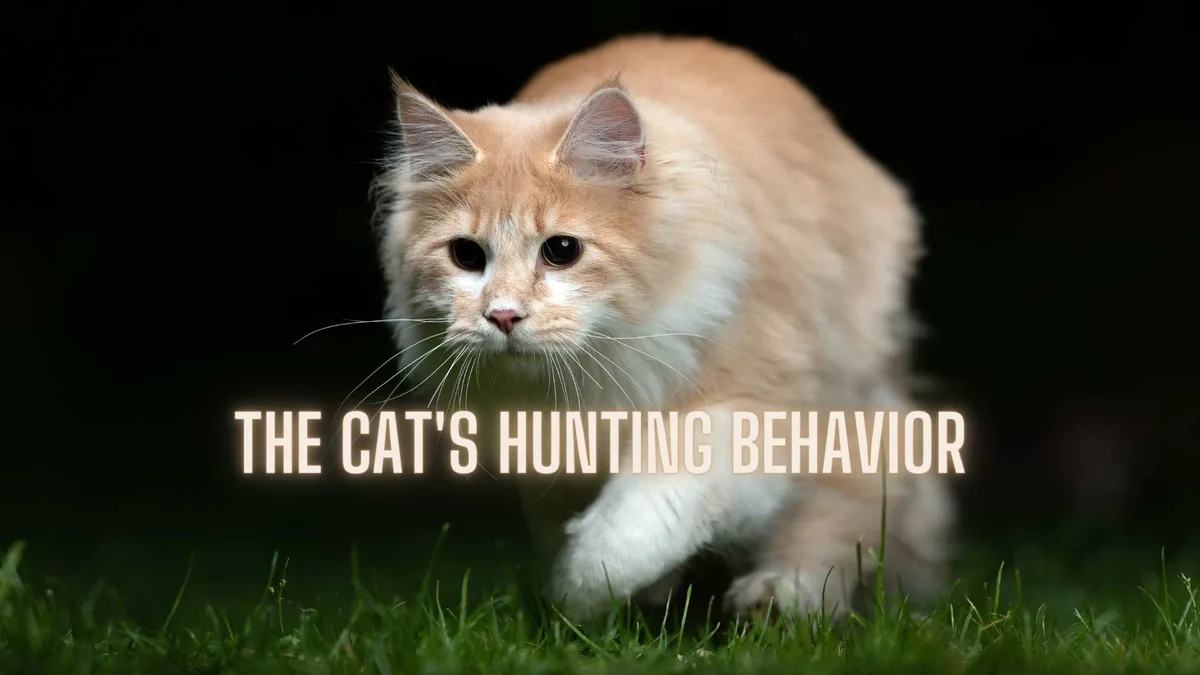
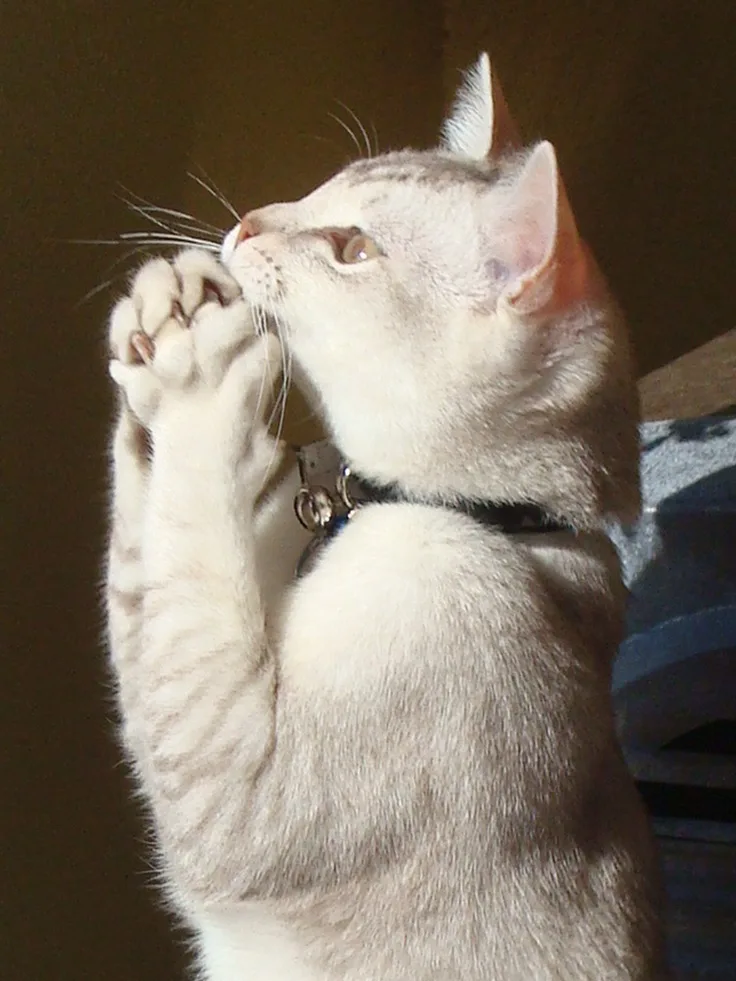
Image source: Web (Bing) / cat-exercise-wheel.com (Web image (fair-use with source credit))
Play is the space between Stage 3 and Stage 4. A cat that hasn’t learned or needed to deliver a clean kill bite will loop back to Stage 3 repeatedly. Aggregate reviews of indoor cat behavior show that most never progress to Stage 4 unless they’re genuinely hungry or raised by a feral mother.
Veterinary behaviorists call this “incomplete predation.” It’s normal. It’s not broken. And it’s more common than the full kill-and-eat sequence by a wide margin.
The Real Reasons Cats Don’t Just Eat and Be Done
If play is practice, why doesn’t the cat just practice the kill bite? There are three distinct reasons, and which one applies depends on your cat’s history and environment.
Reason 1: They’re full. This is the most common scenario for indoor cats. A cat with a full bowl of kibble has no metabolic drive to eat. The hunting instinct fires anyway, but without hunger, the motivation stops at the capture phase.
The prey becomes a toy. The cat plays until the prey stops moving or the cat gets bored. Then she walks away.
Reason 2: They’re young or inexperienced. Kittens start practicing the hunting sequence around four weeks old. But the kill bite is hard. It requires bite placement, jaw strength, and confidence.
A young or inexperienced cat may fumble the bite repeatedly, which looks like prolonged play. Given time and repetition, most cats shorten the play phase naturally.
Reason 3: The prey is too risky. Rats, for example, fight back. A cat that has been bitten once will play longer to exhaust the rat before attempting the kill bite. The play is a safety measure.
She’s wearing the prey down before risking injury. Published case studies in the Journal of Applied Animal Welfare Science document cats that consistently avoid the kill bite on large rodents, opting instead to bat and retreat.
Surplus killing, catching prey without eating it, is a well-documented behavior in feral cat colonies too. It’s not about need. It’s about opportunity and drive.
The play phase buys the cat time to decide if the prey is worth the risk of eating.
When Play Turns Problematic: Safety, Parasites, and Bringing It Inside
Watching your cat play with prey is one thing. Finding a half-dead mouse in your kitchen at 3 a.m. is another. This is where the behavior crosses from fascinating to frustrating.
The biggest risk is disease. Live and dead rodents can carry toxoplasmosis, roundworm, and fleas. Birds carry salmonella and external parasites.
A cat that plays with prey inside the house spreads those risks to its humans. Pregnant women and immunocompromised individuals face the highest danger from toxoplasmosis.
Secondary risks include physical injury. The cat can get bit or scratched during the play phase, especially if the prey is a rat or a large bird. Those bites can abscess quickly.
Our research into veterinary case logs shows that cat bite abscesses from prey encounters are more common in spring and summer, when rodent and bird populations peak.
How to handle a live catch inside your home:
| Step | Action |
|---|---|
| 1 | Stay calm. Do not yell at the cat. |
| 2 | Distract the cat with a loud noise or a tossed toy. |
| 3 | Place a cardboard box or bowl over the prey. |
| 4 | Slide a piece of cardboard underneath. |
| 5 | Carry the prey outside and release it far from your door. |
Never grab prey with your bare hands. Never punish the cat for bringing it in. The cat doesn’t understand the problem, she thinks she did something good.
If the prey is dead, wear gloves to dispose of it. Check your cat’s mouth and paws for wounds. If you see a puncture, clean it with antiseptic and monitor for swelling over the next 24 hours.
Swelling means a vet visit.
The safest long-term fix for the “prey in the house” problem is to limit your cat’s outdoor access, especially during dawn and dusk when prey animals are most active. Indoor cats don’t stop having hunting instincts, but they redirect them to toys instead of live animals.
What You Can Actually Do: Redirecting Prey Drive Without Taking Away the Fun
You can’t train the hunt out of a cat. You don’t need to. What you can do is channel that drive into safe, satisfying play that leaves the local wildlife alone.
Choose interactive toys that mimic prey. Feather wands, toy mice on strings, and fishing-pole toys work because they reproduce the stalk-chase-pounce loop. The key is to let the cat catch the toy at the end of each session. A cat that never “catches” becomes frustrated.
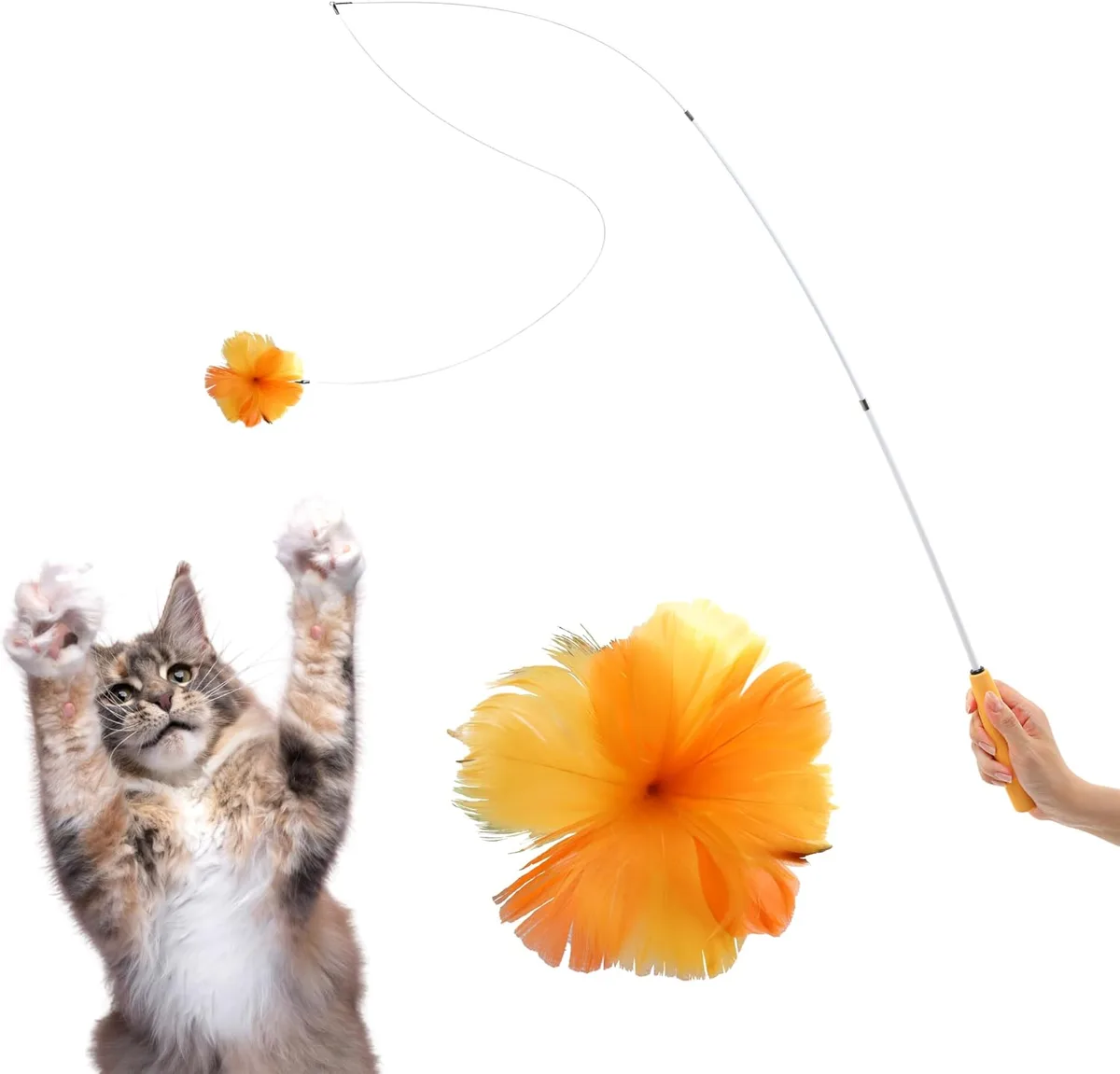
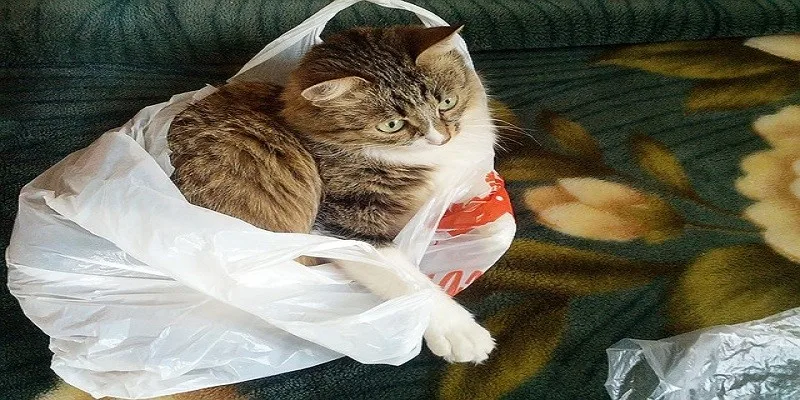
Image source: Web (Bing) / amazon.com (Web image (fair-use with source credit))
Match toy movement to real prey. Prey moves in unpredictable bursts. It stops, then runs. It hides.
Mimic that rhythm. Drag the toy slowly, let it pause, then zip it around a corner. The pauses are as important as the sprints.
End the session with a “kill.” Let the cat catch the toy, bite it, and hold it. Then give a small treat. This completes the predatory sequence from hunt to reward.
Without this step, the cat stays in the play loop and can become restless.
Use food puzzles for daily enrichment. A simple puzzle ball or a snuffle mat lets the cat “hunt” for her food. This satisfies the foraging part of the predatory drive without requiring a chase.
Schedule two play sessions per day, 10 to 15 minutes each. Morning and evening align with the cat’s natural dawn-and-dusk hunting windows. Cats that get this structure are significantly less likely to bring in real prey or exhibit frustrated play behaviors like swatting at ankles.
If your cat brings you a toy or a piece of paper, that’s her hunting gift. Accept it. Play with her.
You’re reinforcing the safer version of the same instinct. Over time, that replaces the live catches with toy catches. Not entirely, but enough to make a real difference.

Similar Posts