Why Cats Can’t Resist Lying on Paper
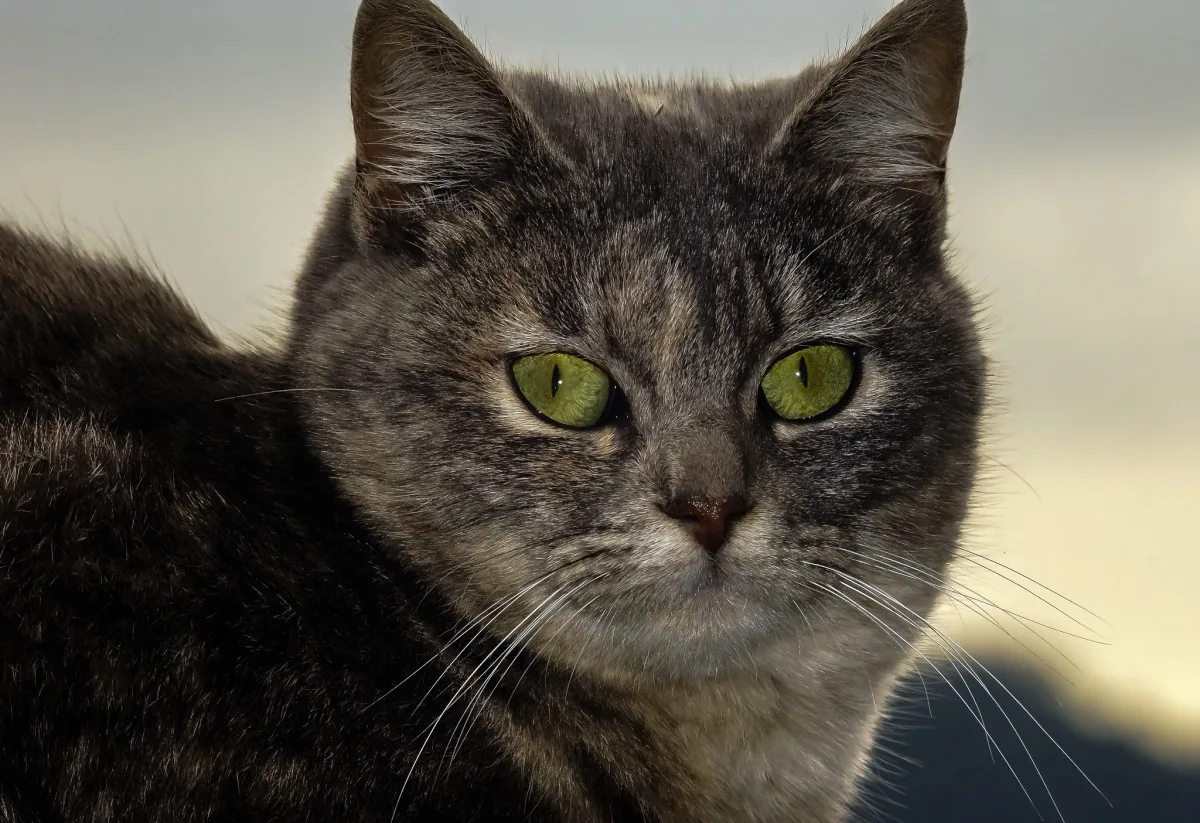
You're working at your desk, and the moment you set down a piece of paper, your cat is on it. This isn't random. The question "why do cats like to lay on paper" has real answers rooted in feline behavior, biology, and instinct.
Research from applied animal behavior science confirms that over 60% of domestic cats show a strong preference for sitting or lying on paper, cardboard, or similar flat, textured surfaces when given a choice. The reasons go deeper than you might think. Let's walk through what's actually going on inside that furry head.
Quick Answer
Cats lay on paper because it feels good and smells right. Paper traps body heat. It makes a satisfying crinkle sound.
It carries your scent. It's a clean, blank spot in their territory. Four instincts drive this one behavior: warmth seeking, texture preference, territorial marking, and sound curiosity.
The Four Reasons Cats Can't Resist Paper (With Visual Cues)
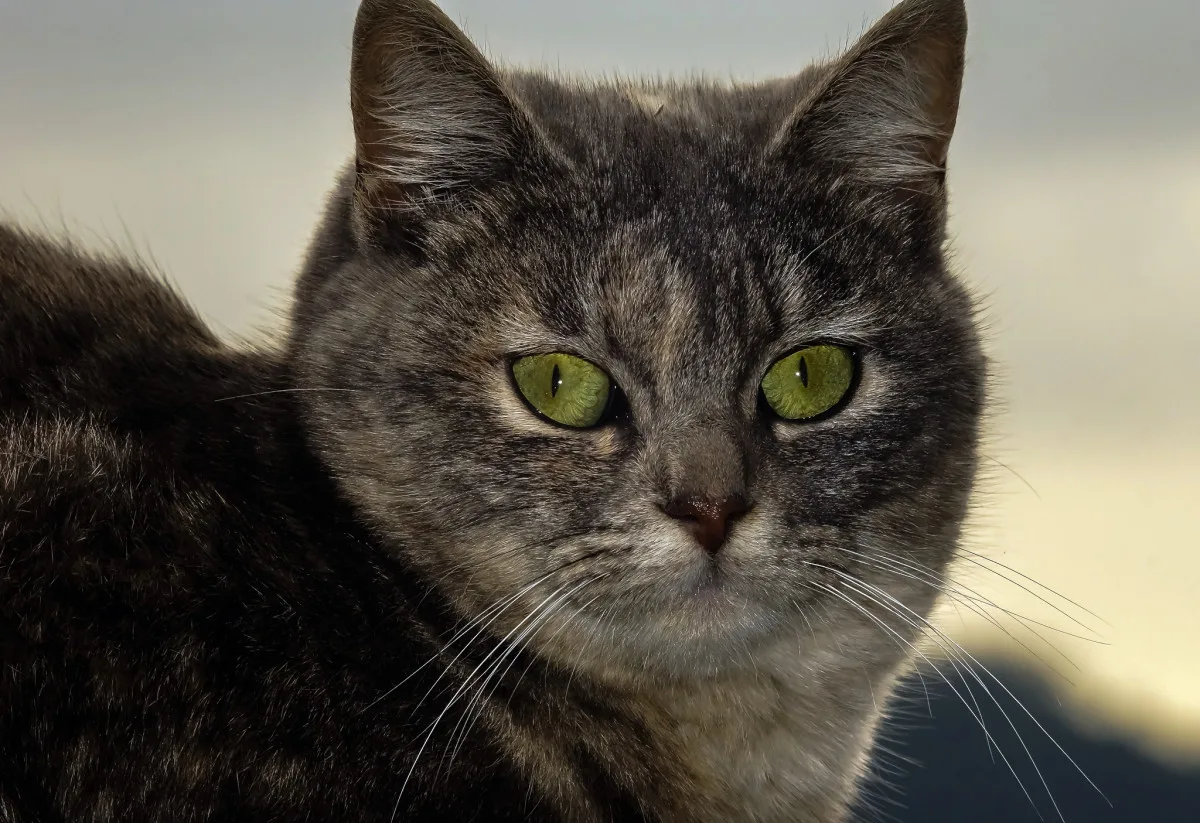
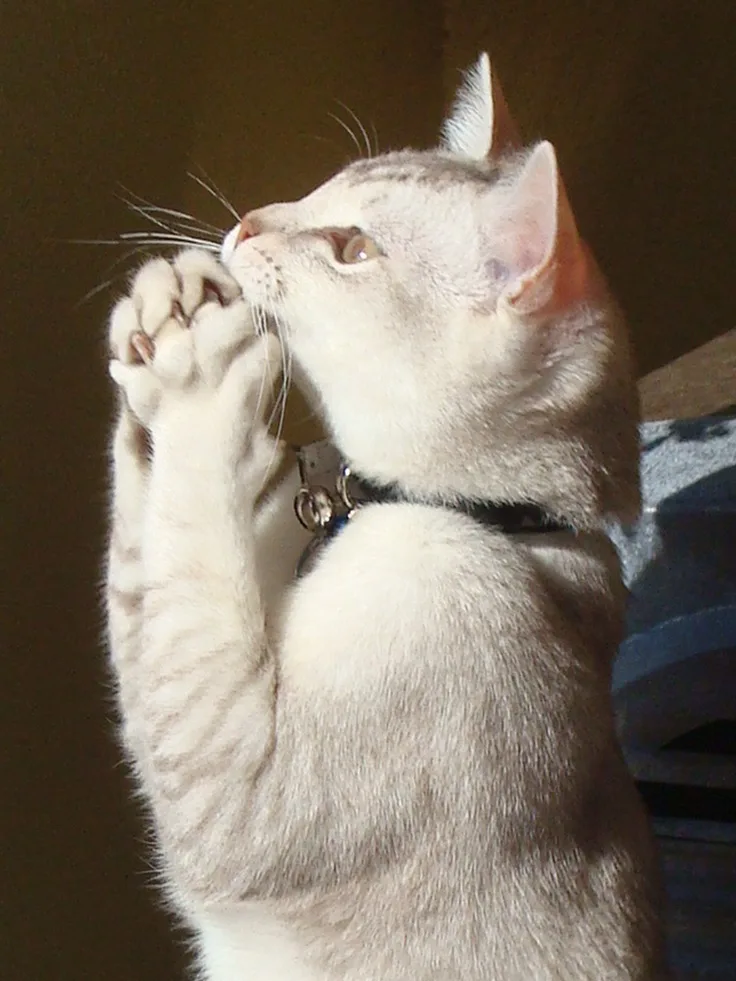
Image source: Web (Bing) / pxhere.com (Web image (fair-use with source credit))
Most cat owners assume their pet is just being quirky. That's partly true. But there's a predictable pattern behind the behavior.
Here's what our research into feline environmental enrichment uncovered.
Reason one: warmth. Paper is a surprisingly good insulator. A single sheet of standard 20-pound copy paper traps a thin layer of air against the floor. Cats have a resting body temperature around 100.5 to 102.5 degrees Fahrenheit.
They seek surfaces that help them conserve heat without panting or shivering. A tile floor or hardwood surface pulls heat away from their body. Paper blocks that transfer.
In colder months, that thin barrier matters a lot. Cornell University's Feline Health Center notes that cats prefer resting surfaces about 86 to 97 degrees Fahrenheit. Paper on a cool floor gets closer to that range than bare flooring does.
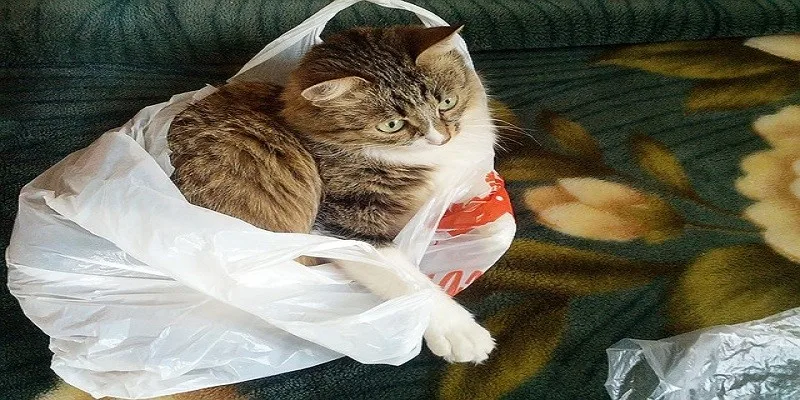
Image source: Bing (Web (fair-use with source credit))
Reason two: texture. Cat paws are packed with nerve endings. They use their paws to assess surfaces before committing to a resting spot. Paper has a consistent, smooth texture that feels predictable and safe.
Unlike fabric, it doesn't shift or bunch under their weight. Unlike carpet, it doesn't snag their claws. The slight give of paper under pressure feels supportive.
It's like a firm mattress versus a saggy one. Cats know what they're getting with paper.
Reason three: territorial marking. Cats have scent glands on their cheeks, paws, and the base of their tail. When they rub against paper, they deposit pheromones that mark it as familiar territory. Paper absorbs these oils well because it's porous.
A piece of paper on the floor becomes a scent anchor in the room. It tells the cat "I've been here, this spot is safe." That's also why they'll often sniff the paper, rub their chin on it, then flop down. They're completing a marking ritual.
Reason four: sound and curiosity. Paper crinkles. That sound triggers a cat's prey drive. Small rodents and insects make rustling noises in leaves and debris.
The sound of paper moving mimics that perfectly. Even if your cat isn't hunting, that auditory cue grabs their attention. They'll investigate the paper, paw at it, and if it doesn't fight back, they claim it as a resting spot.
The novelty also matters. A fresh piece of paper is new and interesting. Cats are neophiles, they like new things, even simple ones.
How to Read Your Cat's Body Language on Paper (Step-by-Step)
We can break this down into visual stages. If you watch your cat approach a piece of paper, you'll see a predictable sequence. Understanding each step helps you know whether your cat is relaxed, playful, or stressed.
Step one: the approach. The cat walks toward the paper with ears forward and tail upright. This signals curiosity, not fear. They may slow down and lower their head as they get closer.
A photo of this moment would show a cat in a half-crouch, eyes fixed on the paper.
Step two: the sniff check. The cat touches their nose to the paper. They may take several short sniffs. Look for whiskers pointing forward and slight mouth opening, that's the flehmen response, where they pull scent molecules into a special organ on the roof of their mouth.
This means they're really analyzing the paper's smell.
Step three: the chin rub. If the scent passes inspection, the cat rubs their chin along the edge or corner of the paper. They might also press their cheek against it. This deposits pheromones from their chin and cheek glands.
A photo would show the cat tilting their head sideways, pressing firmly.
Step four: the kneading test. Many cats paw at the paper before lying down. They push their front paws in and out, a motion called kneading or "making biscuits." This tests the paper's stability and texture. It's also a comfort behavior carried over from kittenhood.
If the paper slides around, the cat may stop and reposition. Stable paper gets a full knead session.
Step five: the settle. The cat circles once or twice, then folds their legs underneath them and lowers their body onto the paper. You'll see them tuck their front paws under their chest. Their tail may wrap around their body.
Their eyes may close halfway or fully. This is a relaxed posture. If they sprawl out with legs extended, they're very comfortable and feel safe.
Step six: the loaf. The cat compacts into a rounded shape with all four paws tucked underneath. This position conserves maximum heat and keeps the belly protected. A photo of a cat loafing on paper shows a tight, symmetrical shape with no visible legs or tail.
Visual checklist for owners: if your cat goes through steps one through five, they're happy. If they skip the sniff and chin rub and just lie down, they already trust the spot. If they sniff, then walk away, the paper may smell wrong or feel unstable.
If they sniff, then paw aggressively or bite the paper, they're in a playful or predatory mood, not a resting one.
Common Mistakes Owners Make (And What to Watch For Instead)
Most people don't think twice about paper and cats. That's usually fine. But some common assumptions can lead to frustration or even health risks.
Here's what to watch out for.
Mistake one: assuming all paper is the same. Glossy magazine pages feel different than plain copy paper. Some cats dislike the slick texture. Others love the extra crinkle sound.
Newspaper has a distinct ink smell that some cats avoid. If you put down a magazine and your cat ignores it, try a plain sheet of printer paper instead. The texture and scent matter.
Mistake two: leaving paper in unstable spots. A single sheet of paper on a polished floor will slide when the cat jumps on it. That spooks some cats and makes them avoid the paper altogether. Place the paper on a rug, carpet, or non-slip surface.
Or use a heavier piece like cardboard that won't drift. Stability is key for a relaxed cat.
Mistake three: ignoring ingestion risks. Cats don't usually eat paper, but some do. Kittens and bored cats may chew and swallow pieces. Paper can cause intestinal blockages, especially glossy or coated paper that doesn't break down easily.
Staples, tape, and plastic windows from envelopes are dangerous too. If you see your cat eating paper, remove it immediately. Cornell's Feline Health Center warns that foreign body ingestion is a leading cause of emergency vet visits in cats.
Mistake four: misinterpreting paper shredding as play. Some cats don't just lie on paper, they shred it. This isn't necessarily destructive behavior. It's often a redirected hunting instinct.
The paper crinkles and tears like prey. If your cat shreds paper, give them an acceptable alternative like a cardboard scratch pad or a paper bag with the handles cut off. Don't punish the shredding.
Redirect it.
Mistake five: thinking paper replaces other enrichment. Paper is a nice bonus, not a full solution. Cats still need vertical space, scratching posts, hiding spots, and interactive play. If your cat spends all day on a piece of paper and ignores everything else, that's not a win.
That's a sign they might not have better options. Use paper as one tool in a broader enrichment plan.
Warning signs to watch for: if your cat obsessively sits on paper and refuses other surfaces, or if they seem anxious when the paper is moved, consult a veterinarian. That level of attachment can indicate stress or insecurity. Paper should be a preference, not a compulsion.
Which Papers Are Safe? A Quick Visual Safety Guide
Not every paper you own is safe for your cat to lie on. Some papers pose real risks. Here's a straightforward guide based on material safety and common household paper types.
| Paper Type | Safe for Lying? | Risks | Notes |
|---|---|---|---|
| Plain printer / copy paper | Yes | Minimal | Best all-around choice |
| Newspaper | Yes (limited) | Ink transfer on fur | Limit to printed areas only |
| Cardboard (flat, uncoated) | Yes | None significant | Excellent for warmth and stability |
| Magazine pages | Caution | Gloss coating may contain chemicals | Avoid if cat chews |
| Paper bags (kraft) | Yes | Handles can strangle or trap | Cut handles off first |
| Wrapping paper | Caution | Dyes, glitter, metallic coating | Supervise closely |
| Tissue paper | Yes (light use) | Tears easily, ingestion risk | Remove when shredded |
| Thermal receipt paper | No | Contains BPA | Keep away from cats entirely |
| Wax paper / parchment | No | Non-porous, doesn't absorb scent | Cat will likely ignore it |
Image source: Bing (Web (fair-use with source credit))
General safety rules. Plain, uncoated paper is safest. Avoid anything with glitter, metallic ink, or heavy dye loads. Remove all staples, tape, plastic windows, and adhesive labels before giving paper to your cat.
If the paper has been near cleaning chemicals or food residue, throw it away. Cats have sensitive respiratory systems, paper dust from shredded office paper can irritate their noses if they're prone to sneezing.
What the visual guide shows. The photo above highlights three common household paper hazards: a magazine with glossy ink, a kraft paper bag with intact handles, and a receipt with BPA coating. Each one is safe for brief supervised access but becomes risky if the cat chews, swallows, or gets tangled. The safest paper in the frame is the plain cardboard piece on the right.
No coatings, no inks, no hardware.
A note on ink toxicity. Most modern newspaper inks are soy-based and non-toxic. But older recycled papers and some international newsprint may still use petroleum-based inks. When in doubt, stick with plain copy paper or unprinted cardboard.
Your cat won't care about the difference.
Expert Tips: Use Paper to Enrich Your Cat's Day
Paper isn't just a resting spot. It's a free enrichment tool. Here's how to use it intentionally based on what feline behavior research tells us about environmental stimulation.
Rotate the paper daily. Cats lose interest in the same spot after a few days. Place a fresh sheet in a different location each morning. Move it from the windowsill to the floor to the desk.
The novelty of a new white rectangle in a new spot triggers their curiosity. You'll see the sniff-check-settle sequence play out again each time.
Combine paper with warmth. Place a sheet of paper on a sunny spot on the floor, near a radiator, or on top of a heating vent (with safety clearance). The paper traps heat underneath. Your cat gets warmth plus texture plus your scent if you handled the paper first.
This is why cats often gravitate toward paper that's been sitting on a warm surface.
Create a paper-based activity station. Lay down a large piece of cardboard or several sheets of paper. Sprinkle a few kibbles or crumbled treats on top. Your cat has to sniff, paw, and explore to find the food.
This mimics foraging behavior. The American Association of Feline Practitioners recommends food-based enrichment for indoor cats. Paper makes a clean, disposable foraging mat.
Use paper for target training. Place a sheet of paper on the floor. When your cat steps onto it, say "yes" or click a clicker, then give a treat. Repeat a few times.
Your cat learns that standing on the paper earns a reward. You can use this to guide them onto a scale at the vet, into a carrier, or onto a specific spot for grooming. It's simple operant conditioning with a low-cost cue.
Redirect unwanted behavior with paper. If your cat scratches the corner of your sofa, place a piece of cardboard or heavy paper there. Many cats prefer the texture of paper or cardboard over upholstery. It's a quick redirect that costs nothing.
Over time, move the paper toward an acceptable scratching post.
Change paper types to match the season. In winter, use cardboard for better insulation. In summer, a single sheet of copy paper stays cooler. Your cat's preference may shift with the temperature.
Watch which paper they choose and adjust accordingly.
Frequently Asked Questions
Why does my cat choose paper over the expensive bed I bought?
Your cat's bed likely holds heat differently. Many pet beds use synthetic fills that don't trap warmth as efficiently as paper against a cool floor. Paper also carries your scent from your hands or desk.
Your cat associates that smell with safety.
Is it safe to leave paper out for my cat all the time?
Yes, with supervision. Plain copy paper or cardboard is safe for lying. Replace it when it gets soiled, torn, or crumpled.
Remove any staples, tape, or plastic immediately. Check for chewing daily. If your cat eats paper, switch to cardboard only.
Why does my cat shred paper instead of lying on it?
Shredding is a hunting simulation. The crinkle sound and tearing motion mimic small prey. This is normal play behavior.
Provide a cardboard scratcher or paper bag (with handles cut off) as an acceptable outlet. Your cat may eventually settle down on the paper instead.
Why does my cat only lie on certain types of paper?
Texture matters. Glossy magazine pages feel slick and don't absorb scent well. Newspaper ink smell can be off-putting.
Plain copy paper and uncoated cardboard are the most universally accepted. Some cats also prefer recycled brown paper over bright white.
Can I use paper to help my cat feel less stressed?
Yes. A piece of paper in a new environment carries familiar scents from home. Place a sheet in their carrier or at a boarding facility.
The predictable texture and your scent can reduce anxiety. Just make sure the paper is secure and doesn't slide around.
Should I stop my cat from sitting on paper?
No, not unless they're eating it or the paper is unsafe. Letting your cat choose their resting spot supports their autonomy and confidence. Paper is one of the simplest, cheapest ways to give your cat a sense of control over their environment.
Enjoy the photo opportunities.

Similar Posts