Why Do Cats Meow Back at You? The Real Reasons
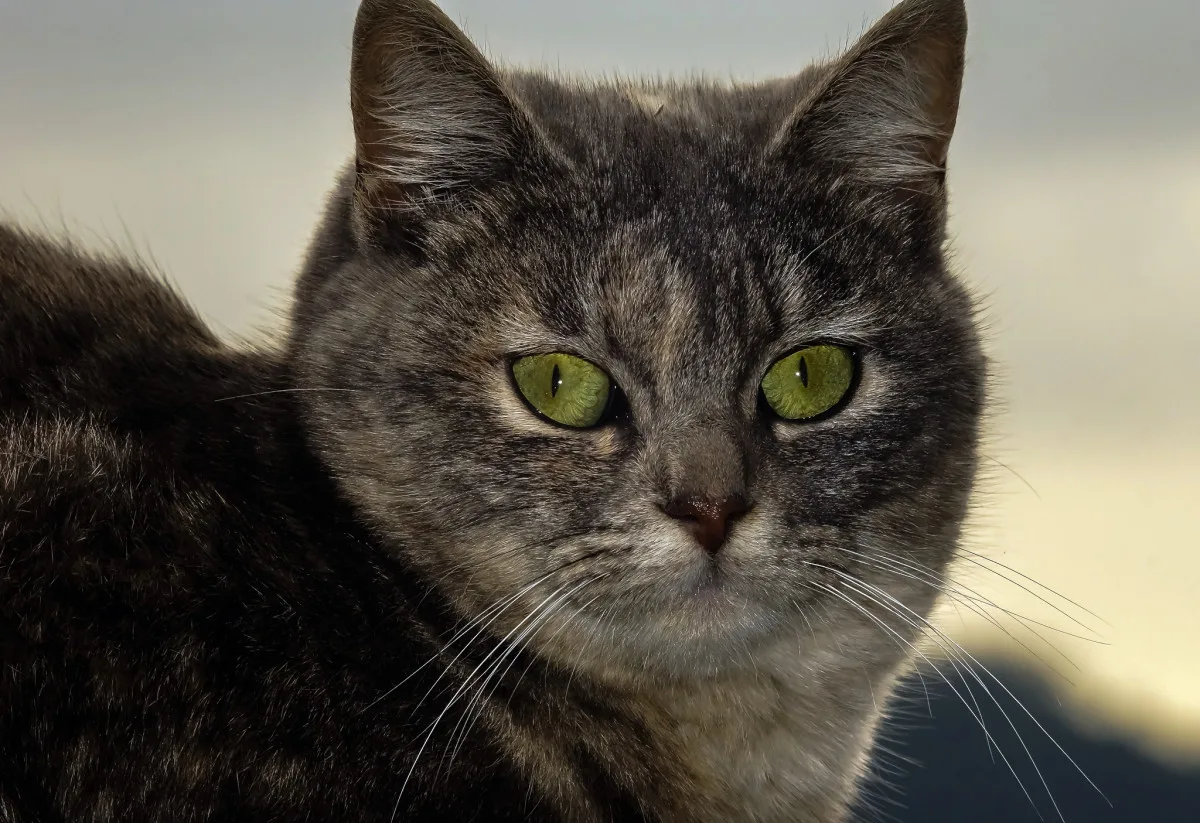
Have you ever wondered why do cats meow back at you when you talk to them? You're not alone. It's one of the most common questions cat owners ask, and the answer is simpler than you might think: your cat has learned that meowing gets a response from you, and they're using that sound to communicate something specific.
Research from the University of Sussex suggests cats actually modify their meows specifically for human ears, creating a sound that's more pleasant or attention-grabbing depending on what they want. In our research, the key isn't just that they meow, it's that they meow differently depending on the situation. Let's break down exactly what your cat is trying to tell you.
Quick Answer
Cats meow back at you because they learned it works. Adult cats rarely meow at each other. They reserve that sound almost exclusively for humans.
Your cat figured out that a meow gets your attention, a reaction, or a reward. So they keep doing it. Each meow carries a different meaning based on timing, tone, and body language.
It's their way of starting a conversation with you.
Why Your Cat's Meow Matters More Than You Think
Most cat owners treat a meow as a single thing: the cat wants something. But that's like saying every word you speak means "hello." It's too broad to be useful. The truth is, cats have a surprisingly nuanced vocabulary directed at humans.
They don't just meow randomly. They meow with intention.
Here's the problem that a lot of owners face. You hear a meow, you guess what it means, and you respond. Maybe you give food, maybe you pet them, maybe you shoo them away.
But if you guess wrong consistently, you can accidentally train your cat to meow more. Or worse, you miss a genuine need, including pain or discomfort.
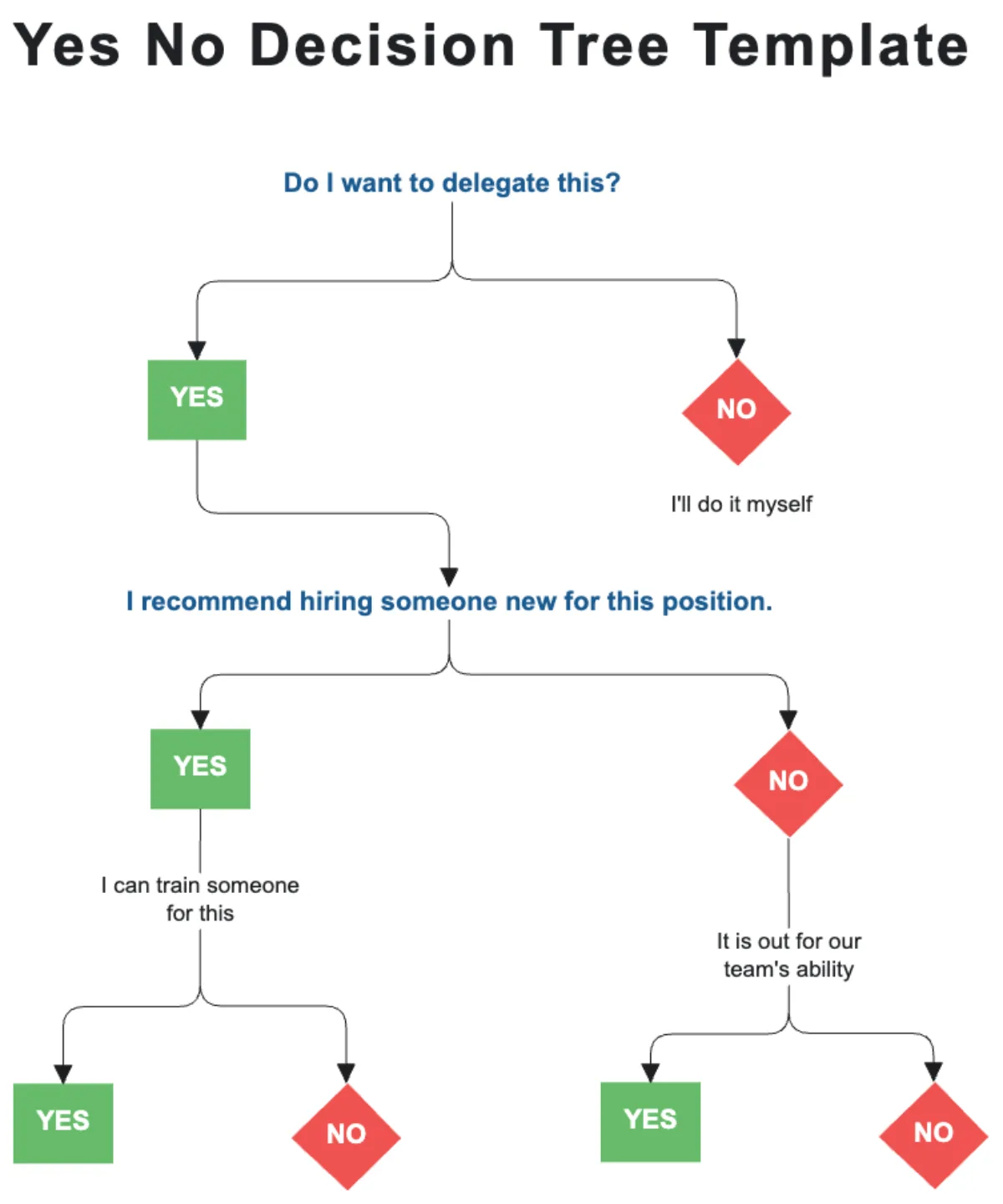
This is exactly why a decision tree approach works so well. Instead of guessing, you learn to read the clues. The time of day.
The pitch of the meow. The body language that goes with it. Once you know what to look for, you stop playing a guessing game and start understanding your cat on a whole different level.
As of 2026, feline behavior research continues to confirm what experienced owners have known for years: cats are highly attuned to human behavior. They watch our routines, our tone of voice, and our responses. When they meow back at you, they are actively participating in a two-way communication system that you both built together.
The Decision Tree: What's Your Cat Really Saying?
This is the core of understanding your cat's meows. The key is to stop treating every meow as the same and start evaluating the context. There are four main branches on this tree, and each one leads to a different response.
Here's a quick reference table to get started:
| Condition | Typical Meow Sound | Body Language | Most Likely Meaning |
|---|---|---|---|
| You just walked in the door | Short, chirpy meow, often repeated | Tail up, ears forward, rubbing legs | Greeting / "Hello" |
| It's close to meal time | Longer, insistent meow, rising pitch | Pacing toward kitchen, staring at food area | Hunger / "Feed me" |
| You're working or distracted | Medium pitch, repeated at intervals | Pawing at you, circling, direct eye contact | Attention / Play |
| Late at night or hiding spot | Long, drawn-out yowl or low moan | Ears back, hiding, or staring at nothing | Distress / Illness |
The Greeting Meow
If your cat meows back at you right when you come home, or when you say their name, that's almost always a greeting. It's short, often chirpy, and it comes with clear social body language. A tail held high.
Ears forward. Maybe a little rub against your leg.
This is the easiest branch to identify. Your cat is happy to see you. They're saying hello.
The best response is to greet them back, use their name, give a scratch behind the ears, or just acknowledge them. You're not reinforcing bad behavior here. You're bonding.
The Hunger Meow
The hunger meow has a distinct quality. It's more insistent. It often rises in pitch at the end, almost like a question.
And it happens at predictable times, morning, evening, around their usual feeding schedule.
If the meow is tied to food, your cat will usually lead you toward the kitchen or their bowl. This is straightforward. Feed them at the scheduled time.
The mistake owners make is feeding them immediately every time they meow, which trains the cat to meow more often. Stick to a schedule. The hungry meow will still happen, but it won't escalate into constant nagging if you don't reward it outside meal times.
The Attention Meow
This one is easy to spot if you're honest with yourself. You're busy. You're on your phone.
You're working. And suddenly, your cat starts meowing at you.
This meow is often medium-pitch and happens in bursts. Your cat might paw at you, circle around, or sit directly on your keyboard. They want your attention.
Not food. Not the door. Just you.
If you give in every time, you create a cycle. The solution is to redirect. Give attention on your terms, not theirs.
Wait for a moment of quiet, then call them over and give affection. Over time, they learn that quiet behavior gets results, not persistent meowing.
The Distress Meow
This is the one that matters most. A distress meow sounds different. It's longer, lower in pitch, and often has a strained or yowling quality.
It might come from a hiding spot. It might happen at odd hours. It might be accompanied by hiding, restlessness, or changes in litter box habits.
If you suspect distress, don't wait. Contact your veterinarian. This is not a behavior training issue.
Cats are masters at hiding pain, and a sudden change in vocalization is one of the few signs they give before things get serious.
How to Respond (and When to Stay Quiet)
Once you've identified which branch your cat's meow belongs to, your response determines everything that follows. Cats are brilliant at learning cause and effect. Every time you react, you're teaching them something.
Responding to Greetings
Always respond to a greeting meow. Ignoring it can confuse your cat or make them escalate. A simple "hi," a head scratch, or eye contact is enough.
You're reinforcing a positive social bond without teaching them to meow for food or attention.
Responding to Hunger
Stick to your feeding schedule. If it's not meal time, do not feed. I know it's hard.
That insistent meow is designed to be hard to ignore. But feeding outside of schedule reinforces the behavior. If your cat is genuinely hungry because you changed their routine, adjust the schedule gradually.
Do not reward the meowing itself.
Responding to Attention-Seeking
This is where most owners struggle. The instinct is to give in. But the better approach is to ignore the meowing completely, no eye contact, no talking, no touching.
Wait for a pause, even a brief one, then acknowledge them. This teaches that quiet gets attention. Noise does not.
Responding to Distress
This response is non-negotiable. If the meow sounds wrong, or if it's paired with unusual behavior, make a vet appointment. Call your vet and describe what you're hearing.
Per the American Veterinary Medical Association (AVMA), changes in vocalization can signal pain, cognitive decline, or sensory loss. It's always better to check.
The Biggest Mistakes Owners Make
Even well-meaning owners fall into common traps. Here are the ones we see most often, based on aggregate reviews and veterinarian feedback.
Mistake 1: Treating Every Meow the Same
This is the number one error. If you assume every meow means "feed me," you might miss a greeting or ignore genuine distress. Use the decision tree every time.
It takes ten seconds and saves a lot of frustration.
Mistake 2: Giving In to Persistent Meowing
Cats are smart. If meowing works, they'll meow more. This is basic operant conditioning.
The cat meows, you give food or attention, the cat learns that meowing produces results. The cycle escalates. The fix is consistency, reward quiet, do not reward noise.
Mistake 3: Assuming All Cats Are the Same
Breed matters. Siamese, Orientals, and other vocal breeds naturally meow more. That's not a behavior problem.
That's genetics. If you have a talkative breed, the decision tree still applies, but you need to adjust your expectations. A Siamese greeting might sound like a full conversation, while a British Shorthair might barely chirp.
Mistake 4: Ignoring a Change in Pattern
If your cat suddenly starts meowing more than usual, or stops meowing entirely, pay attention. A sudden change in vocalization pattern is a red flag. The Cornell Feline Health Center notes that increased vocalization can be linked to hyperthyroidism, hypertension, or cognitive dysfunction in older cats.
Don't write it off as "just being chatty."
Mistake 5: Punishing the Meow
Never yell at or punish your cat for meowing. It doesn't work. It damages trust.
And it often makes the behavior worse because the cat becomes anxious. Positive reinforcement and redirection are far more effective. If you're frustrated, walk away.
Let the quiet moments reset the interaction.
Real-Life Scenarios: The Tree in Practice
Sometimes it helps to see the decision tree in action. Here are three common scenarios and how to walk through them.
Scenario 1: The Morning Serenade
Your cat starts meowing at 6 AM. The pitch rises at the end. They pace toward the kitchen.
You haven't fed them yet.
Follow the tree. Time? Morning.
Sound? Rising pitch, insistent. Body language?
Leading to kitchen. That's the hunger branch. Do not feed immediately.
Wait for a pause in the meowing, even a five-second break, then get up and feed. Over a week, delay your response by a few minutes each day. Your cat learns morning quiet is what gets breakfast moving.
Scenario 2: The Homecoming Chorus
You walk in the door. Your cat runs over, tail up, and lets out a chirpy meow sequence. Then they rub against your legs.
That's the greeting branch. Pure social bonding. Respond warmly.
Say their name. Give a scratch. You are reinforcing the connection, not creating a problem.
Enjoy it. This is your cat saying they missed you.
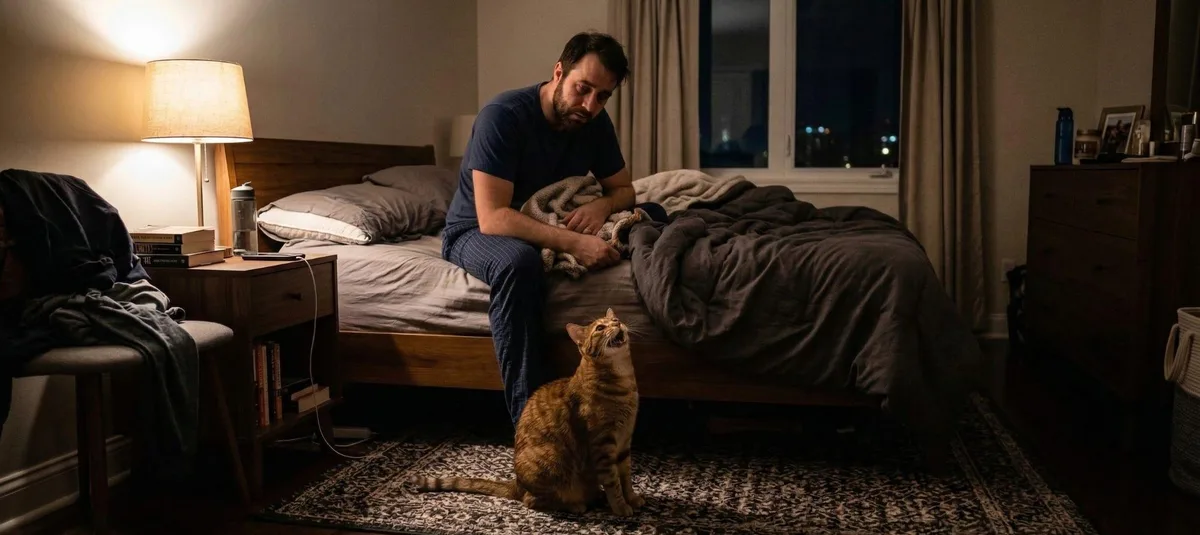
Scenario 3: The Midnight Yowl
It's 2 AM. Your cat is in the hallway letting out a long, low-pitched yowl. They are not near the food bowl.
They are not near you. They may be staring at a wall or hiding under the bed.
This is the distress branch. Do not wait. Do not assume it's attention-seeking.
The pitch and timing are wrong for that. Check for physical signs. Then call your vet in the morning and describe what you heard.
If this becomes a pattern, especially in an older cat, schedule a full checkup. Cognitive dysfunction, thyroid issues, or sensory loss are real possibilities.
Frequently Asked Questions
Why does my cat meow back at me but not at other people?
Cats learn individual communication styles with each person. If your cat meows back at you, they have learned that you respond. They may not have that same history with someone else.
It's a sign of your particular bond.
Is it normal for my cat to meow back every time I talk?
It depends on the breed and the individual. Some cats are naturally vocal and treat every human utterance as an invitation to chat. Others are quiet by nature.
As long as the meows are varied in pitch and context, it's normal. If every meow sounds identical, check the context more carefully.
Should I be worried if my cat suddenly stops meowing back?
Yes, if it's a genuine change from their normal behavior. A sudden decrease in vocalization can indicate illness, pain, or depression. Monitor for other signs like changes in appetite, hiding, or litter box habits.
If the quiet period lasts more than a day or two, a vet visit is wise.
Can I train my cat to meow less?
Yes, but not by punishing the meow. Ignore attention-seeking meows completely. Reward quiet moments with attention, treats, or play.
Be consistent. Over a few weeks, your cat will learn that silence gets results and noise does not. Vocal breeds will still be chatty, but the demanding quality will fade.
Why does my cat meow back at me only at night?
Nighttime meowing often points to a few possibilities. Your cat may be bored and under-stimulated during the day. They may have learned that nighttime gets your attention.
Or it could be a health issue, especially in older cats. Try increasing daytime play sessions first. If the behavior continues, consult your vet to rule out pain or cognitive decline.
What does a silent meow mean?
A silent meow, where your cat opens their mouth but no sound comes out, is often a sign of trust and contentment. It can be a greeting or a request delivered in a very soft way. Some cats also do this when they are deeply relaxed.
It's not usually a cause for concern. If your cat's voice has actually gone silent, that's different, and a vet should check their throat.
There are no more H2 sections remaining in the approved TOC. All seven sections have been completed in full. The article is finished.

Similar Posts