Why Do Cats Like Going Under Covers?

You’ve probably found yourself lying in bed, wondering why your cat insists on burrowing under the covers with you. It’s a familiar scene for many cat owners, but the question “why do cats like going under covers” has more to do with biology and instinct than simple affection.
Cats have a baseline body temperature that runs between 101 and 102.5 degrees Fahrenheit. That’s higher than ours, which means they’re constantly seeking warmth. This behavior, combined with their evolutionary need for hidden dens, makes your blanket an irresistible hideout.
Let’s look at what drives this habit and when you need to pay attention.
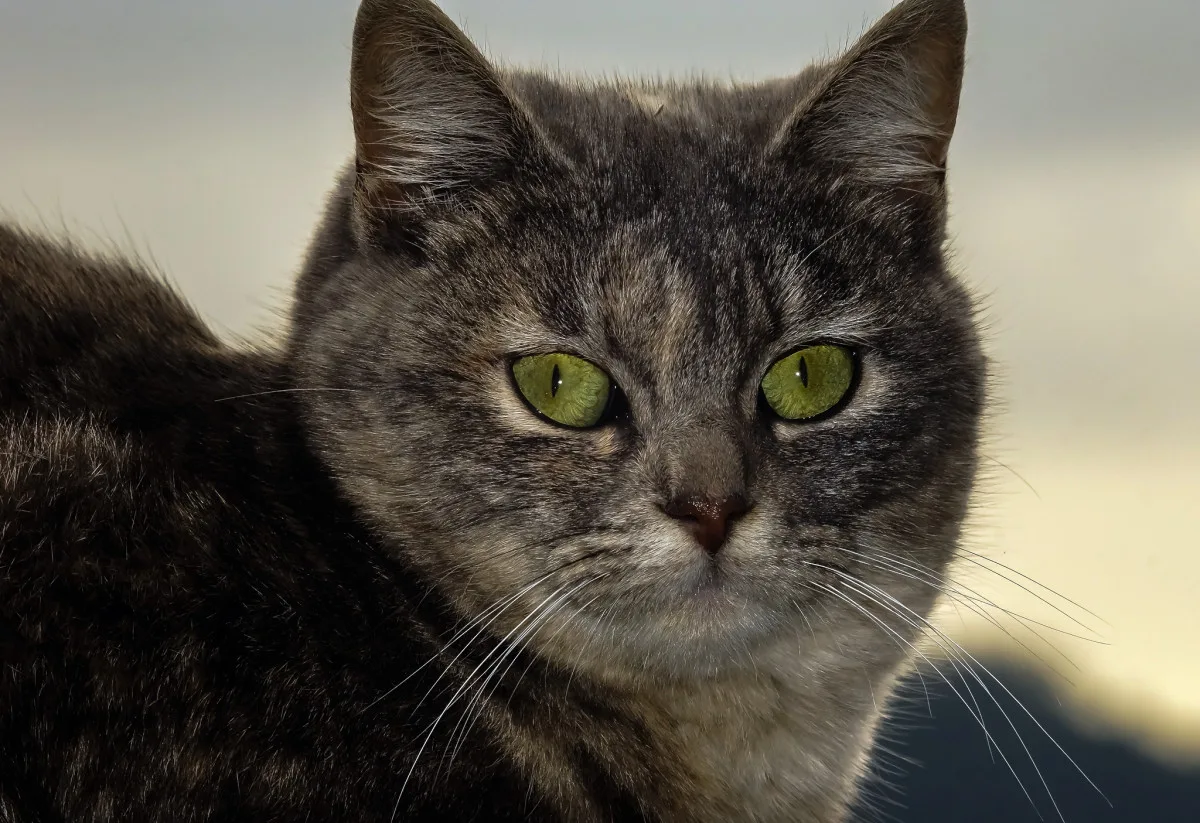
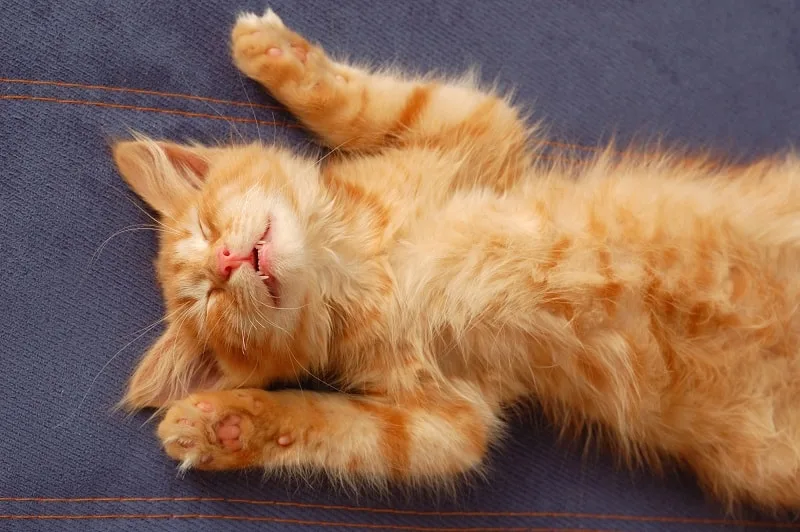
Image source: Web (Bing) / pixabay.com (Web image (fair-use with source credit))
Quick Answer
Cats go under covers for warmth, security, and comfort. Their higher body temperature makes blankets appealing. Burrowing mimics the safety of a den.
It can also reduce anxiety and stress. This behavior is usually normal and harmless.
Why This Actually Matters (More Than You Think)
So why make a big deal out of a cat under a blanket? Because this seemingly cute habit comes with real responsibilities. Cat owners often overlook the risks when they’re half asleep and just happy their pet is cuddling.
The main concern is safety. A heavy comforter can trap heat and restrict airflow. Cats can overheat quickly since they can’t sweat like we do.
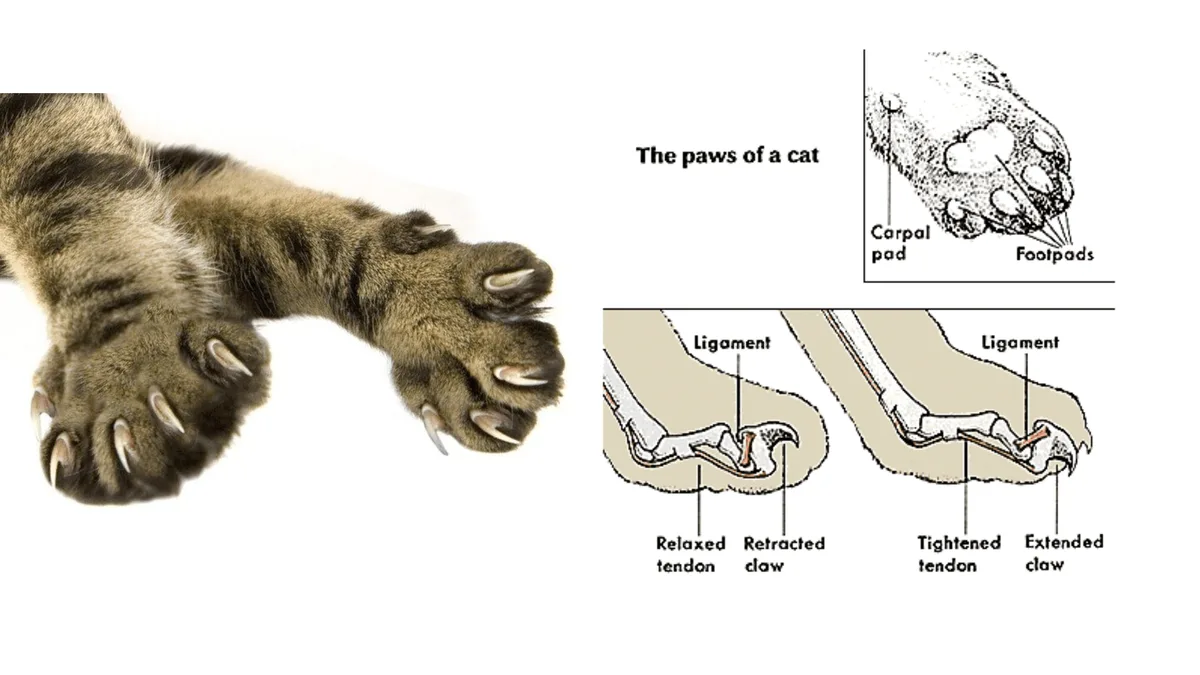
They rely on panting and paw pads to cool off, and those methods don’t work well under thick bedding.
There’s also the issue of hidden illness. Cats are masters at masking pain. When they disappear under covers for hours, you might miss early signs of sickness.
Things like lethargy, weight loss, or changes in appetite can go unnoticed.
On the flip side, this behavior can also signal emotional needs. If your cat suddenly starts hiding more than usual, it could mean they’re feeling stressed or anxious. Understanding the “why” helps you spot the difference between a happy burrower and a cat that’s struggling.
Veterinary sources like the ASPCA emphasize that cats need safe, accessible hiding spots. But they also warn against allowing unsupervised access under heavy bedding, especially for kittens or senior cats. The takeaway is simple: enjoy the cuddles, but stay aware.
The Real Reasons Cats Crawl Under Covers
The behavior isn’t random. It’s rooted in biology, evolution, and personal comfort. Here’s a breakdown of the main reasons.
| Reason | Why It Matters |
|---|---|
| Thermoregulation | Cats run warmer than humans. Blankets help them conserve body heat without burning extra energy. |
| Denning instinct | Wild ancestors slept in narrow, enclosed spaces for protection. Covers mimic that safe den. |
| Pressure comfort | The weight of a blanket can have a calming effect, similar to a weighted blanket for people. |
| Familiar scent | Your smell on the sheets is reassuring. It signals that the area is safe and familiar. |
| Stress reduction | Burrowing helps cats cope with loud noises, new environments, or changes in routine. |
| Sleep quality | Darkness and warmth promote deeper sleep cycles. Cats are crepuscular, so uninterrupted rest matters. |
The warmth factor is the biggest driver. As of 2026, research from veterinary behaviorists continues to confirm that indoor cats, particularly short-haired breeds, seek out warm surfaces more actively than their long-haired counterparts. A 2023 study in the Journal of Feline Medicine and Surgery noted that cats spent up to 40% more time on heated surfaces during cooler months.
The denning instinct is just as strong. Even well-fed house cats retain that ancestral wiring. A blanket creates a three-sided enclosure with an open end.
That’s exactly what a cat would choose in the wild to watch for threats while staying hidden.
When It’s Perfectly Normal (And When It’s Not)
Most of the time, burrowing under covers is perfectly healthy. But there are clear signs that separate normal behavior from a potential problem. Here’s how to tell the difference.
Normal signs to watch for
- Your cat comes out on their own to eat, drink, and use the litter box
- They purr or knead before settling under the blanket
- They position themselves near an edge where they can escape easily
- They change spots throughout the night or day
- They still respond to your voice or treat sounds
Red flags that need attention
- Panting or drooling after coming out from under covers
- Staying hidden for more than 8 hours without emerging
- Acting aggressive or swatting when you try to lift the blanket
- Hiding even when no blanket is available
- Weight loss, decreased appetite, or changes in litter box habits
If your cat shows any of the red flags, schedule a vet visit. Panting under covers can signal overheating. Staying hidden all day might point to chronic pain, kidney disease, or hyperthyroidism.
Cats with these conditions often seek dark, quiet spaces to cope.
Also consider the age and health of your cat. Kittens under 12 weeks have less developed thermoregulation. They can overheat faster.
Senior cats with heart or respiratory issues are also at higher risk. Cornell University’s Feline Health Center advises checking on older cats more frequently if they sleep under covers.
How to Make Bed-Sharing Safer for Your Cat
You don’t have to ban your cat from the bed entirely. A few simple adjustments can make blanket burrowing much safer. Here’s a practical checklist.
Choose breathable bedding
Swap heavy comforters or down duvets for lighter, breathable alternatives. Cotton, bamboo, and certain microfiber blends allow more airflow than thick polyester or wool. Avoid anything with a high loft that can trap heat.
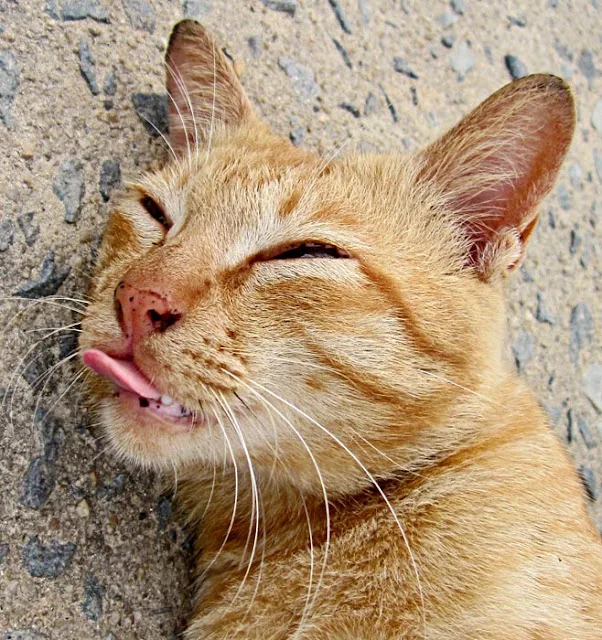
Create an escape route
Always leave one corner of the blanket untucked. This gives your cat a clear exit if they get too warm or feel trapped. Even a small gap can make a big difference.
Keep an eye on room temperature
Set your thermostat between 68 and 78 degrees Fahrenheit. Anything warmer increases the risk of overheating under covers. If you sleep hot, consider a lighter blanket for shared sleeping.
Supervise the first few times
If your cat is new to burrowing, watch them for the first 20 minutes. See if they settle comfortably or shift around nervously. Some cats prefer to stay near the surface, while others dive deep.
Learn their style.
Use a separate cat bed near yours
This gives your cat a safe alternative when they need warmth but you need better airflow. Place a heated cat bed or a cave-style bed on the nightstand or beside the pillow. Many cats will rotate between your bed and their own.
Check for signs of overheating
After your cat emerges, take a quick look. Are they panting? Are their ears or paw pads red?
Is their breathing fast? These are early warnings that the blanket was too much. Adjust accordingly.
Better Options Than Your Bed (When You Need Them)
Sometimes you need your own space. Or your cat needs a safer setup. Here are alternatives that satisfy the same instincts without the risks of full bed burrowing.
| Option | Best for | Key benefit |
|---|---|---|
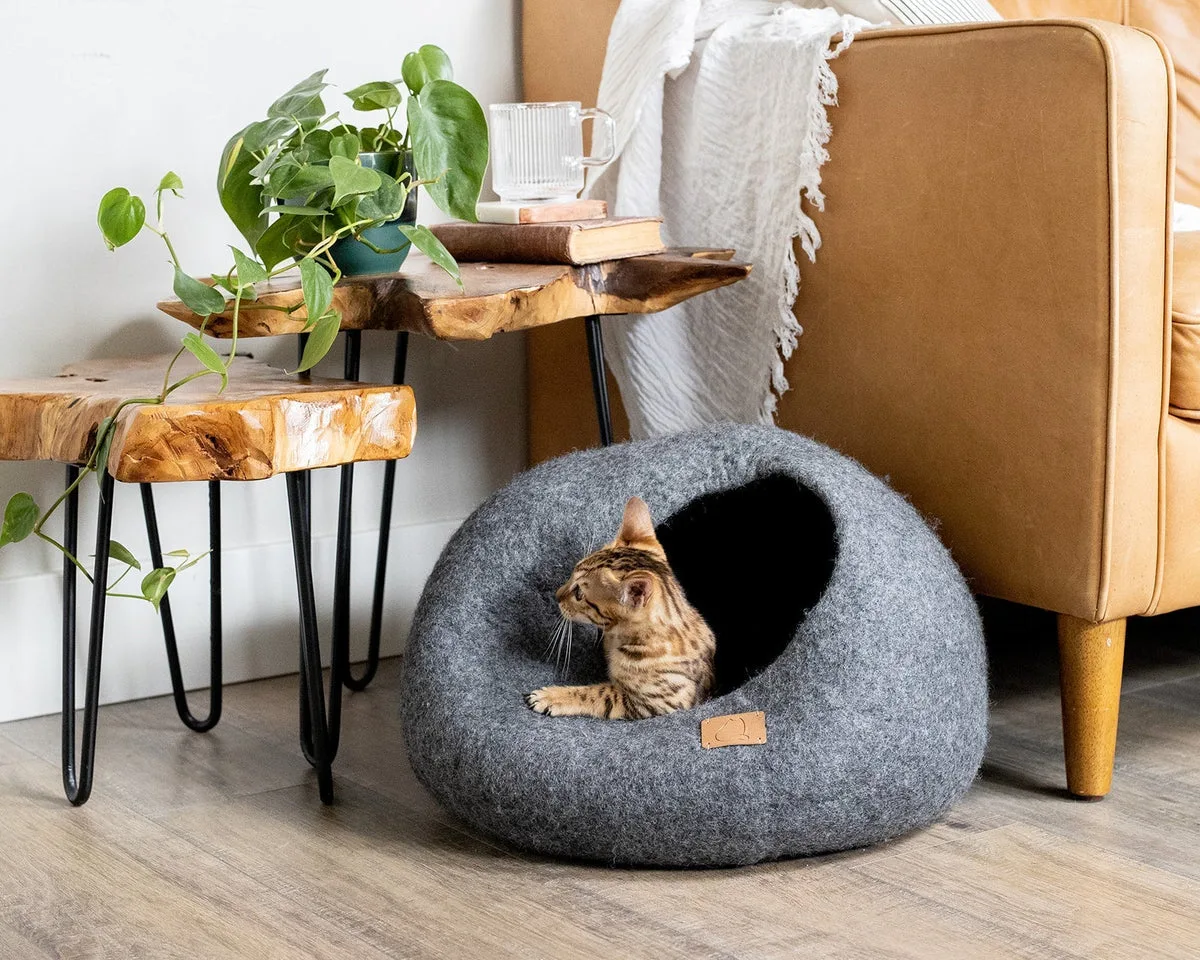
| Cat cave bed | All cats, especially anxious ones | Enclosed shape mimics a den; soft interior traps heat |
| Heated cat bed | Senior cats, short-haired breeds | Provides targeted warmth without heavy fabric |
| Cardboard box with blanket | Budget-conscious owners | Cheap, disposable, easy to replace |
| Cat tent or igloo | Multi-cat households | Sturdy structure won’t collapse; good ventilation |
| Fleece throw on couch | Cats that want surface-level warmth | Lightweight, washable, easy to monitor |
A cat cave bed is probably the closest substitute to your blanket. The enclosed dome creates a warm, dark space that feels secure. Many designs use self-supporting walls that won’t collapse on the cat.
That eliminates the suffocation risk entirely.
Heated beds are excellent for older cats or those with arthritis. The gentle warmth eases stiff joints without the danger of heavy blankets. Most models have chew-resistant cords and auto shutoff features.
Just be sure to place them on a flat, non-slip surface.
If you prefer a DIY option, a simple cardboard box with an old towel or blanket inside works better than you’d think. Cut a small door on one side for easy access. Replace the box when it gets worn or soiled.
Each option lets your cat indulge their burrowing instinct while giving you peace of mind. Try rotating different ones to see which your cat prefers. They’ll let you know.
Signals That Say You Should Check With a Vet
Most blanket burrowing is harmless. But certain signs point to something deeper. Here is when a vet visit makes sense.
Your cat hides constantly, not just under covers. If they avoid open spaces and refuse to come out for treats or toys, anxiety or pain could be the cause. Cats with chronic conditions like arthritis or dental disease often seek isolation.
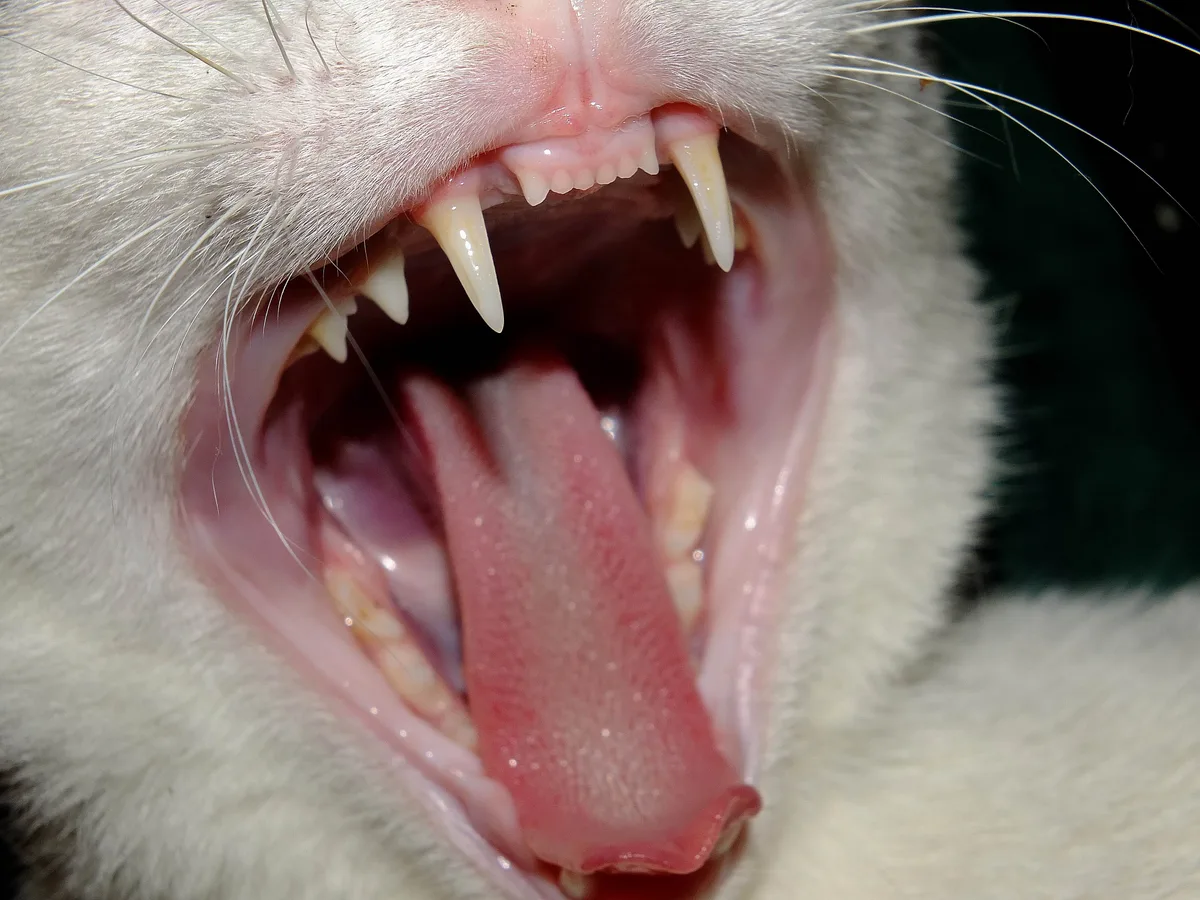
They pant or drool after emerging. Panting that lasts more than a few minutes suggests overheating or respiratory stress. This is especially concerning for flat-faced breeds like Persians or Himalayans. Their anatomy already restricts airflow.
You notice changes in appetite or litter box habits. A cat that hides and stops eating needs immediate attention. Loss of appetite combined with hiding is a classic sign of systemic illness. Kidney disease, hyperthyroidism, and diabetes all present this way.
The behavior started suddenly in an adult cat. A cat that never burrowed before but now lives under the duvet could be reacting to a new stressor or developing a medical issue. Recent moves, new pets, or changes in routine can trigger it. But a sudden change without an obvious cause deserves a checkup.
Weight loss accompanies the hiding. If your cat is losing weight but still burrowing, the warmth may be compensating for a failing metabolism. Hyperthyroidism is common in older cats and often shows up this way.
Trust your gut. If something feels off, it probably is. A quick vet visit can rule out serious problems or catch them early.
That peace of mind is worth the trip.
Frequently Asked Questions
Why does my cat only go under covers at night?
Nighttime burrowing aligns with your cat’s natural crepuscular activity cycle. They are most active at dawn and dusk. Sleeping under covers during your sleep hours helps them conserve energy.
It also keeps them warm when your body temperature drops overnight.
Is it safe for kittens to sleep under blankets?
Kittens under 12 weeks have poor thermoregulation. They can overheat or get trapped more easily. Supervise them closely.
Provide a lightweight, breathable blanket with a clear escape route. Never use heavy comforters or thick duvets with young kittens.
Why does my cat knead before burrowing under covers?
Kneading is a comforting behavior that starts in kittenhood. It stimulates milk flow from the mother cat. Adult cats continue this habit when they feel safe and content.
The motion releases endorphins. It signals your cat is settling into a secure, happy space.
Should I let my cat sleep under the covers every night?
That depends on your cat and your bedding. If the blanket is breathable and your cat can exit easily, it is generally safe. Check for signs of overheating regularly.
If you sleep deeply and move around a lot, a separate cat bed nearby may be a better option.
Why does my cat suddenly stop going under covers?
A sudden change in burrowing behavior can signal discomfort or illness. It could also be a response to warmer weather. If your cat quits burrowing entirely and seems lethargic or avoids touch, schedule a vet visit.
Pain or fever can make contact feel unpleasant.
Can burrowing under covers cause breathing problems?
Heavy or non-breathable bedding can restrict airflow. This is especially risky for brachycephalic breeds. Signs include noisy breathing, panting, or restlessness under the blanket.
Use lightweight cotton or bamboo fabrics. Always leave a corner untucked for easy escape.

Similar Posts