Why Tiki Cat Food Is a Top Choice for Cats
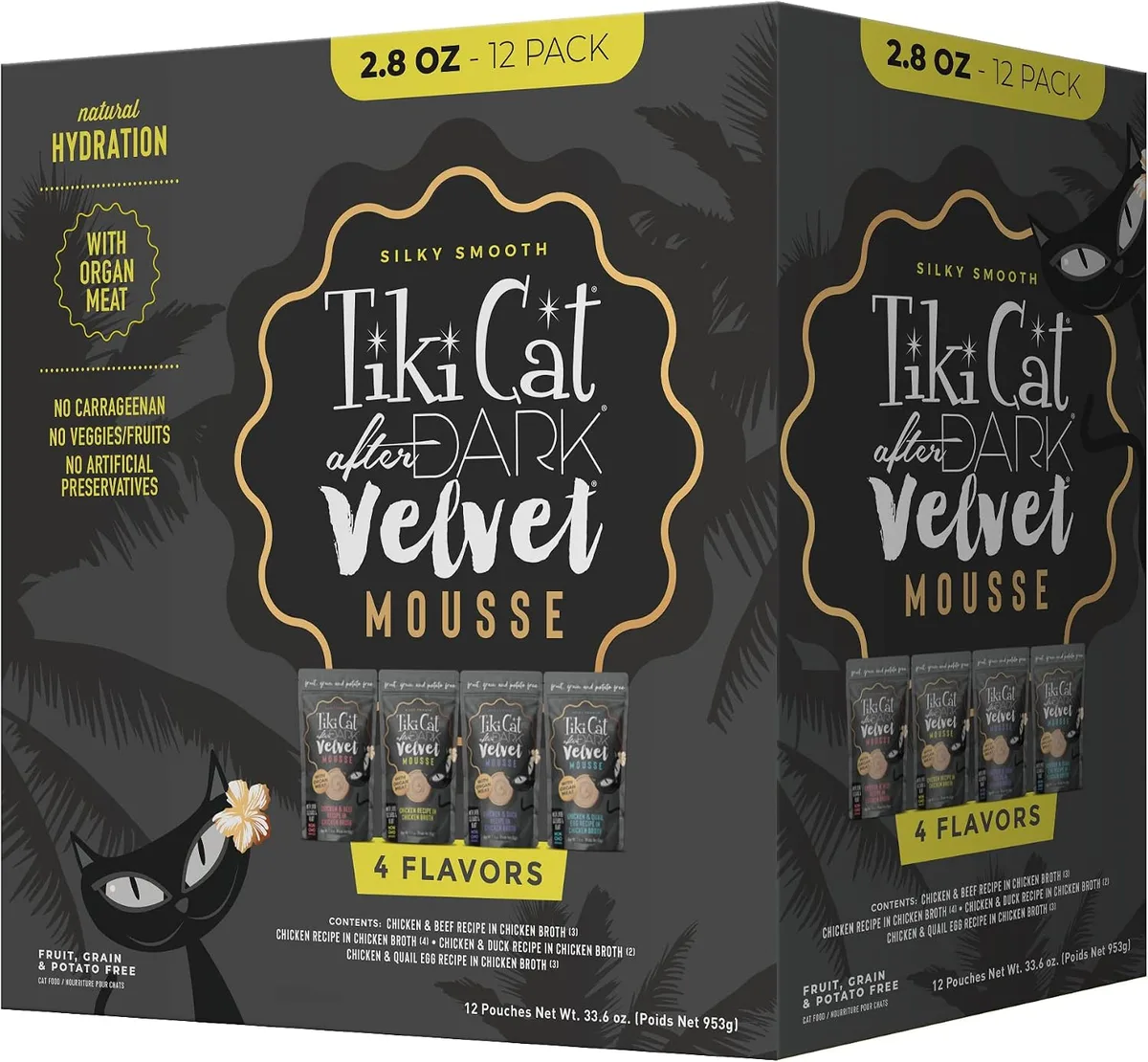
If you’ve ever stood in the pet food aisle wondering whether tiki cat food lives up to the hype, you’re not alone. With so many “premium” brands on the shelf, it’s hard to tell which ones actually deliver on their promises. Tiki Cat positions itself as a high-protein, grain-free, moisture-rich option, but what does that mean for your cat’s bowl?
Manufacturer specifications indicate that most Tiki Cat wet recipes contain 78, 82% moisture, with crude protein hitting 10, 16% on an as-fed basis. Compare that to many standard grocery-store brands, and you’re looking at a very different nutritional profile. The question is whether that difference matters for your cat.
Let’s break it down.
Quick Answer
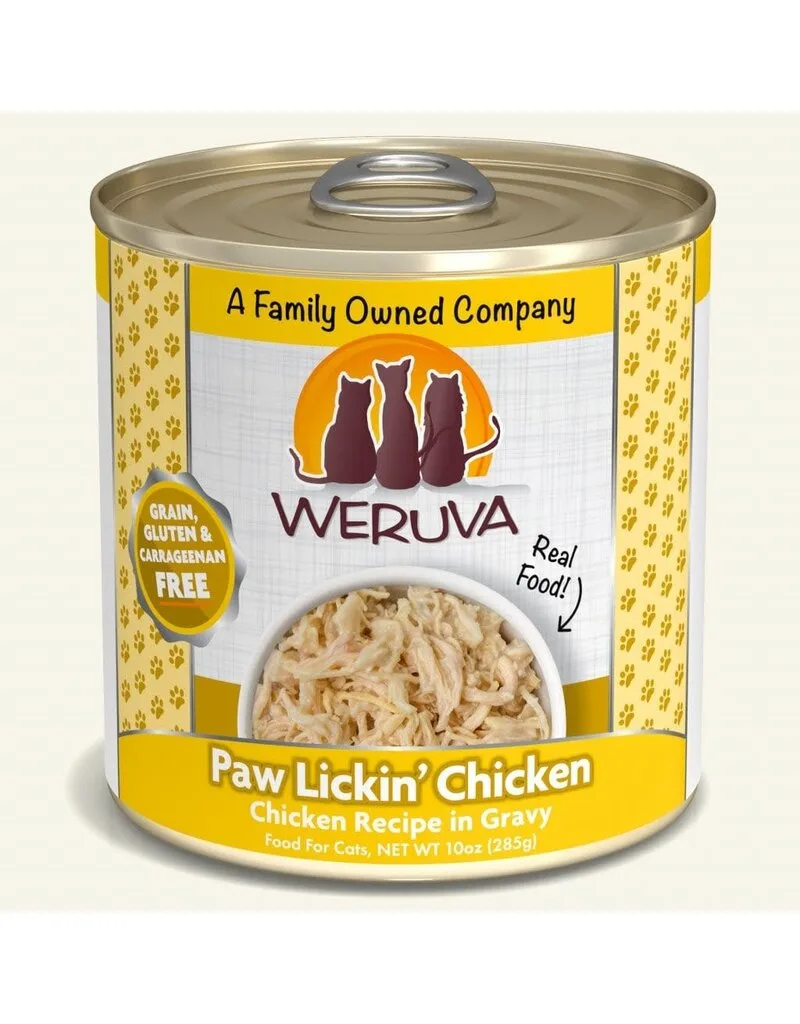
Tiki Cat is a premium wet food brand focused on high protein and high moisture. Most recipes are grain-free and carrageenan-free. The wet lines use whole meat or fish as the first ingredient.
They are AAFCO-approved for all life stages. It’s a strong choice for cats who need extra hydration or a low-carb diet.
Image source: Web (Bing) / amazon.com (Web image (fair-use with source credit))
What Sets Tiki Cat Apart (and What Doesn’t)
Tiki Cat’s main selling point is ingredient transparency. Every can lists a named meat or fish as the first ingredient. You won’t find vague “meat meal” or “poultry by-product” in the wet lines.
That’s a real win if you’re trying to avoid fillers.
The brand also avoids carrageenan, a thickening agent that some studies have linked to digestive issues in cats. Aggregate reviews report that picky eaters often accept Tiki Cat more readily than other premium brands. The texture variety, shreds, pâté, mousse, chunks in broth, gives you options when your cat decides it hates one format this week.
But Tiki Cat isn’t perfect. The wet food is heavy on fish-based recipes. Too much fish over time can raise concerns about mercury exposure, and some cats get so hooked on fish that they refuse poultry or red meat proteins.
You’ll need to rotate proteins if you want a balanced diet.
The dry line, Born Carnivore, is decent for a kibble, but it still has higher carbohydrates than any wet food. If your cat has diabetes or weight issues, wet is the smarter primary choice. Tiki Cat’s dry food is manufactured in the USA, while the wet food is produced in Thailand.
That’s not a red flag, the Thailand facility is FDA-registered, but some owners prefer domestic manufacturing for supply chain peace of mind.
Price is another trade-off. You’re paying $2 to $4 per 5.5-ounce can. That’s comparable to other premium brands, but it adds up fast in a multi-cat household.
Tiki Cat Lineup: Breaking Down What’s Inside
Tiki Cat has four main product lines, and they serve different purposes. Here’s what you’ll find:
| Line | Texture | Protein Source | Best For |
|---|---|---|---|
| After Dark | Shreds / chunks in gravy | Duck, quail, rabbit, chicken | Novel protein diets, allergies |
| Luau | Shreds in broth | Fish (tuna, salmon, mackerel) | Picky eaters who love fish |
| Velvet Mousse | Smooth mousse | Various (chicken, fish) | Senior cats, dental issues |
| Born Carnivore | Dry kibble | Chicken, fish | Budget-friendly dry option |
After Dark is the standout line. It uses novel proteins like duck and quail, which are great for cats with food sensitivities. The shreds are tender, and the gravy adds hydration.
It’s also one of the lowest-carb options in the lineup.
Luau is the fish line. It’s popular because cats love the taste. But as noted above, it’s best used as part of a rotation, not a sole diet.
The shreds in broth texture is light and appealing, especially for cats who turn their noses up at pâté.
Velvet Mousse is for cats who need a soft texture. Think seniors with missing teeth or cats recovering from surgery. It’s smooth enough to lick up easily, and it’s calorie-dense for small portions.
Born Carnivore is the dry kibble. It’s grain-free and high in protein compared to many kibbles, but it still sits around 38, 42% protein on a dry matter basis versus 50, 60% for the wet lines. Use it as a supplement, not a primary food, if your cat needs low carbs.
Tiki Cat vs. Other Premium Brands: A Real-World Comparison
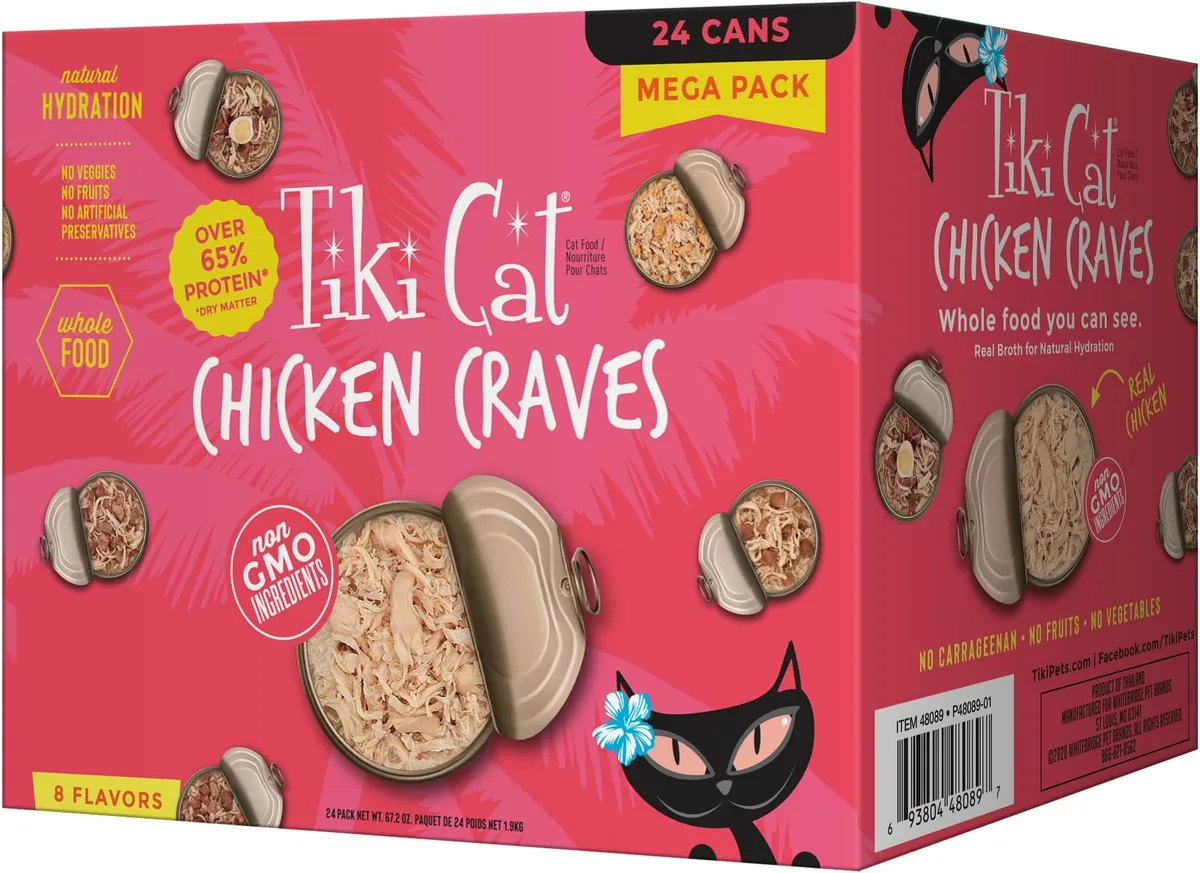
Image source: Web (Bing) / amazon.ca (Web image (fair-use with source credit))
If you’re comparing Tiki Cat to other premium brands, the biggest differences come down to protein source, texture, and price per calorie. Let’s look at three common alternatives.
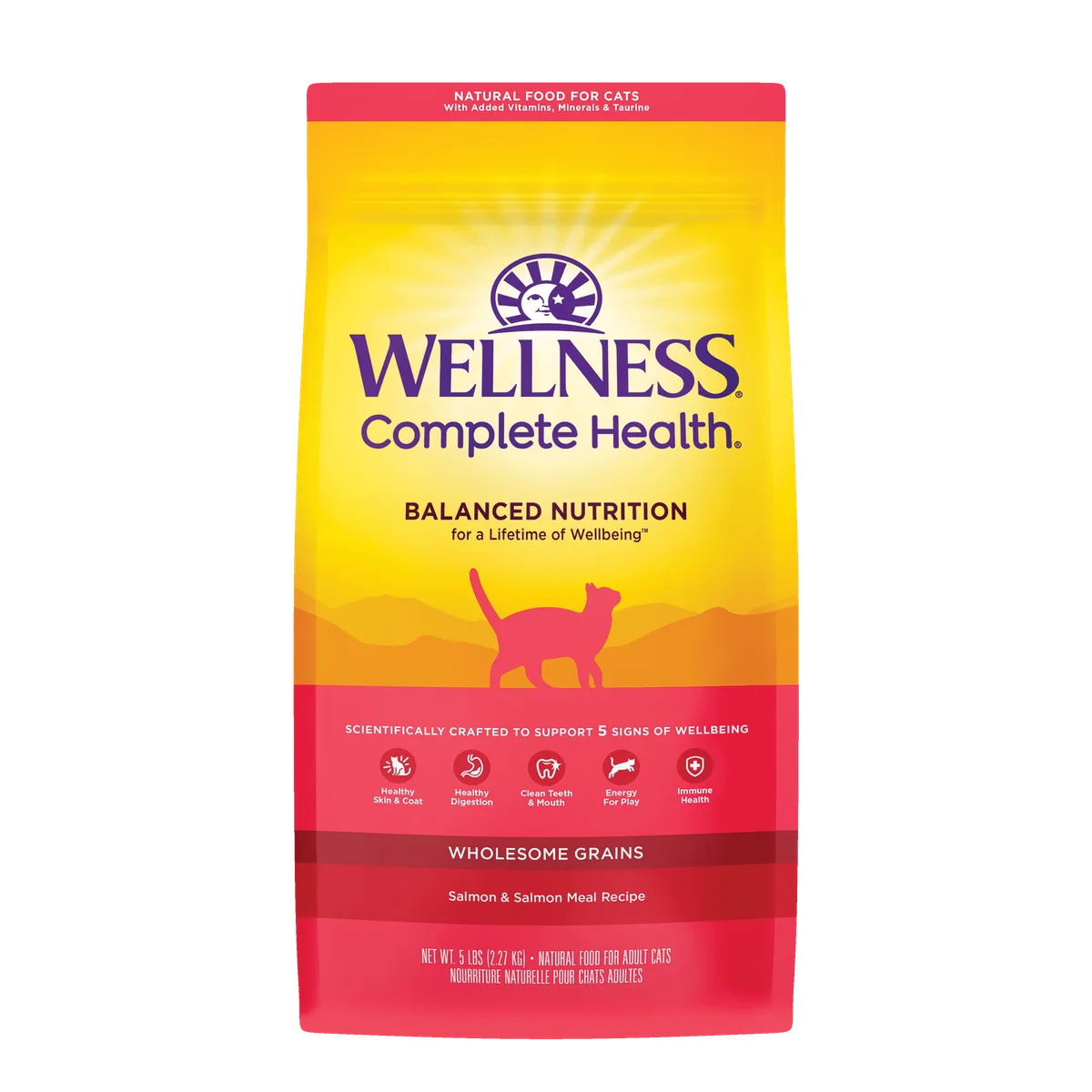
Tiki Cat vs. Wellness CORE. Wellness CORE offers similar protein levels and grain-free recipes. But Wellness CORE uses more meat meals (concentrated protein powders) while Tiki Cat uses whole meats.
Texture-wise, Wellness CORE leans toward pâté and minced formats, while Tiki Cat has more shreds and mousse options. Price is comparable. If your cat prefers whole-food ingredients and shredded textures, Tiki Cat wins.
Tiki Cat vs. Instinct Original. Instinct Original is another high-protein brand with a focus on raw-coated kibble and wet food. Instinct uses more organ meats and vegetables in its recipes.
Tiki Cat keeps the ingredient list shorter and simpler. For cats with sensitive stomachs, Tiki Cat’s “less is more” approach often works better. Instinct offers more protein variety, though.
Tiki Cat vs. Nulo. Nulo is a strong competitor with slightly lower fat content in some recipes, which matters for weight management. Nulo also has a broader range of limited-ingredient options.
But Tiki Cat generally scores higher on palatability in aggregate reviews. If your cat is a picky eater, Tiki Cat is the safer bet.
The bottom line: Tiki Cat excels in moisture, texture variety, and whole-food ingredients. It falls short in protein rotation if you don’t buy the After Dark line. And if budget is tight, you can find cheaper options that still meet AAFCO standards.
Which Tiki Cat Line Is Best for Your Cat?
This isn’t a one-size-fits-all answer. Your cat’s age, health, and texture preferences determine the best pick. Here’s a quick decision guide.
For kittens and all life stages. Any Tiki Cat wet line labeled for all life stages works. The After Dark line is especially good because it provides higher protein for growing kittens. Avoid the Born Carnivore dry food as a primary diet for kittens, wet food is better for hydration and nutrient density.
For senior cats. Velvet Mousse is the clear winner. Its soft texture requires minimal chewing, and the high moisture content supports kidney function. The mousse is also calorie-dense, which helps seniors who struggle to maintain weight.
For picky eaters. Start with Luau (shreds in broth). If your cat loves fish, this is an easy entry point. But don’t stop there.
After a few weeks, try mixing in After Dark shreds to broaden the protein rotation. If your cat refuses shreds, Velvet Mousse is a fallback, most cats accept it because the texture is so smooth.
For cats with food sensitivities. After Dark is your line. Duck, quail, and rabbit are novel proteins that your cat likely hasn’t eaten before. This reduces the chance of an allergic reaction.
Just check the label carefully: some After Dark recipes include chicken liver or other chicken ingredients, so read the ingredient list if chicken is a known allergen.
For weight management. Stick with wet food only. The After Dark and Luau lines have lower carbohydrates than the mousse line. Check the calorie count per can (typically 55, 90 kcal for 2.8 ounces) and adjust portions accordingly.
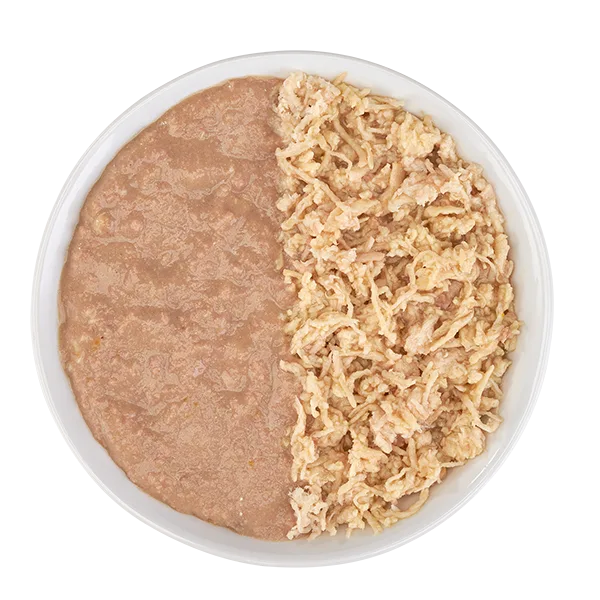
Image source: Web (Bing) / pawpawdear.com (Web image (fair-use with source credit))
Costs, Calories, and Hidden Trade-Offs
Tiki Cat sits firmly in the premium price tier. A 5.5-ounce can ranges from $2.30 to $4.50 depending on the line and retailer. The 2.8-ounce cans run $1.30 to $2.50 each.
That adds up fast if you feed wet food exclusively.
Let's look at the math for a 10-pound cat. A typical adult needs about 200 to 250 calories per day. Most Tiki Cat 2.8-ounce cans contain 55 to 90 calories.
So you're looking at 3 to 4 cans daily. At $1.50 average per can, that's $4.50 to $6.00 per day. Monthly cost lands around $135 to $180 for wet-only feeding.
Mixing in dry food drops the price. The Born Carnivore kibble runs about $0.60 to $0.80 per serving. A half-and-half approach cuts your monthly cost to roughly $80 to $110.
Here's a cost-per-calorie breakdown by line:
| Line | Can Size | Calories | Price (approx) | Cost per 100 kcal |
|---|---|---|---|---|
| After Dark | 2.8 oz | 65–85 | $1.80 | $2.12–$2.77 |
| Luau | 2.8 oz | 55–75 | $1.50 | $2.00–$2.73 |
| Velvet Mousse | 2.8 oz | 75–90 | $1.60 | $1.78–$2.13 |
| Born Carnivore (dry) | per cup | ~400 | $1.20 | $0.30 |
Now the hidden trade-offs. The biggest one is protein rotation. If you stick to Luau fish recipes exclusively, you risk mercury buildup and fish addiction.
Our research suggests rotating proteins every 2 to 3 weeks. That means buying multiple lines, which pushes your cost higher.
Another trade-off is texture rejection. A case of 24 cans of shreds might seem like a deal. But if your cat suddenly decides it hates shreds, you're stuck with 23 unwanted cans.
Start with variety packs before committing to a full case.
Availability matters too. Tiki Cat isn't in every grocery store. You'll find it reliably at Chewy, Amazon, and specialty pet supply stores.
Some PetSmart locations carry it, but call ahead. Running out mid-week means scrambling for an alternative your cat might refuse.
The final hidden cost is the trial phase. Expect to spend $30 to $50 on single cans across different lines before finding your cat's favorite. That's normal.
Factor it into your initial budget.
Frequently Asked Questions
Is Tiki Cat food good for cats with kidney disease?
The high moisture content (78, 82%) helps support kidney function by keeping your cat hydrated. However, you should consult your veterinarian before making any diet changes for a cat with diagnosed kidney disease. Some recipes have moderate phosphorus levels that may not suit advanced kidney issues.
How many cans of Tiki Cat should I feed per day?
A 10-pound adult cat typically needs 3 to 4 of the 2.8-ounce cans daily. Check the feeding guide on the can label and adjust based on your cat's activity level, age, and whether you supplement with dry food. Every cat is different, so monitor weight and adjust portions.
Does Tiki Cat contain carrageenan?
No. Most Tiki Cat wet recipes are carrageenan-free. The brand removed it from its formulas several years ago.
Some recipes use agar or guar gum as thickeners instead. Always check the ingredient list on the specific recipe, since formulations can change.
Can kittens eat Tiki Cat food?
Yes. Most Tiki Cat wet lines are labeled for all life stages, including kittens. The After Dark line is a strong choice because of its higher protein content.
Avoid feeding only dry kibble to kittens. Wet food provides the moisture and nutrient density growing cats need.
Is Tiki Cat made in the USA?
The Tiki Cat dry food (Born Carnivore) is manufactured in the USA. The wet food is produced in Thailand at an FDA-registered facility. The company is based in the United States.
The Thailand facility follows strict quality and safety standards for seafood and meat processing.
What's the difference between Tiki Cat After Dark and Luau?
After Dark uses novel proteins like duck, quail, and rabbit with shredded meat in gravy. Luau focuses on fish proteins like tuna and salmon in light broth. After Dark has higher protein and lower carbohydrates.
Luau is more palatable for picky eaters but should be rotated with other proteins.

Similar Posts