Safe and Healthy: What Can Cats Drink Besides Water?
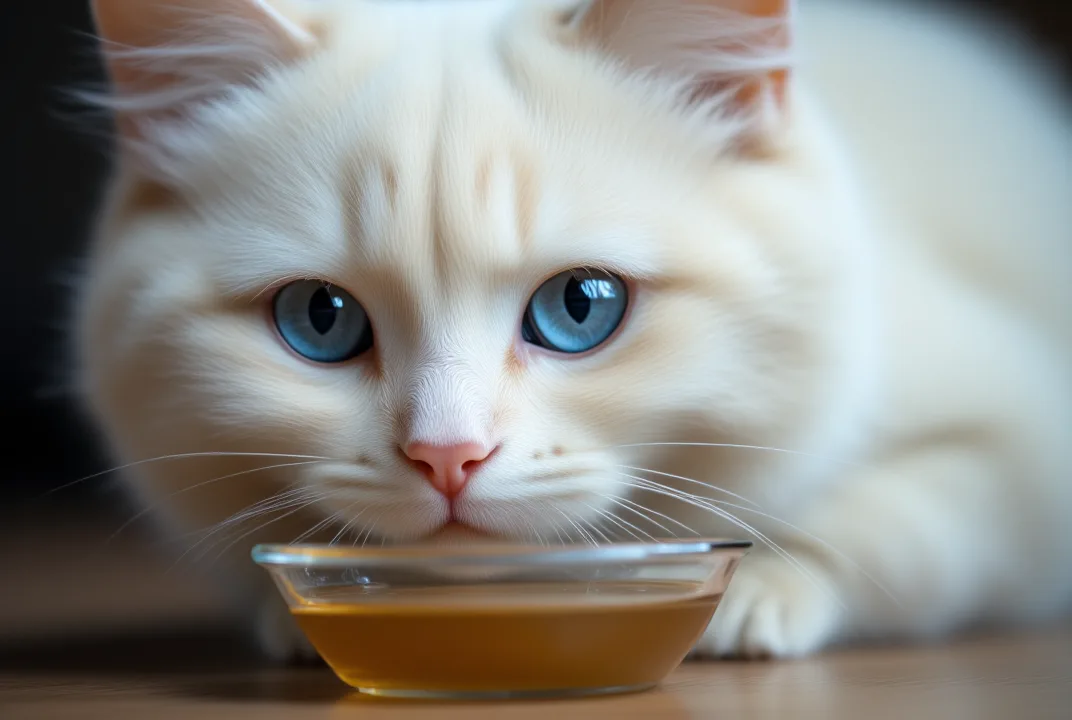
So you're wondering what can cats drink besides water. It's a fair question, especially when your feline friend stares up at you, begging for a sip of whatever you're sipping. Plain water is always the gold standard, but there are a few other options that are both safe and potentially beneficial in the right circumstances.
The tricky part is that a cat's digestive system runs on a very different set of rules than ours. Many human drinks, even some that seem "natural" like cow's milk, can cause stomach upset and dehydration. Let's cut through the myths and look at what the science says, so you can keep your cat hydrated without any guesswork.
We'll cover safe choices, clear risks, and how to introduce anything new properly.
Image source: Bing (Web (fair-use with source credit))
Why Hydration Matters for Cats (More Than You'd Think)
Cats are notoriously bad at remembering to drink. It's a biological quirk we've learned from veterinary research over the years. In the wild, felines evolved to get most of their moisture from the prey they caught, not from a water bowl.
That means their thirst drive is naturally low. As a result, many domestic cats run in a permanent state of mild dehydration. This is a major risk factor for urinary tract infections, kidney stones, and chronic kidney disease, which is a leading cause of death in older cats, according to the Cornell Feline Health Center.
When a cat doesn't drink enough, their urine becomes highly concentrated. This is where things like bladder crystals and blockages start to form. A blocked urethra is a life-threatening emergency that requires immediate vet attention.
So, it’s not just about comfort; it’s about maintaining a healthy urinary system. Encouraging fluid intake is one of the best preventative measures you can take for your pet's long-term health. If they won't drink plain water, we can look for other ways to help.
Fortunately, options exist beyond the water bowl. Knowing what to offer is the key. If you've tried a pet water fountain or simply moving the bowl around without success, you're not alone.
Sometimes, you need to be a bit more creative. Adding tasty liquids to their diet is a strategic way to boost their overall hydration and support kidney function. Here is a breakdown of what is actually safe to pour or offer, and what you should absolutely avoid.
Quick Answer: What's Actually Safe
What cats can drink besides water: most safe options include broth, specially formulated cat milk, and diluted tuna juice. However, these should be offered as treats or hydration supplements, not meal replacements. Always ensure they are free from onions and garlic, which are toxic to felines.
Get the liquid wrong and you risk serious digestive issues. Let's break it down further.
| Safe in Moderation | Unsafe / Toxic |
|---|---|
| Unseasoned bone broth (low sodium) | Cow's milk (causes diarrhea when lactose isn't digested) |
| Specially formulated "cat milk" (lactose-free) | Alcohol of any kind |
| Tuna juice (water-packed, no salt, no oil) | Caffeinated drinks (coffee, tea, soda) |
| Goat's milk (pasteurized, in small amounts) | Grape juice or anything with xylitol |
| Clam or shrimp juice (unseasoned, diluted) | Chocolate or cocoa drinks |
| Water from canned tuna (packed in spring water, not brine) | Energy drinks |
Remember, every cat is an individual. What works for one might upset another's stomach. Always start with a tiny amount to see how they react.
If they vomit or get diarrhea, discontinue that liquid and call your vet. Dehydration can happen fast, especially in small kittens or senior cats, so monitoring them closely during these experiments is vital.
The Full Breakdown: Every Drink Explained
This is where we get into the nitty-gritty. Not all broths are created equal, and "cat milk" isn't the same as the stuff you pour on cereal. Here’s a closer look at the top safe choices, along with a few surprising ones that might do more harm than good.
Bone Broth and Cat-Safe Broths
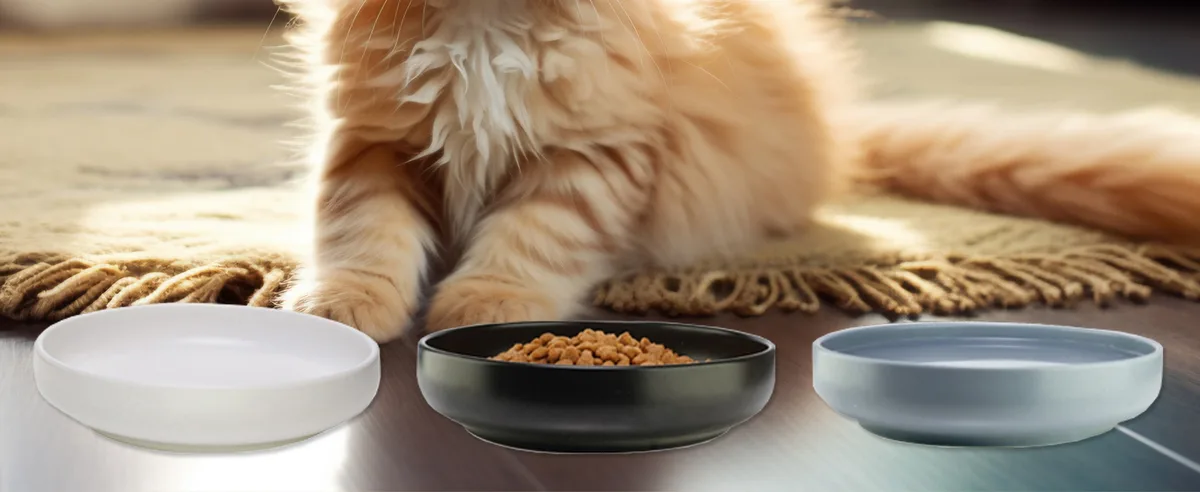
Image source: Bing (Web (fair-use with source credit))
Bone broth is a powerhouse for nutrient content and taste. It's packed with collagen, glucosamine, and amino acids, which support joint health. When choosing a broth, you must look at the label.
Most store-bought broths, even the organic ones, contain onions, garlic, or high amounts of sodium to preserve taste and shelf life. Onions and garlic damage a cat's red blood cells, leading to anemia. Always opt for a plain, low-sodium, or no-sodium variety.
You can also make your own at home quite easily. Simmer bones in water for several hours to extract the goodness. The resulting liquid is a great addition to their food, but there’s a method to serving it safe.
We’ll cover that in a later section. For now, understand that the quality of the broth directly impacts safety. Cheap, high-sodium broth is a worse choice than plain water.
Lactose-Free Cat Milk (Not Cow's Milk)
Here's the classic image: a cat lapping up a saucer of cow's milk. It's a myth that does more harm than good. Most adult cats are lactose intolerant.
They lack the enzyme (lactase) needed to properly digest the sugars in cow's milk. Feeding it often results in severe vomiting and explosive diarrhea, which is unpleasant for everyone and dangerous for the cat because of dehydration.
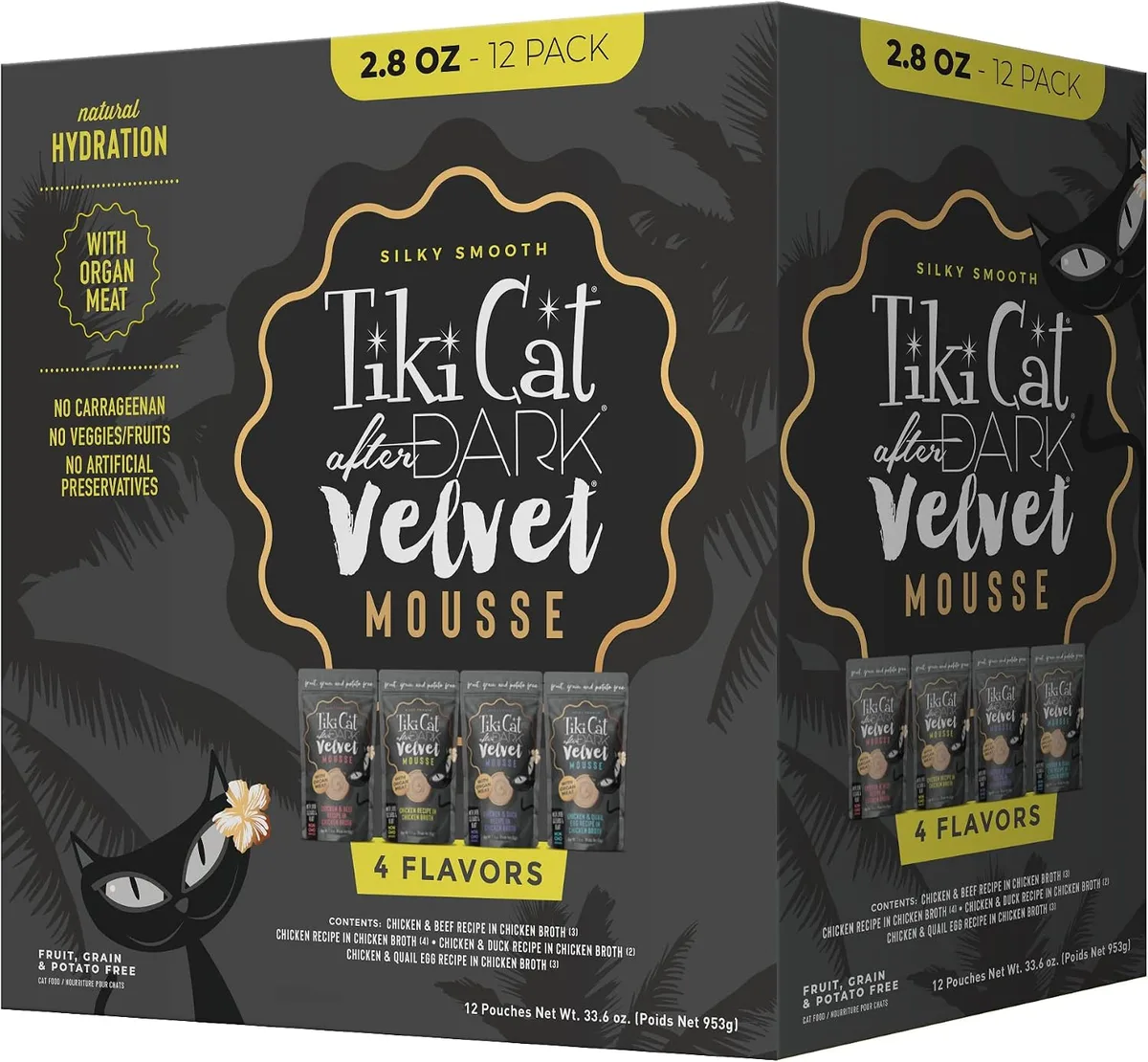
The solution is "cat milk." This is a specially formulated product that is lactose-free. It mimics the taste and texture of milk without the digestive upset. You can find it at most pet stores or online.
It's high in fat and calories, so treat it as a snack. Limit intake to a few tablespoons at a time. As of 2026, these products are widely available and specifically designed to avoid the tummy troubles associated with dairy.
Tuna Juice and Seafood Water
If you've ever opened a can of tuna, you know how much cats love the smell. The juice is a fantastic high-value treat to encourage drinking. However, you must use the right kind of tuna.
It must be canned in spring water, with no salt added, and no oil. Tuna packed in brine (saltwater) is a no-go. The high sodium content can upset the electrolyte balance and lead to dehydration.
Drain the tuna, and take a few tablespoons of the water. You can offer it undiluted or mix it with the cat's regular water to make it more appealing. This is a great technique for a cat that suddenly stops drinking.
The strong aroma often encourages them to take in much-needed fluids. Just don't make it a daily habit. Tuna is high in mercury, and even the water will contain trace amounts.
Electrolyte Drinks (Pedialyte)
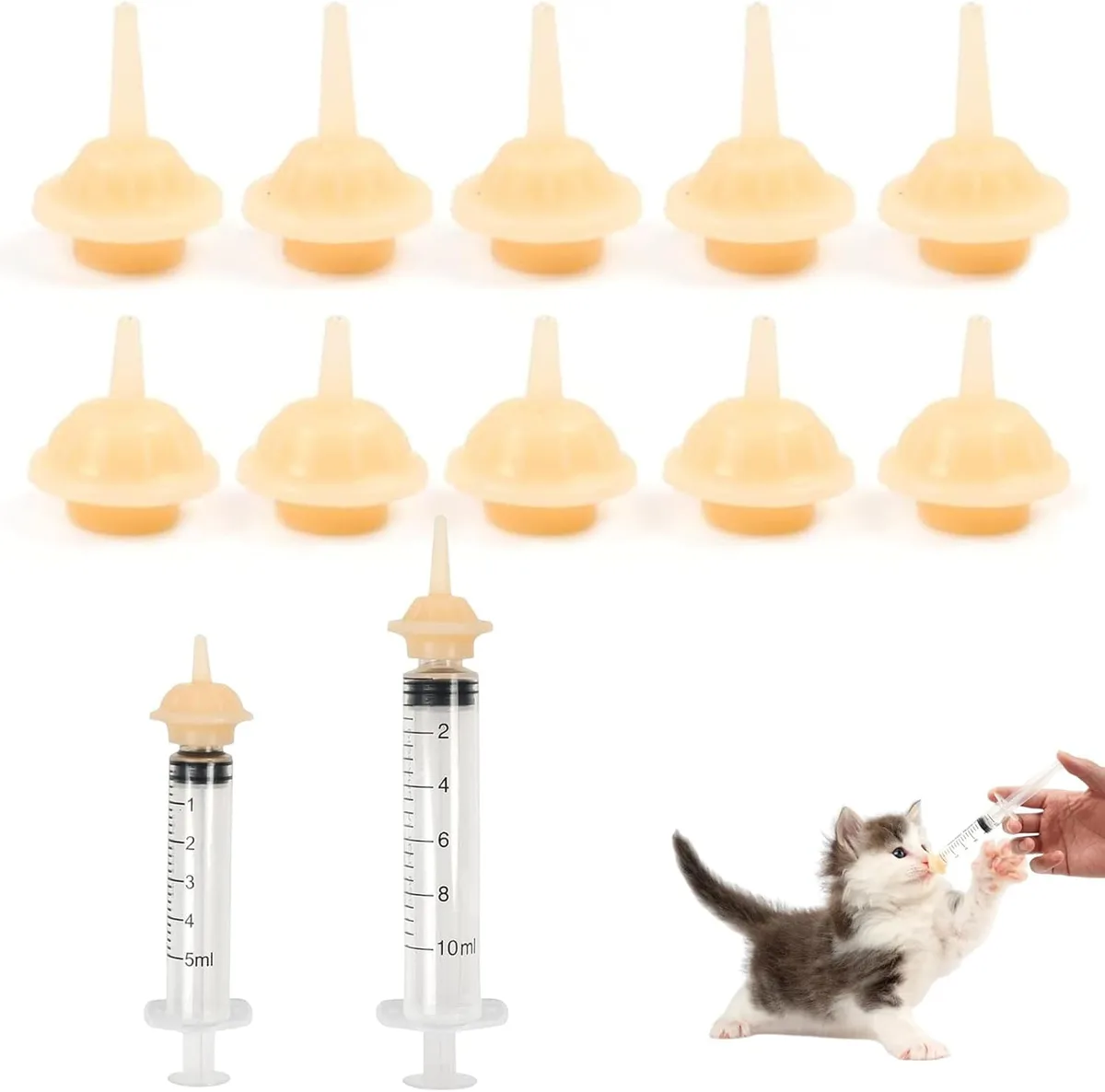
When cats get sick, vets often recommend an unflavored, pediatric electrolyte solution like Pedialyte. It's useful for replenishing electrolytes and fluids lost through diarrhea, vomiting, or fever. You can give a small amount by syringe or offer it in a bowl.
Many cats don't love the taste, but it's a safe alternative to nothing if the cat is refusing water.
Look for the unflavored, unsweetened versions. Avoid any fruit-flavored varieties, as they often contain xylitol or artificial sweeteners that are toxic to pets. It's not a daily treat, and it's not a substitute for medical care.
Suppose your cat is lethargic, has sunken eyes, or has not eaten in 24 hours. In that case, skip the home remedies and call your vet immediately. Electrolyte drinks are stopgaps, not solutions.
Goat's Milk
Sometimes considered a "raw milk" alternative, goat's milk is often easier for cats to digest than cow's milk. It has smaller fat globules and contains a different protein structure. However, it is still lactose-containing unless specifically labeled as fermented or cultured to remove it.
There are specific "goat's milk" products made for pets that have been fermented to break down the lactose.
If you want to try goat's milk, get the specific pasteurized pet formula. Raw unpasteurized milk is a bacterial risk, not just for the cat, but for you. It can carry Salmonella and E. coli.
If you don't have access to cat-safe formulas, a tiny taste now and then of pasteurized goat's milk won't kill them, but it's not a hydration strategy. Treat it like a rare treat, not a daily routine.
How to Introduce New Liquids Safely
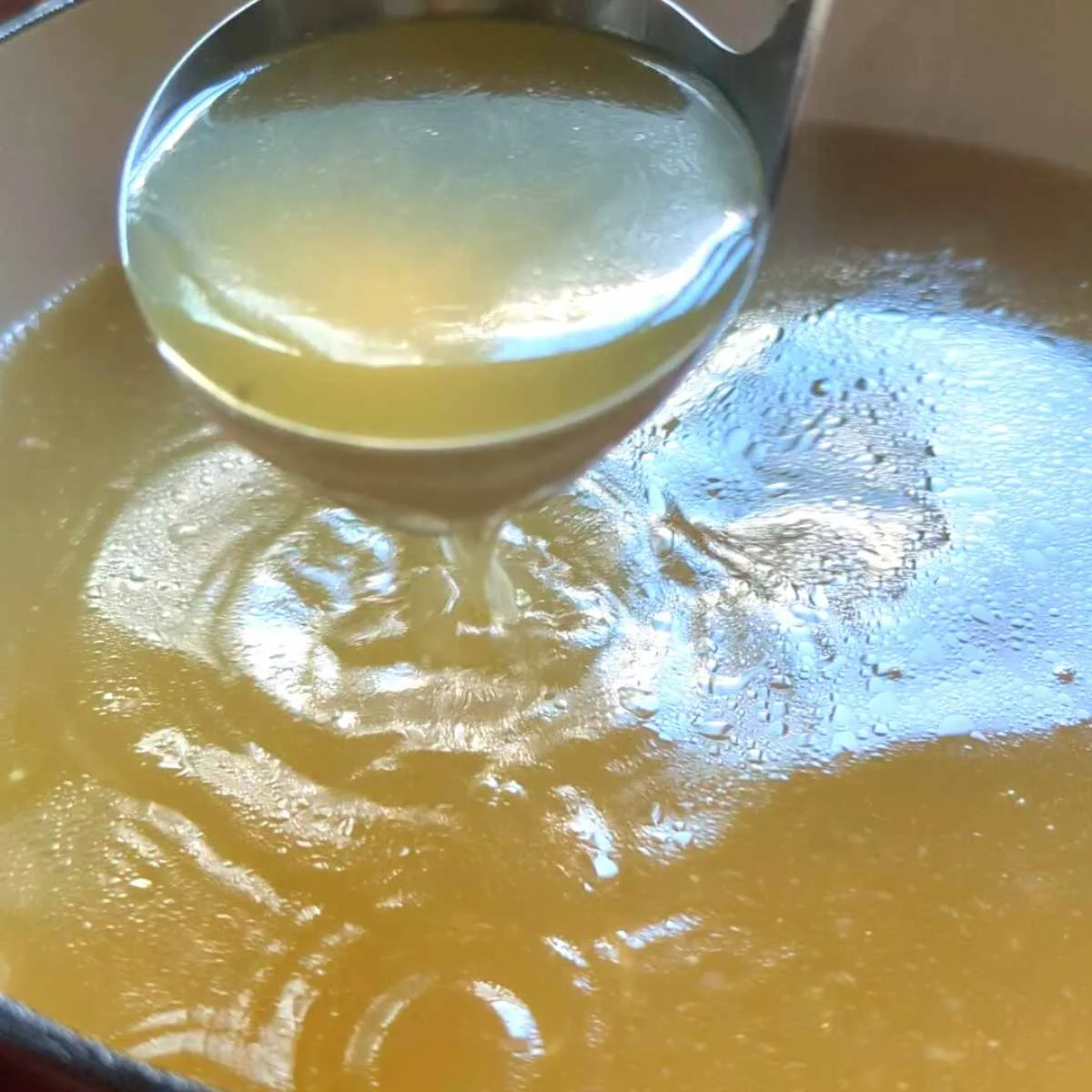
Image source: Bing (Web (fair-use with source credit))
Your cat is a creature of habit. You can't just swap out the water bowl and expect them to lap it up without question. Introducing a new liquid is a process that requires patience.
The first step is always to present it at room temperature. Cold liquid from the fridge can shock the system, especially for kittens. Warm, not hot, is ideal because it releases more of the aroma.
Never force the issue. If you try to syringe-feed them a new broth, they will associate it with stress. Instead, place a small bowl next to their food.
Or, you can mix a tablespoon of the new liquid into their wet food. This is usually the most successful method because it takes advantage of their normal feeding routine while adding extra moisture. Here’s a quick step-by-step guide to the process:
- Step 1: Start with one tablespoon of the new liquid mixed into their regular food.
- Step 2: Watch for 24 hours for any signs of digestive upset (loose stool, vomiting).
- Step 3: If they tolerate it, gradually increase the amount over a few days.
- Step 4: Try offering a small dish of it separate from the food.
- Step 5: If they refuse it twice, don't fight it. Try a different liquid.
The Dilution Test
When you introduce a new liquid, think about the concentration. If you're using broth, dilute it 50/50 with water initially. This gets them used to the taste without overwhelming their kidneys with the broth's minerals.
The goal is always to encourage them to drink more water, not less. If they only drink the broth and refuse the water, you'll need to make the broth weaker over time to wean them back onto plain water.
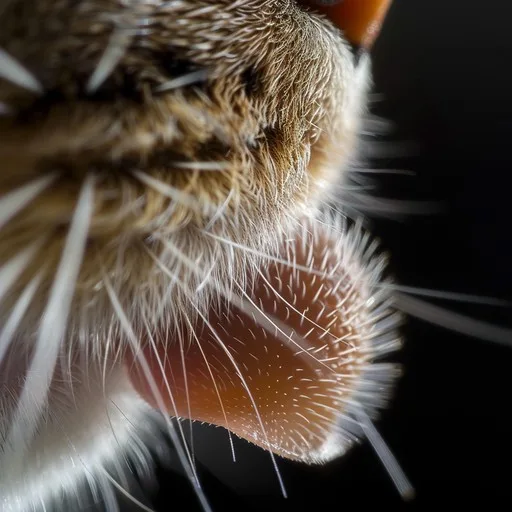
Always make sure the liquid you offer is not scalding hot. Cats have sensitive tongues and mouths. If it’s too hot for you to touch, it’s too hot for them.
Let it cool to body temperature or slightly warm. This also applies to the water from canned tuna, which can be room temperature. A cat with a burnt mouth will likely stop eating and drinking altogether, creating a bigger problem.
Recognizing Food Aversions
Sometimes, a liquid that is technically safe for cats might just be a "no" for your specific cat. Just like people, cats have preferences. If you've tried a few different safe options and your cat shows no interest, don't force it.
Forcing it can create a long-term food aversion. You might be better off trying a different brand of canned food that has extra gravy, or adding water to their existing food to create a "soup."
The goal of offering these liquids is to increase intake. If the cat isn't drinking any of them, you're back to square one. At that point, consider automatic waterers or dripping faucets.
It is also worth noting that the temperature of the water is a huge factor. Many cats appreciate fresh, cool water that has been sitting out, but some prefer ice cold. You might have to experiment to see what they like.
Watch for Reactions
This is the most critical part of the process. After offering a new liquid, monitor your cat closely. If they drink too much bone broth, which is high in certain minerals like magnesium and phosphorus, it can cause urinary issues in predisposed cats.
Overconsumption is just as bad as giving the wrong thing. Moderation is the name of the game.
If you notice any of these signs, stop offering the liquid and contact your vet:
- Vomiting within a few hours of intake.
- Diarrhea or changes in litter box habits.
- Excessive drooling or pawing at the mouth (could indicate discomfort).
- Lethargy or hiding.
Common Mistakes to Avoid When Hydrating Your Cat
It’s easy to think you're helping when you're actually doing harm. A lot of well-meaning owners make simple errors that can lead to a very unhappy cat. One of the biggest mistakes we see is rushing to the grocery store and grabbing any carton of broth without reading the ingredient list.
As we said, garlic and onion are ubiquitous in human broths. Even a small amount of garlic powder over time can cause oxidative damage to red blood cells.
Another common issue is assuming that all "water flavorings" designed for humans are okay for cats. This is categorically false. Many contain artificial sweeteners like xylitol, which is extremely toxic to cats.
Always assume a human product is unsafe unless you can prove otherwise. Rely on the options we've listed above. They are predictable and have been formulated with pet safety in mind.
Ignoring Water Bowl Maintenance
Believe it or not, what you serve the water in matters as much as what's in it. Cats have an intense sense of smell. If you wash their water bowl with strong-scented dish soap, they might stop drinking from it entirely.
This is a common pain point we see in our research. The soap residue, even a tiny bit, can be a turn-off. Make sure to rinse the bowl thoroughly after cleaning.
Or, use a designated pet-safe soap.
Placing the water bowl right next to the food bowl is another common error. In the wild, cats are wired to avoid food near their water source. This is because they instinctively worry that food may contaminate the water, leading to bacterial growth.
Placing water away from the food dish, especially in a quiet corner, can significantly increase their intake.
The "Pathological Thirst" Trap
If you notice your cat suddenly drinking excessive amounts of water or any other liquid, that's a red flag, not a habit to encourage. "Polyuria and polydipsia" is the medical term for excessive drinking. It can be a symptom of diabetes, hyperthyroidism, or kidney disease.
If your cat's water intake doubles overnight or they start camping out by the sink, it’s time for a vet check-up.
Also, be cautious with a cat that is already overweight. Giving them high-calorie "treat" drinks like milk or bone broth can sabotage their diet. Even a quarter cup of milk can contain a significant number of calories.
Always balance the extra calories against their daily food allowance. If you're treating them with a broth, reduce their breakfast slightly to compensate. It's about the total daily intake.
The "Home Recipe" Risk
Finally, while making homemade broth is great, it comes with a risk: improper preparation. If you don't cook the bones long enough, they can splinter. Cooked bones are brittle and can cause internal damage.
You need to simmer the bones for 24 hours for a proper stock. You also need to remove every bit of fat before serving. Too much fat can trigger pancreatitis.
If you don't have the time or the inclination to do that, don't force it. Using a high-quality commercial product is fine, provided it’s vet-recommended and safe. We're not going to recommend specific brands, but look for "bone broth for pets" on the label.
These are typically processed to be healthier for animals. They've already removed the fat and done the hard work for you.

Similar Posts