What to Feed Stray Cats: Safe & Healthy Options
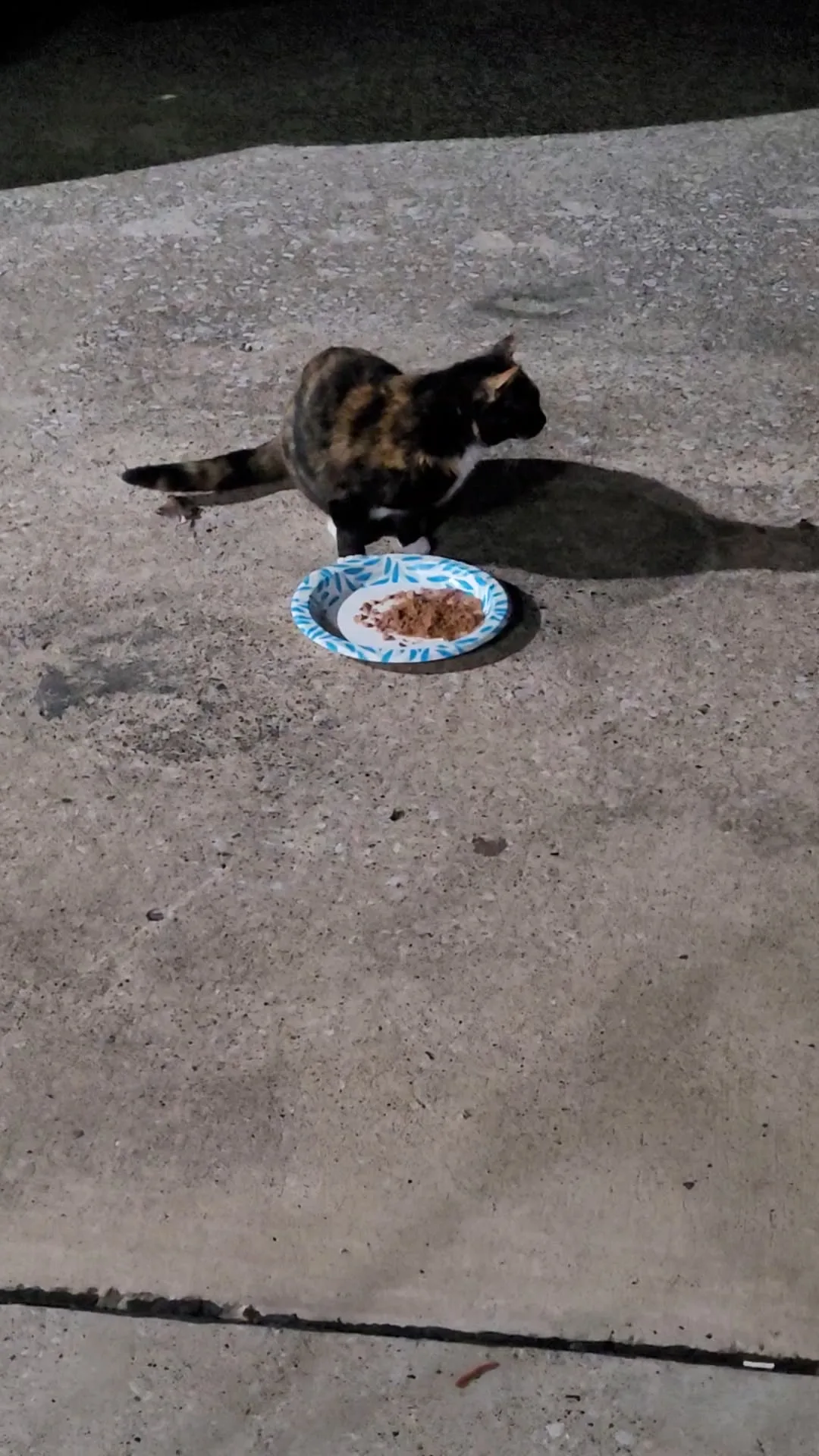
You're standing in the pet food aisle, or maybe you're staring at your own kitchen cabinets, wondering if that can of tuna or sack of dry cat food you already own is actually okay to put out for the stray that's been crying on your porch. It's a real question, and the answer isn't quite as simple as "just give 'em whatever." Figuring out what to feed stray cats is about balancing their immediate hunger with their long-term health, safety, and your own good intentions.
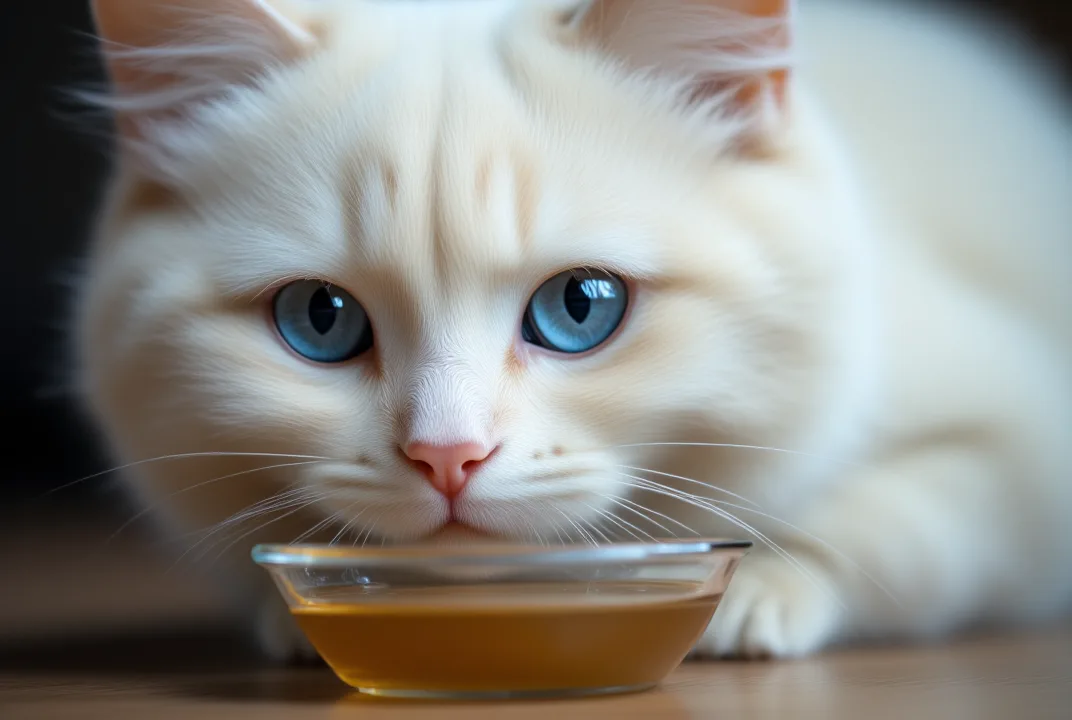
A neighborhood cat is a tough survivor, but that doesn't mean their digestive system is bulletproof. While dry kibble is cheap, easy, and shelf-stable, it can leave some cats dehydrated. Aggregated veterinary research suggests that a diet with a higher moisture content, like canned food, is often more aligned with a cat's natural needs, as they are obligate carnivores adapted to getting water from their prey.
Getting this right is about more than just filling a bowl; it's about not making a bad situation worse for an animal that's already scraping by.
Image source: Bing (Web (fair-use with source credit))
Is It Even Safe to Feed Stray Cats? (Start Here)
Before we talk about the food itself, we have to talk about the bigger picture. Feeding stray cats isn't just a kind gesture; it's an action with consequences. A lot of well-meaning people jump in and start feeding without thinking about the risks, and that's how you get problems.
Our research shows that the safety of the cats, your family, and your neighbors all depend on how you approach this.
The first risk is disease. Stray cats can carry transmissible diseases like feline leukemia (FeLV), feline immunodeficiency virus (FIV), and parasites like fleas, ticks, and worms. Rabies is also a very real concern in many areas.
You need to be smart about handling the food and water bowls and wash your hands thoroughly after handling them or any cat that touches you.
Then, there's the issue of creating a nuisance. An unmanaged colony of stray cats will reproduce rapidly. The ASPCA reports that cats can get pregnant as young as four to five months old.
If you feed but don't address the root cause of strays, you might end up attracting other unwanted guests, like raccoons, opossums, or even coyotes, depending on where you live. You're responsible for keeping the feeding area clean to avoid complaints from neighbors about the smell, the noise, or the waste.
Finally, there's the local law. Some municipalities have rules about feeding feral or stray animals, so it's smart to check your local ordinances before you set up a permanent feeding station. The goal here is to help an animal without starting a bigger problem.
What to Feed Stray Cats: The Quick Answer
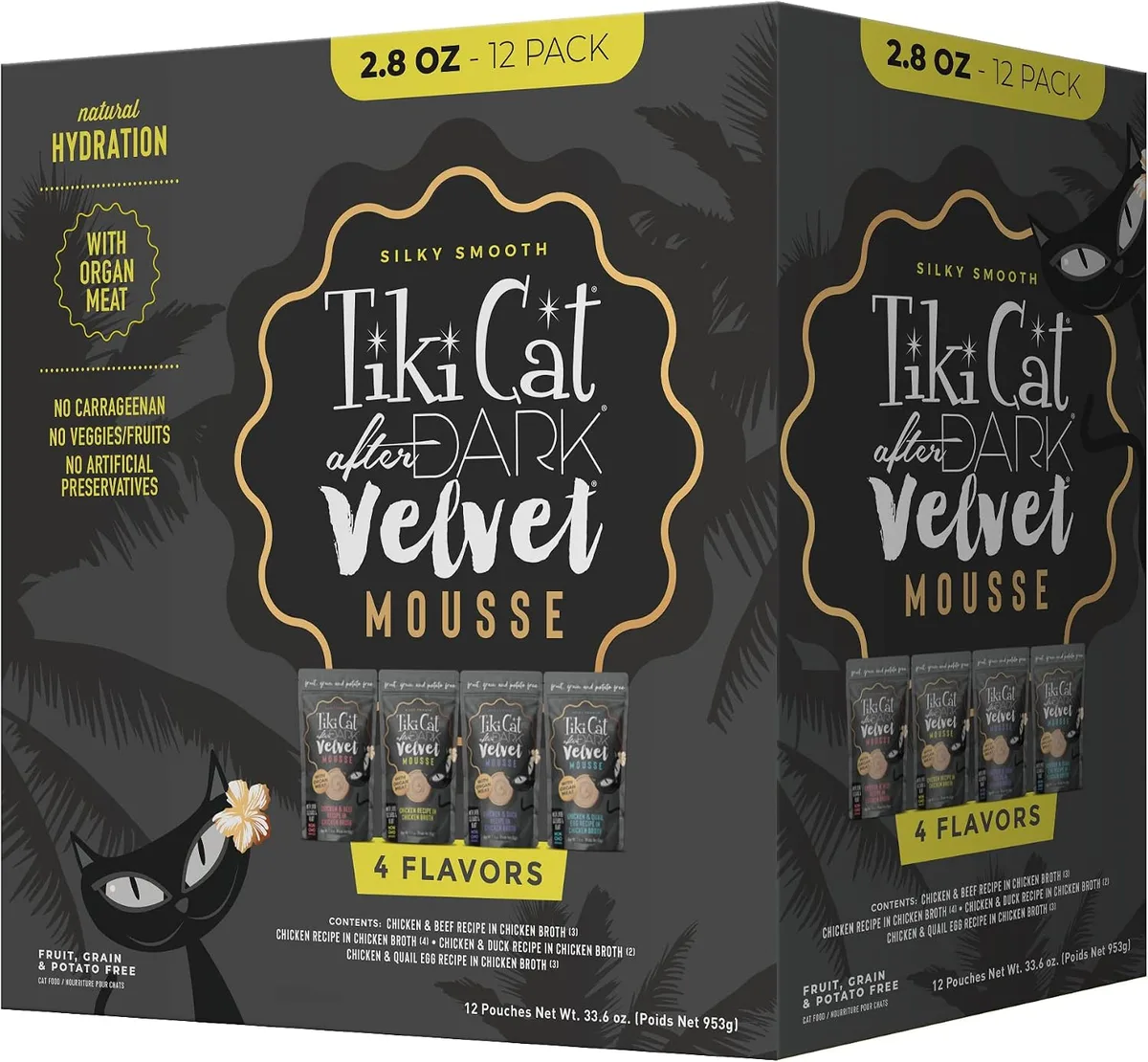
So, what should you put in that bowl if you want to do it right? The short answer is canned, wet cat food. It's the single best option for a stray cat.
It provides much-needed hydration, which is critical for cats who often don't have a reliable source of clean water, and it breaks down the key facts for you.
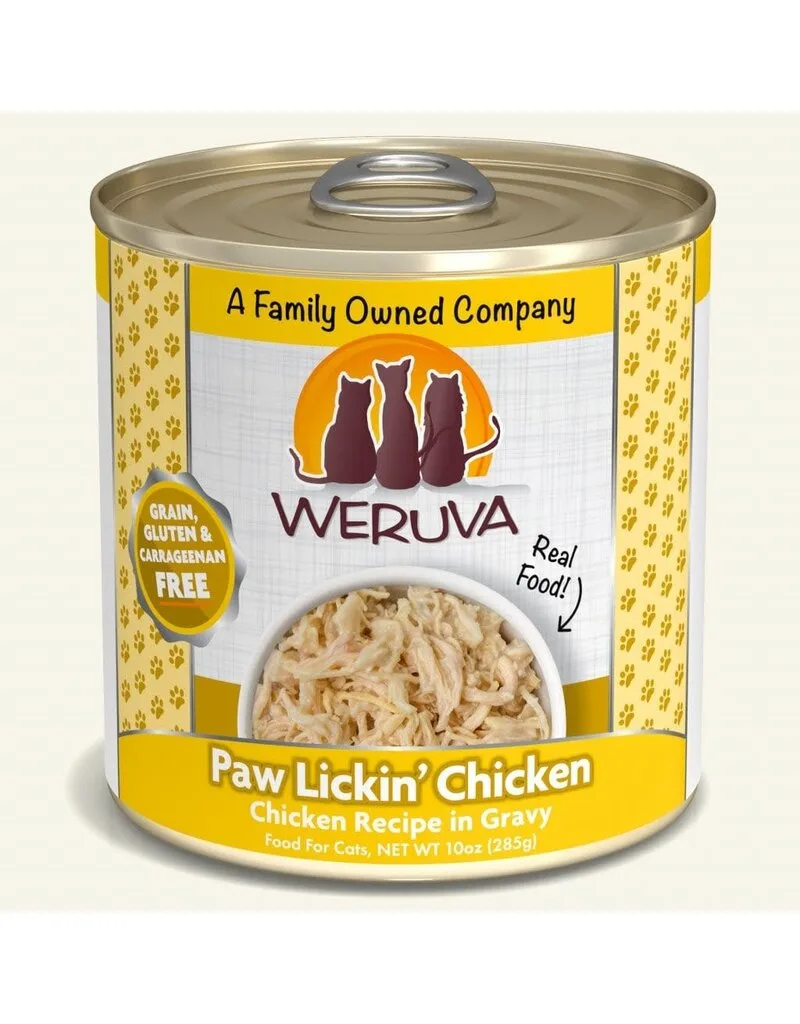
- Wet Canned Food: High protein, high moisture content. This is our top recommendation because it closely mimics the moisture of natural prey.
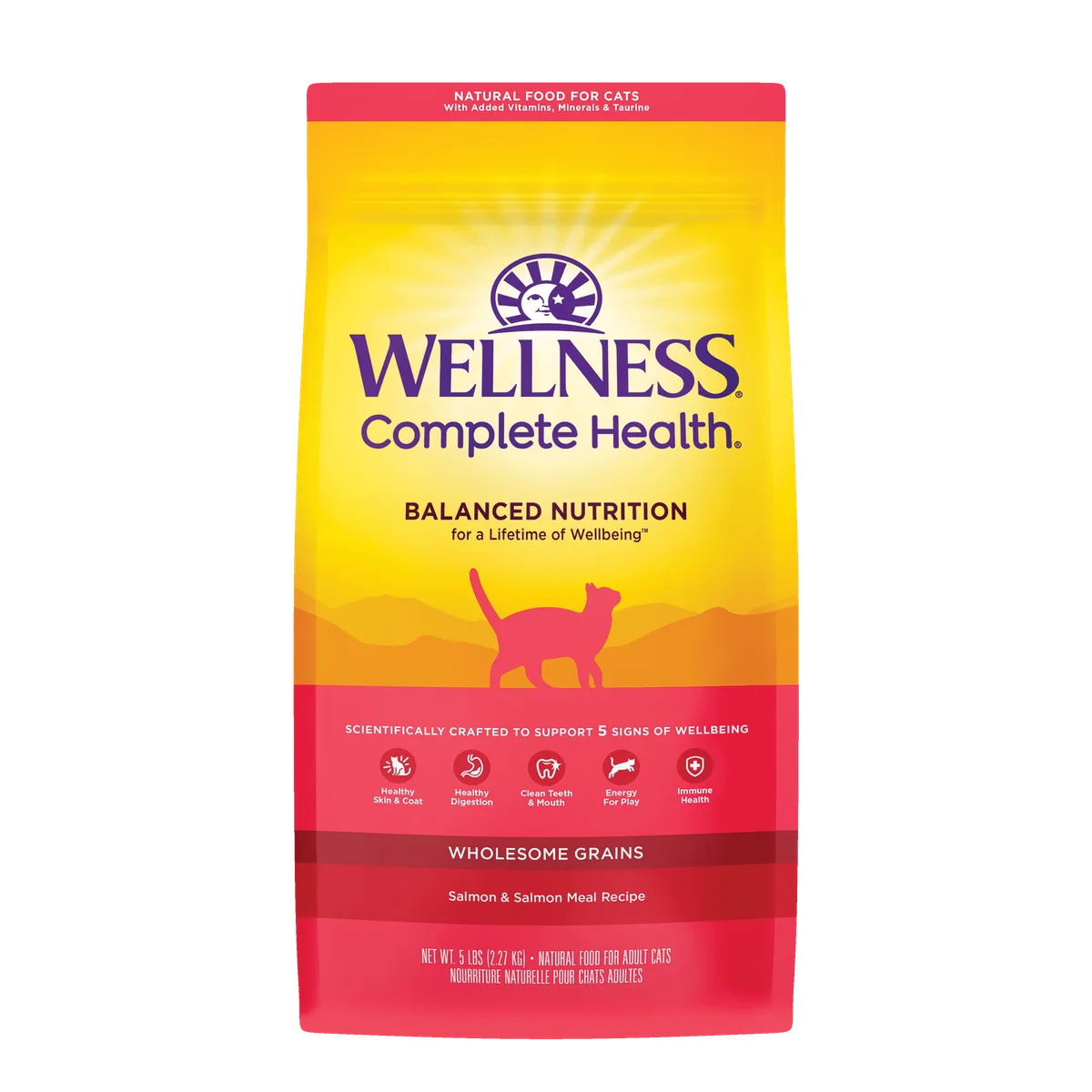
- Dry Kibble: A decent backup. It's convenient and won't spoil as fast in warm weather, but it's lower in moisture, which can be hard on a cat's kidneys over time.
- Fresh, Cooked Meat: Unseasoned, plain chicken, turkey, or beef can be a great, high-protein treat or supplementary offering.
If you're asking "Can I just give them some of my regular cat food?" the answer is usually yes, especially if it's a high-quality pâté in gravy or sauce. But avoid fish-flavored foods as a staple, because too much fish (especially tuna) can lead to heavy metal toxicity over a long period.
Just remember, a stray cat is a wild animal, so your job isn't to give them a gourmet diet. It's to provide safe, nutritious calories that won't make them sick while they figure out their next move. Wet food is more expensive, but when you're doing the math in your head, know that you're balancing cost against the cat's urinary tract health.
A diet that's too dry can lead to crystals and blockages, which are painful and often fatal without vet care.
Wet Food vs. Dry Kibble: Which One Works Best?
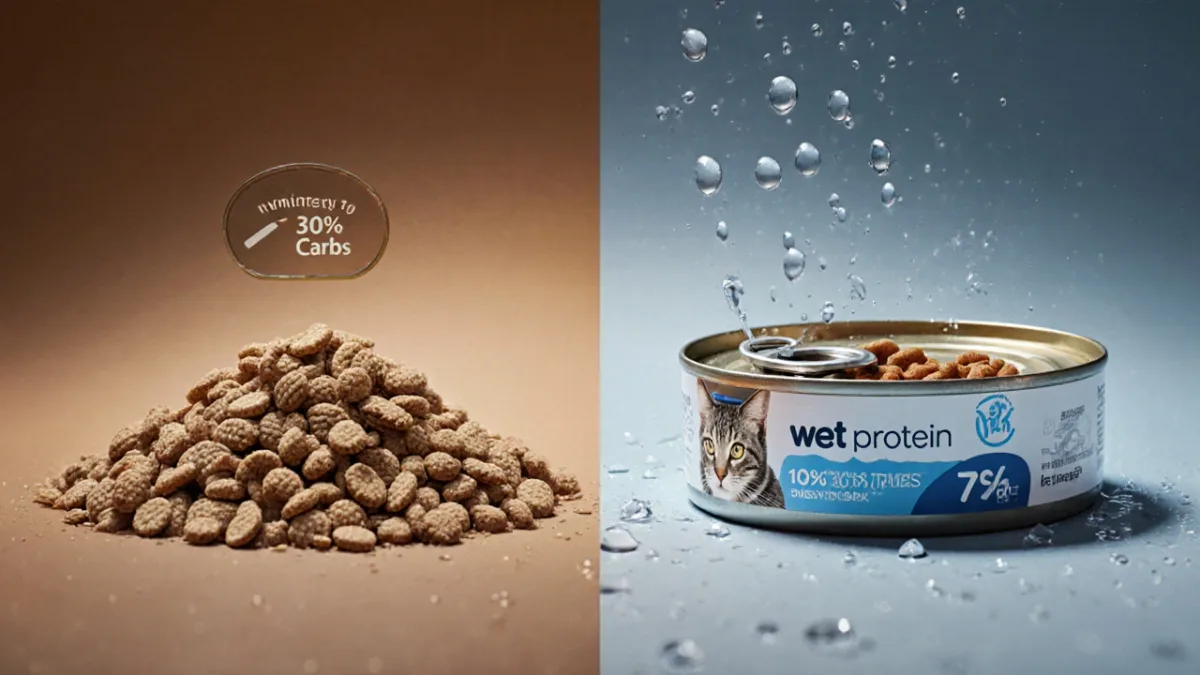
Image source: Bing (Web (fair-use with source credit))
Here's the trade-off between wet and dry food, and honestly, it's a conversation you have to have with yourself every time you fill that bowl up. Aggregate research on outdoor cats shows both have their place, but for the average stray, wet food is the winner for overall health. Let's break down the specifics in a simple comparison.
| Feature | Wet Canned Food | Dry Kibble |
|---|---|---|
| Moisture Content | High (up to 78%) | Low (around 10%) |
| Cost | More expensive | Budget-friendly |
| Spoilage | Spoils quickly; must be removed | Stays fresh for longer |
| Dental Health | No dental benefits | May help with mild plaque |
| Best For | Hydration, general health | Emergency rations, self-feeders |
Wet food is fantastic for hydration. Stray cats that wander the streets often drink less water than they should, which puts them at risk for kidney disease and urinary tract issues. Canned food gets that water into them with every bite.
On the flip side, it's a race against the clock when you put it out. In the summer, it can go dry or attract flies within hours; in the winter, it can freeze solid and become uneatable. Our advice?
Put out wet food at a set time, watch it, and pick it up within about 30 minutes to an hour.
Dry kibble, on the other hand, is the ultimate convenience food. You can set up an automatic feeder or a bowl in a dry, covered spot and it'll last a day or more, which is helpful if you can't always be on a strict schedule. However, that convenience costs the cat.
A long-term diet of only dry food can be a silent contributor to kidney failure and diabetes, especially if there isn't a fresh, clean water source nearby. The best strategy for a responsible feeder? Mix it up.
Give wet food as the main course in the morning and evening, and leave a small bowl of dry kibble out as a snack for them to nibble on if they get desperate in between those times.

Similar Posts