What Does a Cat’s Loud Purr Really Mean?
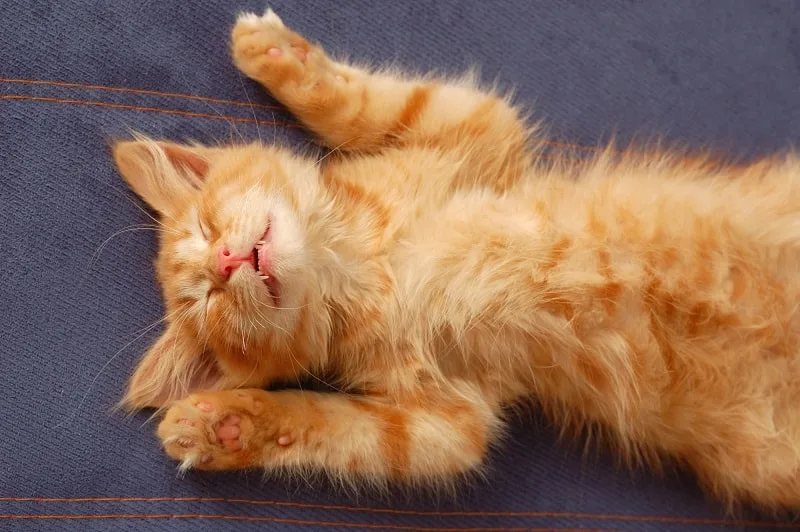
Your cat curls up on your lap, eyes half-closed, and lets out a deep, rumbling purr that you can feel through your jeans. It's loud, almost motor-like, and you've always assumed it means pure happiness. But then you find yourself wondering, what does it mean when a cat purrs loudly, really?
Is it always about contentment, or is there more going on beneath that fuzzy exterior?
We've lived with cats long enough to know they aren't always as straightforward as they seem. While a roaring purr often signals pure bliss, research in feline behavioral science indicates that cats also use loud purring as a strategic tool, and sometimes, as a subtle sign of stress or pain. As of 2026, veterinary consensus suggests that the frequency of a cat's purr, typically ranging between 25 and 150 Hertz, serves multiple purposes.
The trick is learning to decode the rest of the cat's body language to figure out which message they are actually sending.
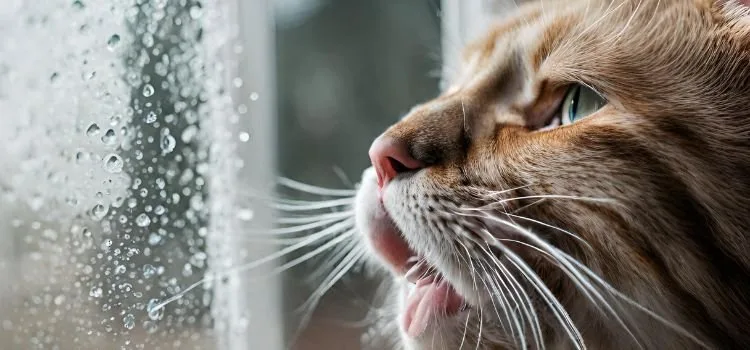
Image source: Bing (Web (fair-use with source credit))
Quick Answer
A loud purr means your cat is experiencing a strong emotion, usually positive, but not always. Cats purr loudly when they are content, hungry, or stressed. The purr itself is a low-frequency vibration that can be a sign of pleasure or a self-soothing mechanism.
To understand the meaning, you must read the purr alongside the cat's body language. The context of the situation always tells the real story.
The Two Types of Loud Purrs – Contentment Versus Something Else
Understanding the difference between a happy purr and a distressed one often comes down to the specific situation and the pitch. A regular "contentment" purr happens most often during slow-blinking cuddles, grooming, or when they're kneading a soft blanket. It sounds deep, relaxed, and continuous, often accompanied by a relaxed, floppy posture.
However, there is a specific "soliciting" purr that cats have cleverly developed to get what they want, primarily food. Studies have shown that cats can blend a high-pitched cry, almost like a meow, into their purr when they want something. This specific mix, often sounding like "urgent" or "soliciting" purring, taps into our innate nurturing instincts, making it nearly impossible to ignore.
If the purr sounds insistent and is directed at you near the food bowl, it's usually a request rather than pure affection.
The Decision Tree: How to Read Your Cat’s Body Language
To decode what your cat's loud purr means, you need to act like a detective and look at the whole picture. The purr is just one piece of the puzzle. If you want to know what the cat is telling you, stop focusing on the sound alone and start observing the ears, tail, eyes, and posture.
Here is a step-by-step decision tree to help you figure it out.
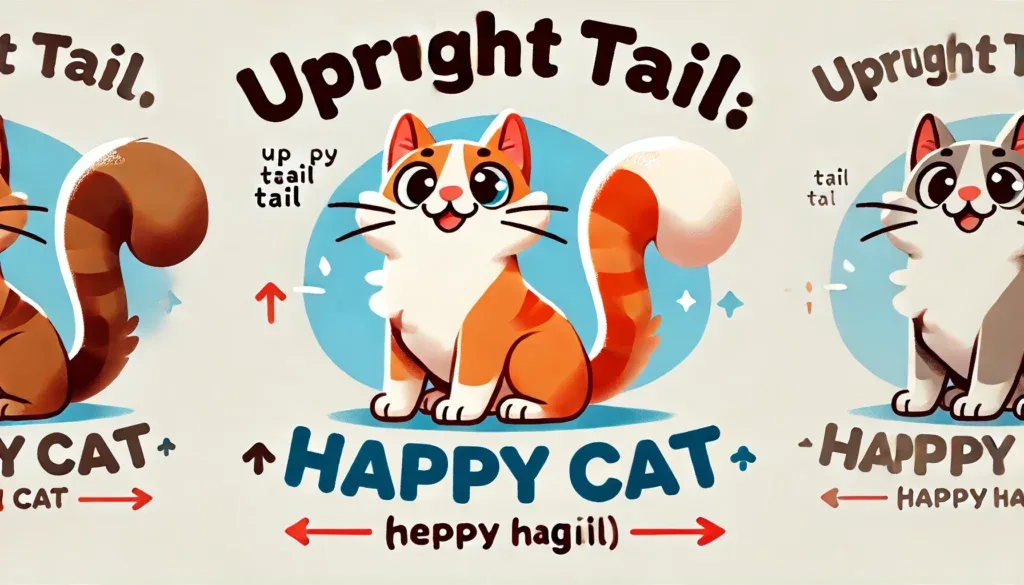
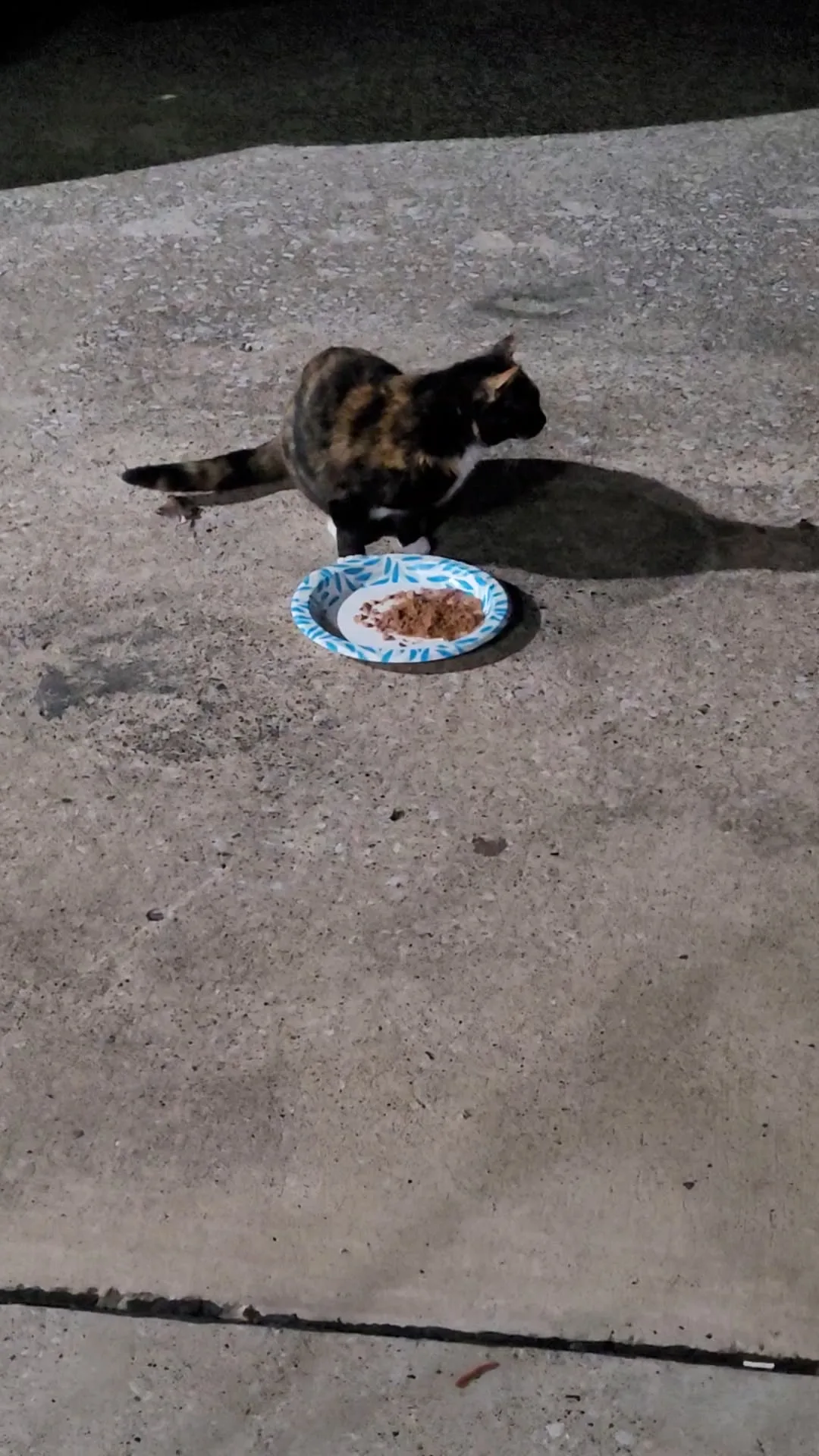
Image source: Bing (Web (fair-use with source credit))
1. Check the Tail
The tail is a huge indicator of mood. If your cat is purring loudly and their tail is standing straight up with a slight curl at the tip, you have a happy, confident cat. That is a classic greeting posture.
If the tail is wrapped around your legs or tucked around their body while they purr, they are relaxed and feeling affectionate. However, if the tail is thrashing, lashing, or thumping heavily on the ground, that loud purr means trouble. You're likely dealing with an overstimulated or agitated cat, and a swat might be coming next.
2. Look at the Ears
Ears tell you a lot about how a cat is processing a situation. Happy, relaxed cats have ears that face slightly forward or outward. As they purr, you might see a gentle, relaxed flick.
If you notice your cat's ears turning back, flattening to the sides, or twitching rapidly while purring, they are stressed, nervous, or annoyed. This is a warning sign. A purr here isn't a happy sound; it's an attempt to self-soothe during a stressful moment, like a visit to the vet or a looming bath.
3. Watch the Whiskers and Eyes
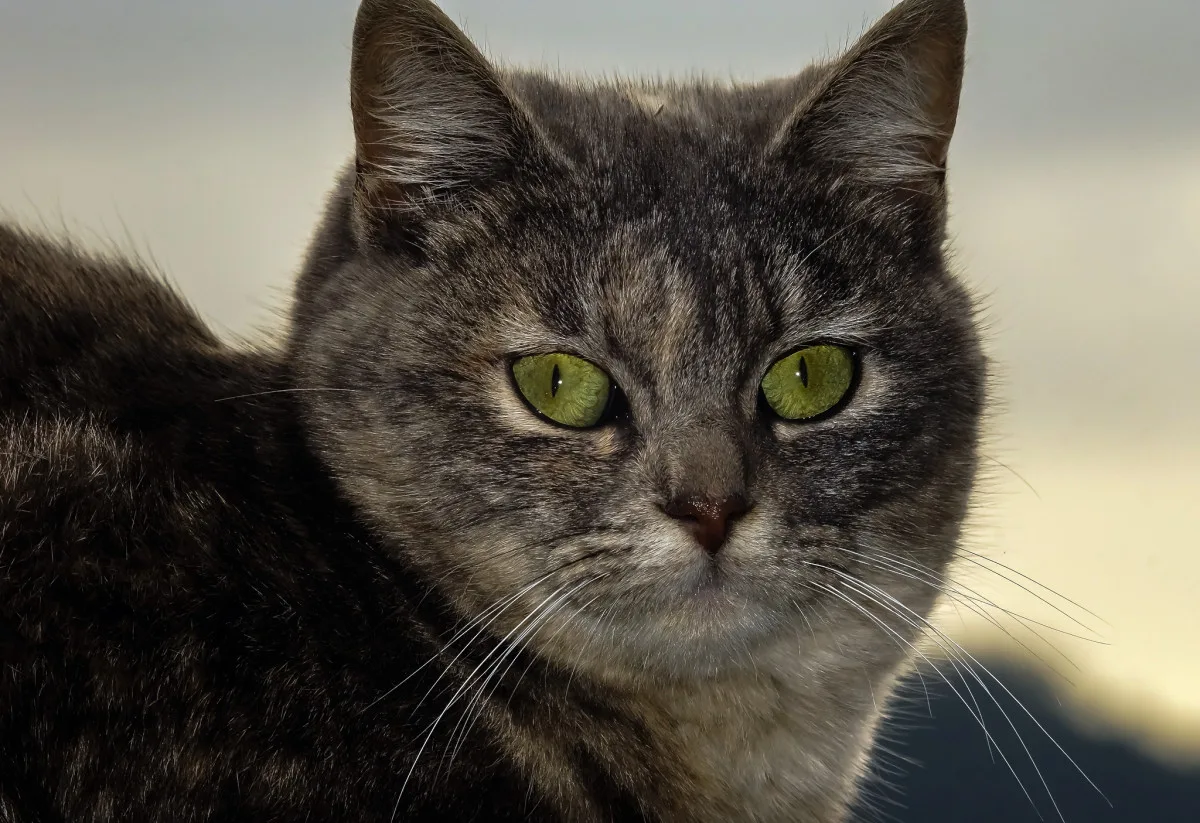
Look at the whiskers and the eyes to confirm the emotion. In a content cat, the eyes will be half-closed with slow-blinking "kisses," and the whiskers will be relaxed, pointing outward. In contrast, a stressed cat will have dilated pupils, even in bright light, and their whiskers will be pulled back flat against their face.
If the cat is purring loudly with their eyes wide or staring intensely without blinking, they are hyper-alert. That suggests they are purring to calm themselves down, not to share their joy with you.
4. Test the Body Tension
Body tension is your best physical clue. A happy, purring cat is as limp as a ragdoll. Their body feels heavy in your lap, and they might drool slightly.
Now, if you pick up a purring cat and their muscles feel tight, their legs are stiff, or they are holding their tail rigidly against their body, you need to put them down. That loud purr is a sign of anxiety. They are enduring the handling, not enjoying it.
Aggressive purring is often a warning sign to back off, even if the cat seems to be "enjoying" the petting one minute.
5. Consider the Timing
Finally, think about the context. Is it midnight and the cat is purring loudly because they've brought you a "gift" mouse at the door? That's excitement, not distress.
Is the purr happening during a thunderstorm or while you're packing a suitcase? That is displacement behavior, a self-comforting mechanism for stress. If the loud purring happens at rest, with a relaxed body, it's contentment.
If it happens during atmospheric pressure changes or while hiding, it's anxiety. The environment dictates the meaning more than the decibel level.
When Loud Purring Means "Feed Me" – The Soliciting Purr
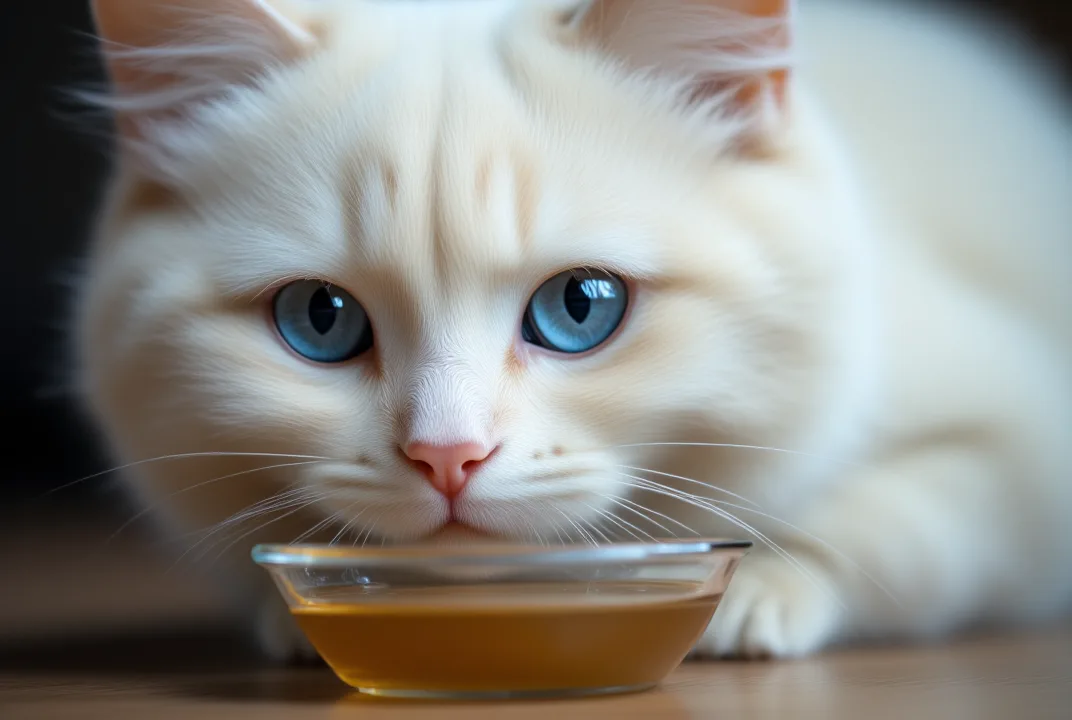
We've all been there. It's 6:00 AM, and there's a cat sitting on your chest, purring like a chainsaw, inserting a high-pitched "meh" into the rumble. This isn't just a happy greeting; this is the soliciting purr, and it's designed to manipulate you.
This specific vocalization, which feline behaviorists call "solicitation purring," mixes the cry of a kitten with the rhythmic purr of an adult, creating a sound that triggers your sense of urgency.
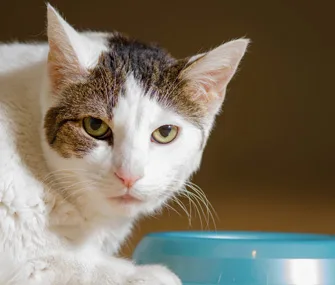
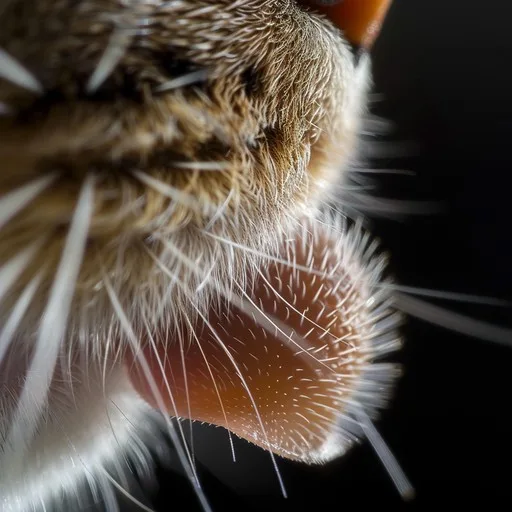
Image source: Bing (Web (fair-use with source credit))
The difference is in the urgency. A standard purr is monotone, but a soliciting purr has that added high-frequency crying component embedded in it. In our research, this specific noise is often perceived as more urgent and less pleasant than regular purring, which makes sense from an evolutionary standpoint.
It's a survival mechanism. If your cat is purring loudly and rubbing against their bowl while doing it, they aren't purring because they're happy to see you. They are telling you, "Put the food down me."
This loud purr is a learned behavior. Over time, your cat has likely noticed that purring loudly gets them treats, dinner, or an extra cuddle. So, they turn up the volume and the urgency to get the job done.
It's not necessarily a bad thing, but it's a clear sign that the purr isn't purely about emotional expression anymore. It's a tool, a form of feline communication designed to get them fed. If you observe this alongside other food-begging behaviors like circling your feet or leading you toward the kitchen, you've successfully decoded the "hangry" purr.
4. The "Distress" Purr – When It's Not About Joy at All
Here’s where things get counterintuitive. Cats are stoic creatures, and they've evolved to hide pain as a survival instinct. In the wild, showing weakness makes you prey.
So, a cat in pain won't meow loudly, they'll purr. It's a deeply ingrained self-soothing mechanism. The low-frequency vibrations of a purr (25, 150Hz) have actually been shown to promote bone density and tissue healing in cats, and they may also release endorphins that act as natural pain relievers.
It's a biologically clever way to comfort themselves when they're not feeling well.
So, how do you spot a "pain" purr? It doesn't have the same relaxed rhythm as a happy purr. It might be slightly more high-pitched, or it might have a trembling, almost wobbly quality to it.
The purr itself often doesn't match the situation. If you're at the vet's office because your cat is sick, or if they're hiding under the bed after a bad fall, and they're still purring loudly, that's a red flag. Look for squinty eyes, a tucked posture, or labored breathing.
If the volume seems driven by stress rather than affection, it's time to listen to your gut. A cat that's purring loudly but refusing to eat or hiding away is trying to tell you they're in pain.
5. The Overstimulation Purr – The "Love Bite" Precursor
We've all been there: petting your cat, they're purring like a motorboat, and then out of nowhere, chomp. This is the classic overstimulation purr. Cats purr when they're happy, but they also purr when they're trying to regulate their nervous system.
When you're petting them and the sensation goes from pleasant to irritating, a loud purr can be their way of saying, "Okay, that's enough now, but I'm trying to be polite about it."
The purr starts off as genuine contentment, but as you continue petting, it can escalate in volume and become more insistent. The ears might flick back subtly, which we often miss because the purr is so loud. This is a warning sign that they're hitting their limit.
If you notice the purr getting louder but the tail starts twitching or the skin on their back ripples, that's a clear signal to stop petting. It's a miscommunication, not aggression. The loud purr here is a sign that they're using their voice to try and keep the situation calm while their body tells you they're done.
Usually, they give you three chances before they use their teeth.
6. The "I'm in Charge Here" Purr – Confidence and Contentment
On the flip side, sometimes a loud purr is just plain swagger. Some cats, especially those who are confident in their environment, have a default purr that sounds like a diesel engine. They walk into a room, purring like they own the place, because they do.
This is the happiest kind of loud purr. It's often accompanied by a slow, confident tail hold, relaxed ears, and a general sense that they're comfortable in their own skin.
We see this a lot in cats who were well-socialized as kittens or who rule the household. Their purr isn't a plea and it isn't a cry for help. It's just how they express baseline satisfaction with their life.
They might knead the blanket, drool a little, and have that "high" look in their half-closed eyes. It's pure, unfiltered cat joy. If the tail is relaxed and the body is loose, just appreciate the fact that you've created an environment where your cat feels so safe they can be that loud.
The 2026 Update: What Science Says Now
When we talk about cat communication, we're not just making this up. Recent studies in applied animal behavior science have shown that purring has different frequencies that serve different functions. Notably, the frequency range of 25Hz to 150Hz is where muscle and bone repair are most effective.
So, when we see a cat purring really loudly after an injury, it's not just a psychological comfort; it's a physiological one. They are literally vibrating their own tissues to promote healing and pain relief. If you notice loud purring paired with limping or a skittish attitude, that's a sign to head to the vet, even if they seem "fine." It's a survival strategy.
When Should You Actually Worry?
There is a massive difference between a cat who purrs loudly during a thunderstorm versus a cat who purrs loudly while resting perfectly still. The former is "producing" the purr to calm their racing heart. The latter is enjoying their day.
So, when should you start googling "cat purring loudly all the time"?
- Watch for mismatches: If the purr is loud but the body is stiff and the ears are flat, worry about it.
- Check for other symptoms: Refusing food, vomiting, hiding, or hiding more than usual alongside a loud purr means it's time for a vet visit.
- Trust your gut: You know your cat better than anyone, including the internet. If your usually quiet cat suddenly starts purring loudly and excessively for more than a day for no apparent reason, there might be an underlying abnormality.
Image source: Bing (Web (fair-use with source credit))
The Bottom Line: It's All About the Context
So, what does it mean when a cat purrs loudly? It means your cat is feeling something intensely. Usually, that intensity is positive, contentment, love, or food anticipation.
But sometimes, that intensity is driven by stress, pain, or overstimulation. The loud purr is a magnifier for their emotional state. Now you know what to ask yourself next time you hear that heavy rumble.
Take a second to look at their eyes. Are they slow-blinking at you? That's the universal sign of "I love you, now feed me." Are they watching your hands wander toward the treat jar? Then you know exactly what that noise is.
The next time you settle in with your feline friend and they fire up the loud purr machine, just pause for a beat. Check the tail, check the ears, check the posture. Once you do, you'll not only understand what they're saying, but you'll deepen the bond between you and your cat.
And honestly, the fact that you're looking this up tells me you're a pretty great cat parent already. Now go give those motorboat purrs the attention they deserve, and enjoy the calming vibrations. It's good for both of you.
whiskers pinned back, or they’re hiding in a corner they never normally touch, that loud purr is a red flag. It’s their way of saying, “I’m not okay, but I don’t know how to tell you any other way.” If that purr is paired with a loss of appetite, lethargy, or avoidance of interaction, please don’t brush it off as them just being quirky. A vet visit is the kind, responsible move.
It’s better to check and find out they’re fine than to miss something serious. I’ve seen cats purr through broken legs and severe infections, it’s heartbreaking, but it’s also a testament to how resilient and stoic they are. So, if the loud purr feels “off” to you, trust that instinct.
7. The "I'm Healing" Purr – The Biological Superpower
Let’s talk about the science for just a second, because it’s genuinely fascinating. Cats purr at a frequency of about 25 to 150 Hertz. Multiple veterinary studies have confirmed that this specific range promotes bone density, tissue regeneration, and even pain relief.
That means when your cat is curled up purring loudly after a long nap, they’re not just being cute, they’re actively maintaining their own physical health. It’s like a built-in, low-grade therapeutic ultrasound machine.
This matters for you as a cat parent because it explains why cats purr during labor, after surgery, or when they’re seriously ill. It’s not that they’re happy, it’s that their body knows the purr is a survival mechanism. It helps them heal faster and manage pain.
So, if your cat is purring loudly after a stressful event, like a fight with another animal or a fall off the counter, that purr is them trying to patch themselves up. It’s equal parts amazing and humbling to think about.
8. The "I’m Soaking Up Your Energy" Purr – Emotional Bonding
There’s also a purr that’s about you, not about your cat. Cats are incredibly attuned to our emotional states. When you’re feeling down, anxious, or overwhelmed, your cat might suddenly curl up on your chest and start purring loudly.
This isn’t a coincidence, it’s their way of trying to comfort you, but it’s also slightly selfish in the best way. Because your heartbeat steadies and your breathing slows down when you hear that purr, and your cat feels that shift. It works both ways.
They’re literally syncing themselves to your nervous system to help co-regulate your emotions. You’re not just a warm lap; you’re a source of calm, and they’re absorbing it while giving it back in their own feline way.
If your cat is a “velcro” cat who follows you around and purrs loudly every time you sit down, that’s an intense bond. They’re saying, “You are my person. This is my spot.
And I’m so happy you exist.” It’s one of the highest compliments a cat can give you, especially considering how independent they usually are. It’s a sign of deep, loving attachment.
9. The "I’m Trying to Tell You Something" Purr – Communication, Not Just Emotion
Sometimes, a loud purr isn’t about feeling good or bad, it’s about asking for something specific. Cats learn fast that a loud purr gets attention. So, you might find that your cat purrs super loud when they want a treat, when they want the window open, or when they want you to follow them to the water bowl.
It’s not a coincidence. They’ve figured out that this sound works on you. They know you’re a sucker for it, and honestly, we love that for them.
Image source: Bing (Web (fair-use with source credit))
This is the “soliciting purr” we talked about earlier, but it’s not just for hunger. It can be for a clean litter box, a fresh scoop of wet food, or your undivided attention. The key is to pay attention to the direction of the purr.
If they’re facing the kitchen and purring loudly, it’s a demand. If they’re facing you with a purr while you’re reading or working, it’s likely a demand for attention. And let’s be real, you’re going to give it to them, and that’s okay.
You’re conditioned, and they know it.
10. The "I’m Not Even Awake" Purr – Involuntary Purring
Here’s a quirk that surprises a lot of new cat owners: cats will purr in their sleep. It’s not always a conscious choice. Just like we might talk or twitch in our sleep, cats can have involuntary purring episodes during deep REM cycles.
This is the cutest kind of loud purr because it’s completely unfiltered. They’re literally dreaming about chasing butterflies or ruling their empire, and the purr just leaks out.
If you hear a loud purr while your cat is conked out in a sunbeam, don’t interpret it as a problem. It’s just their body practicing. It’s also a good sign that they feel extremely safe and secure in your home.
A cat who purrs in their sleep is a cat who trusts you completely. Remember that the next time you see those little feet twitching.
11. The "I’m Bored and I Want a Reaction" Purr
Some cats, particularly more intelligent and energetic breeds, have learned that purring loudly gets a reaction out of their humans. It might start as a natural purr, but then they realize, “Oh, when I purr at this volume, the human looks up from their phone and talks to me.” So they do it again. And again.
And again. The purr becomes a tool for entertainment, not just communication.
If your cat is purring loudly and pacing around the room, maybe looking at you, then looking at a toy, they might be trying to tell you they want to play. It’s a great sign of engagement and intelligence, but it also means you might need to schedule a few extra play sessions throughout the day to burn off that energy. A bored cat with a loud purr is a cat who is ready to cause a little chaos if you don’t step up to the plate.
12. When the Purr Is All Wrong – The Warning Signs
Okay, we’ve covered the good, the bad, and the manipulative. Let’s wrap this up with the absolute red flags. If you hear a loud purr in a calm, quiet environment with no obvious trigger, and it’s accompanied by:
- Squinting or half-closed eyes that don’t soften
- Panting or open-mouth breathing
- Trembling or shaking
- Flattened ears that never come forward
- A tucked tail or a tail puffed up
- Hiding in dark or small spaces
- Aggression when you approach
- Increased vocalization that sounds different, like a growl or hiss mixed with the purr
If you see any combination of these signs alongside a loud purr, it’s time to stop assuming they’re happy and start taking notes. Something is off. It could be physical pain, anxiety, or a medical issue like dental disease, urinary tract infection, or arthritis.
When you notice this, the best next step is a vet visit. The purr might be their way of holding on, but they need a professional to take over.
13. Pro Tips for Responding to a Loud Purr Correctly
So, what should you actually do when your cat is purring like a drill instructor?
- If the body is relaxed and the tail is up, lean in and enjoy it. Talk back to them in a soft voice. Give them gentle chin scratches. They’re telling you they love you.
- If the purr is insistent and directed at the bowl, get up and feed them. They’ve earned it, and they’ll keep doing it until you do.
- If the purr turns into a growl or the tail thrash begins, stop petting. Give them space. Let them come to you when they’re ready. This doesn’t mean they’re mad at you; it means they need a breather.
- If the purr is constant and night or day with no apparent cause, and they’re also sleeping more or eating less, call your vet. Have them listen and help you rule out anything concerning.
- Always watch the ears and tail. They’re the most honest parts of a cat’s body. The purr is just the decoration on top.
The Final Word
So, what does it mean when a cat purrs loudly? It means they’re trying to tell you something, and they know you’re listening. Whether it’s pure joy at having you nearby, a dinner demand, a sign of anxiety, or a healing mechanism, the purr is almost never random.
It’s intentional. It’s specific. It’s one of the most nuanced vocalizations in the animal kingdom, and we’re lucky enough to hear it up close.
Once you know the signs, you’ll never mistake a loud purr for a simple happy accident again. You’ll look at that furry little creature on your lap and realize they’re a complex, emotionally intelligent being with a full range of thoughts and feelings. And the fact that you’re paying attention?
It means you two are building the kind of bond that lasts a lifetime. They’re purring loudly because they trust you. And that is the best thing in the world.
and allergies, and arthritis, it’s easy to see why they'd hide their misery. The purr is their shield. So, if you notice a sudden shift in purring volume paired with behavioral changes, like missing the litter box or not jumping on the couch, it’s time to let the vet take a listen.
It’s better to pay for a check-up and be told “you have a very healthy, very dramatic cat” than to miss something like dental root pain or early kidney disease. Your cat will forgive the car ride, I promise. They won’t forgive you if you ignore them while they’re silently suffering.
15. The "I’m a Mom" Purr (If You Have a Nursing Cat)
If you’ve got a mama cat, things get doubly interesting. Mama cats purr loudly as a form of baby communication from day one. When kittens are born, they’re blind and deaf.
They literally feel the vibrations of their mother’s purr before their ears even fully open. It’s the first real anchor they have to their world. That loud purr isn’t just for her comfort, it’s a homing beacon for her kittens.
You’ll notice mama cats purring extra loudly when they’re nursing or when they’re trying to call their litter back to a safe spot. The frequency helps the kittens locate them, even under a pile of blankets. So, if you hear a loud purr coming from the nesting box, don’t be alarmed.
She’s not in pain. She’s directing traffic. It’s an instinct that has kept the feline species alive for thousands of years.
And honestly, watching a tiny kitten wobble toward their mama’s rumbling chest is one of the purest moments in the animal kingdom. You’re witnessing a supercharged, biological connection that humans just can’t replicate.
16. What If My Cat Never Purrs Loudly?
On the flip side, you might be reading this thinking, “My cat purrs but it’s barely audible at all. Are they depressed? Do they not like me?” Not at all.
Purring volume is partly personality and partly anatomy. Just like people have different voices, some are naturally quiet and some are naturally boisterous, cats are the same. A quiet purr isn’t a lesser purr.
It’s just their version of an inside voice.
Some cats have a naturally lower volume due to the structure of their vocal cords or the size of their larynx. If you’ve ever had a cat who only purrs when you’re fully still and silent, you’ve got a quiet purrer. And that’s not a warning sign.
It means you’re putting in the effort to listen. If you sit in a perfectly quiet room and wait, you’ll still hear that gentle, rumbling vibration. That’s real love.
It’s just love spoken in a soft whisper instead of a shout.
17. Loud Purring in Multi-Cat Households
The dynamics shift when you have more than one cat. Loud purring isn’t always directed at you, it’s often directed at the other cats in the house. When you see two cats curled up together, grooming each other and both purring loudly, they’re not just coexisting; they’re reinforcing a social bond.
This is huge because cats aren’t colonial animals by nature. If they choose to share a space and purr about it, that’s a high-level social arrangement.
That doesn’t mean there’s no drama. Sometimes cats purr loudly as a way to mitigate conflict. When a dominant cat walks through the room, you might notice the submissive cat purring a little louder to signal, “I’m not a threat.
I’m just as chill as you, big guy.” It’s a peacemaking tool. It’s their way of avoiding a hiss-fight over the best sunny spot on the floor.
If you’ve seen one cat pin another down and groom them aggressively while purring loudly, they’re not trying to hurt anyone, they’re literally asserting rank in the most excessive, beat-softening way possible. Think of it as the feline equivalent of a big-brother noogie. It’s a love-crush, a power nap wrapped in fur.
18. How Humans Should Respond: The Do’s and Don’ts
Now, let’s get to the practical part. You know the purr exists for lots of reasons. How do you respond when you hear it?
Here’s your quick cheat sheet:
The Do’s:
- Do respond with a soft voice. They’re already reading your energy. A gentle tone lets them know everything is calm.
- Do watch the body language. Ears forward, tail straight up, pupils dilated (but not wide with stress) means they’re happy.
- Do use the slow blink. Slowly close your eyes and open them again while looking at them. That’s the cat equivalent of a smile. When they see that, they’ll purr even louder because they know you’re signaling peace.
- Do offer food or a treat, if the purr is around mealtime. They know what they want, and they are not too proud to ask.
- Do head over to the couch if they’re purring next to a spot on the couch. They might be wanting you to sit so they can climb on you.
The Don’ts:
- Don’t force the purr. Some cats only purr when they want something, and if you hold them down trying to milk more purrs out of them, you’ll just get a growl and a dirty look.
- Don’t assume every purr means happy. This is the big one. The more you know, the better you’ll be at catching subtle signs they’re not feeling well.
- Don’t ignore a sudden change in volume. If your cat’s purr has literally tripled in volume, something has changed, and no, playing more doesn’t always fix everything.
- Don’t wake them up just to hear it. Let them sleep. A purring cat is a trusting cat. Don’t mess with that trust by poking them for the gratification.
19. The 2026 "New Wave" Cat Owner: Why This Matters Now
The internet has a lot of hot takes on cat behavior, and honestly, some of it is way off base. My feed is full of videos of cats purring loudly with captions like “He’s basically a car motor, so cute!” and while that’s true, the caption could be missing the context. What I’m seeing more and more is a generation of cat owners who genuinely want to understand their pets on a deeper level.
We’re moving past the “cats are aloof and selfish” narrative into one where we see them as complex companions. We’re asking things like, “What does this sound mean? What does this look mean?
How can I make them more comfortable?”
That perspective shift changes everything. It turns a loud purr from something that’s just “cute” into a window into their health and emotional well-being. It lets you catch early signs of illness that you may have previously missed.
It turns a casual, “oh, look, she likes me,” into a moment of deep connection. So, by reading this far, you’re not just a cat owner, you’re a cat listener. And that, my friend, is called true friendship.
So go ahead. Next time your cat fires up that loud motor and looks at you, take a second. Don't just smile and stroke.
Look at the tail. Check the ears. Scan the room.
Consider the time of day. You've got the tools now to understand what that rumbling vibration really means.
And the best part? Once you start responding correctly, your cat will notice. They'll feel heard.
They'll trust you even more. That loud purr might even get a little louder, because they know you're actually listening. It's a conversation.
And you just learned the language.
Common Mistakes Owners Make With Loud Purring
The loudest mistake is assuming every purr means pure joy. That single belief causes more misreads than anything else. You miss the warning signs because the sound itself feels so soothing.
Your cat might be telling you they're overwhelmed, and you keep petting because you think they love it.
Another common error is ignoring the context. A cat purring loudly at 3 AM while staring at the wall isn't being cute. They might be disoriented or in pain.
Don't brush it off as quirky behavior. Always ask yourself: what else is happening right now?
Overstimulation is the trickiest trap. You hear the purr get louder, and you assume they want more attention. In reality, that volume spike is often a boundary.
If you keep going, you'll get the love bite. Learn to stop before the tail starts twitching.
Finally, don't mistake a soliciting purr for genuine affection every time. It's flattering that they want you, but sometimes they just want the can opener. There's nothing wrong with that.
Just don't let it fool you into thinking they're emotionally bonded when they're just hungry.
Frequently Asked Questions About Cat Purring
Why does my cat purr so loud when I'm not touching them?
They might be self-soothing, signaling contentment from a distance, or trying to get your attention for food. Some cats purr loudly just because they're in a relaxed state. Check their body language to confirm the reason.
Can cats purr when they're in pain?
Yes. Cats often purr when injured or ill as a self-healing mechanism. The vibrations at 25 to 150 Hz promote tissue repair and pain relief.
Never assume a purr means they're fine. Look for other signs like hiding or appetite loss.
Is a loud purr always a good sign?
No. A loud purr can mean contentment, hunger, anxiety, or pain. The volume alone doesn't tell you the emotion.
You have to read the tail, ears, eyes, and posture together with the sound to get the full picture.
Why does my cat purr when I'm sad?
They sense your emotional shift and are trying to comfort you. Purring lowers your heart rate and blood pressure. They're also soothing themselves because your stress affects their environment.
It's a mutual calming strategy.
Should I wake my cat up if they're purring in their sleep?
No. Let them rest. Purring during sleep is involuntary and means they feel extremely safe.
Interrupting that deep trust can make them anxious. Enjoy the moment silently and let the cat sleep.

Similar Posts